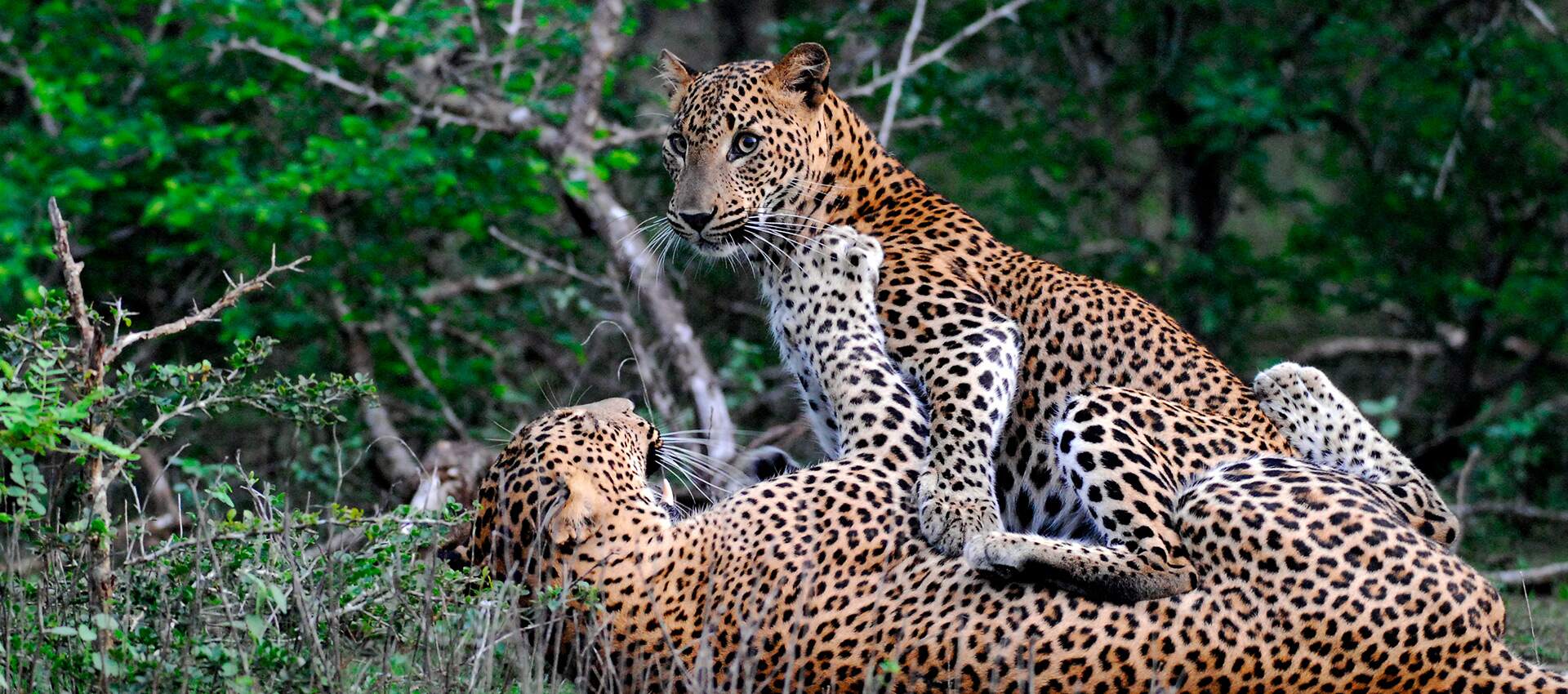
Sri Lanka’s wildlife is as varied as the island itself, ranging from elephants and leopards to marine life and a vast number of different birds, and Sri Lanka is now one of the best places in the world to see whales, including the mighty blue whale. With 12% of the country designated for wildlife protection, it is easy to get a taste of Sri Lankan wildlife: safari parks and sanctuaries, particularly in the southern and central zones, offer the easiest way to see animals in their natural habitat. Stay alert for a sighting of the endangered leopard; take your time as you watch the elephants feeding and washing in a tank or lagoon, or walk quietly along the beaches of the west and south coast near to marine turtles as they lay their eggs.
Birds of Sri Lanka
Birdwatching in Sri Lanka is a delight for birders. The island’s isolation and tropical climate are responsible for attracting an incredibly diverse range of birds of more than 400 species. Almost 200 migrant species descend on the country each year having flown south for the winter, and there are 33 endemic birds in Sri Lanka. For more information, see our page on birdwatching in Sri Lanka.
Mammals
102 terrestrial mammals have so far been discovered on the island. 90 of them are indigenous species, of which 14 are endemic to Sri Lanka. Mammals are extensively distributed in the country due to the diverse climate, vegetation, altitude and geographic history of the island. Many travellers come to Sri Lanka hoping to see elephants, the island’s most iconic animal – visit one of the national parks and see them moving in herds in the wild, or visit the Millennium Elephant Foundation to learn more about the role elephants play in Sri Lankan culture. Sri Lanka’s elusive leopard can be seen at many national parks, most notably Yala National Park, which has the highest population density of leopards in the world. Go to tranquil Wilpattu for a sloth bear sighting, or see toque macaque, grey langur and purple-faced leaf monkeys when you meet the monkeys of Polonnaruwa.
Don’t miss:
The Elephant Gathering at Minneriya National Park (June – September)
Otters and Sambar Deer at Horton Plains National Park
Seeing a leopard at Yala National Pak
Large herds of elephants at Uda Walawe National Park
Watching sloth bear in Wilpattu National Park
Meeting the monkey population of Polonnaruwa
Marine Life
Sri Lanka’s oceans also boast a wide range of spectacular creatures, including whales and dolphins, dugongs, sting rays, eels, whale sharks and five species of endangered marine turtle, as well as various colourful tropical fish and intricate, mesmerising corals. Go on a whale and dolphin watching expedition in search of the mighty blue whale, or watch as a turtle lays its eggs in the sand before returning to the sea.
Why not try a wildlife holiday in Sri Lanka? The island’s astonishing diversity of landscape and the incredible range of animals that have made their home here means that there are wildlife events happening all year round. Red Dot have put together several wildlife-focused itineraries which highlight Sri Lanka’s main wildlife attractions and take you to some of the most beautiful areas of the island. These itineraries can of course be altered in any way that you wish, and our knowledgeable sales consultants will be only too happy to advise you on creating the ultimate Sri Lanka wildlife holiday.

Bundala National Park
Bundala, Tissa & Kataragama
Bundala National Park, which neighbours Yala, is one of the best places for birdwatching in Sri Lanka, and is also home to sloth bears, elephants and deer.
Duration: 3 hours
Best time: September to March


Chundikulam National Park
Jaffna
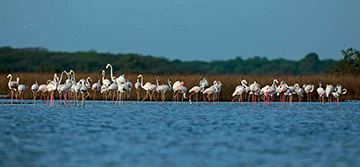
Chundikulam National Park is slowly regaining recognition as a birders’ paradise as the Jaffna peninsular gradually begins to attract travellers once again.
Duration: 3 hours
Best time: March to September
Sinharaja Rainforest
Sinharaja, Sinharaja & Kitulgala
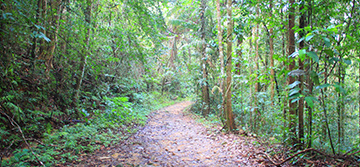
Moist, murky and mysterious, an experience of Sinharaja is like nothing else in Sri Lanka. Trek through this magnificent landscape, the last surviving stretch of virgin rainforest on the island.
Duration: 3 hours
Best time: Year-round

Anawilundawa Wetlands
Puttlam, North-West Coast
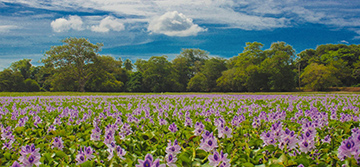
Located near to Kalpitiya, Anawilundawa (meaning ‘seven wetlands’ in Tamil) refers to a cluster of freshwater tanks within the sanctuary. It is a very important wetland for many migratory birds.
Duration: 3 hours
Best time: October to April

Gal Oya National Park
Gal Oya National Park, East Coast
Gal Oya is one of the most remote and stunning national parks in Sri Lanka. Inclusive of the largest reservoir in the island, take a boat safari at sunset as well as doing a morning game drive.
Duration: 2 hours
Best time: March to July
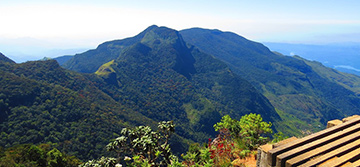
Horton Plains National Park
Nuwara Eliya, Hill Country
An undulating 2000m-high plateau covered in grassy plains interspersed with small patches of forest which is home to a rich array of wildlife. Trek to ‘World’s End’, the park’s most dramatic feature.
Duration: 3 hours
Best time: January to March
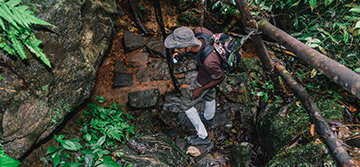
Kanneliya Rainforest
Kanneliya, Galle Coast
Trek through this forest area which lies just 35km from Galle. Accompanied by an experienced wildlife tracker, absorb the tranquil atmosphere whilst looking out for tropical birds and other animals.
Duration: 3 hours
Best time: Year-round


Kitulgala-Kelani Forest Reserve
Kitulgala, Sinharaja & Kitulgala
The Kelani Valley Forest Reserve in Kitulgala offers breath-taking scenery. Sail down the river, or journey through the jungle-clad hills and tea and rubber plantations on foot or by mountain bike.
Duration: N/A
Best time: Year-round
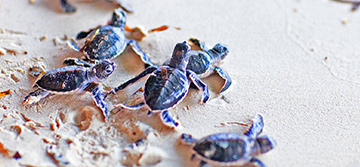
Kosgoda Turtle Hatchery
Kosgoda, West Coast
Of the seven species of marine turtles, five come ashore to nest in Sri Lanka and the Kosgoda Turtle Hatchery which primary operates as a hatchery, is a great place to observe collected and rescued eggs hatch.
Duration: 1 hour
Best time: Year-round