
Sri Lanka holidays designed for you
The enchanting tropical island of Sri Lanka is one of the hottest holiday destinations in the world. Few countries pack so much variety into such a small space: stunning beaches, awe-inspiring hill country, wildlife parks, ancient cities and venerated temples, wonderful food and a choice of accommodation that grows more delightful by the year. At Red Dot, we are committed to understanding your idea of a perfect Sri Lanka holiday – what you love to do, where you would like to stay and how much you want to travel around the island. Choose a tailor-made Sri Lanka holiday, one of our specialist Sri Lanka tours or just select a Sri Lanka hotel from our diverse list of the best properties the island can offer. Whatever your budget, we promise caring personal service and highly-competitive prices.


Safety, value and expertise is our guarantee
In the wake of the Covid-19 crisis, we are more committed than ever to prioritising your safety when you travel to Sri Lanka. Red Dot has drawn up guidelines to put protecting your health at the centre of your Sri Lanka holiday, and our ground operator was one of the first to be certified as ‘Safe and Secure’ by the Sri Lanka Tourism Development Authority. With Red Dot you can also be assured that we will do all we can to prevent you losing money because of any impact of Coronavirus on your Sri Lanka holiday. We will ensure the most flexible terms possible at the time of booking, and should you test positive for Covid-19 in the days prior to your trip, your personal sales consultant will do their utmost to negotiate special cancellation terms with each hotel. You deserve total peace of mind as we return to normality with travelling abroad. In challenging times, we have proved time and again that we are a company you can trust.

Most Popular Itineraries

Classic Sri Lanka Tour
Sigiriya, Kandy, Ella, Yala, Galle
The Classic Sri Lanka Tour showpieces the highlights of this tropical island - ancient cities, tea-clad hills, wildlife parks, stunning beaches and gorgeous hotels.
14 Days
Starting from USD 1990 per person

Honeymoon Sri Lanka
Anuradhapura, Victoria, Koslanda, Galle
For a wonderful honeymoon in Sri Lanka, nothing rivals our most romantic Sri Lanka holiday, designed using the island’s most intimate boutique hotels.
15 Days
Starting from USD 3192 per person

Sri Lanka East Coast for Families
Wilpattu, Pasikudah, Sigiriya, Colombo
Our family holiday of Sri Lanka’s East Coast can cater for children of all ages and dispositions and ensure everybody gets the break they deserve.
11 Days
Starting from USD 1276 per person

Boutique Sri Lanka
Sigiriya, Kandy, Hatton, Yala, Galle
Relax in upmarket boutique accommodation that has won global acclaim in a leisurely tour around the most absorbing and beautiful parts of Sri Lanka
14 Days
Starting from USD 4090 per person

Sri Lanka Family Holiday
Habarana, Victoria, Kitulgala, Bentota
Sri Lanka Family Holiday is recommended for families with young children whose priority is to enjoy lots of fun-filled activities within a safe and friendly environment.
14 Days
Starting from USD 1886 per person

Sri Lanka Guesthouse Explorer
Sigiriya, Kandy, Bandarewela, Ahangama
Experience the many attractions of Sri Lanka on a tight budget in keeping with our commitment to provide quality tailor-made holidays at affordable prices.
14 Days
Starting from USD 1500 per person

Walk Sri Lanka
Hatton, Koslanda, Nuwara Eliya, Knuckles
Sri Lanka’s hill country is a land of tea-laden hillsides, gurgling waterfalls, stirring mountains and clear hill-country air.
14 Days
Starting from USD 1931 per person

Jewels of South Asia
Rajasthan, Sri Lanka, Maldives
Discover the delights of three nations on this extended tour which takes you from regal Rajasthan to the idyllic beaches of the Maldives.
25 Days
Starting from USD 5787 per person
Special Offers
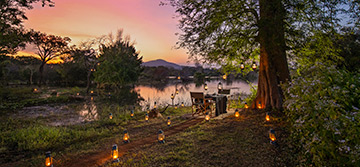
Tropical Winter Getaway Special Offer
9 nights / 10 days
Treat yourself to our Tropical Winter Getaway Special Offer, a neat island tour with all the essentials of a Sri Lanka holiday in just 10 days.
Starting from USD 1363per person
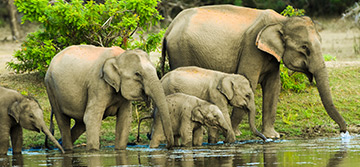
Luxury Winter Getaway Special Offer
13 nights / 14 days
Take advantage of our Luxury Winter Getaway Special Offer, a full island tour with all the essentials of a Sri Lanka holiday and the very best hotels.
Starting from USD 4395per person
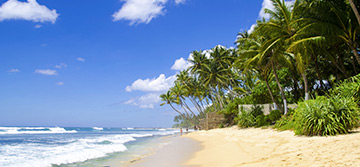
Luxury Sri Lanka Special Offer
11 nights / 12 days
Save up to 22% on our Luxury Sri Lanka special offer, a 12-day tour which takes you to the tea hills, Yala National Park and Sri Lanka’s stunning southern beaches.
Starting from USD 3057per person
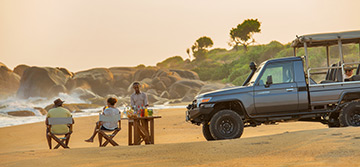
Taste of Sri Lanka Special Offer
7 nights / 8 days
Save up to 18% on our Taste of Sri Lanka special offer, an eight-day tour which takes you to the tea hills, Yala National Park and Sri Lanka’s stunning south-west beaches.
Starting from USD 2143per person
East Coast Sri Lanka Special Offer
11 nights / 12 days
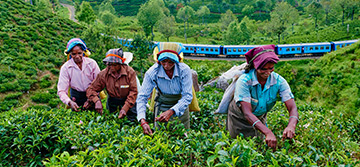
Save up to 26% on our East Coast Sri Lanka special offer, an 11-night tour which takes you to Kandy, the fringes of the island’s tea hills, various historical hotspots and the family-friendly beaches of Pasikudah in the east coast.
Starting from USD 1711per person
Essential Sri Lanka Special Offer
14 nights / 15 days
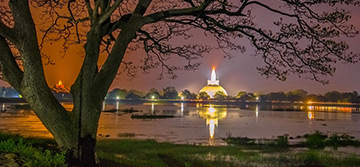
Save up to 19% on our Essential Sri Lanka special offer, a two-week journey which offers you a taste of Sri Lanka’s rich history, scenic tea hills, diverse wildlife and spectacular tropical beaches.
Starting from USD 2113per person

Find my Itinerary
Why Choose Us
Sri Lanka Specialist
We live and breathe Sri Lanka and know the country intimately
20 years’ Experience
Expert advisers and fair Booking Conditions ensure your full protection
Price Match Guarantee
Our competitive pricing ensures you will receive value for money.
24-hour Customer Support
A problem during your holiday? We are available whenever you need us.
Social Hub

A shot encompassing the essence of Sri Lanka's Hill Country where lush green tea estates fill the hillsides and valleys with dramatic mountains towering overhead. It's a land of breathtaking scenery and stunning vistas at every turn with lots to do in the fresh highland climate. Follow the link in our bio to take a look at some of o...
View More

Galle Fort Hotel was one of the pioneers in the gentrification of Galle Fort. It began life as an 18C Dutch villa, offers quality accommodation at the heart of the Fort. The hotel evokes a subtle sense of colonial grandeur, skilfully updated for the modern age. Galle Fort Hotel won the title of Sri Lanka’s Leading Boutique Hotel at...
View More

Top 5 places to stay in Sri Lanka in winter
Are you planning a visit to Sri Lanka this winter, or perhaps next year? This is peak season for visiting the island, when the weather in Sri Lanka is warm and dry and the south coast is safe for swimming. Discover the top five places to stay in Sri Lanka in winter that have to… Read More »The post Top 5 places to stay in Sri L...
View More
Unique ways to explore Sri Lanka’s cultural sites
Exploring the Cultural Triangle is a must for anyone visiting Sri Lanka. This region boasts a wealth of historic sites that showcase the island’s rich cultural legacy, many of which are recognized by UNESCO World Heritage. However, given the significance and staggering beauty of these sites, this region is often busy with tourists....
View More
Top 6 things to do in Sri Lanka’s Hill Country
Exploring Sri Lanka’s central hills is a must for first-time visitors to the island. With a cooler climate, incredible scenery and an alluring laidback atmosphere, this is the perfect place to relax, seek out breath-taking viewpoints, and discover the island’s tea heritage – a British legacy. Tea experiences The British converted th...
View More
Top 10 cafés and restaurants in Colombo, Sri Lanka
Sri Lanka’s commercial capital is a convenient and exciting first or last top on your tour, and what better way to begin or end your trip than with a memorable meal? Browse this list of the top 10 cafés and restaurants in Colombo to find the atmosphere and cuisine that best suits you. Nuga Gama… Read More »The post Top 10 cafés...
View More