Snapshot
Wasgamuwa is a remote national park which is home to a wide variety of Sri Lankan wildlife, including elephants, leopards and many species of bird. It is located between the Central and North Central provinces, south-east of the Cultural Triangle, and its riverine and dry evergreen forests, grasslands and wetlands are home to numerous animals including sloth bear, sambur, spotted and barking deer, wild boar, purple-faced leaf monkey and 143 species of bird.
Duration: 3 hours
Best Time: November to May


Additional Information
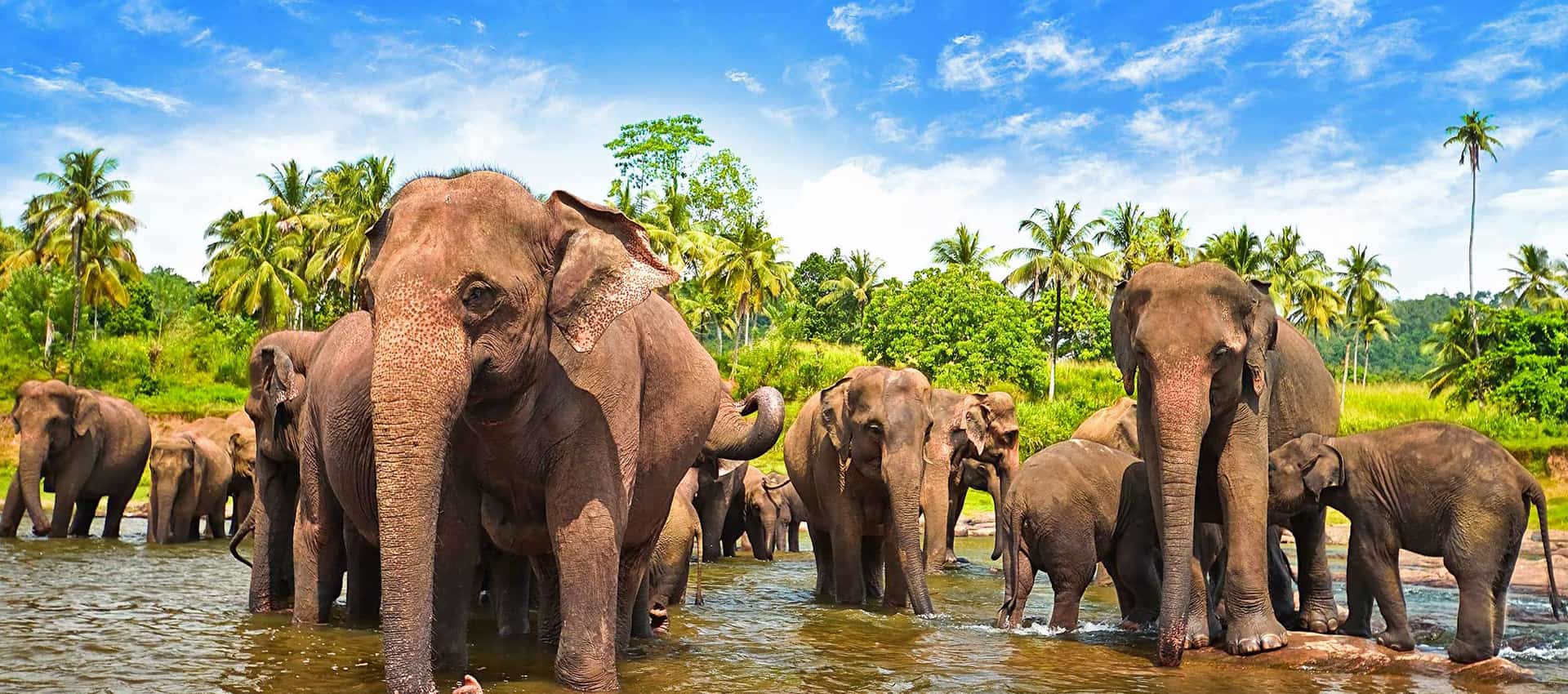
Wasgamuwa is famous for the elephants which frequent the Mahaweli River which runs along one of the boundaries of the park, and its canals and water-ways which run down from the 470-metre-high ‘Sudu Kande’ nearby. There are also archaeological ruins of ancient settlements within the park, the most important of which is Buduruwayaya, which is comprised of ruins of Buddha statues which are estimated to be over 1,800 years old and buildings which date back to the Polonnaruwa period.
Wasgamuwa was closed to visitors until 1948, when it was changed from a Strict Nature Reserve to a National Park. As a relatively ‘new’ park, stretching over 316 sq kms, the animals are still not used to people and so your encounters can be very memorable! Elephants are the main attraction of this park – there are over 150 here – and they are particularly large due to their varied diet. Other mammals inhabiting this park include leopard, sloth bear, golden jackal, wild boar, wild buffalo, black-naped hare, sambar, spotted and barking deer, fishing cat, rusty-spotted cat and primates including the grey langur, the endemic toque macaque and purple-faced leaf monkey and the nocturnal grey slender loris.
Wasgamuwa is also excellent for birdwatching. Nearly 150 species of birds can be seen in the park, including migrants, forest birds, water birds and waders. Some of the highlights include the endemic species red-faced malkoha, Sri Lanka jungle fowl, Sri Lanka spur fowl, Sri Lanka green pigeon, Sri Lanka brown-capped babbler, crimson flamback, Sri Lanka grey hornbill and yellow-fronted barbet. Other species include the globally endangered lesser adjutant and painted storks, black-headed ibis, and grey-headed fish eagle. Wasgamuwa is also a very good location to see the elusive spot-bellied eagle owl, also known as the ‘Devil Bird’. Other forest birds include little green bee-eater, blue-tailed bee-eater, common iora, black-headed cuckoo shrike, brown shrike, black-headed munias, Indian pitta, forest wagtail, yellow wagtail, orange-headed ground thrush, jungle prinia, ashy prinia, white-rumped shama, Malabar-pied hornbill and the chestnut-headed bee-eater.
Other animals which can be seen at Wasgamuwa are various species of butterflies – including the rare five-bar swordtail and colourful banded peacock, common jezebel, blue mormon and common birdwing – and reptiles including two types of crocodile and land monitors. If you are lucky you many also see the Indian python crossing in front of the jeep tracks in the early morning.
Mammals
Elephants are the main attraction of this park with over 150 Elephants inhabiting the park. These elephants seem to be much larger in size than the ones you will see in Uda Walawe. This is mainly due to the lush vegetation within Wasgomuwa that provides their varied diet. These Elephants are also known for their aggressive behaviour when confronted by humans. Since this park was only open to the public a few years back, the animals are much more unpredictable. Other mammals inhabiting this National Park include Leopard, Sloth Bear, Golden Jackal, Wild Boar, Wild Buffalo, Black-naped Hare, Sambar, Spotted Deer, Barking Deer, Fishing Cat, Rusty-spotted Cat. Primates include the Grey Langer, the endemic Toque Monkey, Purple-faced Leaf Monkey and the nocturnal primate the Grey Slender Loris.
Birds
Wasgomuwa is also excellent for bird watching. Nearly 150 species of birds can be seen in the park and this includes migrants, forest birds, water birds and waders. Some of the highlights include the endemic Red-Faced Malkoha in the riverine habitats. Other endemics includes the Sri Lanka Jungle Fowl, Sri Lanka Spur fowl, Sri Lanka Green Pigeon, Sri Lanka Brown-capped Babbler, Crimson Flamback, Sri Lanka Grey Hornbill, Yellow-fronted Barbet. Other species include the globally endangered Lesser Adjutant. Painted Storks, Black-headed Ibis, and Grey-headed fish Eagle. This is also a very good location to see the elusive Spot-bellied Eagle Owl also known as the Devil Bird. Other forest birds include Little Green Bee-eater, Blue-tailed Bee-eater, Common Iora, Black-headed Cuckoo Shrike, Brown Shrike, Black-headed Munias, Indian Pitta, Forest Wagtail, Yellow Wagtail, Orange-headed Ground Thrush, Jungle Prinia, Ashy Prinia, White-rumped Shama, Malabar-pied Hornbill and the Chestnut-headed Bee-eater.
Reptiles & Amphibians
Wasgomuwa has both types of Crocodiles found in Sri Lanka, the Estuarine and Mugger Crocodiles along with land Monitors. If you are lucky you can also see the Indian Python crossing the jeep tracks in the early morning.
-min.jpg)
-min.jpg)
-min.jpg)
-min.jpg)
-min.jpg)
-min.jpg)
-min.jpg)
-min.jpg)
-min.jpg)
-min.jpg)
-min.jpg)
-min.jpg)
-min.jpg)
-min.jpg)
-min.jpg)
Related Activities

Bundala National Park
Bundala national park, bundala, Sri Lanka
Bundala National Park, which neighbours Yala, is one of the best places for birdwatching in Sri Lanka, and is also home to sloth bears, elephants and deer.
Duration: 4 hours
Best time: September to March

Chundikulam National Park
Chundikulam National Park, Sri Lanka
Chundikulam National Park is slowly regaining recognition as a birders’ paradise as the Jaffna peninsular gradually begins to attract travellers once again.
Duration: 4 hours
Best time: March to September
Play a Sri Lankan drum
Kandy, Sri Lanka
Sri Lanka resonates to the sound of drumming, and with the help of Red Dot, a teacher from a long line of professional drummers can reveal the basics of how to play as well as understand the history and importance of drums in Sri Lanka.
Duration: 4 hours
Best time: Year-round


Galle Dutch Fort
Galle Dutch Fort, Galle, Sri Lanka
Galle Fort, a UNESCO World Heritage Site originally built by the Portuguese before it was further developed by the Dutch and British, covers nearly 4sqkm and houses a range of old colonial buildings.
Duration: 4 hours
Best time: Year-round


Kandyan Cultural Show
Kandy, Sri Lanka
Stemming from various ancient dance rituals, Kandyan dancing became widespread across the island and is now a core part of Sri Lankan culture. It is a highly-theatrical, thrilling show to see.
Duration: 4 hours
Best time: Year-round
Lipton's Seat
Lipton's Seat, Dambethenna Estate, Lipton Seat Road, Haputale, Sri Lanka
The favourite viewing point of Sir Thomas Lipton, Lipton’s Seat offers one of the most spectacular views of Sri Lanka’s Hill Country. Drive to the top, or walk up through the surrounding plantations.
Duration: 4 hours
Best time: Year-round

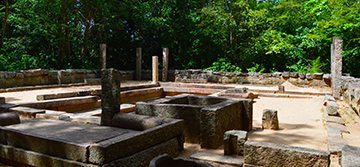
Ritigala
Ritigala, Sri Lanka
Ritigala is nestled deep inside a jungle-covered nature reserve, the ruins of an extensive Buddhist monasty which was abandoned during the invasions of the 10th and 11th centuries.
Duration: 4 hours
Best time: Year-round
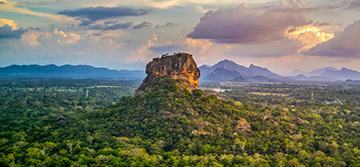
Sigiriya Rock Fortress
Sigiriya Rock Fortress, Rock Front, Sigiriya, Sri Lanka
Sigiriya, a UNESCO World Heritage Site, is one of the most majestic, awe-inspiring and stunning historical locations in the world, built in the 5th century AD by ‘mad’ King Kasyapa.
Duration: 4 hours
Best time: Year-round
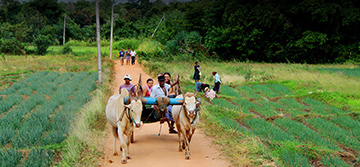
Traditional Sri Lankan Village Life
Sigiriya, Sri Lanka
Hop into a bullock cart and explore the village life of the island. Walk through lush paddy fields, take a boat ride along Hiriwaduna Wewa and finally, savour a traditional Sri Lankan meal to wrap up your sojourn in the village.
Duration: 4 hours
Best time: Year-round
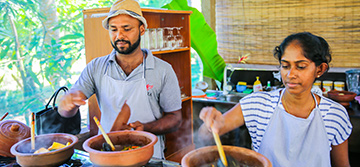
Sri Lankan Cooking Class with a Family
Galle, Sri Lanka
Sensationally flavoursome rice and curry is a staple in Sri Lanka. A plate of rice and curry is comprised of various curries, cooked vegetables, sambols and steamed rice.
Duration: 4 hours
Best time: Year-round

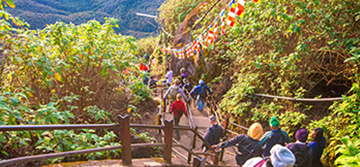
Adam's Peak
Adam's Peak, Sri Lanka
Adam’s Peak is sacred to all four religious groups in Sri Lanka. Attempt the enthralling and challenging climb at night to reach the top in time to witness one of the most stunning sunrises in Asia.
Duration: 4 hours
Best time: December to April
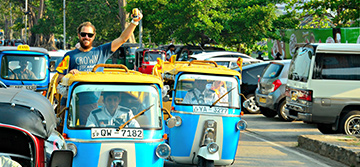
Colombo by Tuk Tuk
Colombo, Sri Lanka
See Colombo as the locals do – from the back seat of a tuk tuk, the three-wheelers which rove the island’s capital. Visit the city’s main attractions, lesser-known spots and enjoy the cool breeze.
Duration: 4 hours
Best time: Year-round
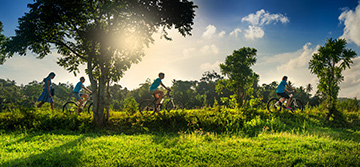
Galle Boats and Bikes
Galle, Sri Lanka
Explore the rural villages around Galle, first by boat as you sail down the Kapu Ela, then by a scenic 9km bike ride through the surrounding paddy fields. Finish with hoppers and tea in a mud hut.
Duration: 4 hours
Best time: Year-round
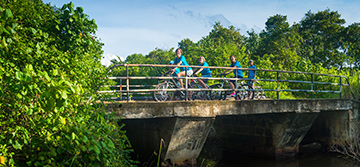
Galle Guided Bicycle Trails
Galle, Sri Lanka
Cycle through Galle’s beautiful countryside, passing paddy fields dotted with iconic white egrets and water buffalo, quiet villages, tea and rice fields. Choose from a range of routes.
Duration: 4 hours
Best time: Year-round
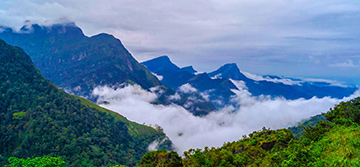
Hike in the Knuckles
Knuckles, Sri Lanka
The Knuckles Mountain Range is perfect for hiking – a land of mystical peaks, chattering waterfalls and hidden hillside villages, with breathtaking visas and a remoteness that will appeal to experienced and novice hikers alike.
Duration: 4 hours
Best time: February to August
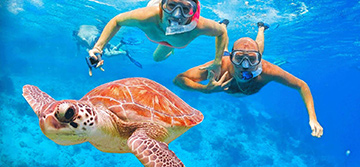
6 Best Water-Sport Activities in Sri Lanka
Sri Lanka
Discover the 6 best water-sport activities in Sri Lanka, from athletic surfing, kite-surfing and windsurfing to laidback snorkelling and sailing trips.
Duration: 4 hours
Best time: December to March, June to September
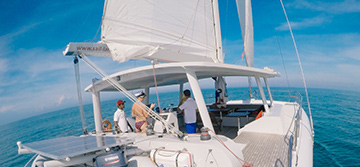
Sailing in Trincomalee or Pasikudah
Passikudah, Kalkudah, Sri Lanka
Set out from the shores of Trinco or Pasikudah in a catamaran and explore the splendour of Sri Lanka’s eastern coastline. Go to beautiful private coves and snorkel off colourful reefs.
Duration: 4 hours
Best time: June to September
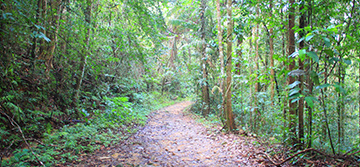
Sinharaja Rainforest
Sinharaja Forest, Deniyaya, Sri Lanka
Moist, murky and mysterious, an experience of Sinharaja is like nothing else in Sri Lanka. Trek through this magnificent landscape, the last surviving stretch of virgin rainforest on the island.
Duration: 4 hours
Best time: Year-round
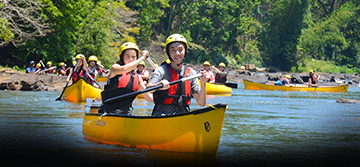
Sri Lanka Canoe Expedition
Kithulgala, Kitulgala, Sri Lanka
Canoe down the Mahaweli River from Kitulgala to Polonnaruwa with a guide, and spend three nights camping under the stars. This is a magical expedition which takes you through some of Sri Lanka’s most remote areas.
Duration: 4 hours
Best time: Year-round

Sri Lanka Hot Air Ballooning
Kandalama, Sri Lanka
Rise at dawn and soar above the wide plains and clusters of jungle which cover the Cultural Triangle, an area of Sri Lanka which is littered with dramatic ancient ruins dating back over 2,000 years.
Duration: 4 hours
Best time: November to April

Take a Sri Lanka surfing lesson
Weligama, South Coast
Learn to surf the waves at Weligama Bay on Sri Lanka's blissful south coast with the extra assurance of your own instructor to guide you every step of the way. For beginners and those seeking to improve their style.
Duration: 4 hours
Best time: December to April

Walking in Ella
Ella, Sri Lanka
Ella is one of the most beautiful spots in the hills for walking, offering trails of varying levels of difficulty – make the short climb up Little Adam’s Peak or hike to the summit of Ella Rock.
Duration: 4 hours
Best time: Year-round
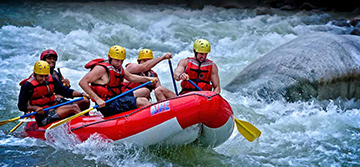
White-Water Rafting and Canoeing
Kithulgala, Kitulgala, Sri Lanka
Enjoy an exciting rafting adventure in a jungle paradise. The Kelani River is famous for its white-water rafting and boasts rapids suitable for beginners and those with more experience.
Duration: 4 hours
Best time: Year-round
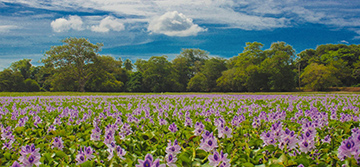
Anawilundawa Wetlands
Puttalam, Sri Lanka
Located near to Kalpitiya, Anawilundawa (meaning ‘seven wetlands’ in Tamil) refers to a cluster of freshwater tanks within the sanctuary. It is a very important wetland for many migratory birds.
Duration: 4 hours
Best time: October to April

Gal Oya National Park
Gal Oya National Park Entrance, Pallang Oya - Inginiyagala, Sri Lanka
Gal Oya is one of the most remote and stunning national parks in Sri Lanka. Inclusive of the largest reservoir in the island, take a boat safari at sunset as well as doing a morning game drive.
Duration: 4 hours
Best time: March to July
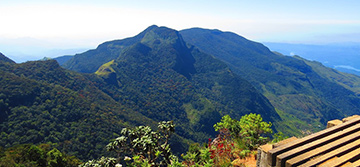
Horton Plains National Park
Horton Plains National Park, Sri Lanka
An undulating 2000m-high plateau covered in grassy plains interspersed with small patches of forest which is home to a rich array of wildlife. Trek to ‘World’s End’, the park’s most dramatic feature.
Duration: 4 hours
Best time: January to March
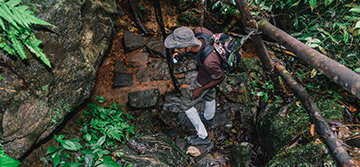
Kanneliya Rainforest
Kanneliya Forest, Peak Road, Sri Lanka
Trek through this forest area which lies just 35km from Galle. Accompanied by an experienced wildlife tracker, absorb the tranquil atmosphere whilst looking out for tropical birds and other animals.
Duration: 4 hours
Best time: Year-round

Kitulgala-Kelani Forest Reserve
Kitulgala, Sri Lanka
The Kelani Valley Forest Reserve in Kitulgala offers breath-taking scenery. Sail down the river, or journey through the jungle-clad hills and tea and rubber plantations on foot or by mountain bike.
Duration: 4 hours
Best time: Year-round
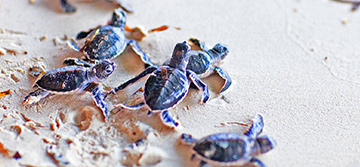
Kosgoda Turtle Hatchery
Sri Lanka, Kosgoda, Kosgoda Turtle Hatchery
Of the seven species of marine turtles, five come ashore to nest in Sri Lanka and the Kosgoda Turtle Hatchery which primary operates as a hatchery, is a great place to observe collected and rescued eggs hatch.
Duration: 4 hours
Best time: Year-round
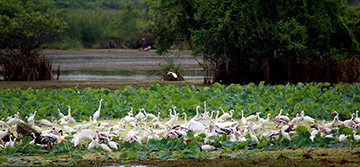
Kumana National Park
Kumana National Park, Sri Lanka
Kumana National Park is a birders’ paradise. Hidden away in the south-east of Sri Lanka, it was one known as East Yala, but it is best approached from the laid-back coastal settlement of Arugam Bay on Sri Lanka’s East Coast.
Duration: 4 hours
Best time: February to July
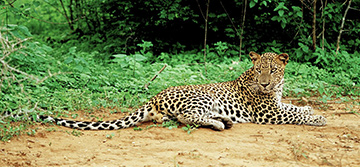
Lunugamvehera National Park
Lunugamvehera National Park, Tanamalwila, Sri Lanka
Positioned between Yala and Uda Walawe, Lunugamveherea National Park is home to 184 species of bird and a wide variety of other Sri Lankan animals.
Duration: 4 hours
Best time: May to September
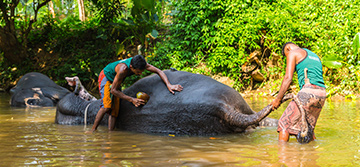
Millenium Elephant Foundation
Millennium Elephant Foundation, Rambukkana, Sri Lanka
Learn about the key role elephants play in Sri Lankan culture and issues which arise from this. Accompanied by an expert, walk with, bathe and feed the elephants that are looked after here.
Duration: 4 hours
Best time: Year-round
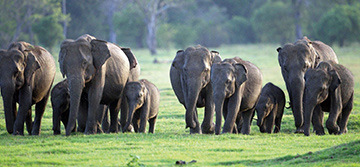
Minneriya National Park
Minneriya National Park, Maradankadawala-Habarana-Thirukkondaiadimadu Highway, Rambawilla, Sri Lanka
Minneriya National Park is a small but popular wildlife park home to a wide range of Sri Lanka’s wildlife. It is also the site of the world-renowned wildlife event ‘The Elephant Gathering’.
Duration: 4 hours
Best time: July to December
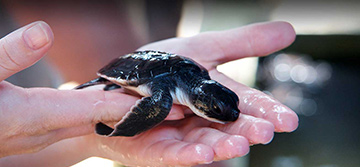
Rekawa Turtle Watch
Rekawa Beach, Rekawa Road, Sri Lanka
Five of the seven species of marine turtle come ashore at Rekawa to lay their eggs. Join the night watch to observe these fascinating creatures up close.
Duration: 4 hours
Best time: April to July
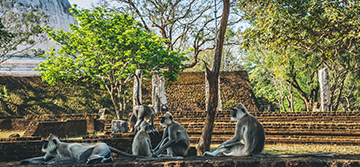
The Monkey Kingdom of Polonnaruwa
Polonnaruwa, Sri Lanka
Quite apart from the incredible ruins of this medieval city, Polonnaruwa is home to a large monkey population who were famously featured in Disney’s engaging documentary film ‘Monkey Kingdom’.
Duration: 4 hours
Best time: Year-round
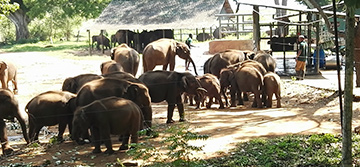
Udawalawe Elephant Transit Home
Udawalawa, Sri Lanka
Visit the Elephant Transit Home in Udawalawe National Park, a rehabilitation centre for orphaned elephant calves.
Duration: 4 hours
Best time: Year-round
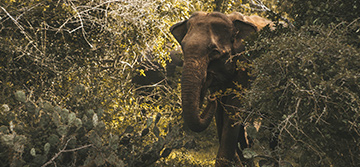
Udawalawe National Park
Udawalawe National Park, Udawalawa, Sri Lanka
Udawalawe National Park is one of the best places to see elephants in Sri Lanka – up to 500 elephants, along with other wildlife, are found here.
Duration: 4 hours
Best time: Year-round
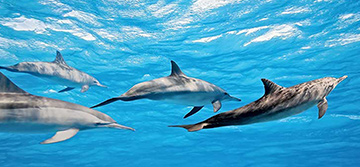
Whale Watching in Mirissa
Mirissa, Sri Lanka
This modern catamaran complete with professional crew sets out from Mirissa Harbour at 6:30am, beating the other boats in order to have the best dolphin and whale sightings.
Duration: 4 hours
Best time: November to April
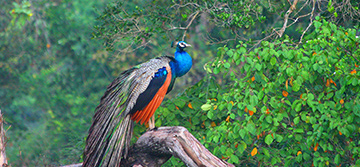
Wilpattu National Park
Wilpattu National Park, Sri Lanka
Wilpattu National Park is arguably Sri Lanka’s most beautiful park. Its varying natural habitats – coastal belt, natural lakes, scrublands, open grasslands and dense forest – house numerous animals.
Duration: 4 hours
Best time: February to October
Yala National Park
Yala National Park, Sri Lanka
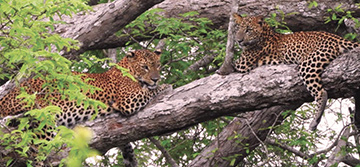
Yala National Park, situated in the south-east corner of the island, is home to the greatest variety of Sri Lanka’s wildlife including the island’s big game – elephants, leopards and sloth bears.
Duration: 4 hours
Best time: December to August
Bundala & Tissa Wetlands
Bundala national park, bundala, Sri Lanka
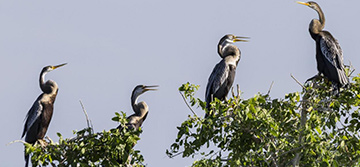
Bundala & Tissa wetlands combine 20km of beach, lagoons and scrub hosting more than 150 bird species and should delight bird lovers in Sri Lanka.
Duration: 4 hours
Best time: October to March
Mask-Making Workshop
Galle Fort, Galle, Sri Lanka
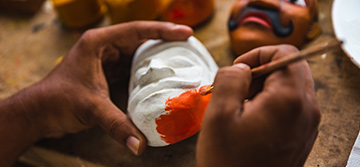
A hands-on workshop which introduces you to the use of masks in Sri Lankan culture and demonstrates the stages of traditional mask carving from start to finish as you attempt to make one yourself.
Duration: 4 hours
Best time: Year-round
National Museum
Colombo, Sri Lanka
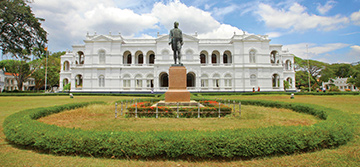
The National Museum of Colombo is the largest in the country. Opened in 1877 by Sir William Gregory, it houses many precious relics including the throne and crown of the last Kandyan monarchs.
Duration: 4 hours
Best time: Year-round

River Cruising
Galle, Sri Lanka
Slow down and travel silently by tiny boat up a Sri Lanka river to get a real sense of the beauty of this tropical land.
Duration: 4 hours
Best time: Year-round