Snapshot
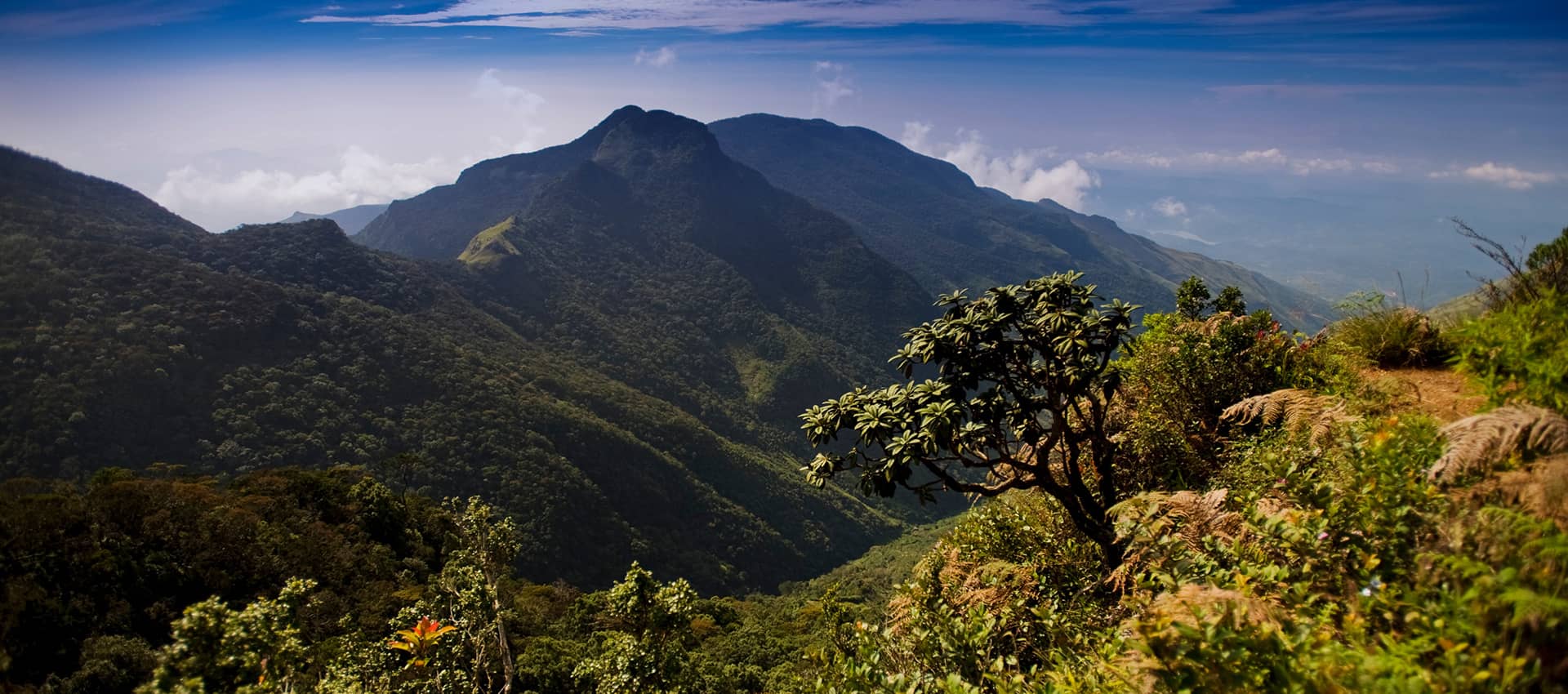
The top sight at Horton Plains National Park is World’s End, where this highland plateau comes to an abrupt halt and a yawning drop of around 1,000m opens up before you. Close by is Mini World’s End, where the drop is a mere 300 metres. Catch the view before 10am and you are most likely to be rewarded with something quite spectacular. Arrive late and the mists might have rolled in, leaving you gazing into whiteness, particularly in the wettest time of year from May to September. A small viewing viewing area is fenced off, but not sticking to the approved path carries obvious risk when you approach the cliff edge. Also worth a visit for the energetic is an extension to nearby Baker’s Falls, one of the finest waterfalls in Sri Lanka. This involves a fair deal of scrambling up steep slopes and is only recommended to those fleet of foot. The walk to World’s End along flat terrain is 4kms, with a demanding loop to Baker’s Falls (2km) and another 3.5km back to the entrance). The entire 9.5km round trip takes a leisurely three hours.
Duration: 3 hours
Best Time: January to March

Additional Information
The best way to explore the park is on foot, although the plains can also be experienced by jeep, preferably from early morning as the mist often falls by lunchtime. Horton Plains, at its worst, can be a desolate spot so go prepared for all weathers. Take good footwear with a firm grip and dress in layers. This has become a popular package tour excursion so entrance prices are not cheap. This undulating 2,000m-high plateau lies 28km south of Nuwara Eliya. The grassy plains, which are interspersed with small patches of forest, are home to sambur deer, sloth bears, monkeys and a rich array of birds, including some endemic species. Any wildlife, though, is a bonus in this bleak landscape. Horton Plains’ gently undulating landscape is at the southern end of the central mountain massif of Sri Lanka. Sri Lanka’s second and third highest peaks, Kirigalpotha (2,395m) and Thotupola Kanda (2,357m) are found here and three of the island’s largest rivers – the Mahawali, Kelani and Walawe – originate from the Horton Plains. Entrance tickets are sold until 2:30pm daily, and travellers must exit the national park by 6pm. To control litter, any plastics and other items might well be confiscated.
-min.jpg)
-min.jpg)
-min.jpg)
-min.jpg)
-min.jpg)
-min.jpg)
-min.jpg)
-min.jpg)
-min.jpg)
-min.jpg)
Related Activities

Bundala National Park
Bundala national park, bundala, Sri Lanka
Bundala National Park, which neighbours Yala, is one of the best places for birdwatching in Sri Lanka, and is also home to sloth bears, elephants and deer.
Duration: 4 hours
Best time: September to March

Chundikulam National Park
Chundikulam National Park, Sri Lanka
Chundikulam National Park is slowly regaining recognition as a birders’ paradise as the Jaffna peninsular gradually begins to attract travellers once again.
Duration: 4 hours
Best time: March to September
Sinharaja Rainforest
Sinharaja Forest, Deniyaya, Sri Lanka
Moist, murky and mysterious, an experience of Sinharaja is like nothing else in Sri Lanka. Trek through this magnificent landscape, the last surviving stretch of virgin rainforest on the island.
Duration: 4 hours
Best time: Year-round

Anawilundawa Wetlands
Puttalam, Sri Lanka
Located near to Kalpitiya, Anawilundawa (meaning ‘seven wetlands’ in Tamil) refers to a cluster of freshwater tanks within the sanctuary. It is a very important wetland for many migratory birds.
Duration: 4 hours
Best time: October to April

Gal Oya National Park
Gal Oya National Park Entrance, Pallang Oya - Inginiyagala, Sri Lanka
Gal Oya is one of the most remote and stunning national parks in Sri Lanka. Inclusive of the largest reservoir in the island, take a boat safari at sunset as well as doing a morning game drive.
Duration: 4 hours
Best time: March to July
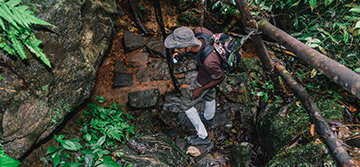
Kanneliya Rainforest
Kanneliya Forest, Peak Road, Sri Lanka
Trek through this forest area which lies just 35km from Galle. Accompanied by an experienced wildlife tracker, absorb the tranquil atmosphere whilst looking out for tropical birds and other animals.
Duration: 4 hours
Best time: Year-round


Kitulgala-Kelani Forest Reserve
Kitulgala, Sri Lanka
The Kelani Valley Forest Reserve in Kitulgala offers breath-taking scenery. Sail down the river, or journey through the jungle-clad hills and tea and rubber plantations on foot or by mountain bike.
Duration: 4 hours
Best time: Year-round
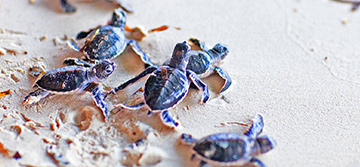
Kosgoda Turtle Hatchery
Sri Lanka, Kosgoda, Kosgoda Turtle Hatchery
Of the seven species of marine turtles, five come ashore to nest in Sri Lanka and the Kosgoda Turtle Hatchery which primary operates as a hatchery, is a great place to observe collected and rescued eggs hatch.
Duration: 4 hours
Best time: Year-round
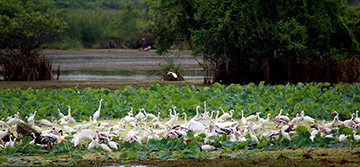
Kumana National Park
Kumana National Park, Sri Lanka
Kumana National Park is a birders’ paradise. Hidden away in the south-east of Sri Lanka, it was one known as East Yala, but it is best approached from the laid-back coastal settlement of Arugam Bay on Sri Lanka’s East Coast.
Duration: 4 hours
Best time: February to July
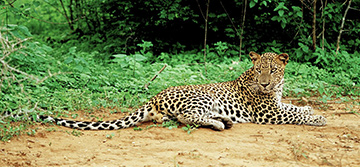
Lunugamvehera National Park
Lunugamvehera National Park, Tanamalwila, Sri Lanka
Positioned between Yala and Uda Walawe, Lunugamveherea National Park is home to 184 species of bird and a wide variety of other Sri Lankan animals.
Duration: 4 hours
Best time: May to September
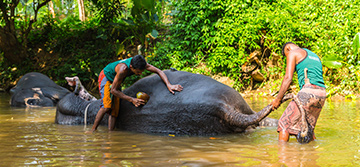
Millenium Elephant Foundation
Millennium Elephant Foundation, Rambukkana, Sri Lanka
Learn about the key role elephants play in Sri Lankan culture and issues which arise from this. Accompanied by an expert, walk with, bathe and feed the elephants that are looked after here.
Duration: 4 hours
Best time: Year-round
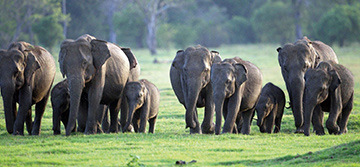
Minneriya National Park
Minneriya National Park, Maradankadawala-Habarana-Thirukkondaiadimadu Highway, Rambawilla, Sri Lanka
Minneriya National Park is a small but popular wildlife park home to a wide range of Sri Lanka’s wildlife. It is also the site of the world-renowned wildlife event ‘The Elephant Gathering’.
Duration: 4 hours
Best time: July to December
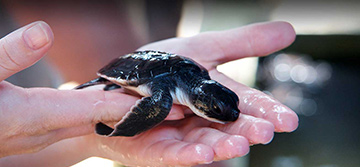
Rekawa Turtle Watch
Rekawa Beach, Rekawa Road, Sri Lanka
Five of the seven species of marine turtle come ashore at Rekawa to lay their eggs. Join the night watch to observe these fascinating creatures up close.
Duration: 4 hours
Best time: April to July
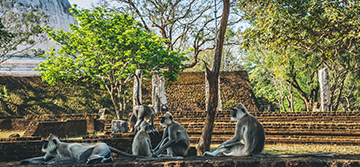
The Monkey Kingdom of Polonnaruwa
Polonnaruwa, Sri Lanka
Quite apart from the incredible ruins of this medieval city, Polonnaruwa is home to a large monkey population who were famously featured in Disney’s engaging documentary film ‘Monkey Kingdom’.
Duration: 4 hours
Best time: Year-round
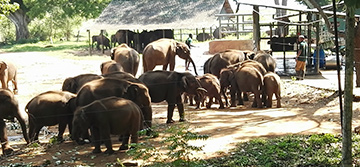
Udawalawe Elephant Transit Home
Udawalawa, Sri Lanka
Visit the Elephant Transit Home in Udawalawe National Park, a rehabilitation centre for orphaned elephant calves.
Duration: 4 hours
Best time: Year-round
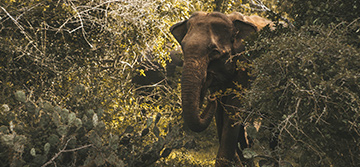
Udawalawe National Park
Udawalawe National Park, Udawalawa, Sri Lanka
Udawalawe National Park is one of the best places to see elephants in Sri Lanka – up to 500 elephants, along with other wildlife, are found here.
Duration: 4 hours
Best time: Year-round
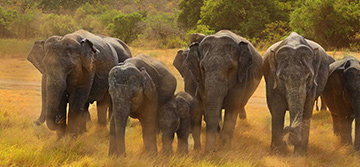
Wasgamuwa National Park
Wasgamuwa National Park, Sri Lanka
Wasgamuwa National Park is comprised of dry evergreen forests, grasslands and wetlands, and is known for the elephants which frequent the Mahaweli River which runs along a boundary of the park.
Duration: 4 hours
Best time: November to May

Whale Watching in Mirissa
Mirissa, Sri Lanka
This modern catamaran complete with professional crew sets out from Mirissa Harbour at 6:30am, beating the other boats in order to have the best dolphin and whale sightings.
Duration: 4 hours
Best time: November to April
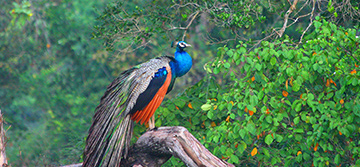
Wilpattu National Park
Wilpattu National Park, Sri Lanka
Wilpattu National Park is arguably Sri Lanka’s most beautiful park. Its varying natural habitats – coastal belt, natural lakes, scrublands, open grasslands and dense forest – house numerous animals.
Duration: 4 hours
Best time: February to October
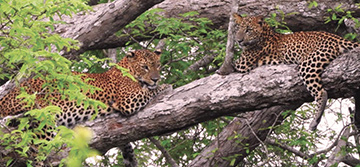
Yala National Park
Yala National Park, Sri Lanka
Yala National Park, situated in the south-east corner of the island, is home to the greatest variety of Sri Lanka’s wildlife including the island’s big game – elephants, leopards and sloth bears.
Duration: 4 hours
Best time: December to August
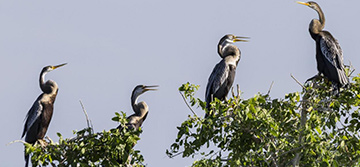
Bundala & Tissa Wetlands
Bundala national park, bundala, Sri Lanka
Bundala & Tissa wetlands combine 20km of beach, lagoons and scrub hosting more than 150 bird species and should delight bird lovers in Sri Lanka.
Duration: 4 hours
Best time: October to March