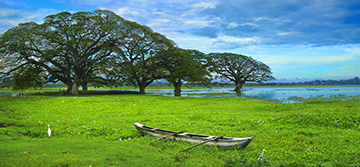
Tissa & Kataragama
Snapshot
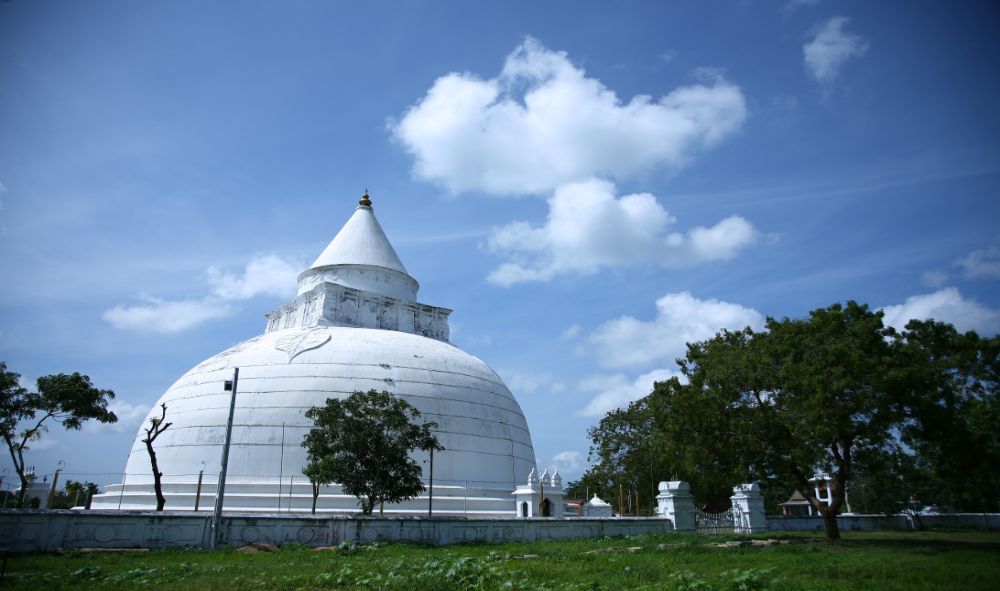
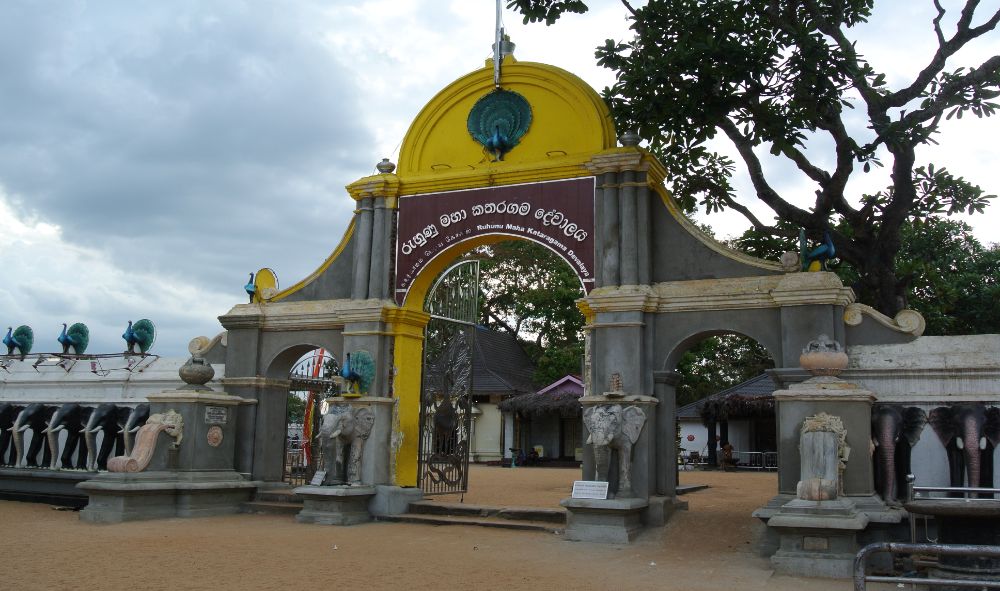
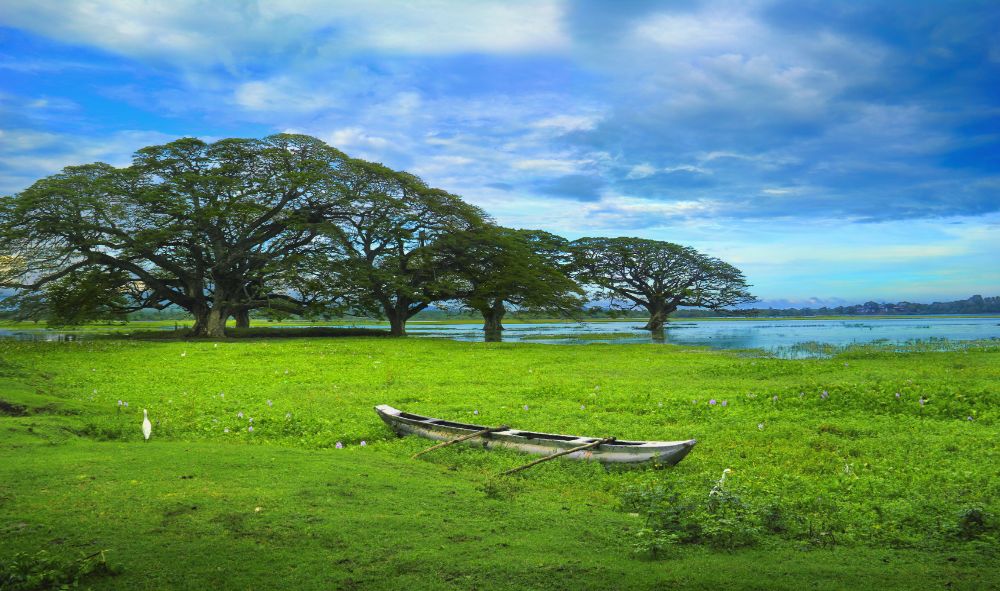
The historic towns of Tissa and Kataragama are located in the south-eastern district of Hambantota.  Tissa is dominated by lotus-filled lakes, lush green paddy fields and giant dome-like Dagobas (Buddhist temples) dating back to the second century BC.  The jungle shrine of Kataragama has great religious and historical significance and brings together Hindus, Buddhists, Muslims and Christians each day to worship at its numerous temples. Each day, at specific times, Kataragama’s Hindu shrines come alive when poojas (devotions) are presented to the Gods.
Don’t Miss
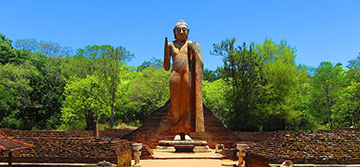
Tissa’s ancient Dagobas set amidst lush paddyfields
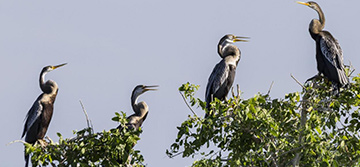
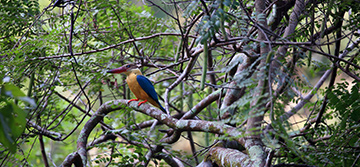
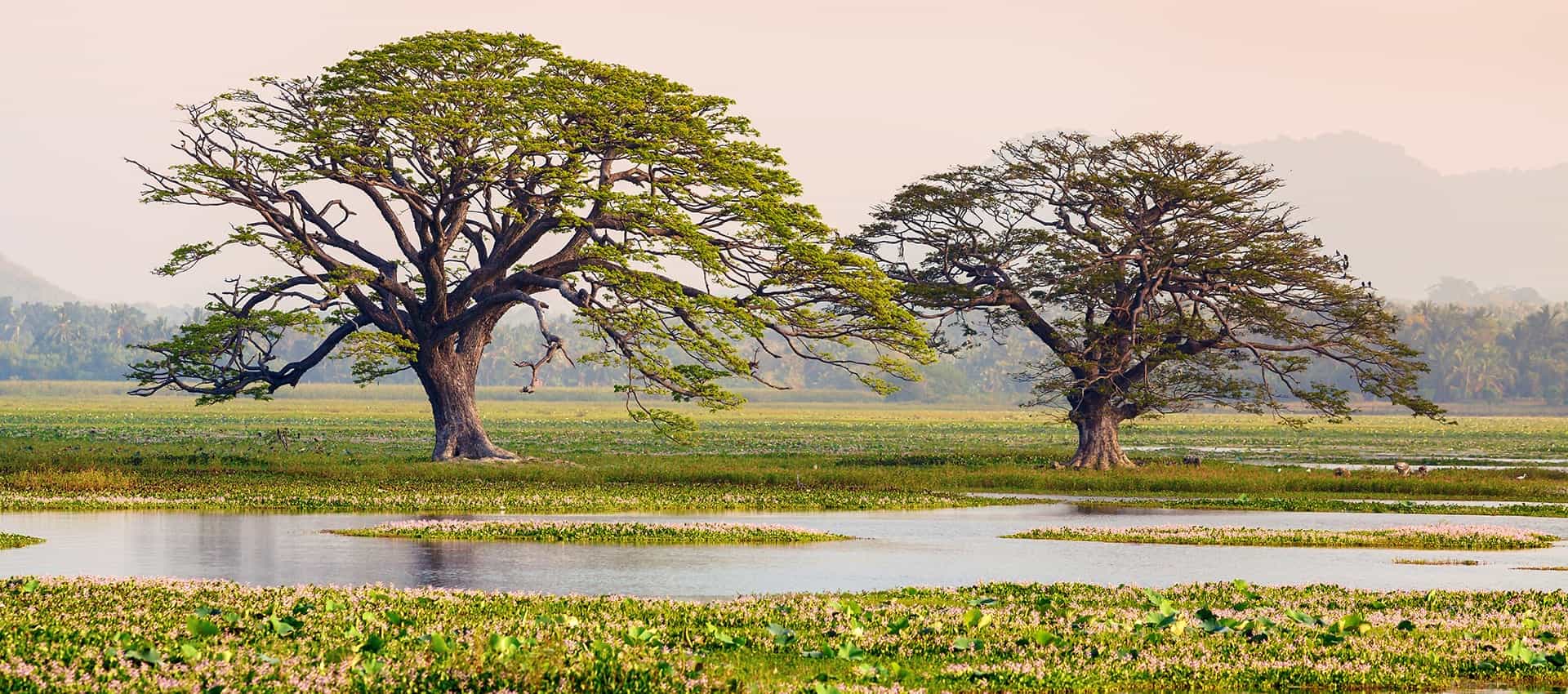
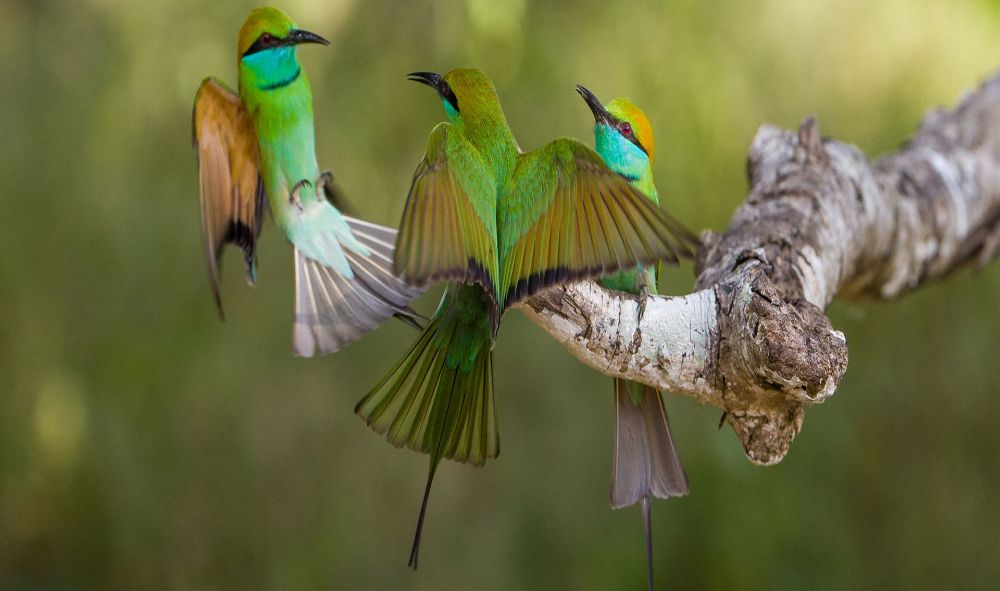
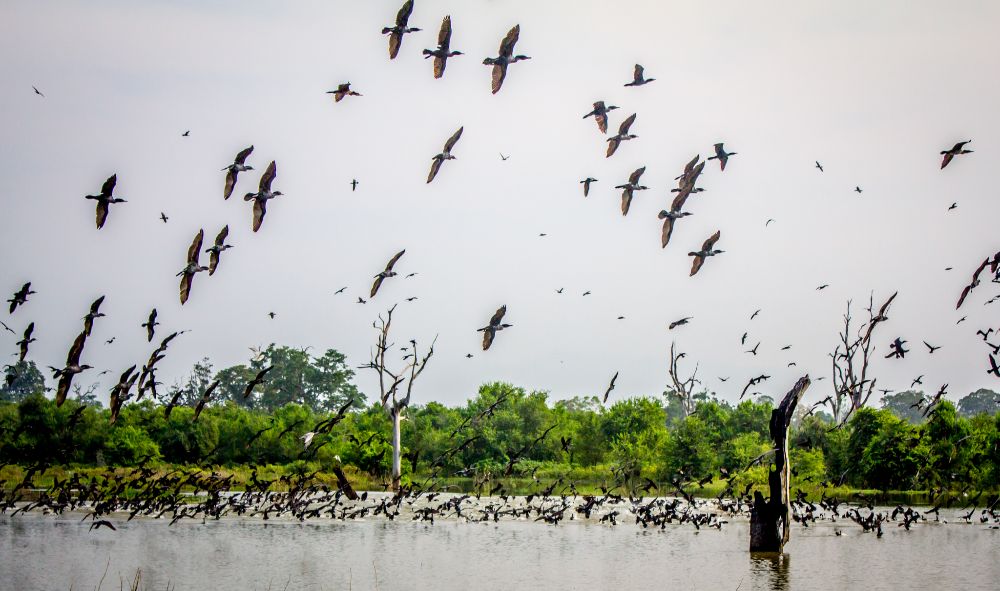
Tissa’s water birds and lotus-filled lakes
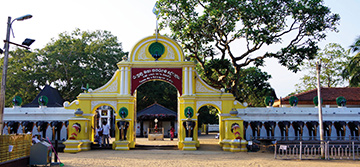
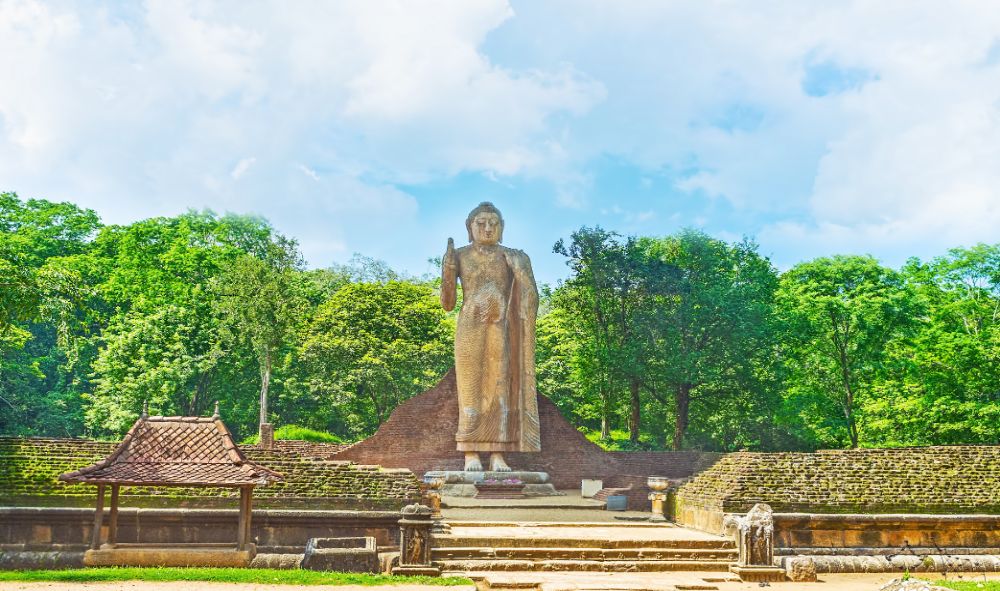
Kataragama’s mix of ancient shrines and temples
Pooja time at the Hindu shrines at Kataragama
Poya full-moon day at the Kirivehera in Kataragama
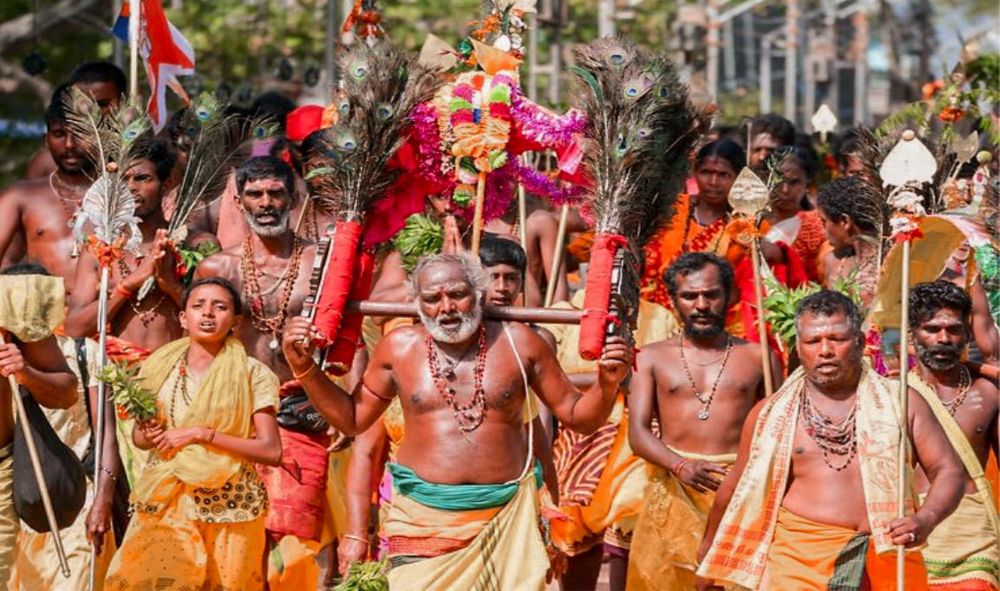
Kataragama Perehara in July or August
Sri Lanka Map
Photo Gallery

Getting There
Situated in the south east of Sri Lanka in the Hambantota District, Tissa and Kataragama are usually reached en route from the hill country to the south coast. There are also road connections from Colombo via Uda Walawe or along the Galle coast road. Weerawila is accessible by an air taxi when operational. There are no train connections as the southern railway ends in Matara. Useful drive times include: Colombo to Tissa (7 hours); Galle to Tissa (3 hours); Bandarawela to Tissa (4 hours); Dickoya to Tissa (4.5 hours).

Historical Background
The tranquil town of Tissa, short for Tissamaharama, was the capital of the ancient Ruhunu Kingdom in the 2nd century BC.  Tissa was named after King Kavantissa, who did much to develop this sacred town, including the sprawling Tissa Weva (reservoir).  These lakes still serve as a valuable resource.  The sacred jungle shrine of Kataragama was built by the warrior King Dutugemunu, father of Kavantissa. Its intriguing mix of temples and shrines cuts across race and religion.  The Kirivehera, a Buddhist Dagoba dating back to the 1st century, as well as several Hindu shrines, a mosque, and church are all housed within the Kataragama complex.

Sights
In Tissa several ancient Buddhist temples including the Maha Stupa, Sandagiri Dagoba and monastery complex, Yatala and the Menik Dagobas are all located in close proximity.  There is also an archeological museum that provides a glimpse into the ancient Ruhunu kingdom.  A scenic backdrop to Tissamaharama town is provided by the sprawling Tissa Weva (lake) built by King Kavantissa 2,300 years ago.  These lakes provide life to the surrounding villages as well as attracting many species of water birds including cormorant, purple heron, Caspian tern and the painted stork.  The sites at Kataragama includes the Kirivehera, a Buddhist Dagoba dating back to the 1st century, as well as several other Hindu and Buddhist shrines are all housed within the Kataragama complex.

Accommodation
The Tissamaharama Rest House, a Ceylon Hotel’s Corporation property, offers basic accommodation in a scenic location overlooking the town’s reservoir, home to numerous species of aquatic birds and insects. Prinyankara Hotel, just off the main road, offers better facilities and overlooks paddy fields. In Kataragama, the three-star Mandara Rosen meets the need for a comfortable and well-equipped hotel in this region. Its bright and airy rooms, modern facilities and a large swimming pool make suitable family accommodation.  The Galapita Eco Lodge, located in Buttala closer to Kataragama, offers rustic back-to-nature living amidst paddy fields and the winding Menik Ganga (River of Gems).   The popular Yala Village, bordering the Yala National Park and the beautiful beaches of the south east coast, is loved by midmarket package groups and independent travellers alike.

Food & Drink
The region lacks Western-style restaurants, outside the main hotels, and you should instead focus on the local Sri Lankan food, which can be outstanding. The Ceylon Hotels Corporation Resthouses provide tasty rice and curries at budget prices and the Tissa Resthouse, bordering the reservoir, keeps up this reputation (watch out for the fiery hot coconut sambals). This region is known for its delicious homemade buffalo curd and Kitul honey, both of which are sold in traditional clay pots by small vendors on the roadsides. Ask your hotel for it at breakfast or as a dessert after dinner. Thambilli (king coconut) is a favourite thirst-quencher in the rural areas.

Shopping
Those looking for something unusual to take back home will delight at Kataragama’s colourful wayside stalls.  Interesting Buddhist and Hindu statues, meditation beads, incense, and brass oil lamps are on offer.  These small wayside stalls also sell the`pooja vatti’ – small baskets of devotional offerings to the gods filled with fresh fruit, lotus and incense.  Traditionally, each pilgrim takes a vatti and presents it to the sacred shrines of Kataragama in the hope of making their wishes and aspirations come true.

Events
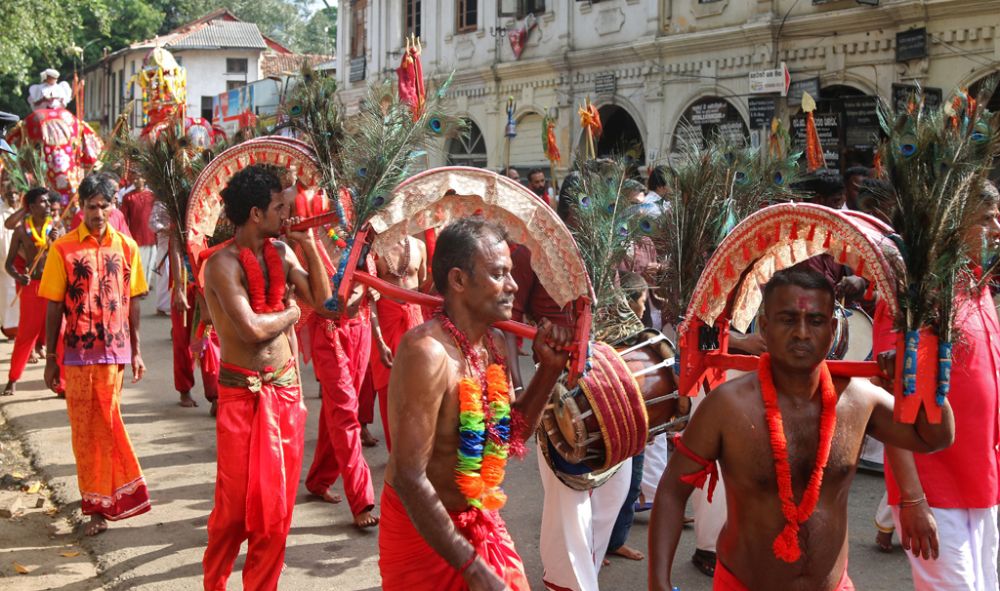
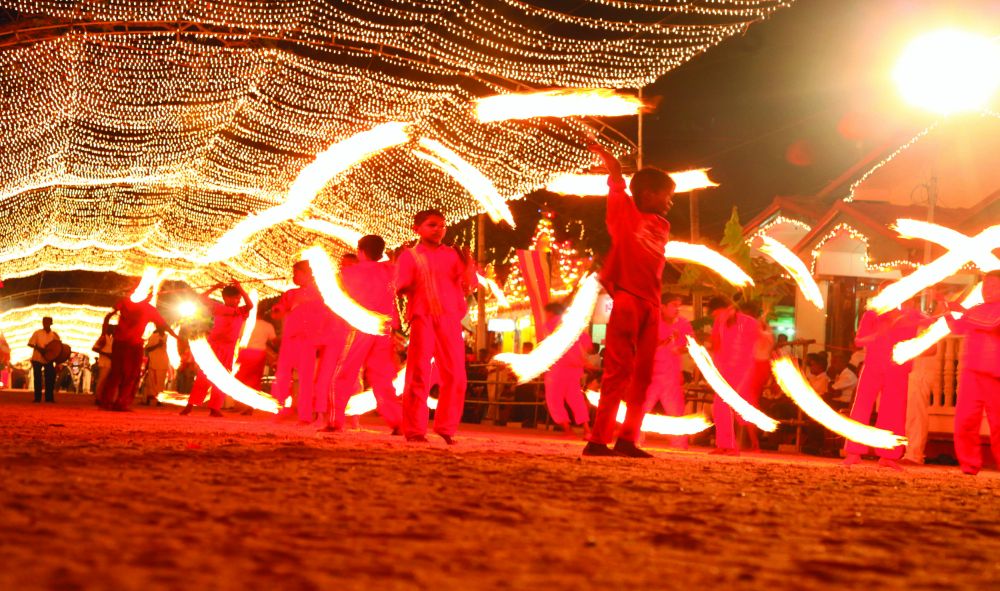
The most significant and spectacular event of the year is undoubtedly Kataragama’s two-week Perehara (cultural pageant) which takes place late July or early August. This colourful festival is held in honour of Skandha, the warrior God of Kataragama. The Perehara depicts Hindu folklore, music and dance forms, as well as fire walking in sacrifice and devotion to God Kataragama.
Activities
Tissa & Kataragama
Sri Lanka’s ancient Dagobas (dome-shaped Buddhist temples) are architectural marvels of the ancient world. Constructed as far back as the 2nd century BC, these Dagobas were built to enshrine sacred relics. The pristine white stupas in Tissamaharama and Kataragama are perfect examples of this typical architectural style. The largest Dagoba in Sri Lanka – the Jetavanarama stupa – is in the cultural triangle in in Anuradhapura.
Museums
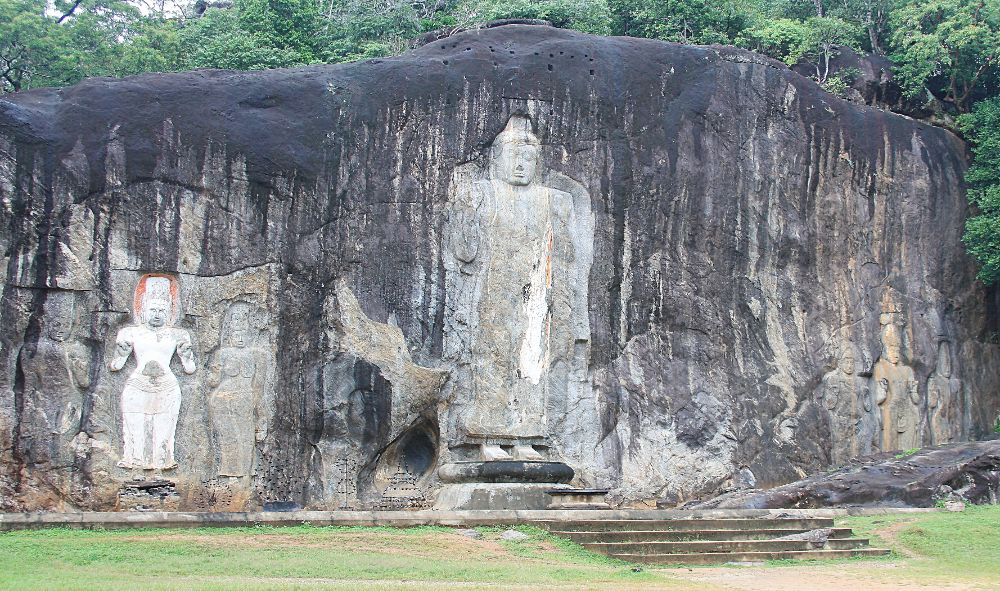
The government’s Department of Archeology maintains museums in the archeological sites of Buduruwagala (Wellawaya), Yatala (Tissamaharama) and Kataragama (within the sacred city). Antiquities displayed include terracotta pottery and statues. These museums are normally closed on Tuesdays.
Tissamaharama
Tissa is located in the Hambantota district and was the capital of the ancient Ruhunu Kingdom in the 2nd century BC. A scenic backdrop to Tissamaharama town is provided by the sprawling Tissa Weva (lake) built by King Kavantissa 2,300 years ago. The town's landscape is dominated by large dome-shaped ancient Buddhist Dagobas (temples). Several ancient Buddhist temples including the Maha Stupa, Sandagiri Dagoba and monastery complex, Yatala and the Menik dagobas are all located nearby as well as an archeological museum. The museum is normally closed on Tuesdays.
Horse safaris in Tissa
Red Dot has teamed up with the Premadasa Riding School to provide guests with an adventurous hose riding safari to the heart of the Ruhunu Kingdom. Explore the ancient towns of Tissa and Kataragama on horseback past lush green paddyfields, reservoirs, ancient dagobas and rural villages. The Marwari thoroughbreds and half-breeds horses, famed for their endurance in challenging climates, have been specially imported from Rajastan in Northern India by the Premadasa stables. This activity is suited for intermediate and advanced riders.
Galapita
Galapita Eco Retreat, near the pilgrimage site of Kataragama, began as an idealistic rural retreat for friends and family and is now the ultimate escapist retreat for a small selection of hardy travellers. Located on the banks of the Menik Ganga, their Mineral Spa is perfect for those seeking total mind and body relaxation through the ancient healing wisdom of Ayurveda. Galapita also conducts daily yoga sessions.
Galapita - Yoga & meditation
Galapita Eco Retreat conducts daily yoga sessions at their Yoga Sala surrounded by natural lotus filled ponds.
Weerawila Bird Sanctuary
The Weerawila Bird Sanctuary is located around the Weerawila tank. The main roadway goes through the heart of the sanctuary making birdwatching easy. An early morning walk around the can also be rewarding for spotting numerous species of birds and crocodiles on the banks of the Weerawila tank.
Yala National Park
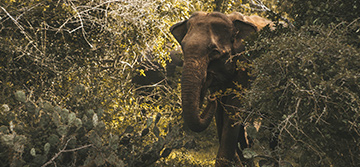
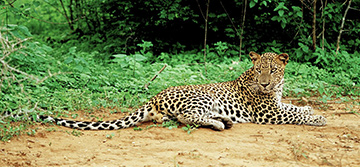
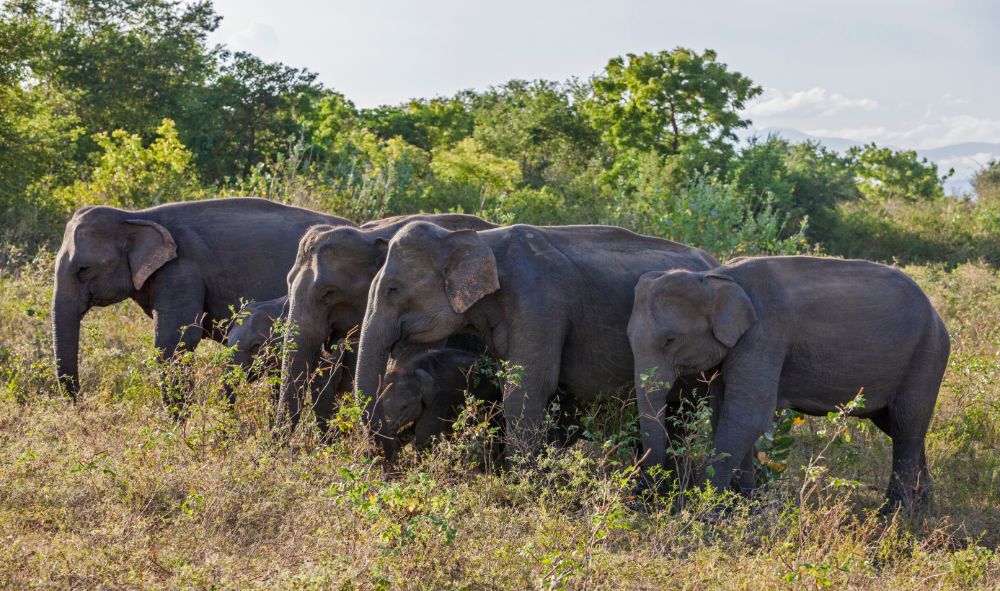
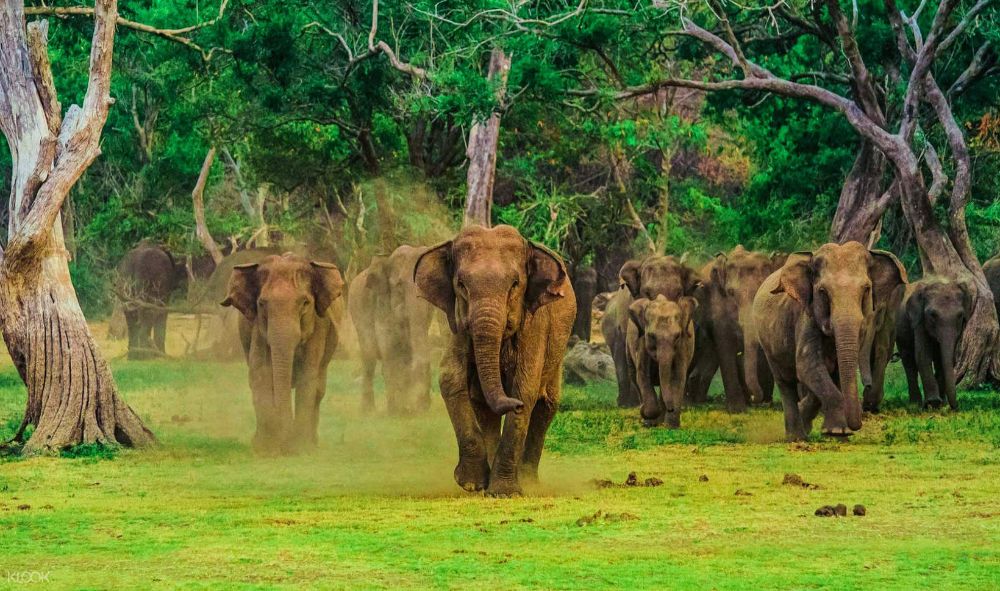
Yala’s scrub plains, lagoons and rocky mounds make it one of the best places to see a wide variety of Sri Lankan wildlife. The park boasts the world's densest leopard population. Be grateful if you do see one, though, as they are shy animals. Other frequently sighted animals include elephants, sloth bears, sambar deer, spotted deer, wild boar, crocodiles, monkeys and buffalos. Transport around the park is provided by jeep complete with driver and expert guide/tracker.
Bundala National Park
Bundala is an important Wetland Sanctuary that combines 20km of beach, lagoons and scrub hosting more than 150 bird species. These wetlands are home to winter migratory birds and large flocks of flamingoes. The lagoons also prove popular with crocodiles whilst on dry land herds of up to 60 elephants can be seen. From October to January the park also receives visits from the endangered marine turtles that lay their eggs on the shore.
Lunugamvehera National Park
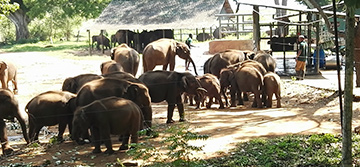
Situated along the banks of the Lunugamvehera Reservoir, this small park was set up in 1995 by the Department of Wildlife Conservation to protect the dwindling elephant population by protecting the elephant corridor between Yala and Uda Walawe. The main entrance to the Park is via Thanamalwila.
Kalamatiya Bird Sanctuary
Located east of Tangalle off the main road to Hambantota, the Kalametiya Bird Sanctuary is one of Sri Lanka’s oldest bird sanctuaries and is home to many species of resident as well as migratory shorebirds. From kingfishers to flamingoes inhabit this extensive wetland area of mangrove swamps and lagoons. Best time to visit is from November to April.
Turtle watch in Rekuwa
Globally, all seven species of marine turtles in the world are endangered. Out of these seven, five species of sea turtles come ashore to nest in Sri Lanka. The process of marine turtles nesting, hatchlings being born and swimming back to sea is a remarkable ritual that is fascinating to observe. Located 10 km east of Tangalle, in a coastal village called Rekuwa, there is a Turtle Conservation Project that conducts a `turtle watch’ programme which is an ideal way to learn and observe this endangered species without interfering with its natural breeding habits.
Quick Finders
Use the quick finders below for complete listings of your choice
Sri Lanka Hotels
Sri Lanka Villas & Bungalows
Sri Lanka Tours
Sri Lanka Interactive
E-Brochure

Download our monthly
e-brochure.

Click here to download
Newsletter

Subscribe now to receive our quarterly e-newsletters and also special offer e-updates. Just enter your email address.
 
Red Dot's Sri Lanka holidays and Sri Lanka tours are ATOL protected by the Civil Aviation Authority as long as you buy Sri Lanka flights from us. For full protection on your holiday to Sri Lanka, book your Sri Lanka flights with Red Dot, as well as your Sri Lanka accommodation. Red Dot has the largest selection of Sri Lanka hotels, villas and guest houses at competitive prices and offers independent advice and flexible itineraries. Trust Red Dot for your holiday needs in Sri Lanka, South India and the Maldives. ATOL protection extends primarily to customers who book and pay for their Sri Lanka tours or Sri Lanka hotels in the United Kingdom. [ Check our licence ]
© 2009 Red Dot Tours. All Rights Reserved. Terms & Conditions of Use | Disclaimer
cryptodyne.it
Solution by