North West Coast
Snapshot
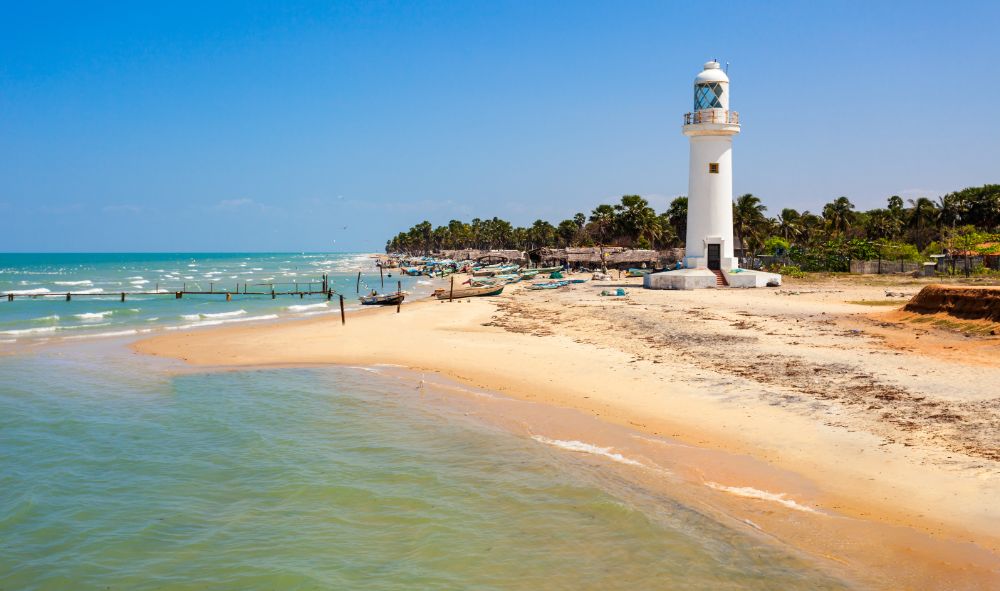
Close proximity to the international airport ensures that the long sandy beaches of the Negombo coast have become one of the most popular beach resorts in the island. The town is often used as a staging post at the start or the end of a Sri Lanka tour as well as for a convenient beach holiday with minimal travel. But there is more to the north-west coast than Negombo’s tempting stretch of beach. Stretching from Negombo to Puttalam and inland up to Kurunegala, the North West province has a varied and enchanting landscape: tranquil blue lagoons, scattered little islands, inland wetlands, paddy fields and Coconut plantations.
Don’t Miss
Secluded palm-fringed beaches of Kalpitiya
Shimmering waters of Negombo’s lagoon
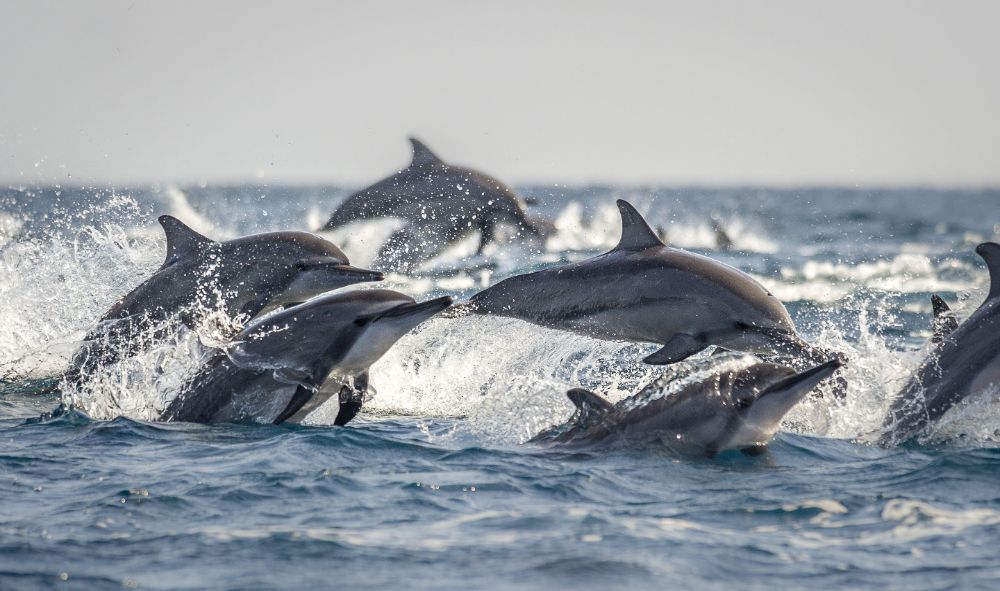
Whales and dolphins in Kalpitiya
Morning fish auction on Negombo beach
Crabs and jumbo prawns and sizzling beach BBQs
Dutch canals, churches and forts of the north west
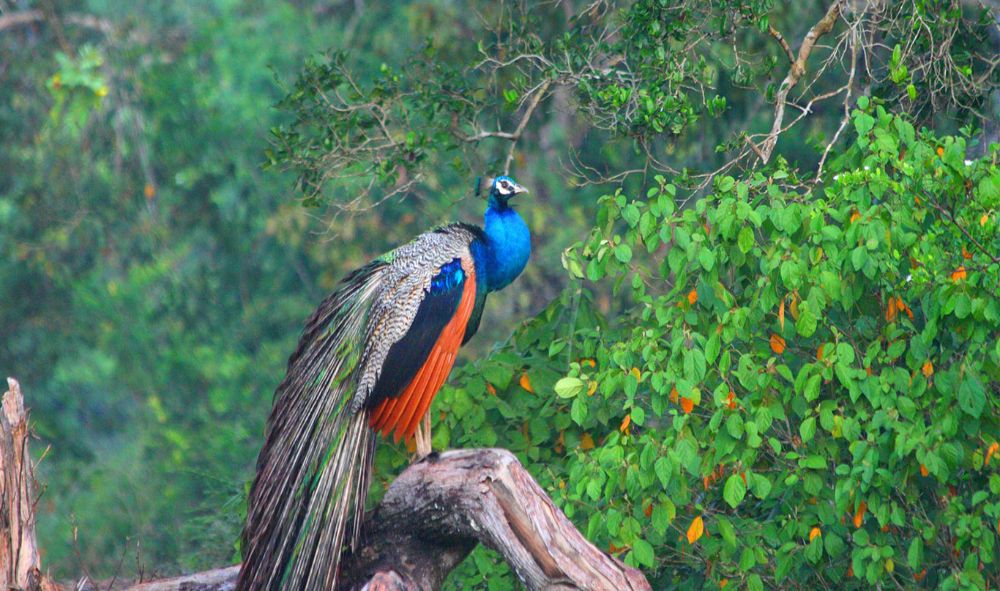
Birds and monitor lizards of Muthurajawella
Sri Lanka Map
Photo Gallery
Galleriffic | Custom layout with external controls
Video Gallery

Getting There
The north-west coast beginning from Negombo is easily reached from the Bandaranaike International Airport in Katunayake. Negombo is slightly more than an hour north of the capital, Colombo. Inland, Kurunegala links the north-west coastal areas, the cultural triangle, and the hill country.  Useful drive times: International Airport to Negombo (20 mins); Colombo to Kalpitiya (3 hours); Negombo to Kurunegala (2 hours); Negombo to Habarana (4 hours); Negombo to Kandy (3.5 hours).

Historical Background
Kurunegala, capital of the north-west province, was a 12th century capital of the Sinhala kings then known as Panduwasnuwara.  The coastal towns just north of Colombo, including Negombo, Marawila, Chilaw, Kalpitiya and Puttalam, rich with cinnamon & spices, have attracted traders from Arabia, Asia and the West as far back as the 5th century.  Many of those traders settled in the area, including the Portuguese and Dutch in more recent history.  Today, many communities from diverse ethnic and religious backgrounds lead peaceful lives along the north-west coast.

Sights
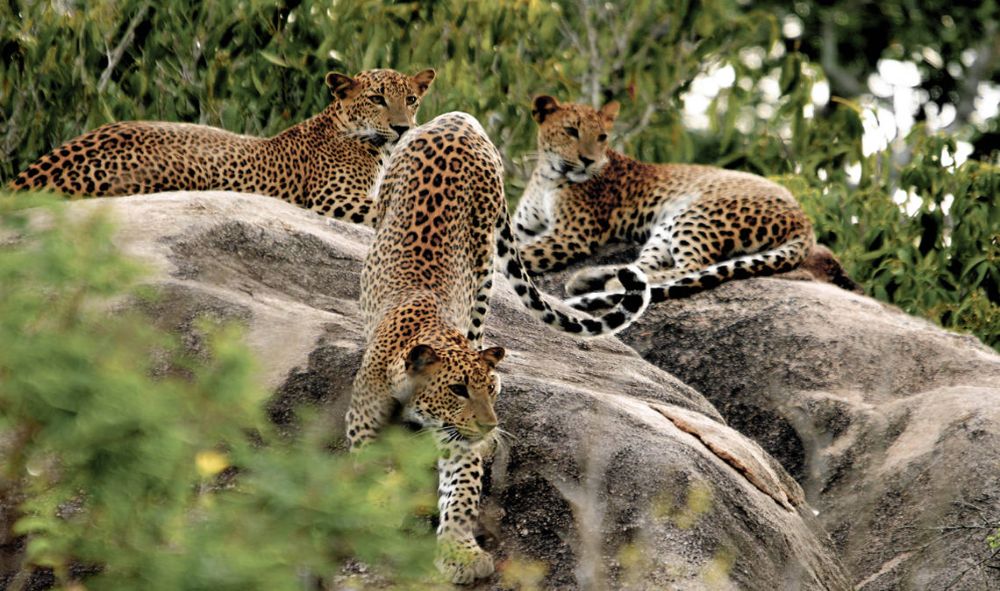
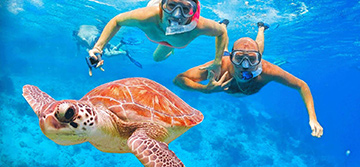
A century’s old network of canals developed by the Dutch, linking Colombo’s seaport to the North Western coastal towns, still function as active waterways and can be explored by boat, or by cycling or walking along sections of the path. The sacred Hindu shrine of Munneswaram, in Chilaw, is visited by thousands of pilgrims, especially in August where a colourful Perehera (pageant) and fire walking takes place in devotion to God Shiva.  The influences of the Dutch and Portuguese periods are notable right along from Negombo to Kalpitiya.  Several 17th century Catholic churches are found here. Sri Lanka’s largest salt-water wetlands, the Muthurajawella marshes, lie south of the Negombo lagoon.  North of Puttalam is the Wilpattu National Park providing natural habitats for a variety of ‘big game’ including leopards, elephants, water buffalo and many species of birds.  Kurunegala, situated amidst several gigantic rocky outcrops, is of historical significance and its archeological ruins can be visited en route to the Cultural Triangle.  Coral reefs offer much for marine enthusiasts with an array of exotic tropical fish, and the deep sea off the Gulf of Mannar in Kalpitiya is home to dolphins, whales, stingrays and several species of Marine turtles.

Accommodation
Negombo offers a range of beach accommodation to suit any budget.  The characterful Ice Bear, a beachside guest house situated in the heart of Negombo, will appeal to those looking for basic but imaginative guest house accommodation.  The refurbished beach rooms at Brown’s Beach Hotel open onto a long stretch of sandy beach and offer good-value mid-range accommodation for a predominantly package crowd.  At the top end of the market, The Beach has brought five-star values to Negombo and is a boon for upmarket clients wanting a convenient stay near the airport. Ayurveda Pavilions specializes in Ayurveda.  Ranwelli Holliday Village in Waikkal is situated on a coastal wetland estuary amid mangroves, rivers, a lagoon and the Indian Ocean and its ecological commitment has been officially recognised by the World Tourist Organisation.  The Mudhouse is a rustic and secluded eco retreat nestled at the foot of the ancient Parmakanda Rock temple in Anamaduwa in Puttalam. Ulpotha by the Sea, opened in 2008, is another eco retreat deal for nature lovers.

Food & Drink
Negombo by night has a vibrant atmosphere with a scattering of bars and cafes.  Fresh sea food is a speciality along the North West coast.  Varieties of fish, jumbo prawns, lagoon and sea crab cooked in red hot curries, western style or grilled on a sizzling BBQ spit is served at hotels and small beachside restaurants.  The Brown’s Beach and Club Oceanic offers an international buffet lunch while the Black Coral  fine-dining restaurant at The Beach offers a fusion menu for lunch and dinner.

Shopping
Those cooking independently can buy fresh seafood straight from the fishing boats as they come ashore in the mornings.  Negombo’s fish auction at the harbour is also worth a look. Negombo has a number of grocery stores, pharmacies and banks.

Events
From December to April, hundreds of Dolphins can be seen off the shores of Kalpitiya.  Observed in pods, these Dolphins often swim alongside the boats and frolic in the seas – a thrilling site for children and adults alike. The giant blue whale is another occasional visitor. In August each year a colourful perehara (pageant) including fire walking takes place in Chilaw, organised by the Munneswaram Kovil.
Activities
Colonial architecture
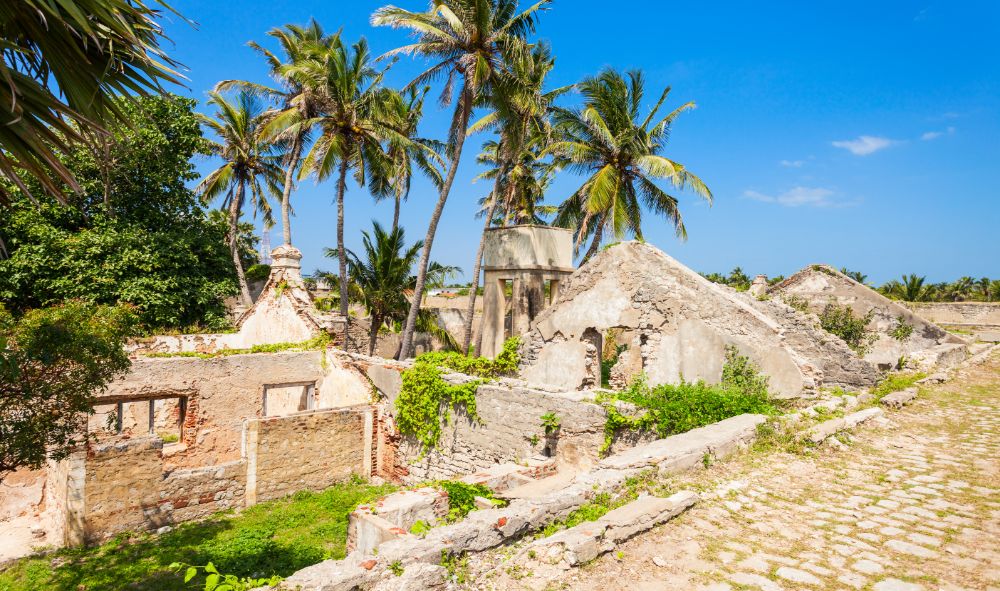
The Portuguese and Dutch settlers in the 17th/18th centuries were intent on introducing Christianity to these coastal villages. As a result, the coast is scattered with several colonial period churches. The Negombo Fort and the five bastion Fort of Kalpitiya built during the colonial period still remains.
Dutch Canals
An old network of canals covering about 130 kms, developed by the Dutch for transporting spices, link Colombo’s seaport to the north-west coastal towns and still function as active waterways. Canal paths winding through the villages can be explored by bicycle.
The Paramankanda Rock Temple
This serene temple, situated close to the Mudhouse in Andamaduwa, sits on a rock outcrop. It has ancient frescoes, rock inscriptions and Buddha statues.
Kurunegala’s ancient ruins
Kurunegala, a 12th century capital of the Sinhala kings then known as Panduwasnuwara, has limited archeological ruins, although they are only of interest to the really committed historian or archeologist.
Spa at Negombo’s The Beach
Offers a variety of aromatherapy, Thai and Shiatsu massages and aromatherapy treatments.
Ayurveda Pavilions
Ayurveda Pavilions, located in Negombo, emphasises positive health and the balance between mind and body through a combination of Ayurveda, Yoga, and meditation. At Ayurveda Pavilions, these ancient holistic ideologies are blended with modern luxurious facilities. A team of specialized Ayurvedic practitioners and therapists provide relaxing and curative treatment using herbal medicines. Ayurveda Pavilions is a member of the 'Great Hotels of the World'.
Water Sports in Negombo
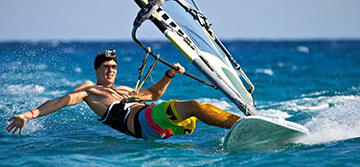
Watersports in Negombo are centred on the lagoon, although they are not as extensive as, say, in Bentota or Mirrissa further south. The watersports centre at The Beach can advise, as well as provide equipment and coaching.
Fishing in Negombo
Old fishing crafts such as the `oruwa’ or catamaran with its bellowing sails, are used by Negombo’s fisherman and is characteristic to this part of the island. The majestic view of the catamarans as it sets sails into the sunset is a wonderful sight. Visit a fishing village along the coast, join a fisherman as he sets sail for his day’s catch, or visit the early morning fish auction on the beach.
Deep sea diving
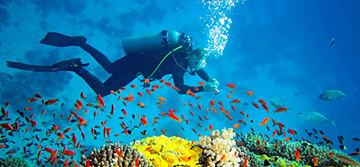
Diving in the north-west seas is possible from December to April. Diving sites are divided into two sections in Negombo: closer dive sites which are about 8 kms from the shore and the further site - also known as the `Third Reef’ -- which is about 22 kms. Numerous species of fish, marine turtles, Moray Eels, sting rays can be spotted.
Ayurveda Pavilions
Regular Yoga and guided meditation sessions are conducted as supplementary activities to the hotel’s in-house Ayurveda programmes.
Muthurajawela Marshes
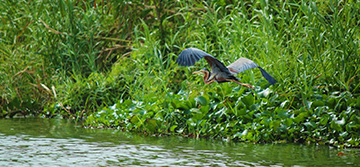
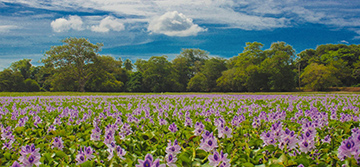
The Muthurajawela Marshes are situated just south of Negombo and covers an area of approximately 6,000 hectares inclusive of the Negombo lagoon. The daily high tide brings in seawater from the ocean into the wetland. Continuous mixing of these two waters over thousands of years, has led to a brackish, integrated coastal ecosystem that is biologically diverse and teeming with life. A variety of mangroves and other types of flora including medicinal plants; numerous types of birds, butterflies and fish, some of which are endemic, are found in the Muthurajawela marshes. Crocodiles, monitor lizards, and Sri Lanka’s largest snake – the Python, is also found here.
Wilpattu National Park
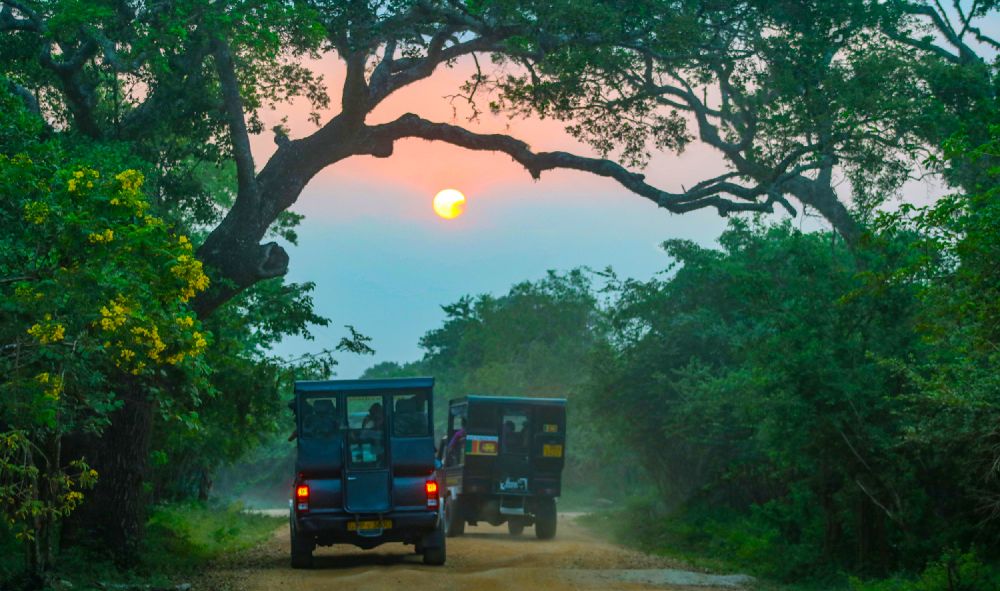
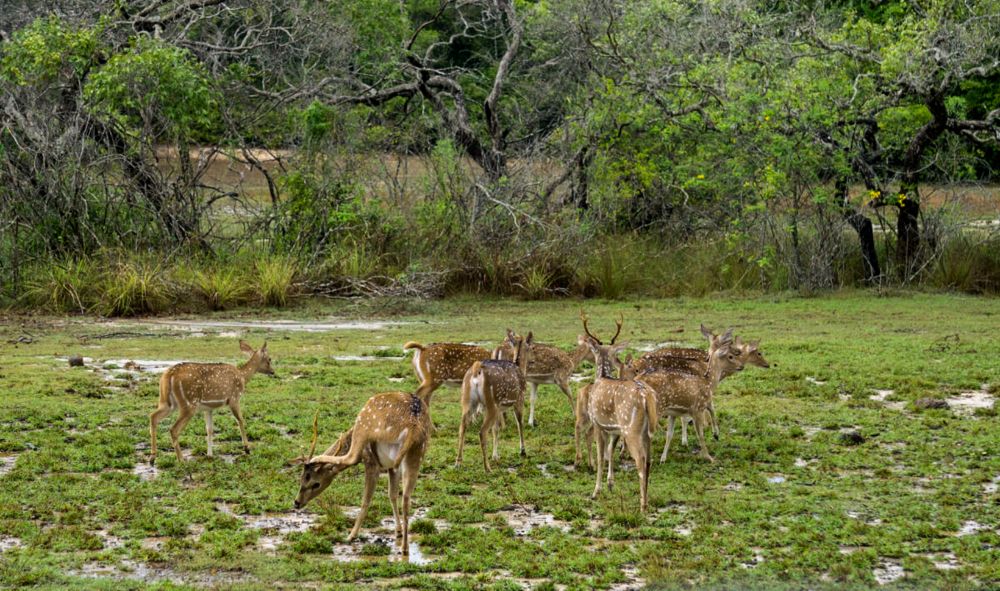
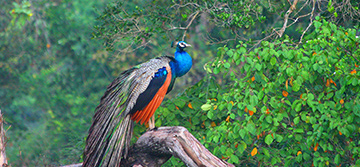
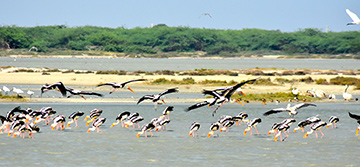
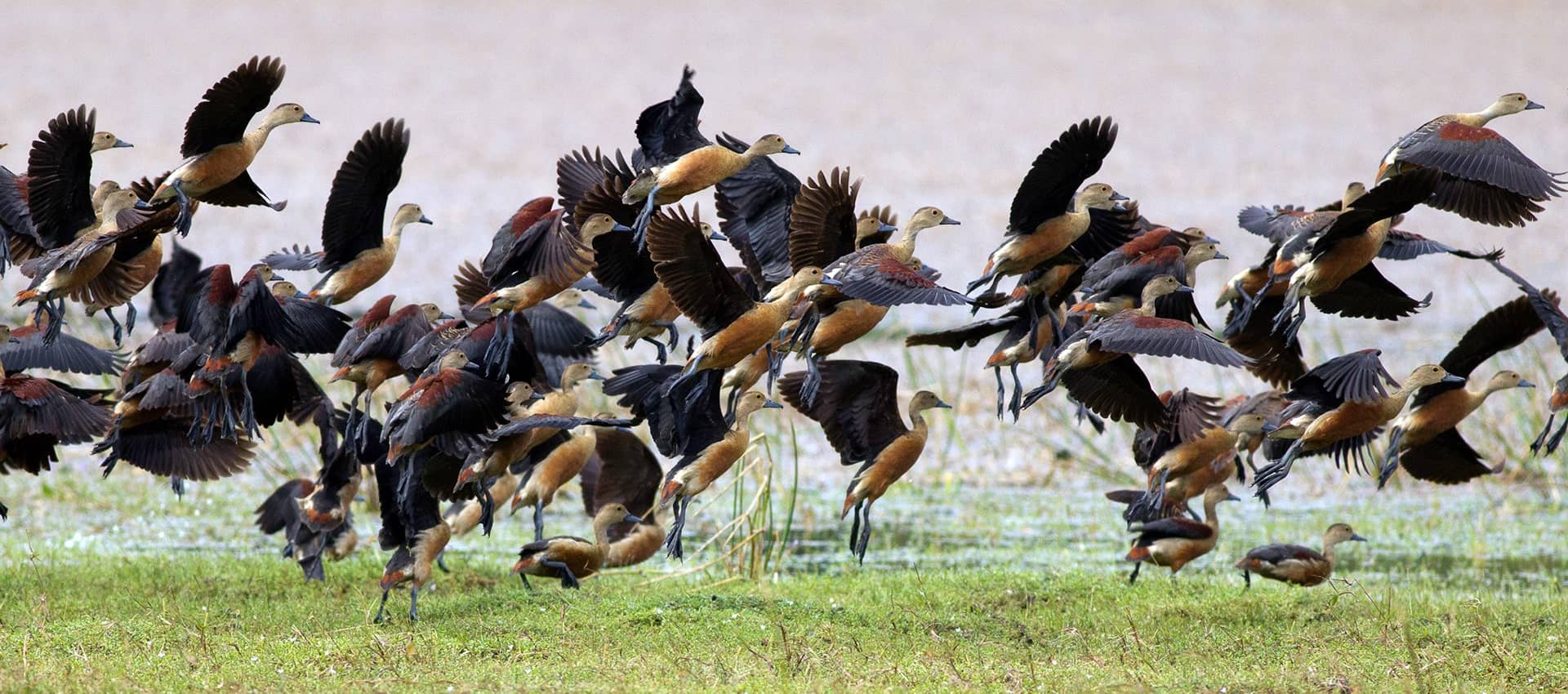
Wilpattu National Park has opened only periodically in recent years for security reasons, which is a tragedy because it is the most escapist and serene of Sri Lanka’s national parks. Wildlife enthusiasts who doscover a chance to visit should do so. It covers an area of 1300 sq kms from the sparsely-populated North-west coast to the north-central province. Its varied habitats -- coastal belt, natural lakes (villus), cliff tops, scrublands, open grasslands and dense woods – house numerous species of animals. Many of the `big game’ found in Sri Lanka, including elephant, sloth bear, water buffalo, spotted dear and leopard can be seen here. The coastal belt and natural lakes attract many species of birds such as painted storks, white ibis, open bills, whistling teals, spoonbills, cormorants and kingfishers as well as water monitors and mugger crocodiles. Situated away from the common tourist routs, Wilpattu is unspoilt and when possible can be enjoyed in tranquil seclusion.
Kitesurfing in Kalpitiya
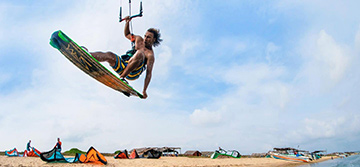
The Kalpitiya lagoon, sand banks, remote islets, reef, and the ocean provide ideal kitesurfing spots in the North West region.  The best season for kitesurfing is from May to December. Red Dot partners with Kitesurfing Lanka for this activity [More].
Quick Finders
Use the quick finders below for complete listings of your choice
Countries
Sri Lanka Hotels
Sri Lanka Villas & Bungalows
Sri Lanka Tours
Red Dot's Sri Lanka holidays and Sri Lanka tours are ATOL protected by the Civil Aviation Authority as long as you buy Sri Lanka flights from us. For full protection on your holiday to Sri Lanka, book your Sri Lanka flights with Red Dot, as well as your Sri Lanka accommodation. Red Dot has the largest selection of Sri Lanka hotels, villas and guest houses at competitive prices and offers independent advice and flexible itineraries. Trust Red Dot for your holiday needs in Sri Lanka, South India and the Maldives. ATOL protection extends primarily to customers who book and pay for their Sri Lanka tours or Sri Lanka hotels in the United Kingdom. [ Check our licence ]
© 2012 Red Dot Tours. All Rights Reserved.
>