Popular Activities
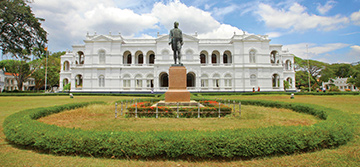
National Museum
Colombo, Sri Lanka
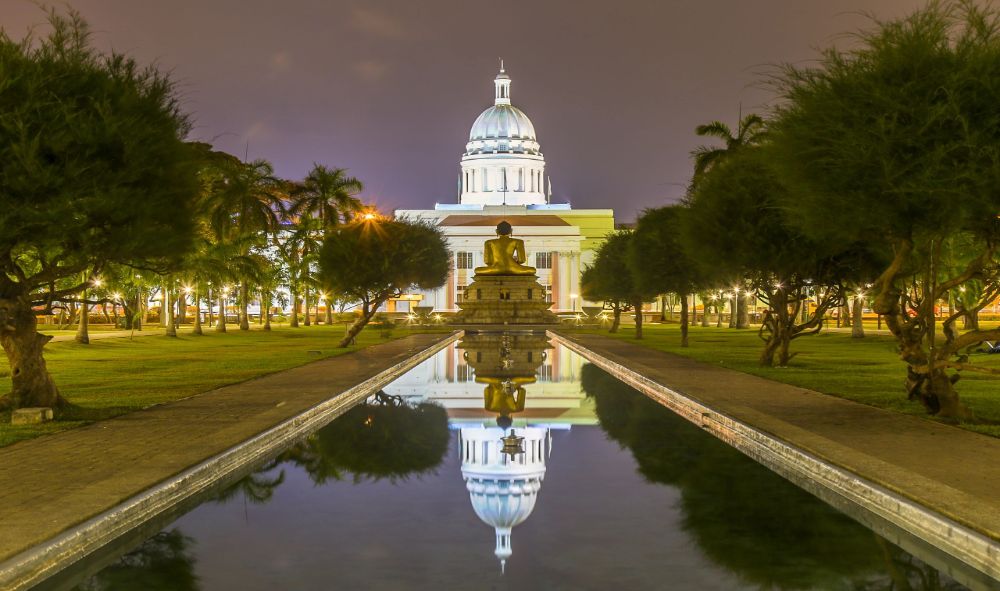
The National Museum of Colombo is the largest in the country. Opened in 1877 by Sir William Gregory, it houses many precious relics including the throne and crown of the last Kandyan monarchs.
Duration: 3 hours
Best time: Year-round


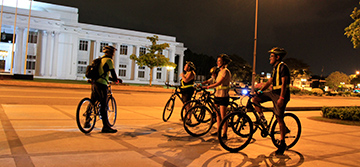
Night cycling tour of Colombo
Colombo, Sri Lanka
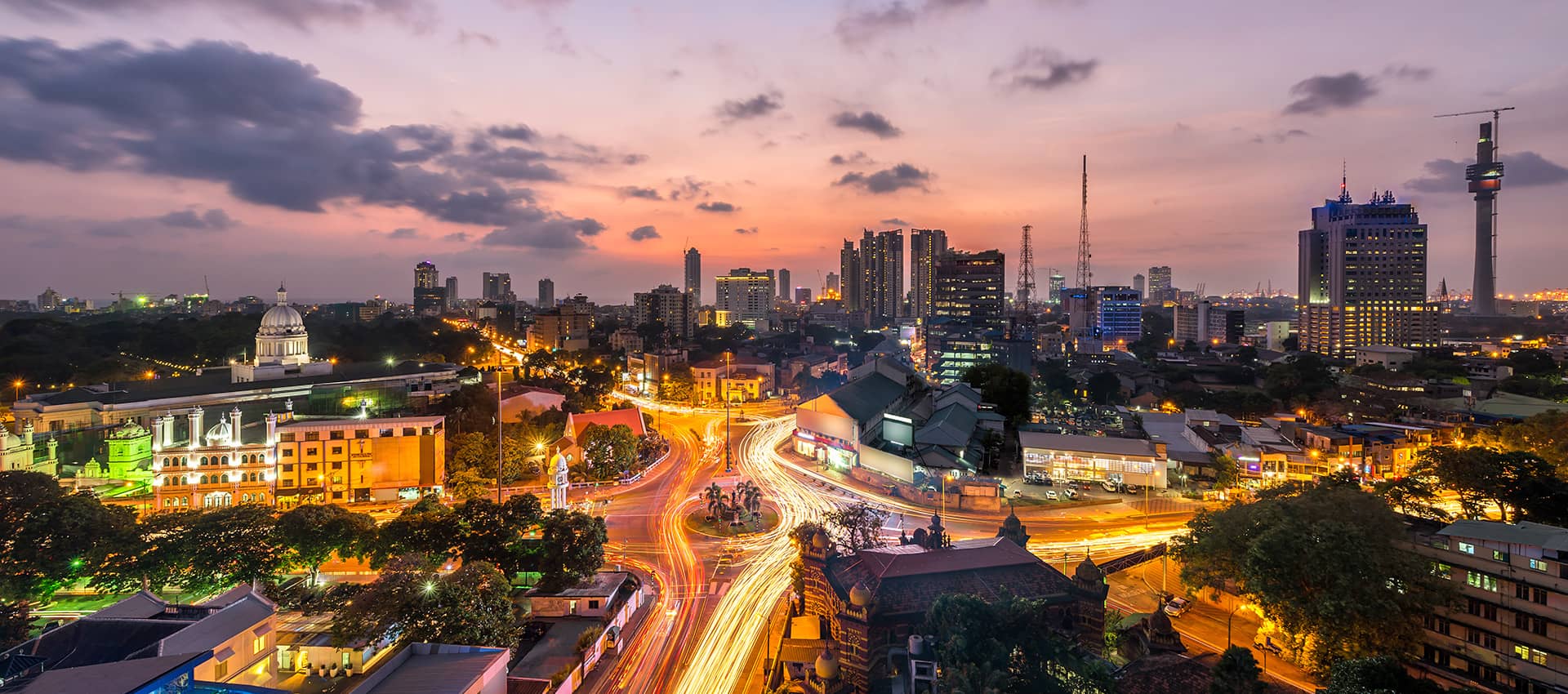
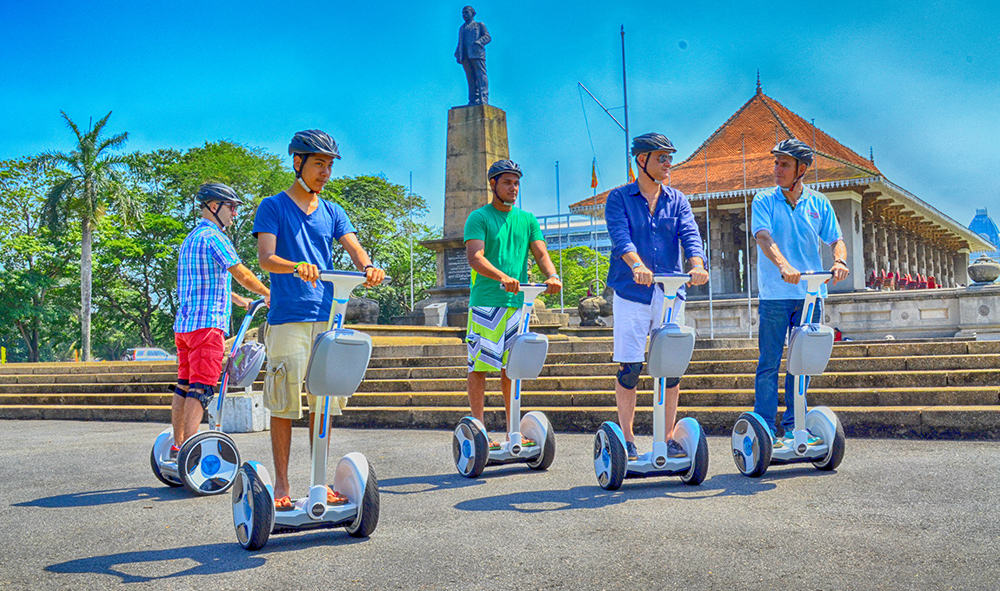
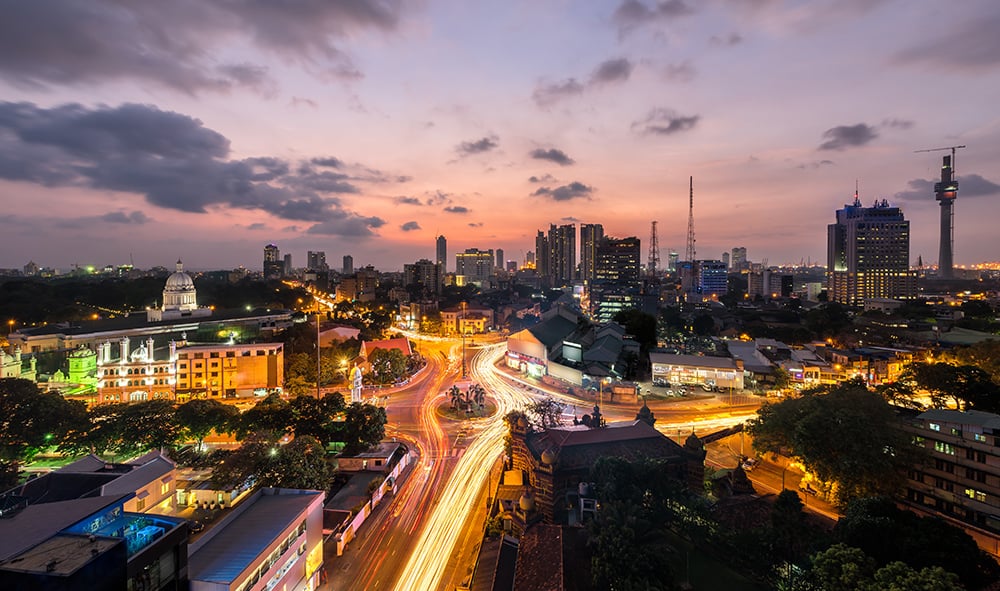
Go on a guided night cycling tour around Colombo, using quiet roads and appropriate safety equipment, and see how this lively city changes after dark.
Duration: 4 hours
Best time: Year-round

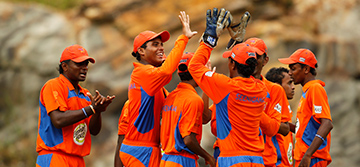
Cricket General Information and Supporter Tours
Sri Lanka
It was cricket that brought Red Dot to Sri Lanka and no one is better equipped to arrange cricket tours of this beautiful island.
Duration: N/A
Best time: Year-round
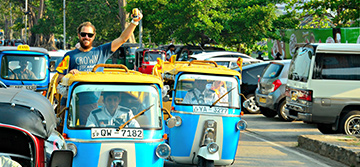
Colombo by Tuk Tuk
Colombo, Sri Lanka
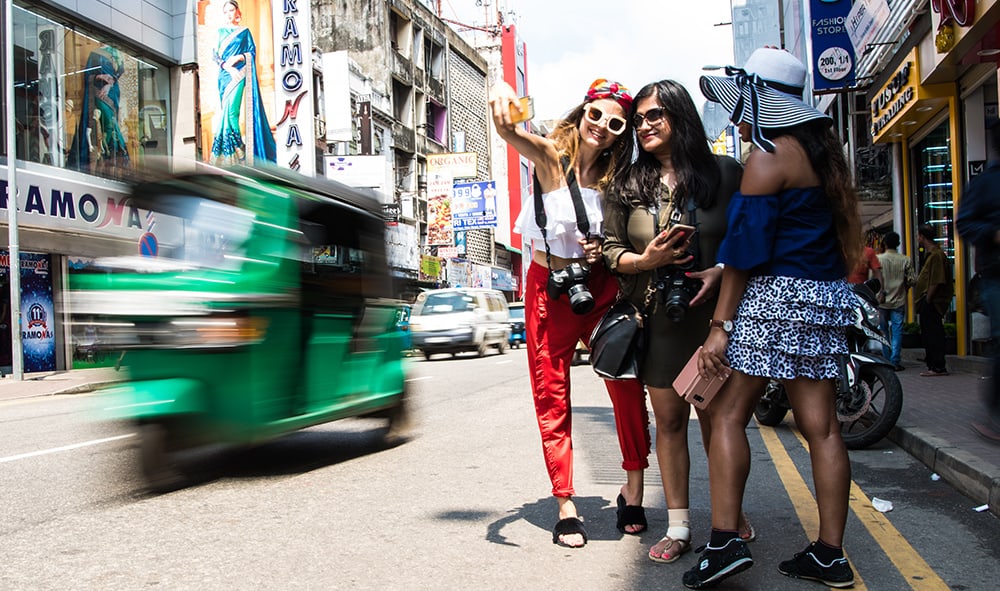
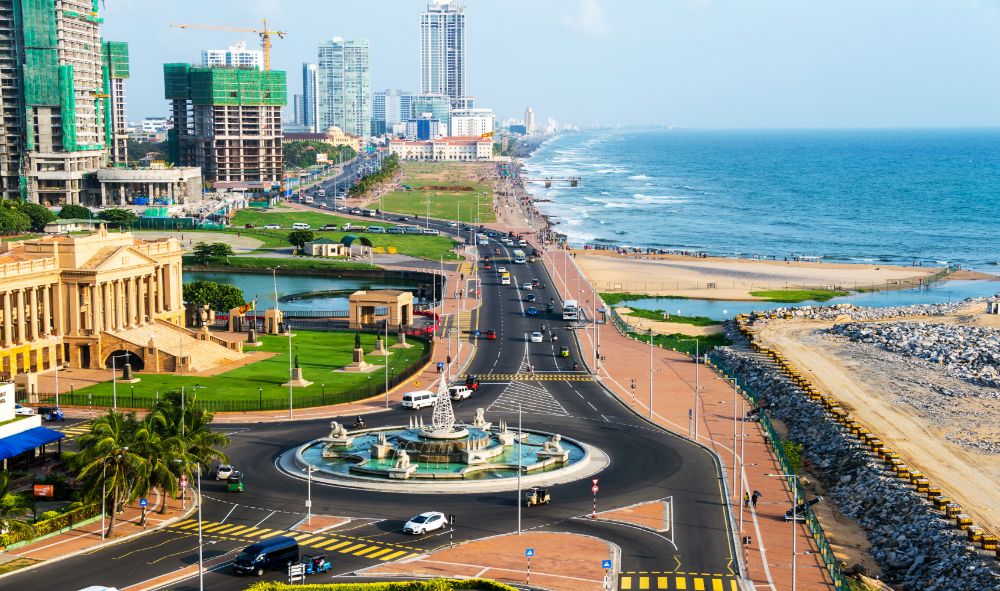
See Colombo as the locals do – from the back seat of a tuk tuk, the three-wheelers which rove the island’s capital. Visit the city’s main attractions, lesser-known spots and enjoy the cool breeze.
Duration: 2 hours
Best time: Year-round
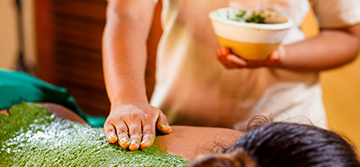
Ayurveda Background
Sri Lanka
Ayurveda is an ancient natural healing method which promotes general well being and seeks not only to cure disease but also to rejuvenate the body by increasing immunity against disease.
Duration: N/A
Best time: Year-round

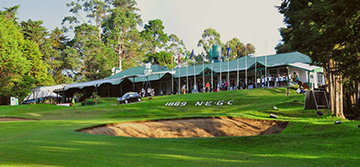
Royal Colombo Golf Club
Colombo, Sri Lanka
The Royal Colombo Golf Club dates back to 1879 and offers a peaceful oasis just a short distance from the centre of Sri Lanka’s busy capital.
Duration: 3 hours
Best time: Year-round

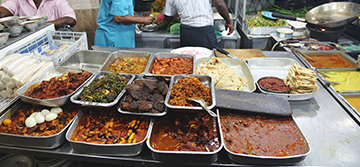
Colombo's Street Food Walk
Colombo, Sri Lanka
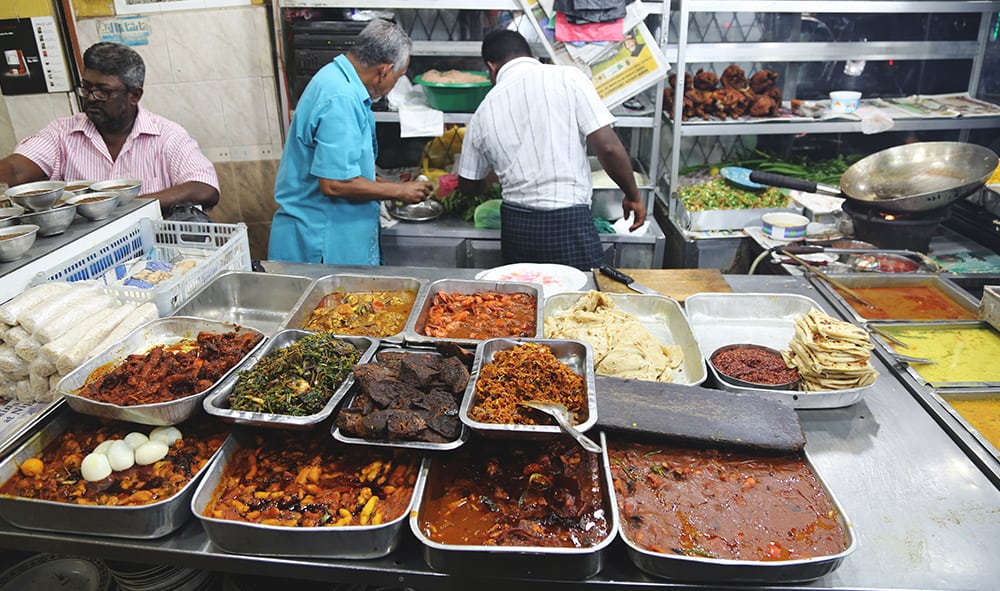
Savour the local delicacies of Colombo as you weave your way through busy streets brimming with people, food, culture and stories. Be sure you’ve got your adventure cap on for this one.
Duration: 2 hours
Best time: Year-round

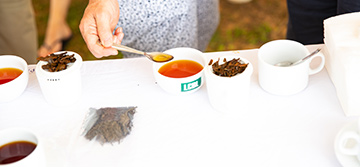
Colombo Tea Factory Tour
Colombo, Sri Lanka
Can’t find time to travel to the hill country? Explore the world-renowned Ceylon tea industry during this Colombo tea factory tour, which takes you through how the leaves are picked, processed and packaged.
Duration: 3 hours
Best time: Year-round
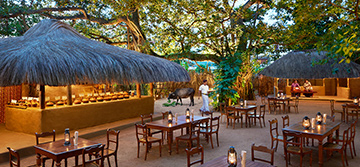
Colombo Restaurant Guide
Colombo, Sri Lanka
Explore Colombo’s wide range of restaurants, cafés and street food options, which offer a wide range of traditional local dishes as well as cuisine from around the world.
Duration: N/A
Best time: Year-round
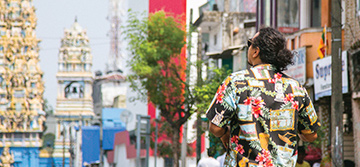
Slave Island Walking Tour
Slave Island, Colombo, Sri Lanka
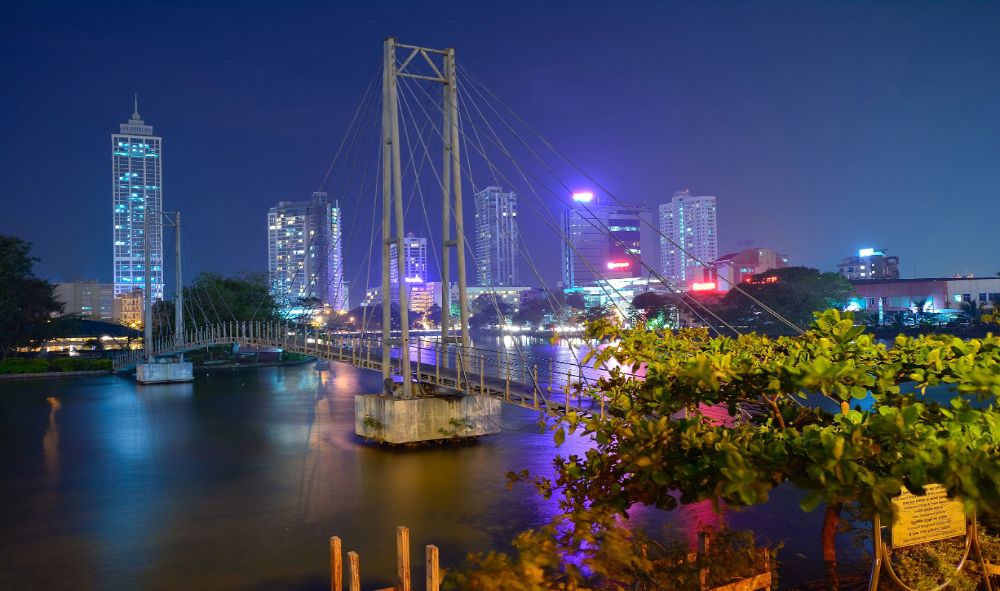
This hosted walking tour takes you from historic Galle Face Hotel to Beira Lake, wiggling through the vibrant streets of Slave Island which relfect Sri Lanka’s multiculturalism.
Duration: 2 hours
Best time: Year-round
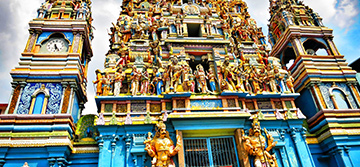
Kovils in Colombo
Colombo, Sri Lanka
Sri Lanka’s capital has several Hindu Kovils, decorated with colourful statues and which house shrines dedicated to different gods and deities.
Duration: 4 hours
Best time: Year-round
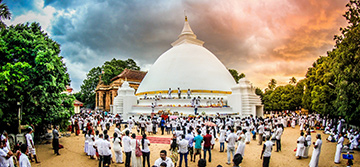
Kelaniya Raja Maha Viharaya
Kelaniya Raja Maha Viharaya, Peliyagoda, Sri Lanka
Thought to have been visited by Lord Buddha in 523 BC, the ancient Kelani Raja Maha Viharaya is renowned for its glorious paintings, which show the history of Buddhism in Sri Lanka.
Duration: 3 hours
Best time: Year-round
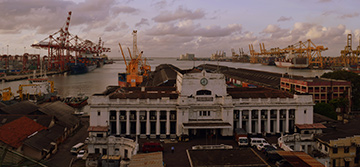
Colombo's Hidden History
Colombo, Sri Lanka
Walk through the city of Colombo, the commercial hub of Sri Lanka, with an expert guide and find out about the history hidden within these streets.
Duration: 3 hours
Best time: Year-round

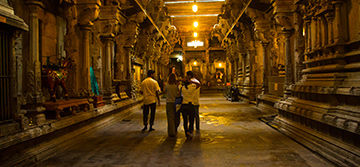
Colombo Guided Walk - Religion and Culture
Colombo, Sri Lanka
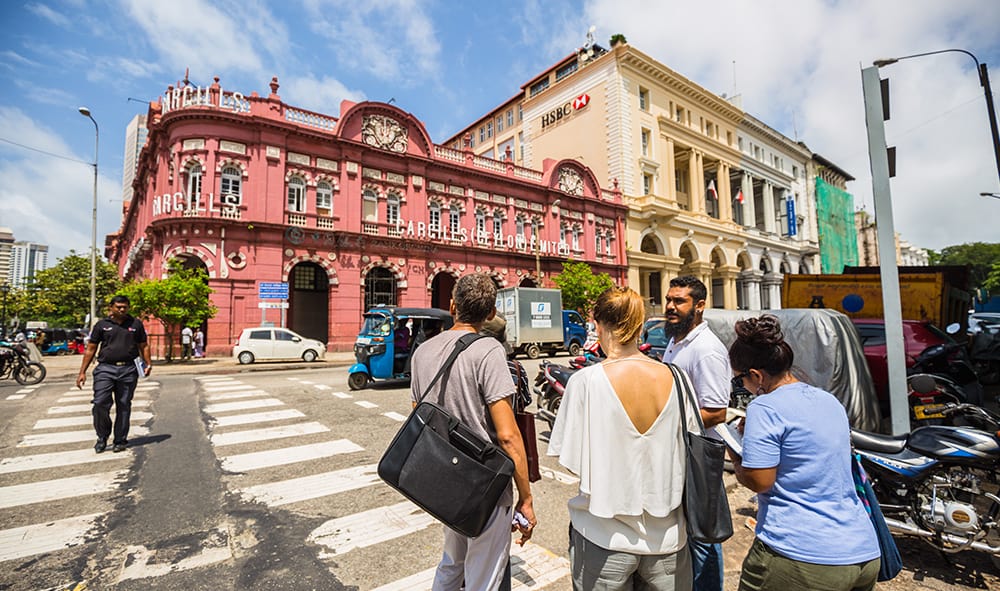
Explore Colombo’s fascinating religious and cultural diversity on this dynamic guided walking tour, which takes you to iconic religious buildings and through the lively streets of Pettah.
Duration: 2 hours
Best time: Year-round
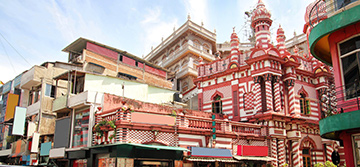
Colombo Fort and Pettah Architecture
Colombo, Sri Lanka
Now the commercial centre of Sri Lanka, Colombo’s Fort was first built by the Portuguese in the 16th century, before being further changed by the Dutch and British colonisers.
Duration: 3 hours
Best time: Year-round
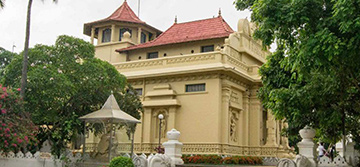
Bellanwila Raja Maha Viharaya
Bellanwila Raja Maha Viharaya, Dehiwala Road, Boralesgamuwa, Sri Lanka
Located just three kilometres from Colombo’s city limits, Bellanwila Raja Maha Viharaya is one of the oldest temples in Sri Lanka’s capital, and it has a long and hallowed history.
Duration: 1 hour
Best time: Year-round
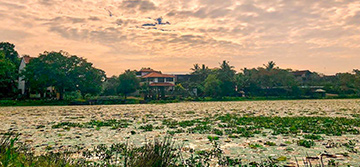
Talangama Wetlands
Talangama Wetlands
The Talangama Wetlands, located in the Kotte surburbs of Colombo, are comprised of tanks, canals and paddy fields which offer excellent opportunities for birdwatching.
Duration: 2 hours
Best time: Year-round

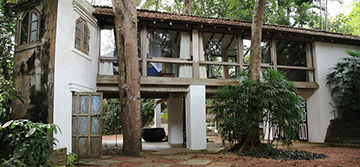
The Life of Geoffrey Bawa
Number 11 - Geoffery Bawa’s Home, 33rd Lane, Colombo, Sri Lanka
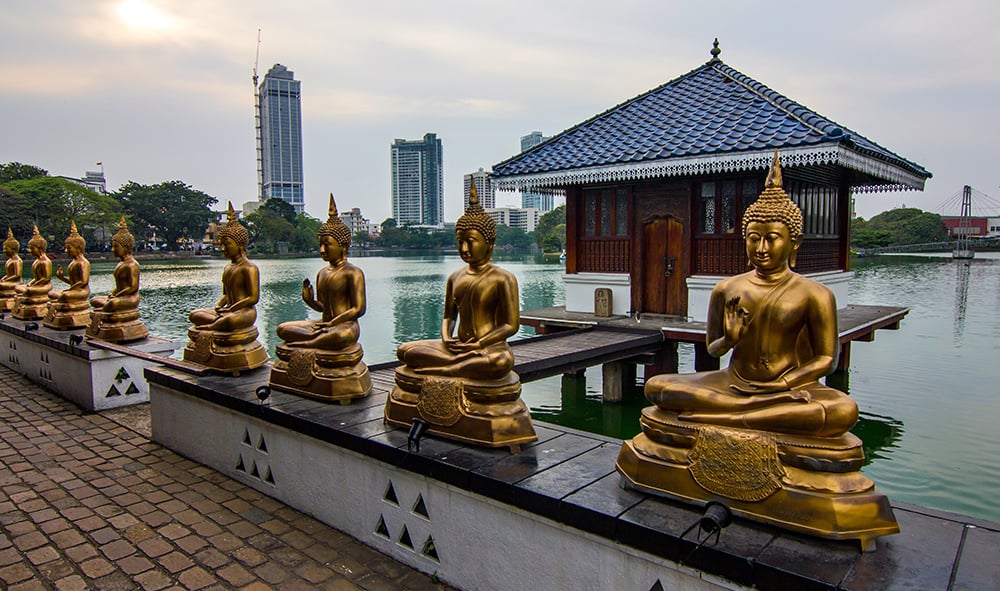
Geoffrey Bawa is Sri Lanka’s most iconic architect. Go on a guided tour of his Colombo house and studio and browse through some of his old designs before visiting the beautiful floating temple at Beira Lake.
Duration: 3 hours
Best time: Year-round
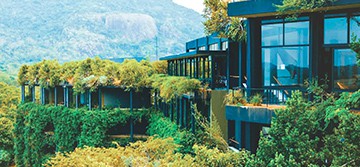
Bawa Architecture
Sri Lanka
The late Geoffrey Bawa, Sri Lanka’s most influential architect, was responsible for linking the ancient architecture of this island with that of the modern world.
Duration: 2 hours
Best time: Year-round