Sinharaja Rainforest
Snapshot
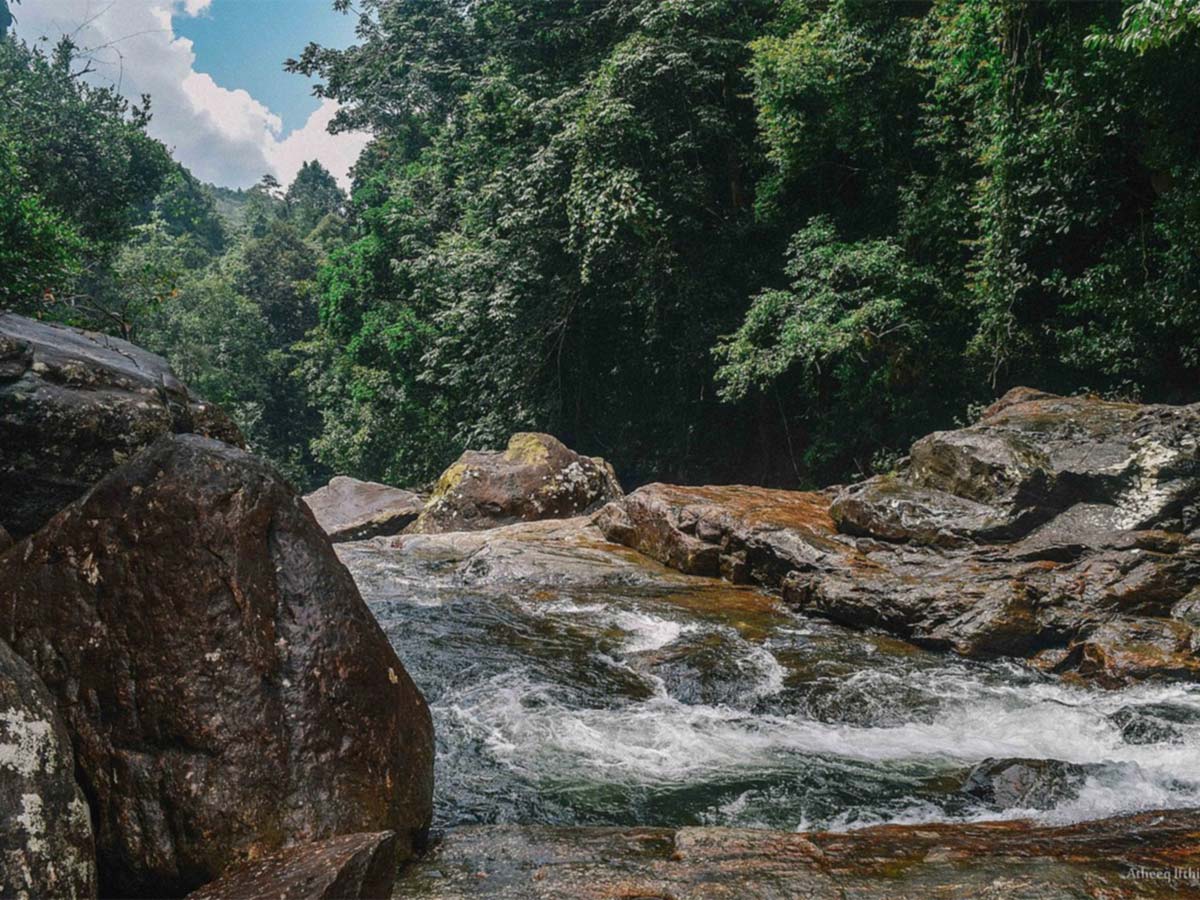
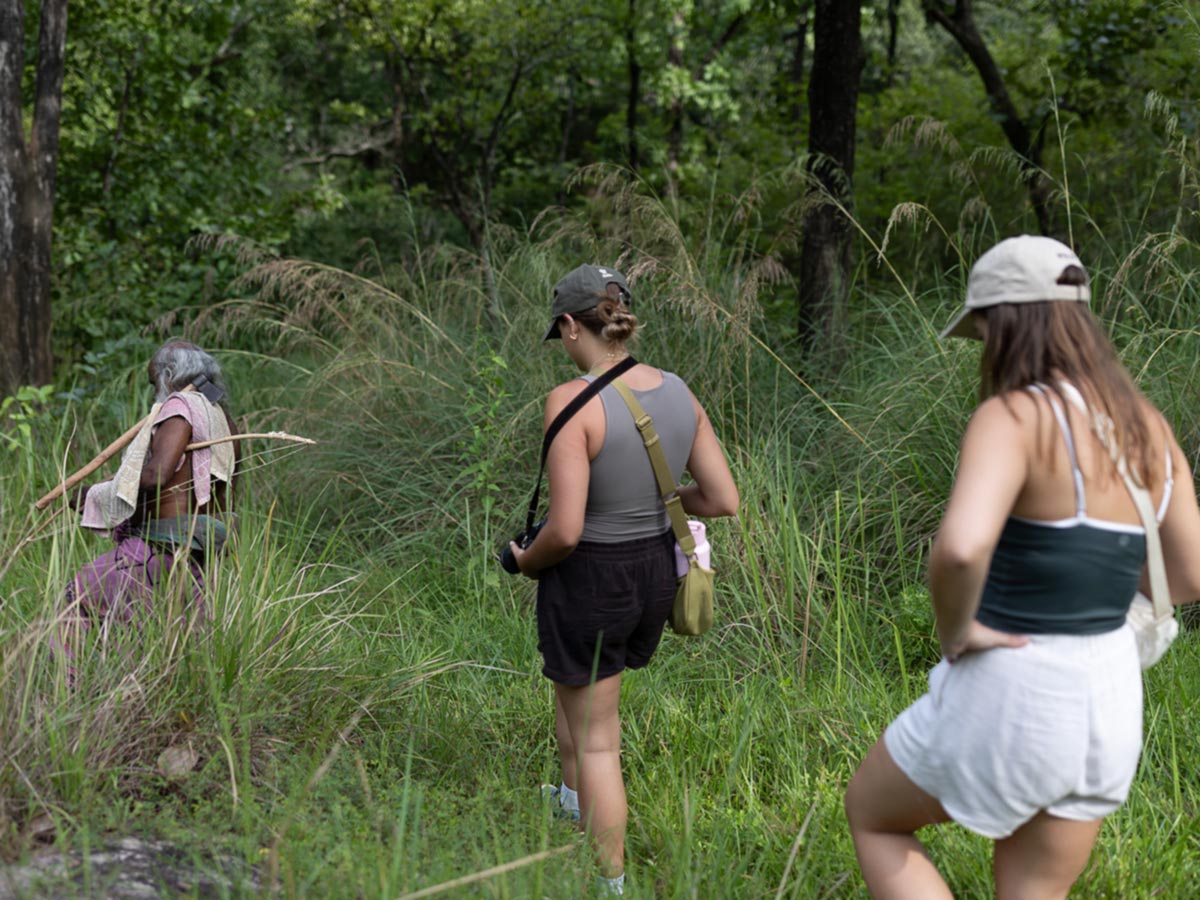
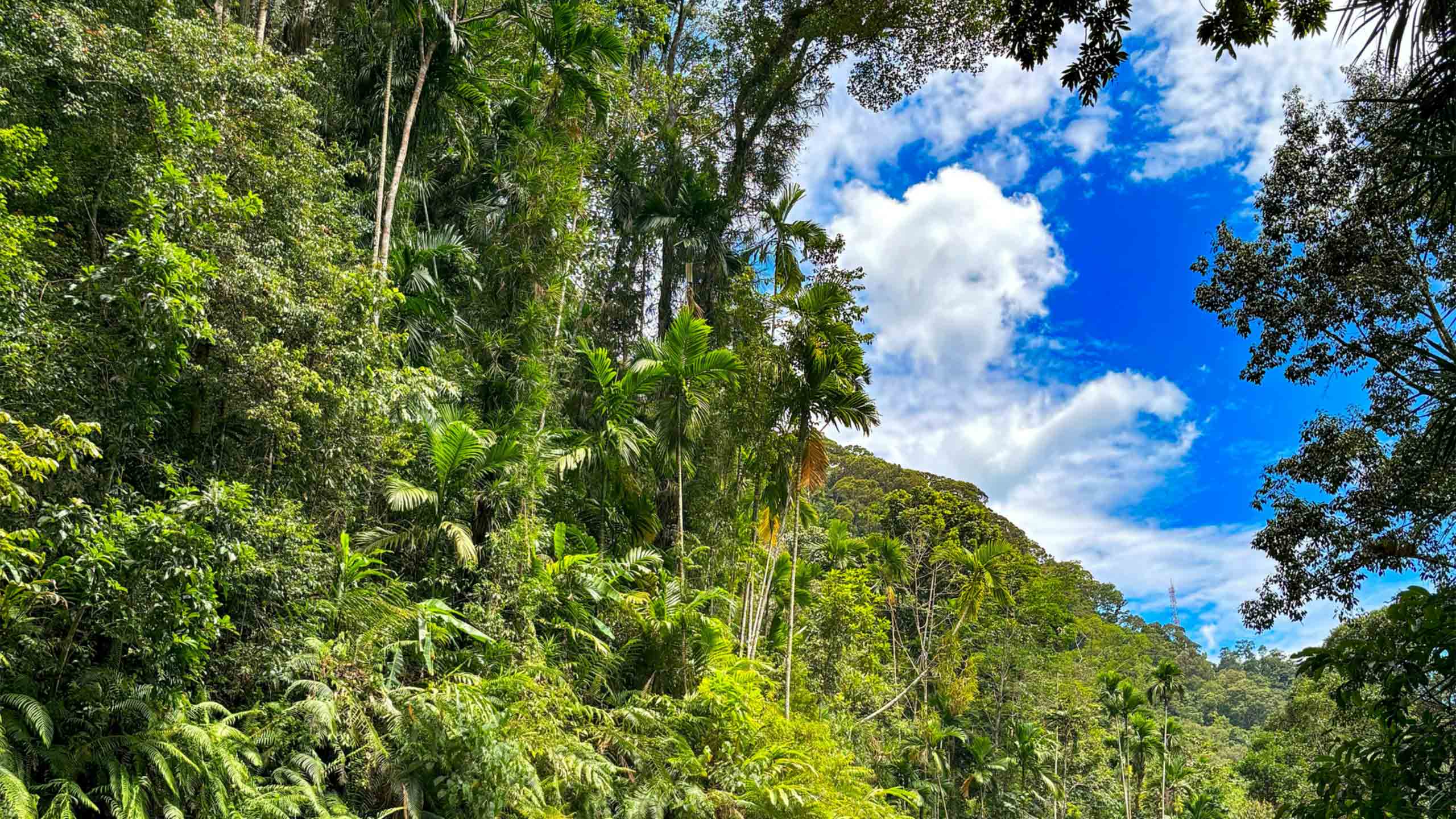
Moist and muggy, murky and mysterious; an experience of Sinharaja is like nothing else in Sri Lanka. Trekking through this magnificent jungle, the last surviving stretch of virgin rainforest on the island is a treat; through a bewildering land of exotic colours and wonderful sounds is an truly enriching experience. From top to bottom the forest is teeming with life, colour and sound; gushing waterfalls, gurgling streams, ants marching, leaves rustling, leeches waiting, crickets creaking and fluttering butterflies combine to stir the senses. Sinharaja is a UNESCO International Man and Biosphere Reserve.
Sri Lanka Location Map

Stats in Brief

Stratification: Tropical Lowland Forest or Wet Evergreen Forest

Size: 11187 hectares

Status: World Heritage Site, 1988.

Altitude: 90m – 1170m (Hinipitigala Peak)

Temperature: 19 – 34 (degrees C)

Annual Rainfall: 3500mm – 5500mm

Best time of year to visit: December - April; August and September.

Optimum duration of stay: 3 - 4 days.

Accommodation Options: Martin’s Place, Blue Magpie, Boulder Gardens, Rainforest Edge

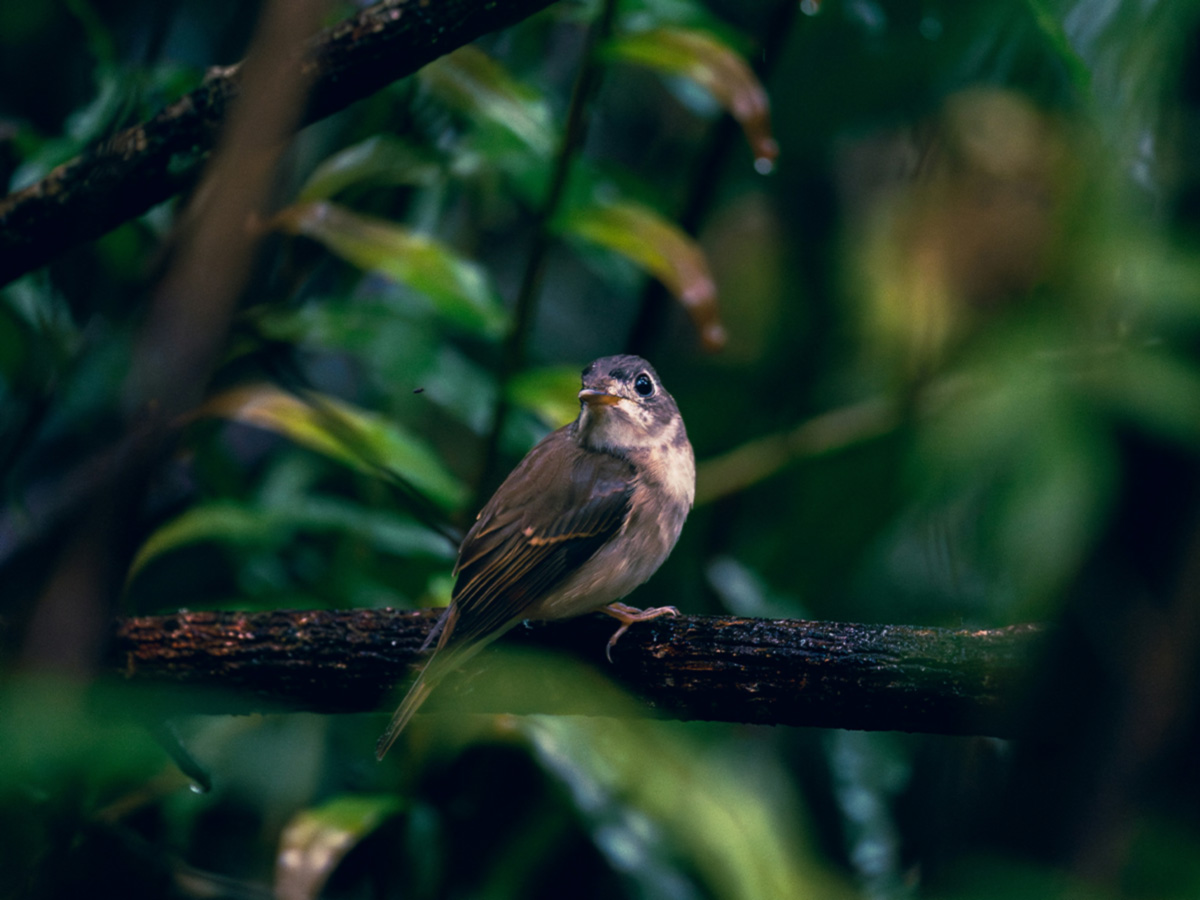
Strengths: Birds, Butterflies, Dragonflies, Jungle treks.


Overview
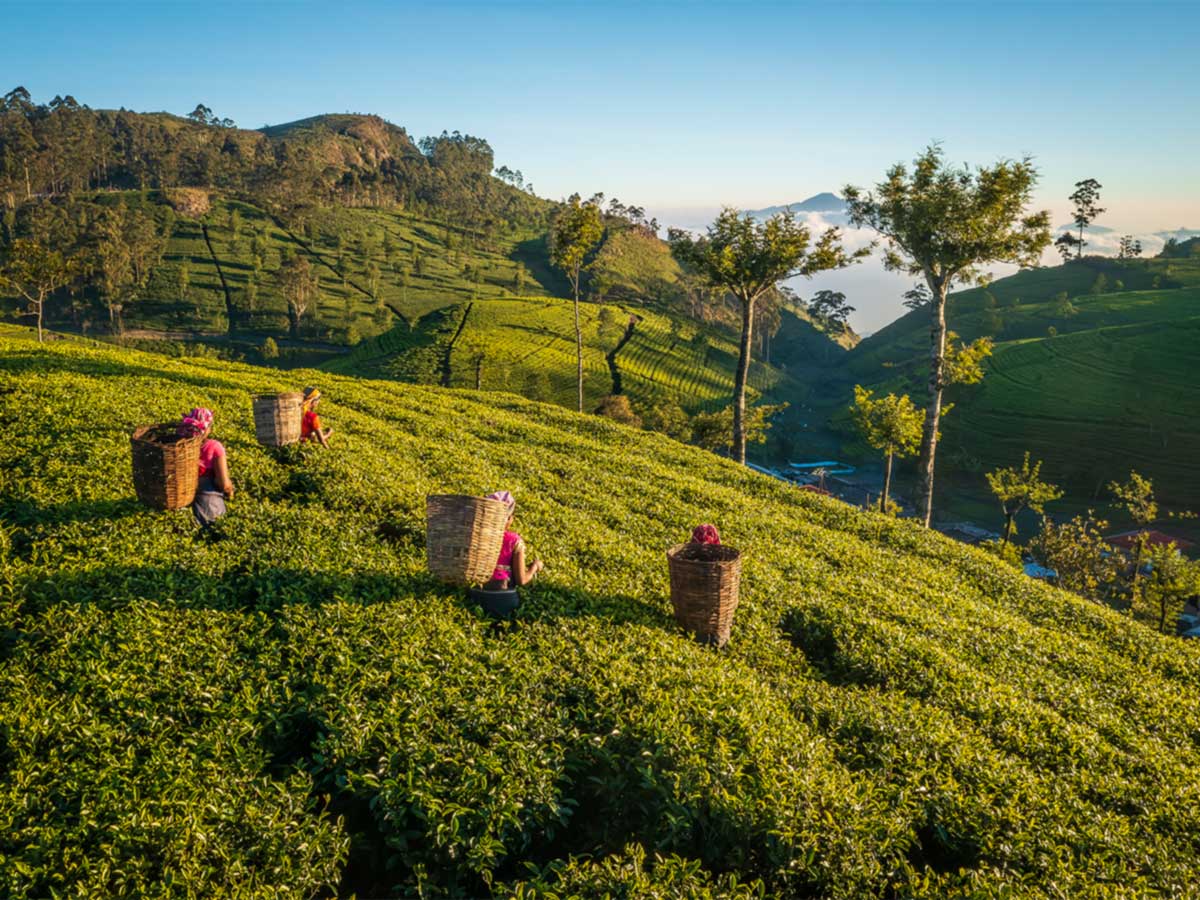
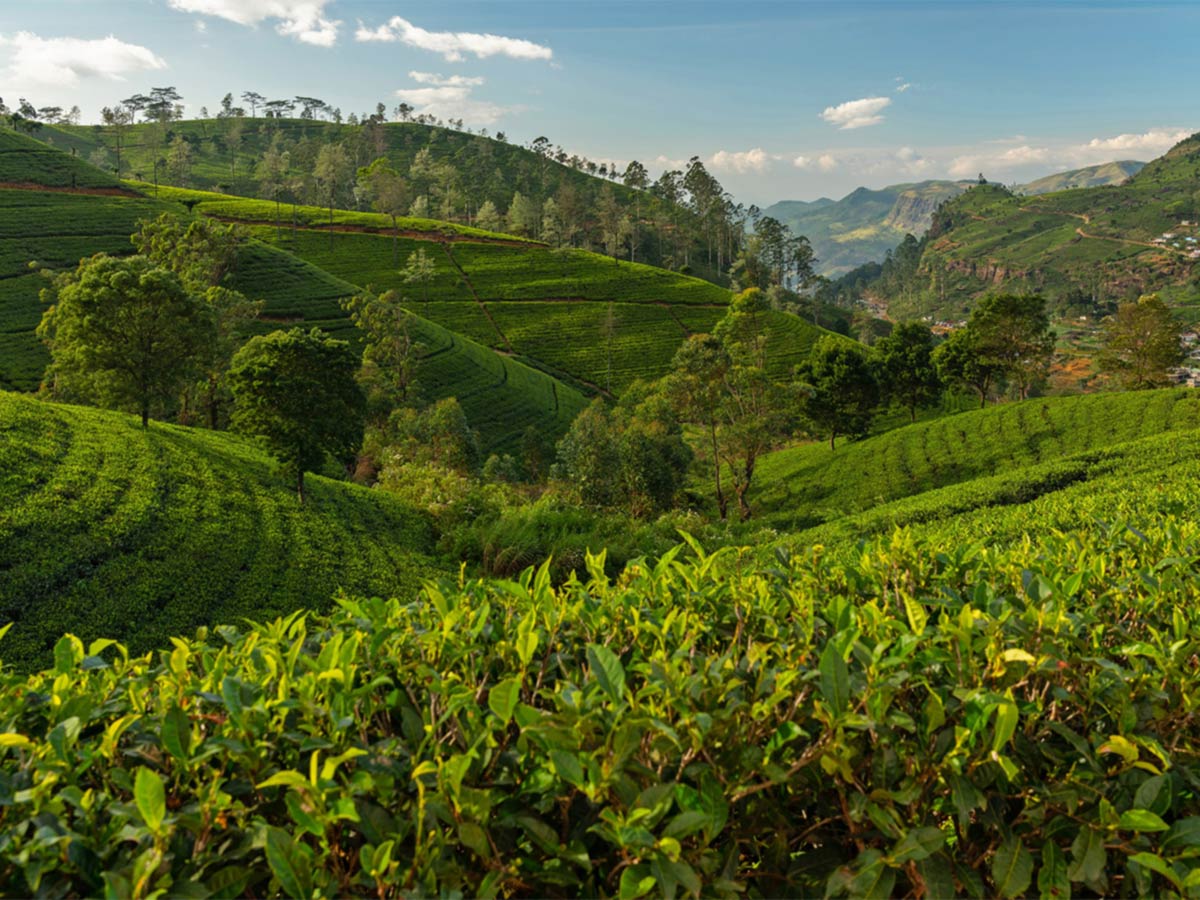
Located in the southwest corner of Sri Lanka, 40km inland from the historic city of Galle, the Sinharaja rain forest straddles a series of mountains and ridges in the country’s wet zone, containing a number of streams, waterfalls and fresh-water springs which flow into the Gin Ganga (‘Ganga’ means ‘River’) on the southern boundary and Kalu Ganga to the north. The Sinharaja region has long played an important role in the cultural heritage of Sri Lanka. For folklorists, the name of the forest, which literally means ‘lion king’, suggests its significance as the primary home of the legendary lion of Sri Lanka. Other less romantic historians believe that the name refers to Sinharaja’s role as the ‘king-sized’ or ‘royal’ forest of the Sinhalese people, at a time when over 100,000 hectares of wet evergreen jungle covered the South Western hills and lowlands of Sri Lanka. Since that time, with much of the land having been cultivated by both colonial settlers and local inhabitants for tea estates and other forms of enterprise, the thin sliver of forest (21km long and 3.7km wide) that remains, is but a glimpse of its former glory.

Only relatively recently was the urgency of conserving this precious segment of land was seriously recognised when it was declared a Biosphere Reserve in 1976. In 1989 UNESCO seconded this move and made it a World Heritage Site in 1989. The forest not only offers a window into in Sri Lanka’s distant past but is also houses an incredible array of flora and fauna (including a sum total of 73 endemic species of birds, butterflies, fish, mammals, reptiles and amphibians) making a world famous hotspot for biodiversity.
Photo Gallery

Fauna & Flora of Sinharaja
Flora & Fauna
Species in Sinharaja
Total
Species
in Sri Lanka
Endemics
in Sinharaja

Total
Endemics in Sri Lanka

Trees & Lianas
340
-
15
192
Birds
141
384
34
36
Butterflies
65
242
21
41
Mammals
40
85
7
12
Snakes
29
90
14
39
Amphibian
19
38
8
19
Tetrapods
14
73
7
34
Fish
10
64
7
17

Accommodation Options

Martin’s Lodge, Sinharaja: A purpose-built bird-watching lodge situated on the fringe of Sinharaja designed and run by one of Sri Lanka’s most renowned ornithologists. Facilities are quite basic but the food is excellent and the lodge is only 5 minutes walk from the entrance to the park so. An absolute must for the serious ornithologist. (More)

Blue Magpie, Sinharaja:
The in-between option. Blue Magpie is closer to Sinharaja than Boulder Gardens but still a within decent driving distance to the park entrance. Respectable facilities, average food, but good-value and popular nevertheless. (More)

Boulder Gardens, Sinharaja:
  Located 30 minutes from the entrance to Sinharaja, Boulder Gardens is a remarkable eco-boutique hotel, lovingly designed around a crop of gigantic black boulders. Here, winding steps will take you around long trees roots, rock pools where you least expect it, and flowing water. You will feel that you are enclosed in the depths of an ancient rain forest, where monkeys and wild squirrels may make malarkey in the trees, an occasional jackal may prowl and eagles and hornbills are regularly seen. (More)

Rainforest Edge, Sinharaja:
  Located high above the beautiful rolling hills of Waddagala and the Sinharaja forest reserve, Rainforest Edge offers rustic style and is just 10 minutes from the northern entrance to the Sinharaja rain forest.  From this appealing property, a triumph of designer-rustic, you can gaze upon rolling tea plantations, and enjoy the hospitality of Sinharaja villagers in a beautiful natural setting.  Rainforest Edge follows strict environmentally friendly policies of using organic methods of farming, recycling of water and waste materials, and the use of solar energy.  (More)


Access

Despite Sinharaja’s extraordinary claims as an attraction for wildlife enthusiasts, the park remains relatively under-visited and this is largely because it is quite hard to access. Visitors can enter the park via the three different routes listed below, though we strongly recommend the route through Kudawa. This route has the most passable roads and gives access to a number of different walking trails that will give you the best possible account of the forest.

• Kudawa (north-west tip): From Colombo go via Ratnapura to Kalawana and Weddagala (marked on multi-map) where you turn off the main road to the Forest Department Camp at Kudawa.

• Pitadeniya (southern side): Head for Deniyaya: from Colombo go via Mathugama and Nelluwa; from Galle or Matara go via Akuressa. From Deniyaya, drive 10km to Mederpitiya ticket office and then walk 3km, crossing the Gin Ganga, to reach the Conservation Centre at Pitadeniya.

• Morningside (eastern side): Approaching from either Ratnapura or Deniyaya, turn off main road just south of Suriyakanda and head for the Morningside Conservation Centre.


Useful Links
United Nations Educational, Science and Cultural Organisation - Click Here
Information on world heritage forest conservation

Save Sinharaja Rainforest Campaign:
Click Here
Information on Sinharaja, fauna and flora

Books
'The Sinharaja Guide Book for Eco Tourists'
By S. Vigallon, 2007

'Sinharaja: A Rainforest in Sri Lanka'
By Neela de Zoysa & Ryhana Raheem, 1987

Media Reviews
'Sinharaja the green treasure trove'
By Ethan Gelber, Travel Sri Lanka, Vol 4 No 2

'Sinharaja – encountering the Lion King's forest'
By Andrew Kittle, Travel Sri Lanka, Vol 5 No 5

'Sinharaja – the southern side'
By Karin Fernando, Travel Sri Lanka, Vol 5 No 5

'A village in Sinharaha'
By Janaki Bamunusinhe, Explore Sri Lanka, August 2006

'Sinharaja Buffer Zone – a step toward environmental sustainability'
By Ethan Gelber, Travel Sri Lanka, Vol 5 No 5

'Sinharaja – the Mixed Flock phenomenon'
By Andrew Kittle, Travel Sri Lanka, Vol 5 No 5
Quick Finders
Use the quick finders below for complete listings of your choice
Sri Lanka Hotels
Sri Lanka Villas & Bungalows
Sri Lanka Tours
E-Brochure

Download our monthly
e-brochure.

Click here to download
Newsletter

Subscribe now to receive our quarterly e-newsletters and also special offer e-updates. Just enter your email address.
 
Red Dot's Sri Lanka holidays and Sri Lanka tours are ATOL protected by the Civil Aviation Authority as long as you buy Sri Lanka flights from us. For full protection on your holiday to Sri Lanka, book your Sri Lanka flights with Red Dot, as well as your Sri Lanka accommodation. Red Dot has the largest selection of Sri Lanka hotels, villas and guest houses at competitive prices and offers independent advice and flexible itineraries. Trust Red Dot for your holiday needs in Sri Lanka, South India and the Maldives. ATOL protection extends primarily to customers who book and pay for their Sri Lanka tours or Sri Lanka hotels in the United Kingdom. [ Check our licence ]
© 2009 Red Dot Tours. All Rights Reserved. Terms & Conditions of Use | Disclaimer
Solution by

Sinharaja Rainforest Sri Lanka