Learn more

When to Go

Best times to explore India
Weather In India

The best time to visit India is normally between October and April, when most destinations enjoy warm and sunny weather, but this definitely varies across the country. As India experts, we plan our tailor-made trips according to weather, but we also avoid being completely obsessed by the perfect weather too, as often it's the quieter travel periods in India that bring the most joy. We feel it's important not to rule out travelling during shoulder season too. During this time, it can mean slightly warmer weather, but if you're happy to get up early you can have whole palaces to yourself.  India is a vast country spanning the equivalent of the whole of western Europe, so it's impossible to easily summarise weather in one sentence. From the tropical beaches of its southern coastal regions to the arid Thar Desert in Rajasthan and the alpine, tundra-like climate of its Himalayan region, India offers an incredible range of climates but put simply, most of India's key destinations are best between October and April. 

The year traditionally breaks into four seasons: winter (December to February), summer (March to May), monsoon (June to September) and post-monsoon (October and November). However, the impact of these seasons can vary greatly across different regions. Many of the more popular areas such as Delhi, Agra, Jaipur, Ranthambore and Jodhpur are generally considered best between October and March, but do note that in late December and January they can feel cool, so you will need to bring a jumper. 

High season in most of India runs from November to March, peaking in January and February so naturally this is a more expensive time to travel. However, this pattern is reversed in the Himalayan regions, such as Ladakh and Kashmir, where these months bring extreme cold. The peak season in these areas is from May to August. The annual monsoon, which normally lasts from June to early September, can bring heavy rains nationwide. However, September is normally dry in many areas and despite being warm, is a fantastic time to travel. 

We strongly feel shoulder seasons either side of the monsoon can be ideal times to visit, offering greater value, fewer people and a more consistent income for local communities. Take a look at our month-by-month guide below to help you choose the best time for your private holiday to India with Red Dot. 

Is January a good time to visit India?

January is one of the best months to travel across India, weather in January often with cool, dry, and sunny ideal for exploring at all times of day.

Rajasthan and The North

Head to Rajasthan, the Golden Triangle, or Gujarat for sunny days and crisp evenings. We would recommend bringing extra layers for chilly mornings and safari drives, as it can be cool or even cold at this time of year. Please note there can be a big of fog at this time of year. 

Kerala and Southern India

During January, South India, including Kerala, Tamil Nadu, and Goa, offers warmer beach type weather and greener landscapes, but early mornings and evenings can be cooler than expected if you're in the hills. This region feels much more tropical than the north. 

Northeast India

In the northeast and Himalayan foothills, destinations like Darjeeling and Sikkim are scenic but cool, while Kashmir transforms into a snowy wonderland perfect for winter lovers. You’ll need winter clothing if you want to explore here, especially at the higher altitudes.

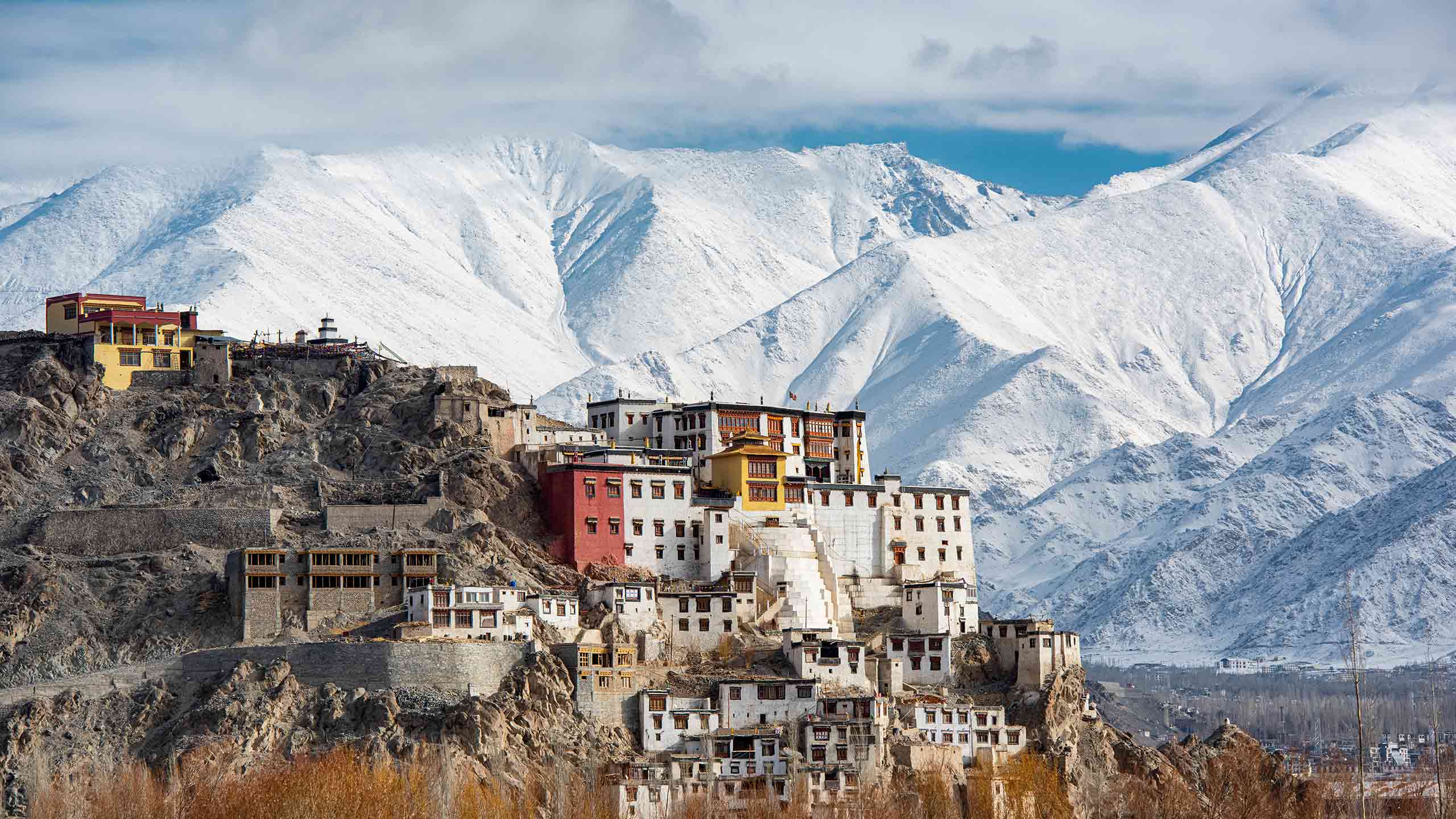
Ladakh

This is winter, so it's often snowy in Ladakh. This is a good time to spot snow leopards. 
Is February a good time to travel to India?

February is an excellent time to explore India. Central and Northern India, enjoys wonderful moderate temperatures and mostly dry, sunny days across the country. Southern India basks in tropical sunshine.  February is a popular month so it's very important to book as early as you can. Major festivals often occur during February including the Desert Festival in Jaisalmer and Jaipur Literature Festival. 

Rajasthan and The North

February is a great time of year for visiting Rajasthan, the Golden Triangle (Delhi, Agra and Jaipur), and the central plains.  Pack a light jacket for cooler mornings and evenings, especially in places like Delhi and Agra.

January in Kerala and Southern India

In January, the beaches of Goa, and landscapes of Southern India (Kerala, Karnataka and Tamil Nadu) are at their best, offering warm days and relaxed vibes.


In the north and northeast, places like Sikkim and Darjeeling remain crisp and clear, ideal for scenic mountain views, though the evenings can be chilly.
Is March a good time to visit India?

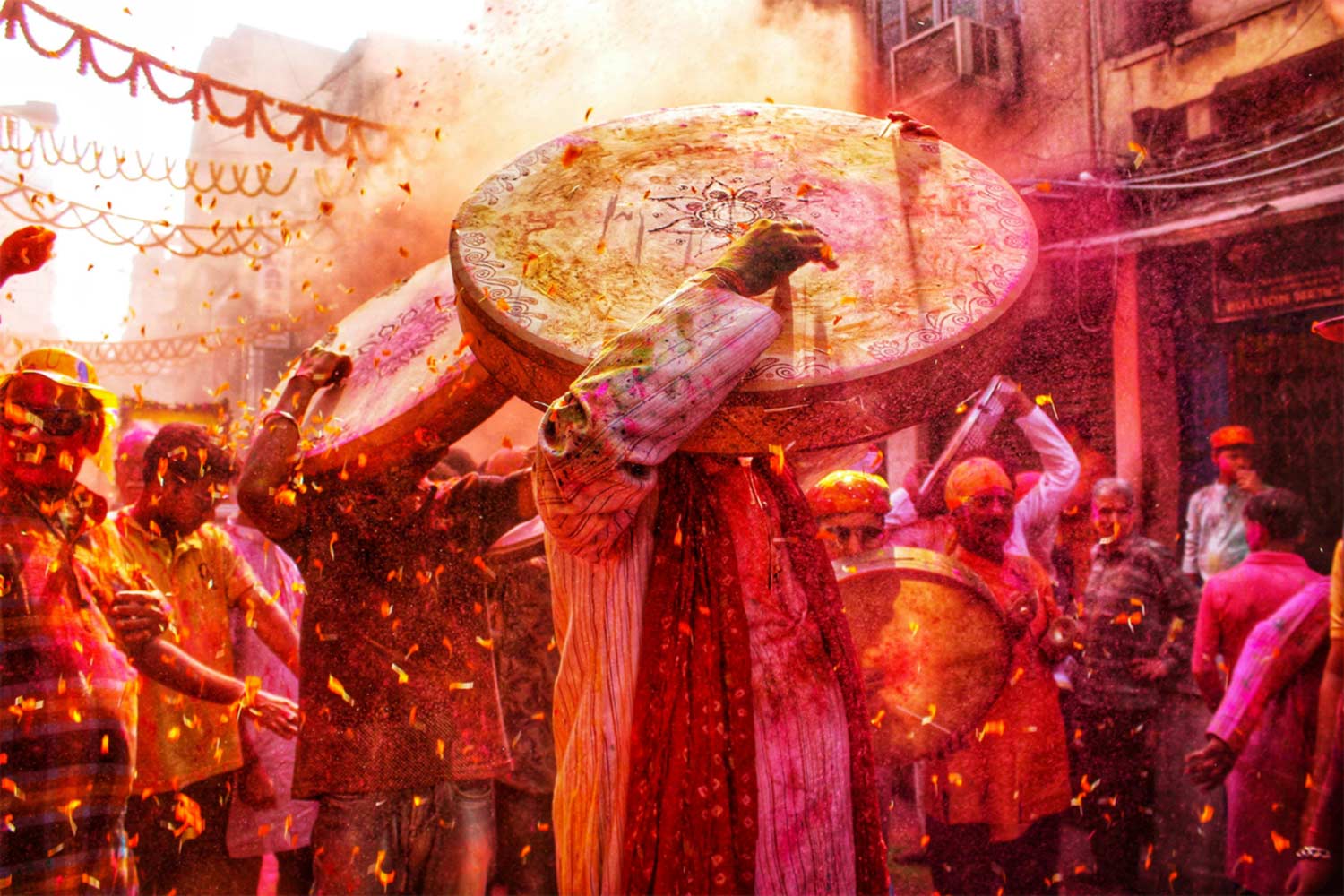
March is still an excellent time to visit India. Arguably March marks the start of spring in India, bringing warmer days and vibrant festivals like Holi. We feel March is the perfect time for exploring Jodhpur's Fort and small towns such as Bundi.

Rajasthan and Northern India

It’s an excellent time to explore Rajasthan, the Golden Triangle, and central India, with dry weather and increasing warmth, perfect for sightseeing before the summer heat arrives. Rajasthan’s deserts, however, can begin to feel a bit hotter towards the end of the month.

Kerala and Southern India

In Southern India, The beaches of Goa, Kerala, and Tamil Nadu remain inviting with warm days. The warmth and humidity start to increase slightly in March but it's still a brilliant time to travel. 

Northeast India and The Himalayan Foothills

While the Himalayan foothills, including Darjeeling and Sikkim, begin to bloom with early spring flowers. Pack light layers, as temperatures can still vary between day and night.
Is April a good time to visit India?

April is still a very good time to visit India, but it's starting to get warm in many areas, so to stay comfortable we plan outdoor experiences early and late to avoid the midday heat. Indoor experiences are often best during the heat of the day, or simply enjoying time around the pool. We also recommend hotels with pool, plenty of shade and air-conditioning during this time. Higher altitude areas avoid this problem. This is a good time to visit Ranthambore National Park as it starts to get dry and tigers move around water holes. 

Weather in Rajasthan and The North

In April, in Rajasthan and Central India temperatures start to soar, particularly in cities like Delhi, Mumbai, and Jaipur. Don't let this put you off, we just plan accordingly and plan your day around the midday heat.  Hotels with pools are definitely recommended now in these areas. 

Weather in The Himalayan Foothills and Eastern India

April brings spring to the Himalayas, making it a perfect time to visit Kashmir, Darjeeling and Shimla, where rhododendrons bloom and the air is fresh. Temperatures remain mild, ideal for sightseeing and trekking, but as you climb higher in the Himalayas, the nights can get chilly. National parks in central India are hot but rewarding, with excellent wildlife sightings around the sparse water sources.

Weather in Southern India

In Southern India in April, Kerala, Tamil Nadu and Goa enjoy hot but pretty ideal weather often with sunny skies and warm seas, however it is still warm so bring lots of cool loose clothes. 
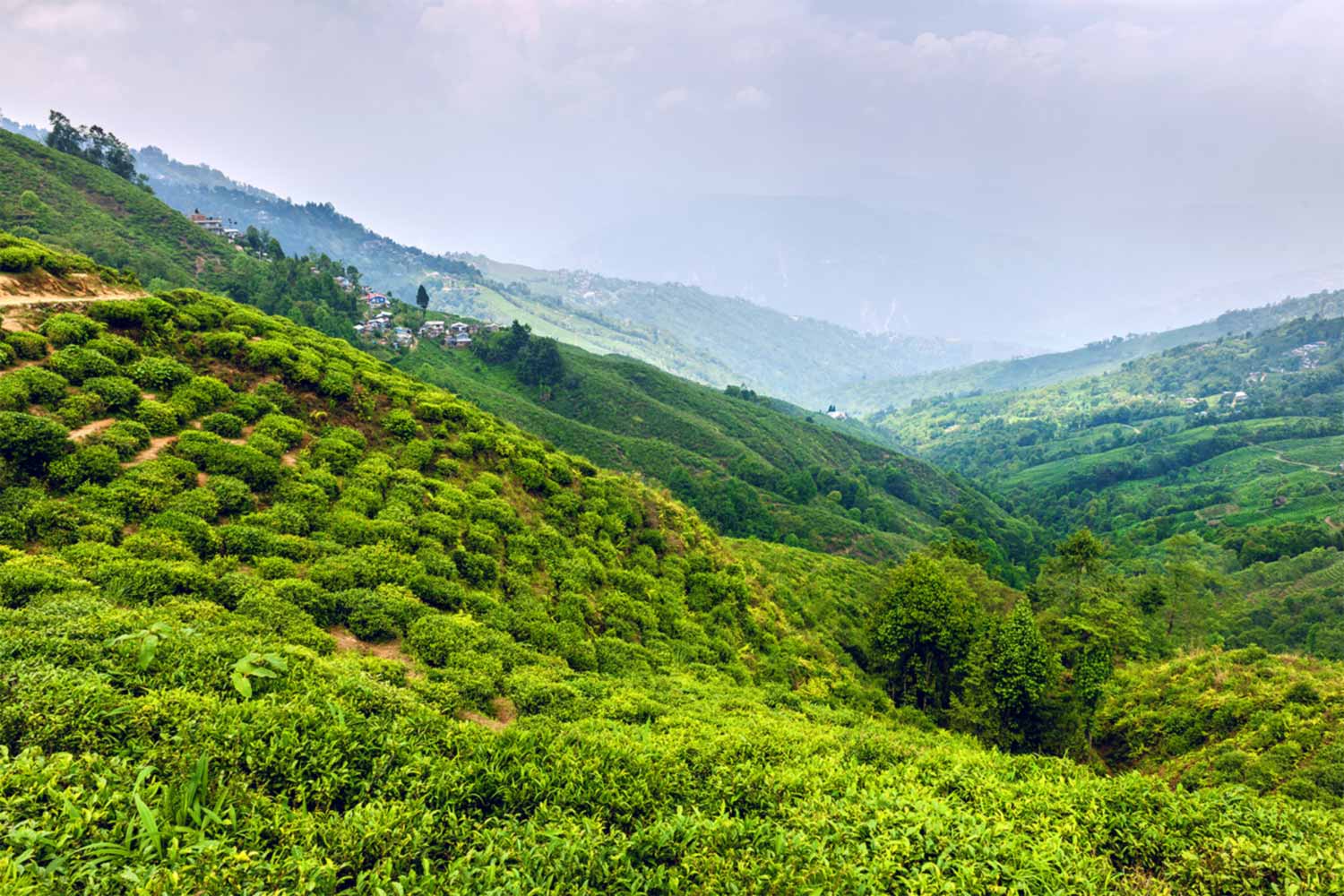
Is May a good time to visit India?

May is a good time to visit some parts of India, but not all. For most of India, prices start to drop and the heat and humidity increase as we head towards the monsoon, but this is a great time for wildlife viewings as foliage decreases and animals gather around water holes.  May is peak summer in India, with high humidity and, often unbearable, temperatures for some travellers. In Rajasthan, temperatures can soar above 45°C, and desert camps close for safety. However, there are some exceptions such as Ladakh, which now enters its peak season. 

Is May a good time to visit Ladakh?

Weather in India means that May is a fantastic time to visit the Himalayan region of Ladakh, which is now coming into its peak season, and offers ideal trekking conditions with pleasant temperatures and stunning landscapes, but be prepared for cooler nights at higher elevations.

In May higher-altitude regions like the southern hills of Munnar, Coorg, and Ooty, or the Himalayas in Kashmir, Dharamshala, and Shimla remain cooler than low altitude areas.
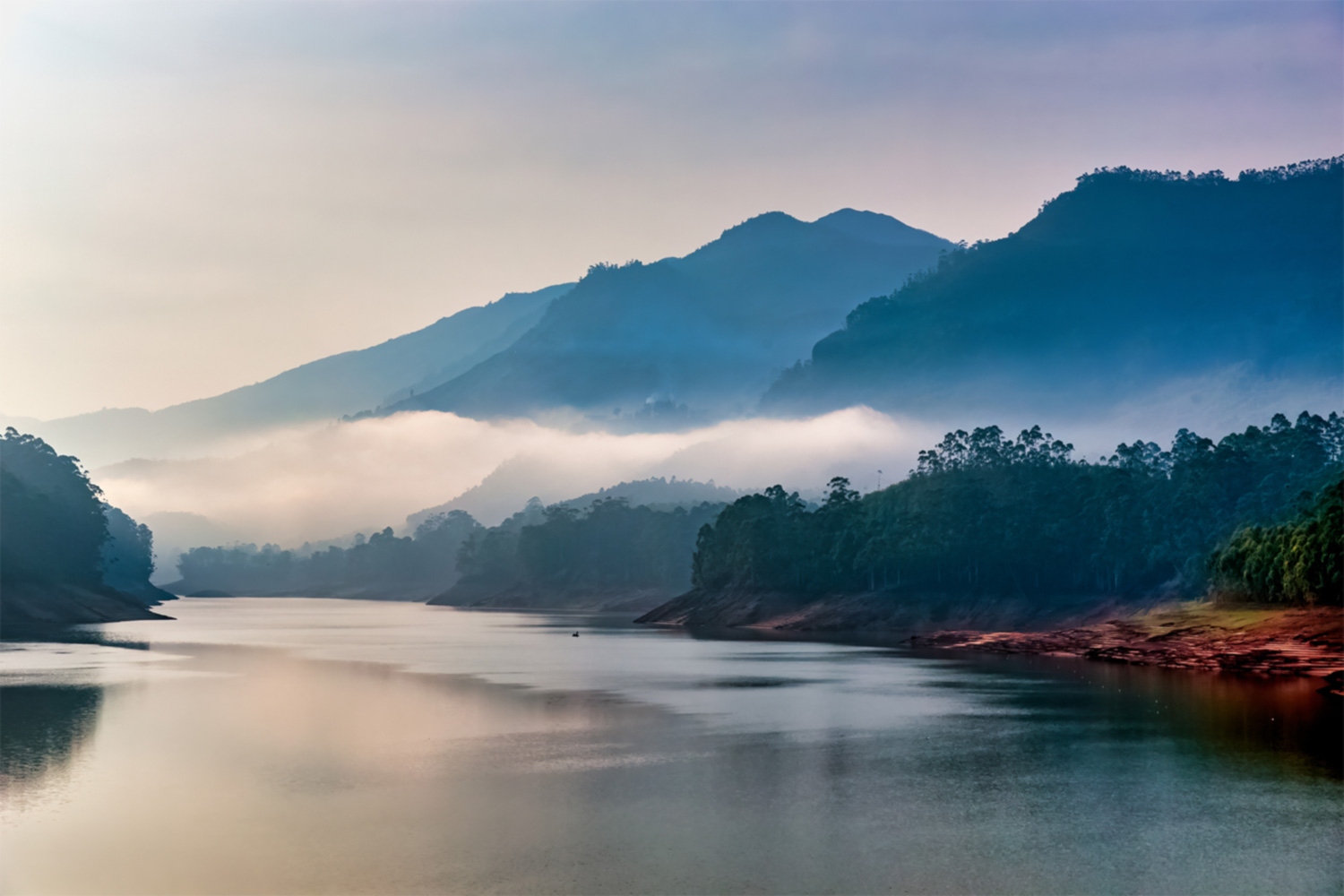
Is June a good time to travel to India?

Apart from Ladakh, June is not an ideal time to visit India in our opinion. It's now peak summer in India and pre monsoonal, with high humidity and often thunderstorms as the monsoon creeps in. In certain areas, extreme temperatures, especially in the lowlands and southern regions, making it very uncomfortable to travel. However, that's not the case in Ladakh, as it's high season in June with great conditions. 

In Rajasthan, temperatures can soar above 45°C, and desert camps often remain closed. 
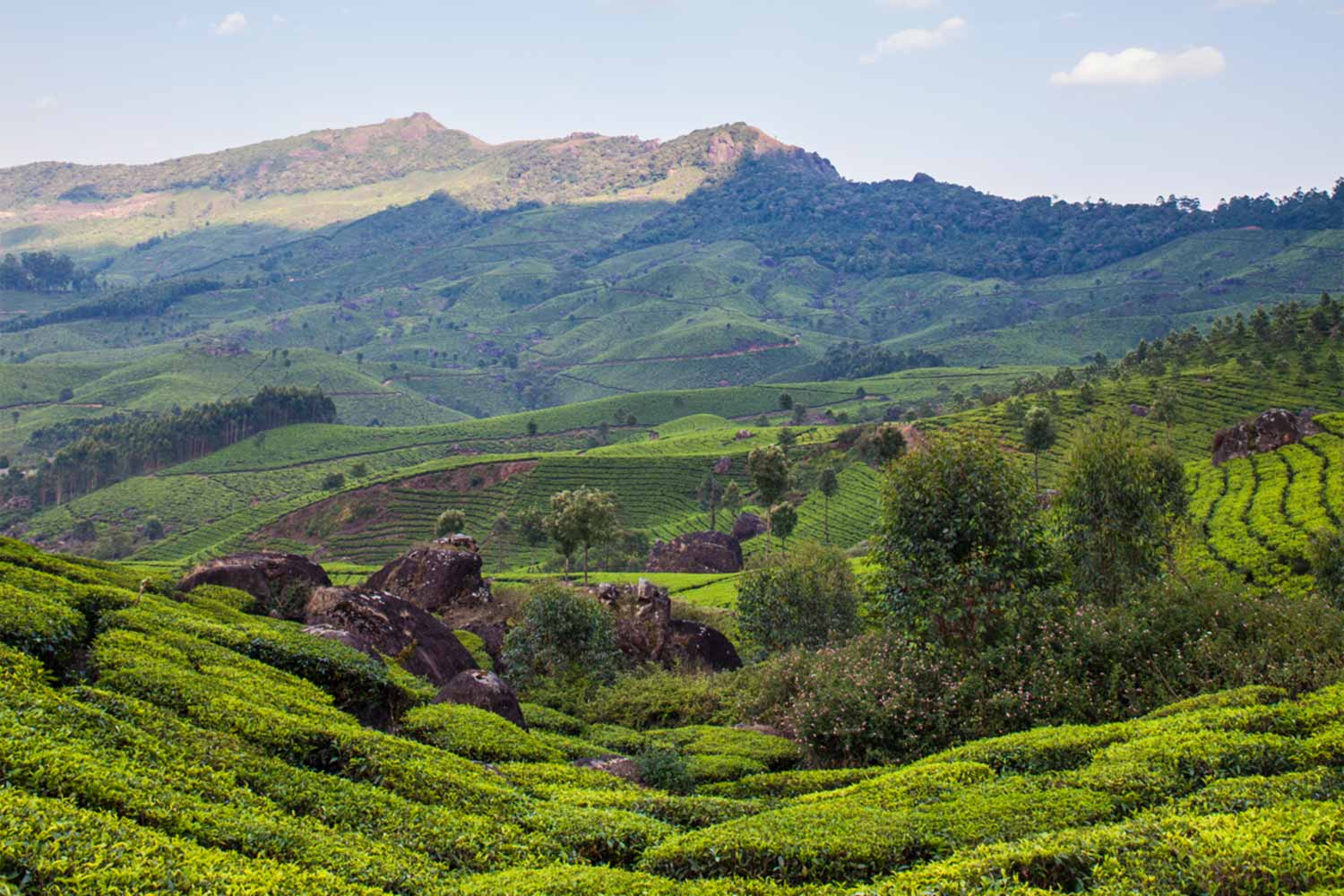
Is July a good time to visit India?

India's weather in July brings the full force of the monsoon to much of India, with long, heavy rains. Central India, in particular, is heavily impacted by the monsoon, with rivers swelling and landslides occasionally affecting roads. Beach regions are quiet and often saturated, and most central Indian national parks remain closed now. However, Rajasthan and Tamil Nadu receive less consistent rain, revealing lush landscapes and fewer crowds, perfect for those open to the occasional warm shower.

Ladakh in July

For dramatic scenery and clear skies, it’s peak season in Ladakh, where high passes and remote valleys offer unforgettable Himalayan adventures.
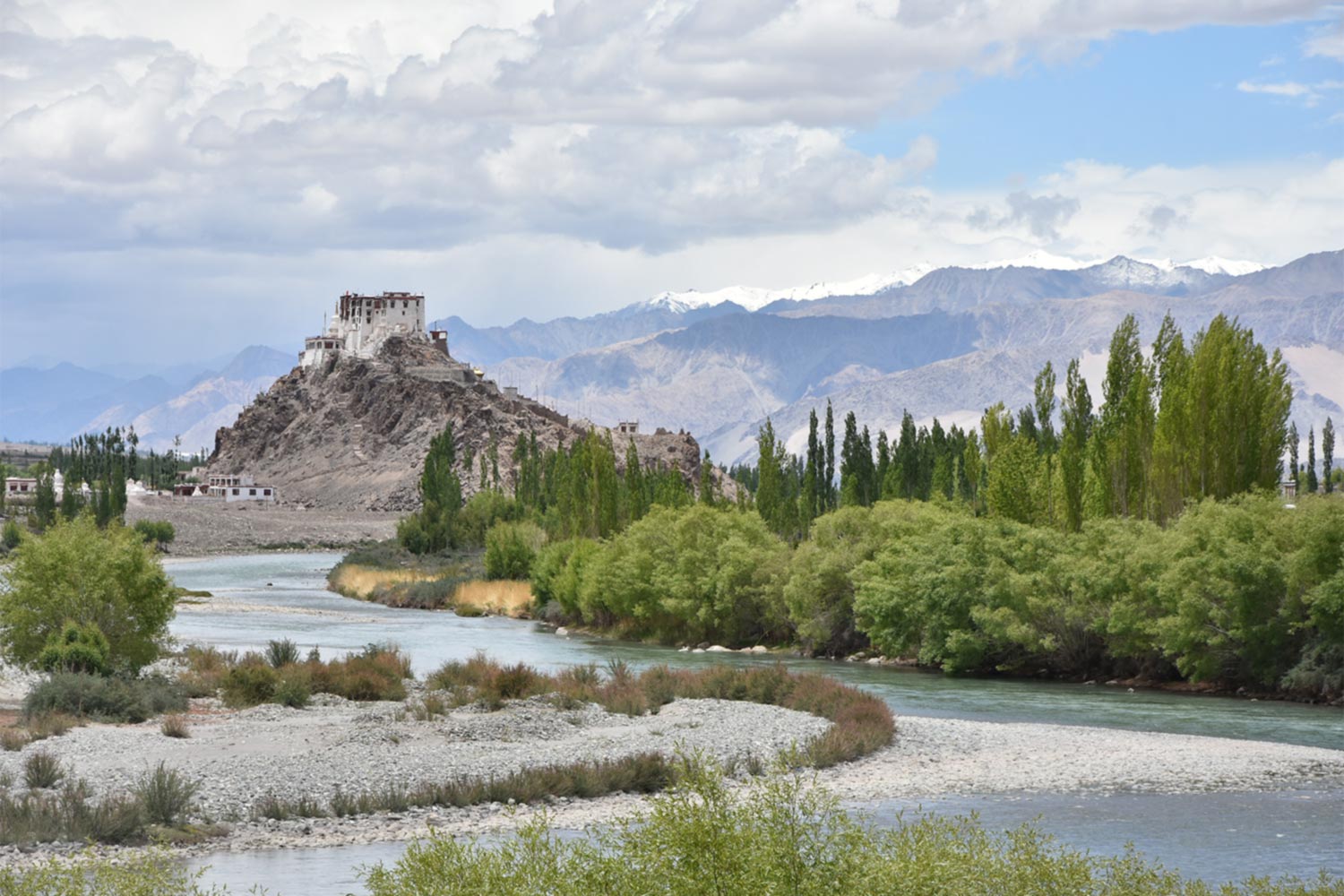
Is August a good time to visit India?

India's weather in August is similar to that of July with long, heavy rains. Central India, in particular, is heavily impacted by the monsoon, with rivers swelling and landslides occasionally affecting roads. Beach regions are quiet and often saturated, and most central Indian national parks remain closed. However, Rajasthan and the drier state of Tamil Nadu receive less consistent rain, revealing lush landscapes and fewer crowds, perfect for those open to the occasional warm shower. Interestingly river cruises are great at this time of year due to high river levels. 

Ladakh in August 

For dramatic scenery and clear skies, it’s peak season in Ladakh so August is a great time to visit.
Is September a good time to visit India?

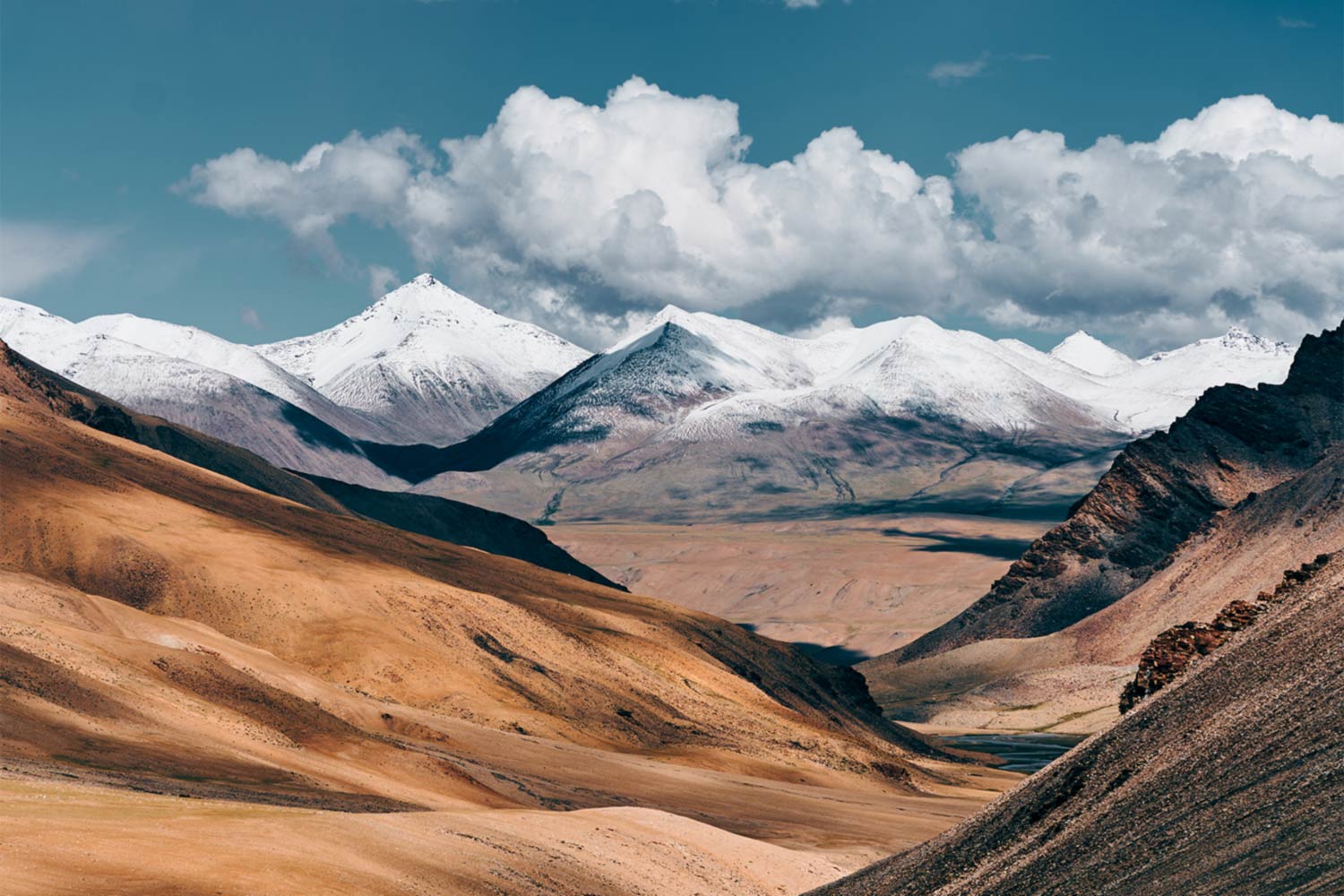
As the monsoon begins to withdraw, September brings a transitional charm to much of India. Rains start to taper off and with this it leaves behind lush, rain-washed landscapes and a fresh vibrancy in the air. We normally recommend visiting the drier zones of Rajasthan and Tamil Nadu during this time.  The end of September marks the end of high season for Ladakh.

September in Rajasthan

It's a great time to explore Rajasthan before the cooler high season begins, with warm days and the early stirrings of regional festivals. Early September offers good value for money too and there are far fewer crowds now when compared to months ahead.  

September in Southern India

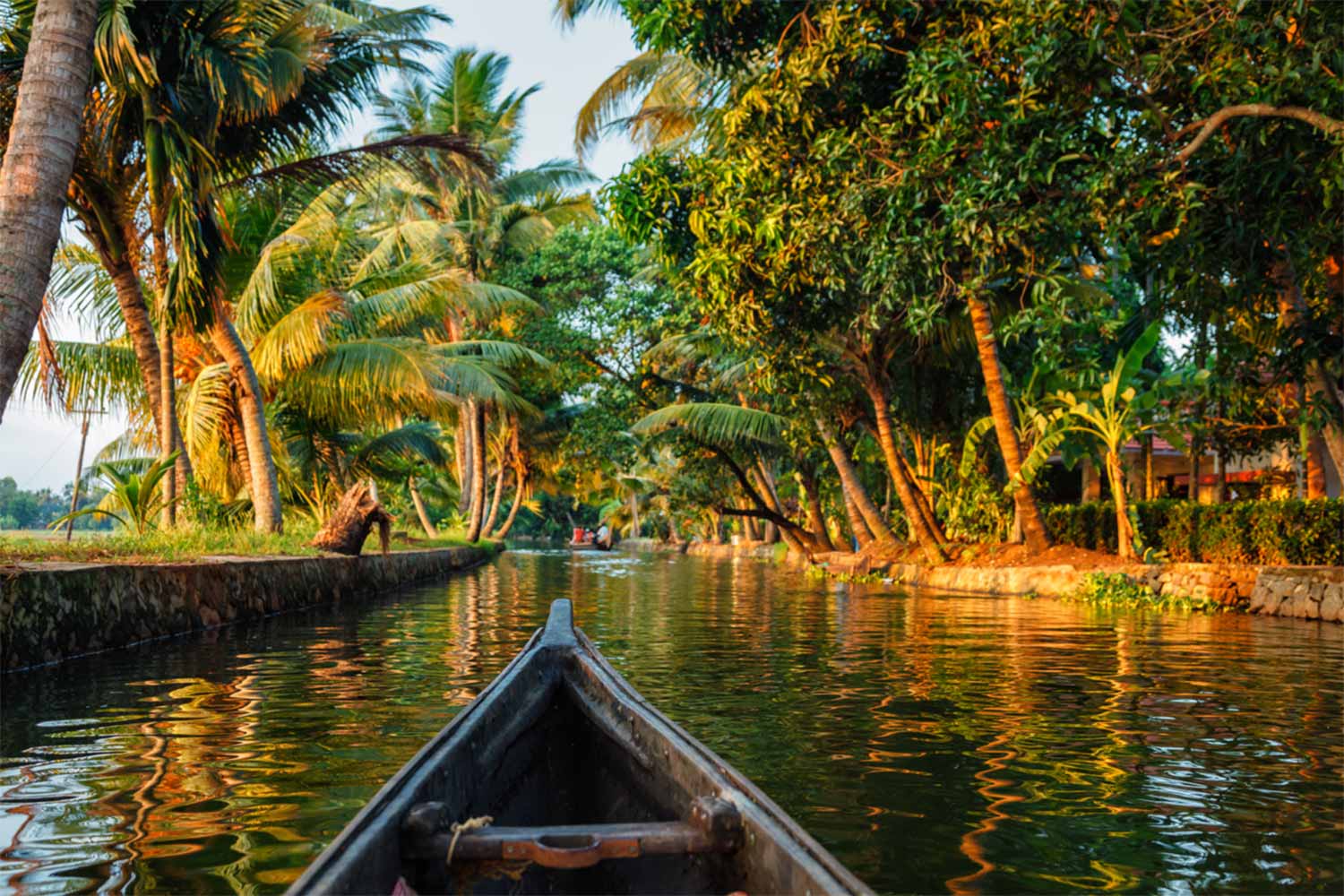
In Southern India, Kerala’s backwaters brim with life but rain can still linger here as this is such a tropical region. Drier regions, such as Tamil Nadu and Karnataka start to dry out, though brief showers can still occur.

Is October a good time to travel to India?

Yes, October is a great time to visit India. By this time, the monsoon has retreated from nearly all of India, leaving behind crisp air and clear skies, although you will still get some showers in Kerala. Sometimes Diwali falls in October, depending on the year. 

October in Rajasthan and The North

Weather in India in October means it’s an ideal time to visit Rajasthan and the Golden Triangle (Delhi, Agra and Jaipur), with warm days and a buzz of activity as the festival season hits full swing. October marks the beginning of high season in this part of India. 

October in Central India

Central India, now dry and vibrant, offers excellent conditions for wildlife safaris and temple tours.

Southern India

In Southern India in October, the beaches of Goa and Kerala become increasingly sunny, perfect for coastal escapes, but don't expect back to back sunshine. This area is tropical so expect some short sharp showers, but don't let this put you off. 

The Himalayas 

Himalayan destinations such as Shimla, Dharamshala, and West Bengal enjoy more settled weather, cooler evenings, and stunning post-monsoon visibility, ideal for trekking or simply soaking in mountain views.
Is November a good time to travel to India?

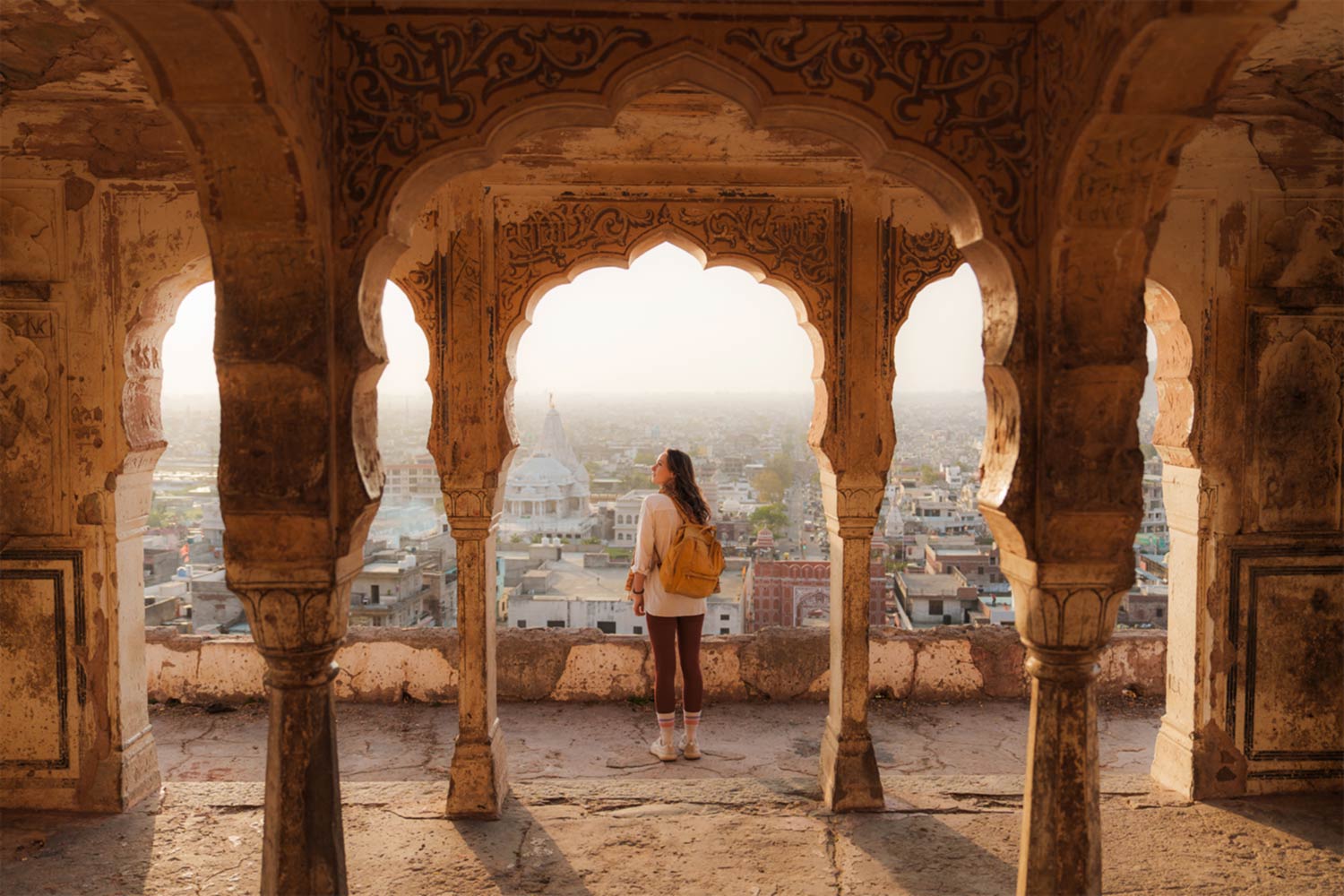
Yes, November marks the full return of high season across most of India, making this a great time to go on a tailor-made holiday to India. With clear skies, lower humidity after the monsoon, cooler temperatures, and reopened national parks in central regions, this is a good time to travel to India for so many reasons.  It’s also a festive month, with the vibrant Pushkar Camel Fair and Diwali lighting up the country in celebration.

Is November a good time to travel to Rajasthan?

Absolutely, it's one of the best times to travel to Rajasthan. Expect clear warm days, perfect for exploring. The evenings can be cool, so make sure you pack some layers. 

Is November a good time to visit Kerala and Southern India?

Yes November is a really good time to visit Southern India (Kerala, Karnataka and Tamil Nadu) but as a tropical state, expect rainfall at times. 
Is December a good time to visit India?

Yes, December is an excellent time to visit almost all of India. December is peak season across much of India, often with blue skies, pleasant temperatures, and plenty of sunshine.

Southern India (Kerala, Karnataka and Tamil Nadu)

It’s a fantastic time to visit Southern India, to relax on the beaches of Tamil Nadu, Kerala, or Goa, where the weather is warm and inviting. It tends to be a little warmer here than further north. 

Is December a good time to visit Rajasthan?

Rajasthan and the Golden Triangle offer sunny, dry days, but evenings and early mornings can be chilly, so pack an extra jacket for sightseeing or safari trips.

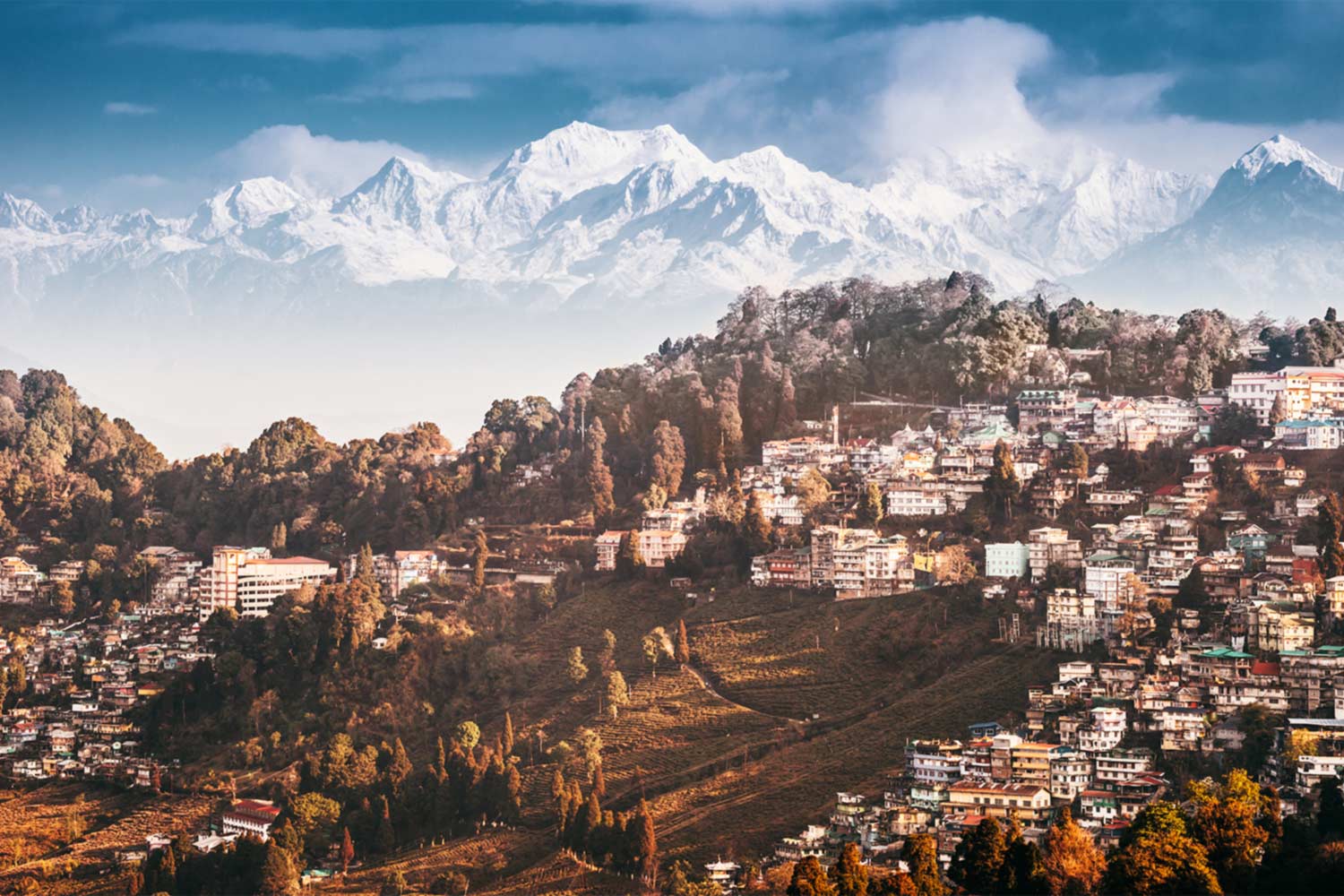
It’s also the perfect time to visit Calcutta and the northeast, including Varanasi and Darjeeling, though you'll need warm layers for higher altitudes.


At Red Dot, we design our tailor-made India holidays to work around weather patterns across India, taking into consideration crowds, temperatures, and also your budget. Because our India trips are bespoke and are completely private, there's so much flexibility so we can work around you alongside the best time to visit. 
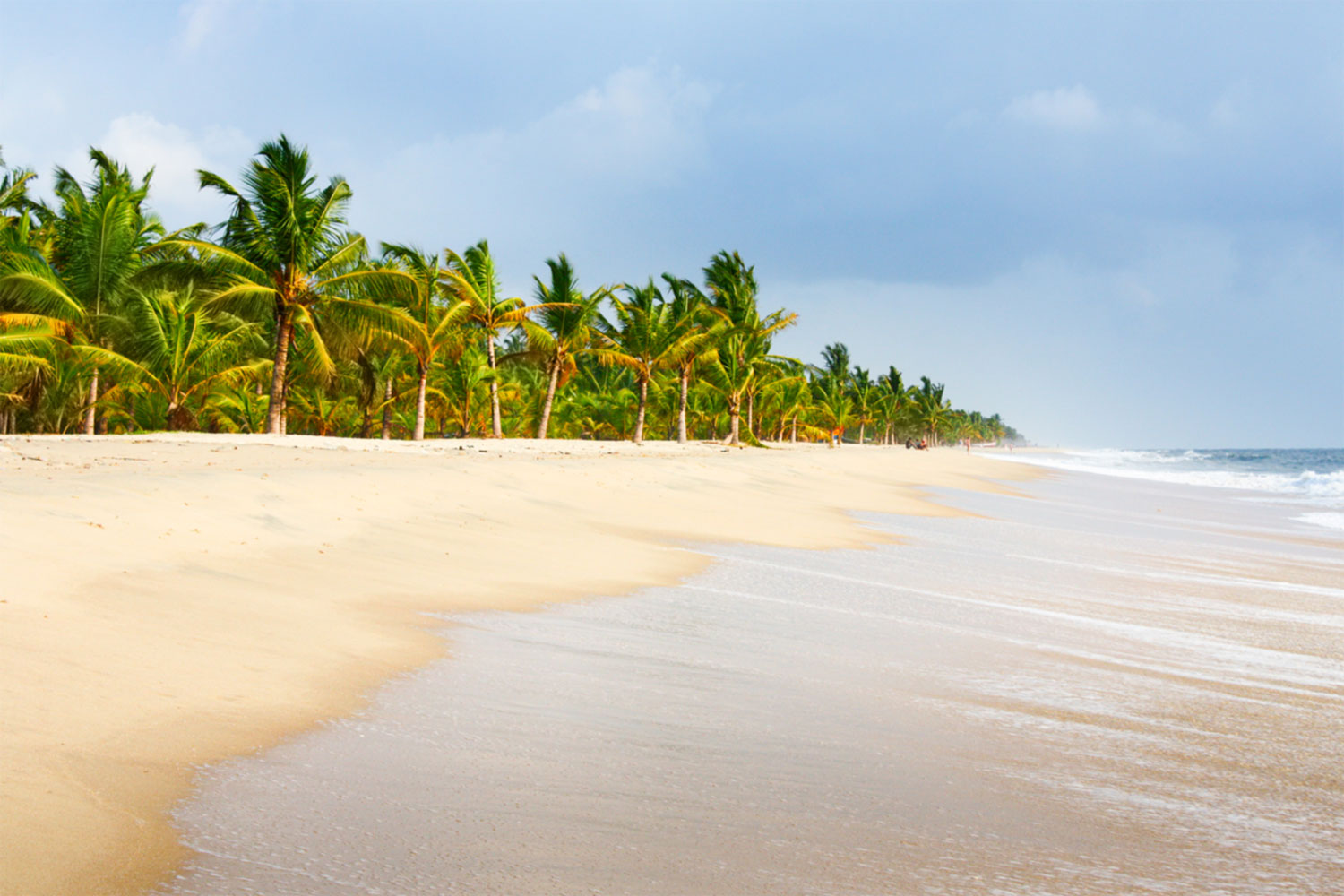
When is the best time to visit India by Region

Weather in Rajasthan & the North in January

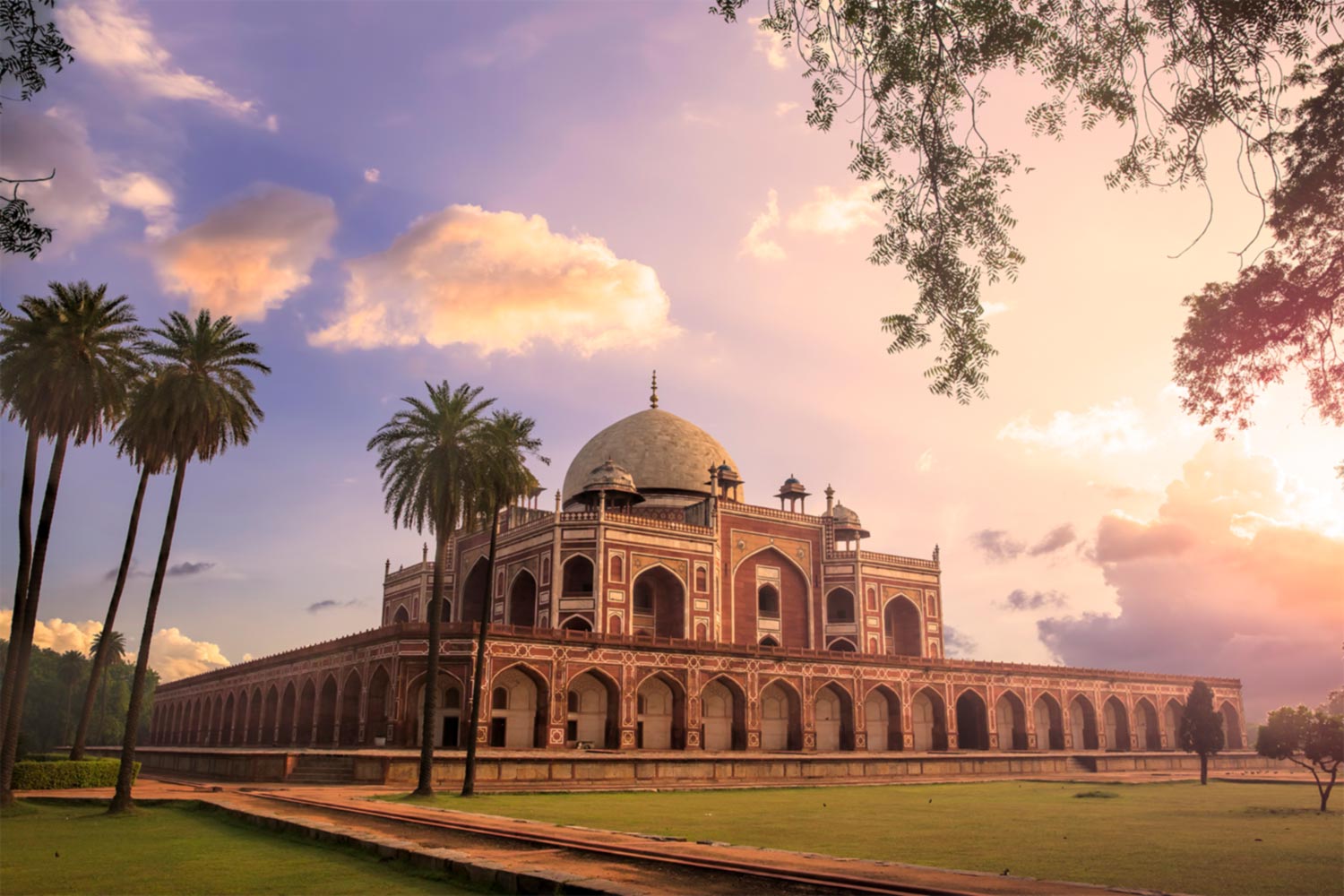
Rajasthan, Delhi and Agra kick off the year with lovely cool weather and comfortable temperatures normally around 8°C to 23°C, though you never know what winter might throw at you. It's usually one of the best months for exploring this desert state and the Golden Triangle destinations without melting in the heat - perfect for visiting those magnificent forts and palaces, seeing the Taj Mahal at sunrise, and exploring Delhi's historic monuments!
Average temperature: 8 - 23ºC
Average Rainfall: 6mm

Weather in Rajasthan & the North in February

February is typically brilliant for this northern region's weather - you're looking at pleasant temperatures from about 11°C to 26°C and virtually no rainfall, though some years can surprise you. These are ideal conditions for camel safaris, exploring Jaipur's Pink City, wandering through Udaipur's romantic lakes, and visiting the Taj Mahal and Red Fort in Delhi when things go to plan. This is also festival season and often the time for the Desert Festival in Jaisalmer, Sufi Festival in Nagaur, World Sacred Spirit Festival in Jodhpur, and the Jaipur Literature Festival, bringing cultural richness to the state.
Average temperature: 11 - 26ºC
Average Rainfall: 5mm

Weather in Rajasthan & the North in March

Things start warming up nicely in Rajasthan during March! You'll normally see temperatures from 16°C to 31°C with continued dry conditions, though this can change from year to year. It's often one of the last comfortable months before the intense desert heat kicks in - brilliant for sightseeing in Jodhpur's magnificent fort and exploring the charming alleys of Bundi. This is also when Holi, the vibrant festival of colours, brings joyous celebrations to the desert state with spectacular festivities.
Average temperature: 16 - 31ºC
Average Rainfall: 4mm

Weather in Rajasthan & the North in April

Things start warming up nicely in Rajasthan during March! You'll normally see temperatures from 16°C to 31°C with continued dry conditions, though this can change from year to year. It's often one of the last comfortable months before the intense desert heat kicks in - brilliant for sightseeing in Jodhpur's magnificent fort and exploring the charming alleys of Bundi. This is also when Holi, the vibrant festival of colours, brings joyous celebrations to the desert state with spectacular festivities.
Average temperature: 16 - 31ºC
Average Rainfall: 5mm

Weather in Rajasthan & the North in May

Brace yourself for what are often very hot conditions across Rajasthan, Delhi and Agra! May typically brings fairly intense heat with temperatures around 26°C to 42°C and very little rainfall, though Mother Nature sometimes has other plans. This is when the region really shows its continental character - seek air conditioning and plan activities for dawn and dusk, including early morning visits to the Taj Mahal! The upside is that hotels usually offer much better rates during this challenging time of year.
Average temperature: 26 - 42ºC
Average Rainfall: 15mm

Weather in Rajasthan & the North in June

June normally continues the very hot weather in Rajasthan with temperatures around 28°C to 42°C, though it can be slightly windier during this period, making conditions variable, weather permitting. The pre-monsoon period often brings dust storms and occasionally some relief from scattered showers. Hotels typically offer excellent value during this intense heat period.
Average temperature: 28 - 42ºC
Average Rainfall: 60mm

Weather in Rajasthan & the North in July

June normally continues the very hot weather in Rajasthan with temperatures around 28°C to 42°C, though it can be slightly windier during this period, making conditions variable, weather permitting. The pre-monsoon period often brings dust storms and occasionally some relief from scattered showers. Hotels typically offer excellent value during this intense heat period.
Average temperature: 28 - 42ºC
Average Rainfall: 120mm

Weather in Rajasthan & the North in August

June normally continues the very hot weather in Rajasthan with temperatures around 28°C to 42°C, though it can be slightly windier during this period, making conditions variable, weather permitting. The pre-monsoon period often brings dust storms and occasionally some relief from scattered showers. Hotels typically offer excellent value during this intense heat period.
Average temperature: 28 - 42ºC
Average Rainfall: 100mm

Weather in Rajasthan & the North in September

September often marks the end of monsoon season in Rajasthan! September normally sees temperatures around 24°C to 33°C with decreasing rainfall as the year progresses, though exact timing can vary. Many find this a pleasant transitional time as the oppressive heat starts to ease off.
Average temperature: 24 - 33ºC
Average Rainfall: 80mm

Weather in Rajasthan & the North in October

September often marks the end of monsoon season in Rajasthan! September normally sees temperatures around 24°C to 33°C with decreasing rainfall as the year progresses, though exact timing can vary. Many find this a pleasant transitional time as the oppressive heat starts to ease off.
Average temperature: 24 - 33ºC
Average Rainfall: 25mm

Weather in Rajasthan & the North in November

November typically sees the return of brilliant weather across Rajasthan, Delhi and Agra with temperatures from about 13°C to 29°C and lovely dry conditions - quite stable depending on the year! The cooler air makes it refreshing to explore the desert cities again, Delhi's bustling markets, and Agra's Mughal architecture, marking the beginning of peak tourist season. Perfect weather for exploring Jaipur's palaces and markets, and Ranthambore starts offering excellent tiger viewing opportunities. This is also when the famous Pushkar Fair brings thousands of visitors, traders, and camels to this holy town for one of India's largest cattle fairs, and Diwali celebrations may light up the cities with beautiful displays depending on the lunar calendar.
Average temperature: 13 - 29ºC
Average Rainfall: 5mm

Weather in Rajasthan & the North in December

November typically sees the return of brilliant weather across Rajasthan, Delhi and Agra with temperatures from about 13°C to 29°C and lovely dry conditions - quite stable depending on the year! The cooler air makes it refreshing to explore the desert cities again, Delhi's bustling markets, and Agra's Mughal architecture, marking the beginning of peak tourist season. Perfect weather for exploring Jaipur's palaces and markets, and Ranthambore starts offering excellent tiger viewing opportunities. This is also when the famous Pushkar Fair brings thousands of visitors, traders, and camels to this holy town for one of India's largest cattle fairs, and Diwali celebrations may light up the cities with beautiful displays depending on the lunar calendar.
Average temperature: 13 - 29ºC
Average Rainfall: 3mm

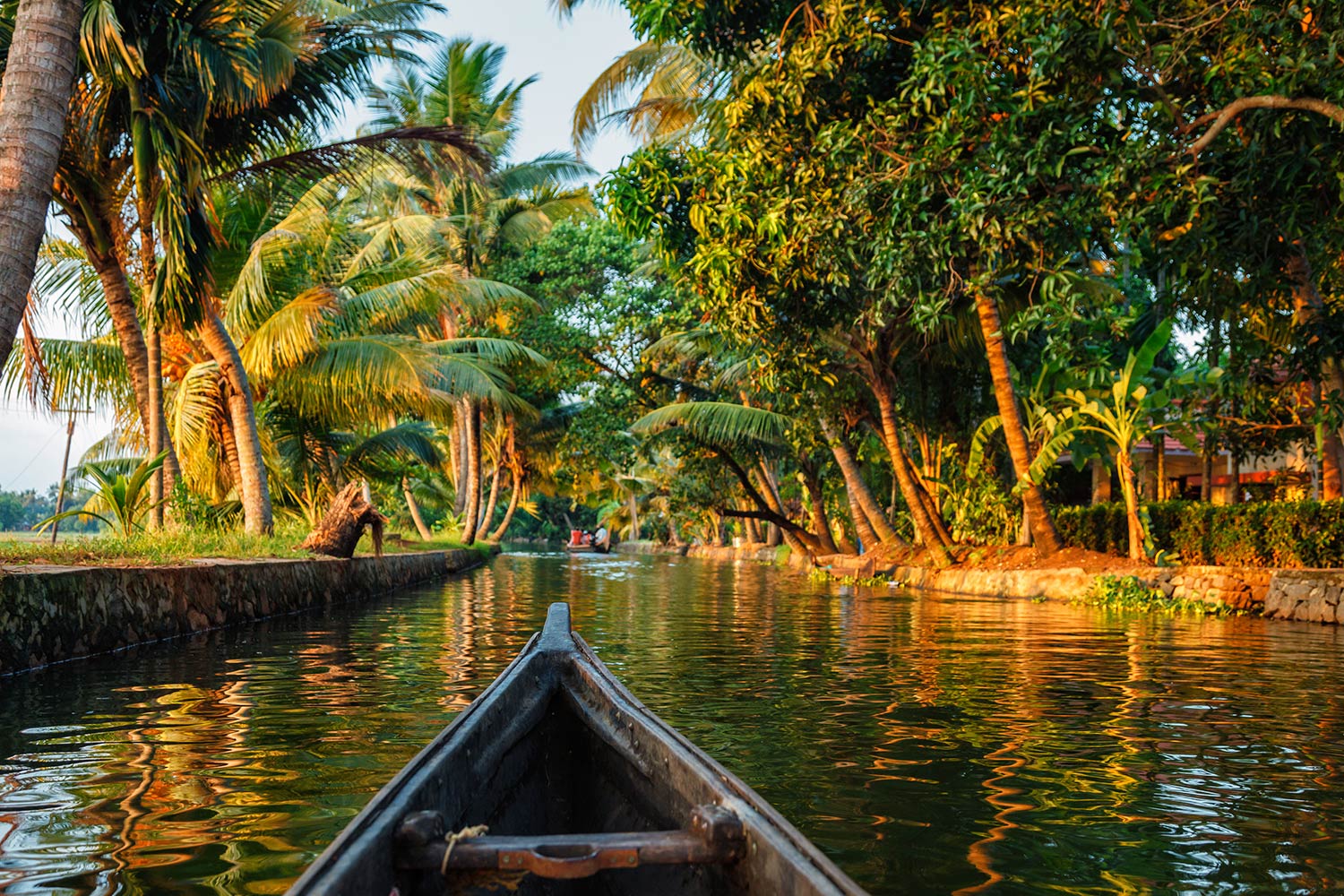
Weather in Kerala & the South in January

Kerala starts the year beautifully with comfortable temperatures normally around 18°C to 28°C and relatively low rainfall, though you can never be completely sure what tropical weather will do. It's usually part of the dry season, making it often perfect for exploring the backwaters, beaches, and hill stations! This is ideal weather for houseboat cruises in the backwaters and clear mountain views in Munnar.
Average temperature: 18 - 28ºC
Average Rainfall: 25mm

Weather in Kerala & the South in February

Kerala starts the year beautifully with comfortable temperatures normally around 18°C to 28°C and relatively low rainfall, though you can never be completely sure what tropical weather will do. It's usually part of the dry season, making it often perfect for exploring the backwaters, beaches, and hill stations! This is ideal weather for houseboat cruises in the backwaters and clear mountain views in Munnar.
Average temperature: 18 - 28ºC
Average Rainfall: 40mm

Weather in Kerala & the South in March

Kerala starts the year beautifully with comfortable temperatures normally around 18°C to 28°C and relatively low rainfall, though you can never be completely sure what tropical weather will do. It's usually part of the dry season, making it often perfect for exploring the backwaters, beaches, and hill stations! This is ideal weather for houseboat cruises in the backwaters and clear mountain views in Munnar.
Average temperature: 18 - 28ºC
Average Rainfall: 70mm

Weather in Kerala & the South in April

April normally brings increasing warmth to Kerala with temperatures typically reaching 24°C to 35°C and continued manageable conditions, though timing can vary year to year. It's still often brilliant for most activities, though you might want to seek cooler hill stations during the hottest parts of the day! Prepare for early monsoon showers.
Average temperature: 24 - 35ºC
Average Rainfall: 150mm

Weather in Kerala & the South in May

April normally brings increasing warmth to Kerala with temperatures typically reaching 24°C to 35°C and continued manageable conditions, though timing can vary year to year. It's still often brilliant for most activities, though you might want to seek cooler hill stations during the hottest parts of the day! Prepare for early monsoon showers.
Average temperature: 24 - 35ºC
Average Rainfall: 320mm

Weather in Kerala & the South in June

April normally brings increasing warmth to Kerala with temperatures typically reaching 24°C to 35°C and continued manageable conditions, though timing can vary year to year. It's still often brilliant for most activities, though you might want to seek cooler hill stations during the hottest parts of the day! Prepare for early monsoon showers.
Average temperature: 24 - 35ºC
Average Rainfall: 600mm

Weather in Kerala & the South in July

Monsoon conditions generally continue in Kerala with temperatures normally around 24°C to 29°C and substantial rainfall around 365mm, though there can be exceptions. It's often the wettest month, but there's something magical about Kerala's waterfalls and greenery during this time - perfect for Ayurvedic treatments indoors! Hotels usually provide excellent deals for travellers seeking a monsoon experience. Cochin's colonial architecture looks particularly atmospheric during the rains.
Average temperature: 24 - 29ºC
Average Rainfall: 630mm

Weather in Kerala & the South in August

August is pretty similar to July in Kerala - temperatures normally stay around that comfortable range of 24°C to 30°C with continued heavy monsoon conditions, assuming typical patterns hold. The rains usually remain intense, but many visitors love the dramatic atmosphere and lush landscapes. Budget-conscious travellers often find excellent hotel rates during this peak monsoon period.
Average temperature: 42 - 30ºC
Average Rainfall: 420mm

Weather in Kerala & the South in September

September is often a transitional period in Kerala! September normally sees temperatures around 24°C to 30°C with monsoon conditions beginning to ease, though exact timing can vary. This inter-monsoon period can offer some lovely breaks between the rains for outdoor activities.
Average temperature: 24 - 30ºC
Average Rainfall: 260mm

Weather in Kerala & the South in October

October often brings delightful post-monsoon conditions to Kerala with temperatures normally around 24°C to 30°C and the return of substantial rainfall from the northeast monsoon, though some years are more variable than others! While it's certainly wet, the cooler temperatures and occasional sunny spells can create beautiful moments for photography. Diwali celebrations may also add a festive sparkle to the season depending on the lunar calendar.
Average temperature: 24 - 30ºC
Average Rainfall: 230mm

Weather in Kerala & the South in November

November typically continues the northeast monsoon in Kerala with temperatures from about 22°C to 30°C and significant rainfall - timing can be quite variable depending on the year! While there's definitely more rain, the post-monsoon freshness creates incredibly green and vibrant landscapes that many visitors find enchanting. Diwali celebrations may also brighten the season with beautiful lights and festivities depending on when it falls in the lunar calendar.
Average temperature: 22 - 30ºC
Average Rainfall: 110mm

Weather in Kerala & the South in December

December usually marks the return of drier conditions to Kerala with temperatures normally around 20°C to 28°C and decreasing rainfall, give or take. It's often a lovely month for visits as the weather typically becomes more favourable for all activities - beaches, backwaters, and hill stations alike. Perfect conditions for backwater cruises and exploring Cochin's markets and heritage sites.
Average temperature: 20 - 28ºC
Average Rainfall: 50mm

Weather in Calcutta & the Northeast in January

Calcutta and the eastern region enjoy lovely cool weather to start the year with comfortable temperatures normally around 14°C to 27°C and very little rainfall, though you can never predict Bengal weather completely. It's usually the most pleasant month for exploring this cultural capital without the infamous heat and humidity! This is also excellent weather for visiting the hill stations of Darjeeling and Kalimpong, though they'll be significantly cooler, and perfect conditions for wildlife viewing at Kaziranga National Park in Assam.
Average temperature: 14 - 27ºC
Average Rainfall: 11mm

Weather in Calcutta & the Northeast in February

February is typically excellent for weather across Calcutta and the eastern region - normally minimal rain and comfortable temperatures from about 17°C to 30°C, though some years can vary. These are brilliant conditions for exploring the Victoria Memorial, Howrah Bridge, and the vibrant street food scene when conditions cooperate. Perfect weather for visiting Darjeeling's tea gardens and enjoying clear mountain views of Kanchenjunga from Gangtok.
Average temperature: 17 - 30ºC
Average Rainfall: 22mm

Weather in Calcutta & the Northeast in March

Things start warming up across the eastern region during March! You'll normally see temperatures from 22°C to 34°C with generally dry conditions, though this can change from year to year. It's often a pleasant time before the real heat and humidity make outdoor exploration challenging. Great weather for exploring the hill stations of Darjeeling and Kalimpong, and excellent conditions for rhino spotting at Kaziranga National Park before the heat intensifies.
Average temperature: 22 - 34ºC
Average Rainfall: 31mm

Weather in Calcutta & the Northeast in April

April normally brings increasing warmth to Calcutta with temperatures typically reaching 25°C to 35°C and the occasional thunderstorm known locally as Kal Baisakhi, though timing can vary year to year. These dramatic afternoon storms often provide temporary relief from the building heat and humidity! Towards the end of this month, the eastern states start receiving the first monsoon showers.
Average temperature: 25 - 35ºC
Average Rainfall: 75mm

Weather in Calcutta & the Northeast in May

May typically sees rising heat and humidity in Calcutta with temperatures around 26°C to 35°C and increasing stickiness as the monsoon approaches, though Mother Nature doesn't always follow the schedule. The combination of heat and humidity can make it quite challenging for outdoor activities during midday. Hotels usually offer attractive rates during this uncomfortable pre-monsoon period. It's monsoon season in the eastern states, and Kaziranga National Park closes by the middle of this month.
Average temperature: 26 - 35ºC
Average Rainfall: 160mm

Weather in Calcutta & the Northeast in June

June normally brings the monsoon season to Calcutta and the eastern region with temperatures around 26°C to 32°C and the arrival of substantial rainfall around 288mm, making conditions often quite dramatic, weather permitting. The rains usually provide welcome relief from the oppressive pre-monsoon heat, though humidity remains high. Many hotels offer good value during the start of monsoon season. Note that the hill stations of Darjeeling and Gangtok can become misty and wet during this period, while Kaziranga National Park is closed during the monsoon season (May to September).
Average temperature: 26 - 32ºC
Average Rainfall: 300mm

Weather in Calcutta & the Northeast in July

Monsoon conditions are typically at their peak in Calcutta with temperatures normally around 26°C to 32°C and heavy rainfall around 354mm, though there can be exceptions. It's often the wettest month, creating a steamy, tropical atmosphere that's quintessentially Bengali - perfect for enjoying adda (conversation) indoors with tea! Hotels usually provide excellent deals for those embracing the monsoon experience. Simply put, this is not the best time for the eastern states!
Average temperature: 26 - 32ºC
Average Rainfall: 390mm

Weather in Calcutta & the Northeast in August

August is pretty similar to July in Calcutta - temperatures normally stay around that humid range of 26°C to 32°C with continued substantial monsoon conditions, assuming typical patterns hold. The city takes on a different character during the rains, with umbrellas everywhere and a slower pace of life. Budget-conscious visitors often find attractive hotel rates during this peak monsoon period. Clearly, this may not be the ideal time to visit the eastern states.
Average temperature: 26 - 32ºC
Average Rainfall: 340mm

Weather in Calcutta & the Northeast in September

September is often the transition period in Calcutta! September normally sees temperatures around 26°C to 32°C with monsoon conditions beginning to ease, though exact timing can vary. The post-monsoon freshness starts to appear, and this is when many of Calcutta's famous festivals begin. For the eastern states, expect intermittent showers as the monsoon begins to taper off.
Average temperature: 26 - 32ºC
Average Rainfall: 290mm

Weather in Calcutta & the Northeast in October

October often brings delightful post-monsoon conditions to Calcutta with temperatures normally around 22°C to 30°C and much reduced rainfall, though some years offer pleasant surprises! This is typically festival season, with Durga Puja transforming the city into a spectacular celebration - perfect weather for pandal hopping. The festival atmosphere combined with pleasant temperatures and clear skies makes this one of the most magical times to experience Calcutta. Diwali celebrations may also add to the festive spirit depending on when it falls in the lunar calendar. For the eastern states, expect intermittent showers as the monsoon begins to taper off.
Average temperature: 22 - 30ºC
Average Rainfall: 150mm

Weather in Calcutta & the Northeast in November

November typically sees brilliant weather returning to Calcutta and the eastern region with temperatures from about 18°C to 29°C and lovely dry conditions - quite stable depending on the year! The pleasant temperatures and clear skies make it ideal for exploring the city's colonial architecture and cultural attractions, perfect weather for the hill stations of Darjeeling and Kalimpong with crisp mountain air, and excellent conditions for wildlife viewing as Kaziranga National Park reopens in October (it's best to visit from November onwards). This is also when the Raas Festival in nearby Assam celebrates Lord Krishna through traditional performances, and Diwali celebrations may also illuminate the city with beautiful lights and festivities depending on when it falls in the lunar calendar.
Average temperature: 18 - 29ºC
Average Rainfall: 30mm

Weather in Calcutta & the Northeast in December

December usually brings cool, dry conditions to Calcutta and the eastern region with temperatures normally around 14°C to 27°C and brilliant clear weather, give or take. It's often a wonderful time for visits as the weather becomes perfect for everything from riverfront walks to exploring the bustling markets - though air quality can be a concern during winter months. Excellent conditions for visiting Darjeeling and Gangtok with crisp, clear mountain views, and prime time for wildlife viewing at Kaziranga with comfortable temperatures and good rhino sightings. This is also when the spectacular Hornbill Festival in Nagaland unites all Naga tribes with colourful performances and cultural celebrations.
Average temperature: 14 - 27ºC
Average Rainfall: 10mm

Weather in Central India & Tigers in January

Central India starts the year with lovely cool weather and comfortable temperatures normally around 10°C to 26°C, though you never know what winter might bring. It's usually one of the best months for exploring places like Khajuraho, Gwalior, and the incredible tiger reserves without sweltering in heat! From a wildlife perspective, this is excellent for tiger sightings as animals gather at water sources, and winter migratory birds are abundant. Low visibility may prevail in the parks during the morning hours due to foggy conditions.
Average temperature: 10 - 26ºC
Average Rainfall: 9mm

Weather in Central India & Tigers in February

February is typically brilliant for Central India weather - you're looking at pleasant temperatures from about 13°C to 29°C and virtually no rainfall, though some years can surprise you. These are perfect conditions for wildlife safaris, heritage site visits, and cultural exploration when things go to plan. Wildlife viewing remains excellent with good tiger activity and resident bird species at their most active. This is also when the Khajuraho Dance Festival showcases classical performances against the stunning backdrop of the ancient temples.
Average temperature: 13 - 29ºC
Average Rainfall: 5mm

Weather in Central India & Tigers in March

Things start warming up nicely in Central India during March! You'll normally see temperatures from 17°C to 33°C with continued dry conditions, though this can change from year to year. It's often one of the last really comfortable months before the intense heat begins - excellent for tiger spotting and sightseeing. This is prime time for wildlife photography as animals are very active and the vegetation is still sparse, making sightings easier.
Average temperature: 17 - 33ºC
Average Rainfall: 10mm

Weather in Central India & Tigers in April

April normally brings rising heat to Central India with temperatures typically reaching 22°C to 39°C and very little rainfall, though timing can vary year to year. It's still often manageable for early morning safaris and evening activities, but you'll want indoor options during the peak heat hours! Wildlife concentrates around water sources, making this an excellent time for leopard and tiger sightings, while many bird species are actively nesting.
Average temperature: 22 - 39ºC
Average Rainfall: 20mm

Weather in Central India & Tigers in May

Brace yourself for what are often very hot conditions in Central India! May typically brings intense heat with temperatures around 25°C to 42°C and virtually no rainfall, though Mother Nature sometimes has other plans. This is when the region really shows its continental character - early morning wildlife viewing becomes essential! Despite the heat, this can be one of the best months for tiger sightings as they frequently visit water holes, and the sparse vegetation makes spotting easier.
Average temperature: 25 - 42ºC
Average Rainfall: 45mm

Weather in Central India & Tigers in June

Brace yourself for what are often very hot conditions in Central India! May typically brings intense heat with temperatures around 25°C to 42°C and virtually no rainfall, though Mother Nature sometimes has other plans. This is when the region really shows its continental character - early morning wildlife viewing becomes essential! Despite the heat, this can be one of the best months for tiger sightings as they frequently visit water holes, and the sparse vegetation makes spotting easier.
Average temperature: 25 - 42ºC
Average Rainfall: 160mm

Weather in Central India & Tigers in July

Monsoon season arrives in Central India with temperatures normally around 24°C to 34°C and substantial rainfall around 374mm - often a dramatic and welcome change from the heat, though there can be exceptions. The transformation of the landscape from brown to green is quite spectacular during this time! Do note that most national parks are closed during monsoon season, so please double check with us regarding wildlife viewing opportunities.
Average temperature: 24 - 34ºC
Average Rainfall: 330mm

Weather in Central India & Tigers in August

August is pretty similar to July in Central India - temperatures normally stay around that more comfortable range of 24°C to 32°C with continued heavy monsoon conditions, assuming typical patterns hold. The region becomes beautifully lush and green, though national parks remain closed during this period - please check with us about alternative activities and experiences.
Average temperature: 24 - 32ºC
Average Rainfall: 300mm

Weather in Central India & Tigers in September

September often marks the end of heavy monsoon conditions in Central India! September normally sees temperatures around 23°C to 32°C with decreasing rainfall as the season progresses, though exact timing can vary. Many find this a pleasant time as the oppressive heat has passed and the landscape remains green from the rains. National parks typically start reopening later in the month, so please check with us for current status.
Average temperature: 23 - 32ºC
Average Rainfall: 210mm

Weather in Central India & Tigers in October

October often brings delightful post-monsoon conditions to Central India with temperatures normally around 18°C to 31°C and much clearer skies, though some years offer pleasant surprises! This is when many tiger reserves reopen, and the wildlife viewing can be exceptional as animals become more active. The lush post-monsoon landscape attracts many bird species, and tiger activity increases as the weather cools. Animal sightings in denser forests might be limited due to thick vegetation and lush green cover. Diwali celebrations may also add a festive atmosphere to visits depending on the lunar calendar.
Average temperature: 18 - 31ºC
Average Rainfall: 80mm

Weather in Central India & Tigers in November

October often brings delightful post-monsoon conditions to Central India with temperatures normally around 18°C to 31°C and much clearer skies, though some years offer pleasant surprises! This is when many tiger reserves reopen, and the wildlife viewing can be exceptional as animals become more active. The lush post-monsoon landscape attracts many bird species, and tiger activity increases as the weather cools. Animal sightings in denser forests might be limited due to thick vegetation and lush green cover. Diwali celebrations may also add a festive atmosphere to visits depending on the lunar calendar.
Average temperature: 18 - 31ºC
Average Rainfall: 20mm

Weather in Central India & Tigers in December

December usually brings cool, dry conditions to Central India with temperatures normally around 10°C to 25°C and brilliant clear skies, give or take. It's often a wonderful time for holiday visits as the weather becomes ideal for exploring this region's incredible heritage sites and national parks. Wildlife viewing is at its peak with excellent tiger sightings and abundant winter migratory birds throughout the parks. The end of the year may be marked by low visibility in the parks during the morning hours due to foggy conditions.
Average temperature: 10 - 25ºC
Average Rainfall: 6mm

Weather in Ladakh in January

Ladakh faces the depths of winter with extremely cold temperatures normally around -25°C to -2°C, though mountain weather can always surprise you. It's usually one of the coldest months with heavy snow and both major road routes closed, making it accessible only by flight from Delhi - perfect for those seeking the ultimate winter adventure! This is prime time for the famous Chadar Trek on the frozen Zanskar River and one of the best periods for snow leopard spotting as they descend to lower altitudes.
Average temperature: - 25 - -2ºC
Average Rainfall: 3mm

Weather in Ladakh in February

February continues the bitter winter conditions in Ladakh - you're looking at frigid temperatures from about -22°C to -1°C and substantial snowfall, though some years can vary. Both Manali-Leh and Srinagar-Leh highways remain closed, but flights operate regularly (however, strictly subject to weather conditions, cancellations or schedule changes may occur at the last minute). These are excellent conditions for the Chadar Trek and winter photography when you can handle the extreme cold. This is peak season for snow leopard sightings as they hunt prey in the lower valleys.
Average temperature: -22 - -1ºC
Average Rainfall: 3mm

Weather in Ladakh in March

Things start to show subtle signs of change in Ladakh during March! You'll normally see temperatures from -18°C to 5°C with continued heavy snow, though this can fluctuate from year to year. Roads remain closed, but it's often considered the transition period before spring - still brilliant for winter trekking and monastery visits around Leh. Snow leopard viewing remains good as they continue hunting in accessible areas before retreating to higher altitudes.
Average temperature: -18 - 5ºC
Average Rainfall: 5mm

Weather in Ladakh in April

April normally brings the first hints of spring to Ladakh with temperatures typically reaching -15°C to 12°C and snow beginning to melt at lower altitudes, though timing can vary year to year. The Manali-Leh highway might start clearing by late April, but it's still often too early for safe civilian travel. It's a great time to start planning as the region slowly awakens! The annual Apricot Blossom Festival is held in April, celebrating the blooming of apricot trees and the arrival of spring all around Ladakh.
Average temperature: -15 - 12ºC
Average Rainfall: 5mm

Weather in Ladakh in May

May typically sees Ladakh emerging from winter hibernation with temperatures around 3°C to 16°C and significant snow melting, though Mother Nature doesn't always follow the schedule. The Manali-Leh highway usually opens by mid to late May (weather permitting), marking the start of the tourist season. Perfect weather for early-season monastery visits and acclimatisation, though nights remain quite cold.
Average temperature: 3 - 16ºC
Average Rainfall: 10mm

Weather in Ladakh in June

June normally brings Ladakh's summer season with comfortable temperatures around 7°C to 21°C and both major highways fully operational, making conditions good, weather permitting. This is when Ladakh truly comes alive with clear blue skies and magnificent mountain views. It's an ideal time for high-altitude lakes like Pangong Tso and adventure activities, though you'll still need warm clothes for evenings.
Average temperature: 7 - 21ºC
Average Rainfall: 15mm

Weather in Ladakh in July

June normally brings Ladakh's summer season with comfortable temperatures around 7°C to 21°C and both major highways fully operational, making conditions good, weather permitting. This is when Ladakh truly comes alive with clear blue skies and magnificent mountain views. It's an ideal time for high-altitude lakes like Pangong Tso and adventure activities, though you'll still need warm clothes for evenings.
Average temperature: 7 - 21ºC
Average Rainfall: 20mm

Weather in Ladakh in August

August is pretty similar to July in Ladakh - temperatures normally stay around that comfortable range of 10°C to 24°C with continued good conditions, assuming typical patterns hold. This is usually peak tourist season with excellent weather for all activities. The region occasionally receives brief monsoon showers, creating spectacular rainbows against the mountains, though temperatures start dropping towards month-end. A sudden spell of rain, thunderstorms, or overcast conditions can never be ruled out during this time.
Average temperature: 10 - 24ºC
Average Rainfall: 25mm

Weather in Ladakh in September

September September often brings excellent transitional weather in Ladakh! September normally sees temperatures around 10°C to 20°C with generally stable conditions as summer winds down, though exact patterns can vary. Many consider this one of the best months with fewer crowds and crystal-clear mountain views before winter approaches.
Average temperature: 10 - 20ºC
Average Rainfall: 15mm

Weather in Ladakh in October

October often brings beautiful autumn conditions to Ladakh with temperatures normally around 5°C to 15°C and stunning clear skies, though some years offer different experiences! The landscape takes on golden hues, and it's often considered one of the most photogenic times. Roads typically remain open through most of October. Diwali celebrations may also add a special festive atmosphere to the monasteries and villages depending on when it falls in the lunar calendar.
Average temperature: 5 - 15ºC
Average Rainfall: 5mm

Weather in Ladakh in November

November typically marks the beginning of winter's return to Ladakh with temperatures from about -5°C to 8°C and the first significant snowfalls - quite variable depending on the year! The Manali-Leh highway usually closes by mid to late November, though the Srinagar-Leh route might remain open longer. Many hotels begin closing for the winter season. Diwali celebrations may also bring special warmth to the cold season depending on when it falls in the lunar calendar.
Average temperature: -5 - 8ºC
Average Rainfall: 3mm

Weather in Ladakh in December

December usually brings Ladakh firmly back into winter's grip with temperatures normally around -20°C to 0°C and substantial snowfall, give or take. Both major highways are typically closed by now, leaving only flights for access. It's often a magical time for those seeking solitude and wanting to experience authentic Ladakhi winter culture, though proper preparation is essential.
Average temperature: -20 - 0ºC
Average Rainfall: 2mm

Choose your adventure

Speak to one of our team to get started. After all, your travel journal won’t write itself.

Let's get planning