Learn more
Culture and History in India
Home to over 40 UNESCO World Heritage Sites and one of the world's oldest continuous civilizations, India's story spans over 5,000 years of great empires, major world religions, and cultural exchange along ancient trade routes. The result is a landscape that is both incredibly diverse and profoundly interconnected.
From the Himalayas to the Indian Ocean, India offers an inexhaustible journey through human civilization. It’s arguably the world's most diverse and layered cultural destination and at Red Dot, through our connections and experts guides, we aim to showcase it in the most extraordinary way.
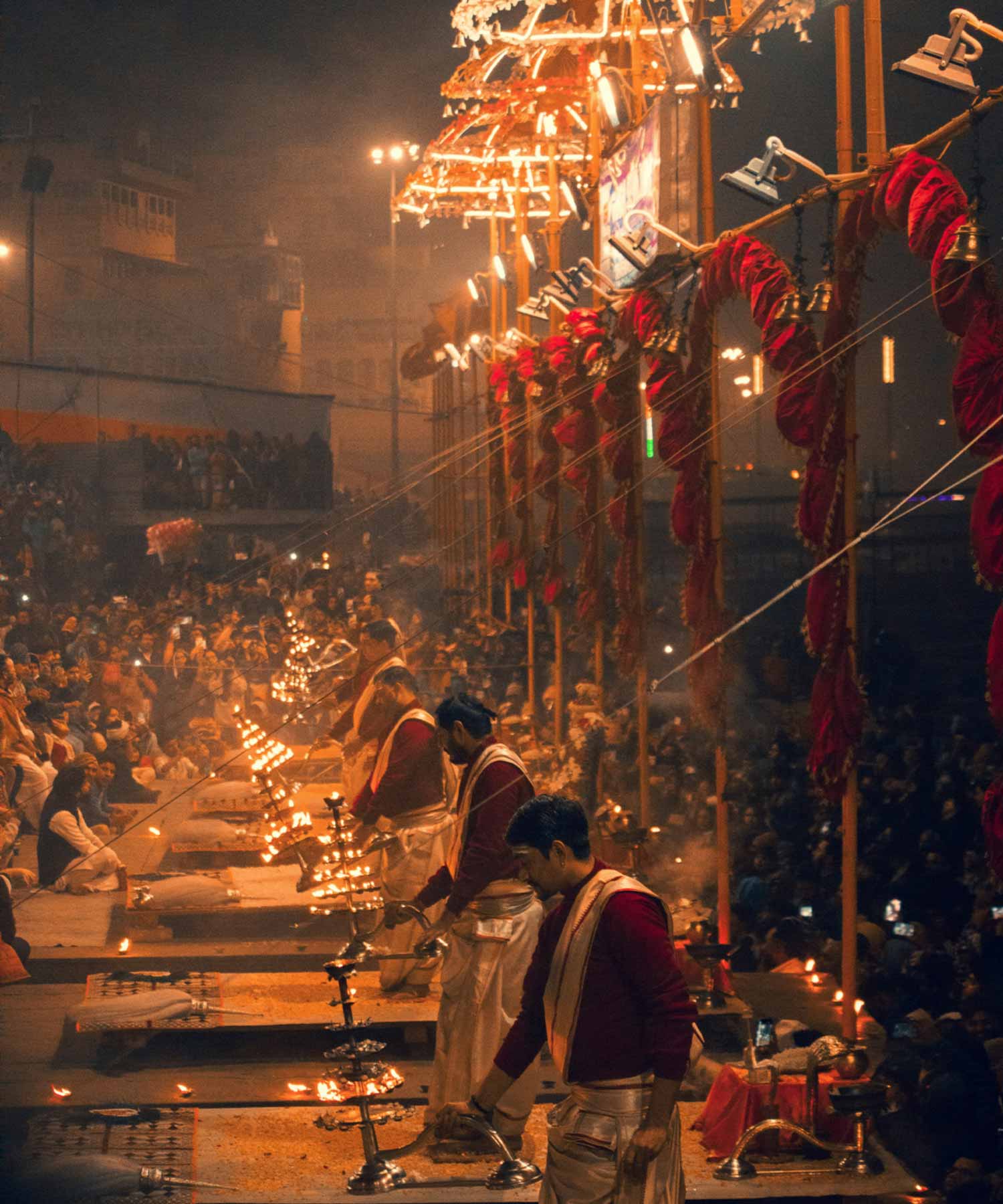
Hinduism and Ancient Traditions
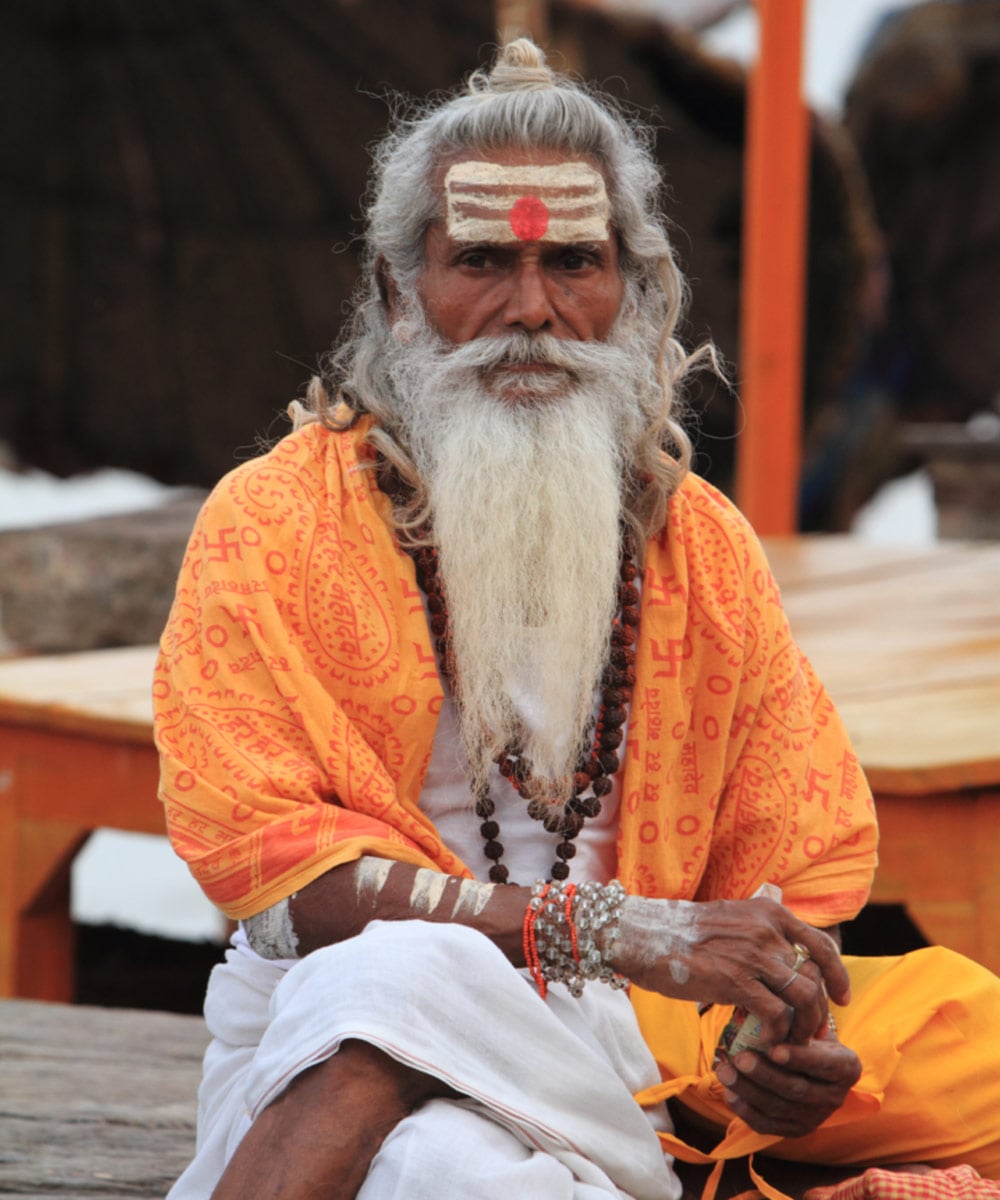
Hinduism in India represents one of the world's oldest religious traditions, with roots stretching back over 4,000 years. For travellers, experiencing these living traditions offers profound insights into daily Indian life.
Begin your journey at dawn on the ghats of Varanasi, where pilgrims have gathered for over 3,000 years to perform morning prayers along the sacred Ganges. Watch as devotees light oil lamps that float downstream, their flickering flames carrying prayers into the ancient currents.
Visit Tamil Nadu's temple complexes during evening aarti ceremonies, where priests wave flame-lit lamps before ancient deities while bells ring and devotional songs fill the air. Join local families celebrating Diwali's festival of lights or experience Holi's joyous celebration of colours in Rajasthan's historic cities.
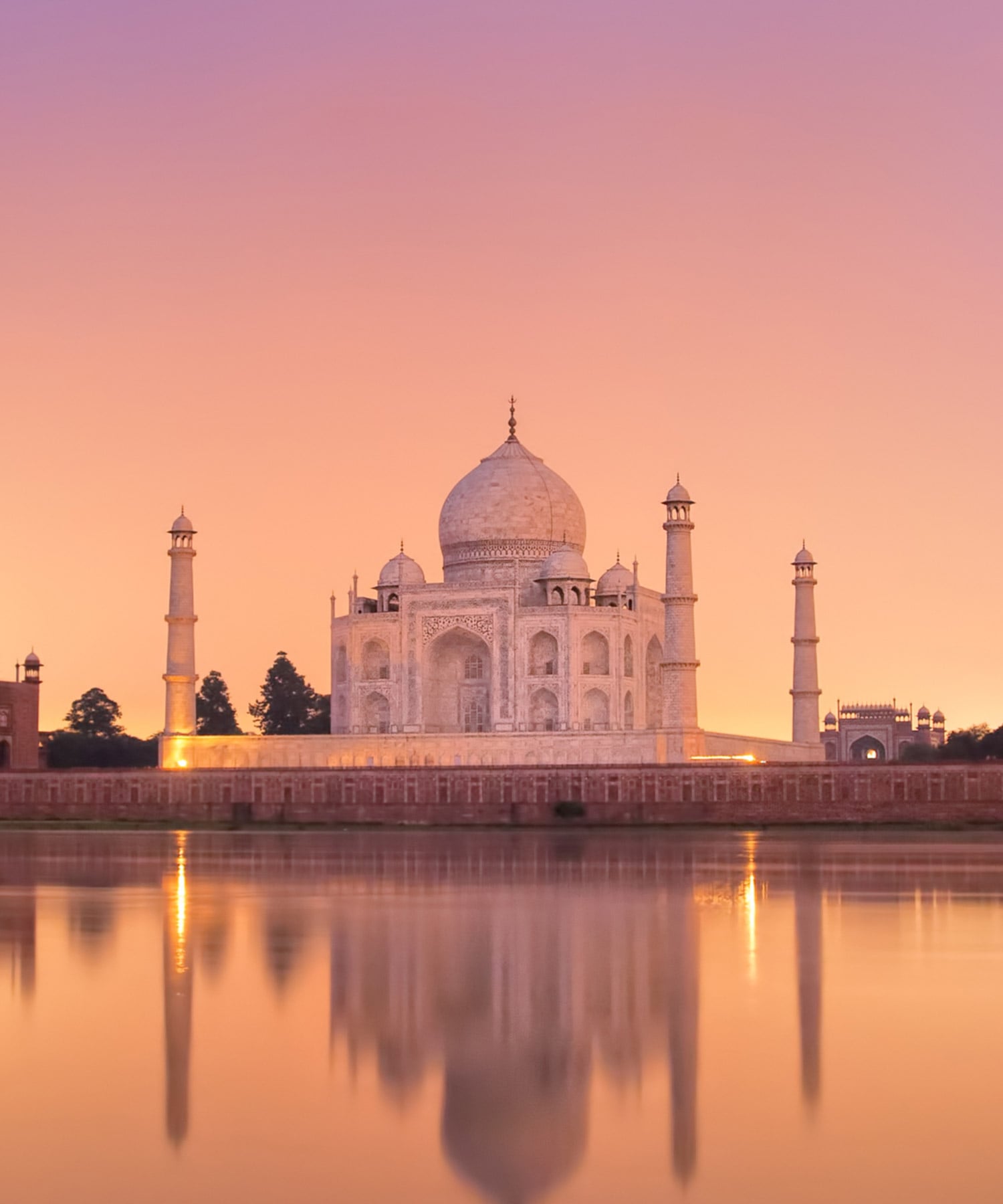
The Taj Mahal
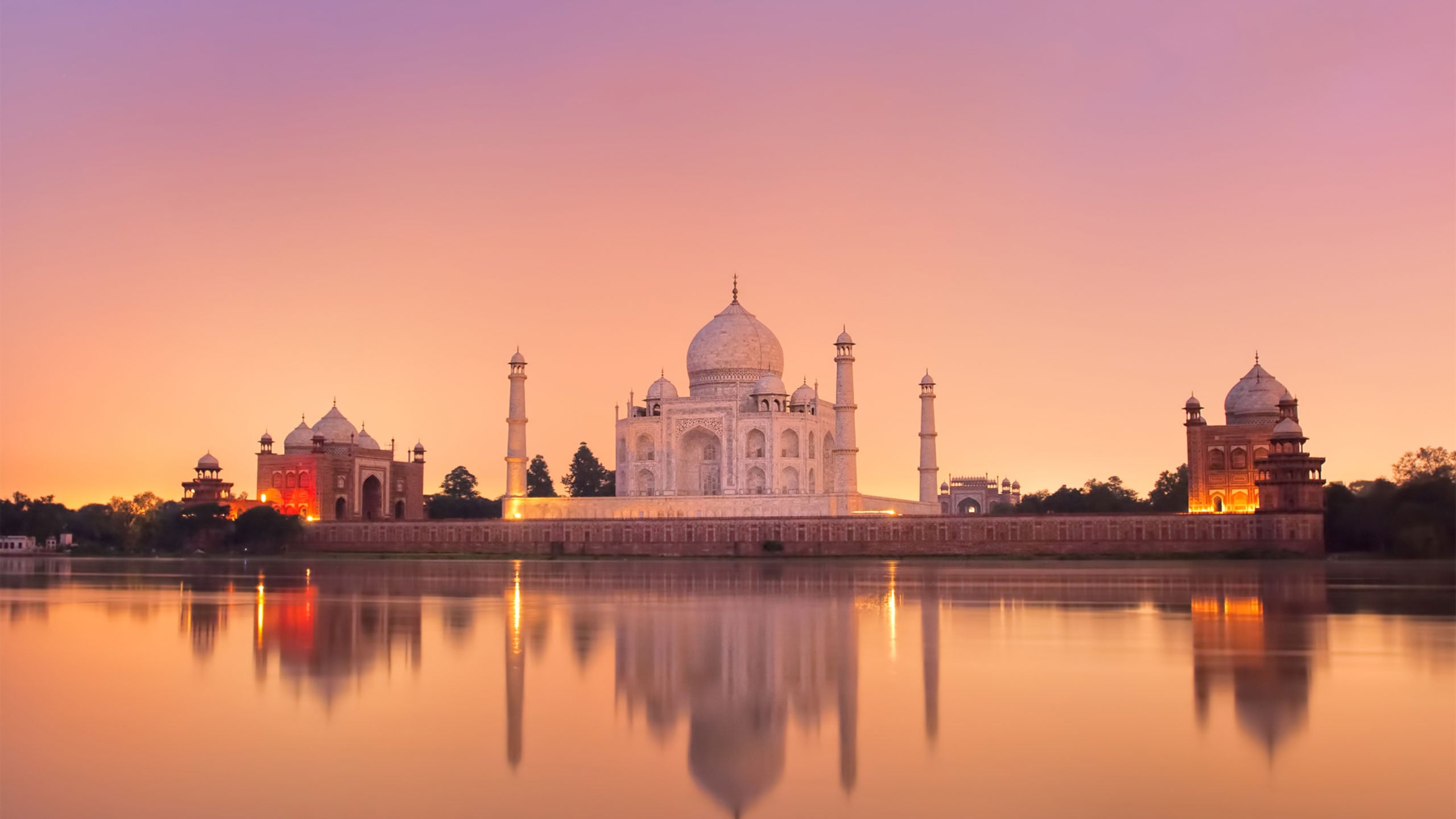
The Taj Mahal emerges from Agra's landscape like a dream rendered in white marble, its perfect symmetry reflecting the changing light from dawn to dusk. Emperor Shah Jahan's monument to eternal love took twenty-two years to complete, with master craftsmen creating intricate inlay work using precious stones that form floral patterns blooming eternally from the marble surface.
Visit at sunrise to see the monument glow pink and gold, or during the full moon when it appears almost luminescent. The reflecting pools create perfect mirror images, while the interior chamber where Shah Jahan and Mumtaz Mahal rest together demonstrates the pinnacle of Mughal craftsmanship. The surrounding Persian gardens frame this architectural masterpiece where engineering meets devotion.
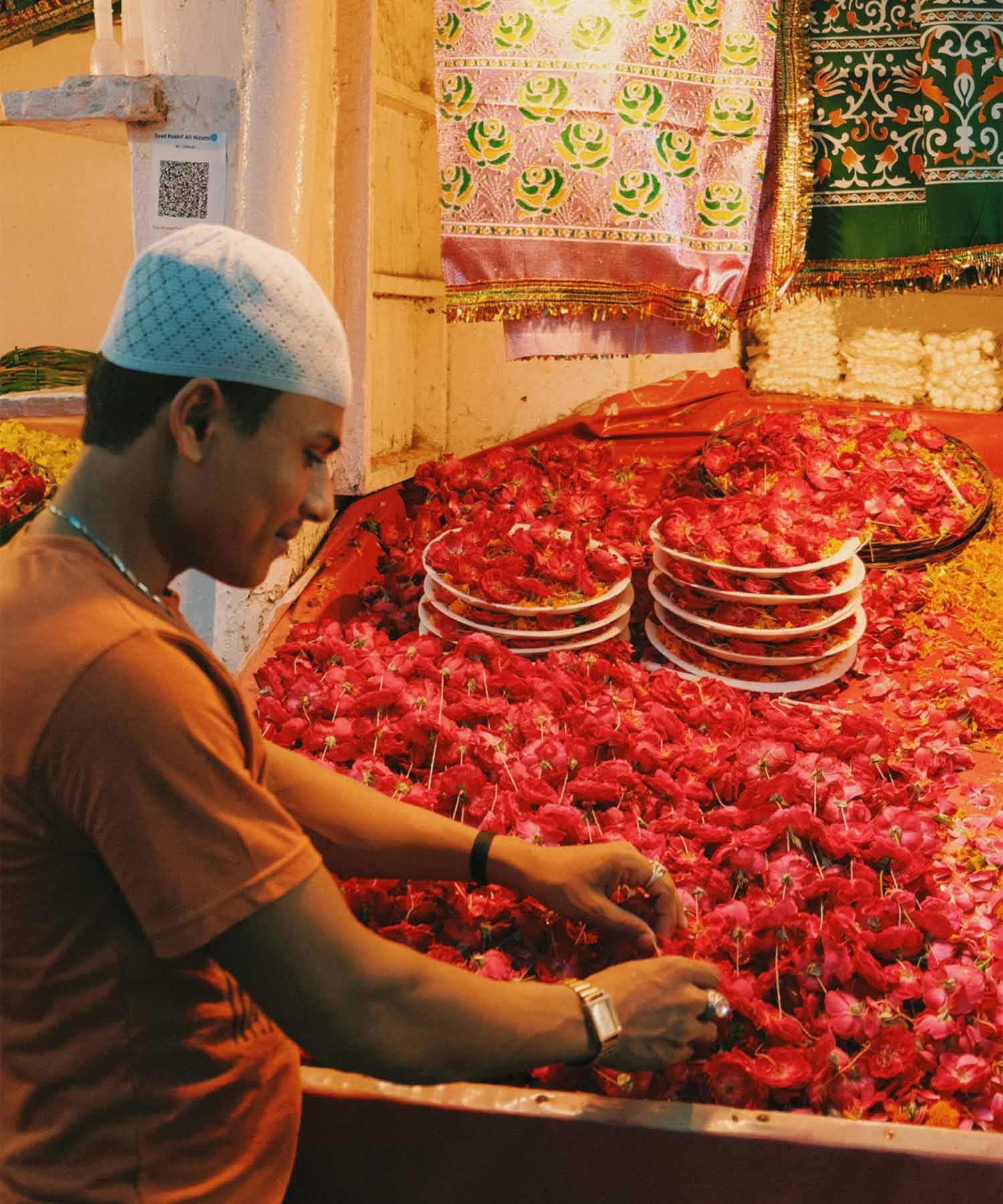
Spice Cultivation and Trade
India has been the world's spice capital for over 3,000 years, producing extraordinary varieties that once drove global exploration. In Kerala's Western Ghats, black pepper vines climb tall trees in monsoon-fed mountains, while Kashmir's purple saffron fields bloom for just two weeks each October.
Visit traditional spice plantations where farming families demonstrate techniques passed down through generations. Watch cardamom pods being hand-picked at dawn, or witness turmeric roots being harvested and dried in Tamil Nadu's golden fields. Many plantations offer guided walks where you can taste fresh spices directly from the source and learn why these aromatic treasures shaped world history.
The ancient spice routes began in these fragrant gardens, connecting India to Arab, Chinese, and European traders who risked dangerous journeys for these precious crops.
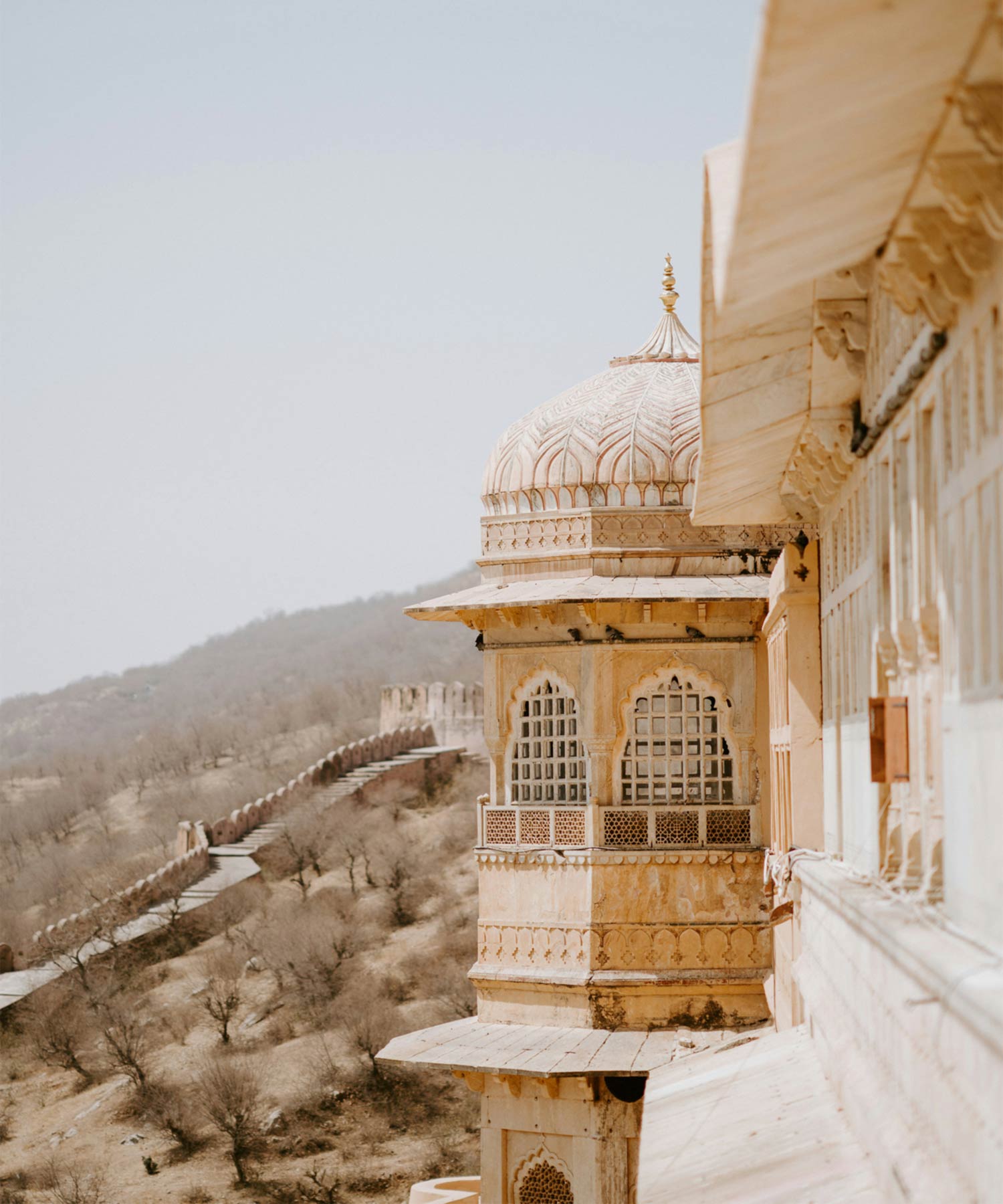
Rajasthan's Palace Cities
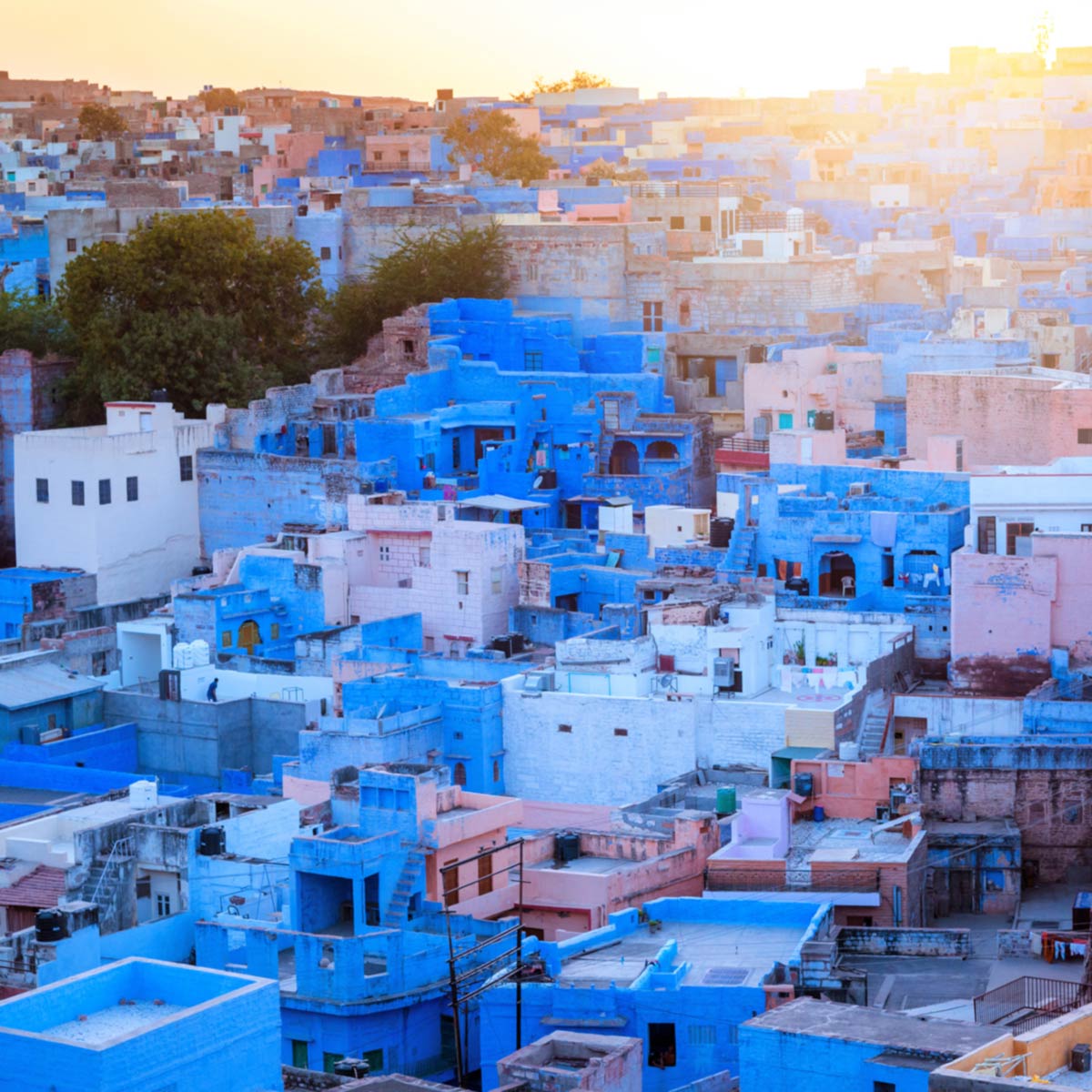
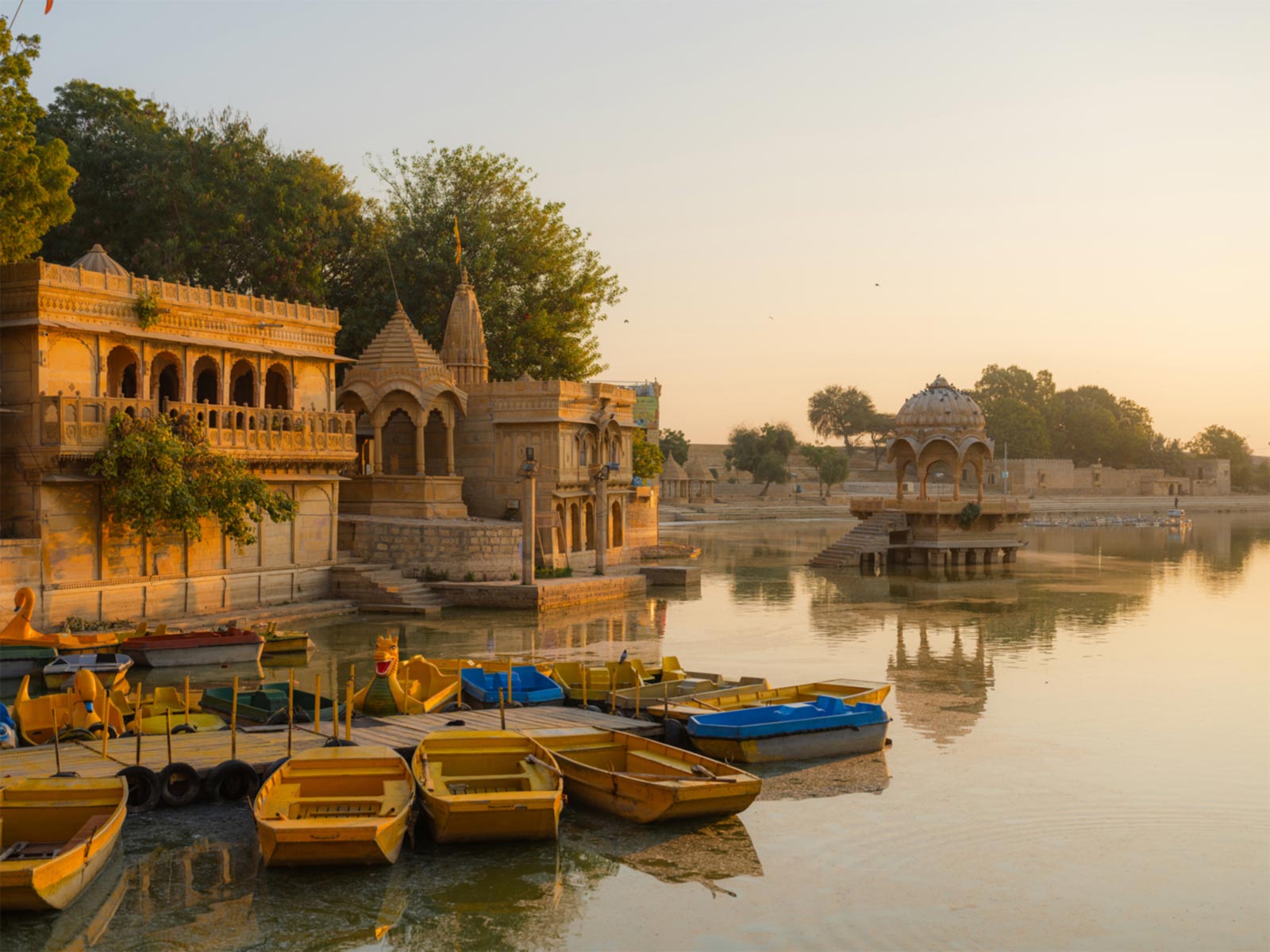
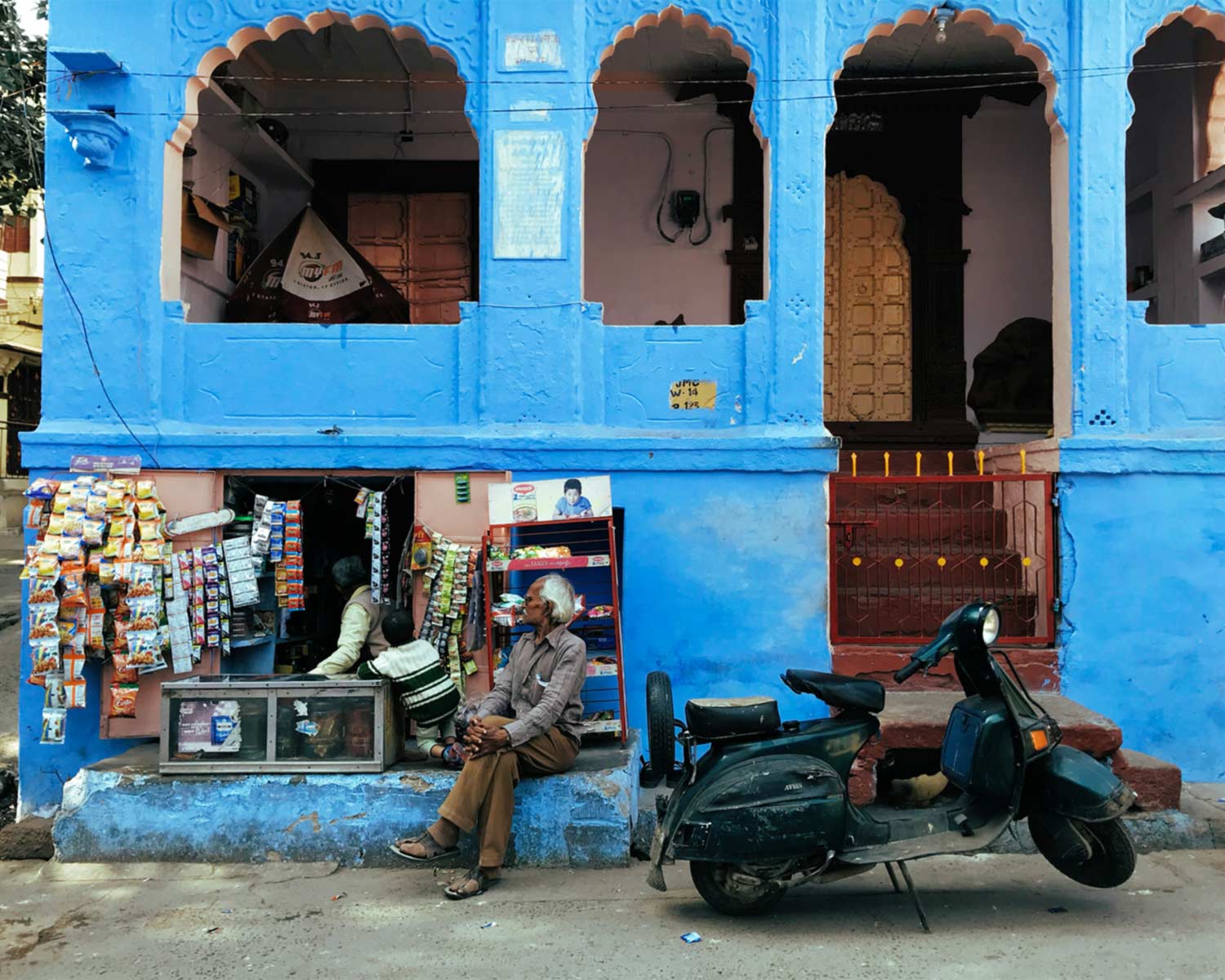
Rajasthan's desert cities rise from golden sands like architectural mirages. Jaipur's Pink City showcases 18th-century urban planning with wide boulevards and bustling markets, while Jodhpur's imposing Mehrangarh Fort towers 400 feet above blue-painted houses.
Explore Udaipur's Lake Palace, seemingly floating on Lake Pichola's waters, or wander through ornate havelis where wealthy merchants once lived. Inside these palaces, intricate mirror work catches light in thousand-year-old traditions, while miniature paintings depict royal court life with exquisite detail.
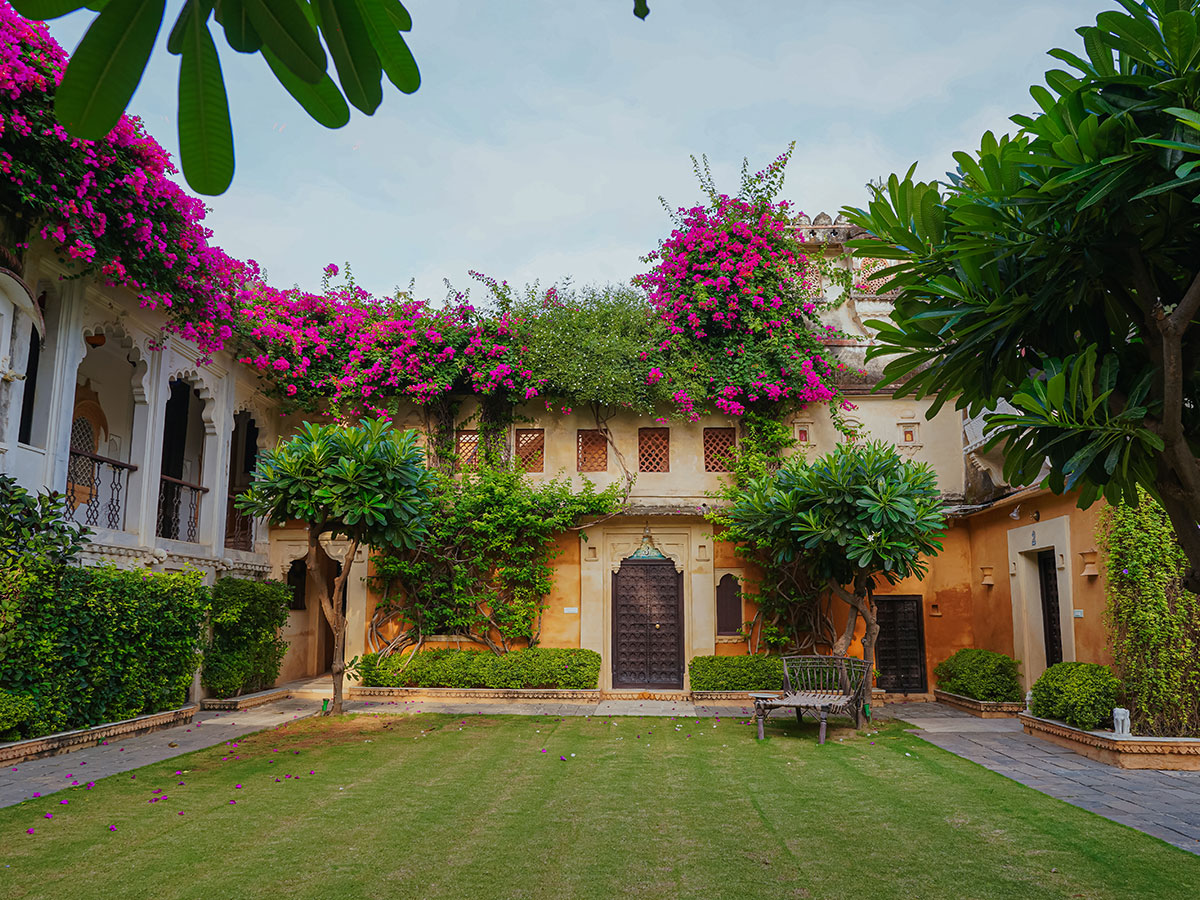
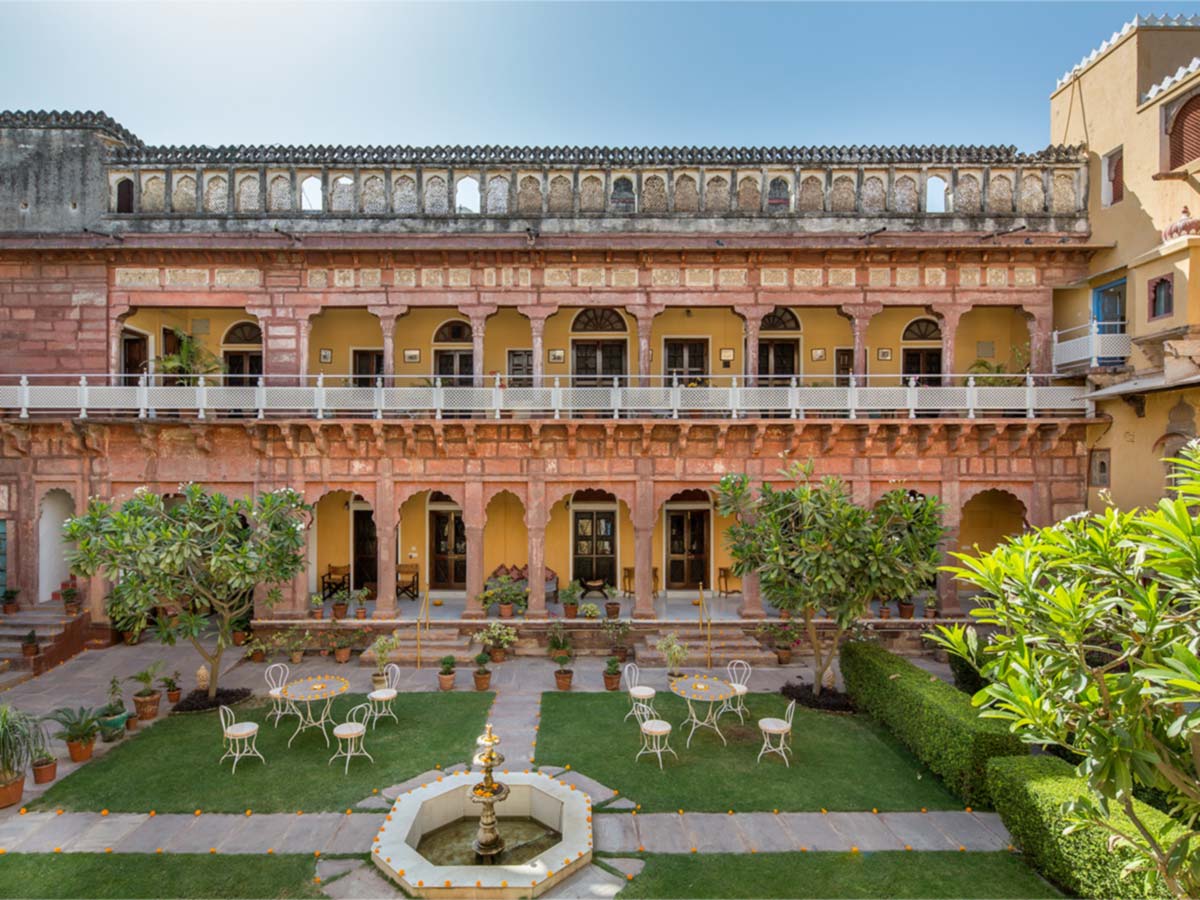
Throughout Rajasthan, we recommend staying in havelis, homestays and converted palace hotels where families still maintain their ancestral homes, dine in courtyards designed to capture cooling desert breezes, and discover private chambers where elaborate facades carved in local sandstone tell stories of warrior-kings. We also urge our clients to explore lesser known towns and villages, stepping away from the crowds and into a more authentic slice of the country.
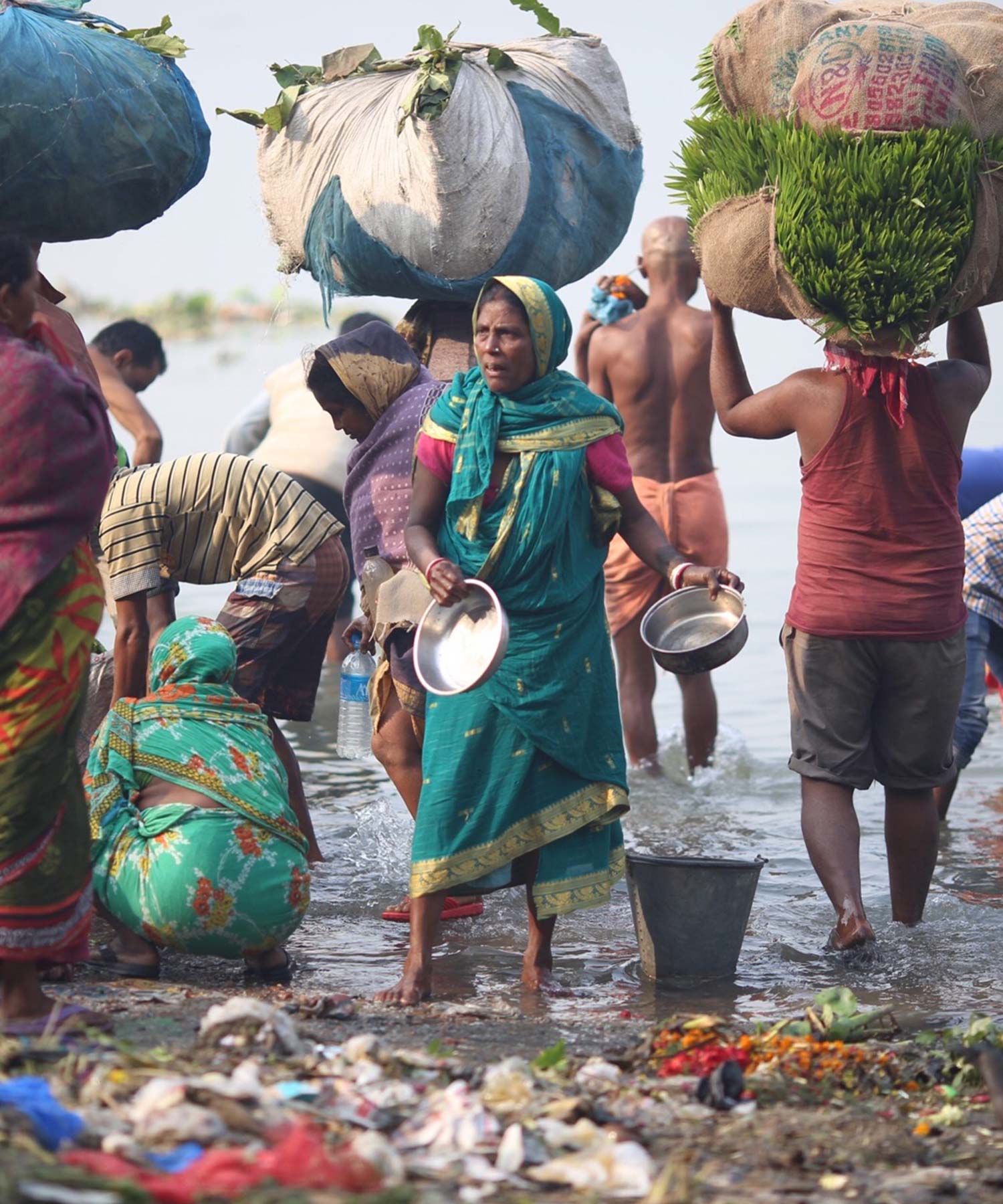
Calcutta (Kolkata)
Calcutta pulses with intellectual energy and artistic passion, earning its reputation as India's cultural capital. The city's colonial architecture tells stories of British rule, while its vibrant street life celebrates Bengali creativity and resilience.
Walk through the grand Victorian buildings of BBD Bagh, where the imposing Writers' Building and General Post Office showcase 19th-century imperial architecture. Visit the iconic Howrah Bridge at sunset, watching thousands of commuters cross the Hooghly River as the city lights begin to twinkle.
Experience Calcutta's famous adda culture in traditional coffee houses like Indian Coffee House, where intellectuals have gathered for decades to debate politics, literature, and philosophy over endless cups of tea. During Durga Puja festival, the entire city transforms into an open-air art gallery with elaborate pandals (temporary structures) showcasing contemporary art and traditional craftsmanship.
Sample authentic Bengali cuisine in century-old sweet shops, explore the narrow lanes of Kumartuli where skilled artisans craft clay goddesses, or catch a performance at the historic Academy of Fine Arts. The city's bookstores, particularly on College Street, offer treasures for literature lovers in one of the world's largest book markets.
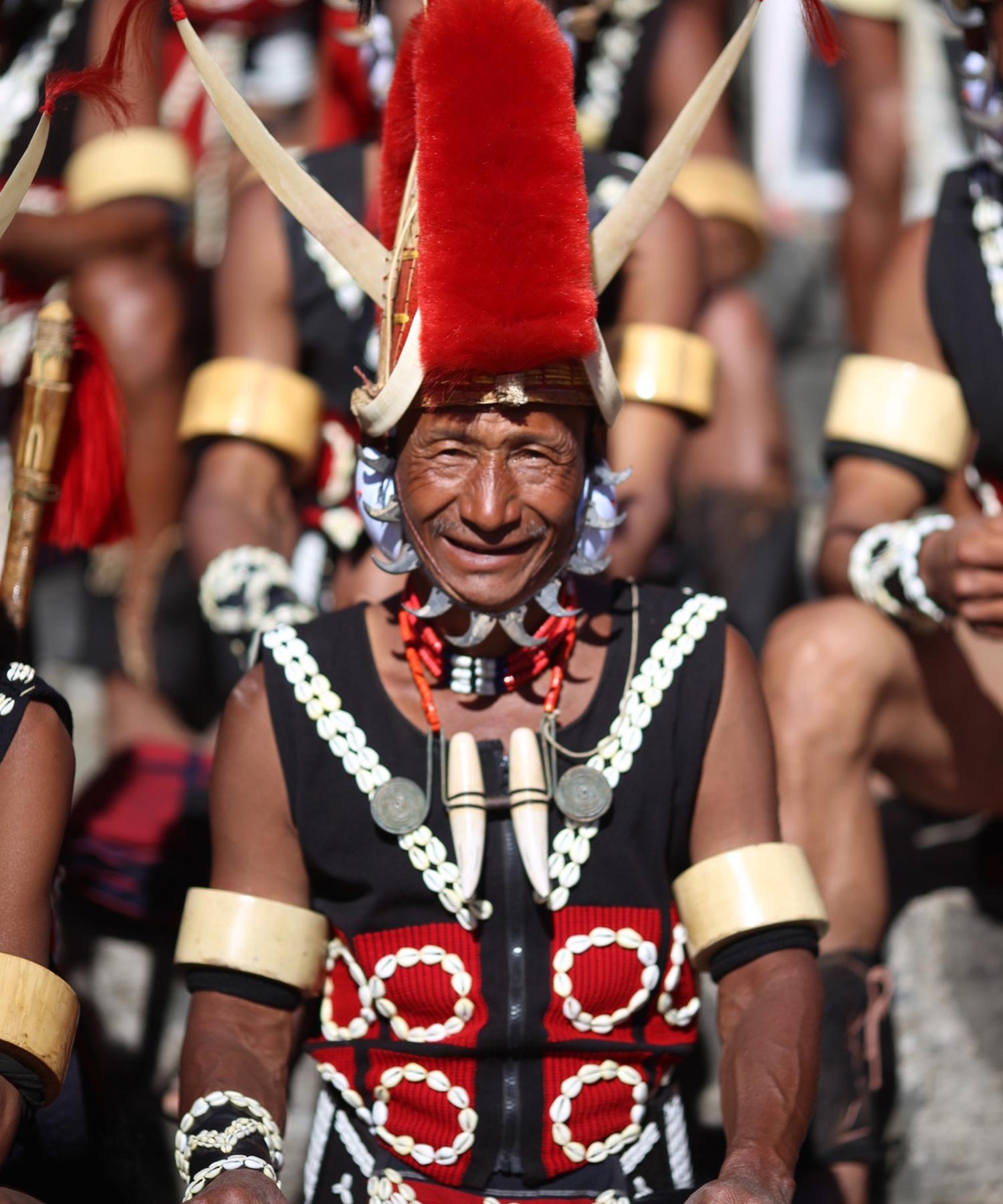
Hornbill Festival in Nagaland
The Hornbill Festival transforms Nagaland's capital Kohima into a vibrant celebration of tribal heritage each December, earning its title as the ‘Festival of Festivals’. Sixteen indigenous Naga tribes gather to showcase their distinct cultures through traditional dances, warrior demonstrations, and ancient rituals that have survived for centuries.
Watch Ao tribe warriors perform the Moatsu dance with spears and shields, or witness the Konyak headhunters demonstrate their legendary skills in traditional costume. Each tribe maintains separate morungs (traditional huts) where visitors can observe bamboo craftsmanship, traditional weaving, and taste authentic Naga cuisine including smoked pork with bhut jolokia (ghost peppers).
Experience the thrilling Naga wrestling competitions, witness fire-making contests using ancient techniques, and hear folk tales passed down through generations. The festival's highlight includes the Rock Contest featuring local bands, traditional archery competitions, and the spectacular parade where tribes display their distinctive headgear adorned with hornbill feathers, boar tusks, and cowrie shells.
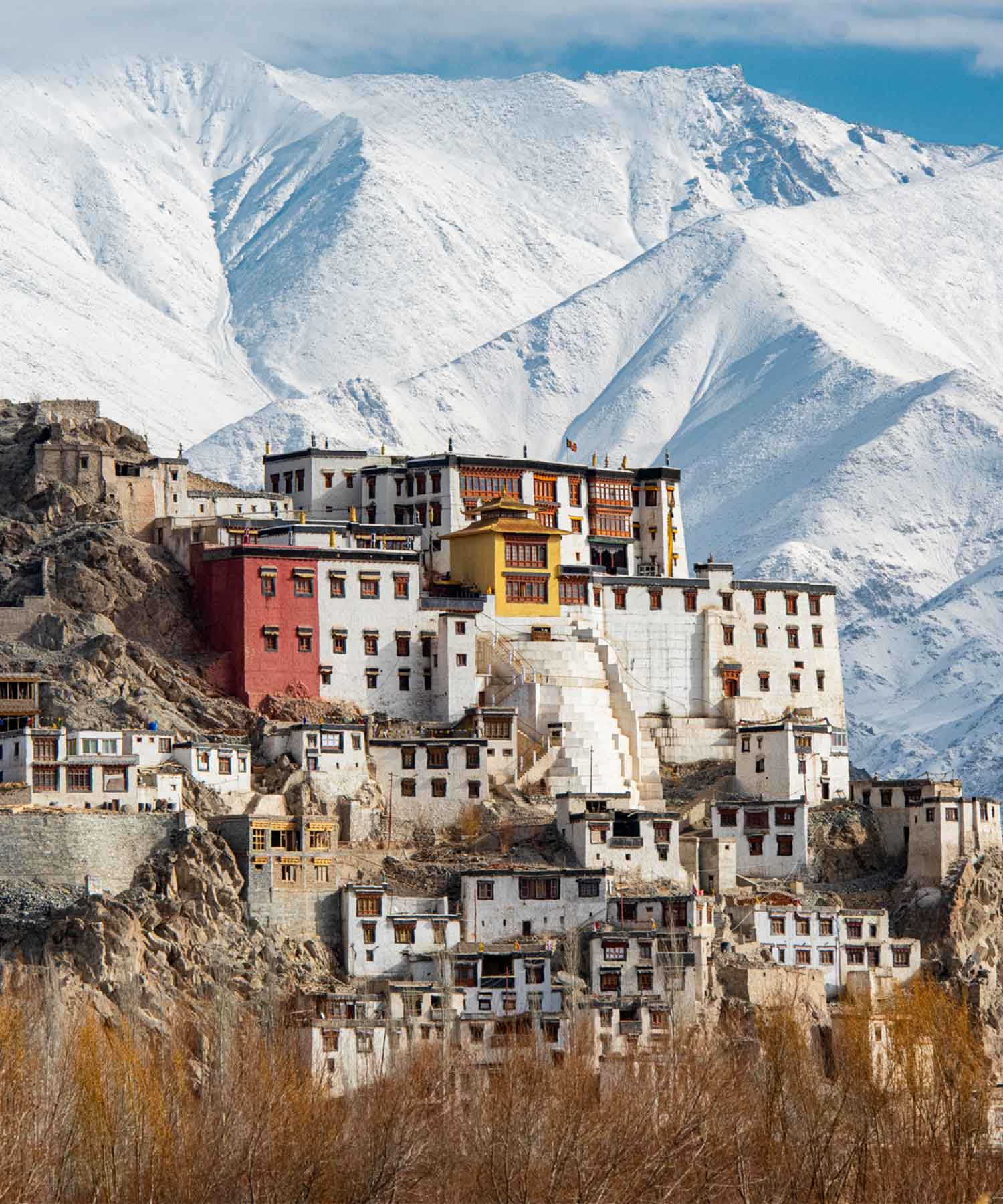
Ladakh: The Land of High Passes
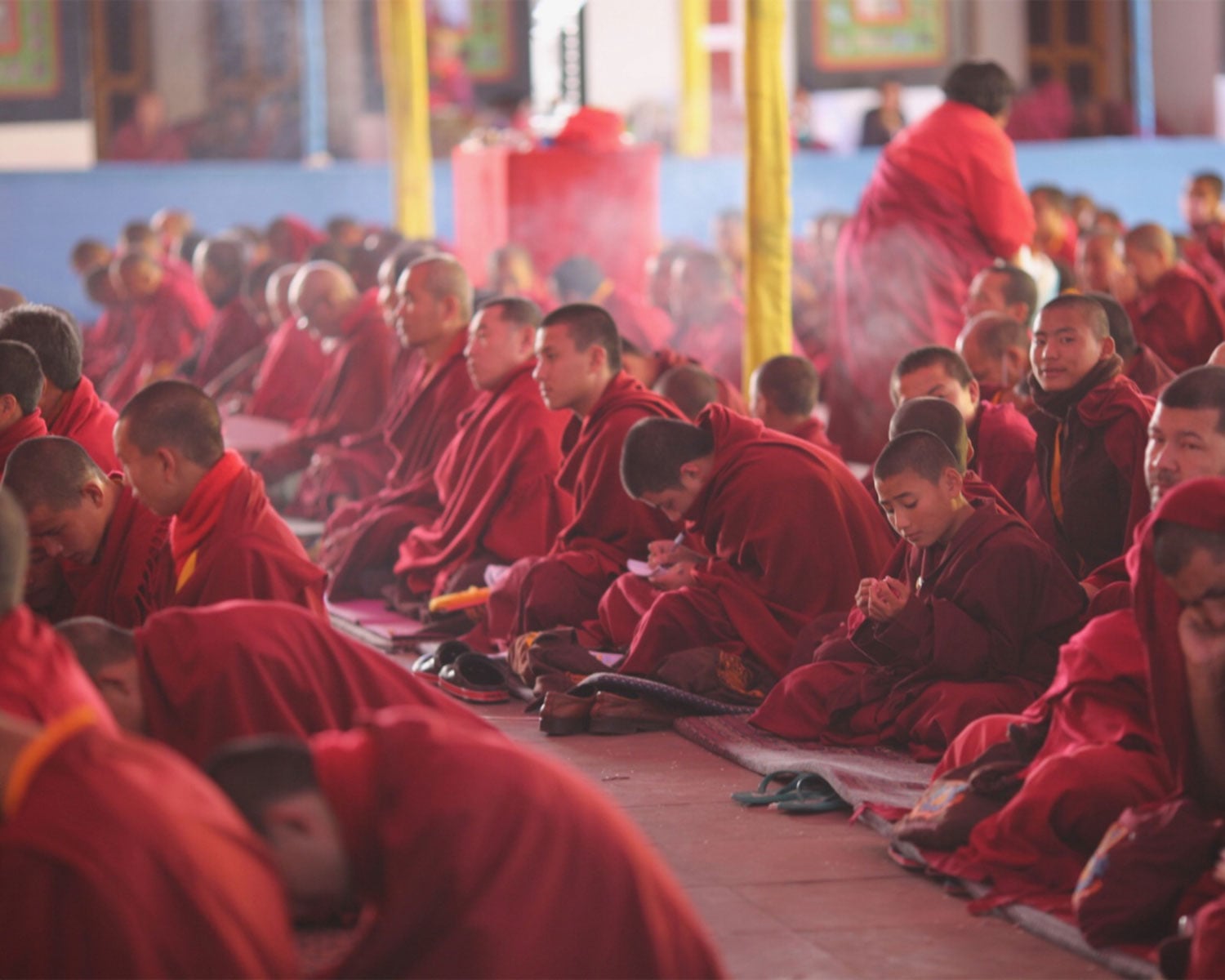
Ladakh stretches across the high-altitude desert of the trans-Himalayas, where ancient Buddhist monasteries cling to impossible cliff faces and prayer flags flutter against crystalline blue skies. Known as "Little Tibet," this remarkable region preserves Tibetan Buddhist culture in its purest form.
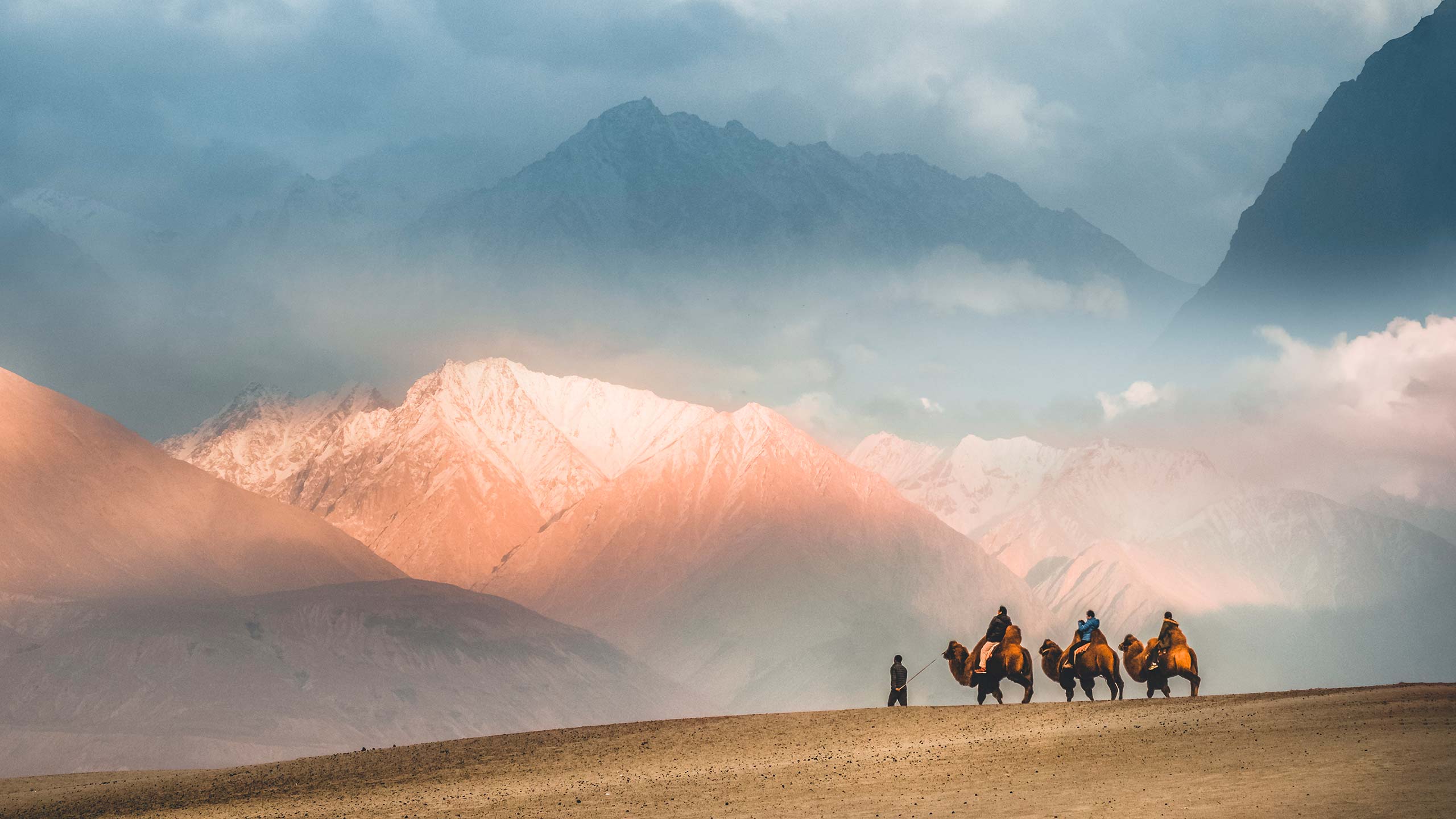
Experience the spiritual heart of Ladakh at Hemis Monastery, famous for its colourful masked dances, or witness morning prayers at Thiksey Monastery, dramatically perched on a hilltop. Drive through the world's highest motorable passes, including Khardung La at 18,380 feet, to reach the surreal Nubra Valley where Bactrian camels, descendants of ancient Silk Road caravans, still traverse sand dunes surrounded by snow-capped peaks.
Stay in traditional Ladakhi homestays where families share chang (barley beer) or more refined boutique lodges, The region's unique position along the ancient Silk Road creates a cultural crossroads that has survived at the roof of the world. Visit here between May and September.
Our approach
Why travel with Red Dot?
Featured hotels
Need a helping hand?
Whatever your passion, we make it happen.
What our travellers say


Choose your adventure
Speak to one of our team to get started. After all, your travel journal won’t write itself.