Learn more
When to Go
Best times to explore Bhutan
Weather in Bhutan
What's the best time to visit Bhutan?
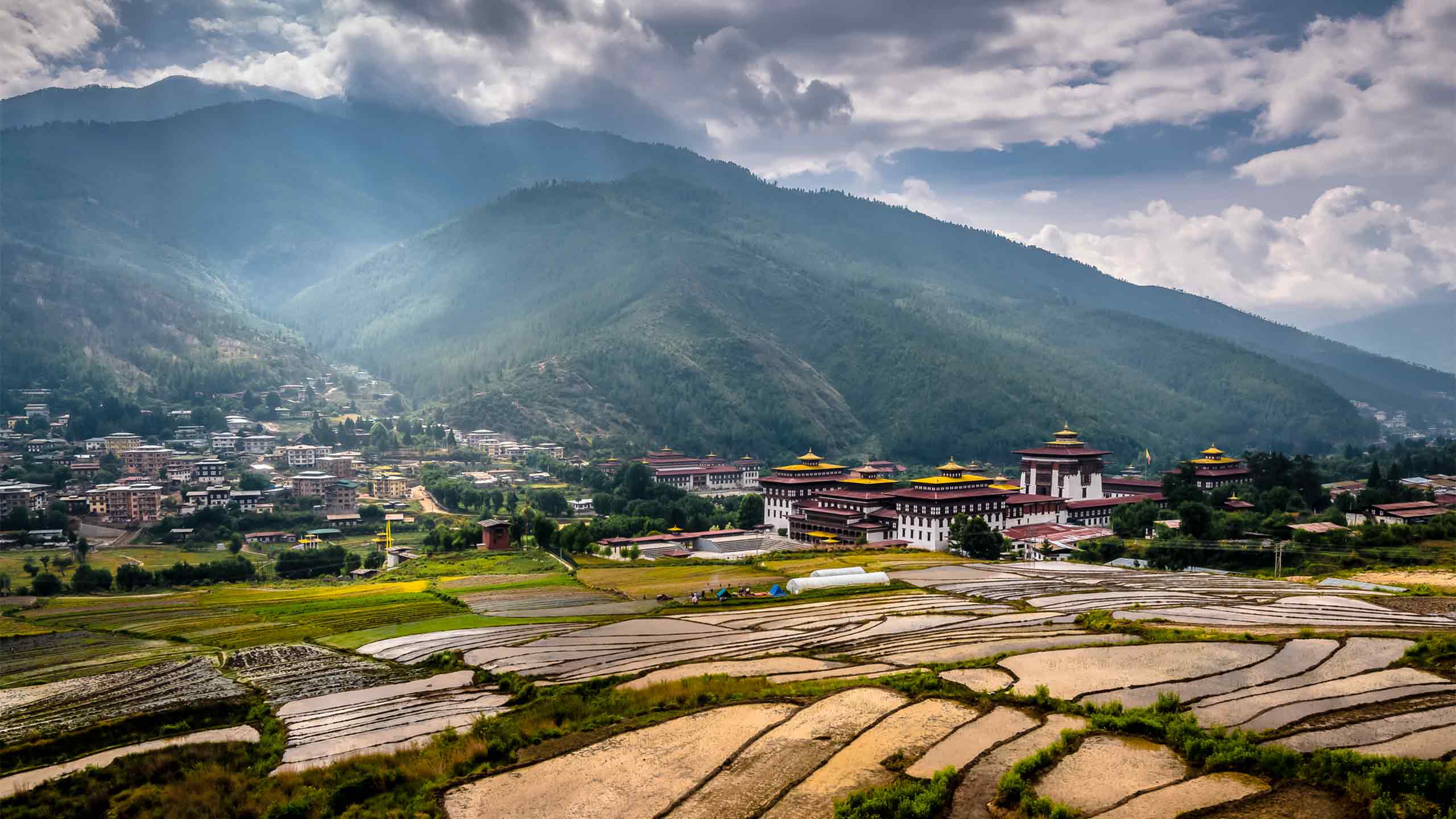
Bhutan is a year round destination and can be visited in all seasons, but there are certain times of year that hold certain benefits. Our private journeys through Bhutan are carefully planned around seasonality. From snow-capped mountains and fertile valleys to subtropical lowlands, Bhutan’s varied altitude creates a rich diversity of climates and changing flora and fauna. Temperatures in Bhutan vary significantly depending on elevation and time of year. Low-lying southern regions are warmer and more humid, while central valleys such as Thimphu and Paro enjoy mild, temperate conditions for much of the year.
In higher regions like Bumthang and Gangtey, temperatures are a little cooler, with crisp winters and refreshing summers. We love the cosy atmosphere and roaring fires in the hotels during the cooler months. Across the year, daytime temperatures typically range from around 5°C to 25°C, with colder conditions at higher altitudes, particularly in winter. Bhutan’s climate is shaped by its Himalayan setting and seasonal rainfall patterns. Here's an idea of Bhutan at different times of year:
Spring (March-May)
This is a fantastic time for private travel to Bhutan, and is perfect if you want to see wild rhododendrons, which last from April to July. During this time you'll also see magnolias, foxgloves, cosmos, Himalayan poppies, and lilies growing across the plains, in woodlands and at the roadside. Low rainfall and humidity make this time of year very comfortable. This is a great time for outdoor experiences such as rafting, hiking, cycling, trekking and scenic walks.
Summer in Bhutan (June-August)
The summer months bring the south-west monsoon, usually from June to September, which nourishes the countryside and transforms Bhutan's valleys into a lush green landscape. This is still an excellent time to travel for those travelling on more of a budget. During this time it can feel hot and humid and whilst it isn't the perfect time to travel if you suffer with humidity, there are distinct advantages to this time of year. Also, during July you'll still see a lot of the spring flowers that are just starting to fade. Generally speaking you'll find that showers arrive later in the day and the evening and they not as bad as you'd expect. Early morning provide the best visibility for the hills. Please note that trekking can be challenging during this period. The benefits are that it's very green and dramatic and rates can be lower at this time of year.
Autumn (Late September to November)
Autumn in Bhutan, between late September and November, is one of the most popular times to visit Bhutan and is perfect for a tailor-made trip to Bhutan This period is great for festivals, there are about 50 species of migratory birds that visit, and views are spectacular. This is a period particularly popular for travel as it also offers clear skies, comfortable temperatures, and the chance to experience Bhutan’s vibrant religious festivals. Between October and February you may be lucky enough to see black necked cranes in Gangtey.
Winter (December to February)
Winter, though colder, rewards visitors with clear mountain views, crisp skies and snow capped mountains, which are stunning. Fewer crowds and lower rates alongside a deeply peaceful atmosphere, alongside good bird watching season, make this a great time to travel. As it's quieter, it's also a great time for deeper interaction with locals. Between October and February you may be lucky enough to see black necked cranes in Gangtey.
Travelling to Bhutan outside peak periods can be especially enriching, offering quieter experiences, better value, and more meaningful opportunities to support local communities. Explore our month-by-month guide below to help you decide the best time for your tailor-made Bhutan holiday.
Choose your adventure
Speak to one of our team to get started. After all, your travel journal won’t write itself.
