Learn more
Sri Lanka: Experiences
It’s a special part of the world where the honking of tuk-tuks and the rush of waterfalls create a perfect symphony. Welcome to our home; we can’t wait to share our favourite places with you.
From ancient temples and wildlife safaris to street food tours and tea plantation treks. Our tailor-made holidays to Sri Lanka are brimming with experiences that capture its unique culture and spectacular landscape. Whether you’re chasing adventure, uncovering culture, or simply slowing down to soak in the island’s beauty, every moment has an impact. Our handpicked experiences are designed to connect you with Sri Lanka’s people, traditions, and landscapes, turning every journey into a memory and ensuring you returned inspired and informed.

Galle, Sri Lanka
Galle - The Galle Cinnamon Table With Lunch
Spend a delightful, memorable day with a local family in Galle and discover the story behind Sri Lanka’s world-renowned Ceylon cinnamon.

Galle, Sri Lanka
Galle - A Night Walk in Galle Fort
Galle Fort at night is something else entirely. This easy evening walk takes you through one of Sri Lanka's most historic places with the Indian Ocean on one side and centuries of stories on the other.
Yala National Park, Sri Lanka
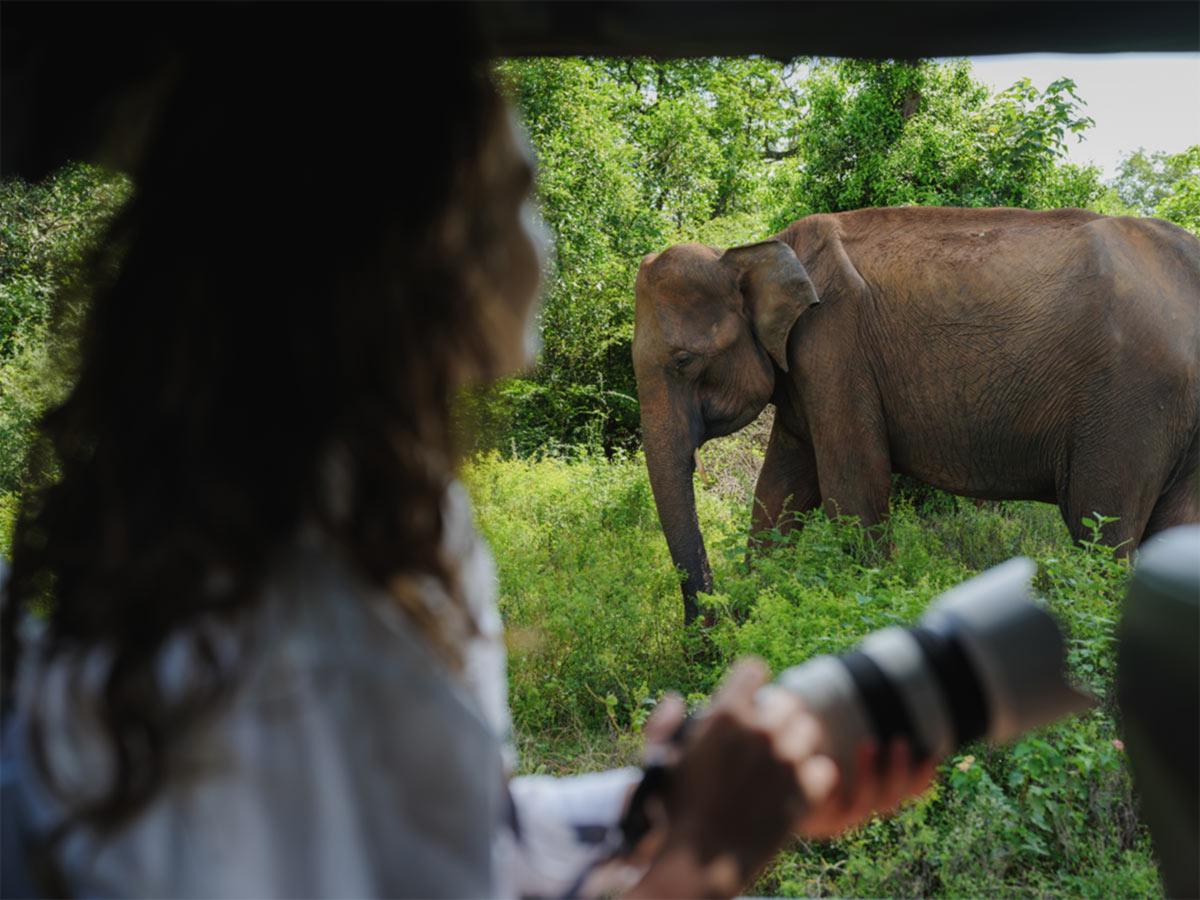
Yala Jeep Safari
Discover Yala's dramatic landscapes and wildlife behaviour during the enchanting afternoon hours on a safari jeep with your chauffeur-guide.
Wilpattu, Sri Lanka
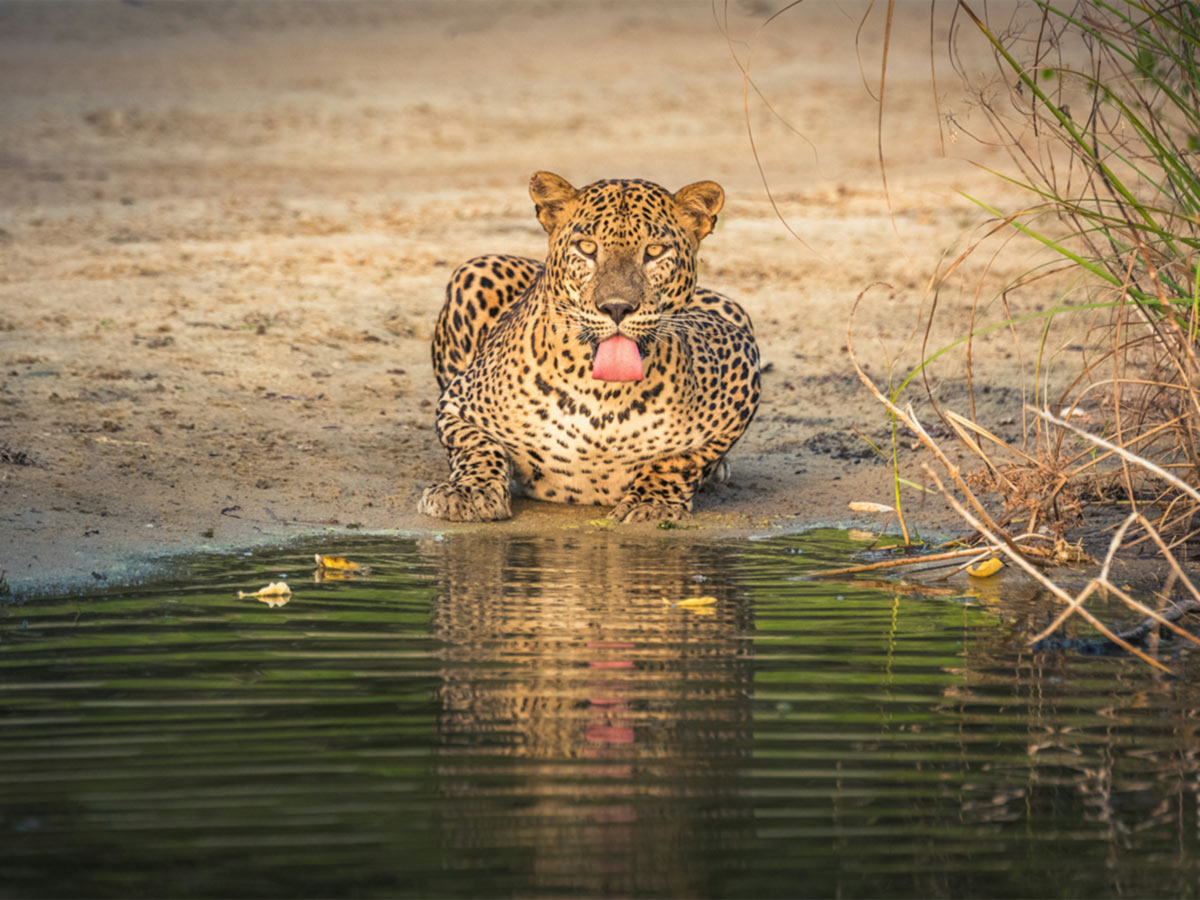
Wilpattu Jeep Safari
Venture into Wilpattu's wilderness during the golden hours aboard a safari jeep with your chauffeur-guide.
Weligama, Sri Lanka
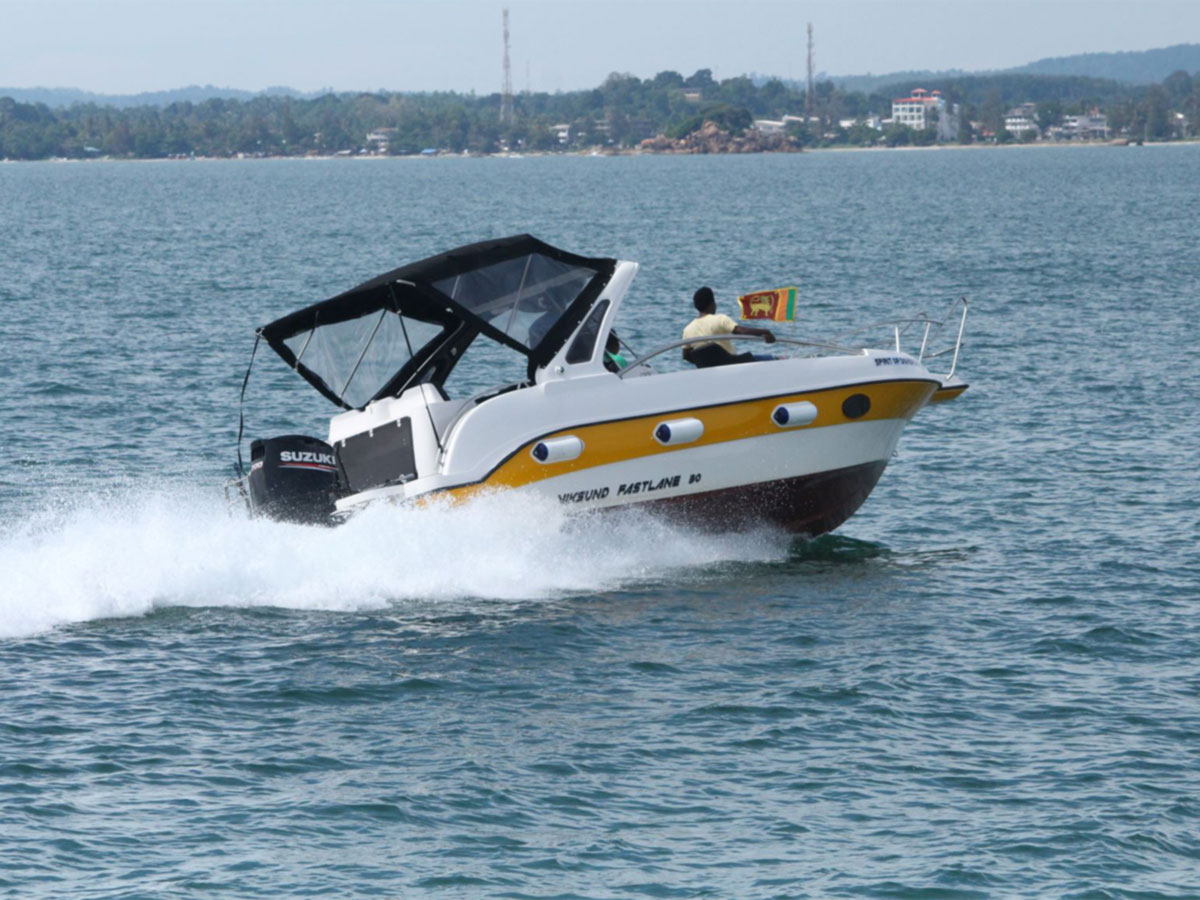
Whale Watching Speedboat
Experience Sri Lanka's exceptional whale watching opportunities during this 4-hour ocean expedition that departs at 7am, taking advantage of the continental shelf's proximity to shore where deep waters create ideal feeding conditions for large marine mammals.
Weligama, Sri Lanka
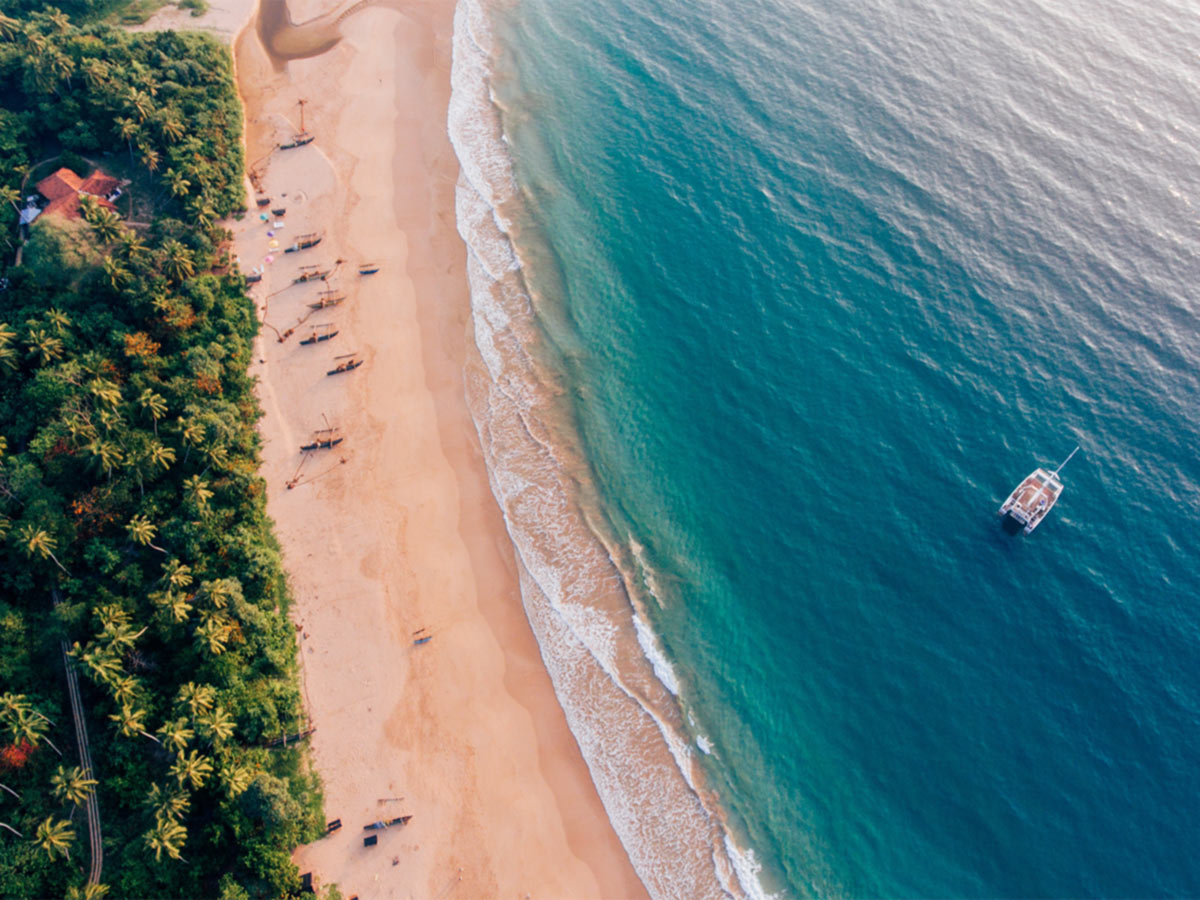
Whale Watching Catamaran Weligama
Join this shared whale watching expedition departing at 6:30am for a 6-hour journey into the Indian Ocean, where Sri Lanka's continental shelf creates ideal conditions for marine mammals just beyond the shoreline.
Passikudah, Sri Lanka
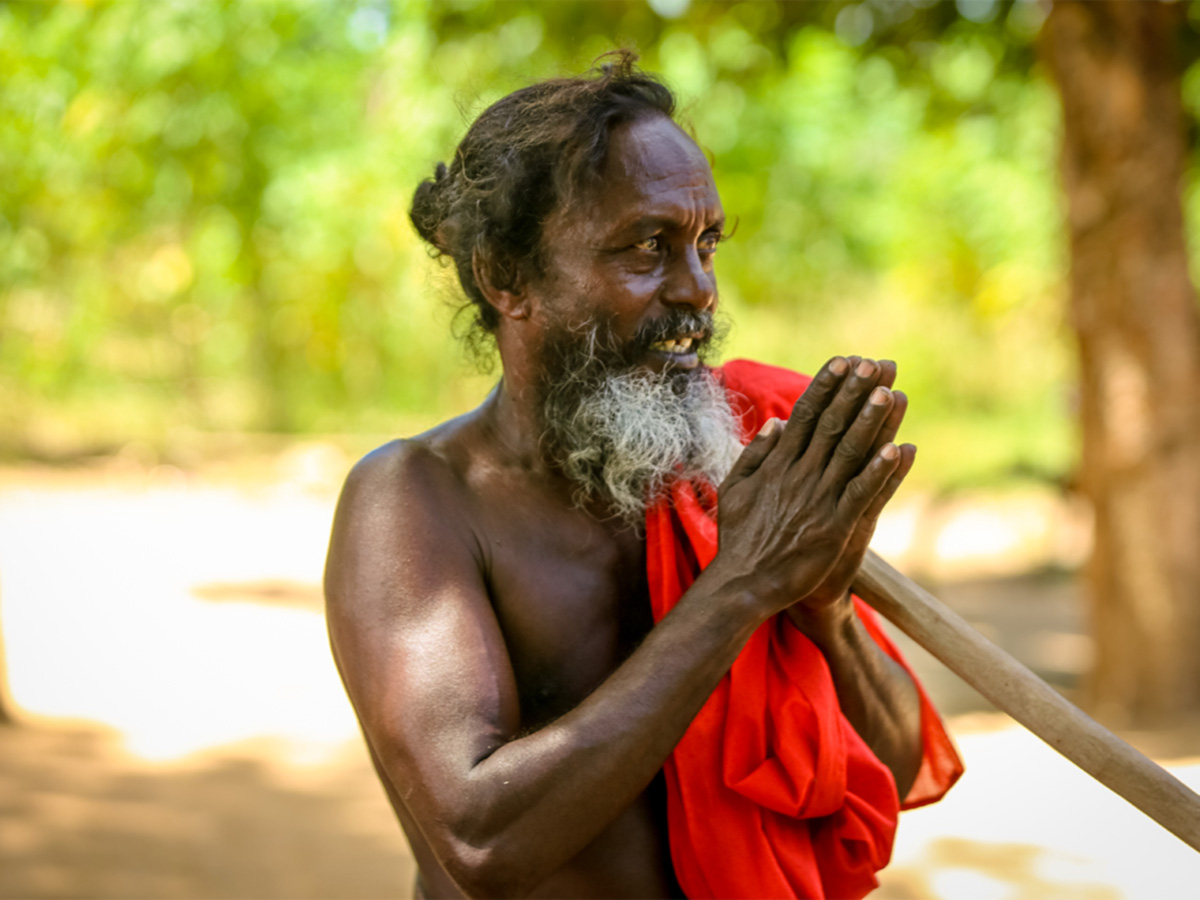
Vedha and Honey
Trek through eastern Sri Lanka's forest with indigenous Vedda community members during this 3-hour experience starting at 8am, witnessing traditional honey harvesting techniques that remain central to their livelihood.
Galle, Sri Lanka
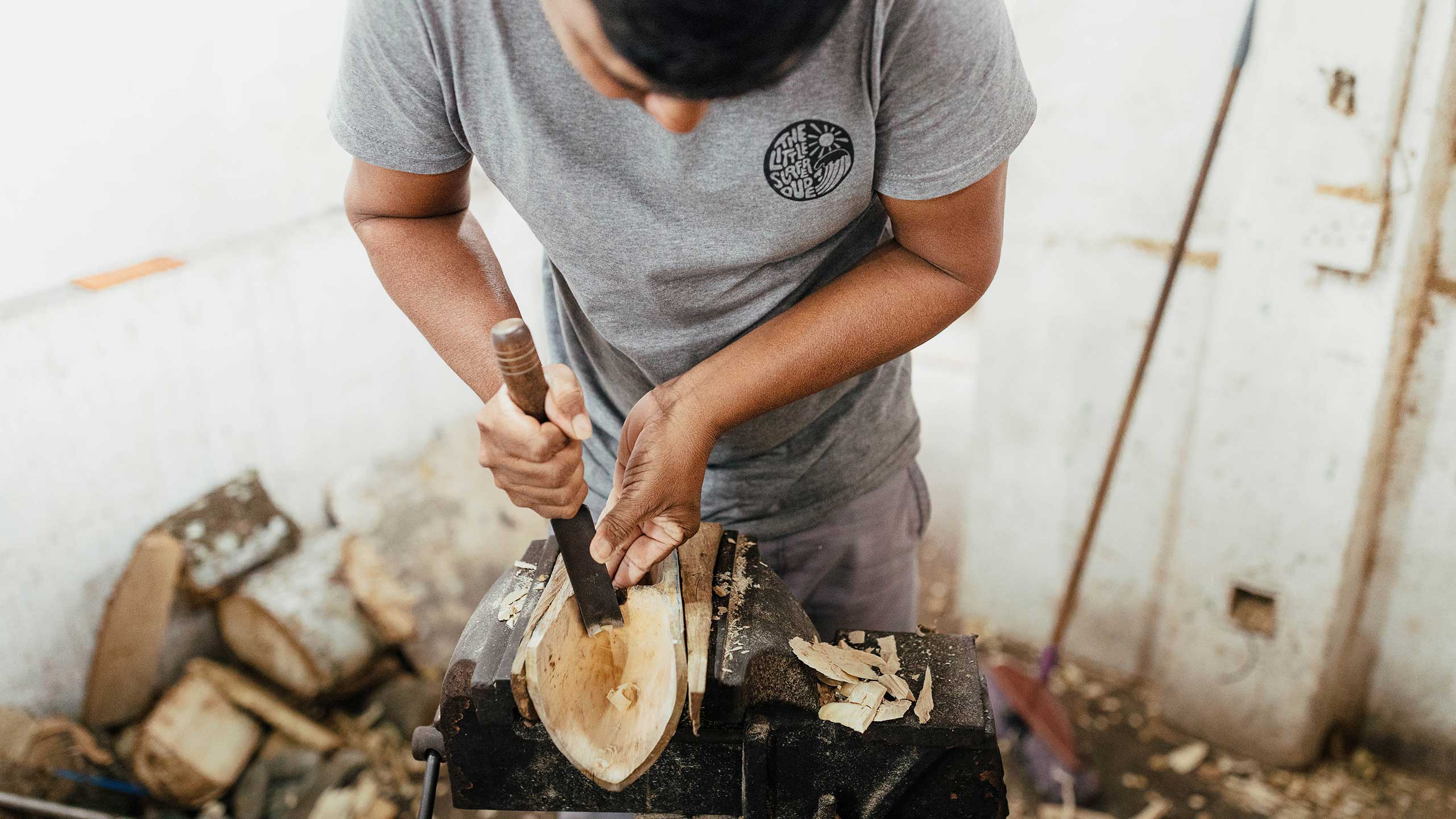
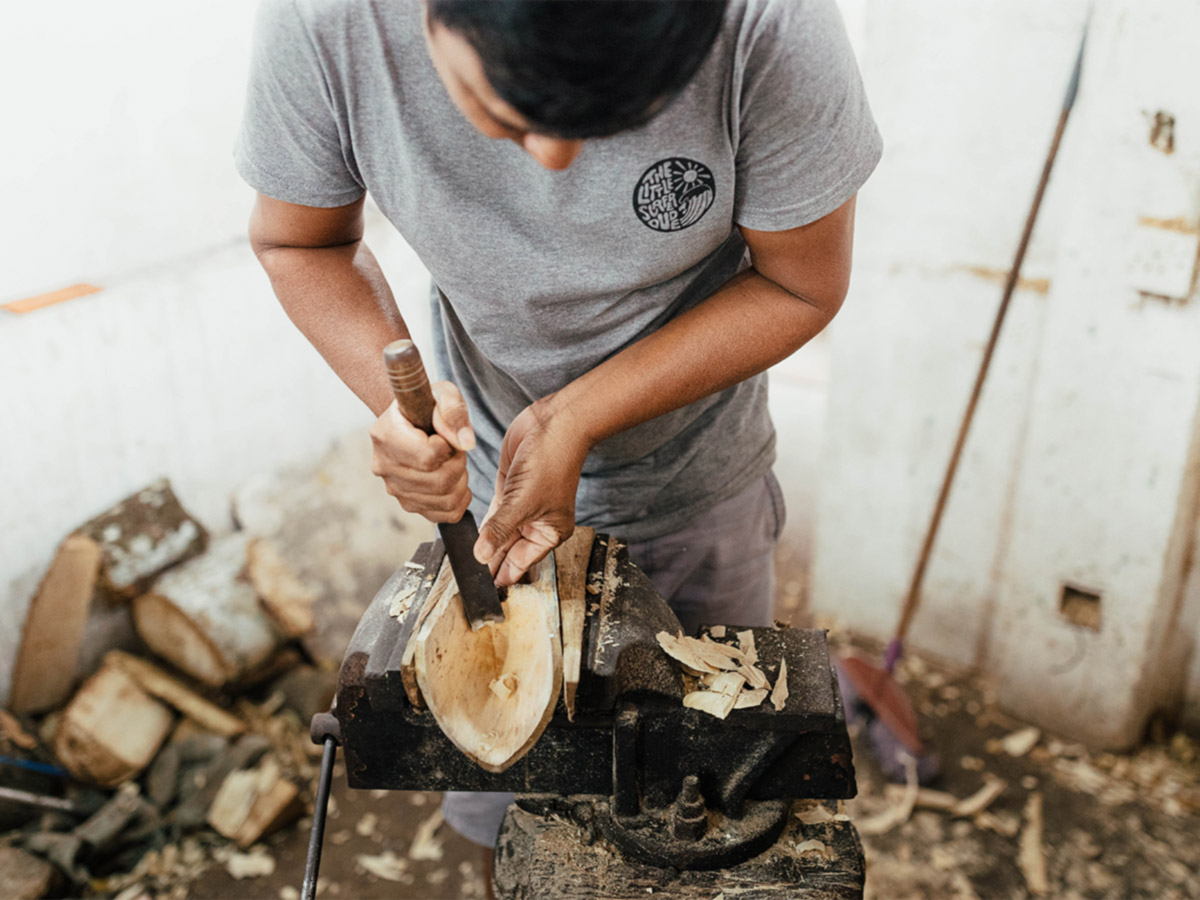
Traditional Mask Making
Learn the ancient art of Sri Lankan mask making during this 3-hour workshop at a hidden art gallery within Galle Fort, where your host guides you through creating your own traditional mask.
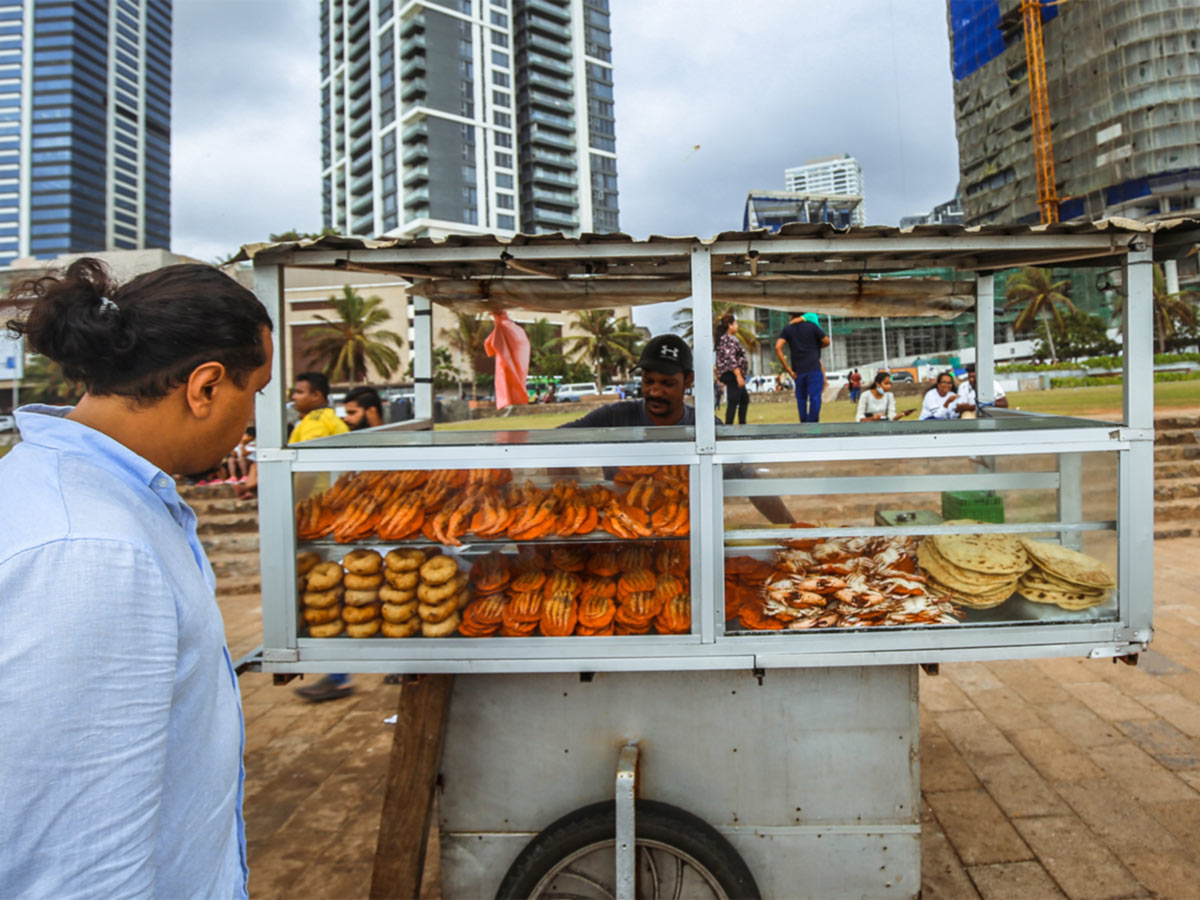
Colombo, Sri Lanka
Snack and Sip Like A Sailor
Once a bustling international trading port, Colombo welcomed sailors and settlers from all corners of the world, each leaving their mark on Sri Lanka’s diverse cuisine.
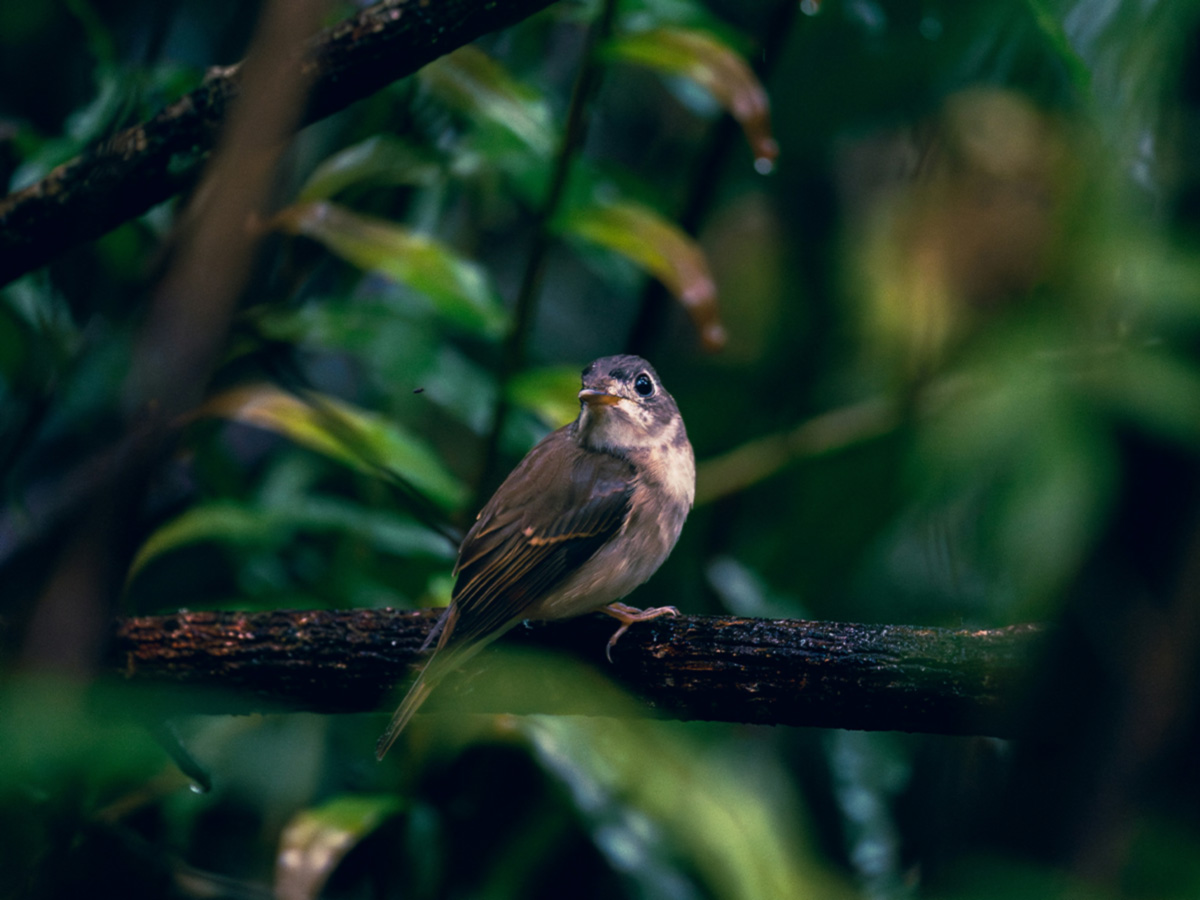
Sinharaja, Sri Lanka
Sinharaja
Explore Sri Lanka's last primary rainforest, Sinharaja, with your chauffeur-guide.
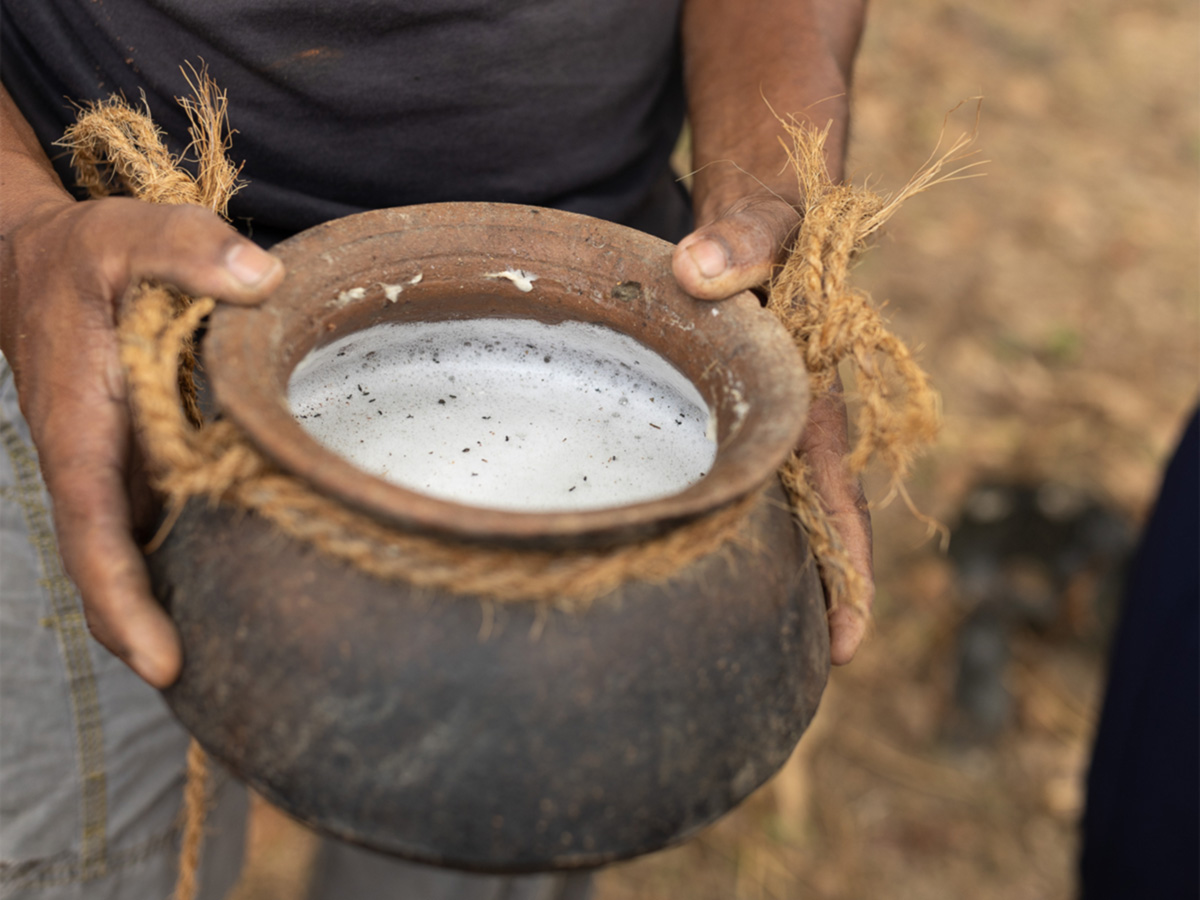
Galle, Sri Lanka
Scent of Toddy
Today you'll enjoy a unique village experience, learning about very typical southern cultivation of both toddy and cinnamon.
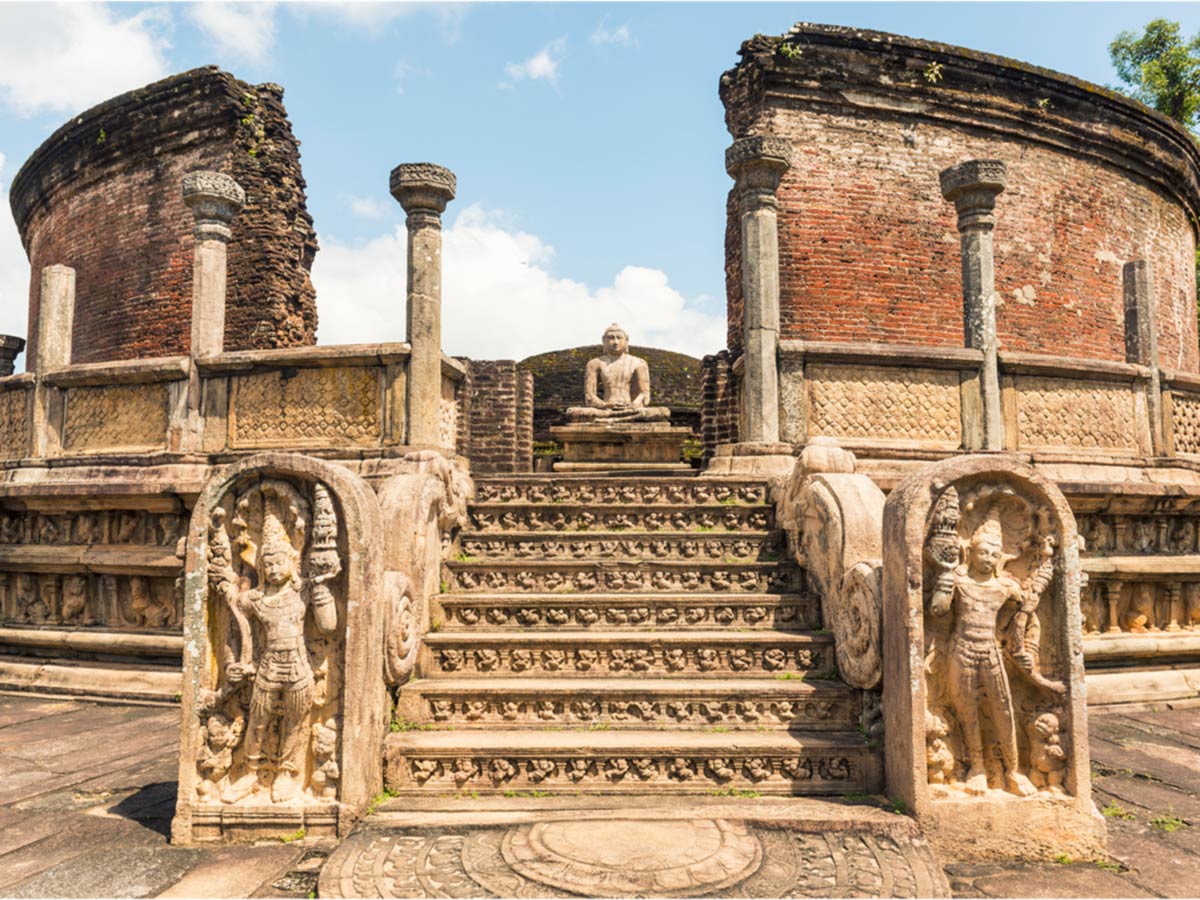
Polonnaruwa, Sri Lanka
Polonnaruwa by Bicycle
Explore the ancient ruins of Polonnaruwa on a 3.5-hour bicycle ride through this UNESCO World Heritage Site, where you'll cycle past remnants of Sri Lanka's medieval capital whilst learning about its history from a local resident who calls this archaeological site home.


Choose your adventure
Speak to one of our team to get started. After all, your travel journal won’t write itself.