Learn more
Culture and History in Sri Lanka
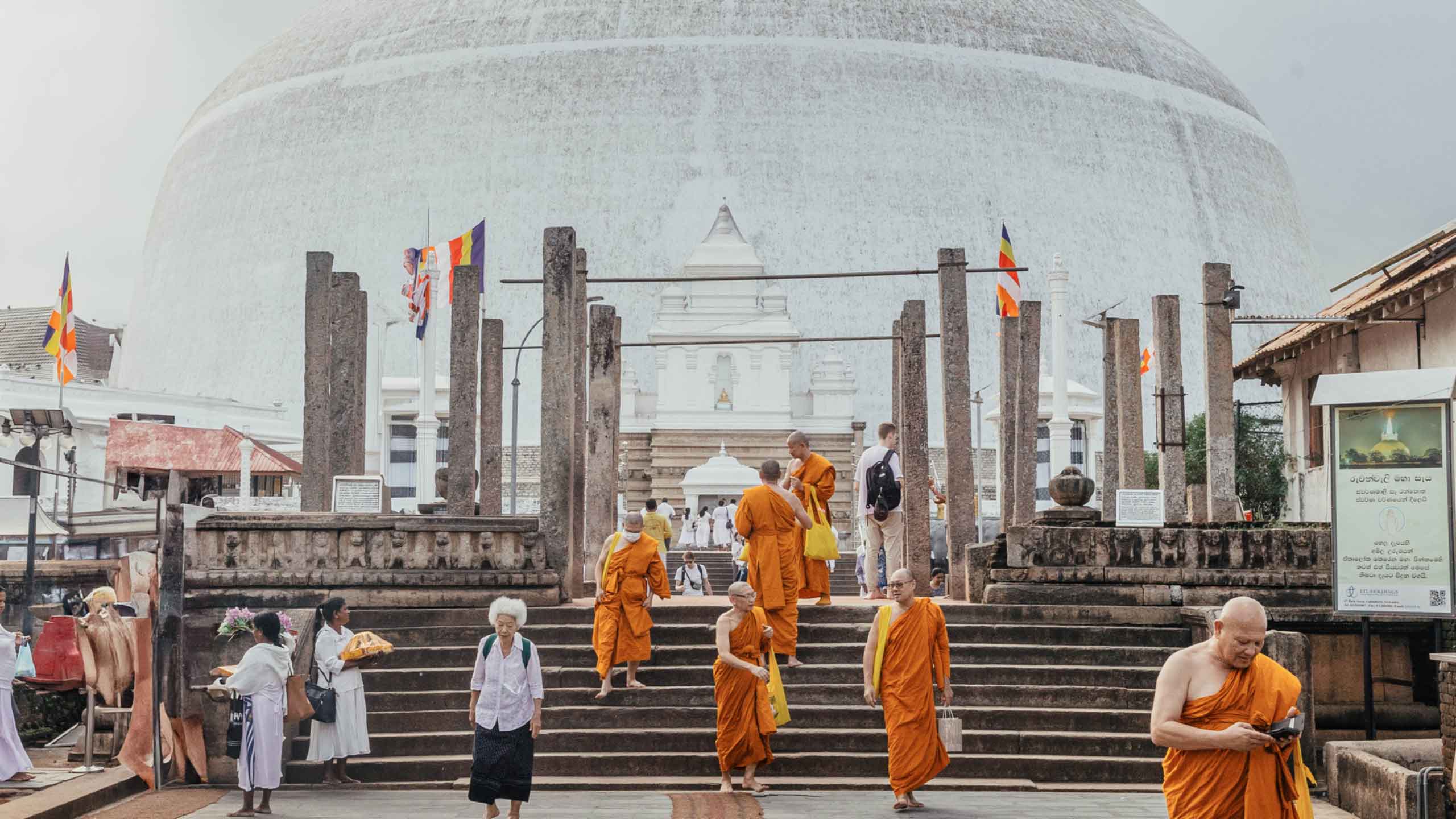
The island’s ancient cities, religious monuments, and archaeological sites bear witness to a civilization that was both advanced and deeply connected to the wider region. Home to six UNESCO World Heritage Sites— including the sacred city of Anuradhapura, the rock fortress of Sigiriya and the temple complex of Kandy—Sri Lanka’s remarkable concentration of globally recognized heritage stands out for a country just over 65,000 square kilometres in size.
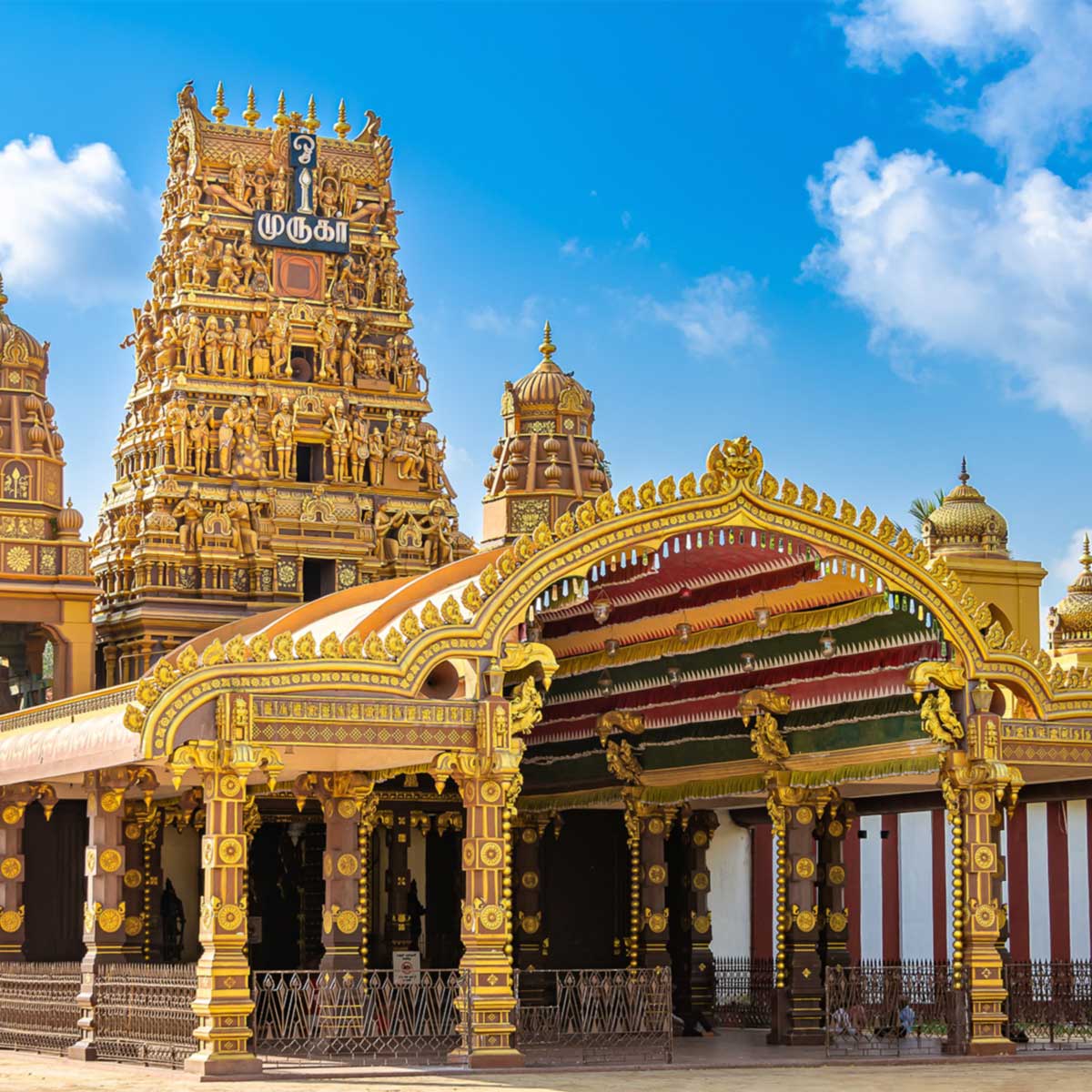
Spanning over two millennia, its history has been shaped by the rise and fall of powerful kingdoms, the spread of Buddhism, waves of South Indian influence and colonial encounters with the Portuguese, Dutch and British. The result is a cultural landscape that is both diverse and profoundly layered. Sri Lanka’s religious plurality, Buddhism, Hinduism, Islam and Christianity, manifests not only in its architecture but also in its festivals, rituals and daily life.
For travellers with a genuine interest in ancient history, archaeology and cross-cultural exchange, Sri Lanka offers a uniquely rich and rewarding experience, one that stands confidently among the world’s most renowned cultural destinations.
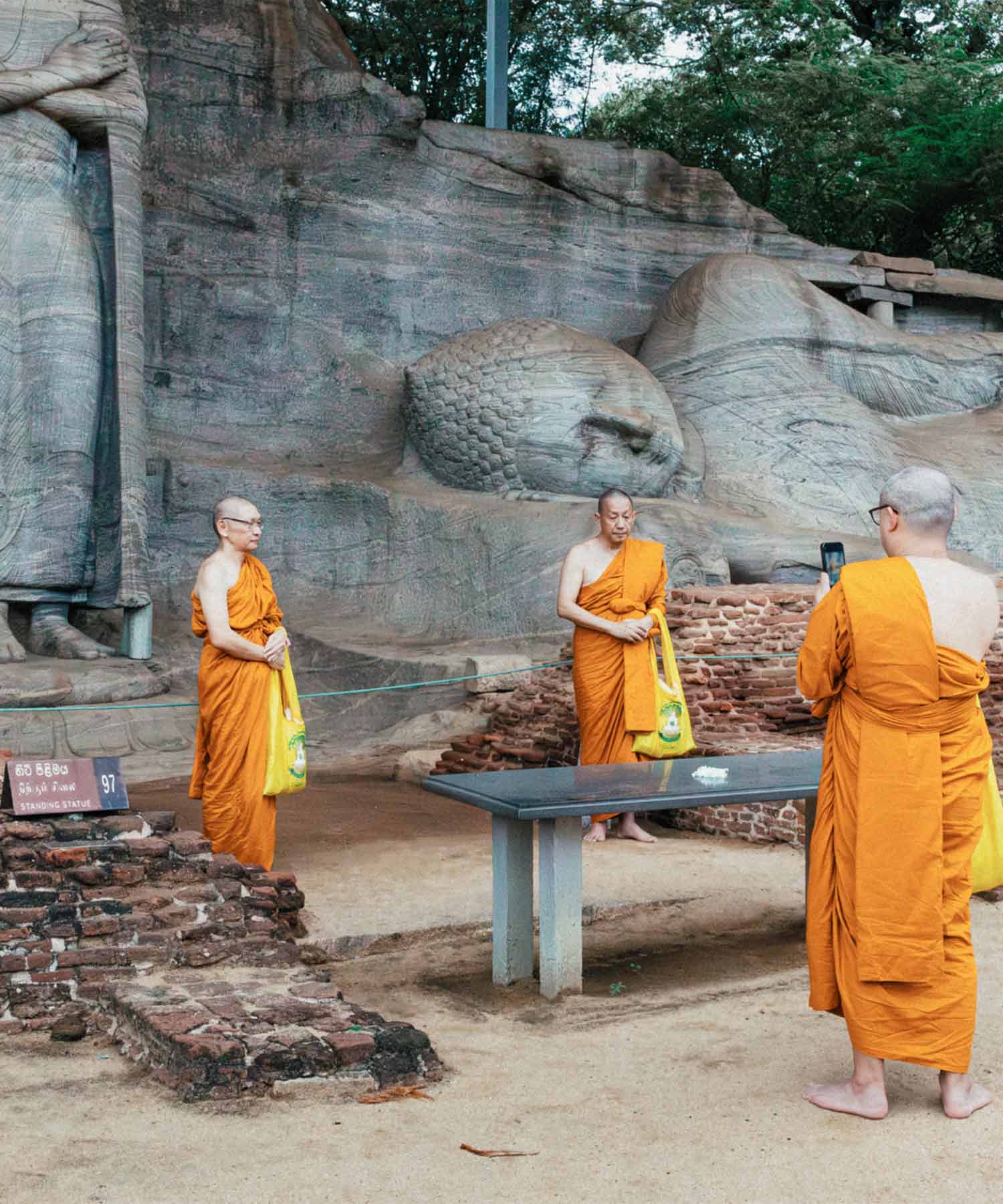
Buddhism in Sri Lanka
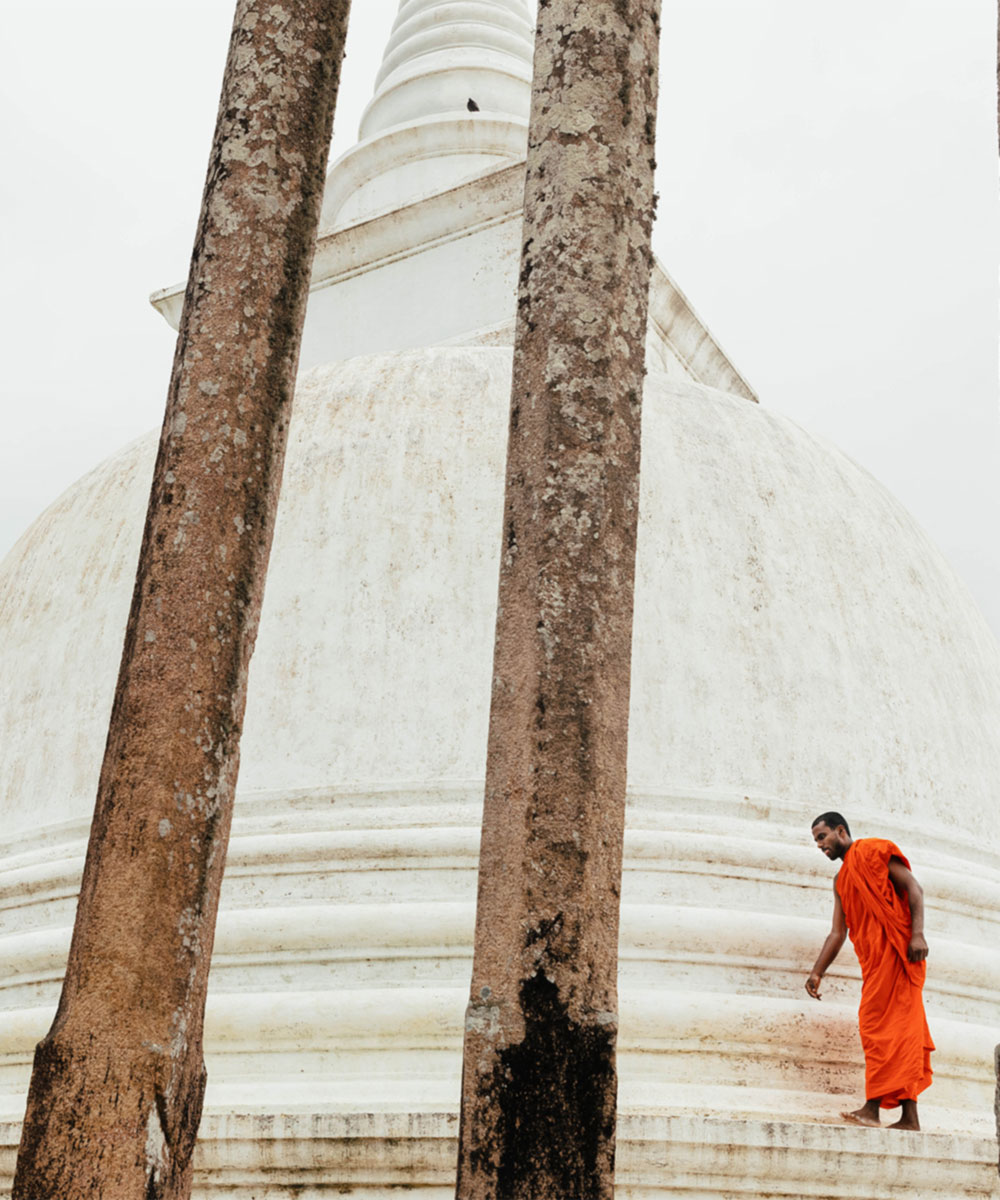
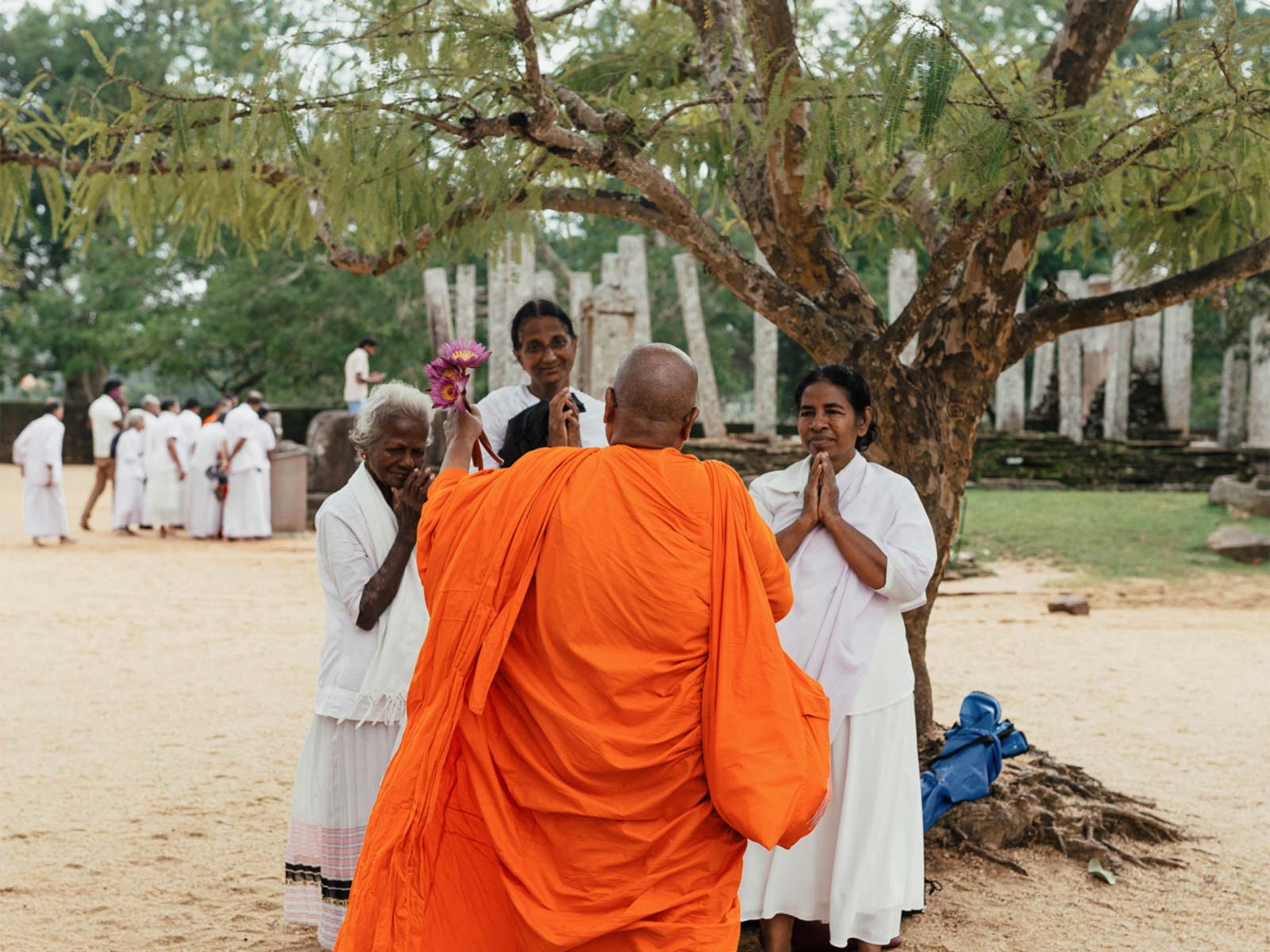
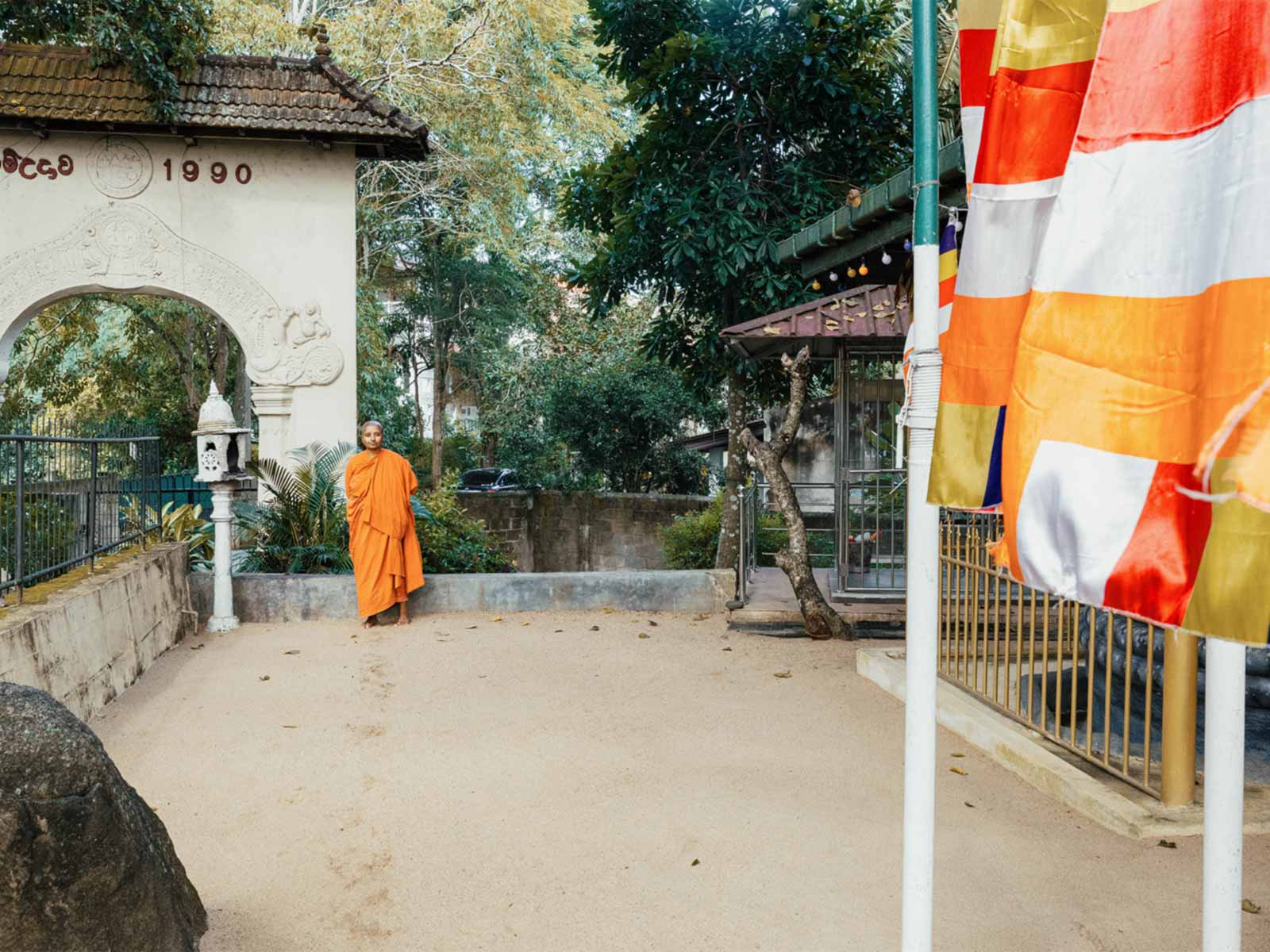
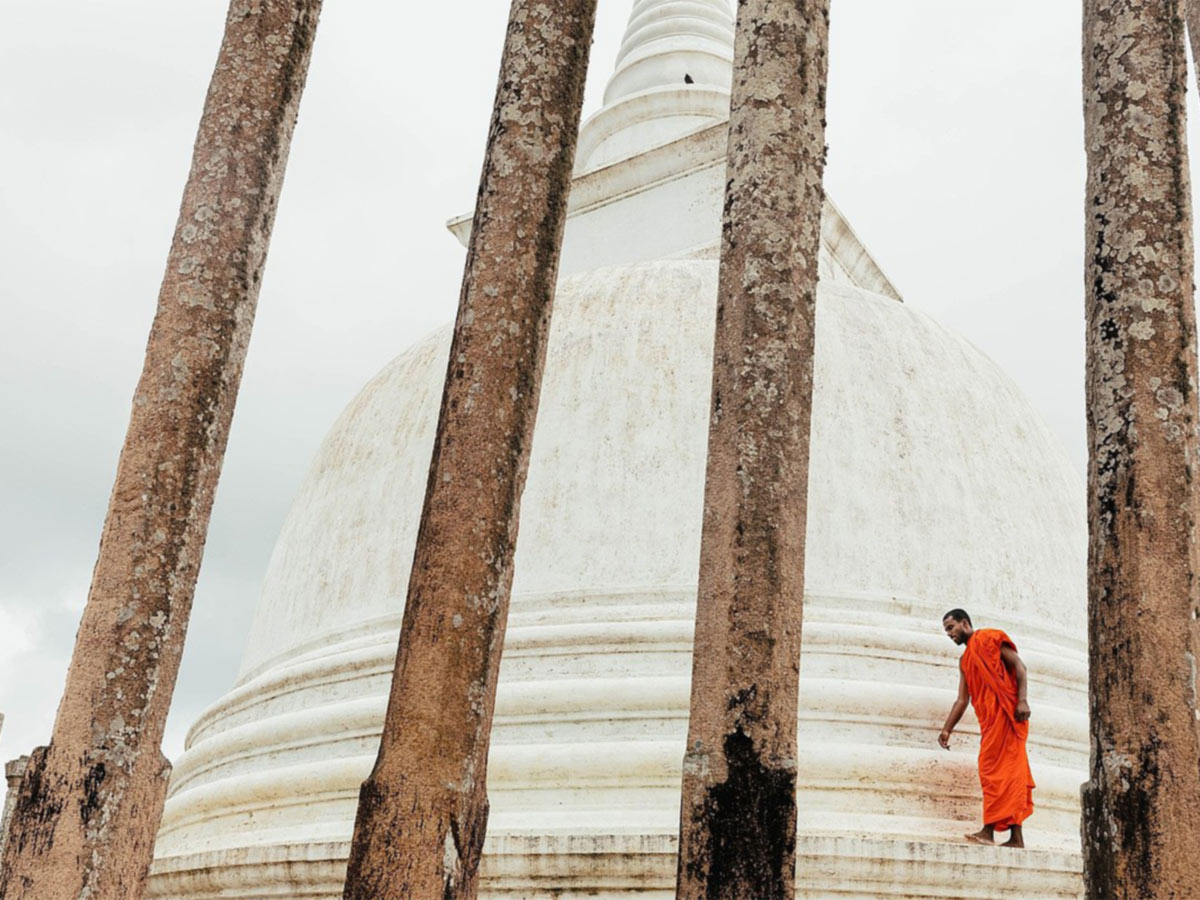
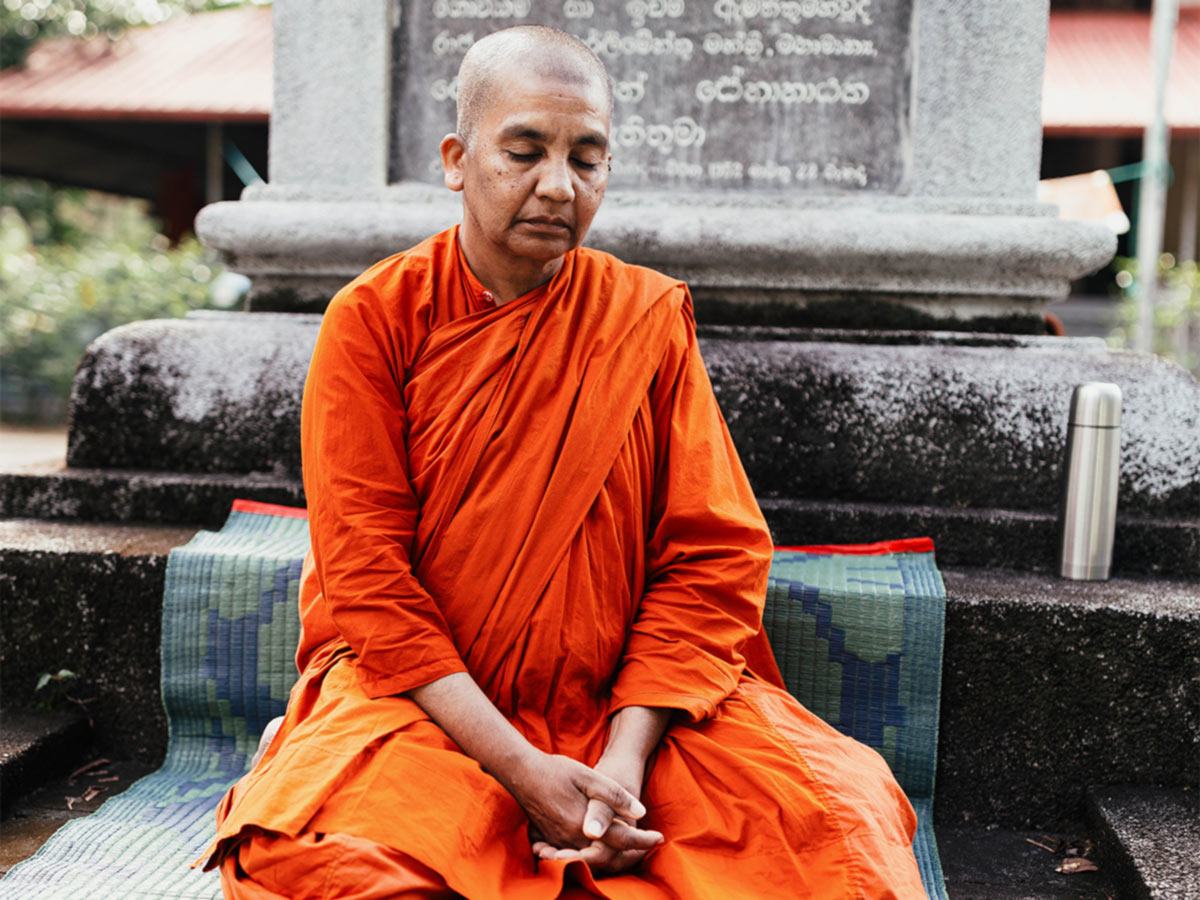
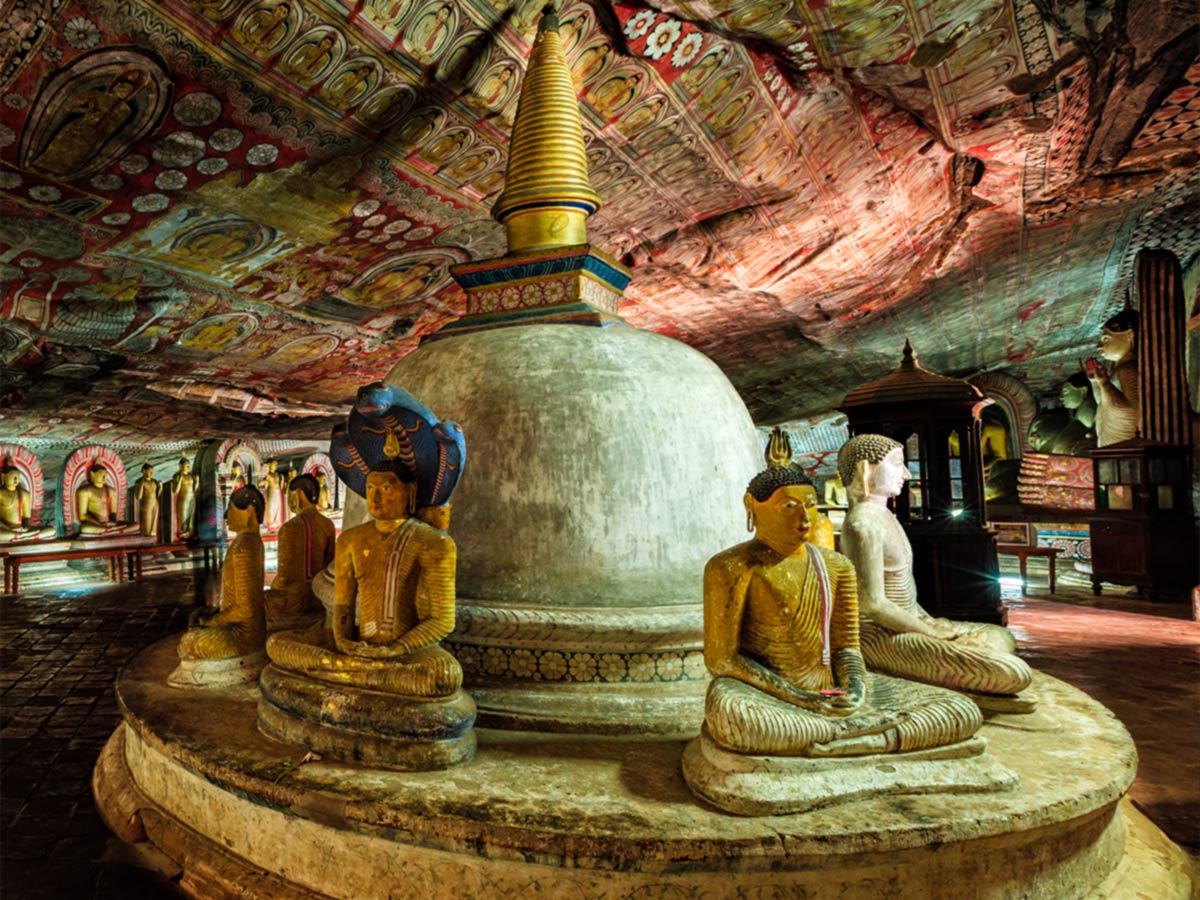
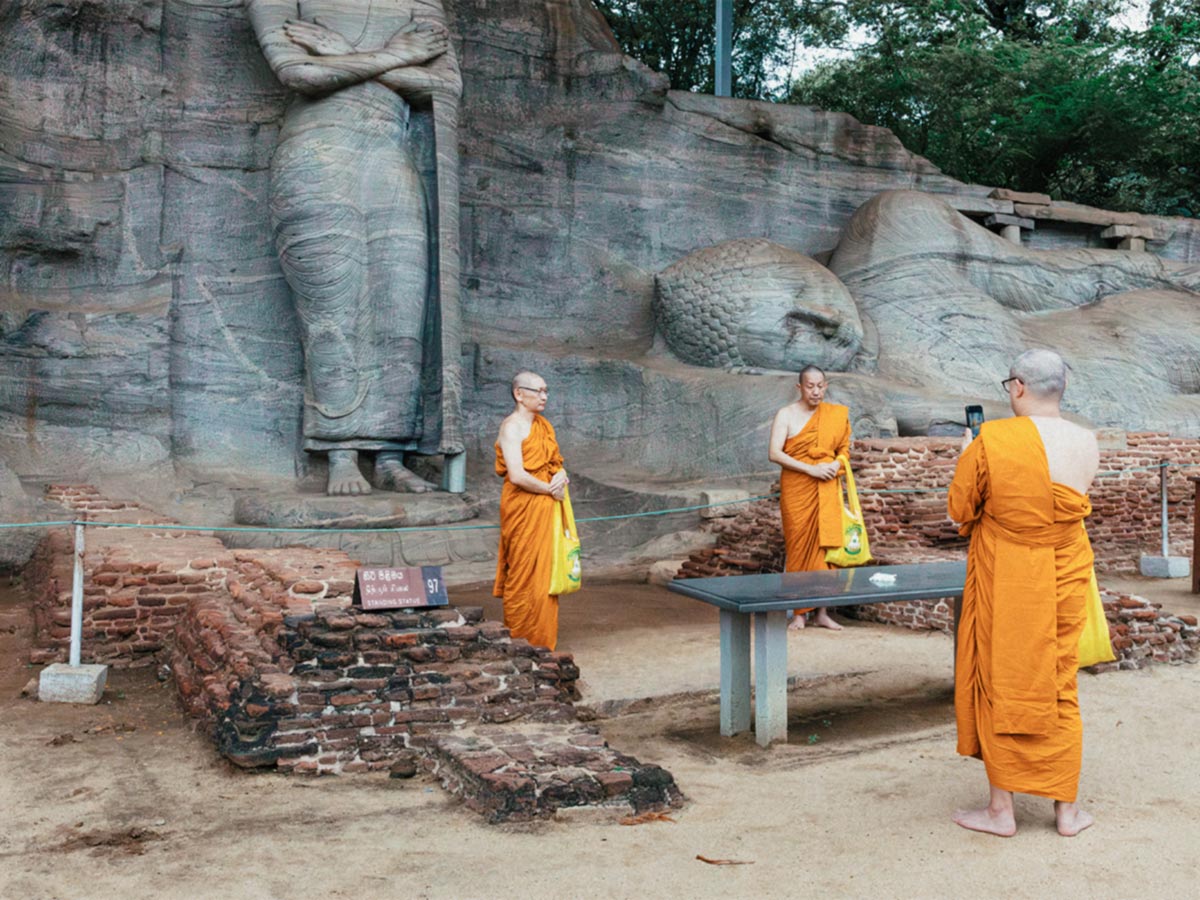
Buddhism in Sri Lanka boasts a rich history that spans over 2,300 years, making it one of the world’s oldest continuous Buddhist traditions.
Introduced in the 3rd century BCE by Mahinda, the son of the Indian Emperor Ashoka, Buddhism quickly became deeply embedded in Sinhalese culture and identity. The island is home to Theravada Buddhism, the most orthodox school of the tradition, with the sacred Temple of the Tooth in Kandy housing one of Buddhism’s most revered relics, a tooth of the Buddha.
Throughout history, Sri Lankan Buddhism has played a central role in the country’s politics, education and social life. The island preserved important Buddhist texts, such as the Pali Canon, and became a hub for Buddhist scholarship and pilgrimage.
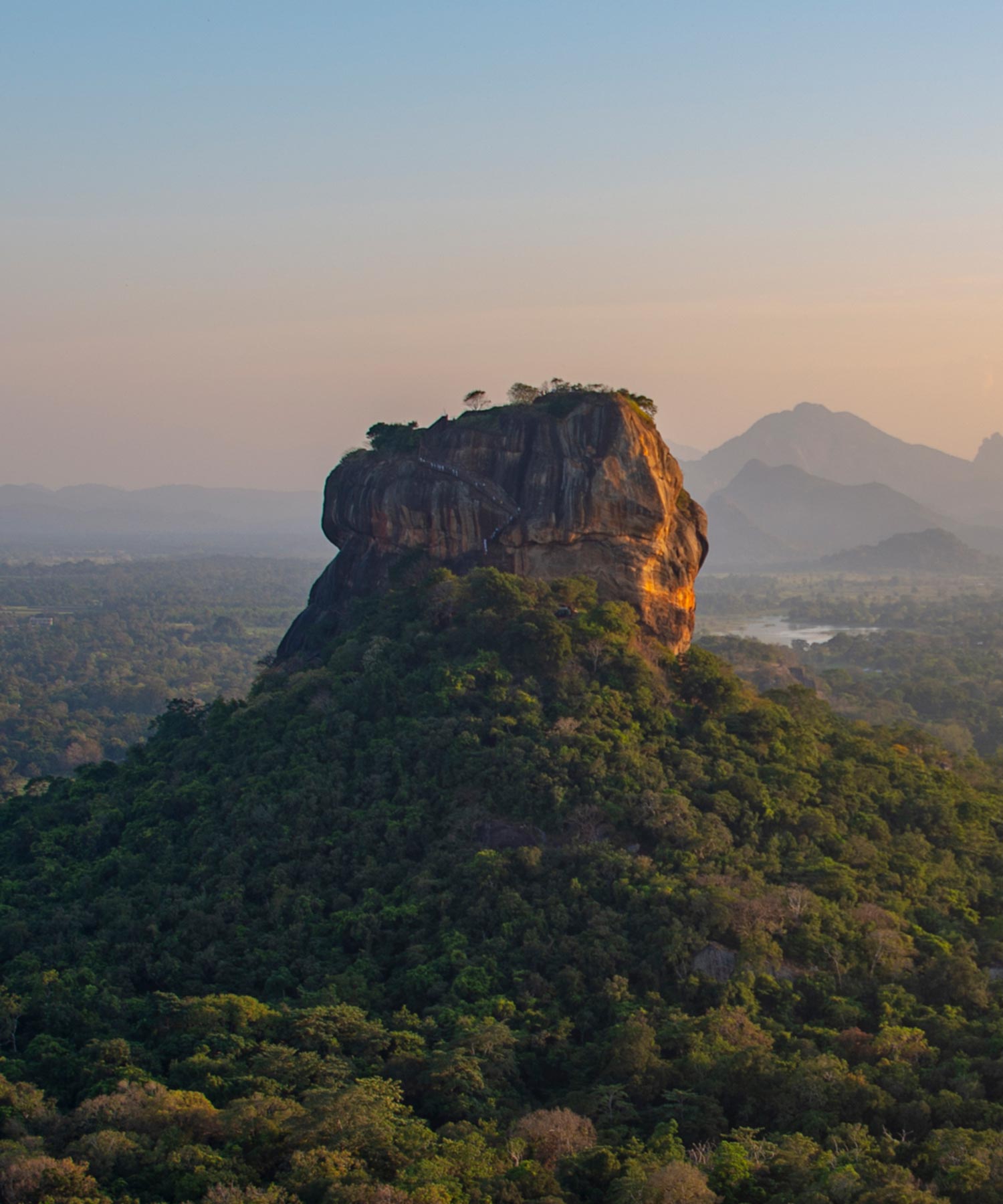
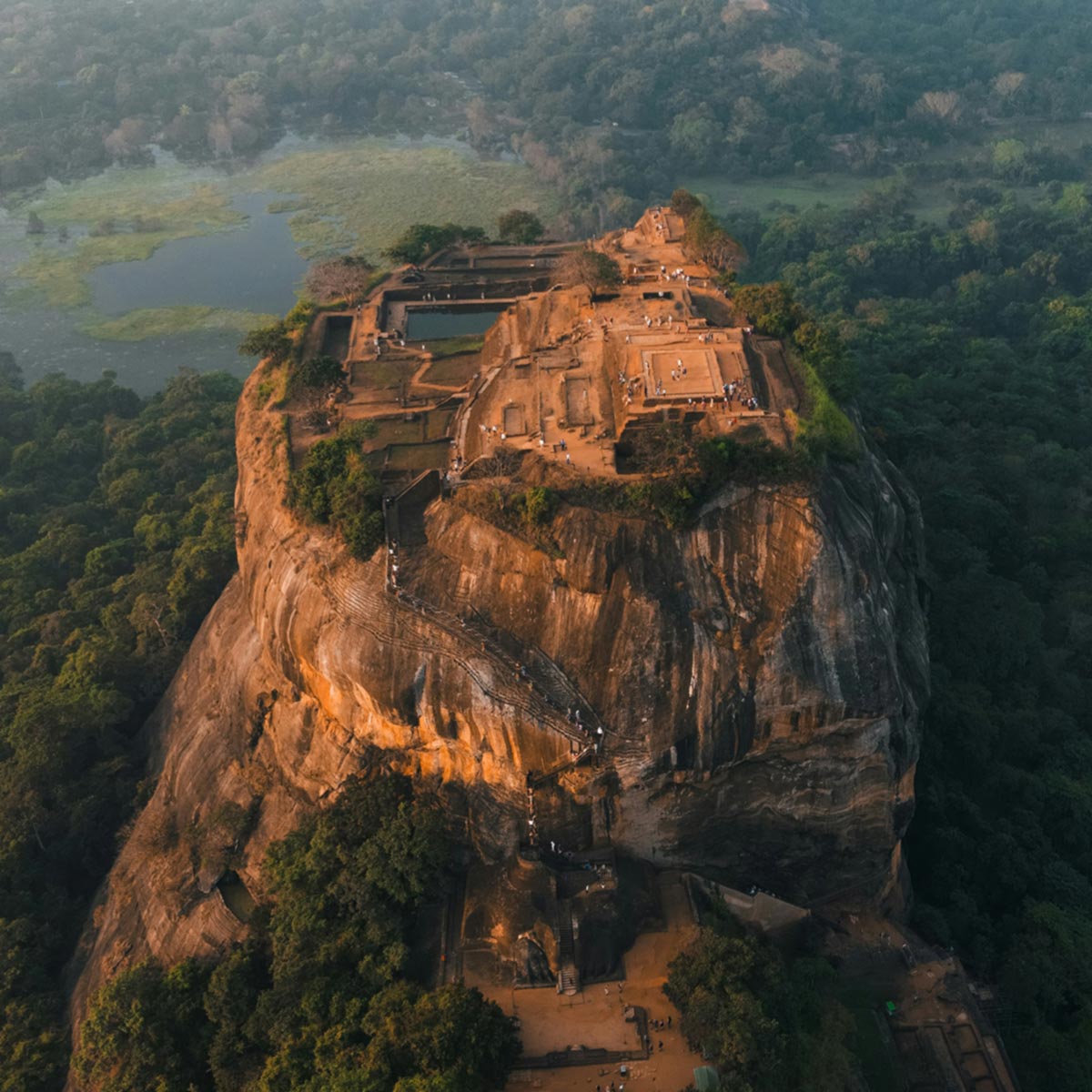
Sigiriya Rock
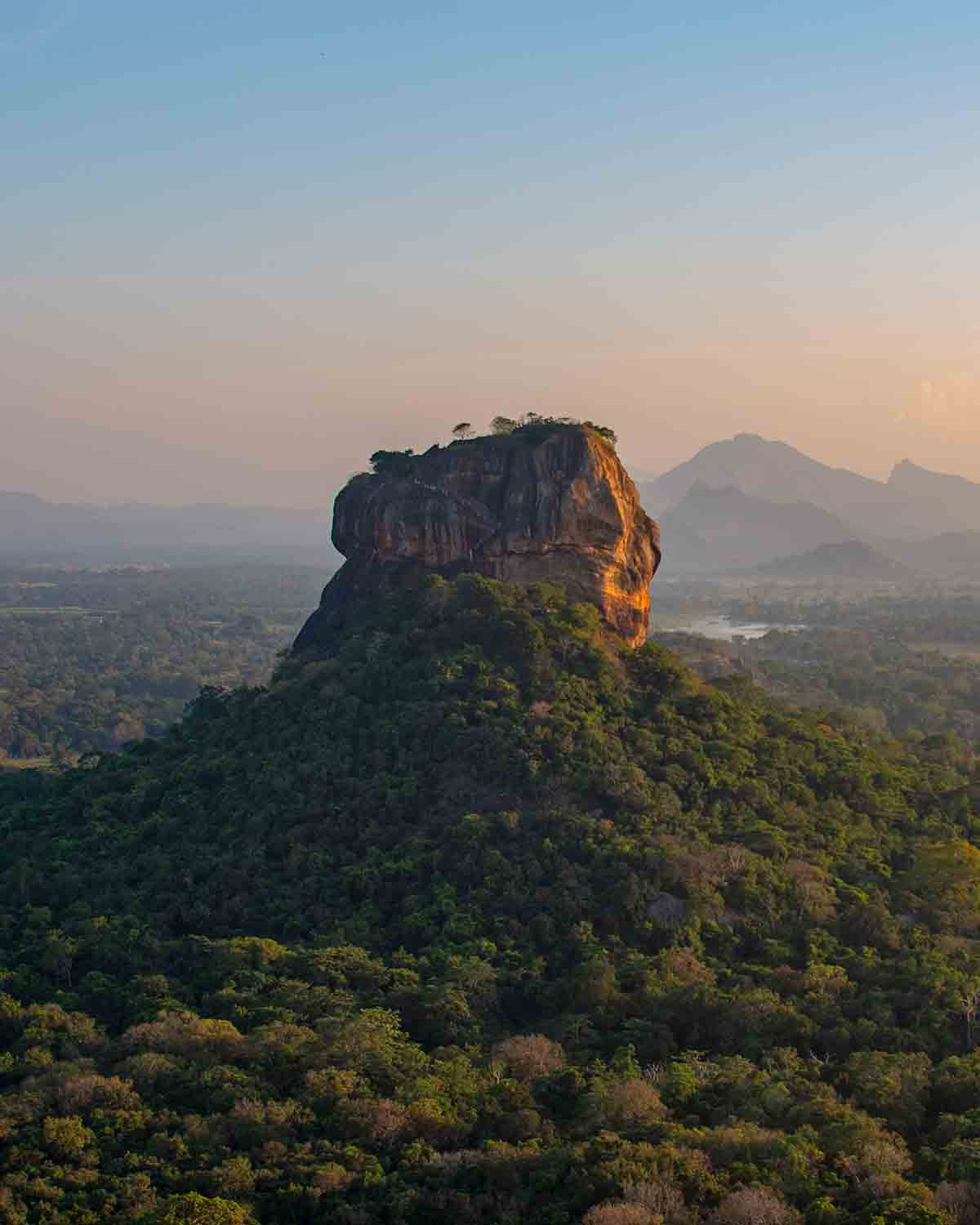
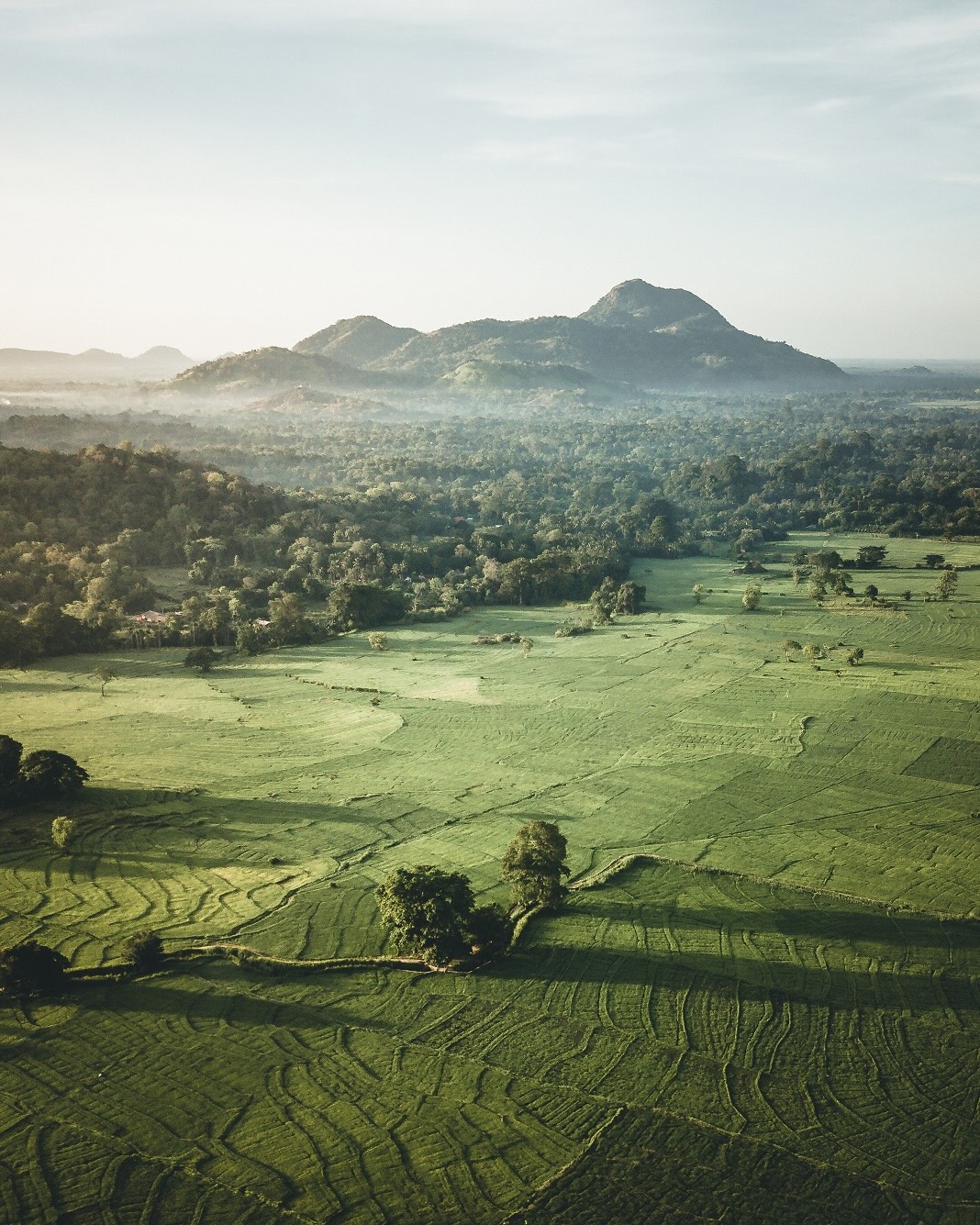
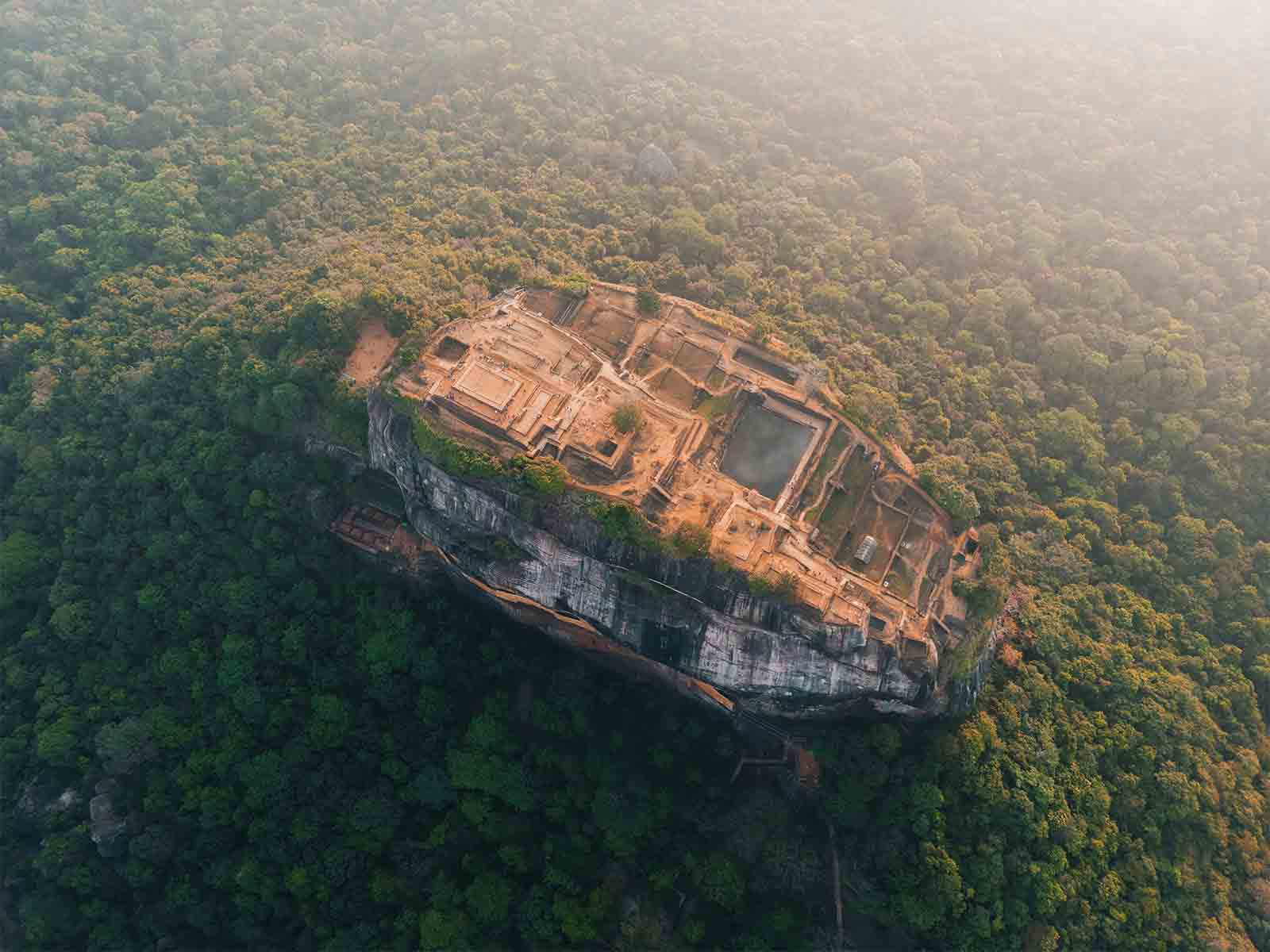
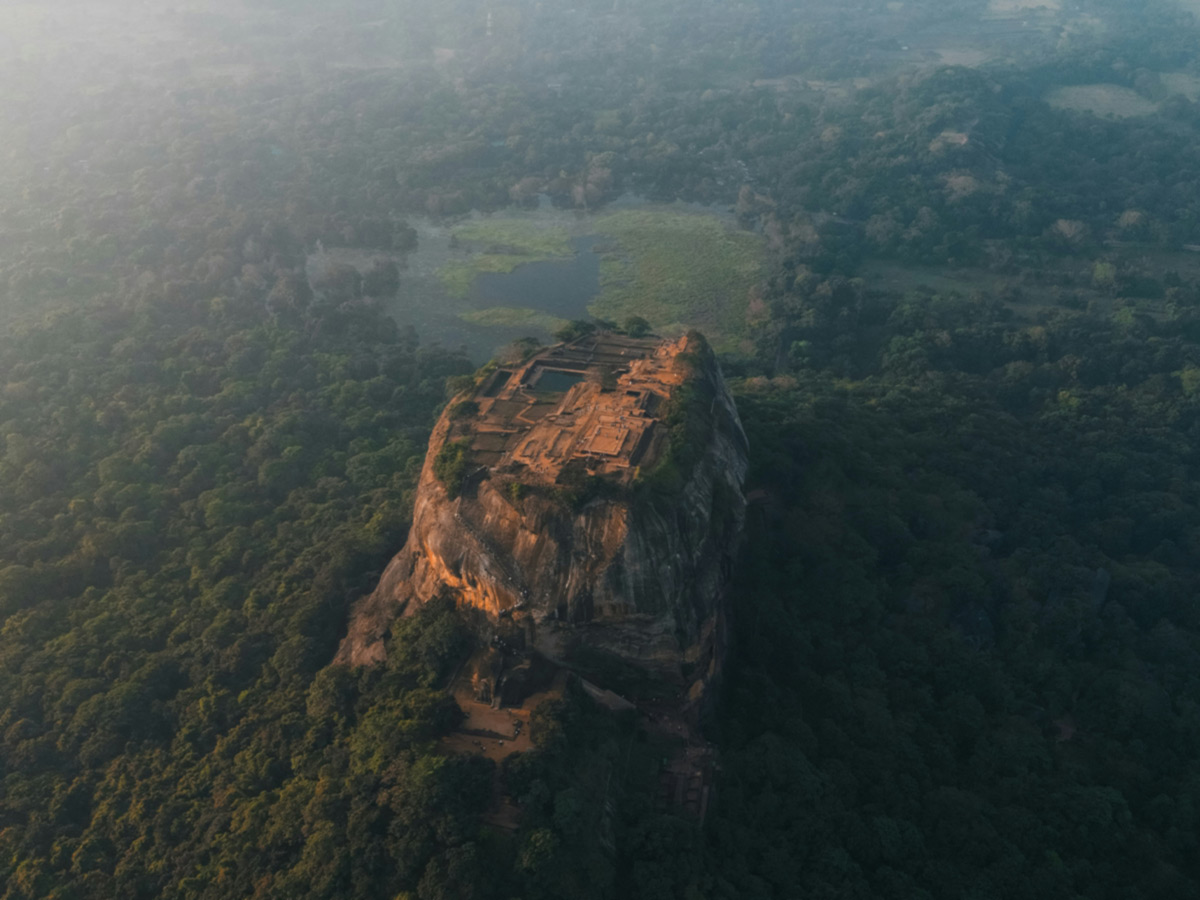
Sigiriya rises dramatically from Sri Lanka's emerald plains, its ancient stone walls climbing 200 meters into the humid air. Halfway up, fifth-century frescoes emerge from rock alcoves, celestial figures carved directly into the living stone, with painted eyes that seem to follow climbers ascending weathered staircases.
King Kashyapa’s ambitious vision unfolds at every level. Below, geometric water gardens stretch across the landscape, their functional channels a testament to hydraulic engineering that has endured for over fifteen centuries. Massive lion paws frame the upper path, where a colossal sculpture once guarded the royal entrance, weathered claws still commanding respect. At the summit, foundation stones mark the site of the king's palace, which once offered panoramic views of jungle and distant mountains.
The wind moves through the ruins, carrying the echoes of a civilization that transformed an impossible rock outcrop into a citadel where ancient engineering meets enduring artistry.
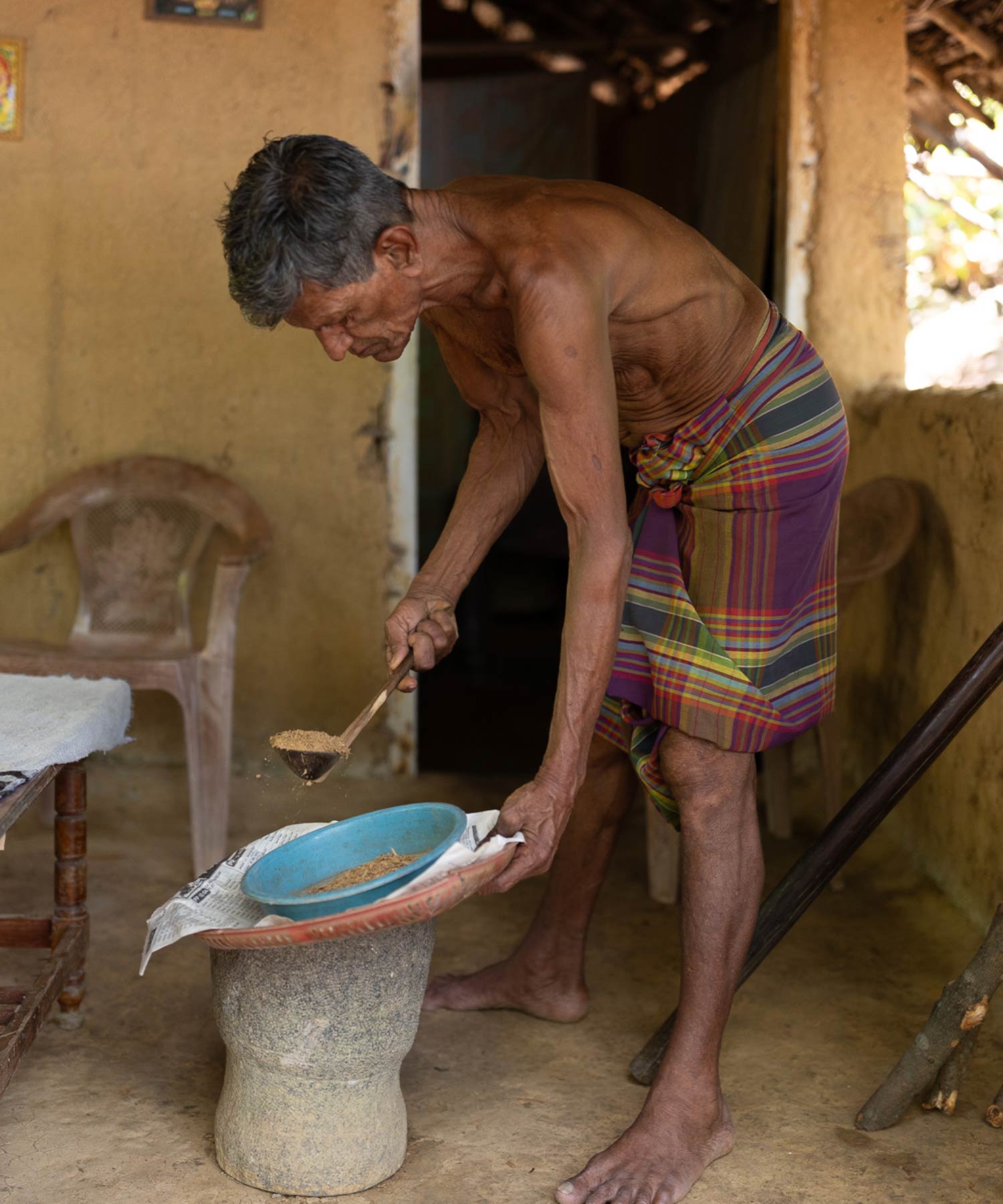
Cinnamon Planters
Cinnamon is one of Sri Lanka’s most prized spices, with the island producing the world’s finest ‘true cinnamon’ for over 2,000 years. This sweet, delicate spice is harvested from the inner bark of evergreen trees that flourish in the humid coastal regions around Colombo and Galle.
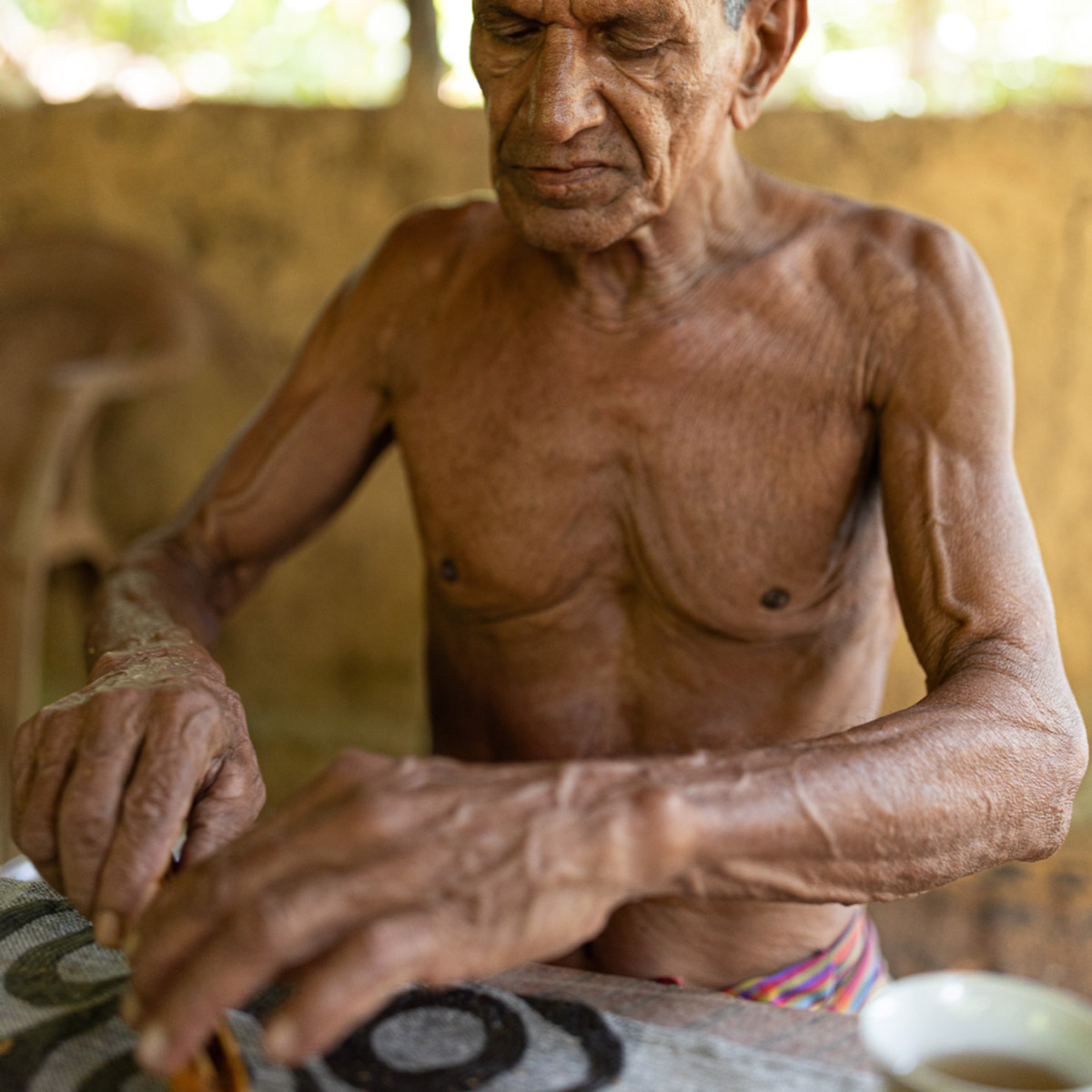
The art of cinnamon cultivation is a skilled craft, passed down through generations of specialized families known as "chaliya" or cinnamon peelers. These artisans meticulously peel and scrape the inner bark, which naturally curls into the signature quill shape. Many families have maintained small plantations for centuries, using sustainable methods, and today they form cooperatives to preserve both their ancestral techniques and fair-trade practices.
Cinnamon remains a vital export and a cultural symbol of Sri Lanka's rich agricultural heritage. Let us know if you'd like to include a visit to a local plantation during your trip.
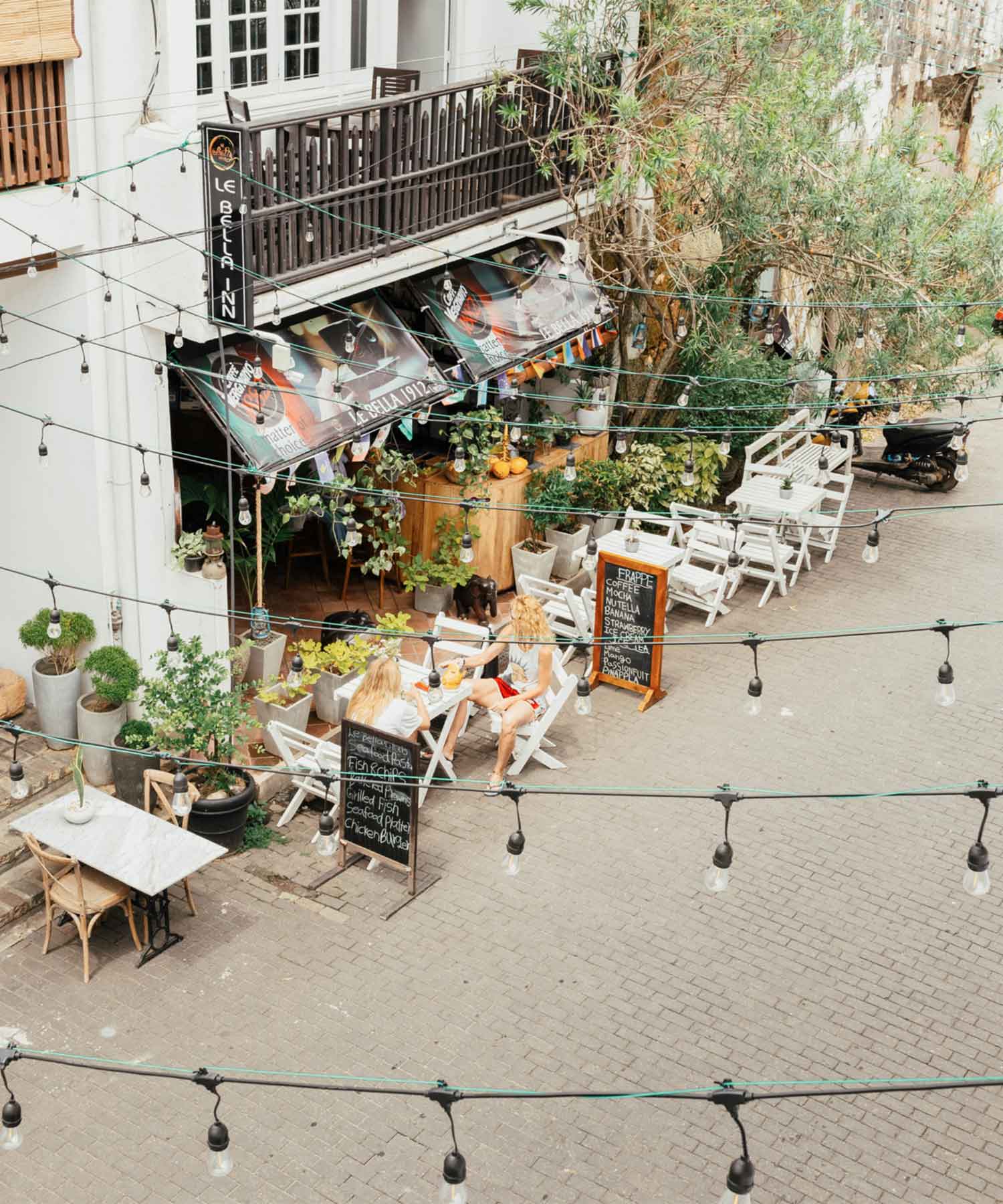
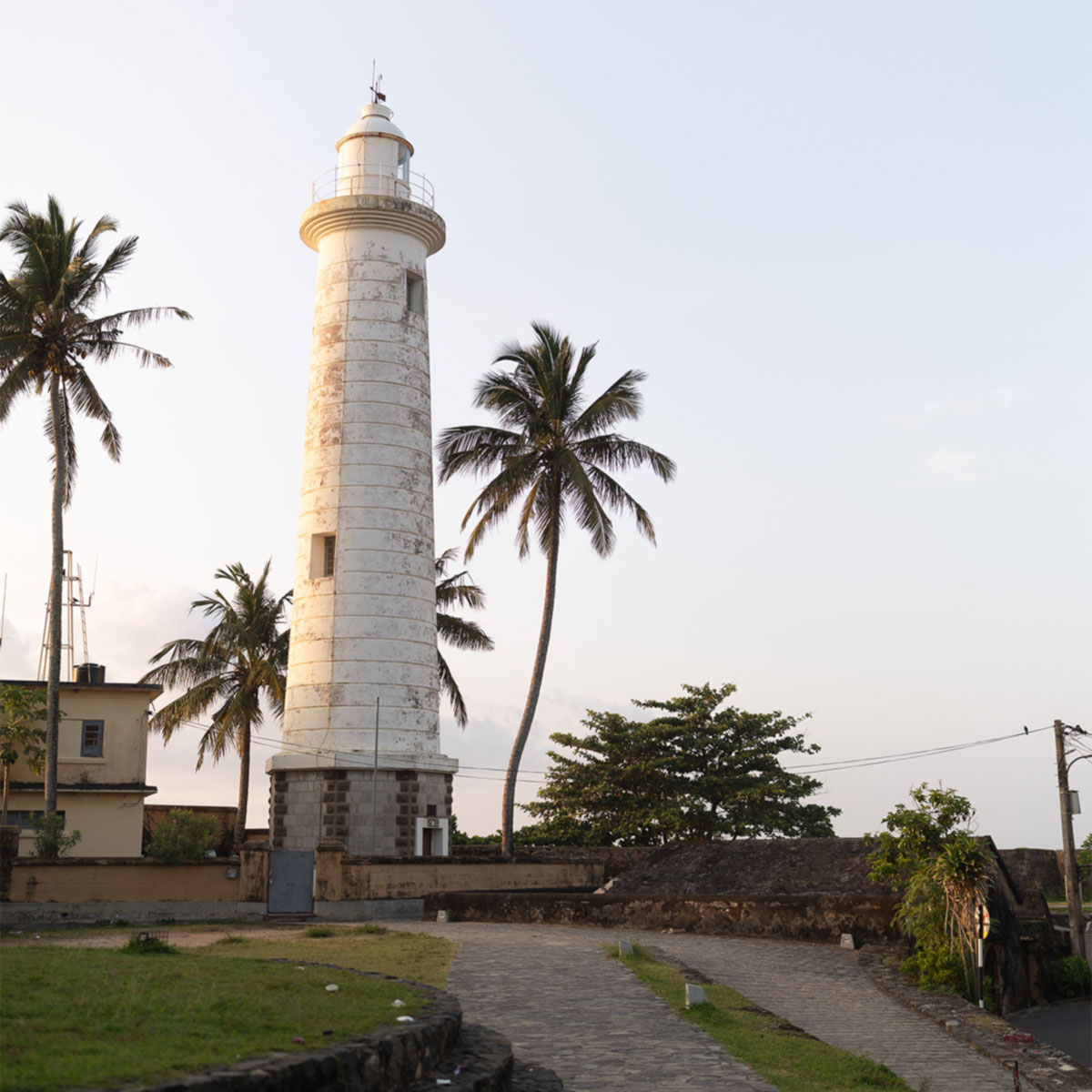
Galle
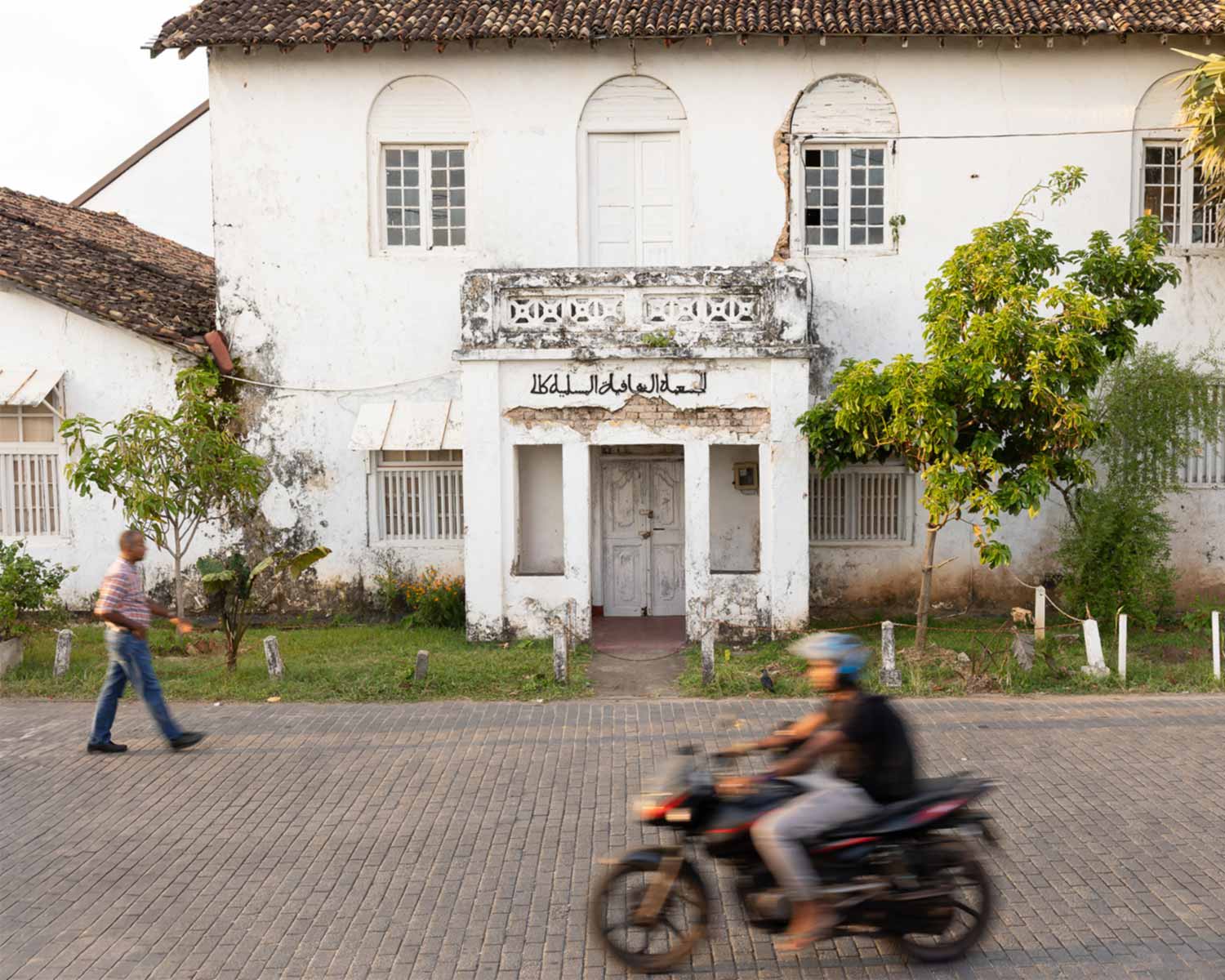
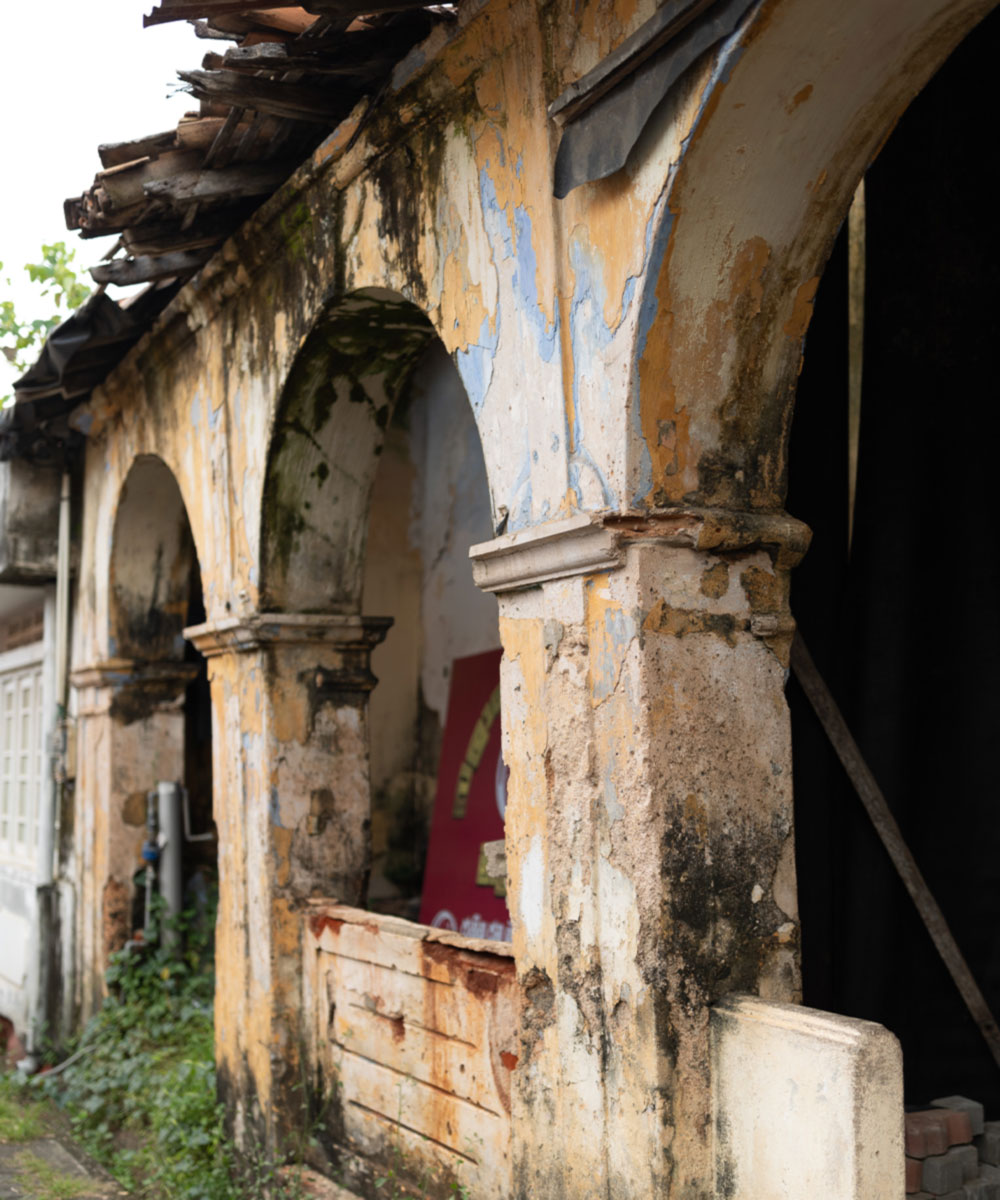
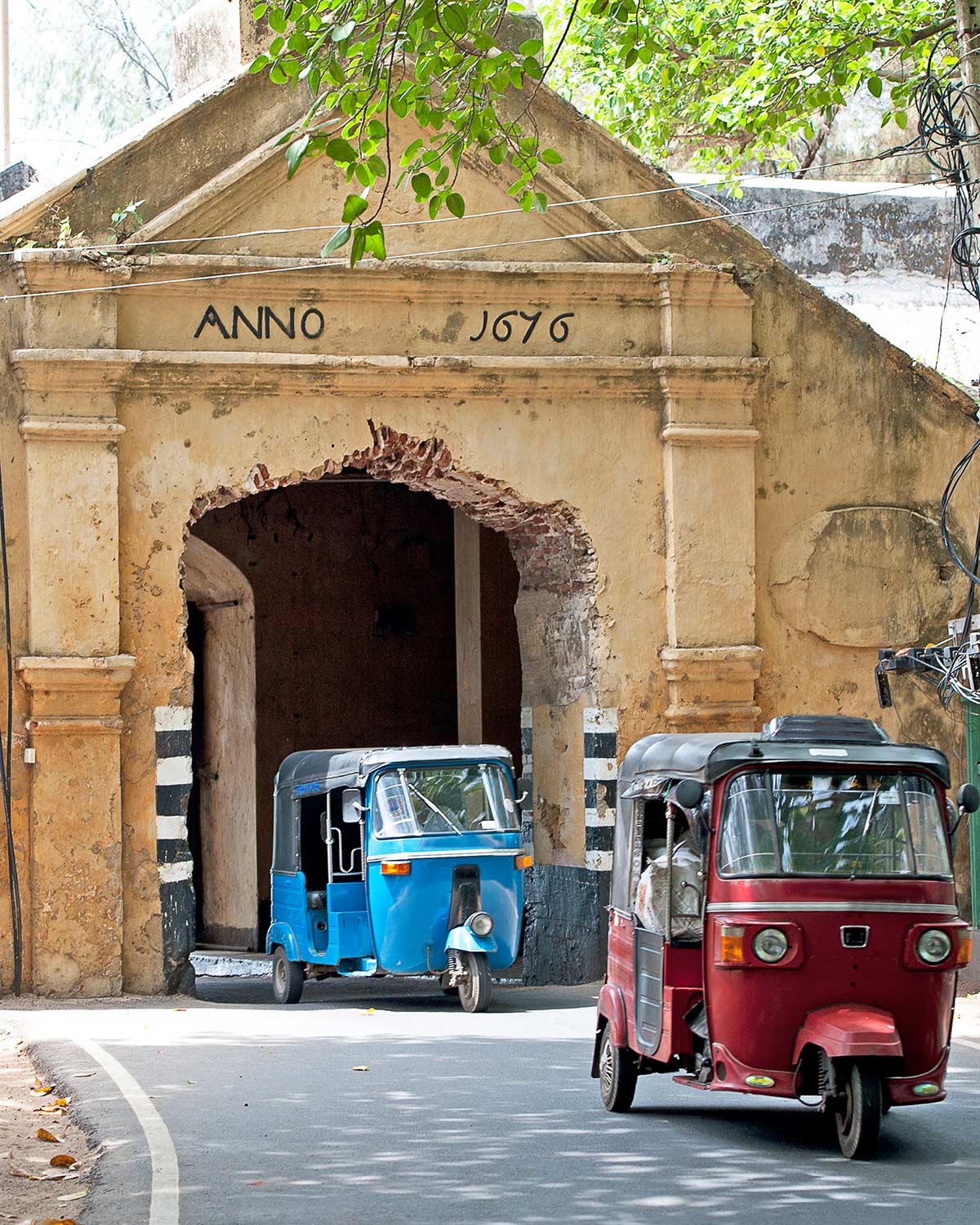
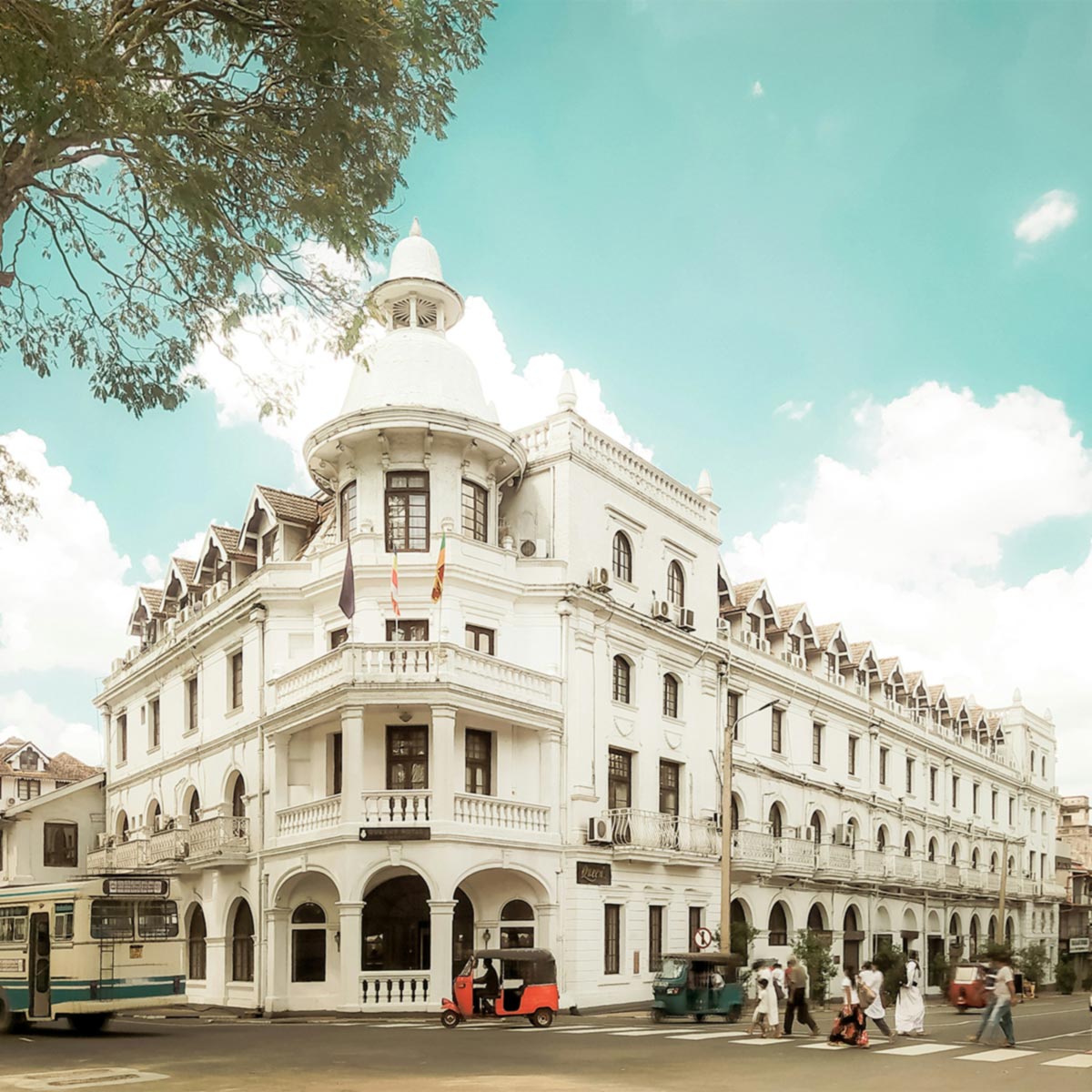
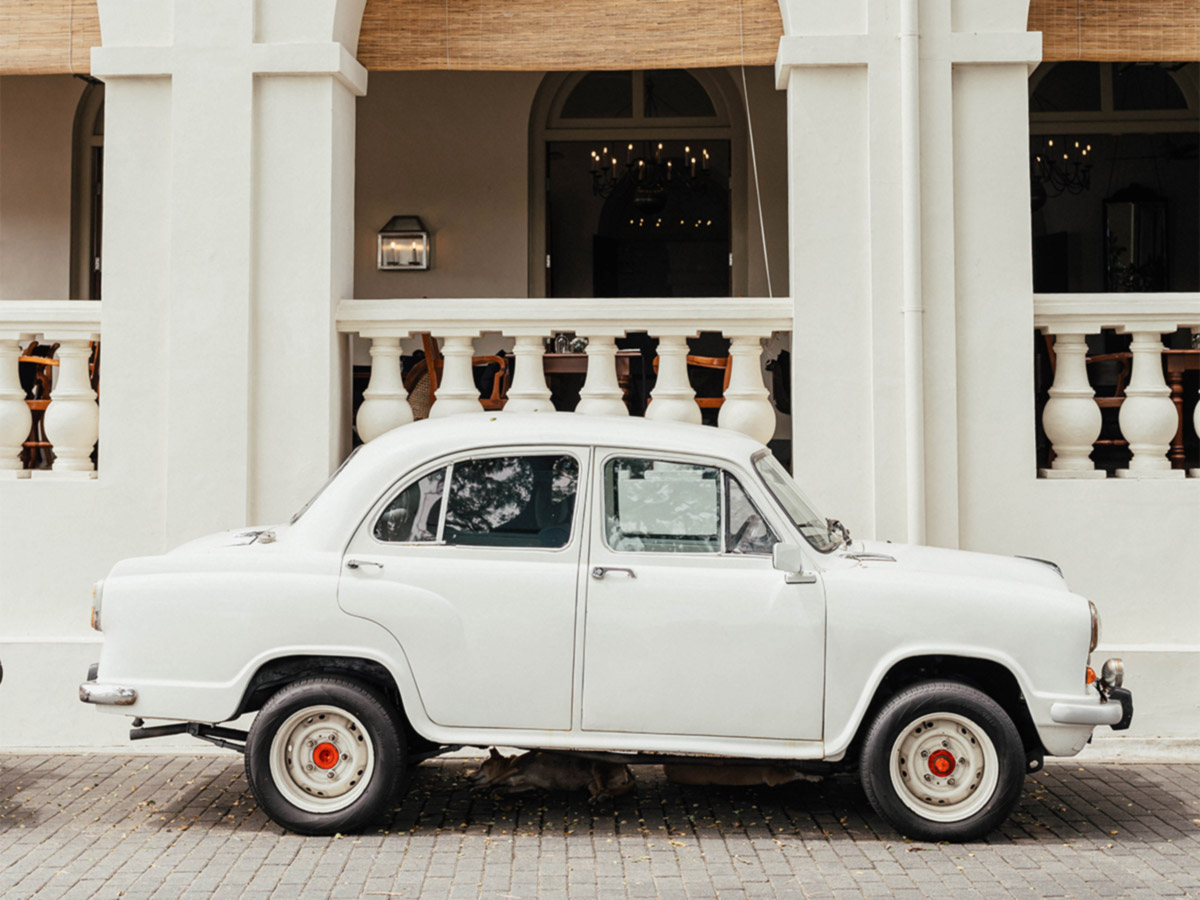
Galle is a historic coastal city in southern Sri Lanka, renowned for its UNESCO World Heritage-listed fort and well-preserved colonial architecture. Originally built by the Portuguese in the 16th century, the fort was extensively expanded by the Dutch from 1640 onwards and later modified by the British after 1796.
The fort is home to cobblestone streets, ramparts with stunning ocean views and colonial buildings that now house boutique hotels, cafes and galleries. We highly recommend exploring with our local host to gain an in-depth understanding of life within the fort.
Need a helping hand?
Whatever your passion, we make it happen.


Insights
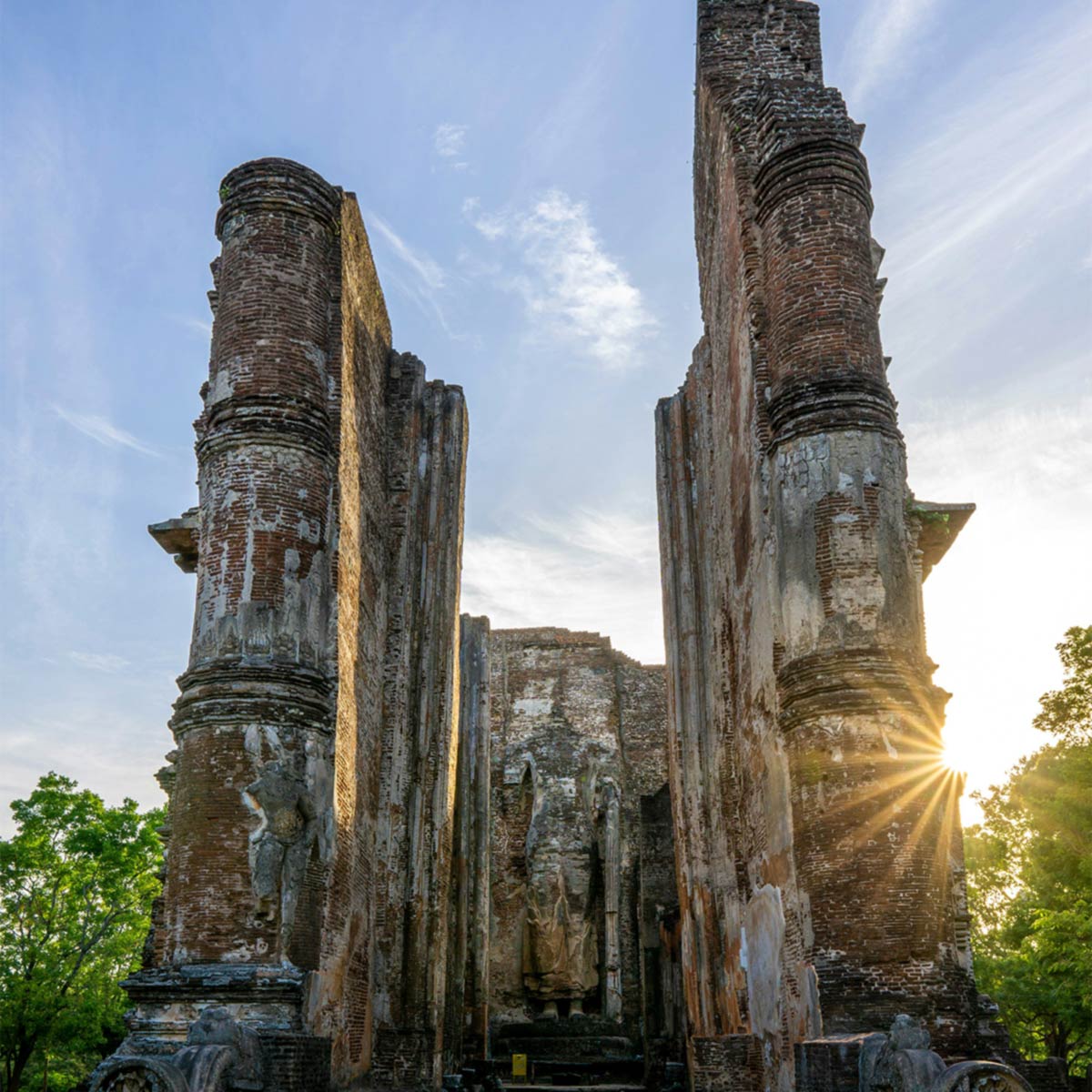
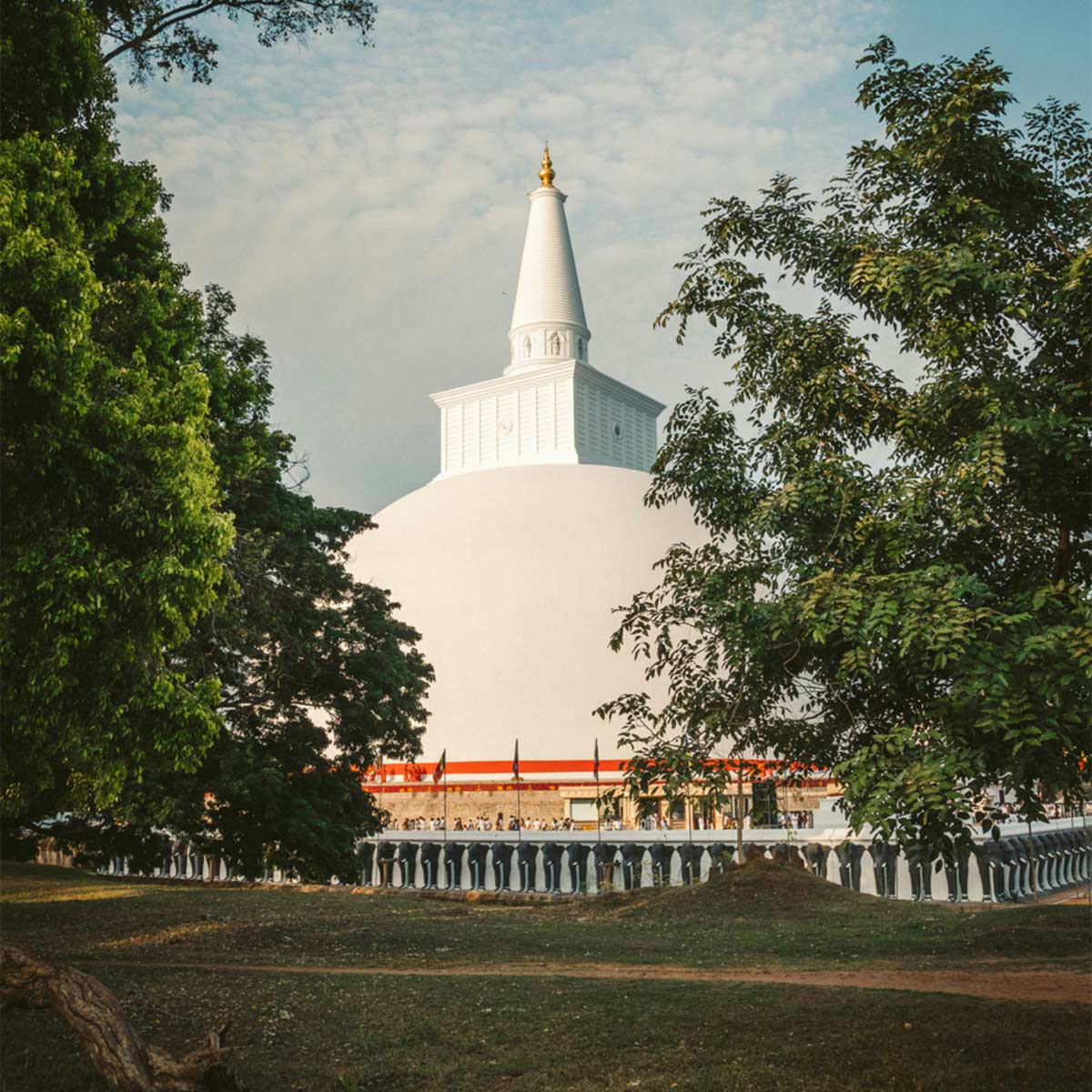
Red Dot Recommends: Five of the Best Ancient Sites in Sri Lanka
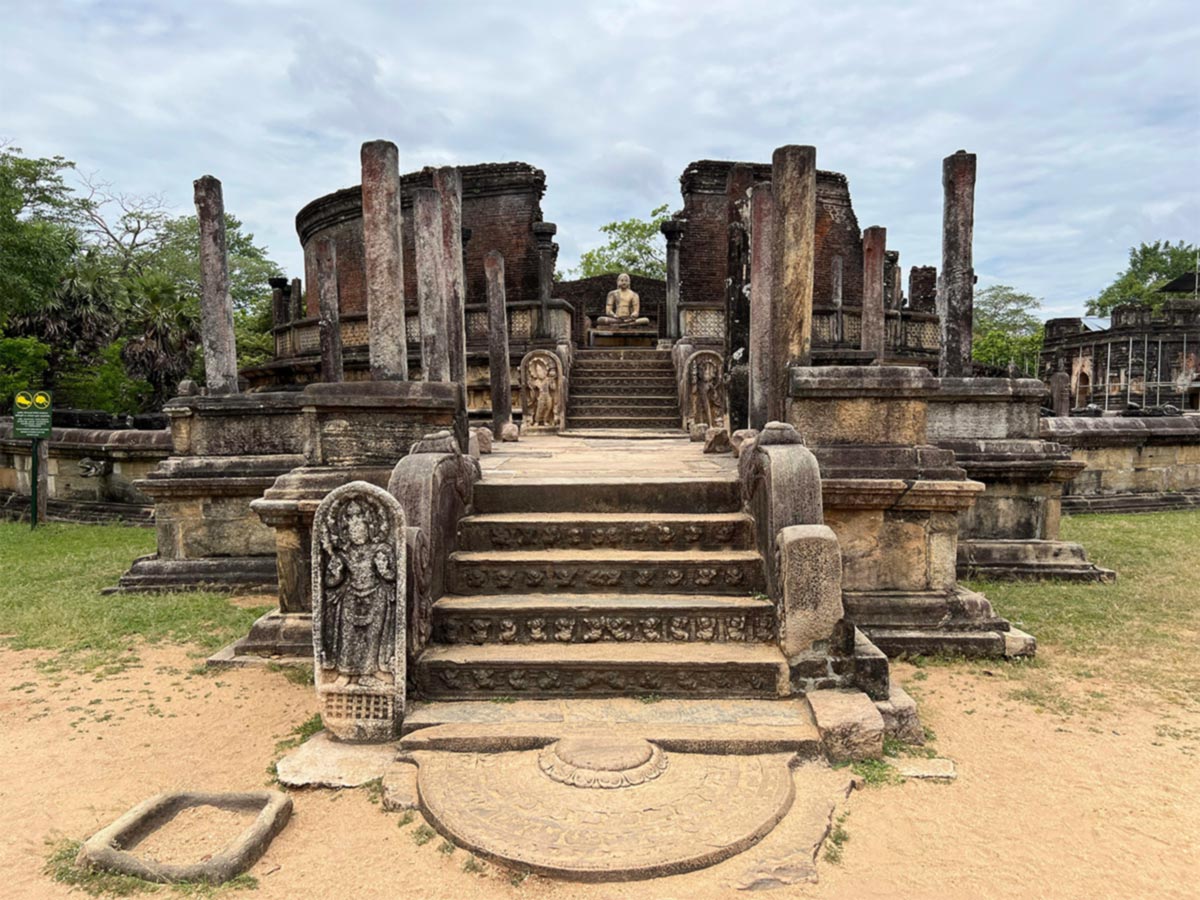
Deep in the centre of Sri Lanka, hidden among paddy fields, emerald lakes and dense forests, lie some of the world’s most fascinating historical sites.
Unique places to visit
Related experiences
Our approach
Why travel with Red Dot?
Featured hotels
What our travellers say


Choose your adventure
Speak to one of our team to get started. After all, your travel journal won’t write itself.