Learn more
- Destinations
- About Us
-
Inspiration
Solo TravelIntrepidAdventure
Red Dot Recommends: Five of the Best Ancient Sites in Sri Lanka
 Share
ShareDeep in the centre of Sri Lanka, hidden among paddy fields, emerald lakes and dense forests, lie some of the world’s most fascinating historical sites. The ‘cultural triangle’ links these sites together, encompassing the roots of Sri Lanka’s rich culture within a treasure trove of UNESCO World Heritage Sites.
We’ve picked out five of the most extraordinary ancient wonders, curating unique experiences at each. You’ll spend time with local experts, enriching your visit and helping you to weave together the fascinating cultural tapestry of the island’s ancient Sinhalese civilisation and deep-held Buddhist spirituality.
Polonnaruwa: Best for ancient architectural remains
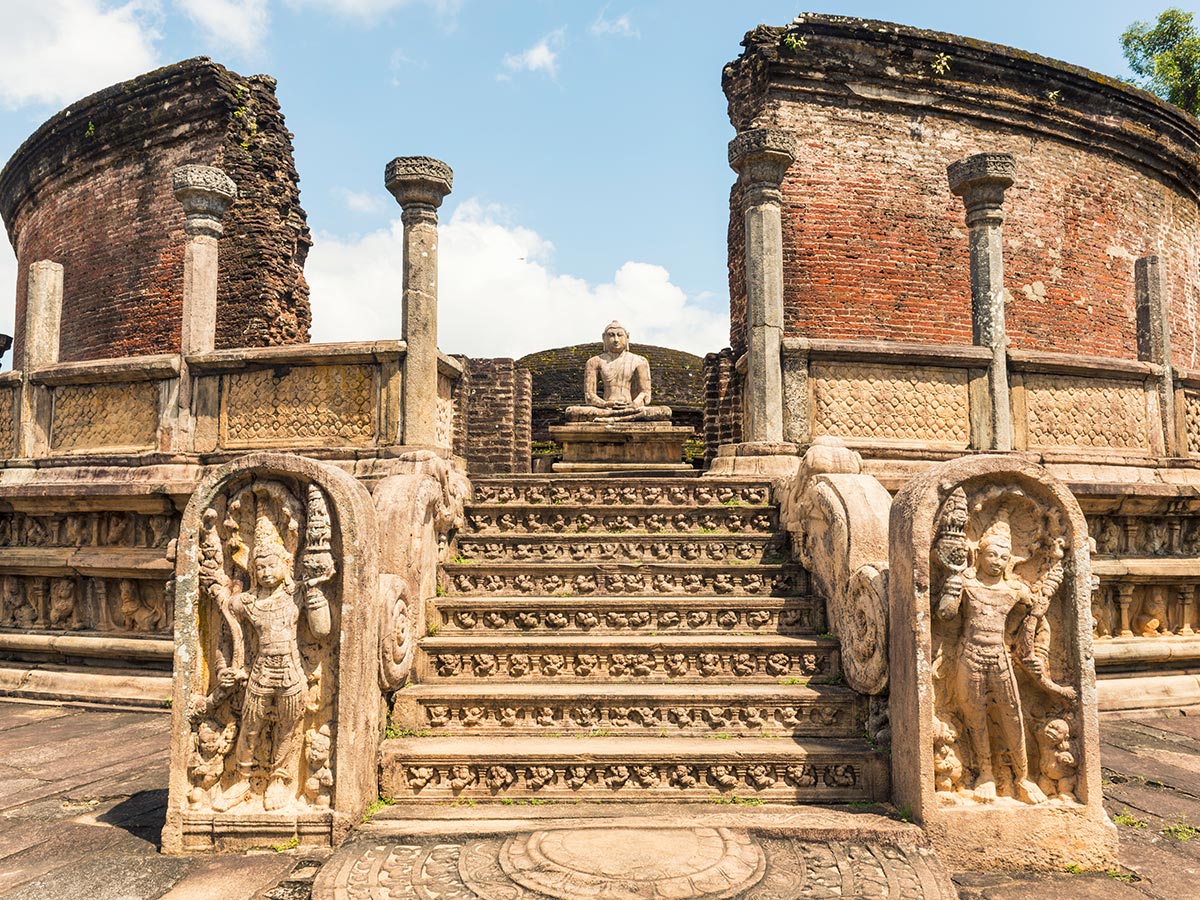
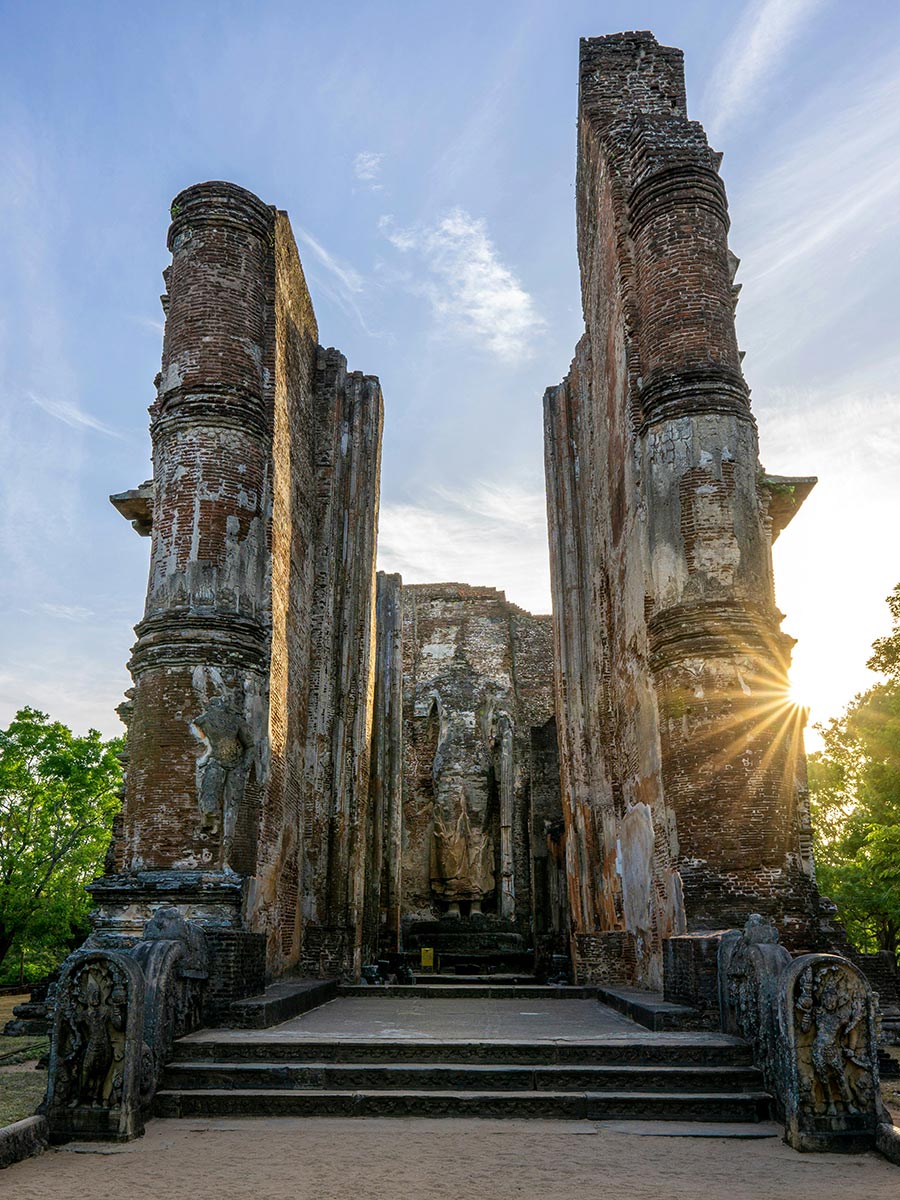
Once the ‘second capital’ of Sri Lanka, Polonnaruwa was a flourishing cultural hub during the 11th and 12th centuries and today boasts some of the best-preserved ancient remains on the island. Nestled within the encroaching jungle, you’ll find the ruins of towering seven-storey palaces, vast stone-carved Buddha sculptures hailed as masterpieces of Sri Lankan rock art, wonderfully preserved circular relic houses, an imposing stupa and an impressive reservoir-based irrigation system. These all combine to give a tantalising glimpse into the extraordinarily advanced civilisation of the Sinhalese people.
The jungle surrounds of the ruined city have become a prime and protected habitat for various primate species. We can arrange for you to access the site early in the morning, when it remains the realm of the monkeys. Focusing your gaze up into the trees, you’ll spend some time with the field experts from the onsite research centre, spotting and learning about torque macaques, grey langurs and purple-faced leaf eaters, all of whom call this uninhabited city home. You’ll gain a unique understanding of the thriving populations, the interactions between each local troop and the ground-breaking conservation work undertaken to protect them.
Once you’ve finished your time with the monkeys, you’re still way ahead of the crowds (and the heat) to explore the archaeological remains across the rest of the huge site. We’d recommend hiring yourself a bike or hopping in a tuk-tuk and venturing deeper into the jungle to discover the lesser visited remains of this vast ancient city.
Sigiriya: Best for viewpoints
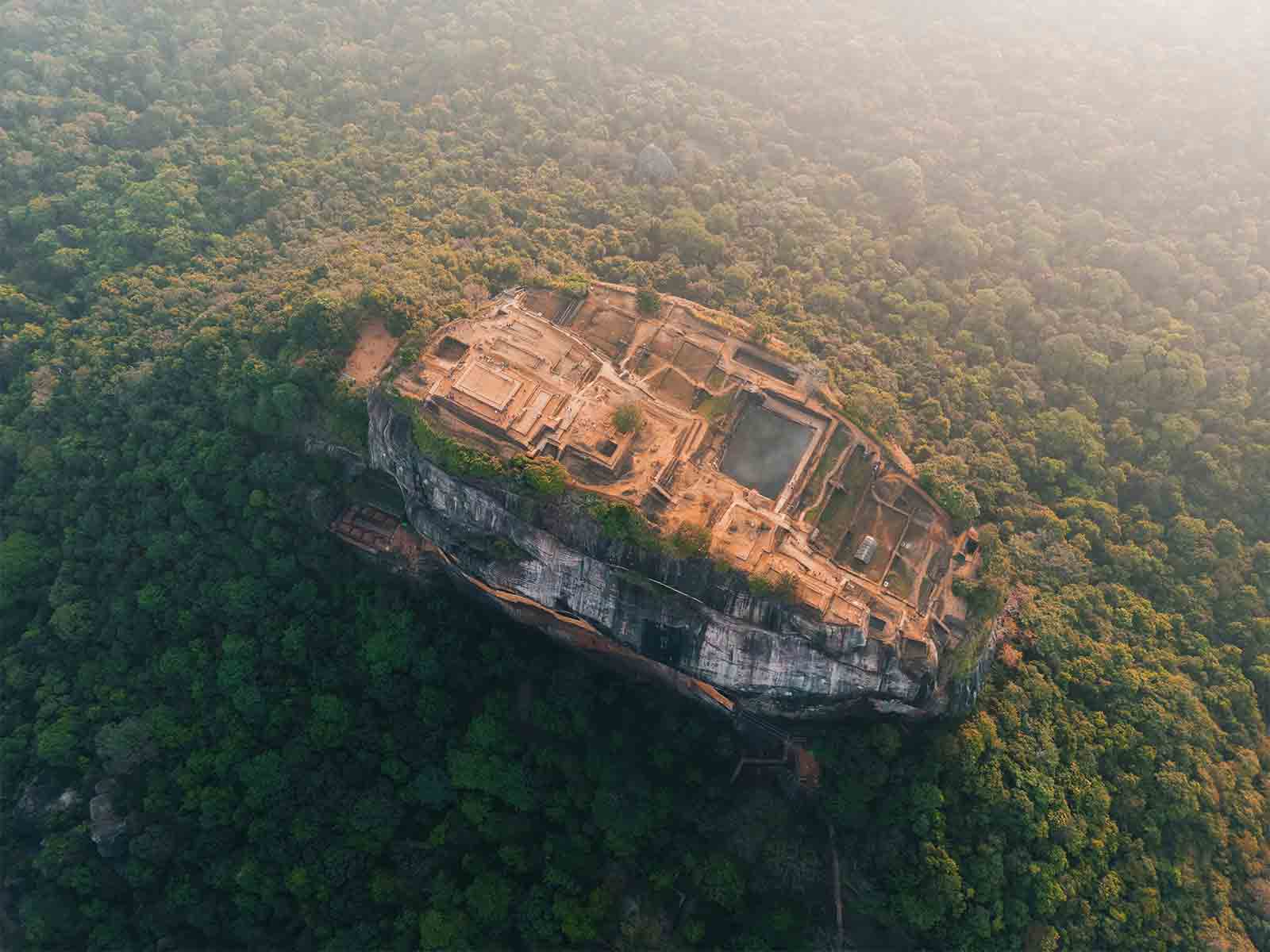
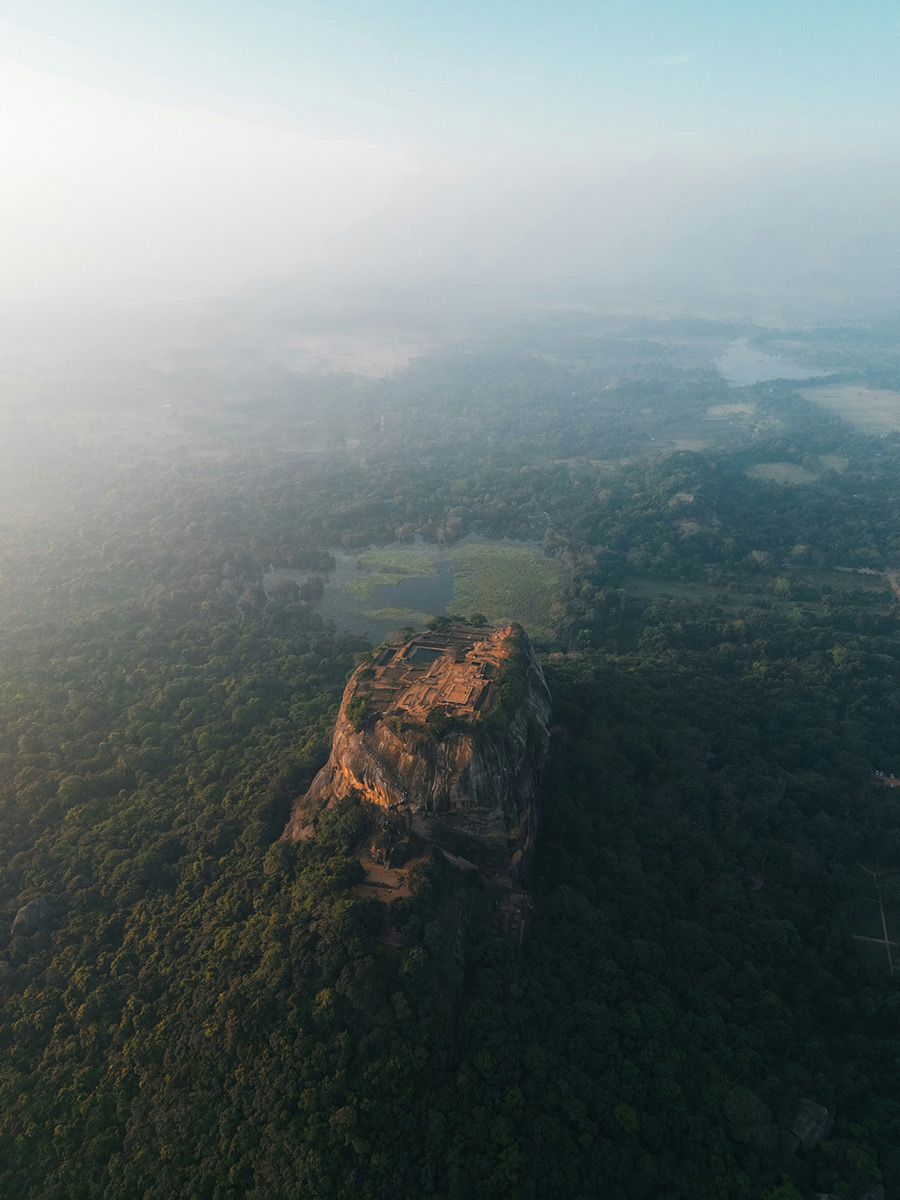
Before you explore the iconic rock fortress of Sigiriya, we suggest that you soak up its majesty from the comparative serenity of a nearby hill, Pidurangala Rock. Leaving your hotel before sunrise, your local guide will lead you along remote tracks that wind upwards from an ancient Buddhist monastery. Cocooned by the density of the surrounding forest, you’ll follow a stone path until a final scramble between boulders brings you out onto a wide summit of natural rock.
From here the views are sublime, stretching far and wide across the lush forest canopy in every direction and over to the majestic fortress on neighbouring Sigiriya Rock. While you tuck into a picnic breakfast, you’ll watch the sunrise illuminating the prominent rock fortress, offering a mystical play of light over the surrounding trees. It’s a visual feast, set to the soundtrack of the jungle stirring around you, with insects, birds and monkeys calling across the treetops.
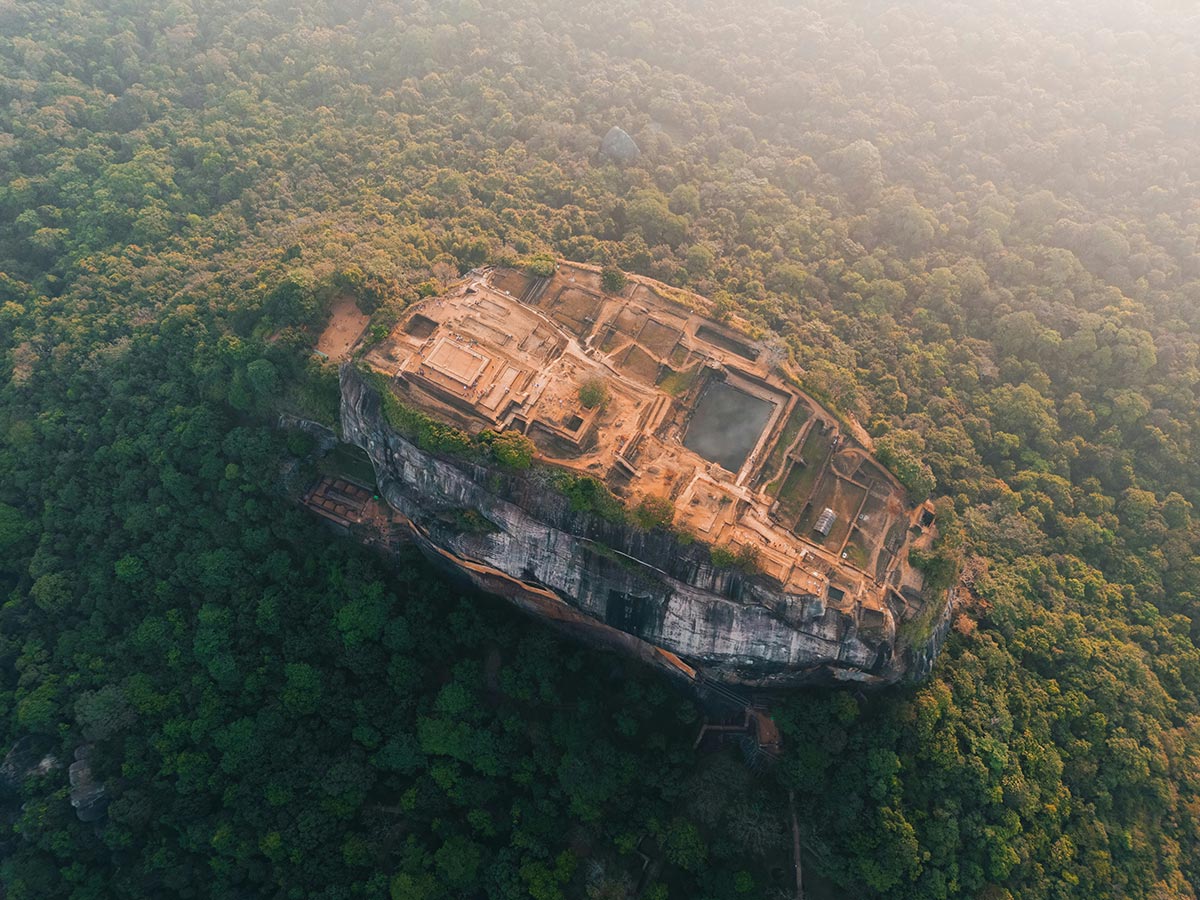
Having firmly imprinted the sense of scale and place from afar, exploring the fortress of Sigiriya itself is mind-blowing. In the 5th century, King Kashyapa I transformed this simple landmark rock into a fortress citadel, surrounded by pristine gardens and impenetrable defences, it is unimaginably impressive.
Entering between giant rock-carved lion’s paws that once preceded a fully carved head, you’ll find advanced hydraulic systems set up to flow water through an ornate network of pools and fountains, natural hilltop boulders transformed into gateways, staircases and chambers, symmetrical stepped terraces, and winding stone paths linking ancient stairways. The art here is timelessly impressive, from the brilliantly preserved frescoes showing bedecked maidens to the polished white wall where ancient guests could check their reflections, now covered in appreciative graffiti that itself dates back over 1,000 years.
Anuradhapura: Best for Sinhalese culture
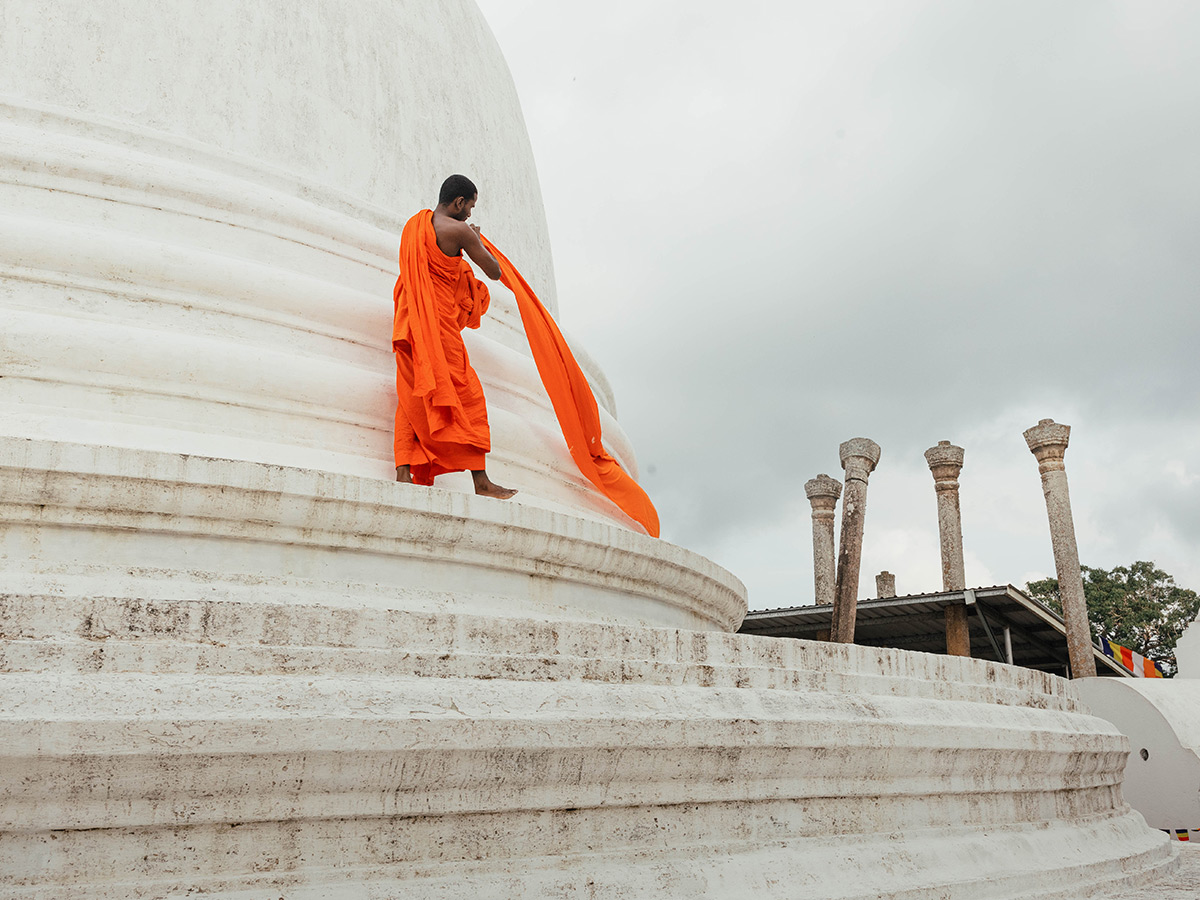
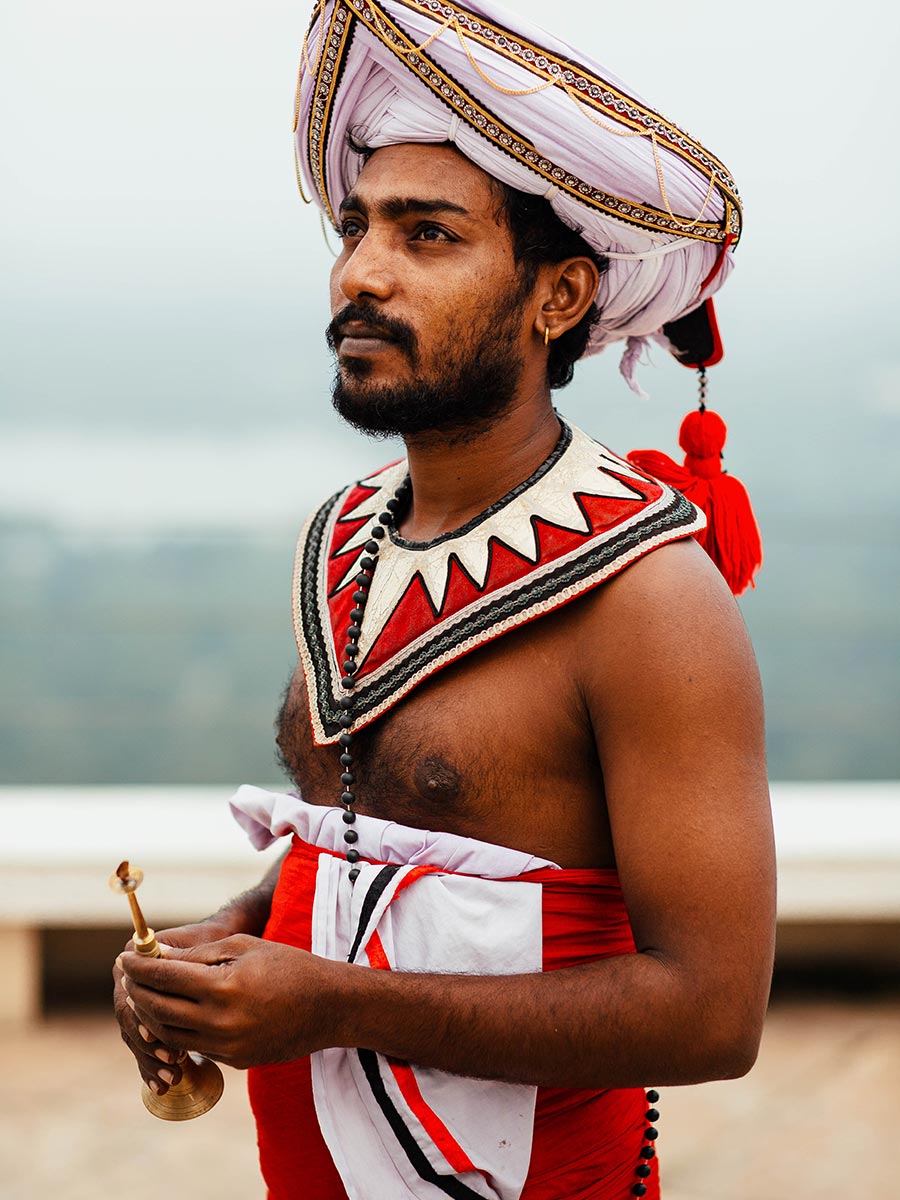
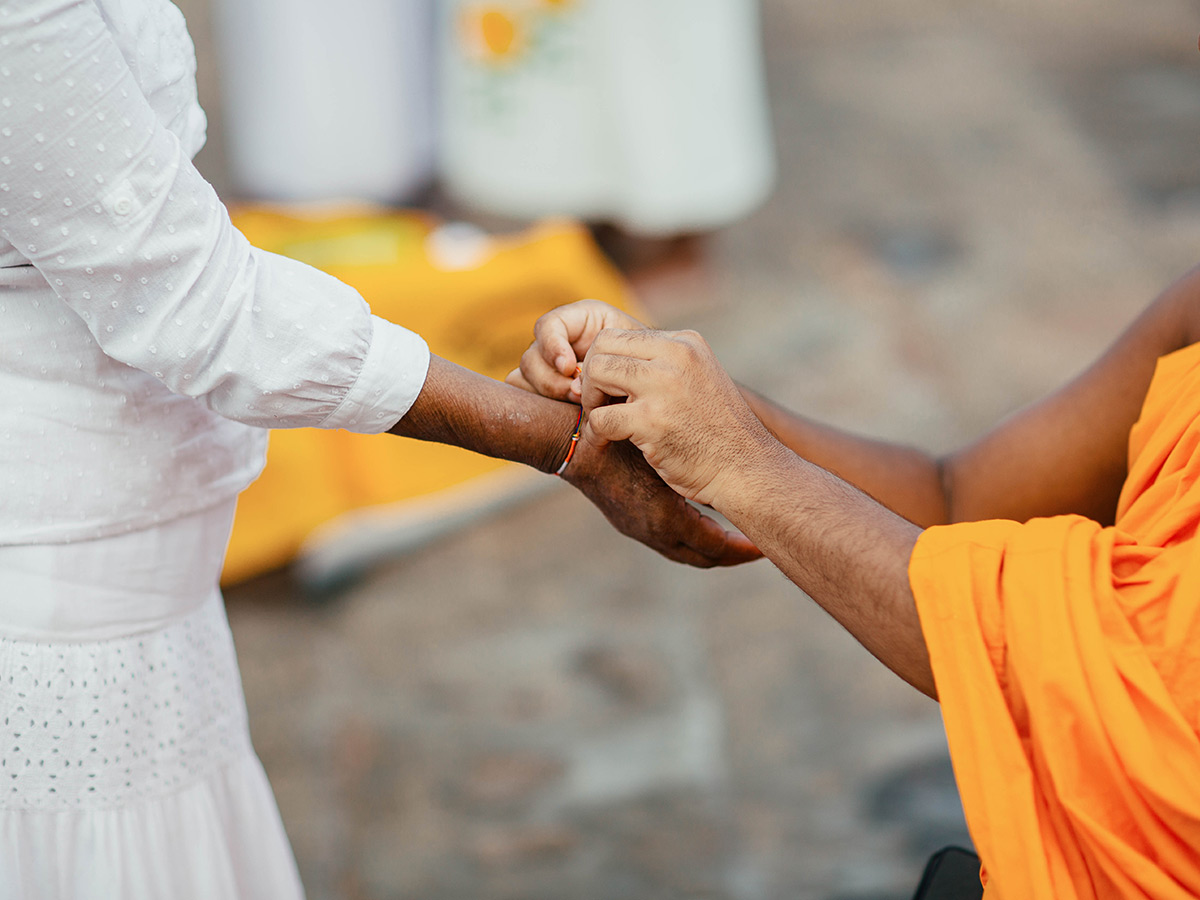
A profoundly sacred city, revered to this day for its immense historical, cultural and religious importance, Anuradhapura was the first ancient capital of Sri Lanka from the 4th – 11th century. It was the beating heart of the ancient Sinhalese civilization and a spiritual centre for Theravada Buddhism. It remains an important Buddhist pilgrimage site to this day and the peaceful presence of white clothed, barefooted pilgrims quietly chanting and meditating throughout the site adds gravitas to the deeply devotional atmosphere.
The site itself is huge, considered one of the largest archaeological sites in the world, and one of our favourite ways to explore it is by bicycle with a local guide. Determined to steer clear of the overpopulated routes and immerse you in the significant spirituality of the site, your Buddhist guide will lead you along serene paths between the temples, monasteries, bathing ponds, palaces and gardens, while quietly enlightening you with a profound understanding of the cultural and spiritual importance of this site.
If you don’t fancy cycling, we can arrange a similar tour aboard a traditional tuk-tuk, from which you’ll view the lotus ponds and paddy fields intermingled with jungle clad remains and ancient irrigation systems. Your guide will explain the engineering ingenuity that enabled the water supply to this vast site, the significance of the 3rd century BC stupa domes and the history of the oldest living tree in documented history, the sacred Sri Mada Bodhi Tree.
Mihintale: Best for Buddhist heritage
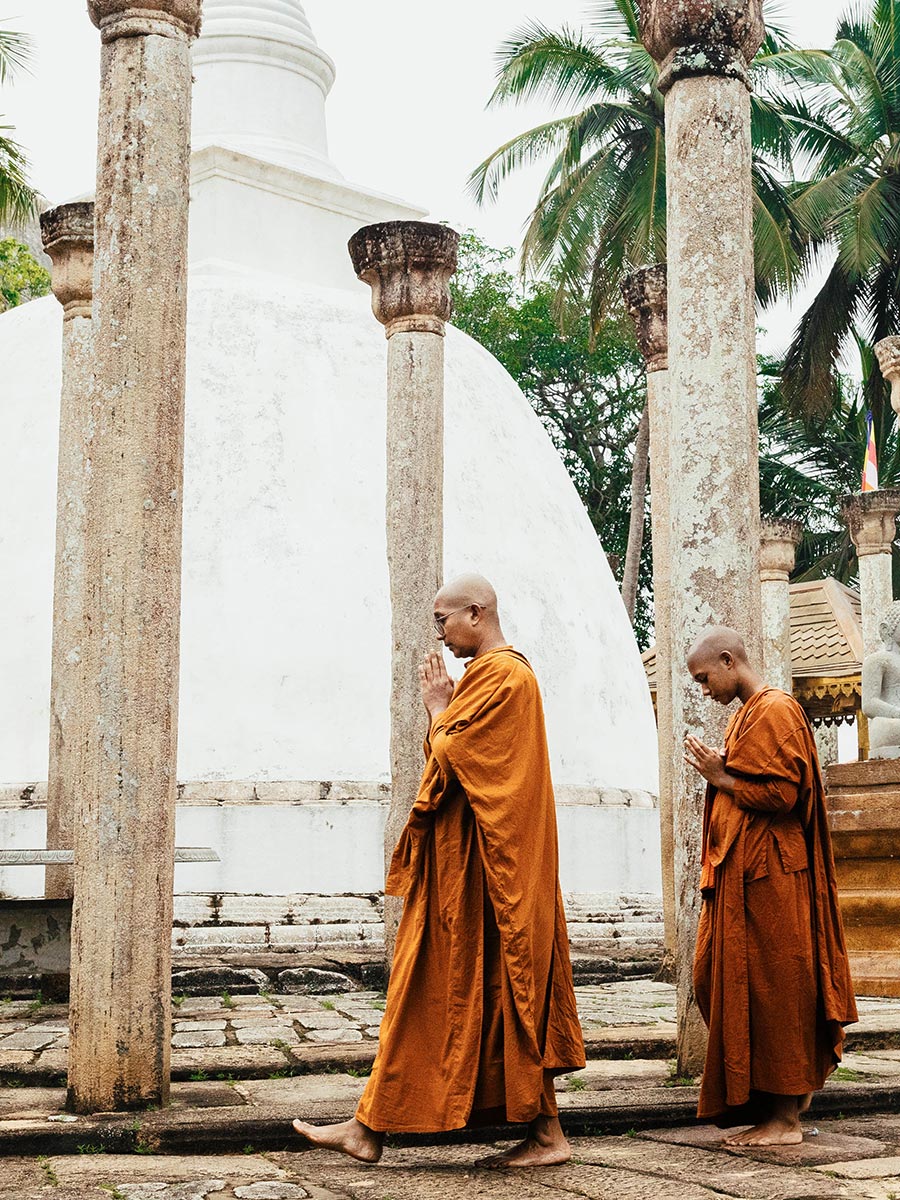
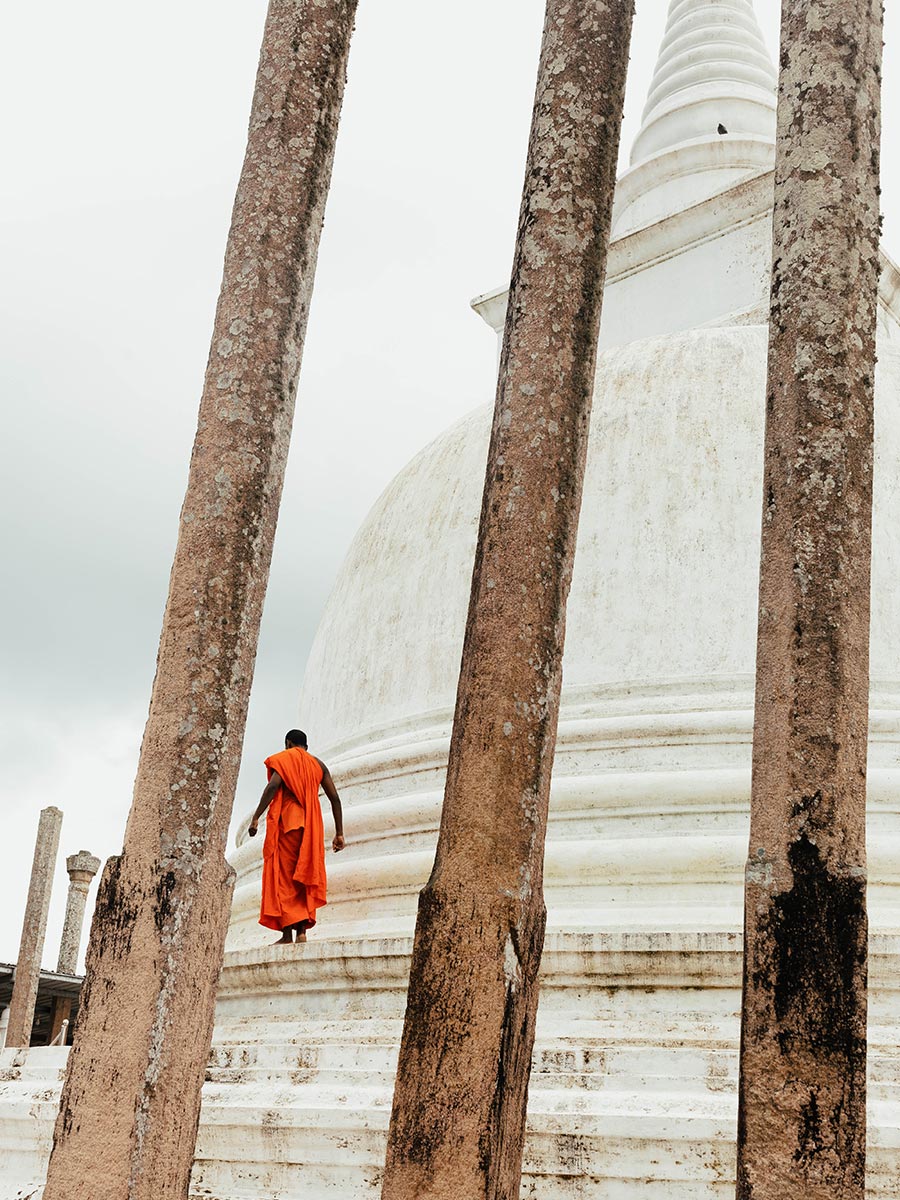
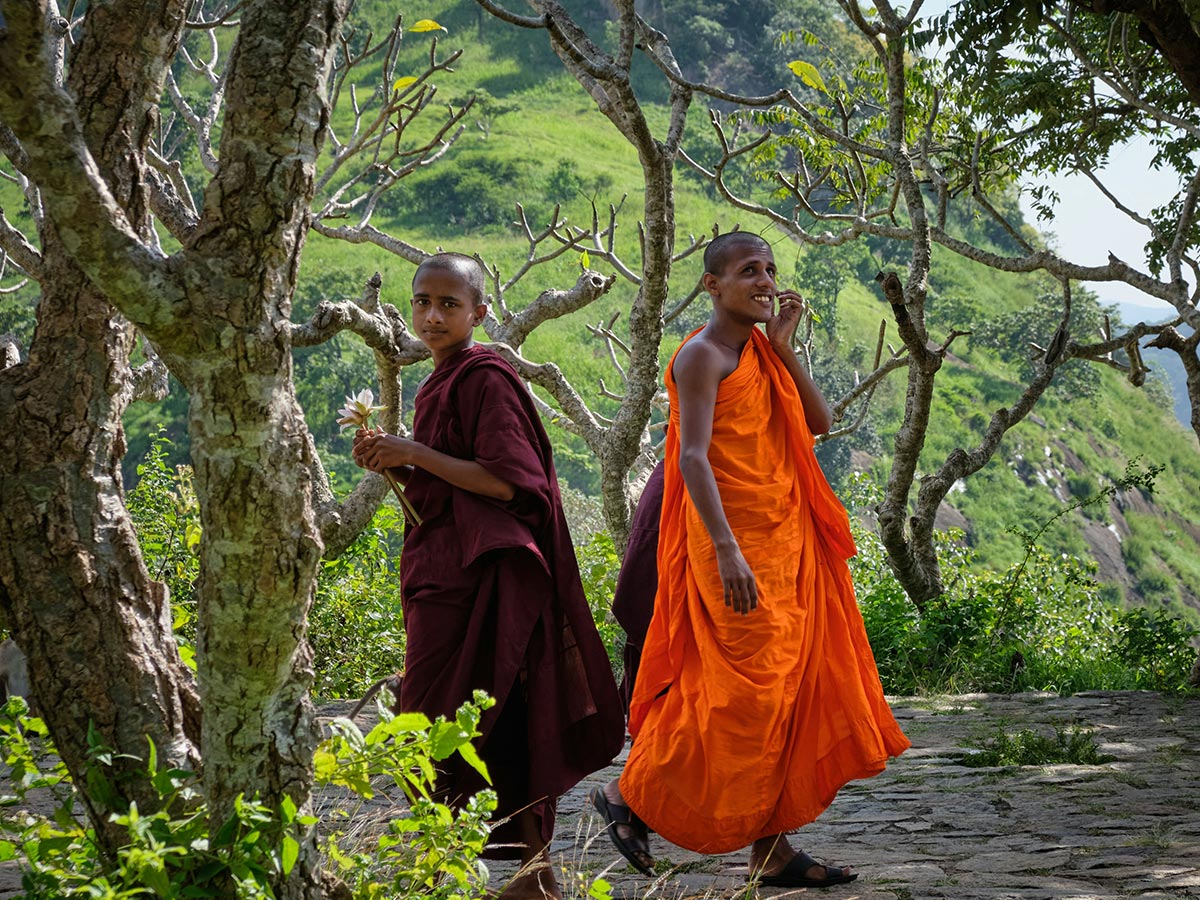
Frangipani-lined, ochre-hued sand pathways and rock-carved steps lead you up this sacrosanct mountain, revered as the site where Buddhism was introduced to Sri Lanka. Legend has it that in the 3rd century BCE Mahinda, son of the ancient Indian Emperor Ashoka and a devout Buddhist monk, met with Sinhalese King Devanampiya Tissa on this very spot and converted him and his followers to the Buddhist religion. Since then, it has been a place of pilgrimage and worship for Buddhists across Sri Lanka. At one point in the 4th century the site housed over 2,000 monks in natural rock shelters, where their cave paintings are still astoundingly vibrant today.
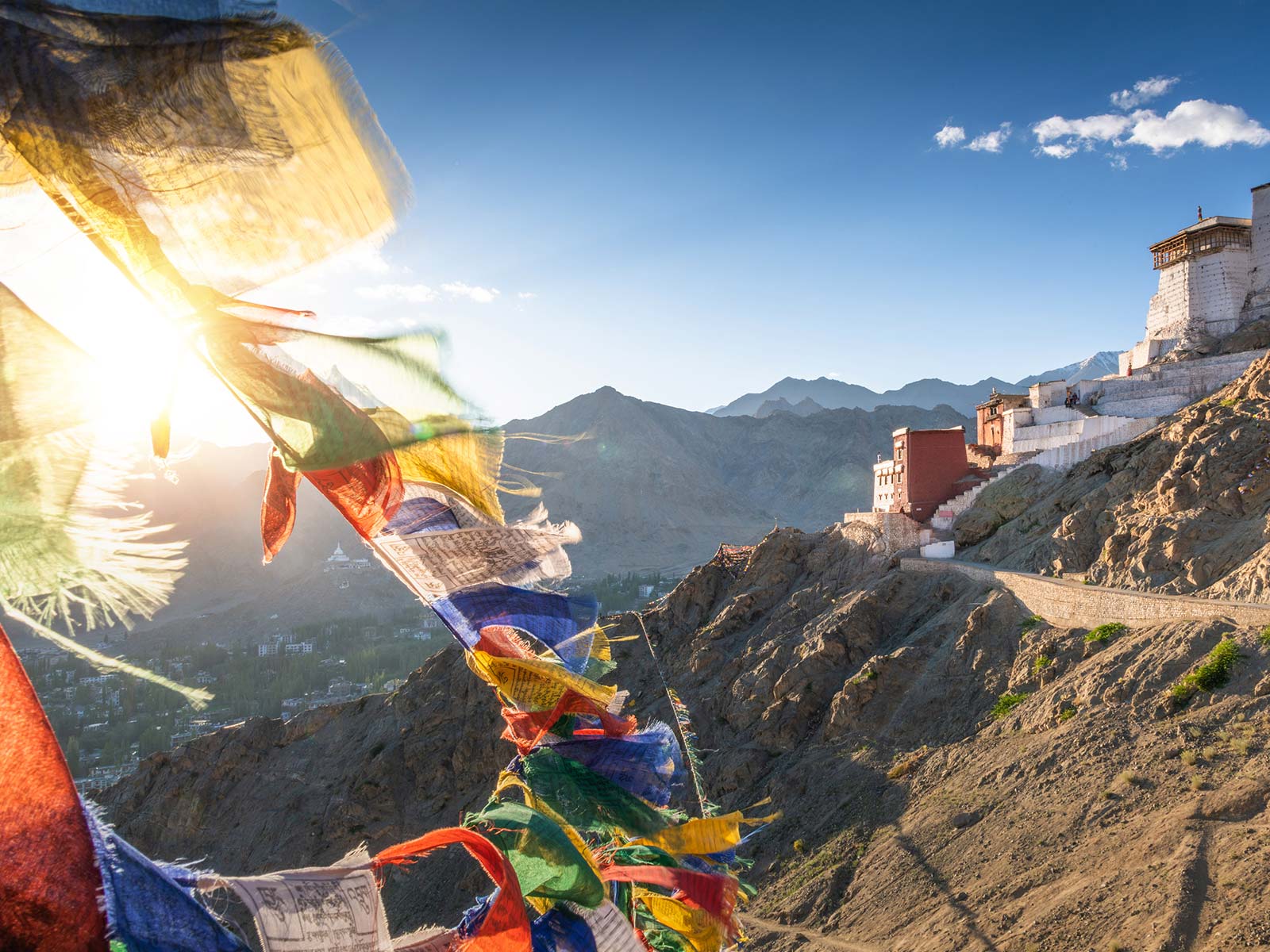
On the central Ambastale Terrace, prayer flags flutter in celebration of the long life of a venerable Bodhi Tree; while dotted between the palms, you’ll find remains of the ancient Manināga Mandira monastery, see the soaring 12 metre (40 feet) spire of the pristine white Mahaseya Dagoba and the imposing pearlescent Buddha statue.
We would recommend exploring the full site with one of our guides, who will bring to life the deeply symbolic and architecturally groundbreaking structures. From the sacred Ambasthale Dagoba built over the very spot where Mahinda met with King Devanampiya Tissa, to the Naga Pokuna pool with its five hooded cobra relief cut into the rock at the water level, its tail allegedly sitting at the deep base of this unique hydration system. You’ll be led on a climb to the vertiginous yet awe-inspiring Aradhana Gala meditation rock that soars above the site and out to Kaladya Pokuna, a historic monastic complex surrounding a dark pool, deep in the forest, where monks still gather today to meditate in the serene cool of the trees.
If you want a deeper spiritual appreciation, we can arrange for you to have a Mihintale tour at sunrise in the company of one of the resident monks. You’ll gain access to restricted areas of the monastery and receive a unique insight into the teachings and practises of Buddhism here.

Dambulla: Best for monastic cave art
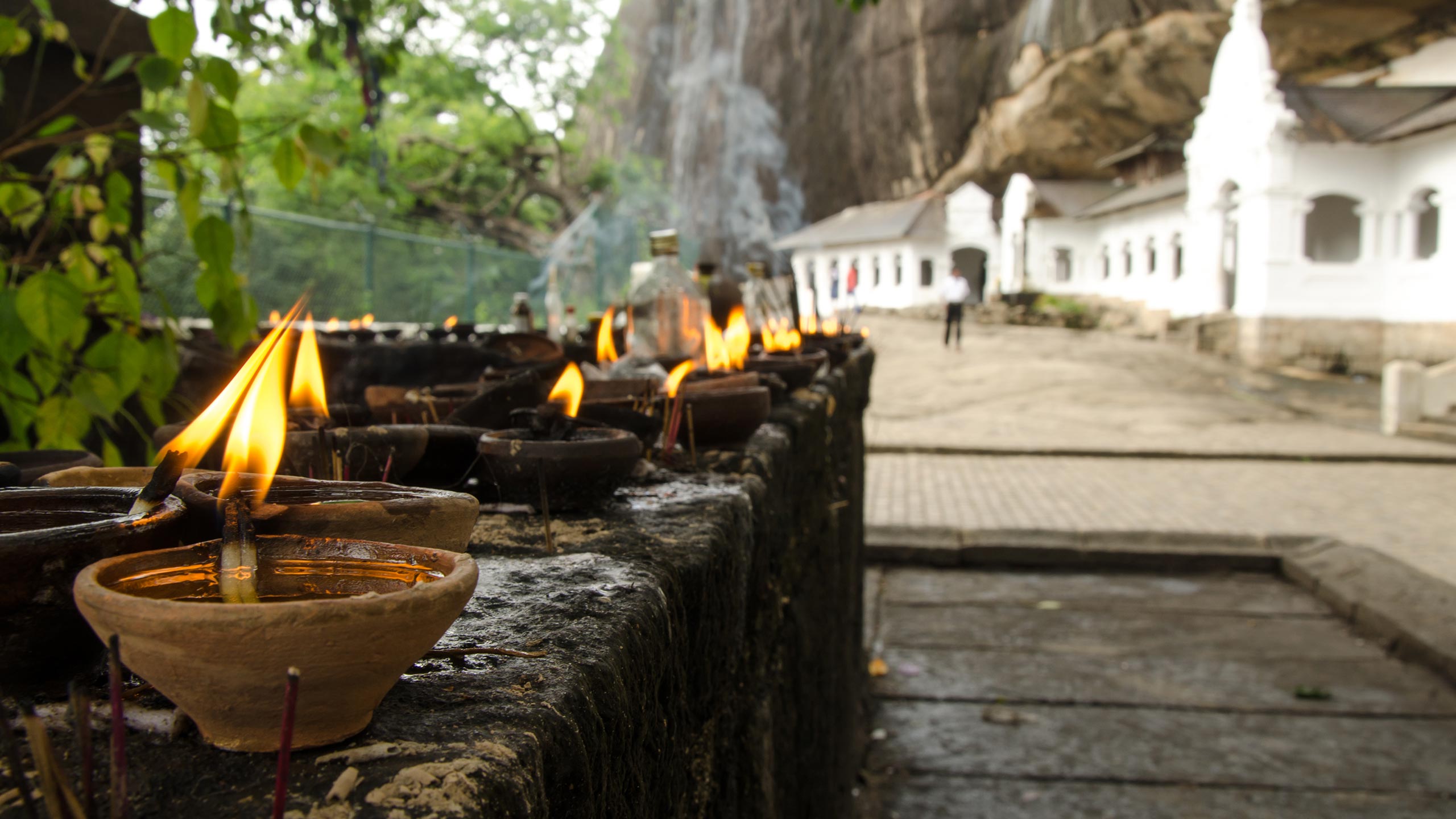
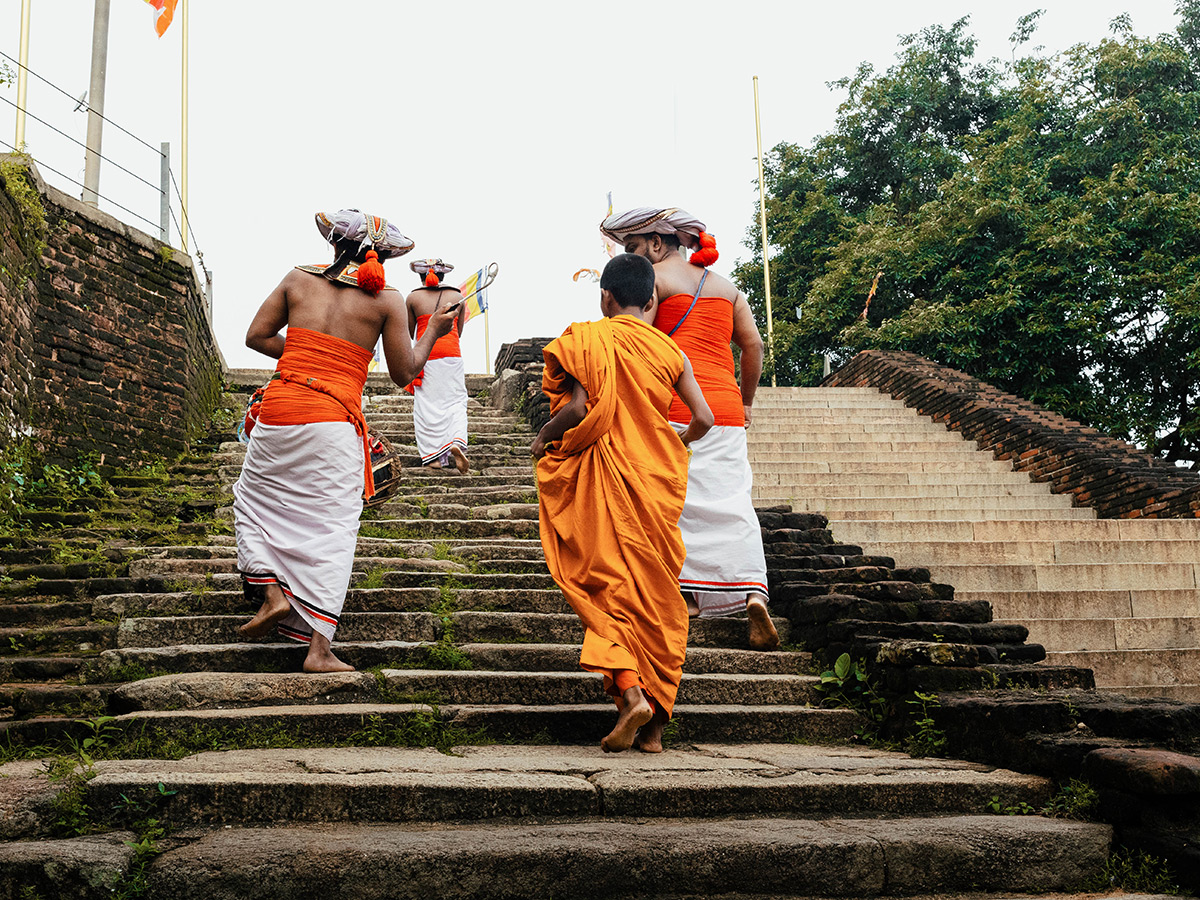
One of the most awe-inspiring sites in Sri Lanka, the Rangiri Cave Temple at Dambulla exudes a majestic spirituality. Sitting at the top of a multitude of stone stairways, bordered by a jungle alive with chattering monkeys, the white façade of the temple complex is nestled deep under the overhanging rockface and gives little clue to the ornate opulence within. A visit here will put you at the gilded centre of a 2,000-year-old royal patronage that pays ultimate homage to the Buddhist religion.
In the 1st Century BC, King Valagamba was driven from his throne in Anuradhapura and took refuge among monks in this series of five caves deep within the vast granite outcrop now known as Dambulla Rock. According to legend, he spent 14 years sheltering here until he was eventually reinstated as king, at which point he immediately began transforming the caves into elaborate rock temples, honouring his spiritual devotion and demonstrating his gratitude.
Kings and conservators throughout the 2,000 years since have added their own paintings, sculptures, gilding and retouching to the site, resulting in a breathtaking creation of 2,100 square metres of vibrant murals and over 150 Buddha statues within its well-earned UNESCO World Heritage Site status.
Read next
 Cherylle, Travel Consultant
Meet our experts
Speak to our experts to help you plan your trip
Dreaming of a journey that’s truly your own? Our specialists take the time to understand what excites and inspires you, then craft a holiday that goes far beyond the ordinary. Whether you’re seeking adventure, relaxation, or a perfect balance of both, we’ll design something that’s completely yours. Ready to start planning? Get in touch and let’s create your ideal escape.
Choose your adventure
Let's get planningSpeak to one of our team to get started. After all, your travel journal won’t write itself.