Learn more
- Destinations
- About Us
-
Inspiration
IntrepidAdventure
Spotlight on Ladakh: the high-altitude highlight of northern India
 Share
ShareLeaving the bustling heat of Delhi, the two-hour flight north to Ladakh is an experience in itself; skimming the tips of the Himalayan Mountains before dipping in to land on a remote, high-altitude desert plateau where the Himalayas meet the Karakoram mountain range. From every angle rise arid ochre-coloured peaks, snow dusts the tips of the horizon’s highest points and fluttering prayer flags add splashes of vibrant colour.
A visit to Ladakh resonates with a deep and long-lasting impact. It is a land of high altitudes, barren mountainsides, extraordinary wildlife, piercing blue rivers and deep, improbably lush valleys. But it is also home to an ancient culture constructed around the deep spirituality, profound connection to nature, ingrained self-sufficiency and ingenious resilience of its people.
For much of the year, Ladakh is snow bound and virtually inaccessible. In the summer, it is an awe-inspiring break from the monsoon heat felt in the rest of India and an otherworldly outpost of staggering natural beauty, sitting under a sky of the deepest blue. Let us introduce you to ‘The Land of High Passes’.
Leh
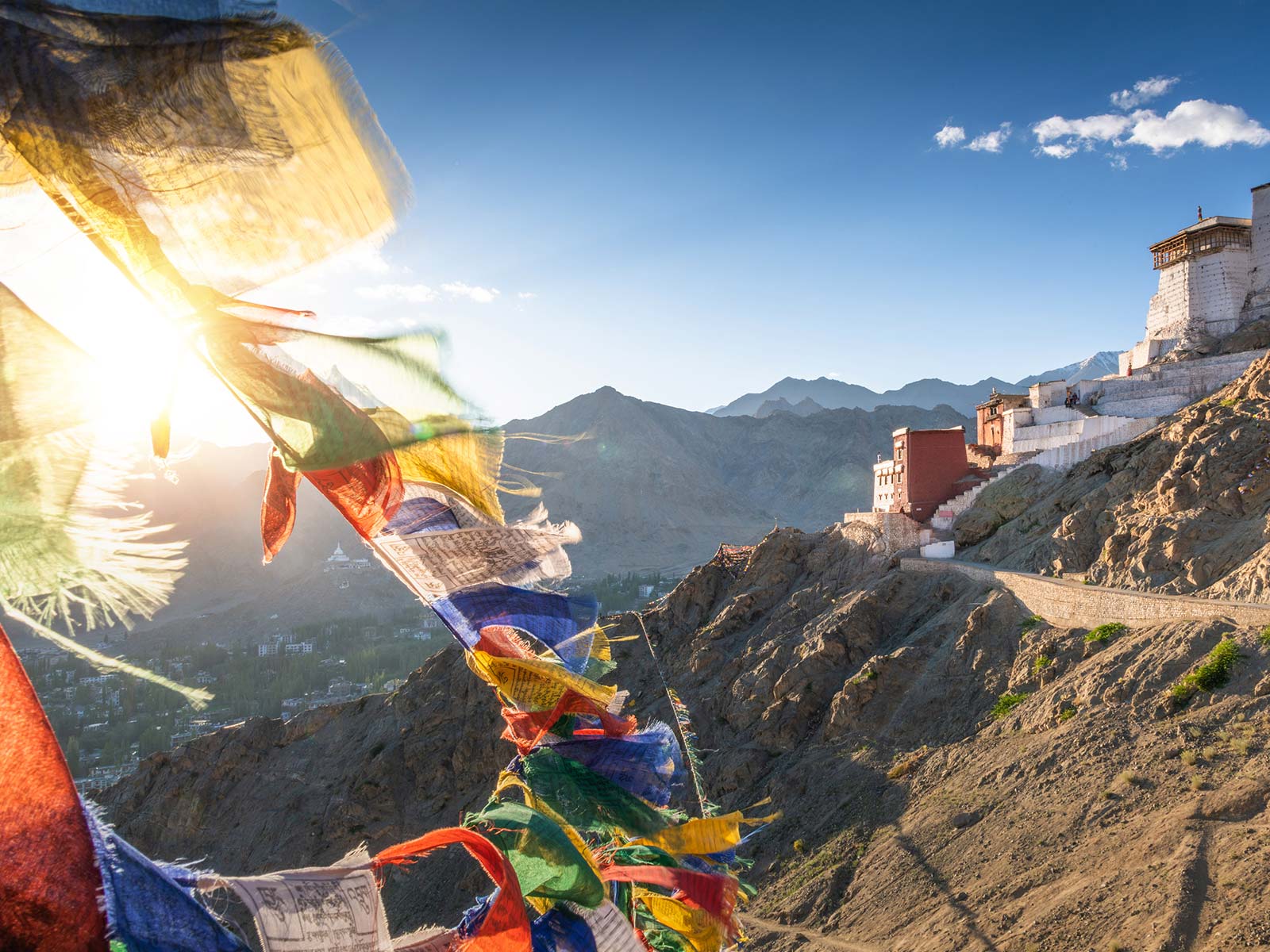
The historic capital of Ladakh, Leh is a meeting point both geographically and culturally. It sits between two vast mountain ranges and was in ancient times the central trading post between India and Tibet. Silk Road trading caravans reaching here would have crossed the numerous, vertiginous mountain passes to sell their wares.
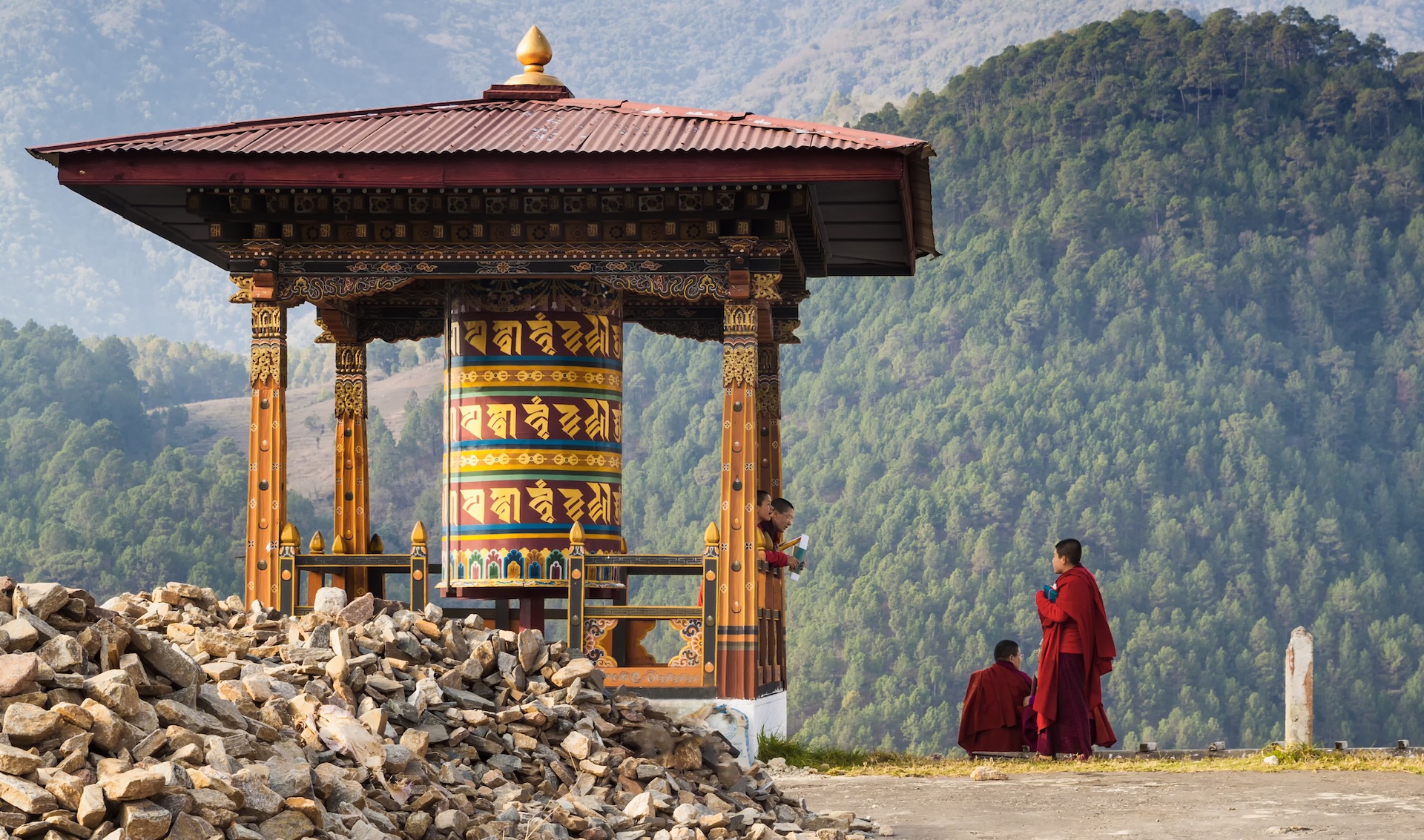
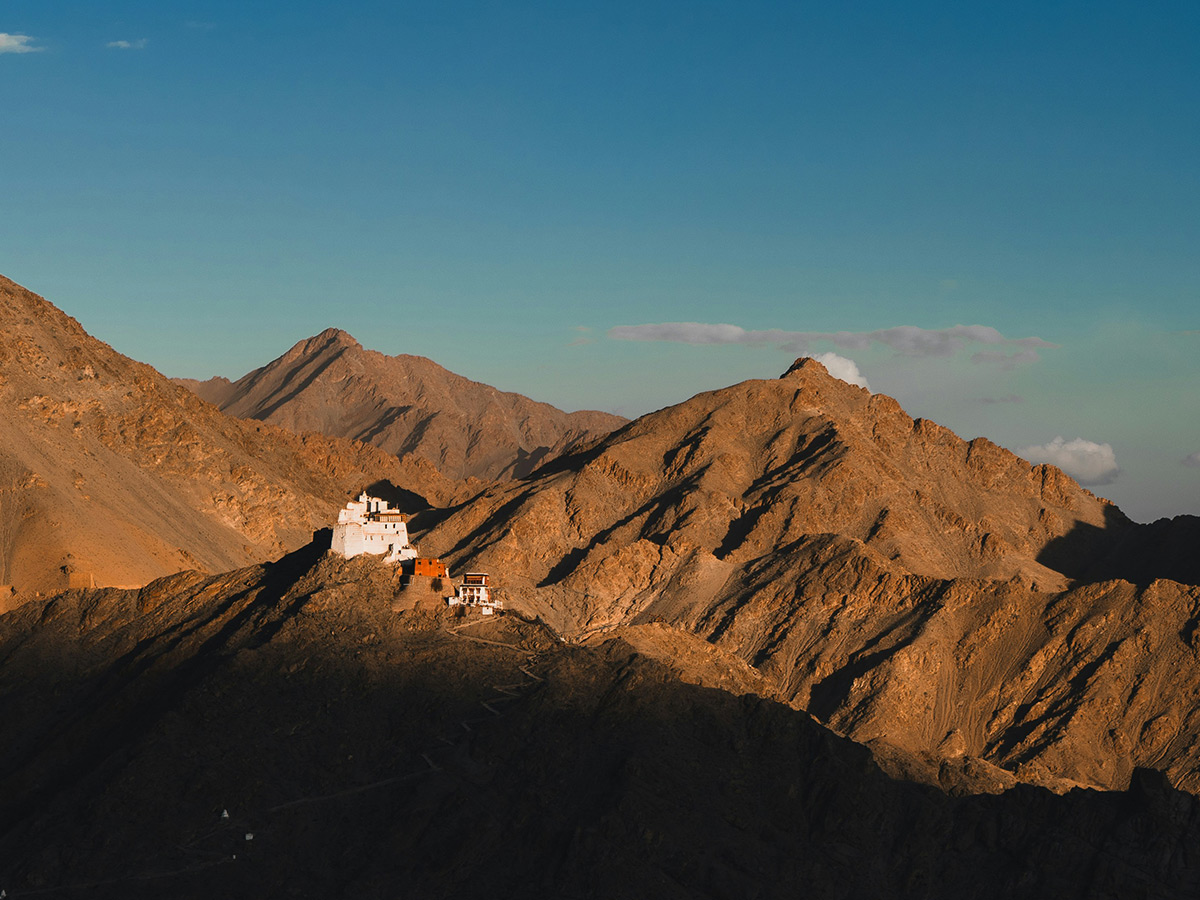
The Tibetan influence runs deeply, from its architecture to its spirituality. Labyrinthine lanes criss-crossing its medieval town are peppered with Buddhist monuments and prayer stones, ancient monasteries crown its far peaks, and the mud-and-sand architecture, including that of its omnipresent mountain-top Leh Palace, echo the traditional Tibetan style. Climbing up to the white Buddhist monument of Shanti Stupa offers fabulous views across the city.
Most trips to the region today begin in Leh, allowing visitors a few days to acclimatise to the high altitude before venturing further afield. Soak into the languid pace, the warm hospitality of the people, the markets selling local handiworks and the tantalising mountain backdrop.
Where to stay in Leh:
- Grand Dragon
- Tsokar Retreat
- Rewa
Nimoo
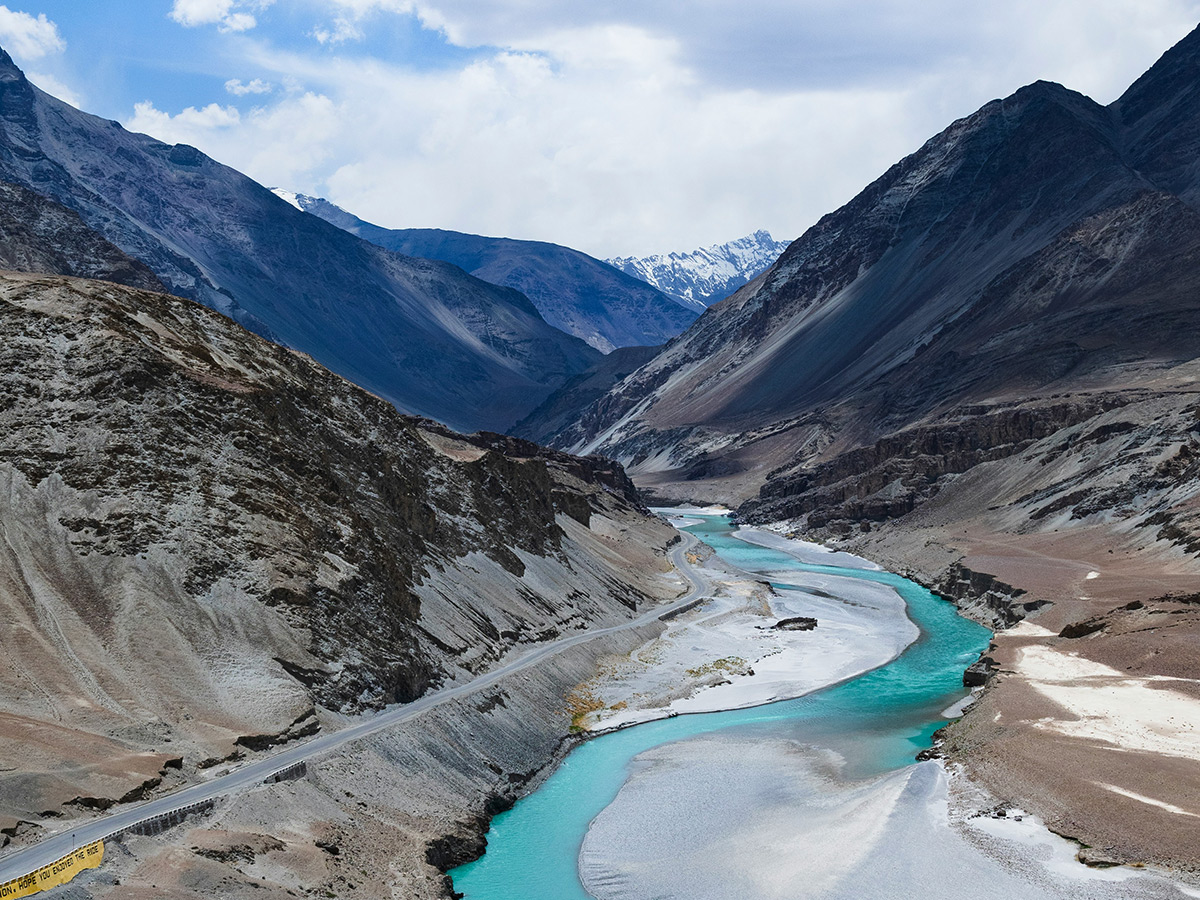
Sitting 35km west of Leh, Nimoo is a photographer’s paradise. Bordered by distant snowy peaks, the earthy tones of the barren mountainsides frame the confluence of two strikingly different coloured rivers, as the Indus and the Zanskar join powers to carve their way through the surrounding mountainscape. A sunset visit here adds a prismatic play of light onto this visual feast.
The small, traditional village of Nimoo gives a taste of the close-knit Ladakhi way of life. Nestled in a fertile valley, the villagers’ self-sufficiency is evident with verdant orchards growing apricots, walnuts and apples, and livestock grazing. Buddhism colours both the culture and the landscape, bright stupas (meditation mounds) dot the rocky mountainsides and Tibetan prayer flags flutter across rooftops.
From here you can step back in time with visits to some of the most spiritual and ancient sites in Ladakh. From the 8th century rock-cut Buddhist solitude spaces of the Saspol Caves to the 16th century mud-carved temple complex of Basgo Fort.
It’s also an easy drive to the 11th century monasteries of Alchi and Likir; both alongside the Indus River they offer a fascinating comparison. Alchi is famed for its Kashmiri influence and multi-storied design while being an important centre of Buddhist art and history with fabulous ancient murals and artworks. While Likir, with its 25-foot-tall golden Buddha statue and ornate prayer hall, follows the more traditional hill-top monastery setting with Tibetan design influences and panoramic mountain views.
Where to stay in Nimoo:
- Nimu House
Stok
Nestled at the foot of the Stok Range of mountains, 13km to the south of Leh, the village of Stok is the ancestral seat of the Ladakhi royal family. The 19th century Stok Palace sits proudly overlooking both the village and Stok Kangri, the highest peak in Ladakh. The palace is an intriguing blend of Ladakhi architecture and Tibetan influences that offers an immersive insight into the history of Ladakh’s royal family, who are still in residence here today.
Nearby, Stok Gompa is a small, peaceful monastery with stunning murals. Once a year, it hosts the annual Stok Gruru Tsechu Festival a dazzlingly colourful event where locals gather to celebrate with traditional dances and rituals.
Where to stay in Stok:- Stok Palace Hotel
- Chulli Bagh
- Ladakh Sarai
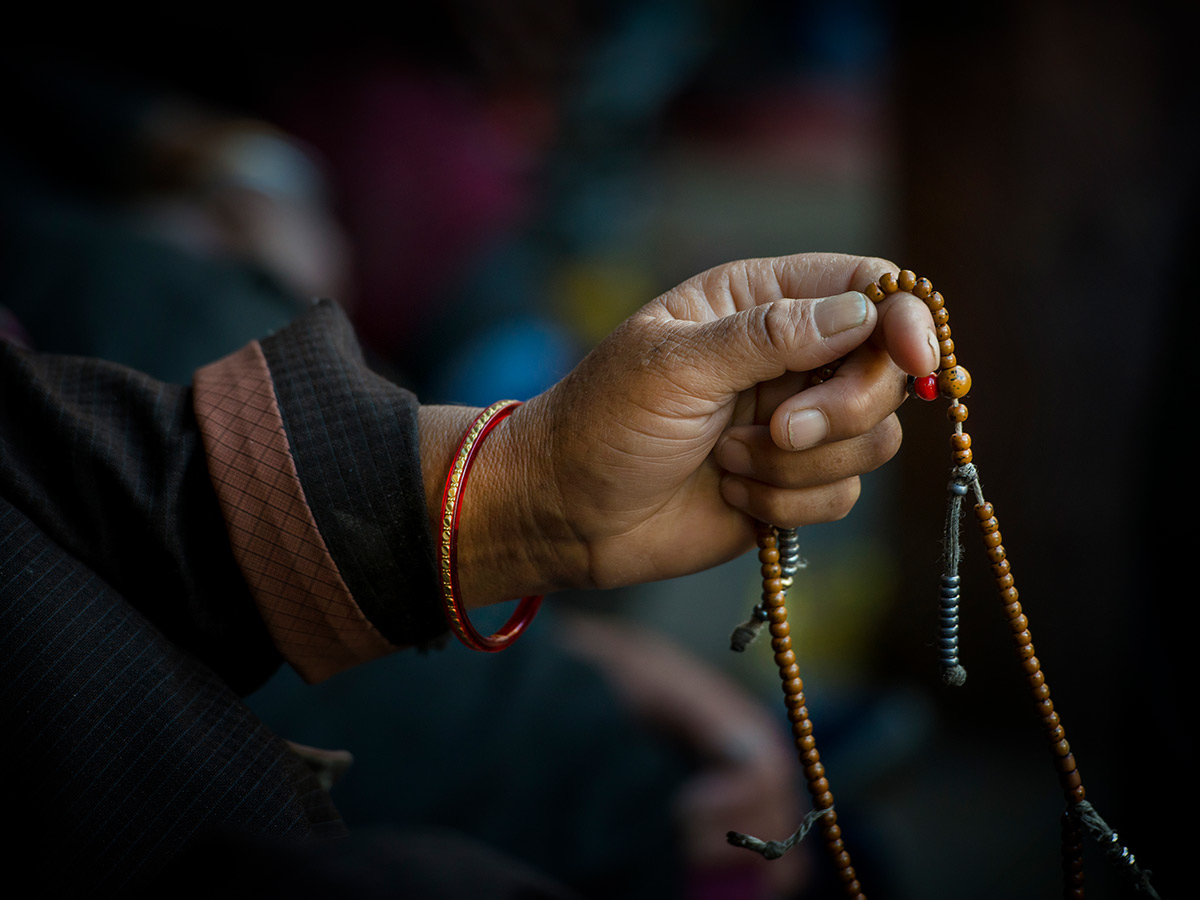
Nubra Valley
Heading north from Leh to reach the Nubra Valley, you’ll cross the spectacular Khardung La pass, one of the world’s highest driveable mountain passes. At 5,602m above sea level the views from here are expansive, spanning the tips of the Ladakh and Karakoram ranges and down over the endless zig-zagging road.
Nubra Valley itself lies at the base of the variegated browns of the mountain slopes. At 3,000m above sea level, it is a striking swathe of green, fertile land tracking the courses of the Nubra and Shyok rivers and scattered with small villages. The valley, whilst wild and remote, is a cultural melting pot with a strong historical link to the Silk Road, where the surrounding high passes enabled ancient trading links between Kashmir in India and XinJiang Province in China.
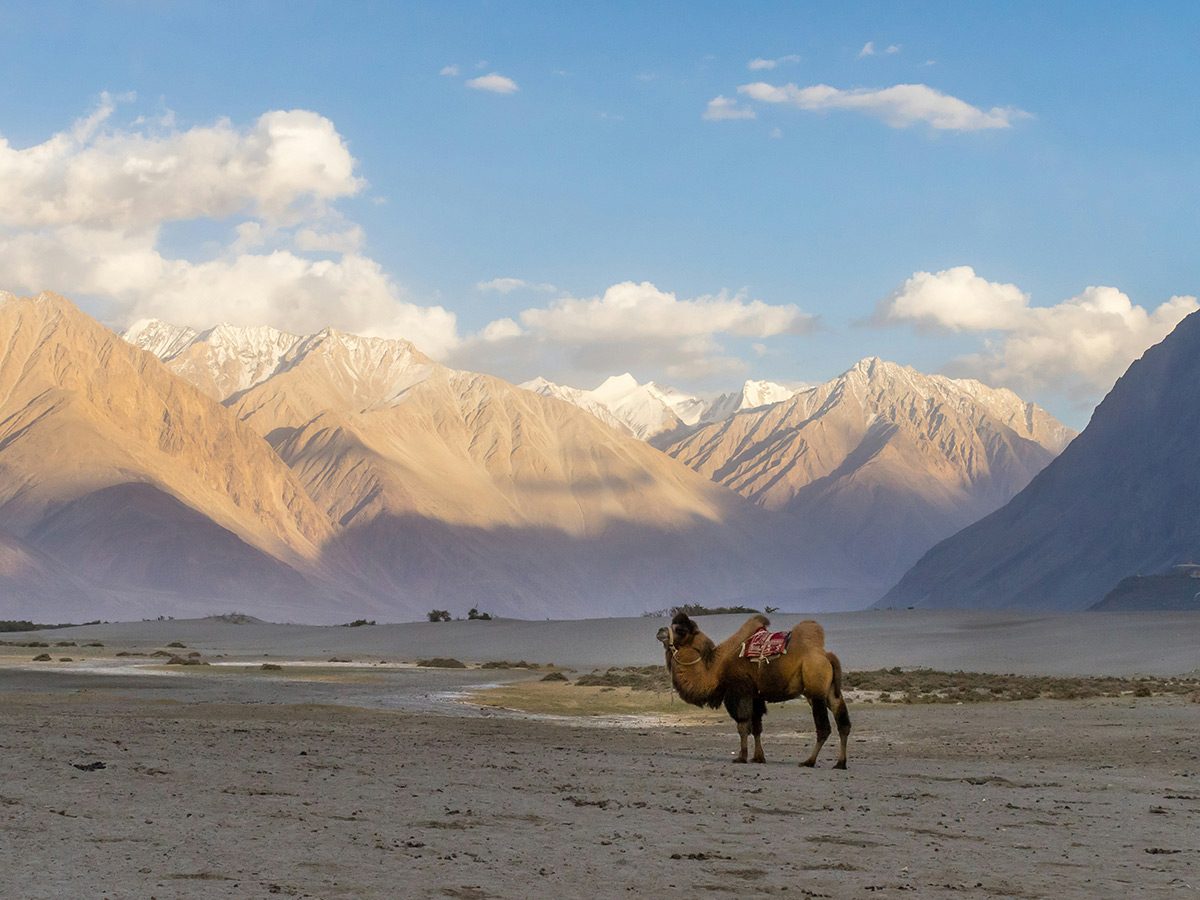
Bordering the lush pastures is the high attitude desert, typical of Ladakh but here blown into vast sandy peaks, best explored from the village of Hunder, on the back of the local Bactrian two-humped camel.
The 14th century Diskit Monastery is another highlight of the valley, perched on top of an ancient fort accompanied by a vast 32m Maitreya Buddha statue that can be seen for miles along the valley. Its dawn prayers of chanting and horn blowing echo around the surrounding slopes while the scent of incense floats among the crisp mountain air.
The most northern village in India is also found in this valley, Turtuk (meaning a desire to stay) is a unique community of Balti people and a visit here offers a glimpse into their ancient traditions, rituals and beliefs. Famed for being the ‘apricot capital of India’, the fruit is a mainstay of the village, which is full of bountiful trees, you’ll be offered everything from jams to kernels within a meal here.
Where to stay in Nubra Valley:
- Kyagar
- Lchang Nang Retreat
- Mystique Meadows Earth Homes
- TUTC Camp, Diskit
Ulley
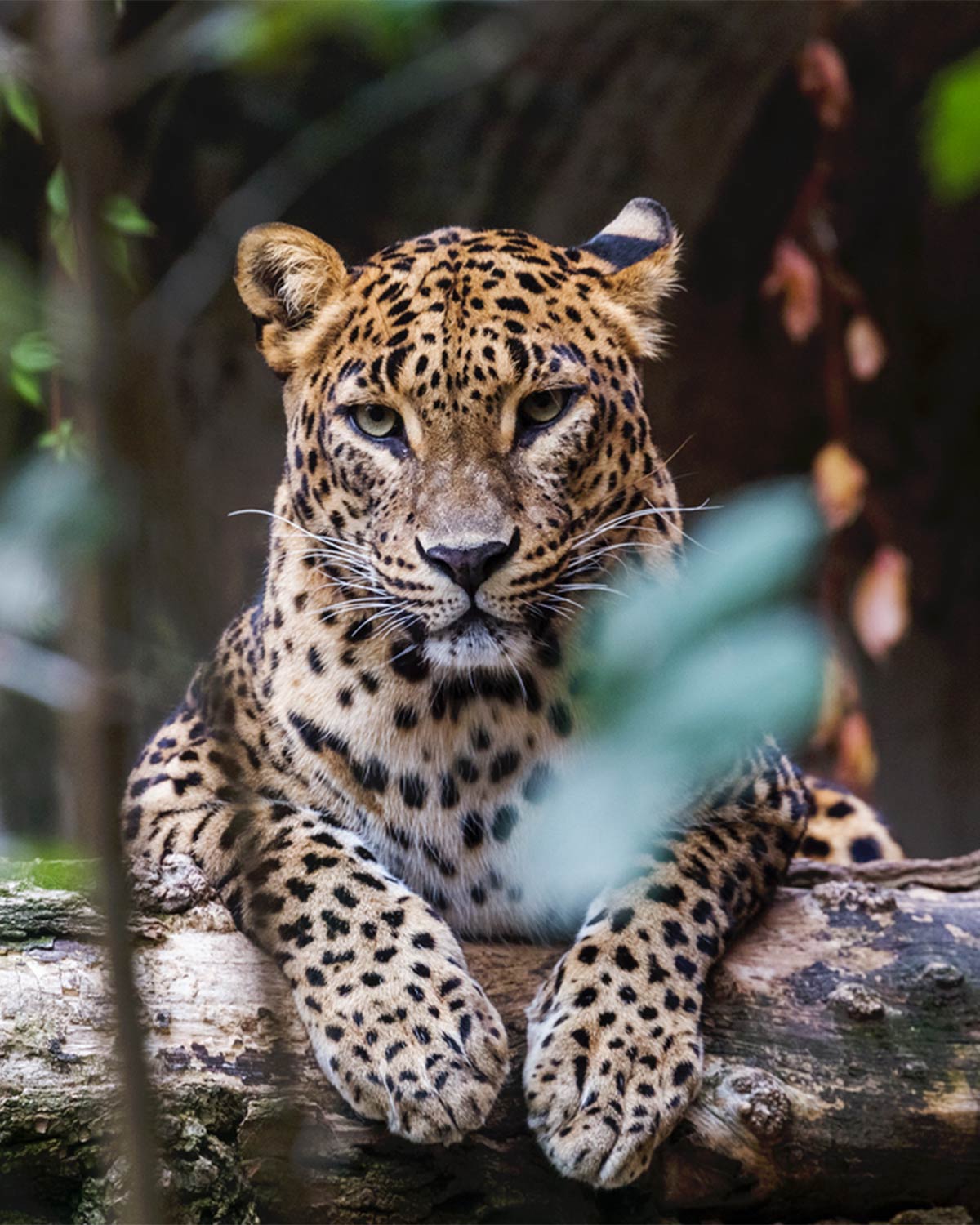
A tiny hamlet north of the Indus River, Ulley has become the wildlife hub of Ladakh. From the magnificent Ibex nimbly leaping between vertiginous outcrops to the elusive Snow Leopard, whose population is reputedly high in this region, a visit here offers inimitable tracking opportunities.
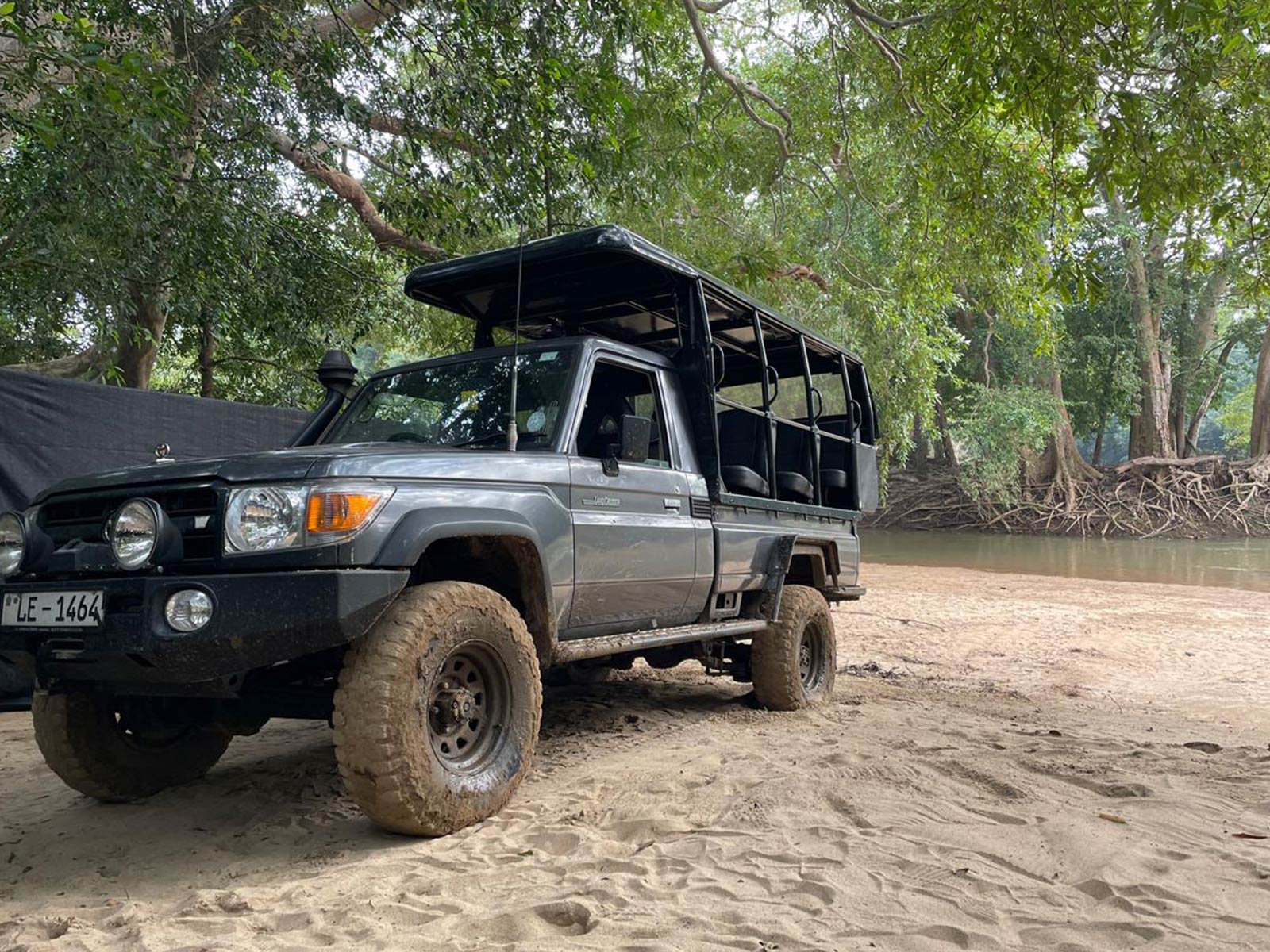
Wildlife safaris are offered both on foot and in specialised vehicles and, accompanied by local naturalists, you’ll be on the lookout for a vast range of species who call these harsh high-altitude mountains home, including: the Urial, Himalayan wolf, Wild Yak, Tibetan Fox, Bearded Griffon Vulture and Golden Eagle.
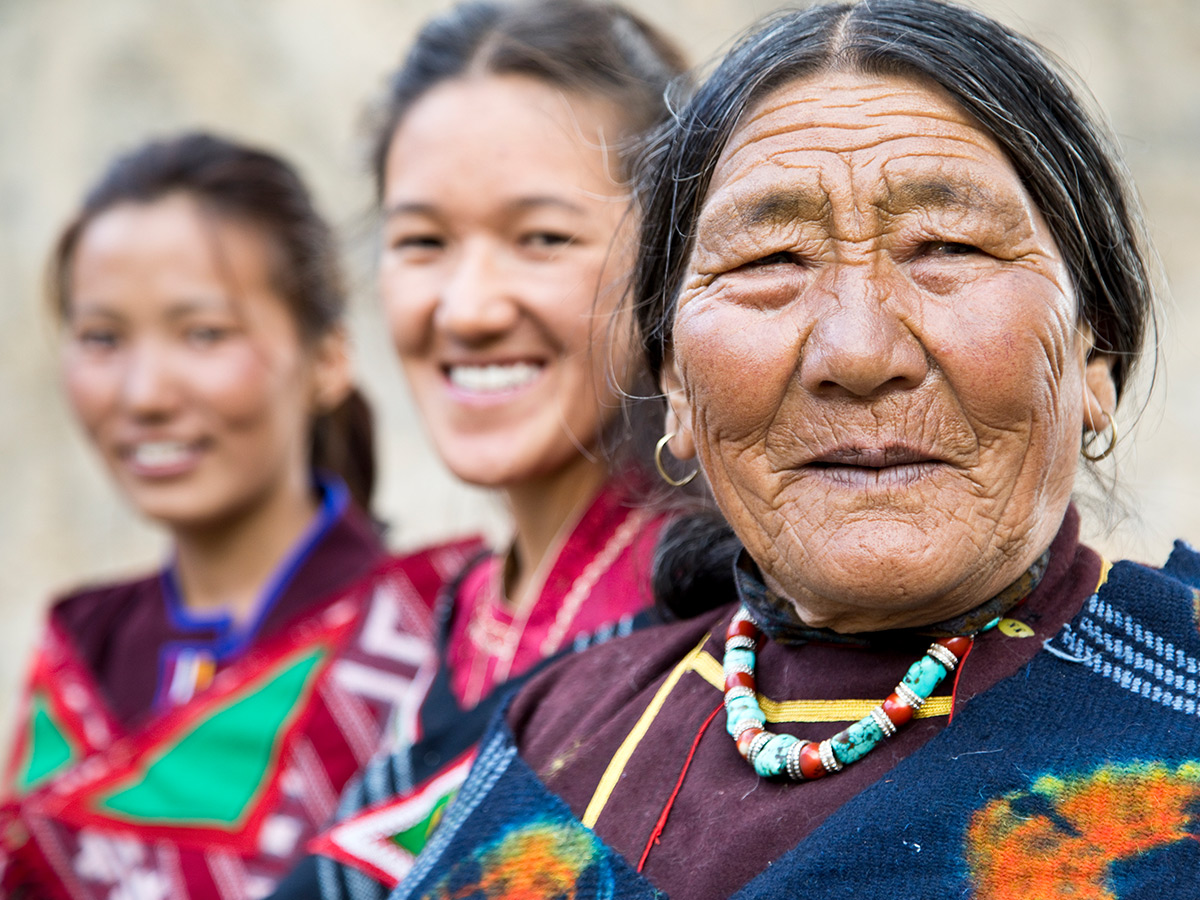
The hamlet of Ulley may only have a handful of houses but lying to the north are the favoured summer grazing pastures of Yak and Dzo and you’ll see the local farmers, many in traditional dress, herding these beautiful animals across the grassy plains with the ever-present backdrop of mountain peaks.
Where to stay in Ulley:
- Ulley Ethnic Camp and Resort, Ulley Tokpo
- Snow Leopard Lodge
Kargil
The second largest town in Ladakh, its name sums up its allure - meaning ‘a place between kingdoms’ it is tapestry of Tibetan, Muslim and Buddhist influences and, like many communities in Ladakh, has its roots in its importance as a trading hub along the Silk Road. Its winding streets mirror this intriguing blend of influences within their architecture and the numerous places of worship jostle for space on the skyline.
The glistening minarets of the gilded mosques reach into the heavens, while ancient gompas (Buddhist monasteries) perch on high outcrops, colourfully adored by fluttering prayer flags. Of these, the 8th century Mulbekh Monastery is famed for its monumental nine-metre-tall Maitreya Buddha sculpture, carved into the limestone rockface.
Kargil has a strong culinary reputation, and you’ll have the chance to savour the best of Himalayan Ladakh cuisine, from spice-laden kebabs known as ‘tujj’ to mountain fresh apricot-filled deserts. Apo Market stalls brim over with dried fruits and nuts alongside intricately woven Ladakhi shoes, traditional copper kitchenware and Tibetan flutes.
Where to stay in Kargil:
- The Kargil
Drass
The second coldest inhabited place in the world, Drass is known for extreme snowfall in winter but, during the summer, it’s the start point for some of Ladakh’s most beautiful and spiritual treks. You can head out along the wild Suru Valley, climb Tiger Hill, the highest peak in the Kargil region of Ladakh, or visit the hill station of Laser La with its spellbinding views over the crystalline glacier.
For an immersive spiritual hiking experience, many Hindu pilgrims trek to one of the holiest shrines of Hinduism at Amarnath Cave, with its vast sacred ice formations. While Islamic pilgrims head to the vibrant blues of the Ningoor Masjid mosque about 7km from the centre of Drass.
Where to stay in Drass:
- Drenmo Lodge
Srinagar (Kashmir)
The summer capital of Jammu and Kashmir, Srinagar is famed for its ornamental gardens, pristine waterways and intricately carved, wooden houseboats. Its old city is a maze of narrow alleyways, ancient mosques and bustling bazaars full of Kashmiri handicrafts.
Dal Lake is the centre-point of life in the city and spending time on the water, among its canal-like passageways, gives you a fabulous insight into the time-honoured culture. From early morning when floating vegetable markets see locals jostling for bargains, to quietly drifting across the water’s serene mountain reflections at sunset on board a traditional wooden ‘shikara’ boat.
Bordering the lake are hundreds of extravagantly embellished houseboats, a testament to the colonial past when the British were prohibited from owning land so, instead, lived aboard these sumptuous floating wooden palaces. A stay onboard one of these houseboats evokes a sense of their colonial grandeur.
The city’s gardens are an ode to the Mughal era, each with its own design, they feature ornamental fountains, intricately carved pavilions and immaculate lawns, giving a glamorous and regal feel to this mountain-ringed town. We would recommend visiting the almond blossoms at Badamwari Garden or the pristinely terraced views down to the lakeside at Nishat Bagh.
Where to stay in Srinagar:
- Sukoon Houseboat
- Qayyam Gah
Shey
In the 10th century, Shey was named the summer capital of Ladakh, with Leh the winter capital, and it remains an atmospheric and culturally rich village today.
Shey Monastery, set within the Shey Palace complex, resonates with silent solitude. Inhabited by a sole monk, it also holds several permanently lit lamps, which represent the eternal flame and a vast copper and gilded gold idol of Shakyamuni Buddha. The second largest idol in Ladakh, the Buddha is 12 metres tall and covers three floors of the monastery. The profound spirituality of this place is reflected in its staggering views.
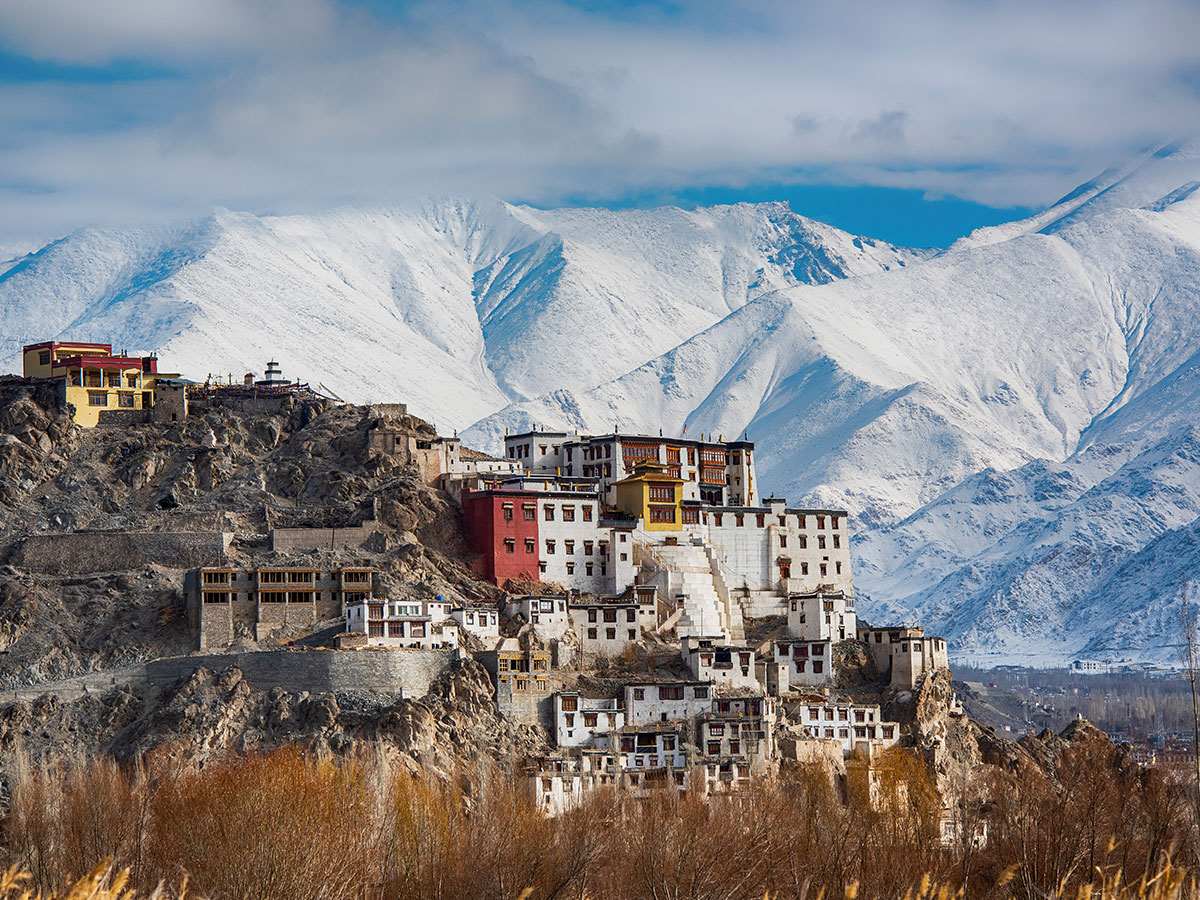
From Shey, it’s easy to visit two other mesmerising Ladakhi gompas. Hemis Monastery is known for being the richest in Ladakh, filled with golden statues, gem-encrusted stupas and ancient Tibetan books and paintings. While 15th century Thiksey is known for its beautiful hilltop setting, giant Maitreya Buddha and sublime dawn prayer ritual, which visitors are welcome to attend.
Heading back towards Leh at the end of a visit to Ladakh, you’ll cross Wari-La Pass, arguably one of the most beautiful in Ladakh, with stunning views across the snowcapped mountains.
Where to stay in Shey:
- Shel Ladakh, Shey
- TUTC Camp, Thiksey
Read next
 Cherylle, Travel Consultant
Meet our experts
Speak to our experts to help you plan your trip
Dreaming of a journey that’s truly your own? Our specialists take the time to understand what excites and inspires you, then craft a holiday that goes far beyond the ordinary. Whether you’re seeking adventure, relaxation, or a perfect balance of both, we’ll design something that’s completely yours. Ready to start planning? Get in touch and let’s create your ideal escape.
Choose your adventure
Let's get planningSpeak to one of our team to get started. After all, your travel journal won’t write itself.