Learn more
Our Guide to: Kumana National Park in Sri Lanka
Our Guide to Kumana National Park
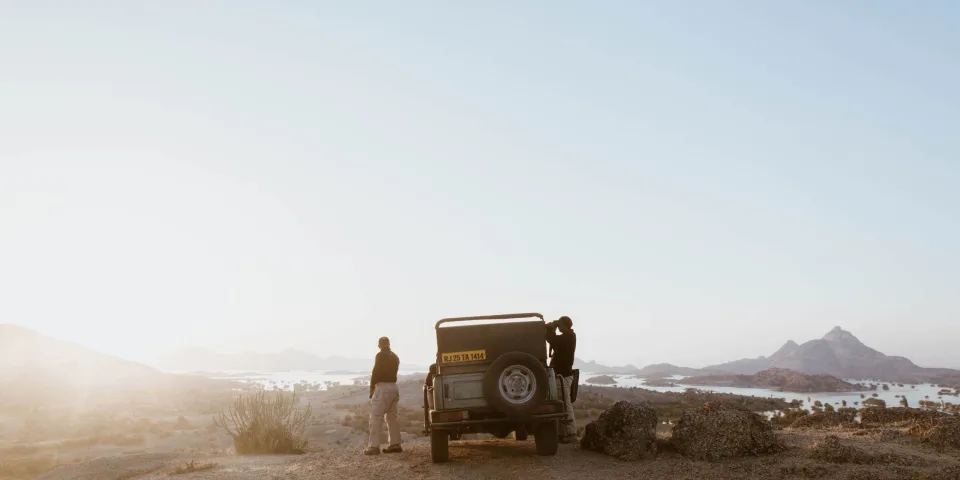
Spending time in the protected landscape of Kumana National Park feels like a gentle exhale. It’s one of the lesser-known of Sri Lanka’s 26 national parks and this off-the-beaten-track appeal ensures a quieter, more immersive and intimate safari experience than at many of the other parks.
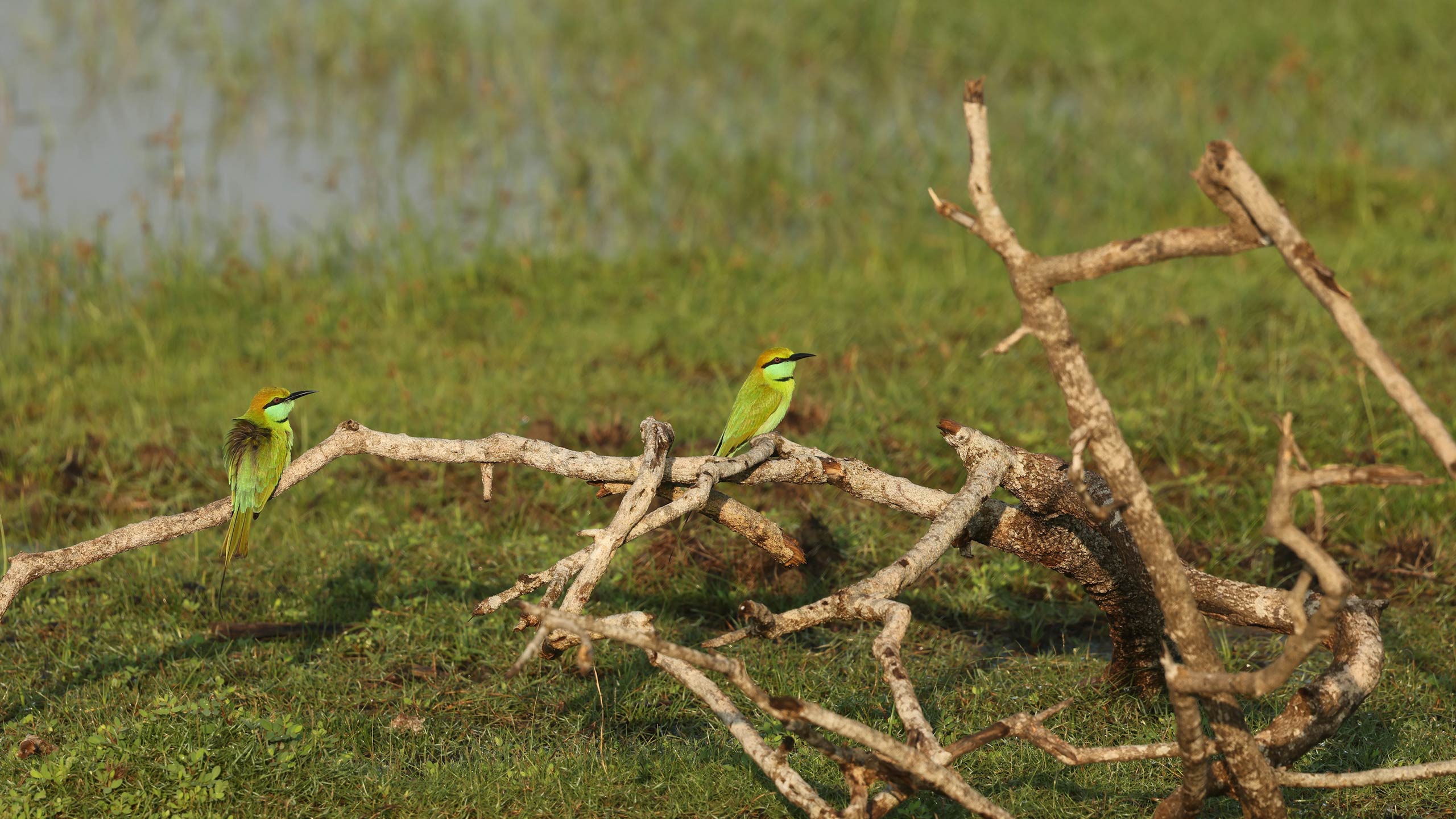
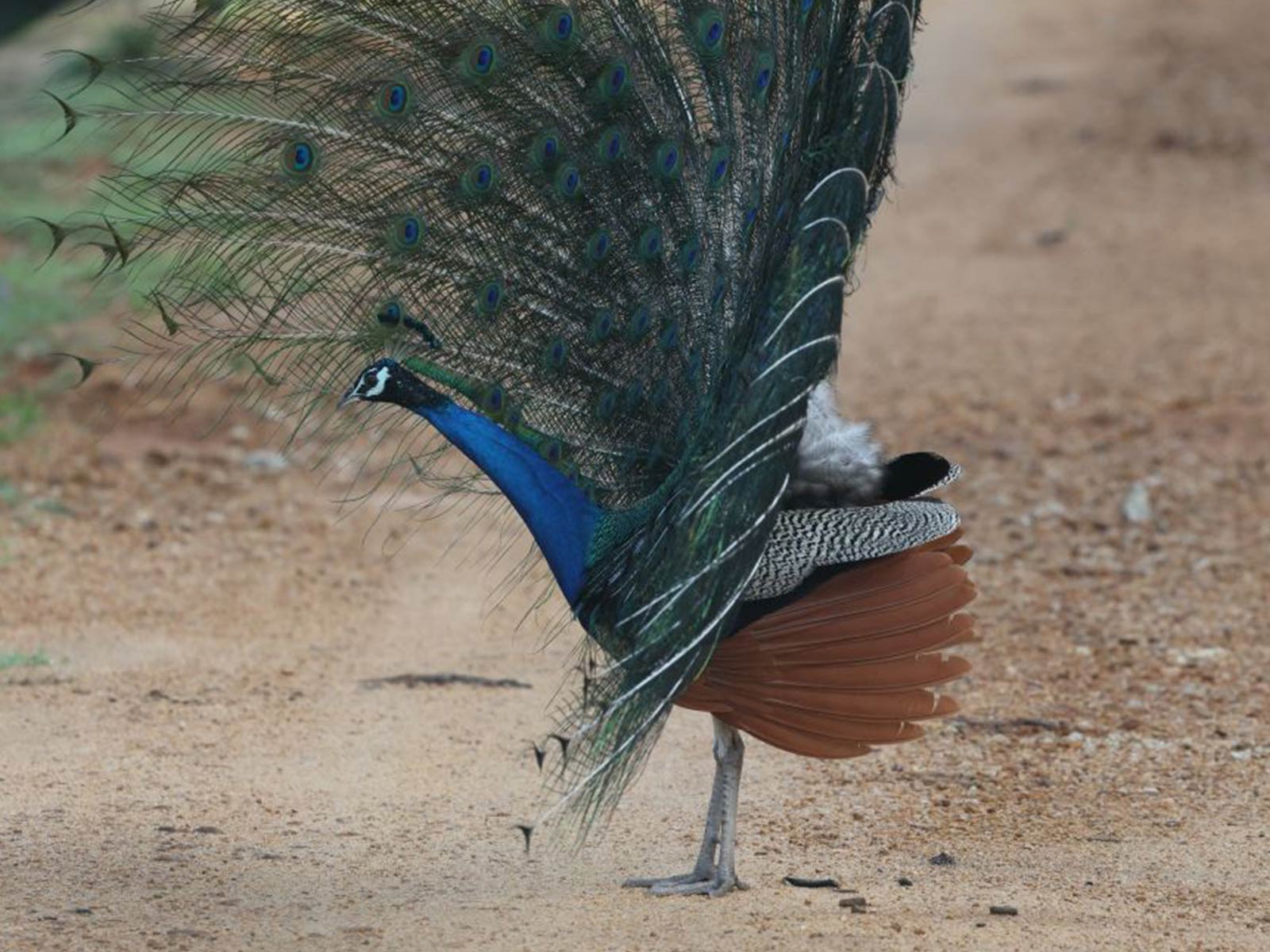
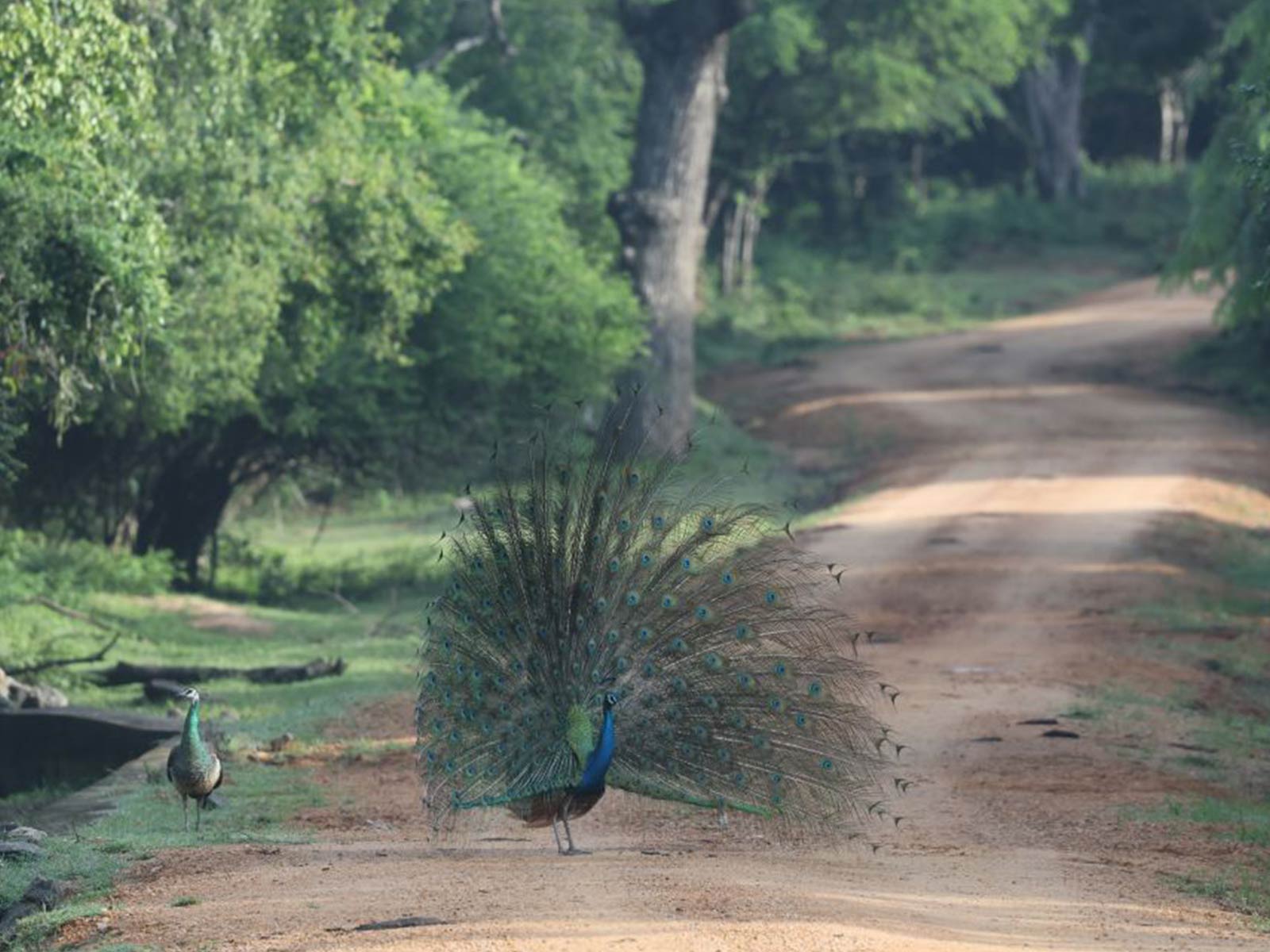
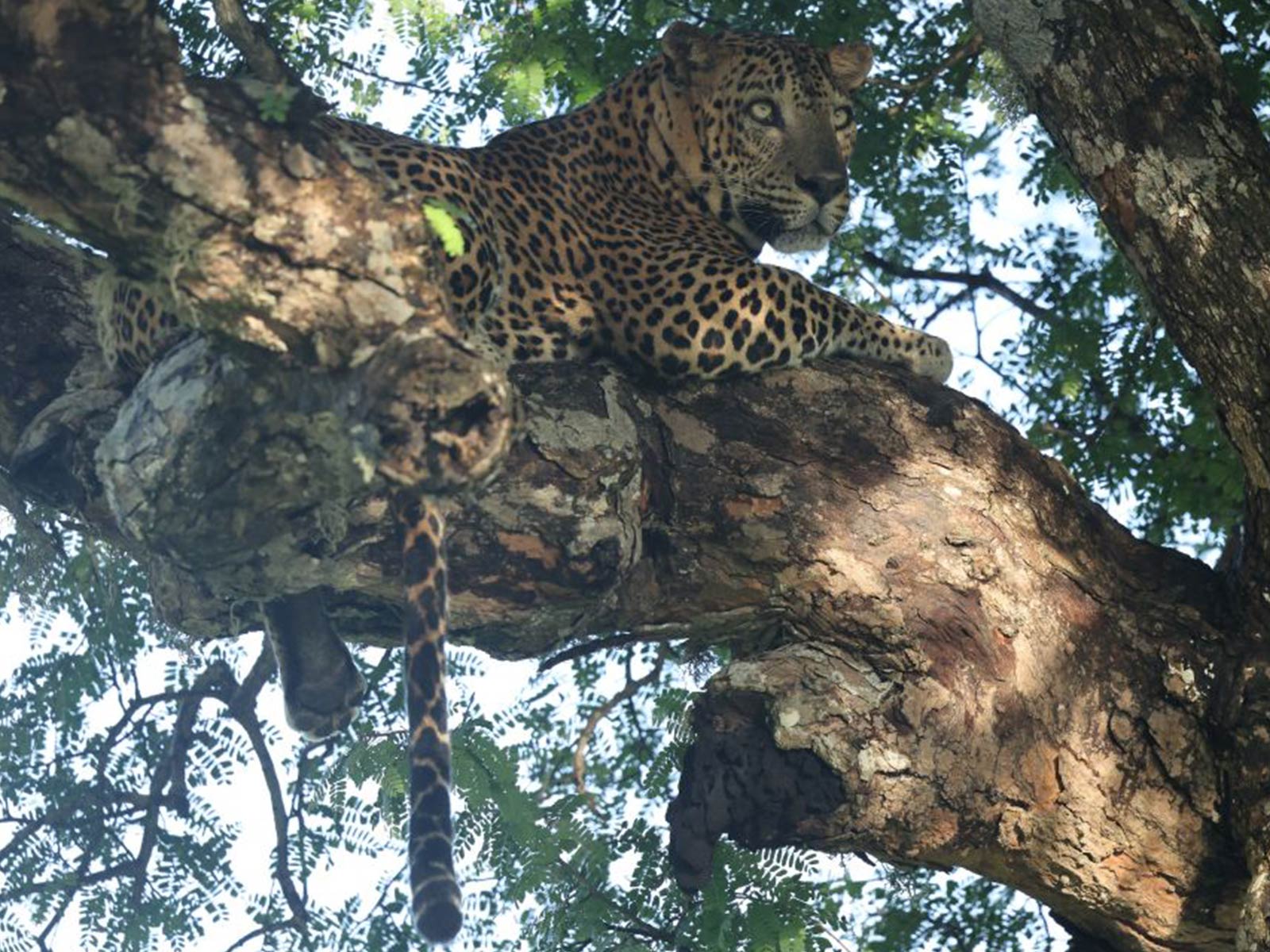
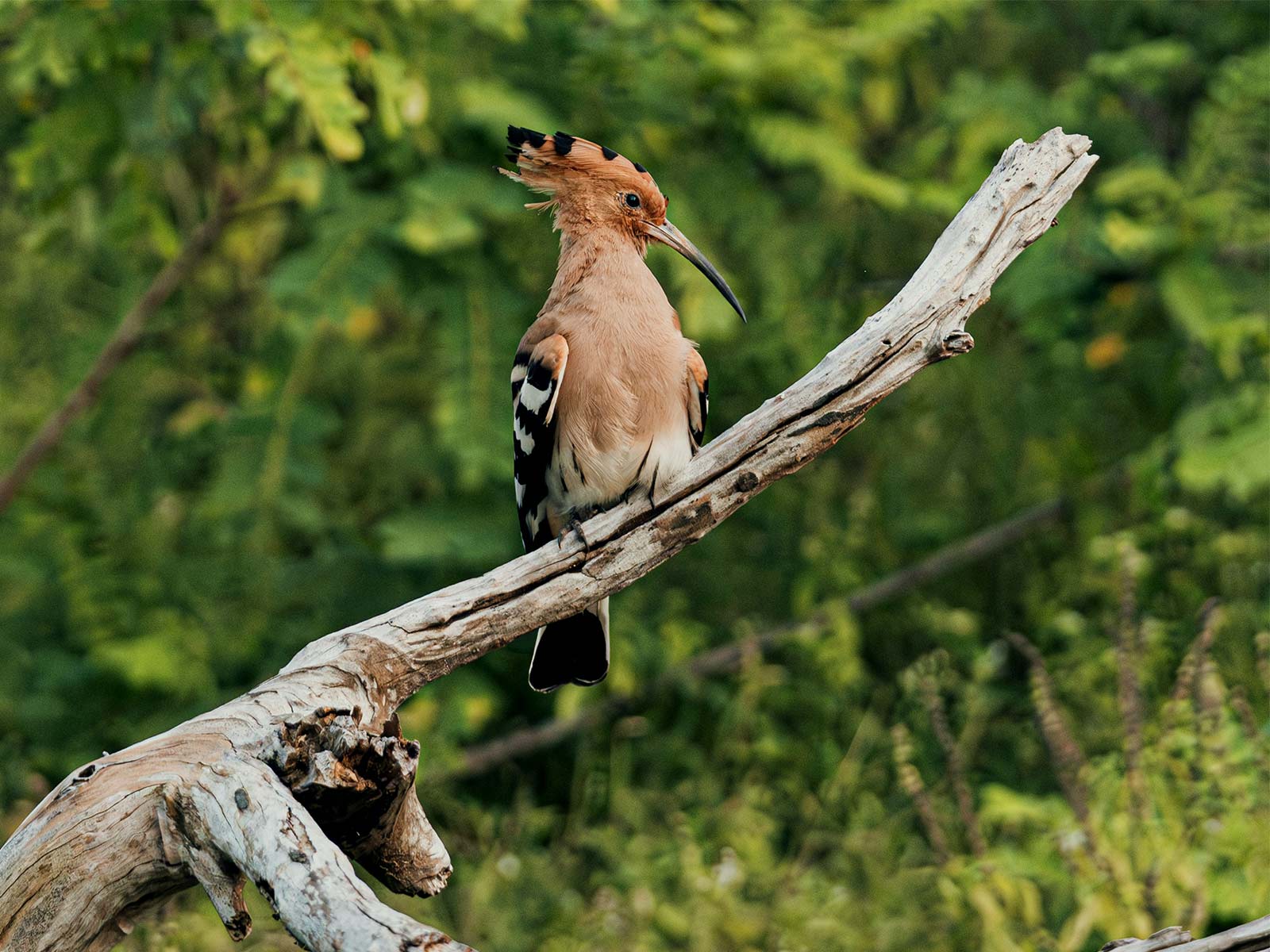
Tucked along the southeastern edge of the island, the park is known for its plethora of birdlife, attracting over 250 species throughout the year who come here to nest and breed. But it’s not all about the birds, the park is also home to some of Sri Lanka’s most celebrated animals from the elusive leopard and Asian elephant to the golden jackal, sloth bear and mugger crocodile.
Kumana was first established by the British as a bird sanctuary in 1938, it was upgraded to national park status in 1969, as the Yala East part of neighbouring Yala National Park before finally being declared an independent reserve in 2006. It is now named after the ancient village that stands near its entrance.
Kumana National Park lies a three-hour drive south of the celebrated surf breaks at Arugum Bay and just to the northeast of neighbouring Yala, offering an easy triumvirate of options for a holiday in the southeast of Sri Lanka.
In this guide we’ll talk you through the park’s landscapes and wildlife while sharing our recommendations on the best time to visit, where to stay and what to see beyond the park in this area of Sri Lanka.
The Landscape of Kumana National Park
Totalling over 350 sq km, much of Kumana National Park is a tropical dry zone, where you’ll find dense kumbuk forest and thorn scrub bordered by riverine forests that line the banks of the Kambukkan River. But it’s best known for its mangrove swamps and wetlands, with 20 shallow coastal lagoons, natural freshwater lakes and ancient tanks offering vital and diverse habitats for waterbirds. The best-known body of water in the park is Kumana Villu, a large sand-rimmed watering hole and mangrove swamp, fed by rainwater, that stretches across over 2 sq km.
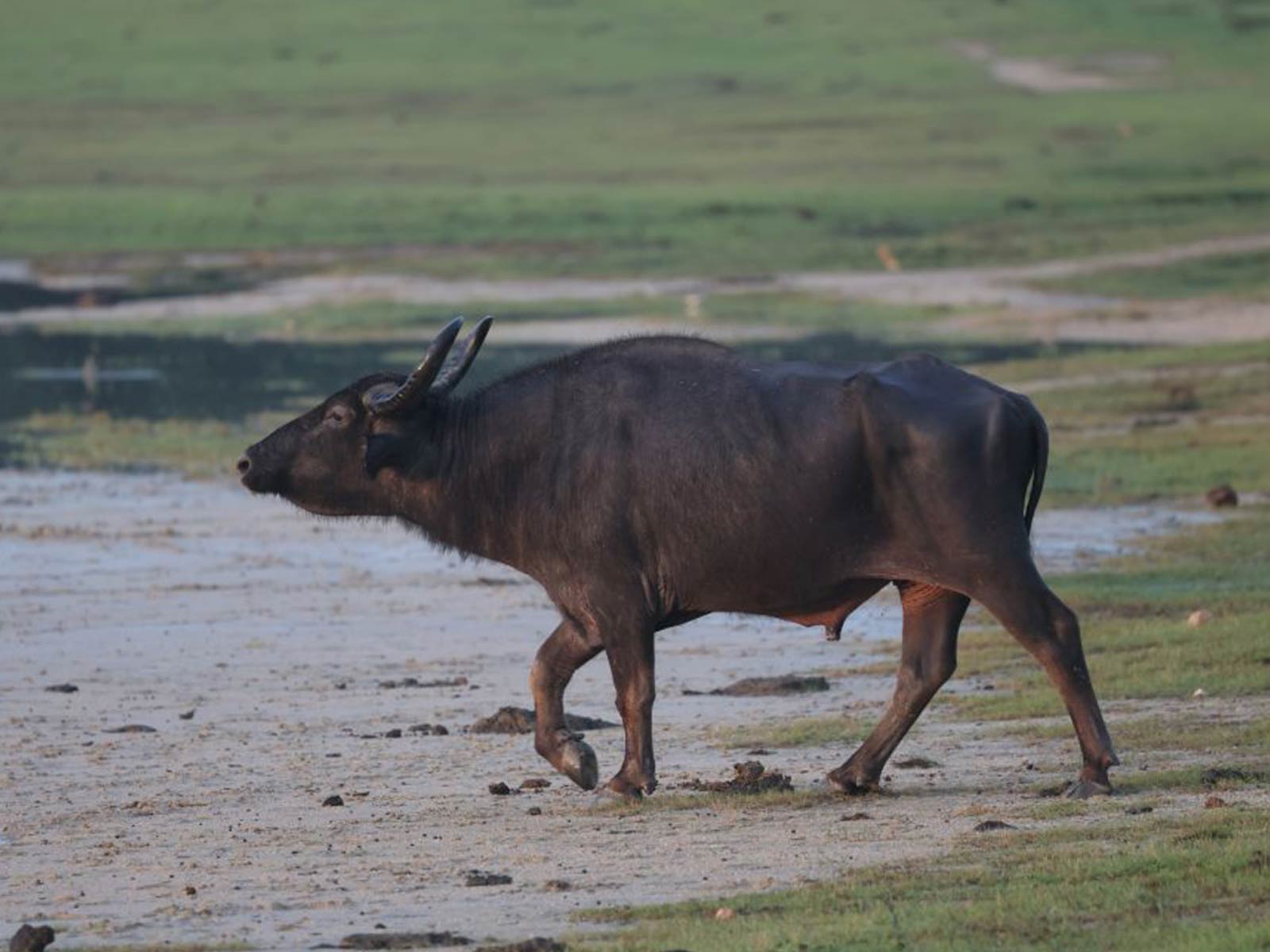
Linking these bodies of water are open grass plains, rich in vegetation and ideal grazing grounds for the park’s herds of wild water buffaloes. Kumana is one of the few places in Sri Lanka where you can still watch these animals roaming freely.
Scattered across the park are many signs of the 2,000-year-old irrigation civilisation that is believed to have lived in this area and whose people were responsible for building many of the ancient tanks still used today by the park’s wildlife. You’ll find rocky outcrops housing ancient cave inscriptions dating back to the 1st and 2nd centuries and a nine-metre (20-foot) statue of a reclining Buddha near the 9th century Bambaragastalawa monastery complex. These jungle-clad remains add hugely to the atmospheric air of the park.
Wildlife Encounters in Kumana National Park
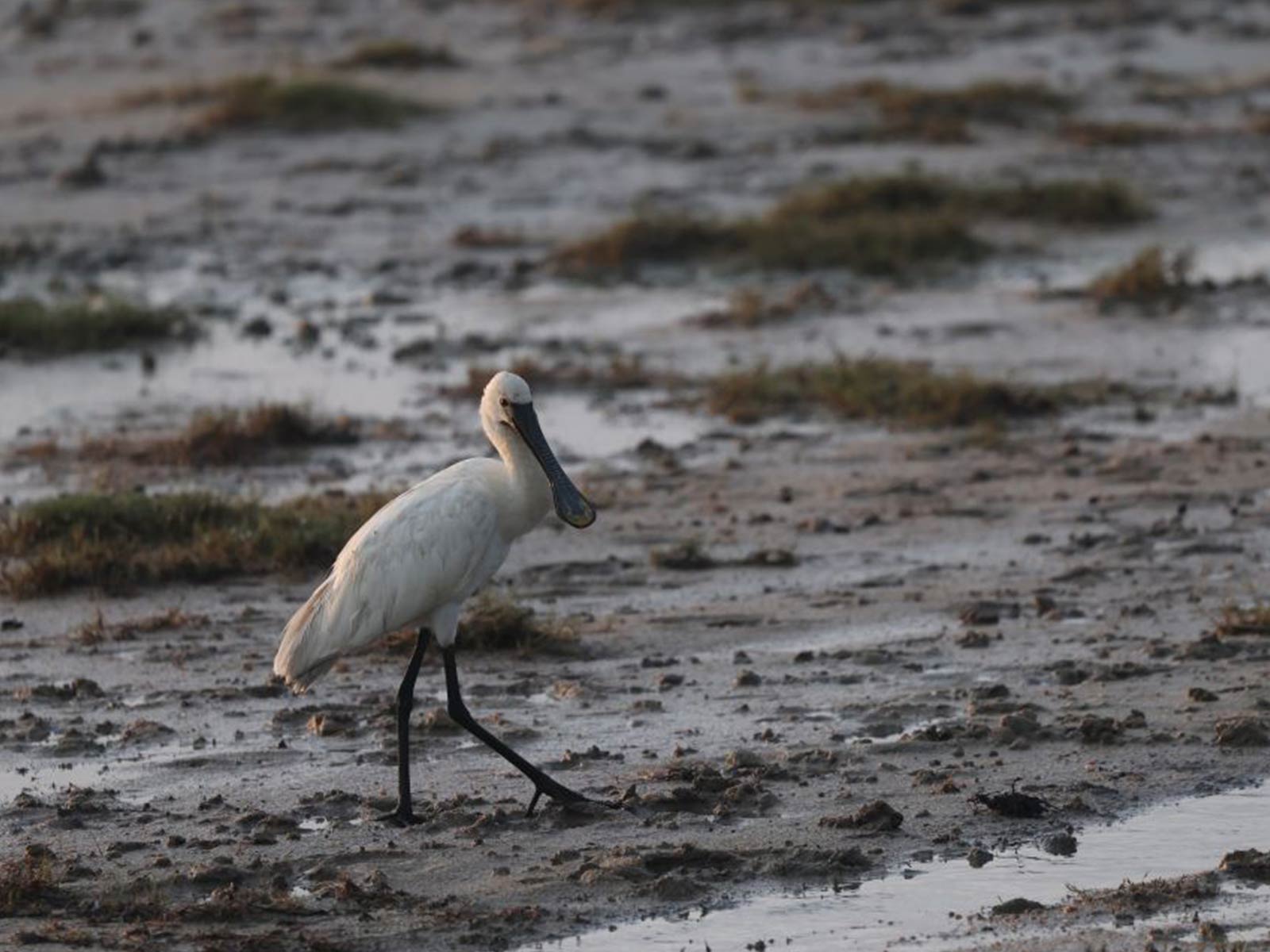
Best known as a birdwatchers’ paradise, Kumana National Park lives up to its reputation, particularly in the peak season between April to July, when the park transforms into a vibrant spectacle with pelicans, spoonbills, herons, painted storks and even the extremely rare black-necked stork arriving here to nest among the mangroves surrounding Kumana Villu. Alongside the migratory visitors, over 250 of Sri Lanka’s 400 species of birdlife call Kumana home.
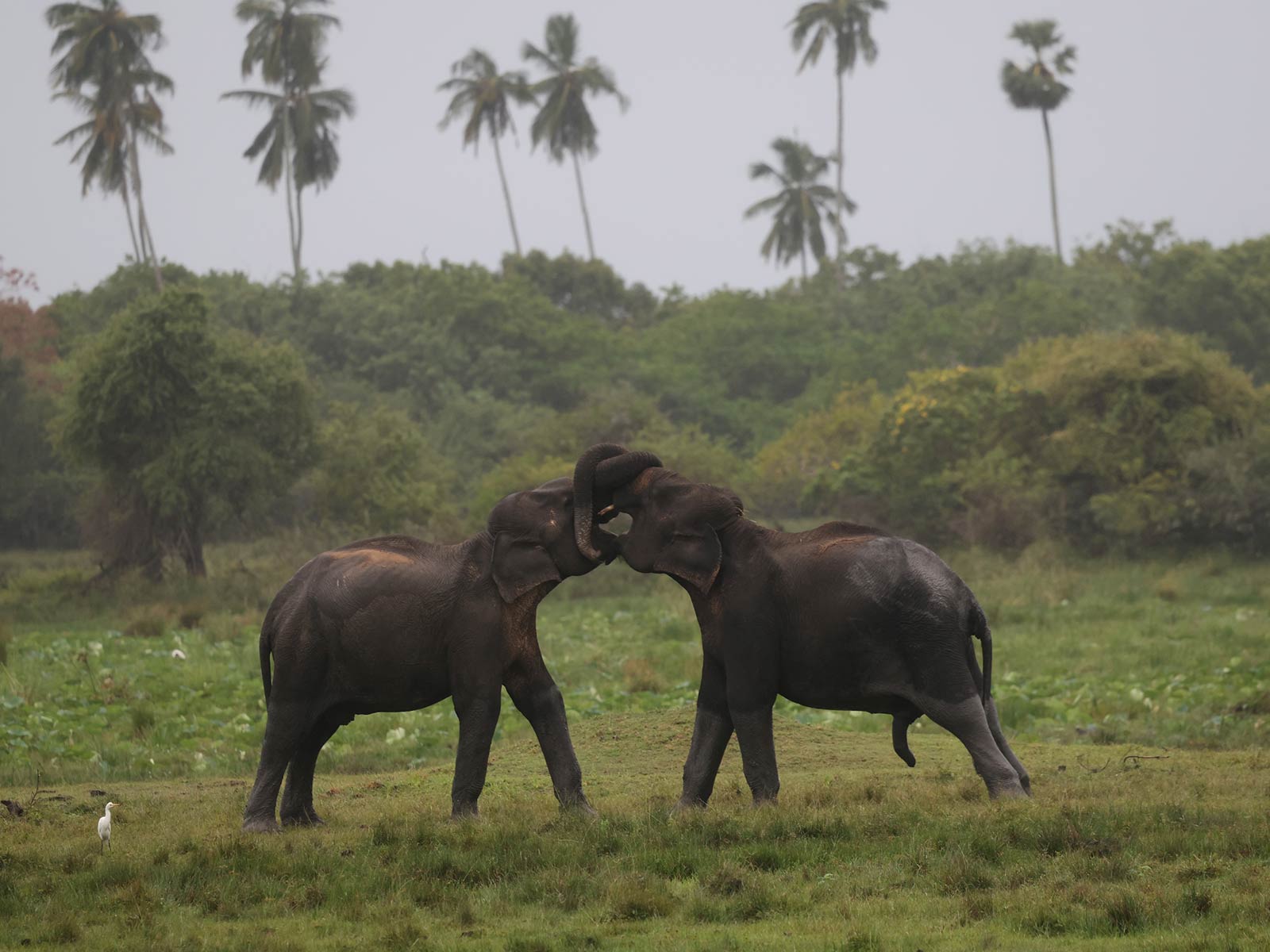
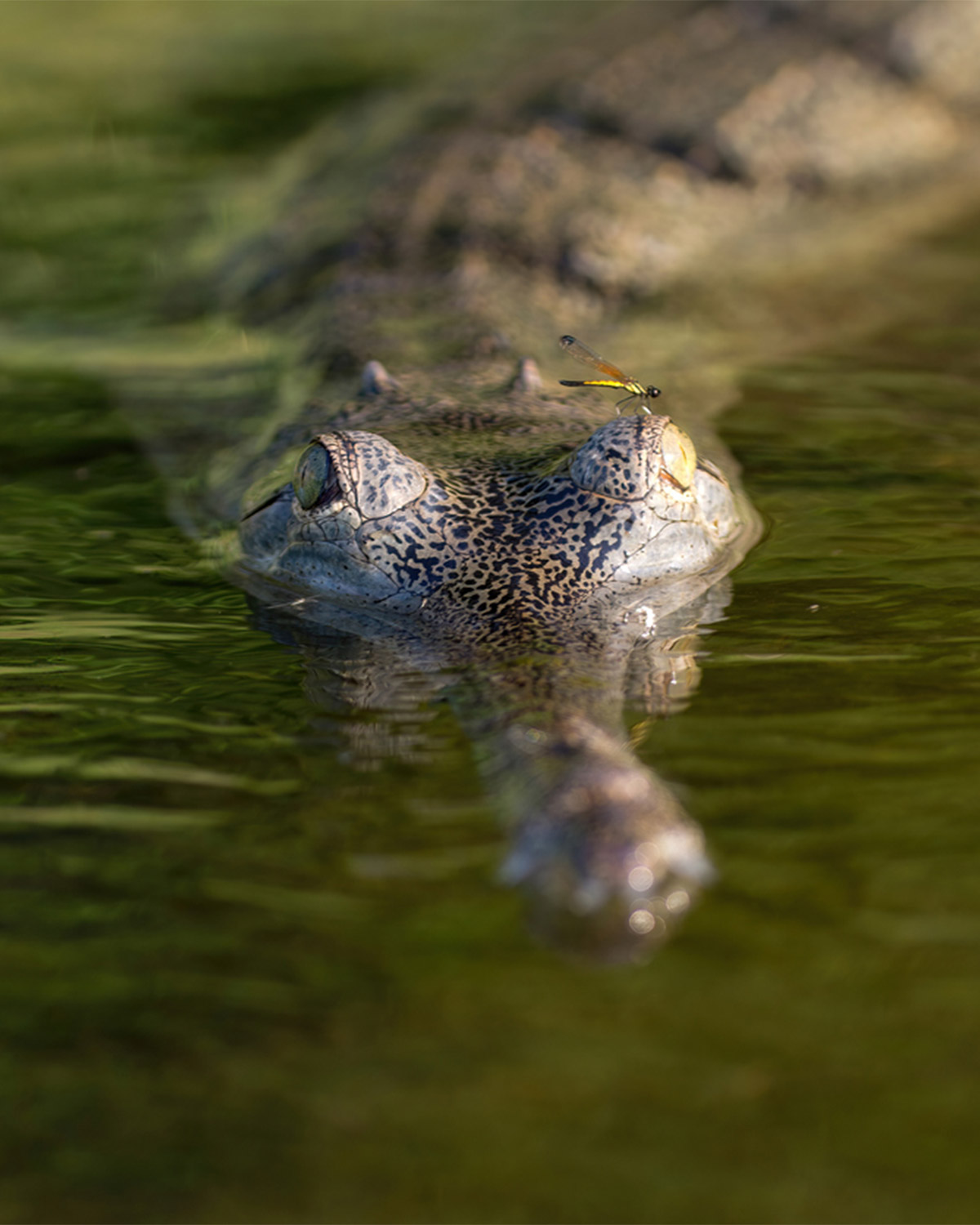
While numbers are not as high as in neighbouring Yala, Kumana also supports herds of Asian elephants and you’re likely to see individuals crashing through the scrub or trudging across the grasslands. Mugger crocodiles are common here, strategically placing themselves around the water’s edge to prey on the jackal, sambar deer, wild boar and striped-necked mongoose that come down to drink.
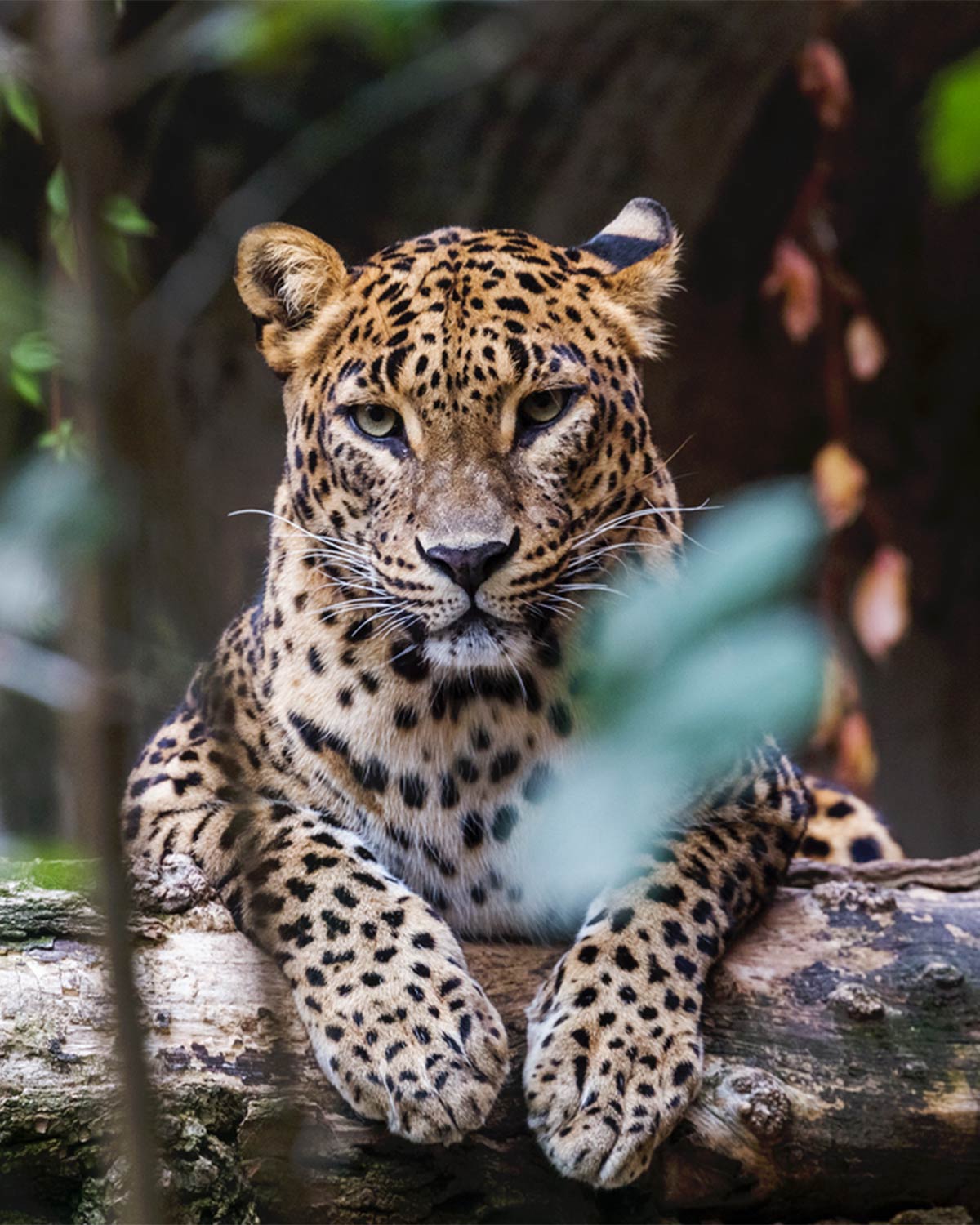
Kumana National Park sustains a healthy population of leopards and despite these animals not being as habituated to the safari vehicles as in the busier parks, there is still a good chance to spot them, particularly in the drier months. While sloth bears can often be found messily eating their favoured palu fruit during the dry season.
When to Visit: Seasons & The Best Time for Safaris
Choosing the best time to visit Kumana depends hugely on what you are coming here to see. For bird watchers, we’d recommend visiting between April and July when the thousands of migratory birds arrive here to nest. For other species, the dry season from May to September sees wildlife congregating around the water sources, giving you a higher chance of spotting the park’s more elusive creatures, leopard sightings tend to reach a peak in October.
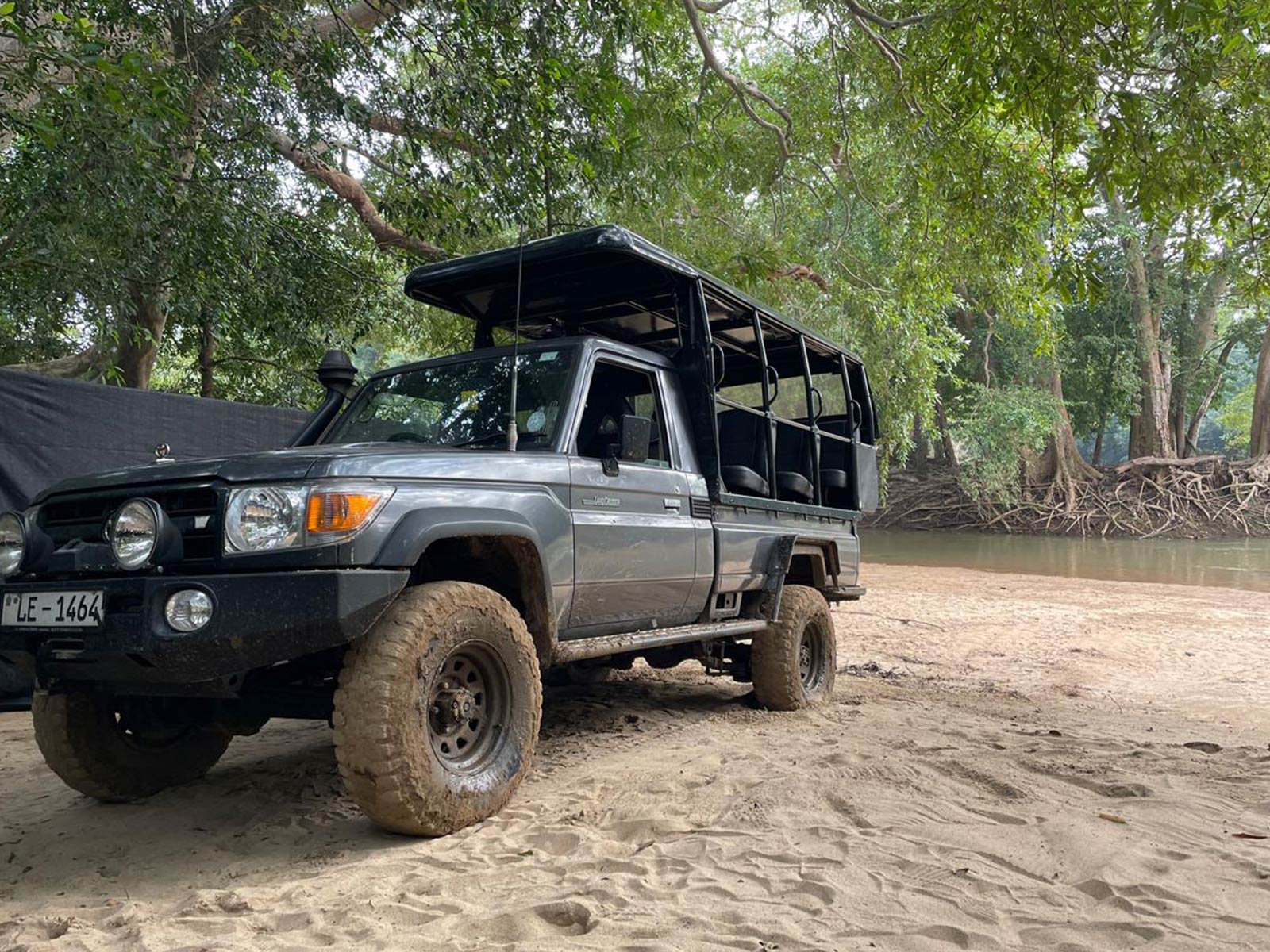
Safari trips here focus on either end of the day to coincide with heightened activity of the park’s resident animals. You’ll find the park’s landscape at both of these times bathed in a soft golden light, while the animals are moving around the park and easier to spot.
No matter when you visit, Kumana remains a quieter park than many others on the island, ensuring that you have a taste of the untarnished wilderness of this remote region.
Where to Stay Near Kumana
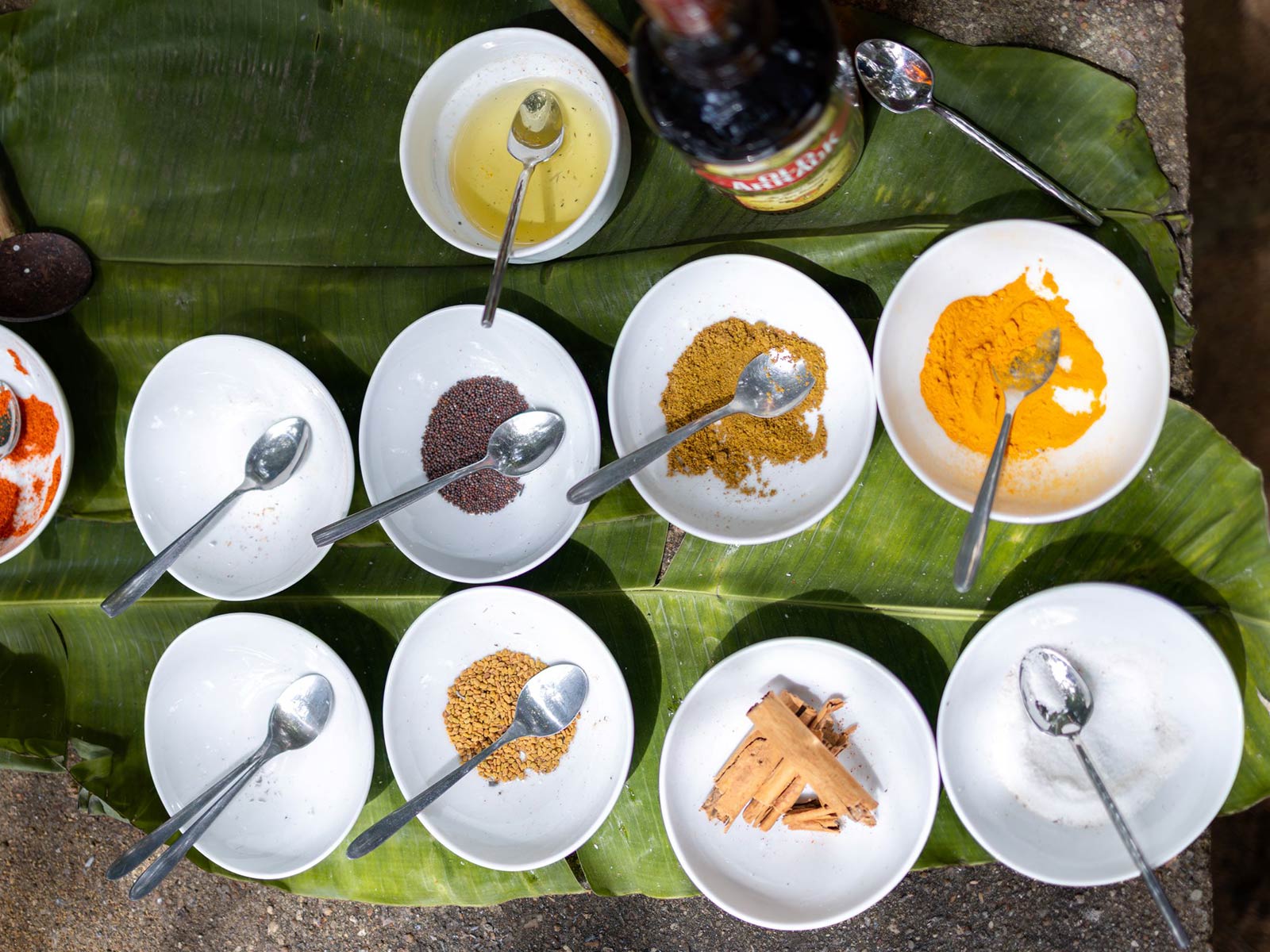
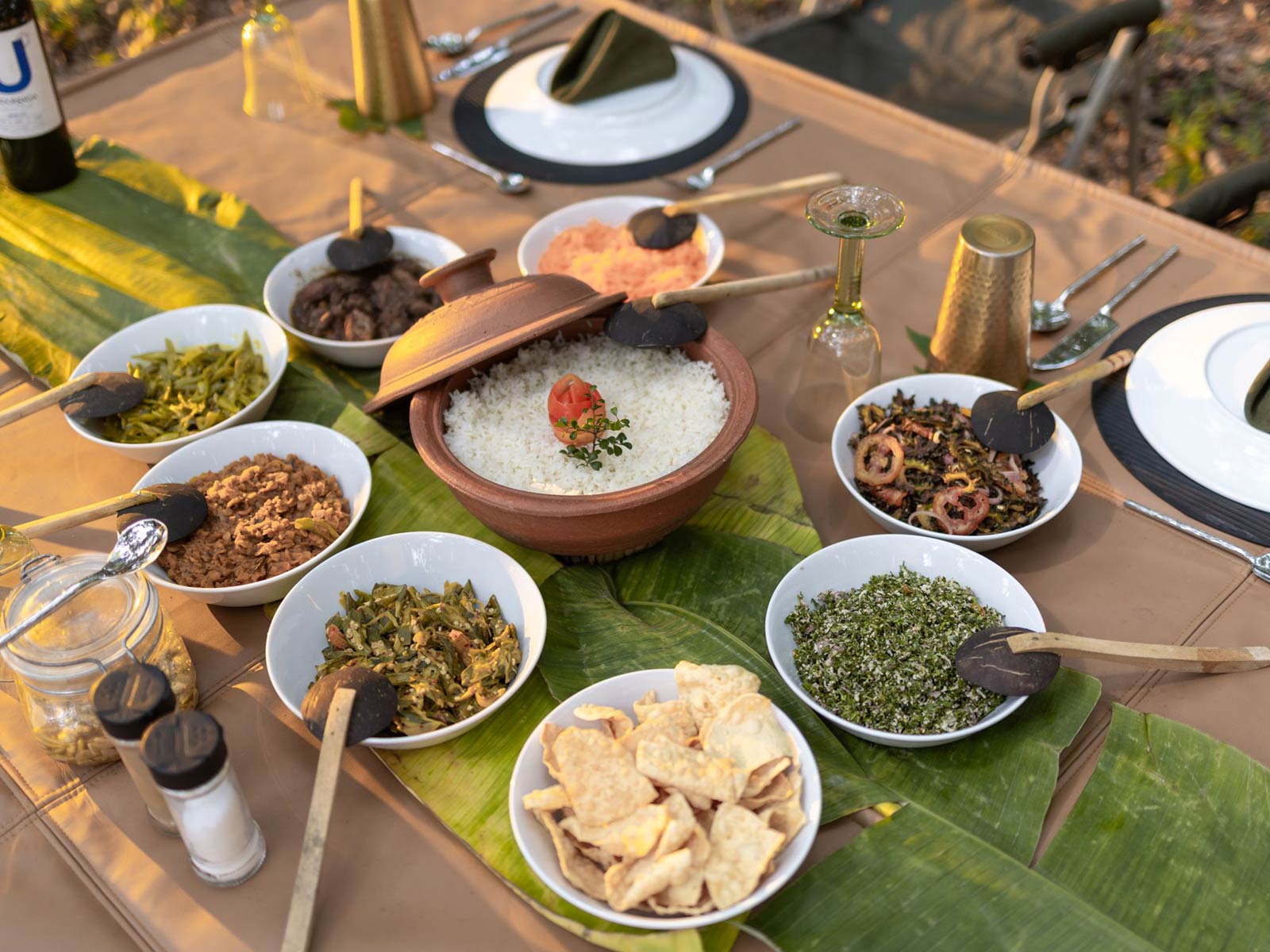
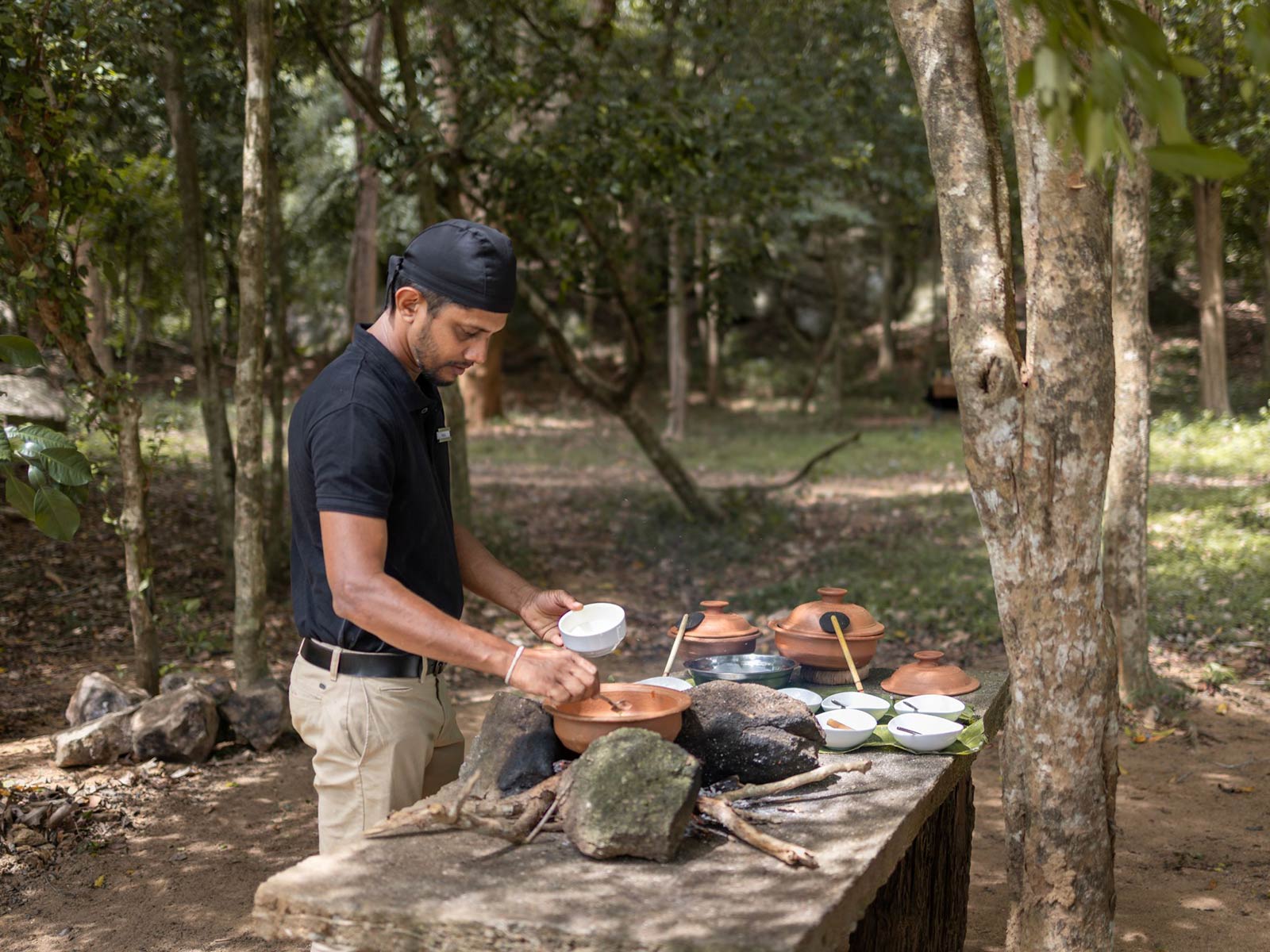
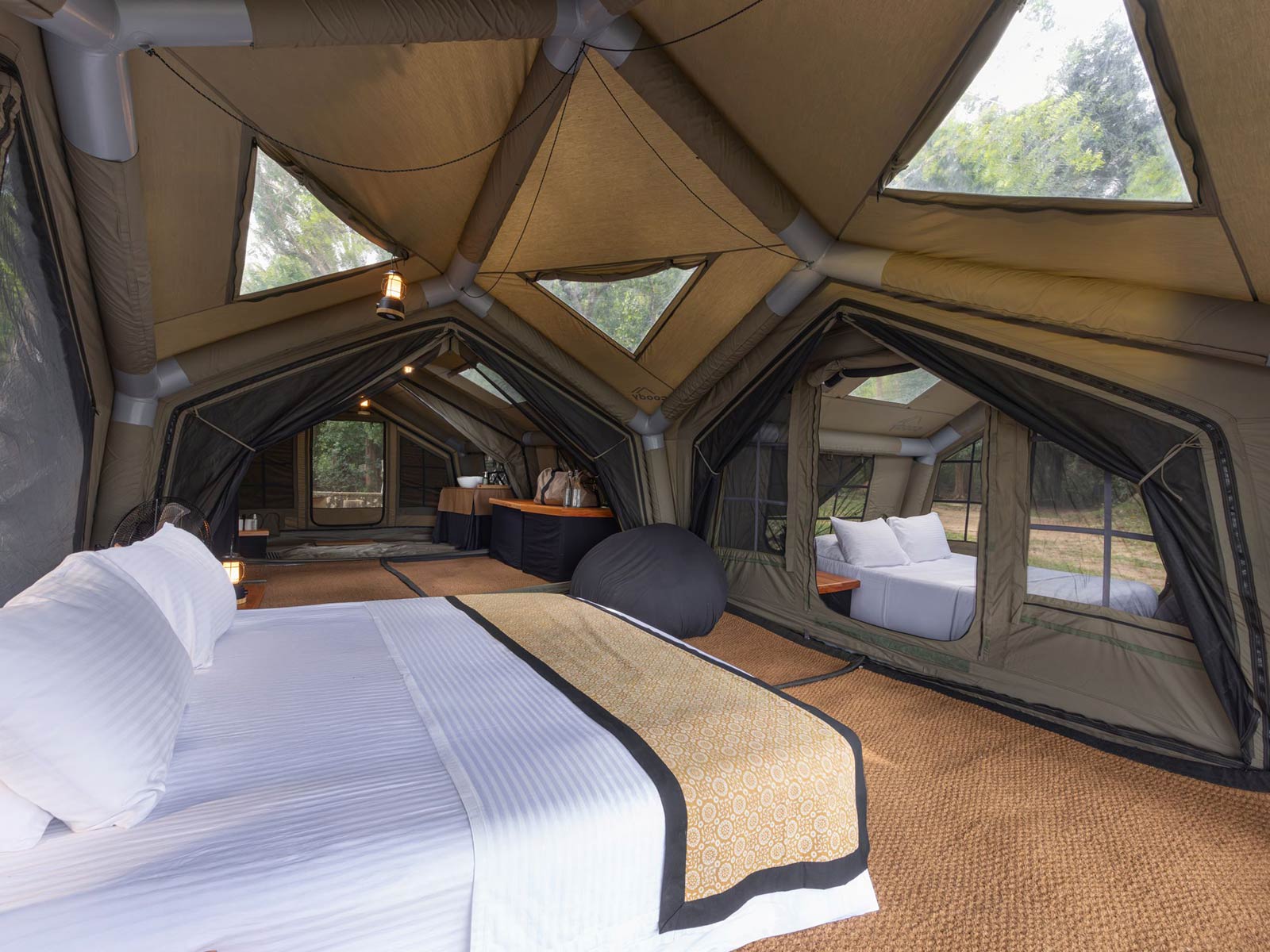
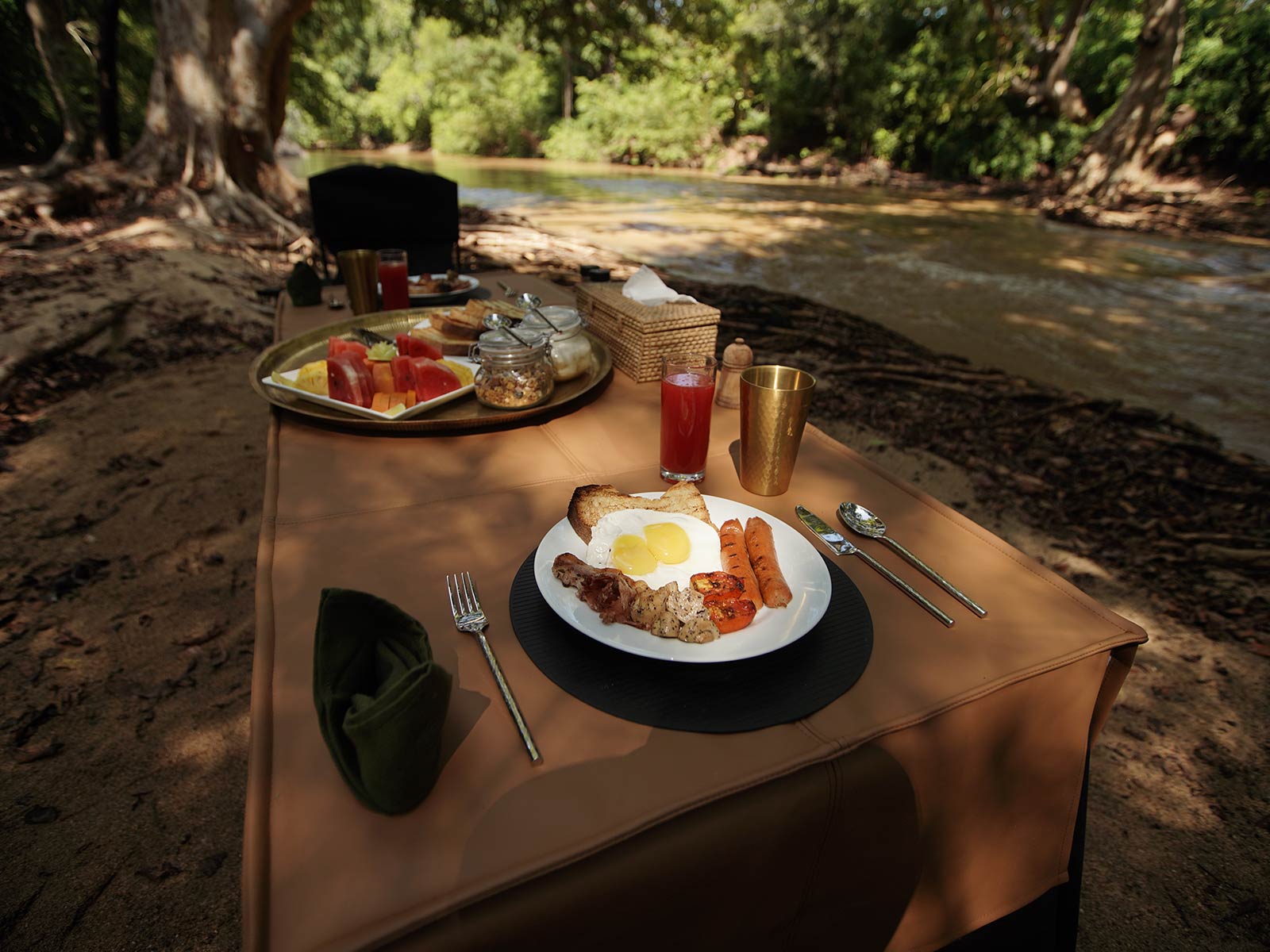
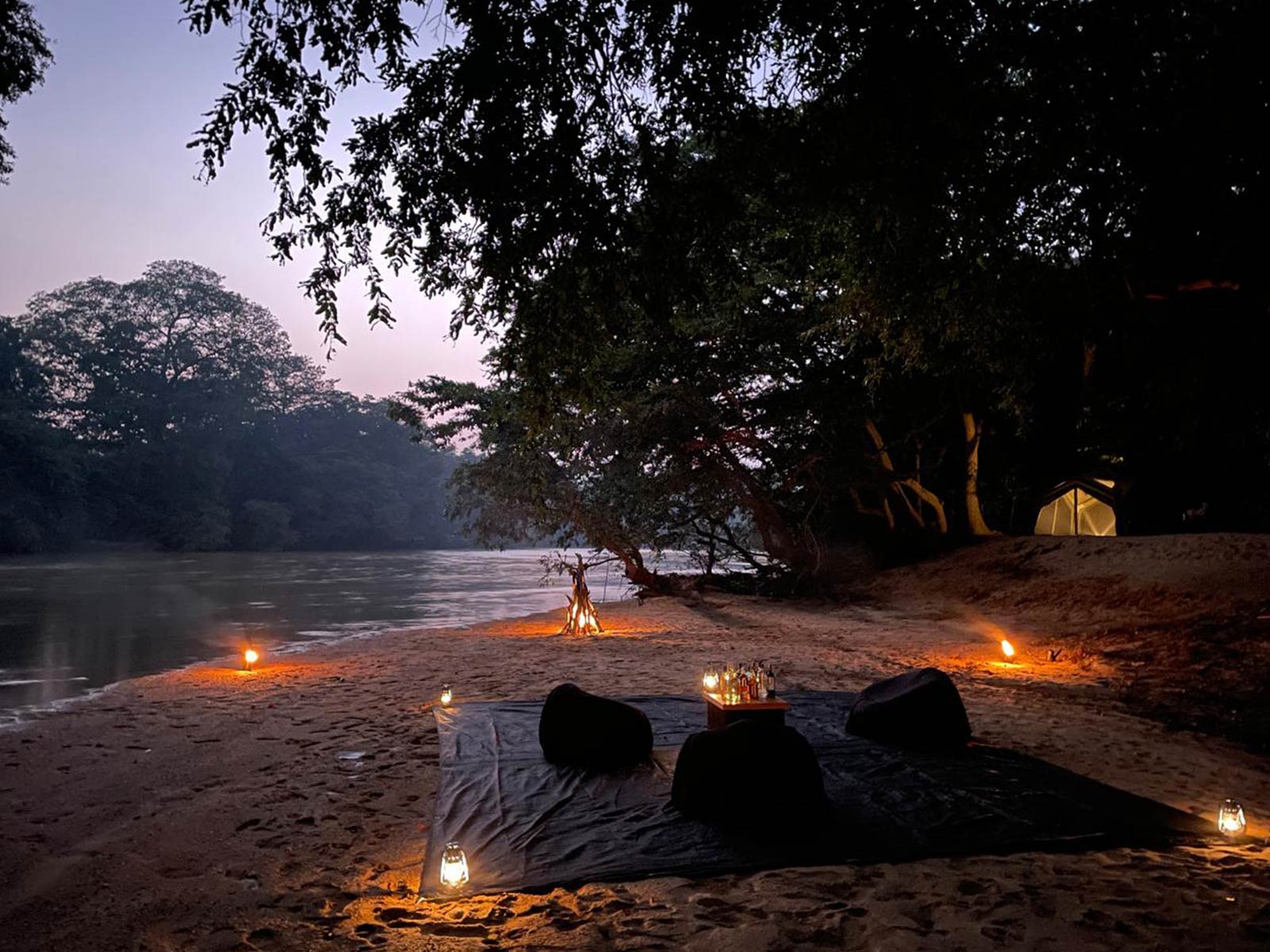
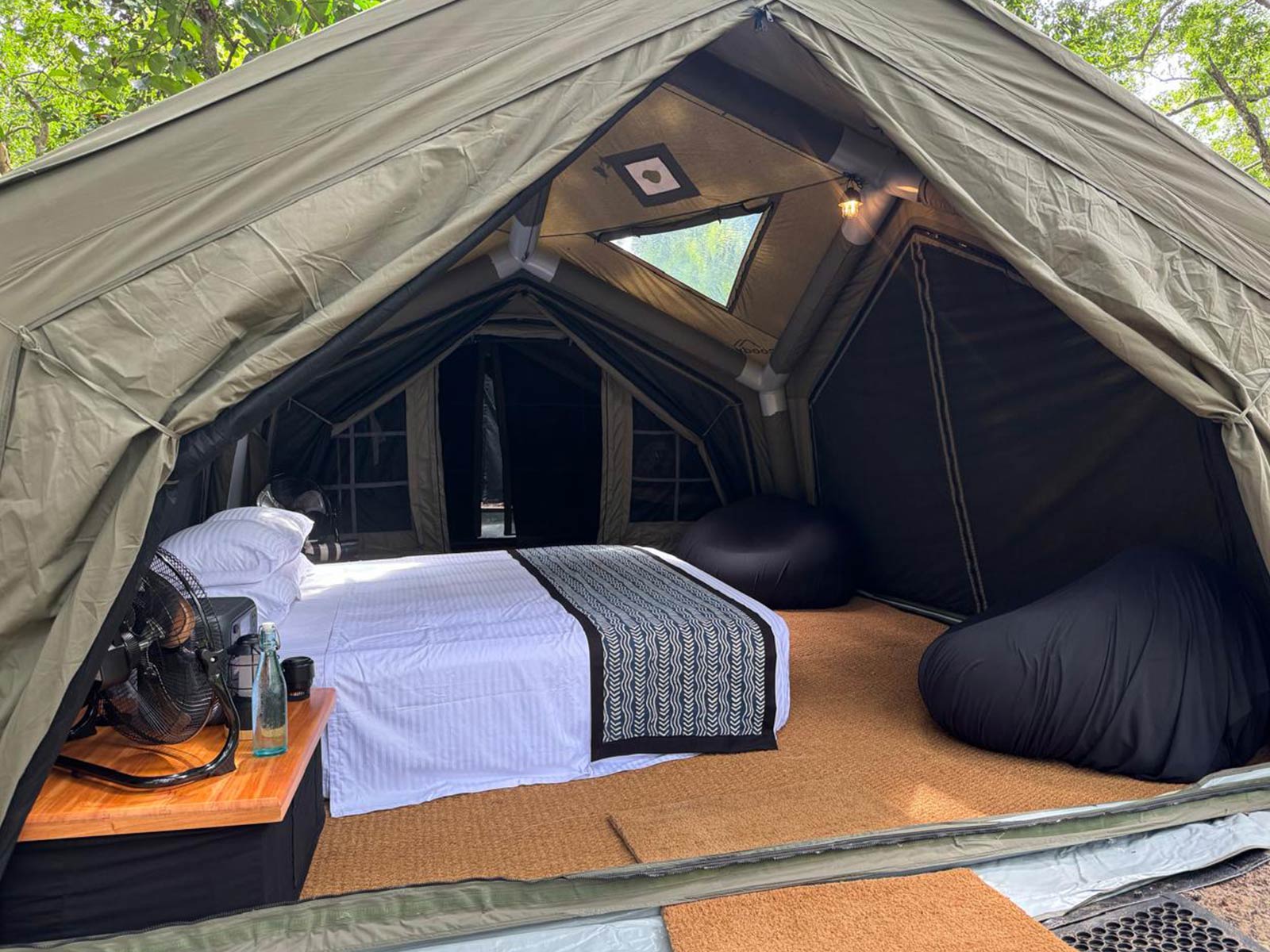
Kumana is a park that appeals to people seeking a more authentic and peaceful safari experience, and we find that staying with Kumana Under Canvas can be the perfect complement to your trip. A fully-mobile, tented safari camp, nights here allow you to sleep right in the heart of the national park but with the added luxury of a team of staff on hand at every stage, from expert naturalist guides to camp hosts, butlers and chefs.
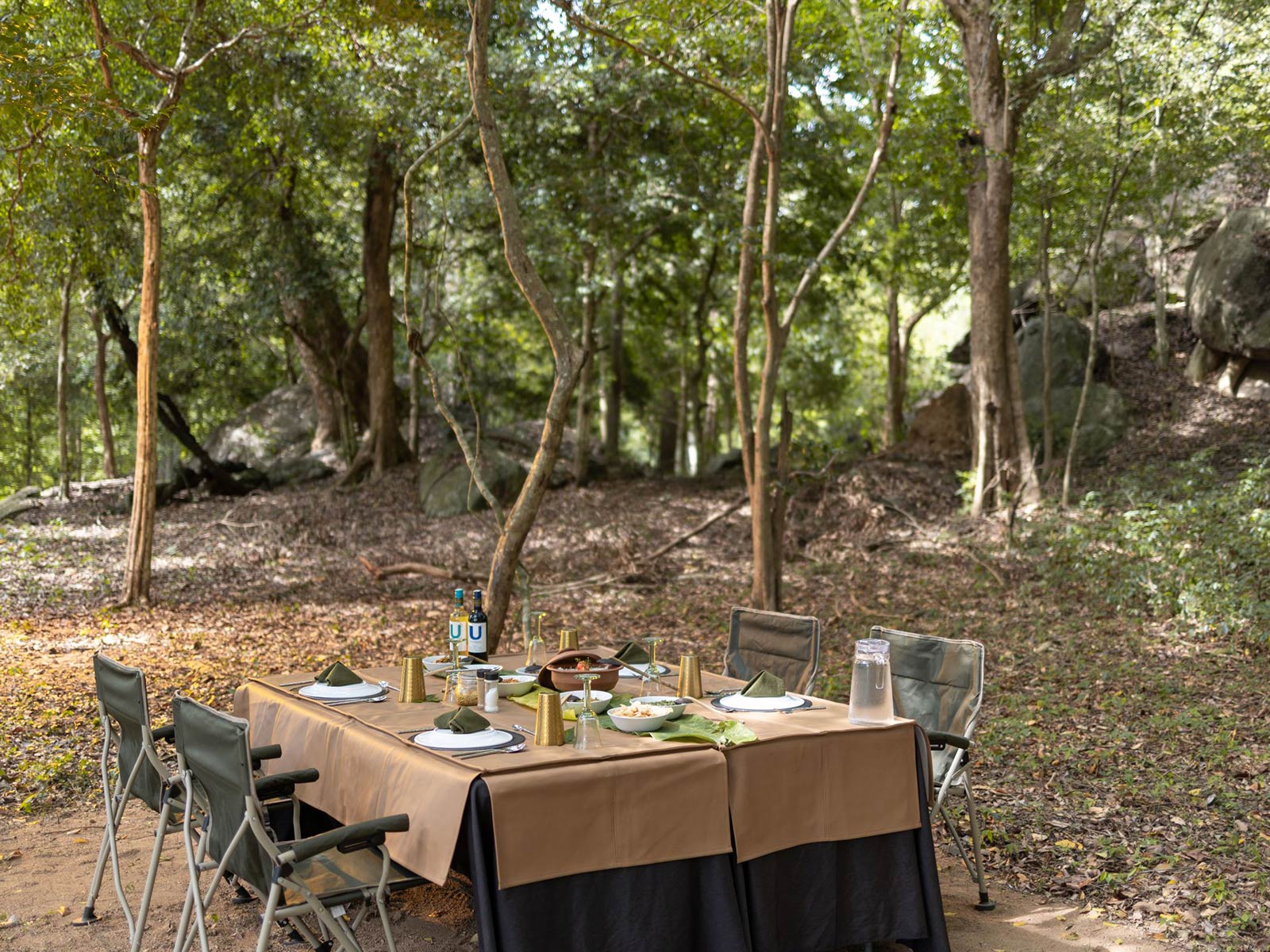
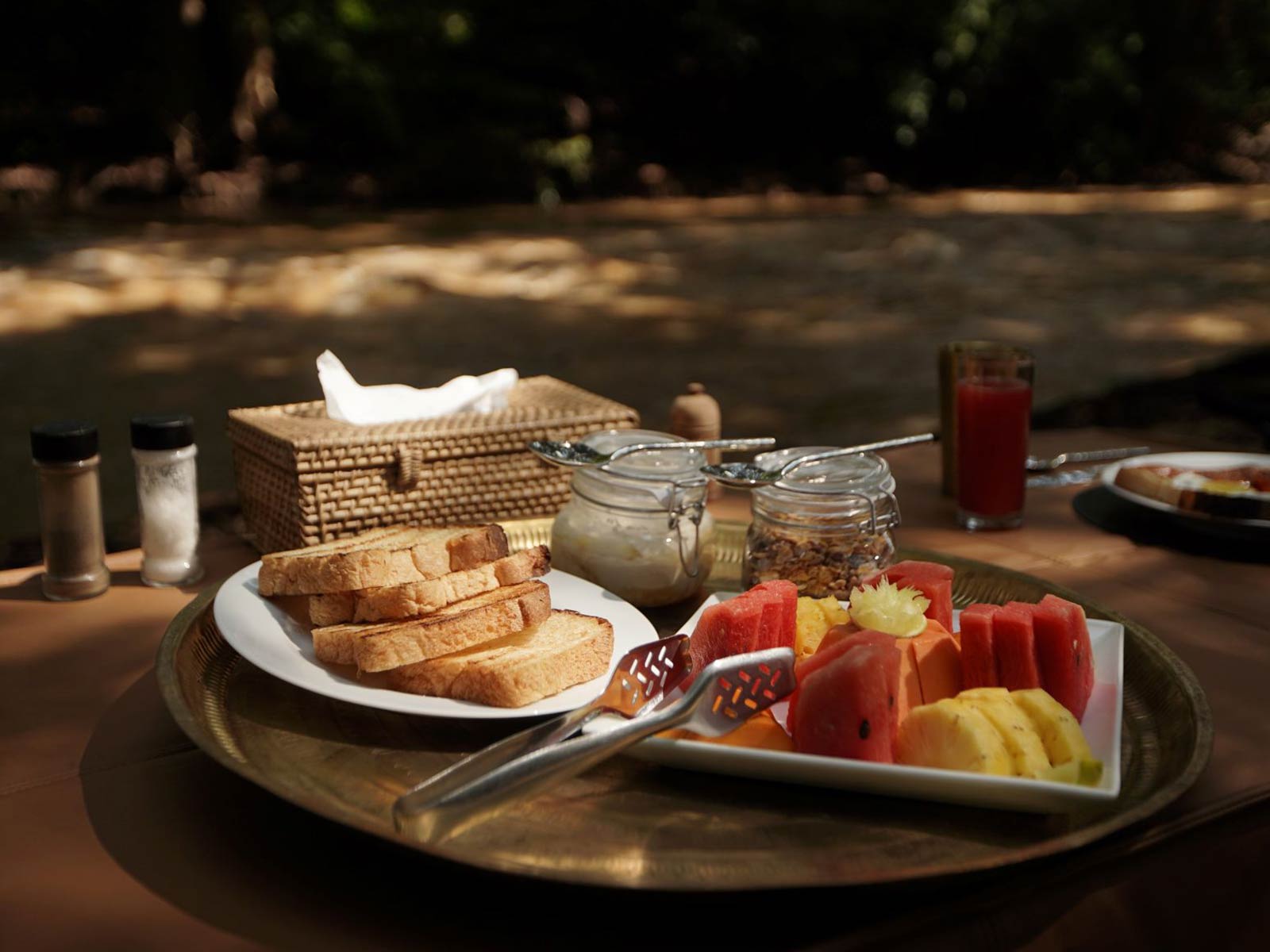
The camp’s setting moves to ensure minimal impact on its location, but at every spot you’ll find the same level of comfort including queen-sized beds and solar powered amenities, hot-water bucket showers and gourmet food.
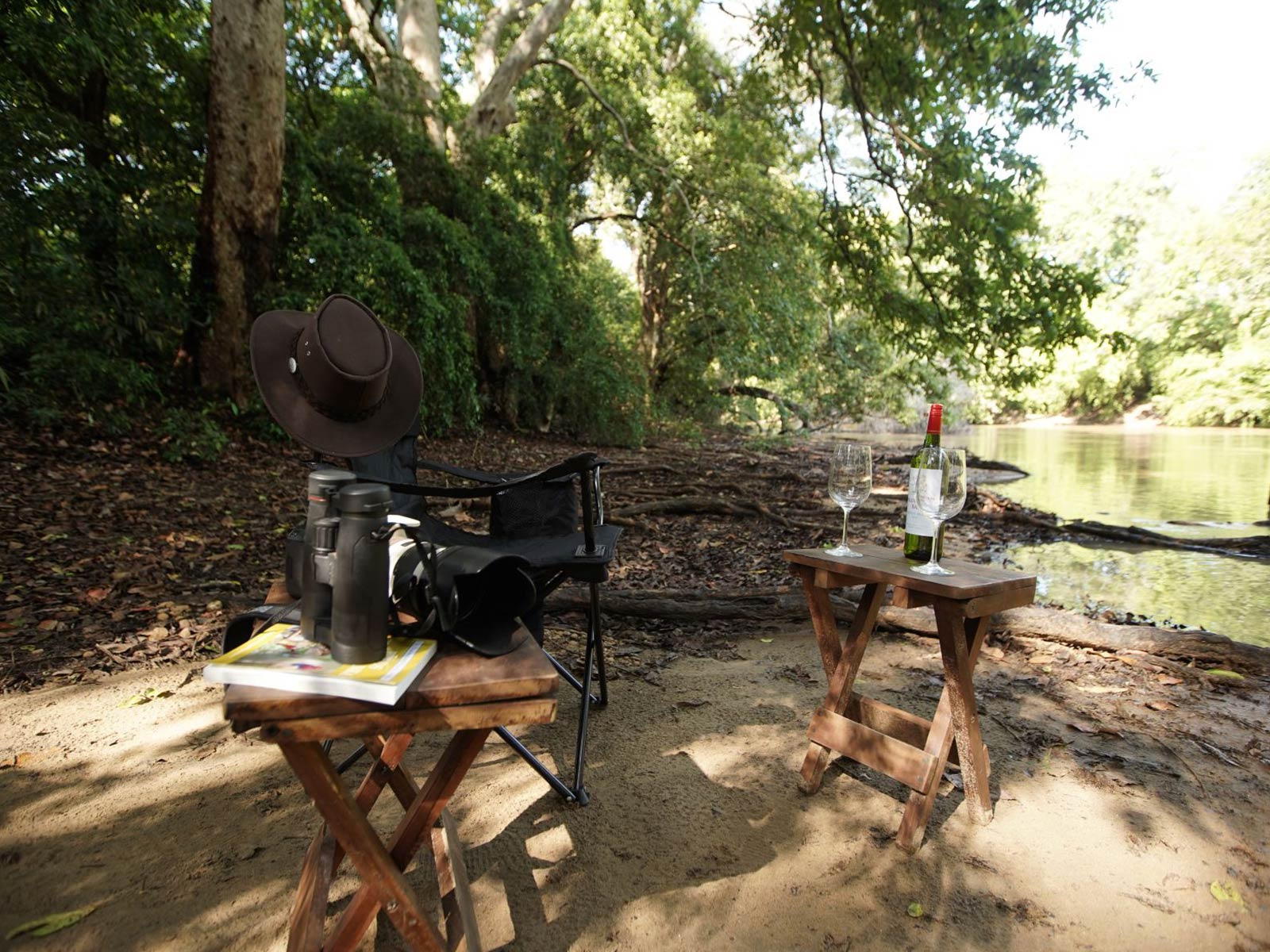
The emphasis here is on fully appreciating the nature around you, from the babbling of the river to the sound of crickets or the call of the nightjar, the vast wilderness lies just the other side of your canvas, offering an unrivalled depth of experience.
Beyond the Park: Exploring Sri Lanka’s East Coast
Sitting on the southeastern corner of Sri Lanka, Kumana National Park is well-placed as part of a trip that explores the lesser-visted shores of Sri Lanka’s east coast. You might want to head straight to Trincomalee, taking in the vast natural harbour, climbing Swami Rock to unveil the fascinating stories around the vibrantly coloured Koneswaram Temple and wandering the colonial architecture of Fort Frederick.
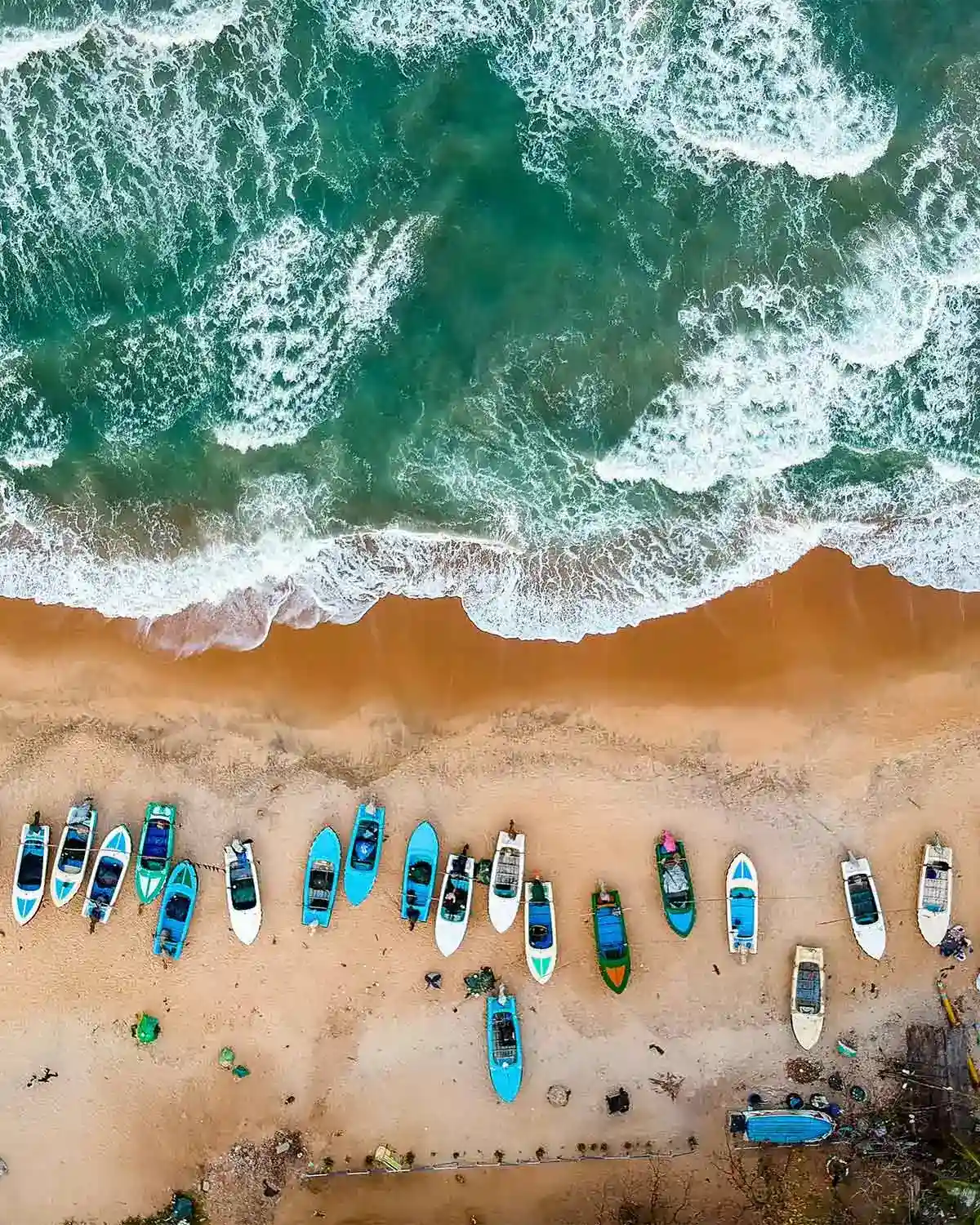
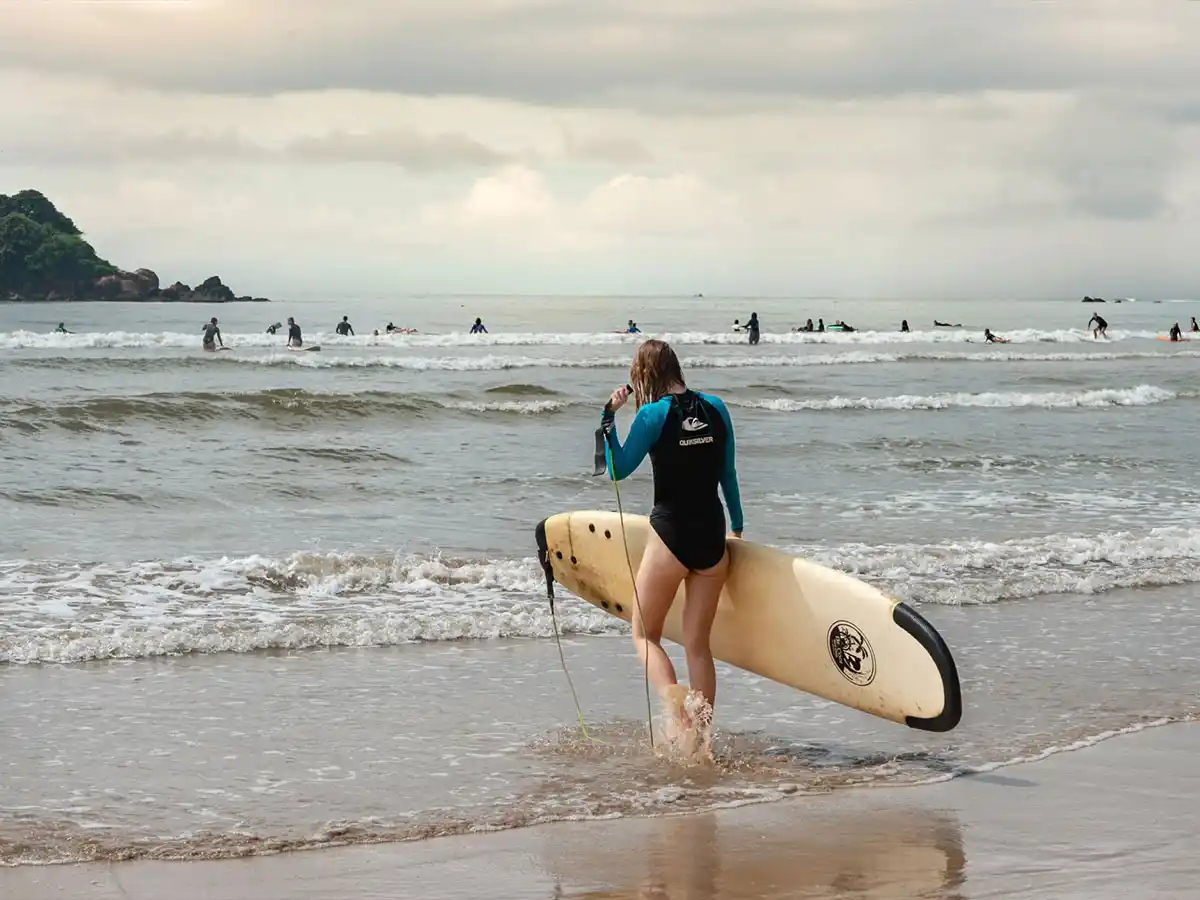
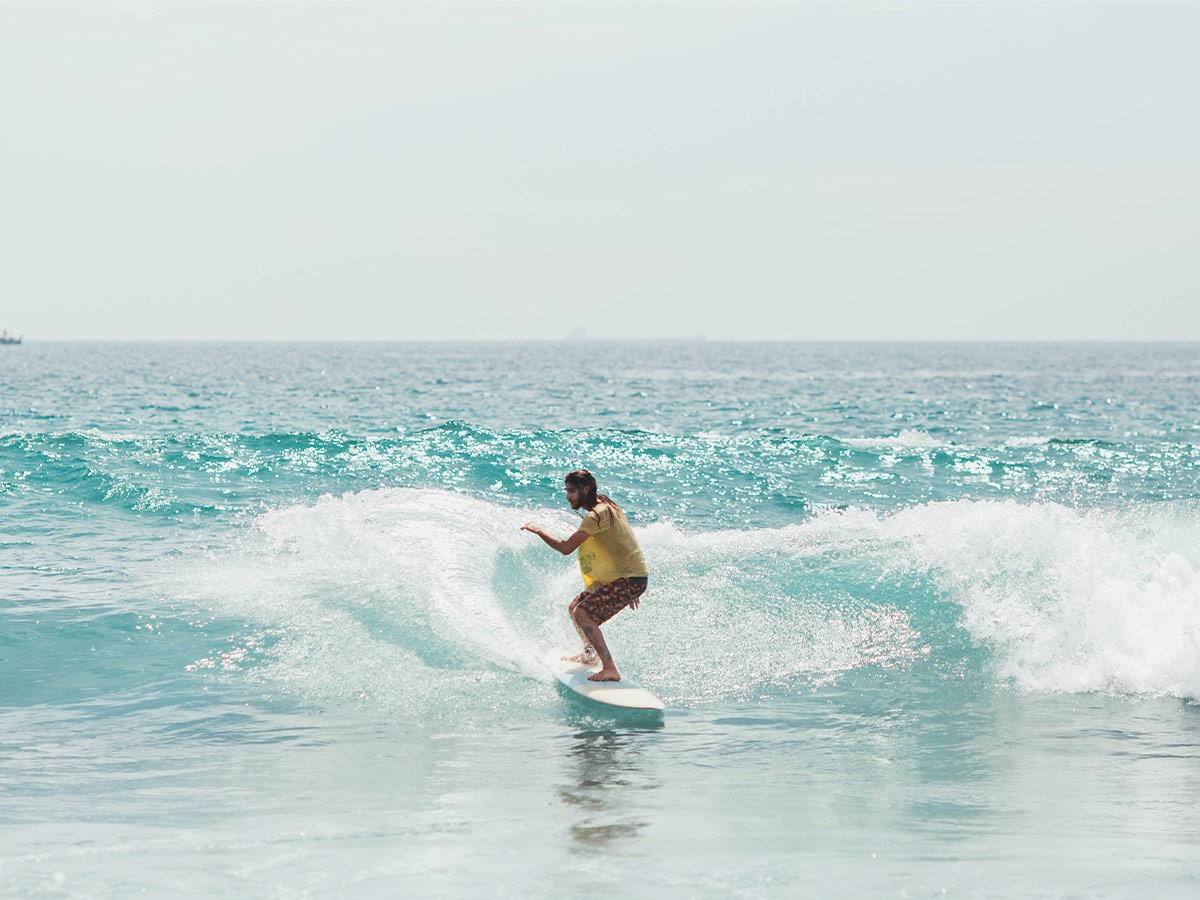
To soak up some of the coastline’s, wilder unspoilt beaches, we’d recommend heading to Kalkudah, where colourful fishing boats are hauled up onto miles of untamed sands. If you’re after a more bohemian vibe, you could spend some time in the laid-back surf town of Arugum Bay, maybe even having a go at popping up on a few waves yourself. Or, take a visit to Pasikudah Beach where sophisticated hotels offer beachfront dining and the sheltered bay allows for endless dips among kaleidoscopic reef fish in warm, crystalline water.
If you want to continue making wildlife the focal point of your trip, our Wild Sri Lanka itinerary offers a taste of how an expertly curated journey through the country’s most captivating wilderness areas might look by combining Kumana with the iconic reserves of Yala, Wilpattu and Gal Oya.
Read next
.webp)
.webp)



Meet our experts
Speak to our experts to help you plan your trip
Dreaming of a journey that’s truly your own? Our specialists take the time to understand what excites and inspires you, then craft a holiday that goes far beyond the ordinary. Whether you’re seeking adventure, relaxation, or a perfect balance of both, we’ll design something that’s completely yours. Ready to start planning? Get in touch and let’s create your ideal escape.
Choose your adventure
Speak to one of our team to get started. After all, your travel journal won’t write itself.