Learn more
When to Go
Best times to explore Sri Lanka

Weather in Sri Lanka
What is the best time of year to travel to Sri Lanka?
In a nutshell, Sri Lanka's weather means it's a year-round destination, with warm temperatures and tropical sunshine, occasionally interspersed with short sharp showers. Even when it rains, it’s warm rain and it’s often beautiful or dramatic. The temperature across Sri Lanka is arguably pretty stable, however, it’s the rainfall patterns that are nuanced. Due to Sri Lanka's weather, where you travel and when matters across the island and as experts, we carefully plan each trip according to the time of year. We know it can feel complicated if you don’t know Sri Lanka well, so we’re on hand to help.
The best times to travel (in simple terms)
January to April
All of Sri lanka
May to September
East coast / easterly regions / northern areas
July to September
All of Sri Lanka (inter-monsoon)
Temperatures
Sri Lanka has distinctly different weather zones and monsoonal patterns, offering something spectacular in any month. Generally speaking, across the year, temperatures range from 20°C to 35°C, with coastal and lowland areas tending to be hot and often humid, while the central highlands are cooler and more temperate as they sit at a higher altitude. Average daily temperatures in the high tea country lie between 14°C and 17°C so you’ll need to bring a jumper or sweater for these regions.
Sri Lanka's Monsoons
Sri Lanka's tropical weather pattern is shaped by rainfall and its two monsoon seasons: the Yala Monsoon brings rain to the south and west from May to July, while the Maha Monsoon affects the north and east from October to November. It’s these monsoons that determine weather patterns in Sri Lanka, but they do not always follow the rules, particularly in recent years, so our guide is very much a guide.
Inter-monsoonal
Between these two monsoons the inter-monsoonal climate means that the island normally basks in sunshine occasionally interspersed with short, sharp but wonderfully warm, tropical showers. These feed its verdant rainforests and dense vegetation, without spoiling your trip. This period normally sits within July and August.
Travelling to Sri Lanka out of peak season can be inspirational, offering greater value, fewer people and an improved income for the local communities. Please take a look at our month-by-month guide below, with detailed tips, to help you choose the best time to travel to Sri Lanka, working alongside your interests and your budget. You can contact us any time for more help.
Is January a good time of year to travel to Sri Lanka?
Weather in Sri Lanka in January is normally very good, and it's high season across the island. Sri Lanka's landscape is alive with an explosion of green growth due to the rain in previous months. It’s a fantastic time to visit the southwest coastlines, ancient cities and national parks. Trips into the hill country and tea plantations will offer a wonderful cool break from the heat of the lowlands, while the central, south and west regions have particularly good weather, perfect for including a beach break in your trip. Put simply, it’s normally a brilliant time of year to travel to Sri Lanka, but as a result, prices will be higher as it’s a peak time to visit and there will be more visitors to the main highlights so our recommendation is to get up early to visit highlights such as Sigiriya Rock. Remember to book early for this time of year to get your first choice of accommodation

Is February a good time of year to travel to Sri Lanka?
Sri Lanka's weather in February is normally excellent and February is high season across the island. The landscape is alive with an explosion of green growth at this time of year. Excellent beach conditions continue, and it’s a fantastic time to visit the southern coastlines, ancient cities and national parks. Trips into the hill country and tea plantations will offer a wonderful cool break from the heat of the lowlands, while the central, south and western regions have particularly good weather, perfect for including a beach break in your trip. Put simply, it’s normally a brilliant time of year to travel to Sri Lanka, but as a result, prices will be higher as it’s a peak time to visit and there will be more visitors to the main highlights so our recommendation is to get up early to visit highlights such as Sigiriya Rock. If you’re a couple or honeymooner, it’s worth avoiding half-term dates. February is arguably Sri Lanka’s most popular month, so remember to book as early as possible for this time of year in order to get your first choice of accommodation and best price on flights. Booking at least 6-12 months in advance is normally recommended by our team for high season periods.
Is March a good time of year to travel to Sri Lanka?
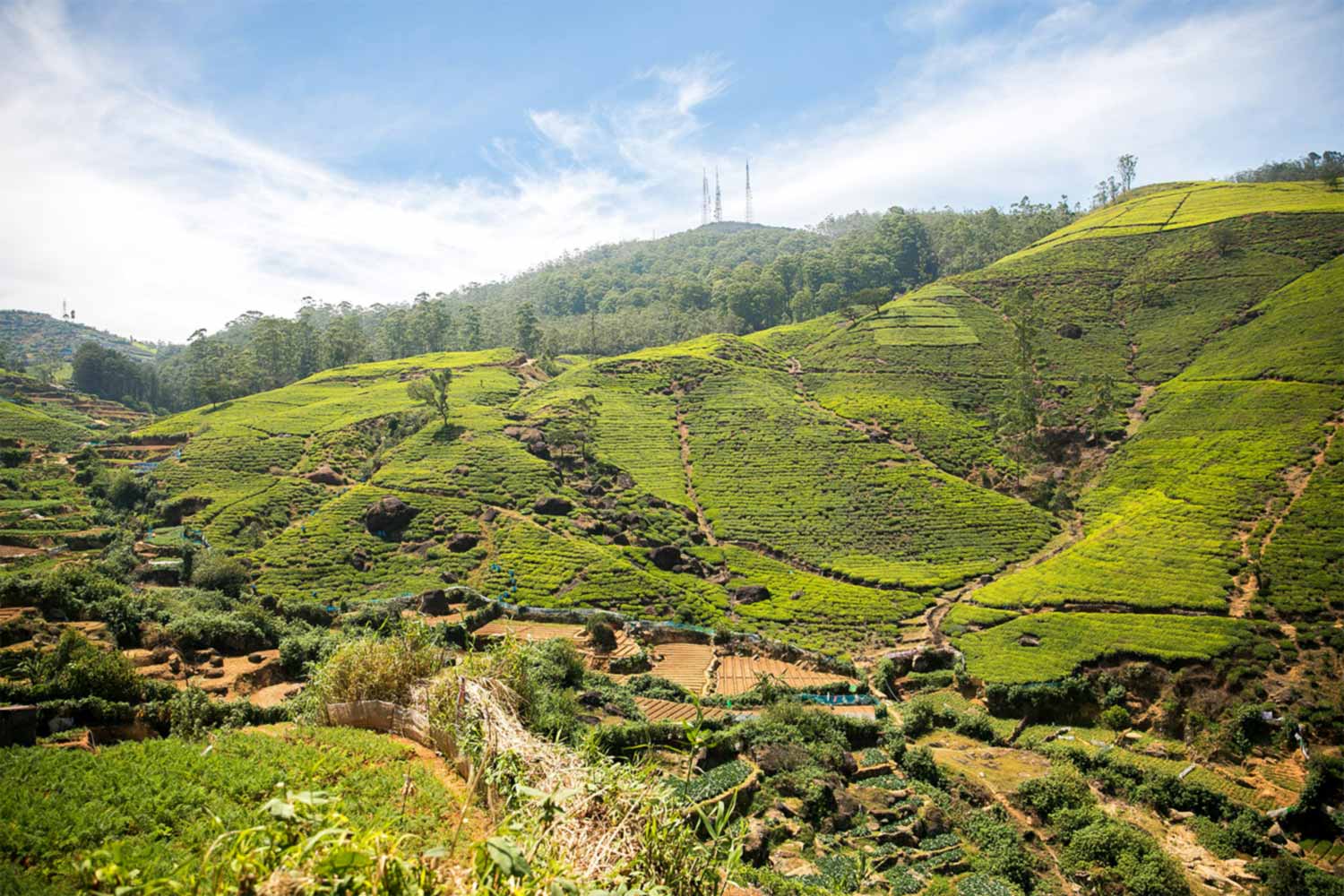
Sri Lanka's weather in March continues to be good and it's still high season across the island. Great beach conditions continue across southern Sri Lanka. March's weather mean it is a fantastic time to visit the southern coastlines, ancient cities and national parks. Trips into the hill country and tea plantations will offer a wonderful cool break from the heat of the lowlands, while the central, south and west regions have particularly good weather, perfect for including a beach break in your trip. Put simply, it’s normally a brilliant time of year to travel to Sri Lanka, but as a result, prices will be higher. As March is a peak time to visit and therefore will be more visitors to the main highlights, our recommendation is to get up early to visit highlights such as Sigiriya Rock. We may also recommend quieter parts of Yala National Park to avoid the crowds. March is still a very popular time to visit Sri Lanka, so remember to book really early for this time of year.
Is April a good time of year to travel to Sri Lanka?
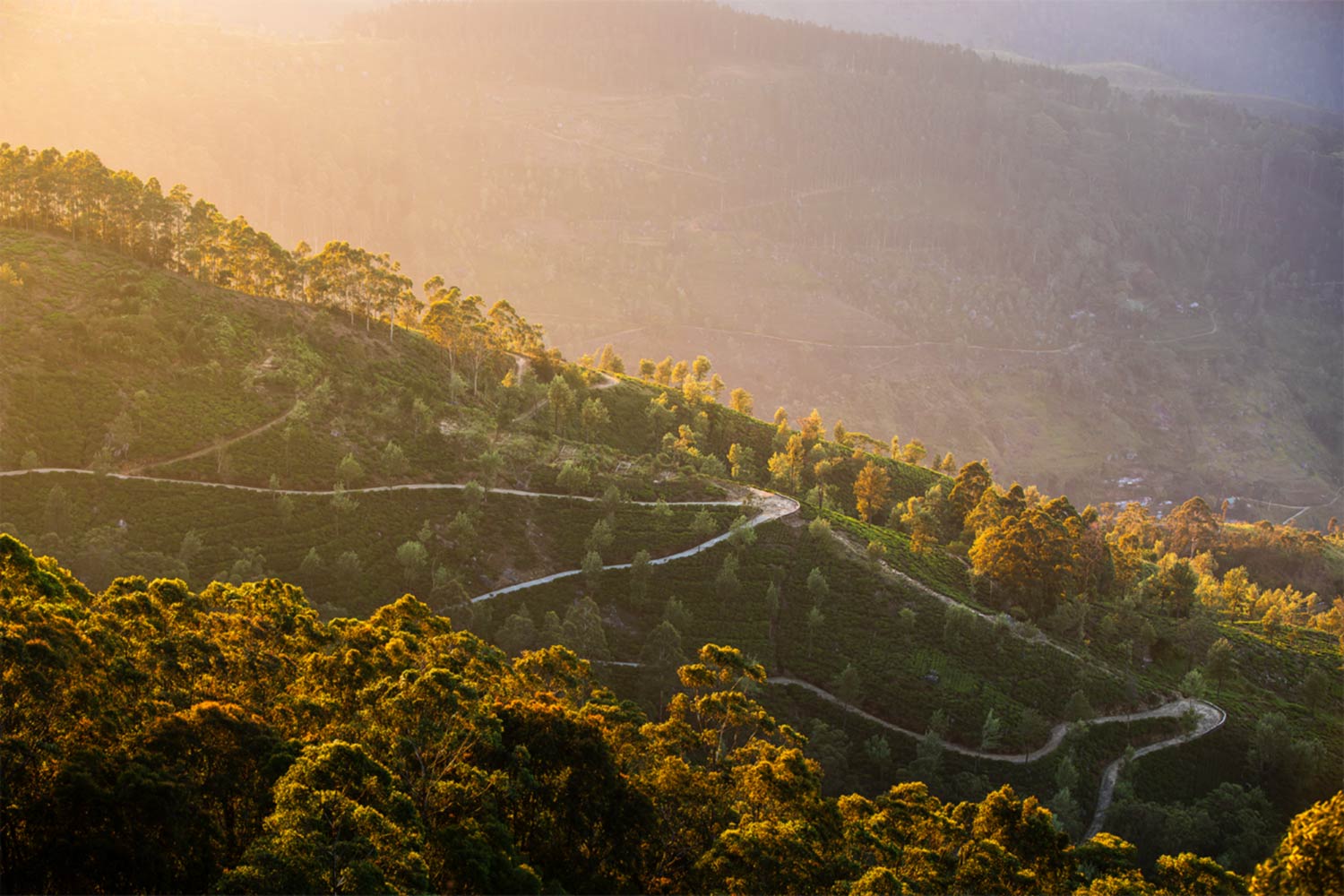
The weather in April in Sri Lanka begins to change slightly and warm, humid weather starts to creep in during April in Sri Lanka. However, it’s still high season and still a wonderful time to visit. The island is at its driest in the central area and around the Cultural Triangle (Sigiriya, Polonnaruwa, Anuradhapura etc) so it can be hot for sightseeing. We normally recommend heading out morning or late afternoon for your adventures, with the middle of the day spent relaxing poolside or in the shade of a coastal palm. We plan this in as part of your tailor-made itinerary. The Easter holidays are often a great time to visit Sri Lanka, but you’ll need to book early for this, as the best small hotels book up early in Sri Lanka. Prices can increase during this time. We’d recommend booking 6-12 months in advance for Easter, to ensure you get the best value and your preferred hotels. We can also design some amazing family-friendly activities during this time.
Is May a good time of year to travel to Sri Lanka?
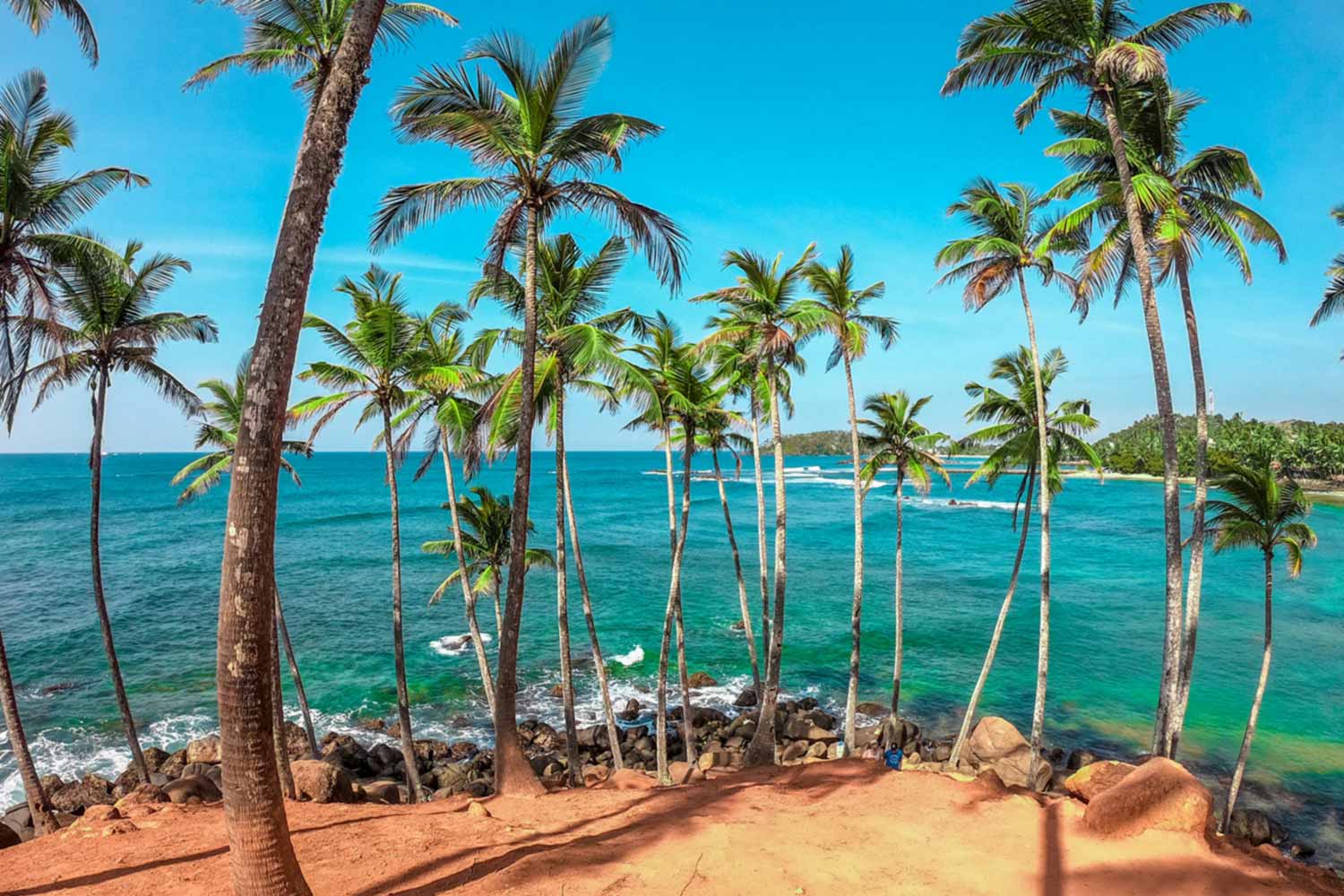
The weather in Sri Lanka during May starts to get a little warmer but if planned correctly, May is an excellent month to travel. Hot, humid weather prevails this month and we would consider May as a transitional month in Sri Lanka, but certain areas are excellent during this time. If planned carefully this is an excellent time to visit as visitor numbers are lower and prices are more attractive. The Eastern areas start to come into their high season in May; Passikudah’s coast is generally best from May to September, so this may be a consideration for your trip. Also, consider The Cultural Triangle, as this is a drier zone. We also find that Gal Oya National Park, Yala National Park, and even more eastern parts of the hill country such as Ella and Haputale can be good at this time of year and most notably you will avoid crowds. Because it can be warm, we’d recommend building your day around early morning or late afternoon adventures, with the middle of the day spent relaxing poolside or in the shade of a coastal palm. An extended May half-term holiday is something to be seriously considered for Sri Lanka if planned well.
Is June a good time of year to travel to Sri Lanka?
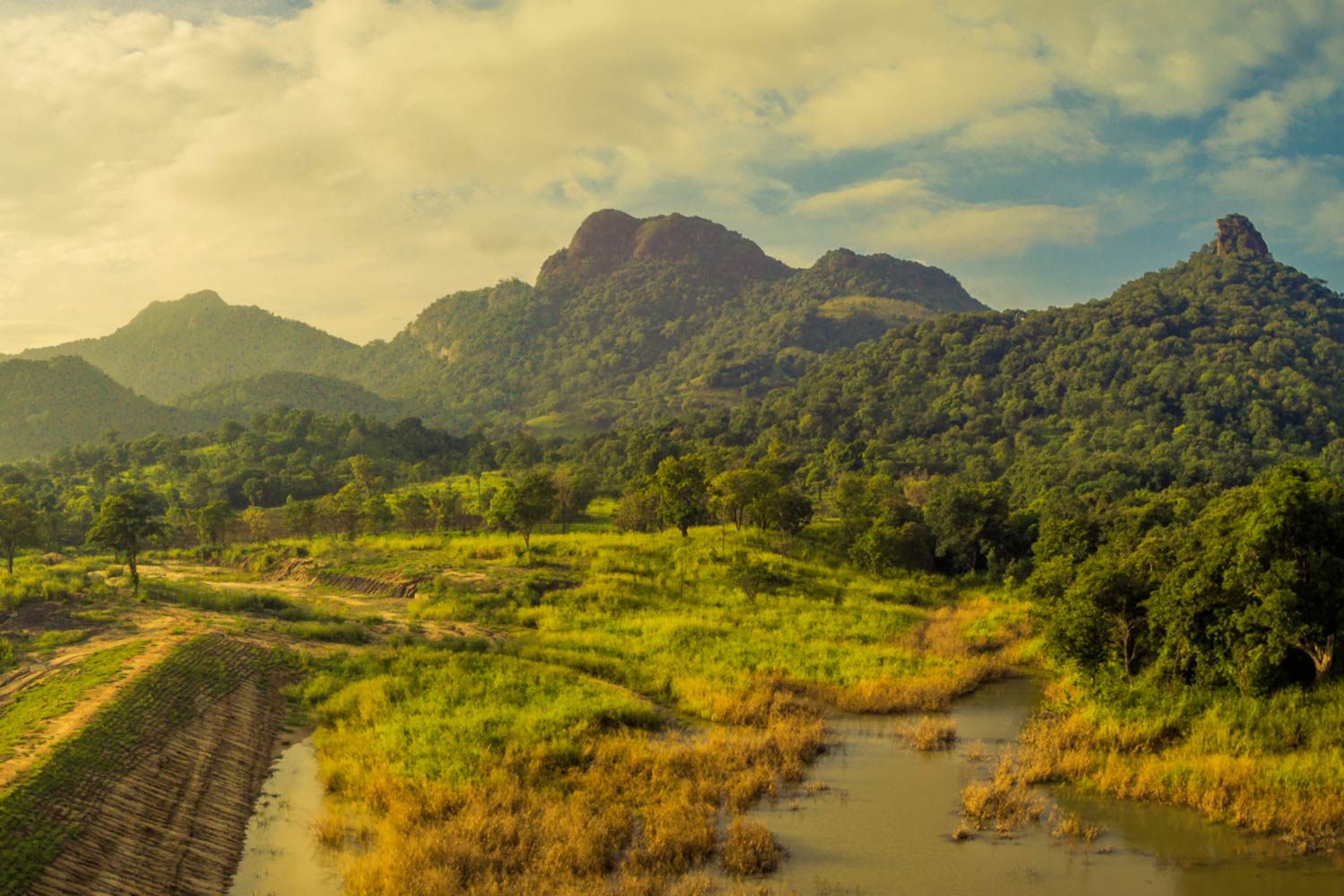
The Yala Monsoon affects the southwest in May and June but it’s a gentle one offering little disruption should you wish to explore off-season here. Do note the ocean can be rough along the south coast and the beaches recede, so if you want to head south, choose a place with a pool. This is a good time to travel if you are on a tighter budget, as this is not considered high season. During this time of year, we’d recommend the east coast, which is at its best from now until September. Combining this gentle coast with Gal Oya National Park, the ancient cities / Cultural Triangle, Pasikudah or the national parks of Kumana and Yala National Park offers an extraordinary experience. If you wish to visit the tea plantations, sticking to the more easterly regions, such as Haputale and Ella will likely offer better weather. For those wanting to see Galle, we’d generally recommend staying in Galle Fort rather than on the beach in this area.
Is July a good time of year to travel to Sri Lanka?
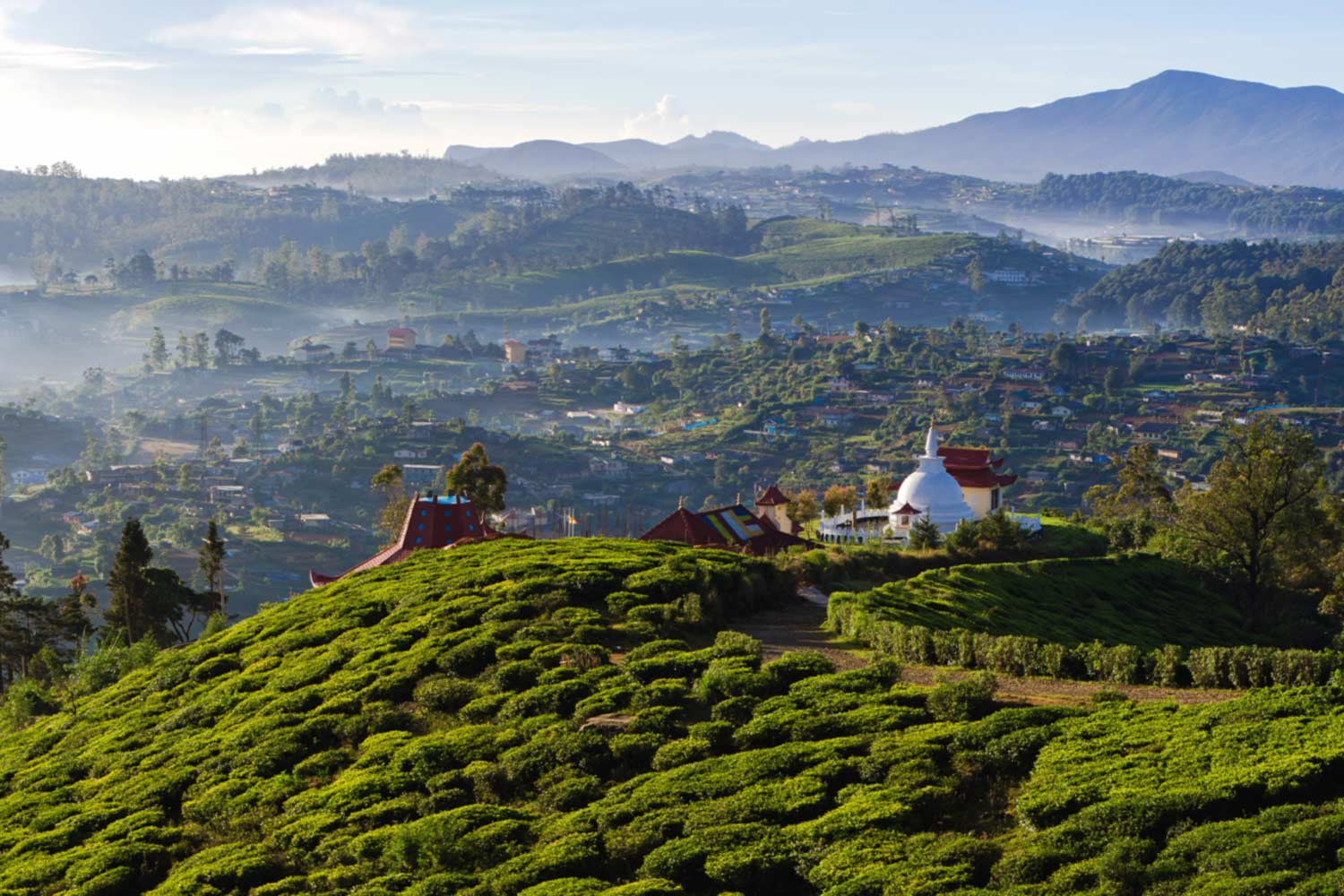
The inter-monsoon period in July, August and September makes July a wonderful time to travel, particularly for couples and families, offering an adventurous alternative to traditionally busy and expensive European holidays. The Eastern regions of Sri Lanka have their moment during this period, with Pasikudah and Kalkudah offering gentle waves and calm weather. There are some fabulous deals along the south coast in these two months, and it’s a great time to combine here with the central and eastern regions. While the weather will be predominantly sunny, you can expect the odd warm shower that will release the scents of the island and lead to a cacophony of bird song. Please note that in The Cultural Triangle temperatures can be very warm, so we’ll plan your activities accordingly. Please also note that Yala National Park can be very busy during the school holidays, so we’ll either plan a more remote lodge and areas to explore, or you may wish to consider Wilpattu National Park as a quieter alternative.
Is August a good time of year to travel to Sri Lanka?
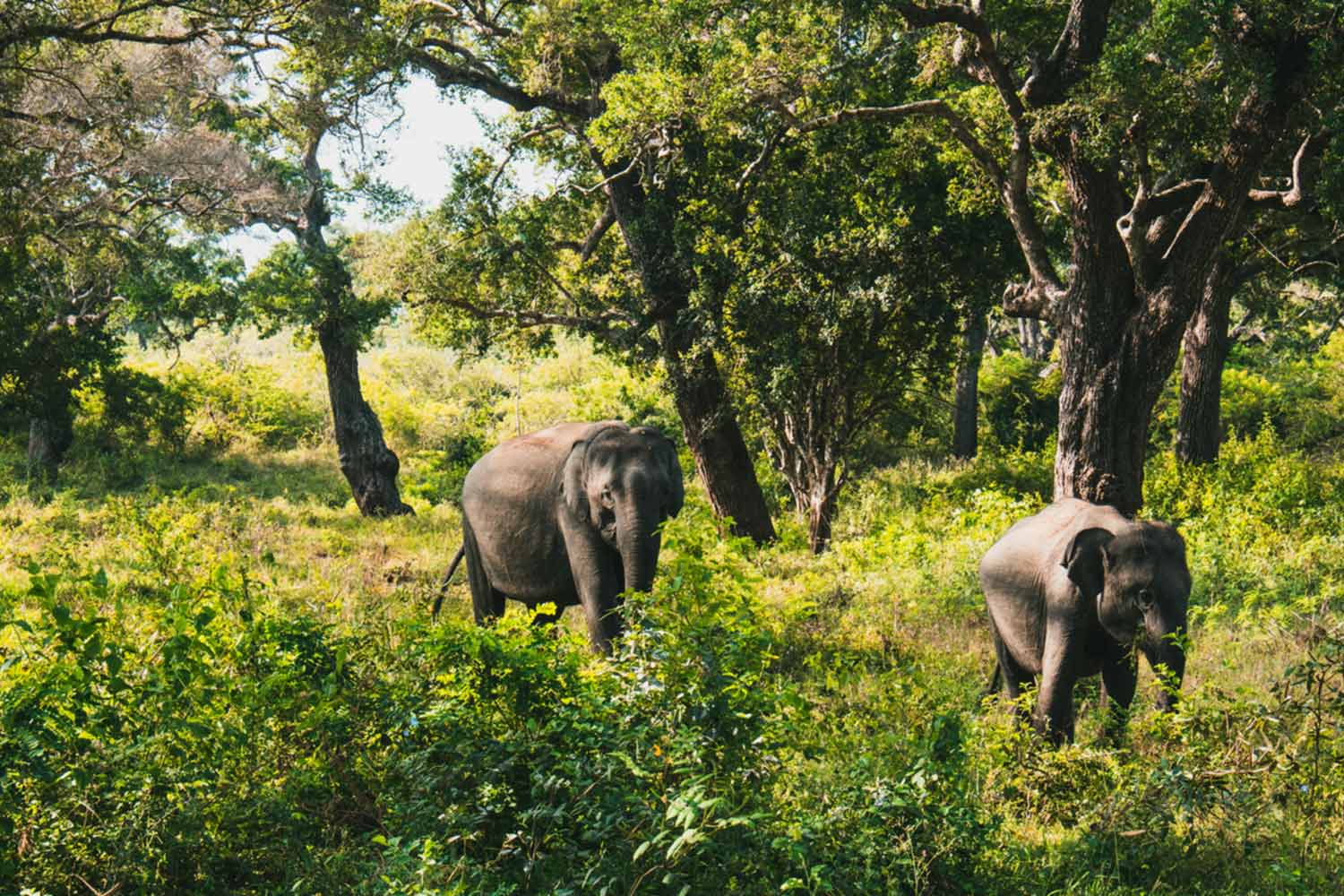
The inter-monsoon period in July, August and September makes August a wonderful time to travel, particularly for families, offering an adventurous alternative to traditionally busy and expensive European holidays. The Eastern regions of Sri Lanka have their moment during this period, with Pasikudah and Kalkudah offering gentle waves and calm weather. There are some fabulous deals along the south coast in these two months, and it’s a great time to combine here with the central and eastern regions. While the weather will be predominantly sunny, you can expect the odd warm shower that will release the scents of the island and lead to a cacophony of bird song. Please note that in The Cultural Triangle temperatures can be very warm, so we’ll plan your activities accordingly. Please also note that Yala National Park can be very busy during the school holidays, so we’ll either plan a more remote lodge and areas to explore, or you may wish to consider Wilpattu National Park as a quieter alternative. For couples wanting a very quiet escape, you may wish to avoid the school holiday period and instead choose early July or early September

Is September a good time of year to travel to Sri Lanka?
The inter-monsoon period in July, August and September makes September a wonderful time to travel, particularly for couples after the school holidays have come to a close. The Eastern regions of Sri Lanka are still in their high season, with Pasikudah and Kalkudah offering gentle waves and calm weather. There are some fabulous deals along the south coast during September and it’s a great time to combine here with the central and eastern regions. While the weather will be predominantly sunny, you can expect the odd warm shower that will release the scents of the island and lead to a cacophony of bird song. Please note that in The Cultural Triangle temperatures can be very warm, so we’ll plan your activities accordingly.
Is October a good time of year to travel to Sri Lanka?
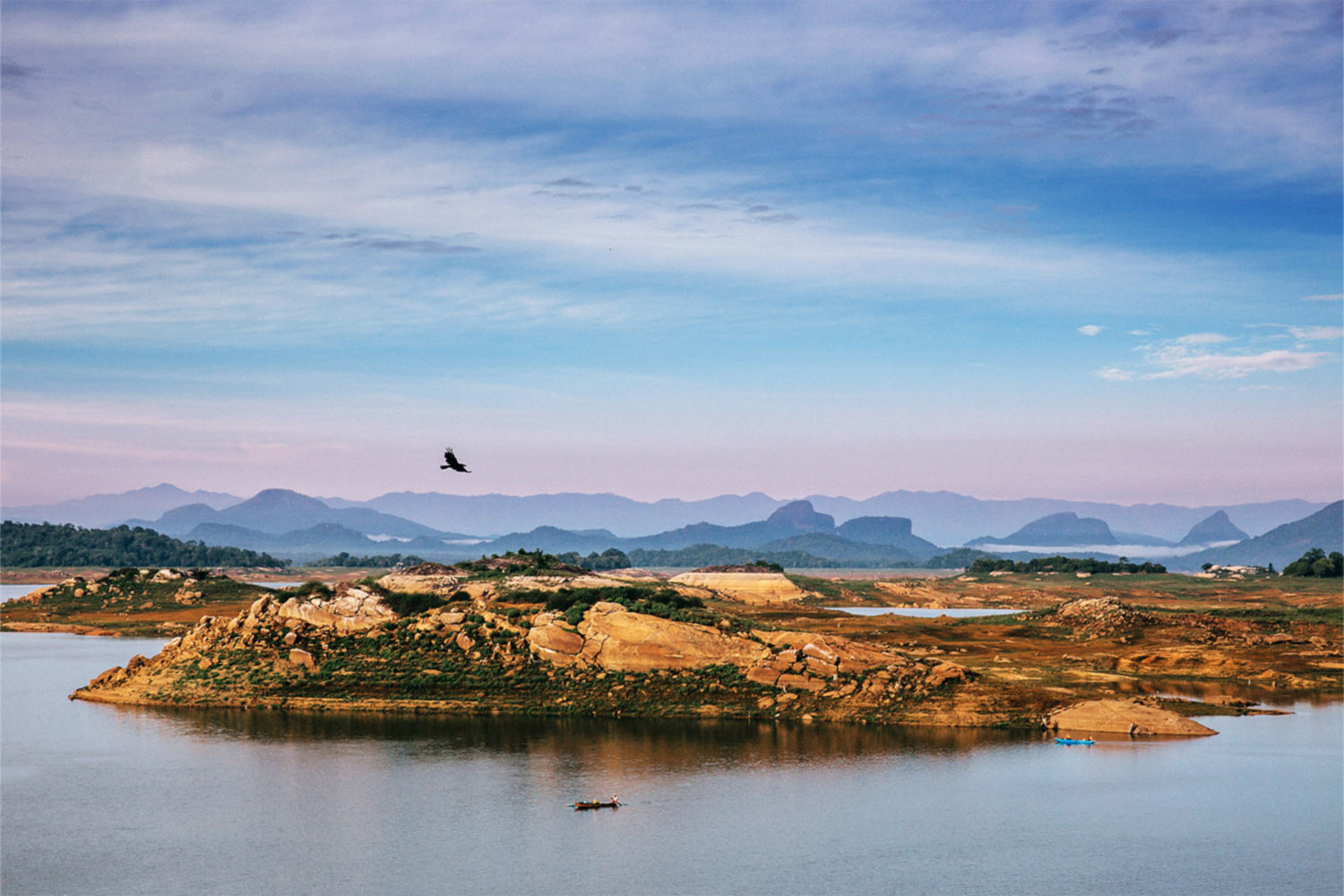
The heavier Maha Monsoon arrives on Sri Lanka during October and November, particularly affecting the north and east. This is a slightly heavier monsoon and can impact the whole island, although the south and west are often slightly less affected. October is a great value time to visit Sri Lanka, with reduced prices and fewer visitors, making it a good option for those who value flexibility and excellent value over consistency and dry conditions. Visitors are often rewarded with long periods of sunshine between the heavy showers but when it does rain, it can be heavy

Is November a good time of year to travel to Sri Lanka?
The heavier Maha Monsoon arrives on Sri Lanka during October and November, particularly affecting the north and east. This is a heavier monsoon and can impact the whole island, although the south and west are often slightly less affected than the north and east. November starts to transition from off-season towards high-season and is beginning to get busier, particularly towards the end of the month. Being a transitional period can mean uncertainty in terms of weather, so this period suits those who are more flexible and happy to watch the rain when it comes.
Is December a good time of year to travel to Sri Lanka?
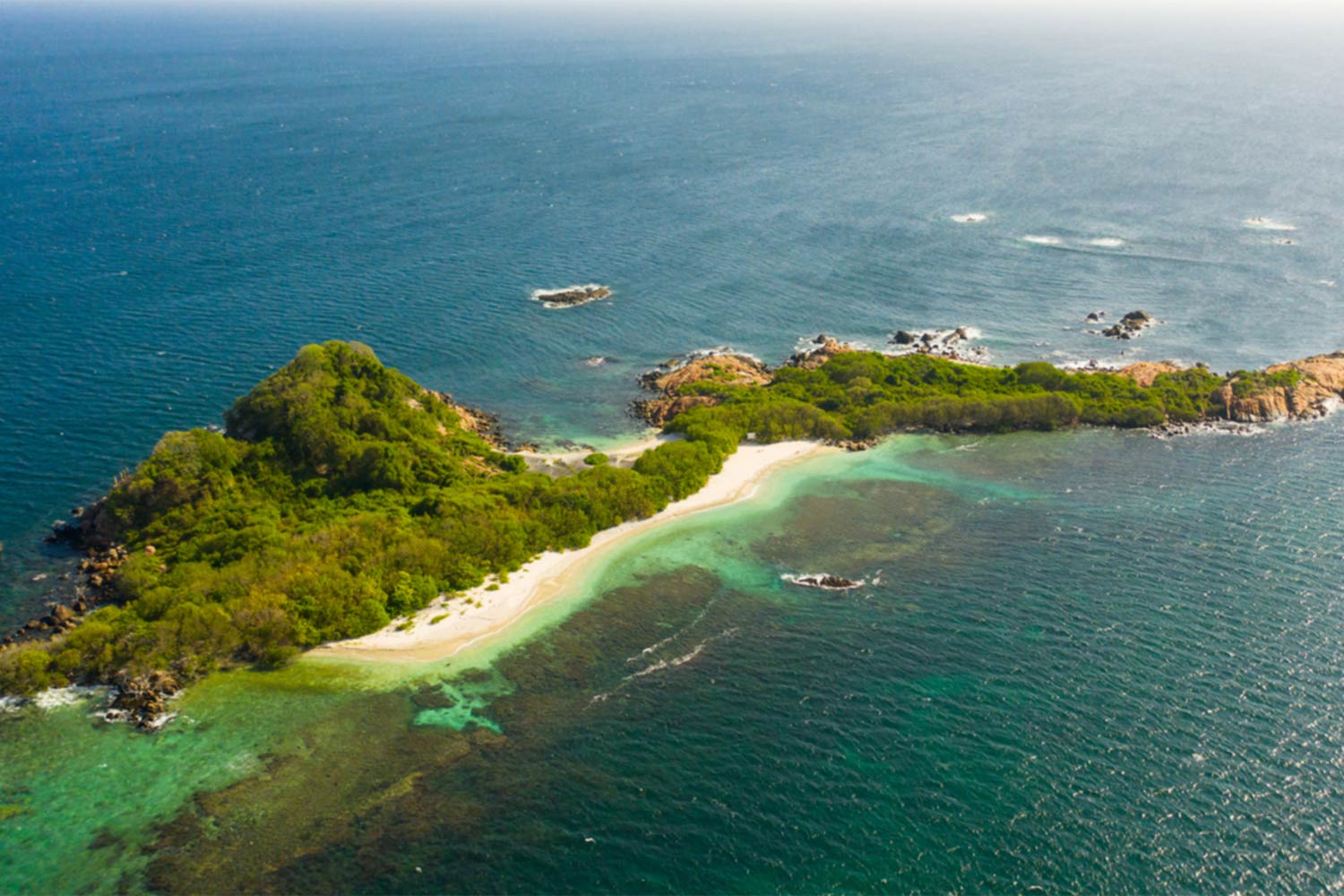
December marks the beginning of high season across the island and the landscape is alive with an explosion of green growth after the rain in October and November. Early December can often be a little quiet, before the festive season, so for couples or families with pre-school children, this can be a good time to visit. There still can be some wet days in December; Sri Lanka is after all a tropical island. Generally speaking, December is a good time to visit the southwest coastlines and tea plantations. Yala National Park can be a little wetter than normal, as too the Cultural Triangle but these are fairly dry and hot zone regions, so we wouldn’t let that stop you visiting. Trips into the hill country and tea plantations will offer a wonderful cool break from the heat of the lowlands, while the central, south and west regions should have good weather, perfect for including a beach break in your trip. Put simply, December is normally a good time of year to travel to Sri Lanka but in recent years there has been some more rain. Remember to book early for this time of year to get your first choice of accommodation, Christmas and New Year book up incredibly quickly and as most hotels in Sri Lanka are small, it’s worth doing this 12 months in advance.
There’s no wrong or right time to travel to Sri Lanka. At Red Dot, we plan every Sri Lanka journey around seasonal and regional conditions to ensure each trip makes the most of the time of year you travel.
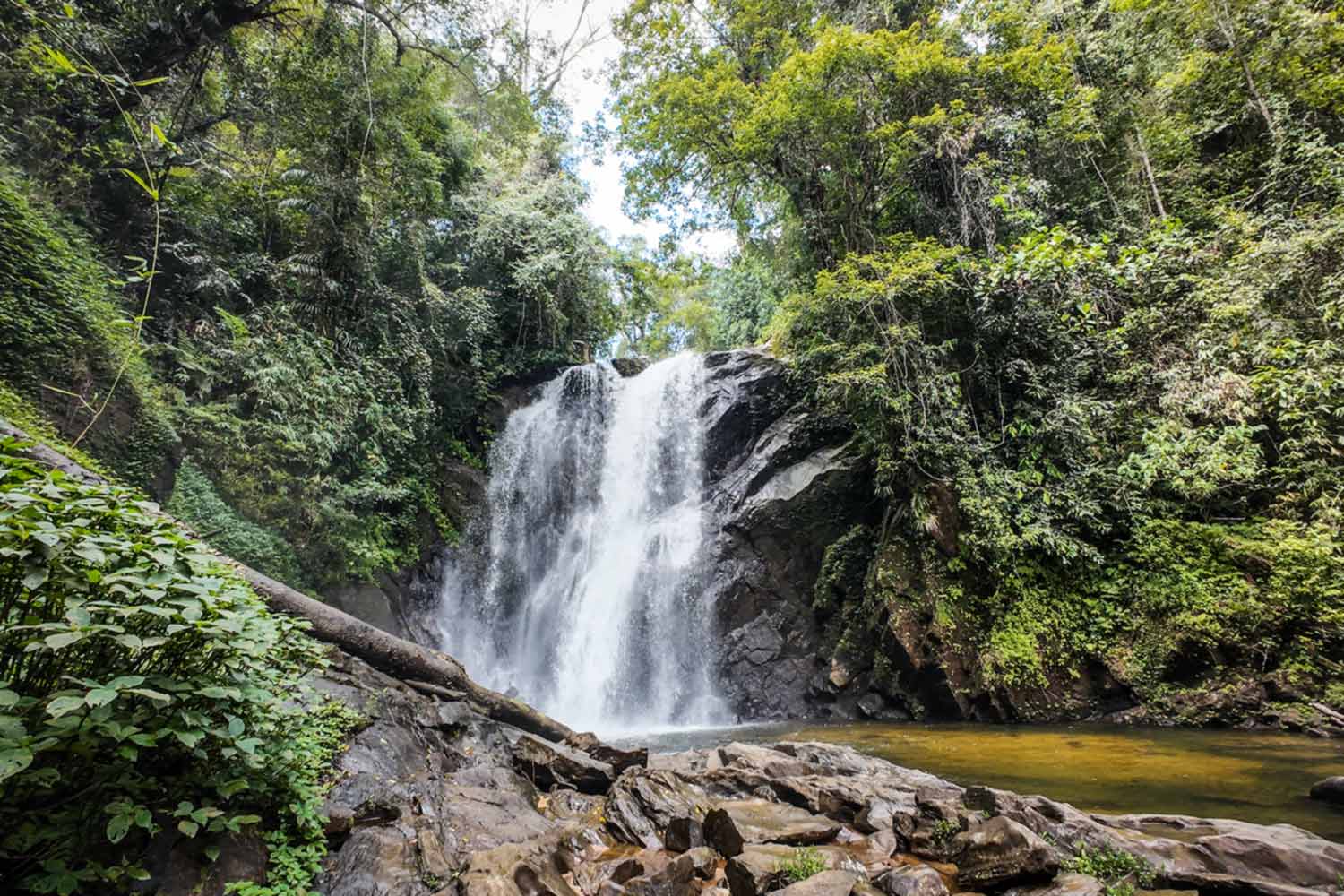
When is the best time to visit Sri Lanka by Region
Weather in Colombo & Negombo in January
Sri Lanka is an excellent year-round destination thanks to its diverse microclimates. When the west and south coasts (Colombo, Galle, Tangalle) have their best conditions from December to March, the east coast offers good weather from May to September. The ancient cultural sites like Sigiriya and Polonnaruwa are accessible throughout most of the year, while the cool hill country around Nuwara Eliya provides a refreshing escape in any season. National parks like Yala and Wilpattu are most rewarding during dry periods when wildlife gathers around water sources.
As a tropical island, Sri Lanka may experience occasional warm showers, but these are typically brief and intense. The island's compact size means that no matter when you visit, there's always a region with favourable conditions. This makes Sri Lanka a viable destination throughout the year.
Weather in Colombo & Negombo in February
Sri Lanka is an excellent year-round destination thanks to its diverse microclimates. When the west and south coasts (Colombo, Galle, Tangalle) have their best conditions from December to March, the east coast offers good weather from May to September. The ancient cultural sites like Sigiriya and Polonnaruwa are accessible throughout most of the year, while the cool hill country around Nuwara Eliya provides a refreshing escape in any season. National parks like Yala and Wilpattu are most rewarding during dry periods when wildlife gathers around water sources.
As a tropical island, Sri Lanka may experience occasional warm showers, but these are typically brief and intense. The island's compact size means that no matter when you visit, there's always a region with favourable conditions. This makes Sri Lanka a viable destination throughout the year.
Weather in Colombo & Negombo in March
Sri Lanka is an excellent year-round destination thanks to its diverse microclimates. When the west and south coasts (Colombo, Galle, Tangalle) have their best conditions from December to March, the east coast offers good weather from May to September. The ancient cultural sites like Sigiriya and Polonnaruwa are accessible throughout most of the year, while the cool hill country around Nuwara Eliya provides a refreshing escape in any season. National parks like Yala and Wilpattu are most rewarding during dry periods when wildlife gathers around water sources.
As a tropical island, Sri Lanka may experience occasional warm showers, but these are typically brief and intense. The island's compact size means that no matter when you visit, there's always a region with favourable conditions. This makes Sri Lanka a viable destination throughout the year.
Weather in Colombo & Negombo in April
Sri Lanka is an excellent year-round destination thanks to its diverse microclimates. When the west and south coasts (Colombo, Galle, Tangalle) have their best conditions from December to March, the east coast offers good weather from May to September. The ancient cultural sites like Sigiriya and Polonnaruwa are accessible throughout most of the year, while the cool hill country around Nuwara Eliya provides a refreshing escape in any season. National parks like Yala and Wilpattu are most rewarding during dry periods when wildlife gathers around water sources.
As a tropical island, Sri Lanka may experience occasional warm showers, but these are typically brief and intense. The island's compact size means that no matter when you visit, there's always a region with favourable conditions. This makes Sri Lanka a viable destination throughout the year.
Weather in Colombo & Negombo in May
Sri Lanka is an excellent year-round destination thanks to its diverse microclimates. When the west and south coasts (Colombo, Galle, Tangalle) have their best conditions from December to March, the east coast offers good weather from May to September. The ancient cultural sites like Sigiriya and Polonnaruwa are accessible throughout most of the year, while the cool hill country around Nuwara Eliya provides a refreshing escape in any season. National parks like Yala and Wilpattu are most rewarding during dry periods when wildlife gathers around water sources.
As a tropical island, Sri Lanka may experience occasional warm showers, but these are typically brief and intense. The island's compact size means that no matter when you visit, there's always a region with favourable conditions. This makes Sri Lanka a viable destination throughout the year.
Weather in Colombo & Negombo in June
Sri Lanka is an excellent year-round destination thanks to its diverse microclimates. When the west and south coasts (Colombo, Galle, Tangalle) have their best conditions from December to March, the east coast offers good weather from May to September. The ancient cultural sites like Sigiriya and Polonnaruwa are accessible throughout most of the year, while the cool hill country around Nuwara Eliya provides a refreshing escape in any season. National parks like Yala and Wilpattu are most rewarding during dry periods when wildlife gathers around water sources.
As a tropical island, Sri Lanka may experience occasional warm showers, but these are typically brief and intense. The island's compact size means that no matter when you visit, there's always a region with favourable conditions. This makes Sri Lanka a viable destination throughout the year.
Weather in Colombo & Negombo in July
Sri Lanka is an excellent year-round destination thanks to its diverse microclimates. When the west and south coasts (Colombo, Galle, Tangalle) have their best conditions from December to March, the east coast offers good weather from May to September. The ancient cultural sites like Sigiriya and Polonnaruwa are accessible throughout most of the year, while the cool hill country around Nuwara Eliya provides a refreshing escape in any season. National parks like Yala and Wilpattu are most rewarding during dry periods when wildlife gathers around water sources.
As a tropical island, Sri Lanka may experience occasional warm showers, but these are typically brief and intense. The island's compact size means that no matter when you visit, there's always a region with favourable conditions. This makes Sri Lanka a viable destination throughout the year.
Weather in Colombo & Negombo in August
Sri Lanka is an excellent year-round destination thanks to its diverse microclimates. When the west and south coasts (Colombo, Galle, Tangalle) have their best conditions from December to March, the east coast offers good weather from May to September. The ancient cultural sites like Sigiriya and Polonnaruwa are accessible throughout most of the year, while the cool hill country around Nuwara Eliya provides a refreshing escape in any season. National parks like Yala and Wilpattu are most rewarding during dry periods when wildlife gathers around water sources.
As a tropical island, Sri Lanka may experience occasional warm showers, but these are typically brief and intense. The island's compact size means that no matter when you visit, there's always a region with favourable conditions. This makes Sri Lanka a viable destination throughout the year.
Weather in Colombo & Negombo in September
Sri Lanka is an excellent year-round destination thanks to its diverse microclimates. When the west and south coasts (Colombo, Galle, Tangalle) have their best conditions from December to March, the east coast offers good weather from May to September. The ancient cultural sites like Sigiriya and Polonnaruwa are accessible throughout most of the year, while the cool hill country around Nuwara Eliya provides a refreshing escape in any season. National parks like Yala and Wilpattu are most rewarding during dry periods when wildlife gathers around water sources.
As a tropical island, Sri Lanka may experience occasional warm showers, but these are typically brief and intense. The island's compact size means that no matter when you visit, there's always a region with favourable conditions. This makes Sri Lanka a viable destination throughout the year.
Weather in Colombo & Negombo in October
Sri Lanka is an excellent year-round destination thanks to its diverse microclimates. When the west and south coasts (Colombo, Galle, Tangalle) have their best conditions from December to March, the east coast offers good weather from May to September. The ancient cultural sites like Sigiriya and Polonnaruwa are accessible throughout most of the year, while the cool hill country around Nuwara Eliya provides a refreshing escape in any season. National parks like Yala and Wilpattu are most rewarding during dry periods when wildlife gathers around water sources.
As a tropical island, Sri Lanka may experience occasional warm showers, but these are typically brief and intense. The island's compact size means that no matter when you visit, there's always a region with favourable conditions. This makes Sri Lanka a viable destination throughout the year.
Weather in Colombo & Negombo in November
Sri Lanka is an excellent year-round destination thanks to its diverse microclimates. When the west and south coasts (Colombo, Galle, Tangalle) have their best conditions from December to March, the east coast offers good weather from May to September. The ancient cultural sites like Sigiriya and Polonnaruwa are accessible throughout most of the year, while the cool hill country around Nuwara Eliya provides a refreshing escape in any season. National parks like Yala and Wilpattu are most rewarding during dry periods when wildlife gathers around water sources.
As a tropical island, Sri Lanka may experience occasional warm showers, but these are typically brief and intense. The island's compact size means that no matter when you visit, there's always a region with favourable conditions. This makes Sri Lanka a viable destination throughout the year.
Weather in Colombo & Negombo in December
Sri Lanka is an excellent year-round destination thanks to its diverse microclimates. When the west and south coasts (Colombo, Galle, Tangalle) have their best conditions from December to March, the east coast offers good weather from May to September. The ancient cultural sites like Sigiriya and Polonnaruwa are accessible throughout most of the year, while the cool hill country around Nuwara Eliya provides a refreshing escape in any season. National parks like Yala and Wilpattu are most rewarding during dry periods when wildlife gathers around water sources.
As a tropical island, Sri Lanka may experience occasional warm showers, but these are typically brief and intense. The island's compact size means that no matter when you visit, there's always a region with favourable conditions. This makes Sri Lanka a viable destination throughout the year.
Weather in Cultural Triangle / Ancient Cities in January
Sri Lanka is an excellent year-round destination thanks to its diverse microclimates. When the west and south coasts (Colombo, Galle, Tangalle) have their best conditions from December to March, the east coast offers good weather from May to September. The ancient cultural sites like Sigiriya and Polonnaruwa are accessible throughout most of the year, while the cool hill country around Nuwara Eliya provides a refreshing escape in any season. National parks like Yala and Wilpattu are most rewarding during dry periods when wildlife gathers around water sources.
As a tropical island, Sri Lanka may experience occasional warm showers, but these are typically brief and intense. The island's compact size means that no matter when you visit, there's always a region with favourable conditions. This makes Sri Lanka a viable destination throughout the year.
Weather in Cultural Triangle / Ancient Cities in February
Sri Lanka is an excellent year-round destination thanks to its diverse microclimates. When the west and south coasts (Colombo, Galle, Tangalle) have their best conditions from December to March, the east coast offers good weather from May to September. The ancient cultural sites like Sigiriya and Polonnaruwa are accessible throughout most of the year, while the cool hill country around Nuwara Eliya provides a refreshing escape in any season. National parks like Yala and Wilpattu are most rewarding during dry periods when wildlife gathers around water sources.
As a tropical island, Sri Lanka may experience occasional warm showers, but these are typically brief and intense. The island's compact size means that no matter when you visit, there's always a region with favourable conditions. This makes Sri Lanka a viable destination throughout the year.
Weather in Cultural Triangle / Ancient Cities in March
Sri Lanka is an excellent year-round destination thanks to its diverse microclimates. When the west and south coasts (Colombo, Galle, Tangalle) have their best conditions from December to March, the east coast offers good weather from May to September. The ancient cultural sites like Sigiriya and Polonnaruwa are accessible throughout most of the year, while the cool hill country around Nuwara Eliya provides a refreshing escape in any season. National parks like Yala and Wilpattu are most rewarding during dry periods when wildlife gathers around water sources.
As a tropical island, Sri Lanka may experience occasional warm showers, but these are typically brief and intense. The island's compact size means that no matter when you visit, there's always a region with favourable conditions. This makes Sri Lanka a viable destination throughout the year.
Weather in Cultural Triangle / Ancient Cities in April
Sri Lanka is an excellent year-round destination thanks to its diverse microclimates. When the west and south coasts (Colombo, Galle, Tangalle) have their best conditions from December to March, the east coast offers good weather from May to September. The ancient cultural sites like Sigiriya and Polonnaruwa are accessible throughout most of the year, while the cool hill country around Nuwara Eliya provides a refreshing escape in any season. National parks like Yala and Wilpattu are most rewarding during dry periods when wildlife gathers around water sources.
As a tropical island, Sri Lanka may experience occasional warm showers, but these are typically brief and intense. The island's compact size means that no matter when you visit, there's always a region with favourable conditions. This makes Sri Lanka a viable destination throughout the year.
Weather in Cultural Triangle / Ancient Cities in May
Sri Lanka is an excellent year-round destination thanks to its diverse microclimates. When the west and south coasts (Colombo, Galle, Tangalle) have their best conditions from December to March, the east coast offers good weather from May to September. The ancient cultural sites like Sigiriya and Polonnaruwa are accessible throughout most of the year, while the cool hill country around Nuwara Eliya provides a refreshing escape in any season. National parks like Yala and Wilpattu are most rewarding during dry periods when wildlife gathers around water sources.
As a tropical island, Sri Lanka may experience occasional warm showers, but these are typically brief and intense. The island's compact size means that no matter when you visit, there's always a region with favourable conditions. This makes Sri Lanka a viable destination throughout the year.
Weather in Cultural Triangle / Ancient Cities in June
Sri Lanka is an excellent year-round destination thanks to its diverse microclimates. When the west and south coasts (Colombo, Galle, Tangalle) have their best conditions from December to March, the east coast offers good weather from May to September. The ancient cultural sites like Sigiriya and Polonnaruwa are accessible throughout most of the year, while the cool hill country around Nuwara Eliya provides a refreshing escape in any season. National parks like Yala and Wilpattu are most rewarding during dry periods when wildlife gathers around water sources.
As a tropical island, Sri Lanka may experience occasional warm showers, but these are typically brief and intense. The island's compact size means that no matter when you visit, there's always a region with favourable conditions. This makes Sri Lanka a viable destination throughout the year.
Weather in Cultural Triangle / Ancient Cities in July
Sri Lanka is an excellent year-round destination thanks to its diverse microclimates. When the west and south coasts (Colombo, Galle, Tangalle) have their best conditions from December to March, the east coast offers good weather from May to September. The ancient cultural sites like Sigiriya and Polonnaruwa are accessible throughout most of the year, while the cool hill country around Nuwara Eliya provides a refreshing escape in any season. National parks like Yala and Wilpattu are most rewarding during dry periods when wildlife gathers around water sources.
As a tropical island, Sri Lanka may experience occasional warm showers, but these are typically brief and intense. The island's compact size means that no matter when you visit, there's always a region with favourable conditions. This makes Sri Lanka a viable destination throughout the year.
Weather in Cultural Triangle / Ancient Cities in August
Sri Lanka is an excellent year-round destination thanks to its diverse microclimates. When the west and south coasts (Colombo, Galle, Tangalle) have their best conditions from December to March, the east coast offers good weather from May to September. The ancient cultural sites like Sigiriya and Polonnaruwa are accessible throughout most of the year, while the cool hill country around Nuwara Eliya provides a refreshing escape in any season. National parks like Yala and Wilpattu are most rewarding during dry periods when wildlife gathers around water sources.
As a tropical island, Sri Lanka may experience occasional warm showers, but these are typically brief and intense. The island's compact size means that no matter when you visit, there's always a region with favourable conditions. This makes Sri Lanka a viable destination throughout the year.
Weather in Cultural Triangle / Ancient Cities in September
Sri Lanka is an excellent year-round destination thanks to its diverse microclimates. When the west and south coasts (Colombo, Galle, Tangalle) have their best conditions from December to March, the east coast offers good weather from May to September. The ancient cultural sites like Sigiriya and Polonnaruwa are accessible throughout most of the year, while the cool hill country around Nuwara Eliya provides a refreshing escape in any season. National parks like Yala and Wilpattu are most rewarding during dry periods when wildlife gathers around water sources.
As a tropical island, Sri Lanka may experience occasional warm showers, but these are typically brief and intense. The island's compact size means that no matter when you visit, there's always a region with favourable conditions. This makes Sri Lanka a viable destination throughout the year.
Weather in Cultural Triangle / Ancient Cities in October
Sri Lanka is an excellent year-round destination thanks to its diverse microclimates. When the west and south coasts (Colombo, Galle, Tangalle) have their best conditions from December to March, the east coast offers good weather from May to September. The ancient cultural sites like Sigiriya and Polonnaruwa are accessible throughout most of the year, while the cool hill country around Nuwara Eliya provides a refreshing escape in any season. National parks like Yala and Wilpattu are most rewarding during dry periods when wildlife gathers around water sources.
As a tropical island, Sri Lanka may experience occasional warm showers, but these are typically brief and intense. The island's compact size means that no matter when you visit, there's always a region with favourable conditions. This makes Sri Lanka a viable destination throughout the year.
Weather in Cultural Triangle / Ancient Cities in November
Sri Lanka is an excellent year-round destination thanks to its diverse microclimates. When the west and south coasts (Colombo, Galle, Tangalle) have their best conditions from December to March, the east coast offers good weather from May to September. The ancient cultural sites like Sigiriya and Polonnaruwa are accessible throughout most of the year, while the cool hill country around Nuwara Eliya provides a refreshing escape in any season. National parks like Yala and Wilpattu are most rewarding during dry periods when wildlife gathers around water sources.
As a tropical island, Sri Lanka may experience occasional warm showers, but these are typically brief and intense. The island's compact size means that no matter when you visit, there's always a region with favourable conditions. This makes Sri Lanka a viable destination throughout the year.
Weather in Cultural Triangle / Ancient Cities in December
Sri Lanka is an excellent year-round destination thanks to its diverse microclimates. When the west and south coasts (Colombo, Galle, Tangalle) have their best conditions from December to March, the east coast offers good weather from May to September. The ancient cultural sites like Sigiriya and Polonnaruwa are accessible throughout most of the year, while the cool hill country around Nuwara Eliya provides a refreshing escape in any season. National parks like Yala and Wilpattu are most rewarding during dry periods when wildlife gathers around water sources.
As a tropical island, Sri Lanka may experience occasional warm showers, but these are typically brief and intense. The island's compact size means that no matter when you visit, there's always a region with favourable conditions. This makes Sri Lanka a viable destination throughout the year.
Weather in East Coast in January
Sri Lanka is an excellent year-round destination thanks to its diverse microclimates. When the west and south coasts (Colombo, Galle, Tangalle) have their best conditions from December to March, the east coast offers good weather from May to September. The ancient cultural sites like Sigiriya and Polonnaruwa are accessible throughout most of the year, while the cool hill country around Nuwara Eliya provides a refreshing escape in any season. National parks like Yala and Wilpattu are most rewarding during dry periods when wildlife gathers around water sources.
As a tropical island, Sri Lanka may experience occasional warm showers, but these are typically brief and intense. The island's compact size means that no matter when you visit, there's always a region with favourable conditions. This makes Sri Lanka a viable destination throughout the year.
Weather in East Coast in February
Sri Lanka is an excellent year-round destination thanks to its diverse microclimates. When the west and south coasts (Colombo, Galle, Tangalle) have their best conditions from December to March, the east coast offers good weather from May to September. The ancient cultural sites like Sigiriya and Polonnaruwa are accessible throughout most of the year, while the cool hill country around Nuwara Eliya provides a refreshing escape in any season. National parks like Yala and Wilpattu are most rewarding during dry periods when wildlife gathers around water sources.
As a tropical island, Sri Lanka may experience occasional warm showers, but these are typically brief and intense. The island's compact size means that no matter when you visit, there's always a region with favourable conditions. This makes Sri Lanka a viable destination throughout the year.
Weather in East Coast in March
Sri Lanka is an excellent year-round destination thanks to its diverse microclimates. When the west and south coasts (Colombo, Galle, Tangalle) have their best conditions from December to March, the east coast offers good weather from May to September. The ancient cultural sites like Sigiriya and Polonnaruwa are accessible throughout most of the year, while the cool hill country around Nuwara Eliya provides a refreshing escape in any season. National parks like Yala and Wilpattu are most rewarding during dry periods when wildlife gathers around water sources.
As a tropical island, Sri Lanka may experience occasional warm showers, but these are typically brief and intense. The island's compact size means that no matter when you visit, there's always a region with favourable conditions. This makes Sri Lanka a viable destination throughout the year.
Weather in East Coast in April
Sri Lanka is an excellent year-round destination thanks to its diverse microclimates. When the west and south coasts (Colombo, Galle, Tangalle) have their best conditions from December to March, the east coast offers good weather from May to September. The ancient cultural sites like Sigiriya and Polonnaruwa are accessible throughout most of the year, while the cool hill country around Nuwara Eliya provides a refreshing escape in any season. National parks like Yala and Wilpattu are most rewarding during dry periods when wildlife gathers around water sources.
As a tropical island, Sri Lanka may experience occasional warm showers, but these are typically brief and intense. The island's compact size means that no matter when you visit, there's always a region with favourable conditions. This makes Sri Lanka a viable destination throughout the year.
Weather in East Coast in May
Sri Lanka is an excellent year-round destination thanks to its diverse microclimates. When the west and south coasts (Colombo, Galle, Tangalle) have their best conditions from December to March, the east coast offers good weather from May to September. The ancient cultural sites like Sigiriya and Polonnaruwa are accessible throughout most of the year, while the cool hill country around Nuwara Eliya provides a refreshing escape in any season. National parks like Yala and Wilpattu are most rewarding during dry periods when wildlife gathers around water sources.
As a tropical island, Sri Lanka may experience occasional warm showers, but these are typically brief and intense. The island's compact size means that no matter when you visit, there's always a region with favourable conditions. This makes Sri Lanka a viable destination throughout the year.
Weather in East Coast in June
Sri Lanka is an excellent year-round destination thanks to its diverse microclimates. When the west and south coasts (Colombo, Galle, Tangalle) have their best conditions from December to March, the east coast offers good weather from May to September. The ancient cultural sites like Sigiriya and Polonnaruwa are accessible throughout most of the year, while the cool hill country around Nuwara Eliya provides a refreshing escape in any season. National parks like Yala and Wilpattu are most rewarding during dry periods when wildlife gathers around water sources.
As a tropical island, Sri Lanka may experience occasional warm showers, but these are typically brief and intense. The island's compact size means that no matter when you visit, there's always a region with favourable conditions. This makes Sri Lanka a viable destination throughout the year.
Weather in East Coast in July
Sri Lanka is an excellent year-round destination thanks to its diverse microclimates. When the west and south coasts (Colombo, Galle, Tangalle) have their best conditions from December to March, the east coast offers good weather from May to September. The ancient cultural sites like Sigiriya and Polonnaruwa are accessible throughout most of the year, while the cool hill country around Nuwara Eliya provides a refreshing escape in any season. National parks like Yala and Wilpattu are most rewarding during dry periods when wildlife gathers around water sources.
As a tropical island, Sri Lanka may experience occasional warm showers, but these are typically brief and intense. The island's compact size means that no matter when you visit, there's always a region with favourable conditions. This makes Sri Lanka a viable destination throughout the year.
Weather in East Coast in August
Sri Lanka is an excellent year-round destination thanks to its diverse microclimates. When the west and south coasts (Colombo, Galle, Tangalle) have their best conditions from December to March, the east coast offers good weather from May to September. The ancient cultural sites like Sigiriya and Polonnaruwa are accessible throughout most of the year, while the cool hill country around Nuwara Eliya provides a refreshing escape in any season. National parks like Yala and Wilpattu are most rewarding during dry periods when wildlife gathers around water sources.
As a tropical island, Sri Lanka may experience occasional warm showers, but these are typically brief and intense. The island's compact size means that no matter when you visit, there's always a region with favourable conditions. This makes Sri Lanka a viable destination throughout the year.
Weather in East Coast in September
Sri Lanka is an excellent year-round destination thanks to its diverse microclimates. When the west and south coasts (Colombo, Galle, Tangalle) have their best conditions from December to March, the east coast offers good weather from May to September. The ancient cultural sites like Sigiriya and Polonnaruwa are accessible throughout most of the year, while the cool hill country around Nuwara Eliya provides a refreshing escape in any season. National parks like Yala and Wilpattu are most rewarding during dry periods when wildlife gathers around water sources.
As a tropical island, Sri Lanka may experience occasional warm showers, but these are typically brief and intense. The island's compact size means that no matter when you visit, there's always a region with favourable conditions. This makes Sri Lanka a viable destination throughout the year.
Weather in East Coast in October
Sri Lanka is an excellent year-round destination thanks to its diverse microclimates. When the west and south coasts (Colombo, Galle, Tangalle) have their best conditions from December to March, the east coast offers good weather from May to September. The ancient cultural sites like Sigiriya and Polonnaruwa are accessible throughout most of the year, while the cool hill country around Nuwara Eliya provides a refreshing escape in any season. National parks like Yala and Wilpattu are most rewarding during dry periods when wildlife gathers around water sources.
As a tropical island, Sri Lanka may experience occasional warm showers, but these are typically brief and intense. The island's compact size means that no matter when you visit, there's always a region with favourable conditions. This makes Sri Lanka a viable destination throughout the year.
Weather in East Coast in November
Sri Lanka is an excellent year-round destination thanks to its diverse microclimates. When the west and south coasts (Colombo, Galle, Tangalle) have their best conditions from December to March, the east coast offers good weather from May to September. The ancient cultural sites like Sigiriya and Polonnaruwa are accessible throughout most of the year, while the cool hill country around Nuwara Eliya provides a refreshing escape in any season. National parks like Yala and Wilpattu are most rewarding during dry periods when wildlife gathers around water sources.
As a tropical island, Sri Lanka may experience occasional warm showers, but these are typically brief and intense. The island's compact size means that no matter when you visit, there's always a region with favourable conditions. This makes Sri Lanka a viable destination throughout the year.
Weather in East Coast in December
Sri Lanka is an excellent year-round destination thanks to its diverse microclimates. When the west and south coasts (Colombo, Galle, Tangalle) have their best conditions from December to March, the east coast offers good weather from May to September. The ancient cultural sites like Sigiriya and Polonnaruwa are accessible throughout most of the year, while the cool hill country around Nuwara Eliya provides a refreshing escape in any season. National parks like Yala and Wilpattu are most rewarding during dry periods when wildlife gathers around water sources.
As a tropical island, Sri Lanka may experience occasional warm showers, but these are typically brief and intense. The island's compact size means that no matter when you visit, there's always a region with favourable conditions. This makes Sri Lanka a viable destination throughout the year.
Weather in Galle in January
Sri Lanka is an excellent year-round destination thanks to its diverse microclimates. When the west and south coasts (Colombo, Galle, Tangalle) have their best conditions from December to March, the east coast offers good weather from May to September. The ancient cultural sites like Sigiriya and Polonnaruwa are accessible throughout most of the year, while the cool hill country around Nuwara Eliya provides a refreshing escape in any season. National parks like Yala and Wilpattu are most rewarding during dry periods when wildlife gathers around water sources.
As a tropical island, Sri Lanka may experience occasional warm showers, but these are typically brief and intense. The island's compact size means that no matter when you visit, there's always a region with favourable conditions. This makes Sri Lanka a viable destination throughout the year.
Weather in Galle in February
Sri Lanka is an excellent year-round destination thanks to its diverse microclimates. When the west and south coasts (Colombo, Galle, Tangalle) have their best conditions from December to March, the east coast offers good weather from May to September. The ancient cultural sites like Sigiriya and Polonnaruwa are accessible throughout most of the year, while the cool hill country around Nuwara Eliya provides a refreshing escape in any season. National parks like Yala and Wilpattu are most rewarding during dry periods when wildlife gathers around water sources.
As a tropical island, Sri Lanka may experience occasional warm showers, but these are typically brief and intense. The island's compact size means that no matter when you visit, there's always a region with favourable conditions. This makes Sri Lanka a viable destination throughout the year.
Weather in Galle in March
Weather in Galle in April
Sri Lanka is an excellent year-round destination thanks to its diverse microclimates. When the west and south coasts (Colombo, Galle, Tangalle) have their best conditions from December to March, the east coast offers good weather from May to September. The ancient cultural sites like Sigiriya and Polonnaruwa are accessible throughout most of the year, while the cool hill country around Nuwara Eliya provides a refreshing escape in any season. National parks like Yala and Wilpattu are most rewarding during dry periods when wildlife gathers around water sources.
As a tropical island, Sri Lanka may experience occasional warm showers, but these are typically brief and intense. The island's compact size means that no matter when you visit, there's always a region with favourable conditions. This makes Sri Lanka a viable destination throughout the year.
Weather in Galle in May
Sri Lanka is an excellent year-round destination thanks to its diverse microclimates. When the west and south coasts (Colombo, Galle, Tangalle) have their best conditions from December to March, the east coast offers good weather from May to September. The ancient cultural sites like Sigiriya and Polonnaruwa are accessible throughout most of the year, while the cool hill country around Nuwara Eliya provides a refreshing escape in any season. National parks like Yala and Wilpattu are most rewarding during dry periods when wildlife gathers around water sources.
As a tropical island, Sri Lanka may experience occasional warm showers, but these are typically brief and intense. The island's compact size means that no matter when you visit, there's always a region with favourable conditions. This makes Sri Lanka a viable destination throughout the year.
Weather in Galle in June
Sri Lanka is an excellent year-round destination thanks to its diverse microclimates. When the west and south coasts (Colombo, Galle, Tangalle) have their best conditions from December to March, the east coast offers good weather from May to September. The ancient cultural sites like Sigiriya and Polonnaruwa are accessible throughout most of the year, while the cool hill country around Nuwara Eliya provides a refreshing escape in any season. National parks like Yala and Wilpattu are most rewarding during dry periods when wildlife gathers around water sources.
As a tropical island, Sri Lanka may experience occasional warm showers, but these are typically brief and intense. The island's compact size means that no matter when you visit, there's always a region with favourable conditions. This makes Sri Lanka a viable destination throughout the year.
Weather in Galle in July
Sri Lanka is an excellent year-round destination thanks to its diverse microclimates. When the west and south coasts (Colombo, Galle, Tangalle) have their best conditions from December to March, the east coast offers good weather from May to September. The ancient cultural sites like Sigiriya and Polonnaruwa are accessible throughout most of the year, while the cool hill country around Nuwara Eliya provides a refreshing escape in any season. National parks like Yala and Wilpattu are most rewarding during dry periods when wildlife gathers around water sources.
As a tropical island, Sri Lanka may experience occasional warm showers, but these are typically brief and intense. The island's compact size means that no matter when you visit, there's always a region with favourable conditions. This makes Sri Lanka a viable destination throughout the year.
Weather in Galle in August
Sri Lanka is an excellent year-round destination thanks to its diverse microclimates. When the west and south coasts (Colombo, Galle, Tangalle) have their best conditions from December to March, the east coast offers good weather from May to September. The ancient cultural sites like Sigiriya and Polonnaruwa are accessible throughout most of the year, while the cool hill country around Nuwara Eliya provides a refreshing escape in any season. National parks like Yala and Wilpattu are most rewarding during dry periods when wildlife gathers around water sources.
As a tropical island, Sri Lanka may experience occasional warm showers, but these are typically brief and intense. The island's compact size means that no matter when you visit, there's always a region with favourable conditions. This makes Sri Lanka a viable destination throughout the year.
Weather in Galle in September
Sri Lanka is an excellent year-round destination thanks to its diverse microclimates. When the west and south coasts (Colombo, Galle, Tangalle) have their best conditions from December to March, the east coast offers good weather from May to September. The ancient cultural sites like Sigiriya and Polonnaruwa are accessible throughout most of the year, while the cool hill country around Nuwara Eliya provides a refreshing escape in any season. National parks like Yala and Wilpattu are most rewarding during dry periods when wildlife gathers around water sources.
As a tropical island, Sri Lanka may experience occasional warm showers, but these are typically brief and intense. The island's compact size means that no matter when you visit, there's always a region with favourable conditions. This makes Sri Lanka a viable destination throughout the year.
Weather in Galle in October
Sri Lanka is an excellent year-round destination thanks to its diverse microclimates. When the west and south coasts (Colombo, Galle, Tangalle) have their best conditions from December to March, the east coast offers good weather from May to September. The ancient cultural sites like Sigiriya and Polonnaruwa are accessible throughout most of the year, while the cool hill country around Nuwara Eliya provides a refreshing escape in any season. National parks like Yala and Wilpattu are most rewarding during dry periods when wildlife gathers around water sources.
As a tropical island, Sri Lanka may experience occasional warm showers, but these are typically brief and intense. The island's compact size means that no matter when you visit, there's always a region with favourable conditions. This makes Sri Lanka a viable destination throughout the year.
Weather in Galle in November
Sri Lanka is an excellent year-round destination thanks to its diverse microclimates. When the west and south coasts (Colombo, Galle, Tangalle) have their best conditions from December to March, the east coast offers good weather from May to September. The ancient cultural sites like Sigiriya and Polonnaruwa are accessible throughout most of the year, while the cool hill country around Nuwara Eliya provides a refreshing escape in any season. National parks like Yala and Wilpattu are most rewarding during dry periods when wildlife gathers around water sources.
As a tropical island, Sri Lanka may experience occasional warm showers, but these are typically brief and intense. The island's compact size means that no matter when you visit, there's always a region with favourable conditions. This makes Sri Lanka a viable destination throughout the year.
Weather in Galle in December
Sri Lanka is an excellent year-round destination thanks to its diverse microclimates. When the west and south coasts (Colombo, Galle, Tangalle) have their best conditions from December to March, the east coast offers good weather from May to September. The ancient cultural sites like Sigiriya and Polonnaruwa are accessible throughout most of the year, while the cool hill country around Nuwara Eliya provides a refreshing escape in any season. National parks like Yala and Wilpattu are most rewarding during dry periods when wildlife gathers around water sources.
As a tropical island, Sri Lanka may experience occasional warm showers, but these are typically brief and intense. The island's compact size means that no matter when you visit, there's always a region with favourable conditions. This makes Sri Lanka a viable destination throughout the year.
Weather in South Coast & Yala National Park in January
Sri Lanka is an excellent year-round destination thanks to its diverse microclimates. When the west and south coasts (Colombo, Galle, Tangalle) have their best conditions from December to March, the east coast offers good weather from May to September. The ancient cultural sites like Sigiriya and Polonnaruwa are accessible throughout most of the year, while the cool hill country around Nuwara Eliya provides a refreshing escape in any season. National parks like Yala and Wilpattu are most rewarding during dry periods when wildlife gathers around water sources.
As a tropical island, Sri Lanka may experience occasional warm showers, but these are typically brief and intense. The island's compact size means that no matter when you visit, there's always a region with favourable conditions. This makes Sri Lanka a viable destination throughout the year.
Weather in South Coast & Yala National Park in February
Sri Lanka is an excellent year-round destination thanks to its diverse microclimates. When the west and south coasts (Colombo, Galle, Tangalle) have their best conditions from December to March, the east coast offers good weather from May to September. The ancient cultural sites like Sigiriya and Polonnaruwa are accessible throughout most of the year, while the cool hill country around Nuwara Eliya provides a refreshing escape in any season. National parks like Yala and Wilpattu are most rewarding during dry periods when wildlife gathers around water sources.
As a tropical island, Sri Lanka may experience occasional warm showers, but these are typically brief and intense. The island's compact size means that no matter when you visit, there's always a region with favourable conditions. This makes Sri Lanka a viable destination throughout the year.
Weather in South Coast & Yala National Park in March
Sri Lanka is an excellent year-round destination thanks to its diverse microclimates. When the west and south coasts (Colombo, Galle, Tangalle) have their best conditions from December to March, the east coast offers good weather from May to September. The ancient cultural sites like Sigiriya and Polonnaruwa are accessible throughout most of the year, while the cool hill country around Nuwara Eliya provides a refreshing escape in any season. National parks like Yala and Wilpattu are most rewarding during dry periods when wildlife gathers around water sources.
As a tropical island, Sri Lanka may experience occasional warm showers, but these are typically brief and intense. The island's compact size means that no matter when you visit, there's always a region with favourable conditions. This makes Sri Lanka a viable destination throughout the year.
Weather in South Coast & Yala National Park in April
Sri Lanka is an excellent year-round destination thanks to its diverse microclimates. When the west and south coasts (Colombo, Galle, Tangalle) have their best conditions from December to March, the east coast offers good weather from May to September. The ancient cultural sites like Sigiriya and Polonnaruwa are accessible throughout most of the year, while the cool hill country around Nuwara Eliya provides a refreshing escape in any season. National parks like Yala and Wilpattu are most rewarding during dry periods when wildlife gathers around water sources.
As a tropical island, Sri Lanka may experience occasional warm showers, but these are typically brief and intense. The island's compact size means that no matter when you visit, there's always a region with favourable conditions. This makes Sri Lanka a viable destination throughout the year.
Weather in South Coast & Yala National Park in May
Sri Lanka is an excellent year-round destination thanks to its diverse microclimates. When the west and south coasts (Colombo, Galle, Tangalle) have their best conditions from December to March, the east coast offers good weather from May to September. The ancient cultural sites like Sigiriya and Polonnaruwa are accessible throughout most of the year, while the cool hill country around Nuwara Eliya provides a refreshing escape in any season. National parks like Yala and Wilpattu are most rewarding during dry periods when wildlife gathers around water sources.
As a tropical island, Sri Lanka may experience occasional warm showers, but these are typically brief and intense. The island's compact size means that no matter when you visit, there's always a region with favourable conditions. This makes Sri Lanka a viable destination throughout the year.
Weather in South Coast & Yala National Park in June
Sri Lanka is an excellent year-round destination thanks to its diverse microclimates. When the west and south coasts (Colombo, Galle, Tangalle) have their best conditions from December to March, the east coast offers good weather from May to September. The ancient cultural sites like Sigiriya and Polonnaruwa are accessible throughout most of the year, while the cool hill country around Nuwara Eliya provides a refreshing escape in any season. National parks like Yala and Wilpattu are most rewarding during dry periods when wildlife gathers around water sources.
As a tropical island, Sri Lanka may experience occasional warm showers, but these are typically brief and intense. The island's compact size means that no matter when you visit, there's always a region with favourable conditions. This makes Sri Lanka a viable destination throughout the year.
Weather in South Coast & Yala National Park in July
Sri Lanka is an excellent year-round destination thanks to its diverse microclimates. When the west and south coasts (Colombo, Galle, Tangalle) have their best conditions from December to March, the east coast offers good weather from May to September. The ancient cultural sites like Sigiriya and Polonnaruwa are accessible throughout most of the year, while the cool hill country around Nuwara Eliya provides a refreshing escape in any season. National parks like Yala and Wilpattu are most rewarding during dry periods when wildlife gathers around water sources.
As a tropical island, Sri Lanka may experience occasional warm showers, but these are typically brief and intense. The island's compact size means that no matter when you visit, there's always a region with favourable conditions. This makes Sri Lanka a viable destination throughout the year.
Weather in South Coast & Yala National Park in August
Sri Lanka is an excellent year-round destination thanks to its diverse microclimates. When the west and south coasts (Colombo, Galle, Tangalle) have their best conditions from December to March, the east coast offers good weather from May to September. The ancient cultural sites like Sigiriya and Polonnaruwa are accessible throughout most of the year, while the cool hill country around Nuwara Eliya provides a refreshing escape in any season. National parks like Yala and Wilpattu are most rewarding during dry periods when wildlife gathers around water sources.
As a tropical island, Sri Lanka may experience occasional warm showers, but these are typically brief and intense. The island's compact size means that no matter when you visit, there's always a region with favourable conditions. This makes Sri Lanka a viable destination throughout the year.
Weather in South Coast & Yala National Park in September
Sri Lanka is an excellent year-round destination thanks to its diverse microclimates. When the west and south coasts (Colombo, Galle, Tangalle) have their best conditions from December to March, the east coast offers good weather from May to September. The ancient cultural sites like Sigiriya and Polonnaruwa are accessible throughout most of the year, while the cool hill country around Nuwara Eliya provides a refreshing escape in any season. National parks like Yala and Wilpattu are most rewarding during dry periods when wildlife gathers around water sources.
As a tropical island, Sri Lanka may experience occasional warm showers, but these are typically brief and intense. The island's compact size means that no matter when you visit, there's always a region with favourable conditions. This makes Sri Lanka a viable destination throughout the year.
Weather in South Coast & Yala National Park in October
Sri Lanka is an excellent year-round destination thanks to its diverse microclimates. When the west and south coasts (Colombo, Galle, Tangalle) have their best conditions from December to March, the east coast offers good weather from May to September. The ancient cultural sites like Sigiriya and Polonnaruwa are accessible throughout most of the year, while the cool hill country around Nuwara Eliya provides a refreshing escape in any season. National parks like Yala and Wilpattu are most rewarding during dry periods when wildlife gathers around water sources.
As a tropical island, Sri Lanka may experience occasional warm showers, but these are typically brief and intense. The island's compact size means that no matter when you visit, there's always a region with favourable conditions. This makes Sri Lanka a viable destination throughout the year.
Weather in South Coast & Yala National Park in November
Sri Lanka is an excellent year-round destination thanks to its diverse microclimates. When the west and south coasts (Colombo, Galle, Tangalle) have their best conditions from December to March, the east coast offers good weather from May to September. The ancient cultural sites like Sigiriya and Polonnaruwa are accessible throughout most of the year, while the cool hill country around Nuwara Eliya provides a refreshing escape in any season. National parks like Yala and Wilpattu are most rewarding during dry periods when wildlife gathers around water sources.
As a tropical island, Sri Lanka may experience occasional warm showers, but these are typically brief and intense. The island's compact size means that no matter when you visit, there's always a region with favourable conditions. This makes Sri Lanka a viable destination throughout the year.
Weather in South Coast & Yala National Park in December
Sri Lanka is an excellent year-round destination thanks to its diverse microclimates. When the west and south coasts (Colombo, Galle, Tangalle) have their best conditions from December to March, the east coast offers good weather from May to September. The ancient cultural sites like Sigiriya and Polonnaruwa are accessible throughout most of the year, while the cool hill country around Nuwara Eliya provides a refreshing escape in any season. National parks like Yala and Wilpattu are most rewarding during dry periods when wildlife gathers around water sources.
As a tropical island, Sri Lanka may experience occasional warm showers, but these are typically brief and intense. The island's compact size means that no matter when you visit, there's always a region with favourable conditions. This makes Sri Lanka a viable destination throughout the year.
Weather in Kandy & Hill Country in January
Sri Lanka is an excellent year-round destination thanks to its diverse microclimates. When the west and south coasts (Colombo, Galle, Tangalle) have their best conditions from December to March, the east coast offers good weather from May to September. The ancient cultural sites like Sigiriya and Polonnaruwa are accessible throughout most of the year, while the cool hill country around Nuwara Eliya provides a refreshing escape in any season. National parks like Yala and Wilpattu are most rewarding during dry periods when wildlife gathers around water sources.
As a tropical island, Sri Lanka may experience occasional warm showers, but these are typically brief and intense. The island's compact size means that no matter when you visit, there's always a region with favourable conditions. This makes Sri Lanka a viable destination throughout the year.
Weather in Kandy & Hill Country in February
Sri Lanka is an excellent year-round destination thanks to its diverse microclimates. When the west and south coasts (Colombo, Galle, Tangalle) have their best conditions from December to March, the east coast offers good weather from May to September. The ancient cultural sites like Sigiriya and Polonnaruwa are accessible throughout most of the year, while the cool hill country around Nuwara Eliya provides a refreshing escape in any season. National parks like Yala and Wilpattu are most rewarding during dry periods when wildlife gathers around water sources.
As a tropical island, Sri Lanka may experience occasional warm showers, but these are typically brief and intense. The island's compact size means that no matter when you visit, there's always a region with favourable conditions. This makes Sri Lanka a viable destination throughout the year.
Weather in Kandy & Hill Country in March
Sri Lanka is an excellent year-round destination thanks to its diverse microclimates. When the west and south coasts (Colombo, Galle, Tangalle) have their best conditions from December to March, the east coast offers good weather from May to September. The ancient cultural sites like Sigiriya and Polonnaruwa are accessible throughout most of the year, while the cool hill country around Nuwara Eliya provides a refreshing escape in any season. National parks like Yala and Wilpattu are most rewarding during dry periods when wildlife gathers around water sources.
As a tropical island, Sri Lanka may experience occasional warm showers, but these are typically brief and intense. The island's compact size means that no matter when you visit, there's always a region with favourable conditions. This makes Sri Lanka a viable destination throughout the year.
Weather in Kandy & Hill Country in April
Sri Lanka is an excellent year-round destination thanks to its diverse microclimates. When the west and south coasts (Colombo, Galle, Tangalle) have their best conditions from December to March, the east coast offers good weather from May to September. The ancient cultural sites like Sigiriya and Polonnaruwa are accessible throughout most of the year, while the cool hill country around Nuwara Eliya provides a refreshing escape in any season. National parks like Yala and Wilpattu are most rewarding during dry periods when wildlife gathers around water sources.
As a tropical island, Sri Lanka may experience occasional warm showers, but these are typically brief and intense. The island's compact size means that no matter when you visit, there's always a region with favourable conditions. This makes Sri Lanka a viable destination throughout the year.
Weather in Kandy & Hill Country in May
Sri Lanka is an excellent year-round destination thanks to its diverse microclimates. When the west and south coasts (Colombo, Galle, Tangalle) have their best conditions from December to March, the east coast offers good weather from May to September. The ancient cultural sites like Sigiriya and Polonnaruwa are accessible throughout most of the year, while the cool hill country around Nuwara Eliya provides a refreshing escape in any season. National parks like Yala and Wilpattu are most rewarding during dry periods when wildlife gathers around water sources.
As a tropical island, Sri Lanka may experience occasional warm showers, but these are typically brief and intense. The island's compact size means that no matter when you visit, there's always a region with favourable conditions. This makes Sri Lanka a viable destination throughout the year.
Weather in Kandy & Hill Country in June
Sri Lanka is an excellent year-round destination thanks to its diverse microclimates. When the west and south coasts (Colombo, Galle, Tangalle) have their best conditions from December to March, the east coast offers good weather from May to September. The ancient cultural sites like Sigiriya and Polonnaruwa are accessible throughout most of the year, while the cool hill country around Nuwara Eliya provides a refreshing escape in any season. National parks like Yala and Wilpattu are most rewarding during dry periods when wildlife gathers around water sources.
As a tropical island, Sri Lanka may experience occasional warm showers, but these are typically brief and intense. The island's compact size means that no matter when you visit, there's always a region with favourable conditions. This makes Sri Lanka a viable destination throughout the year.
Weather in Kandy & Hill Country in July
Sri Lanka is an excellent year-round destination thanks to its diverse microclimates. When the west and south coasts (Colombo, Galle, Tangalle) have their best conditions from December to March, the east coast offers good weather from May to September. The ancient cultural sites like Sigiriya and Polonnaruwa are accessible throughout most of the year, while the cool hill country around Nuwara Eliya provides a refreshing escape in any season. National parks like Yala and Wilpattu are most rewarding during dry periods when wildlife gathers around water sources.
As a tropical island, Sri Lanka may experience occasional warm showers, but these are typically brief and intense. The island's compact size means that no matter when you visit, there's always a region with favourable conditions. This makes Sri Lanka a viable destination throughout the year.
Weather in Kandy & Hill Country in August
Sri Lanka is an excellent year-round destination thanks to its diverse microclimates. When the west and south coasts (Colombo, Galle, Tangalle) have their best conditions from December to March, the east coast offers good weather from May to September. The ancient cultural sites like Sigiriya and Polonnaruwa are accessible throughout most of the year, while the cool hill country around Nuwara Eliya provides a refreshing escape in any season. National parks like Yala and Wilpattu are most rewarding during dry periods when wildlife gathers around water sources.
As a tropical island, Sri Lanka may experience occasional warm showers, but these are typically brief and intense. The island's compact size means that no matter when you visit, there's always a region with favourable conditions. This makes Sri Lanka a viable destination throughout the year.
Weather in Kandy & Hill Country in September
Sri Lanka is an excellent year-round destination thanks to its diverse microclimates. When the west and south coasts (Colombo, Galle, Tangalle) have their best conditions from December to March, the east coast offers good weather from May to September. The ancient cultural sites like Sigiriya and Polonnaruwa are accessible throughout most of the year, while the cool hill country around Nuwara Eliya provides a refreshing escape in any season. National parks like Yala and Wilpattu are most rewarding during dry periods when wildlife gathers around water sources.
As a tropical island, Sri Lanka may experience occasional warm showers, but these are typically brief and intense. The island's compact size means that no matter when you visit, there's always a region with favourable conditions. This makes Sri Lanka a viable destination throughout the year.
Weather in Kandy & Hill Country in October
Sri Lanka is an excellent year-round destination thanks to its diverse microclimates. When the west and south coasts (Colombo, Galle, Tangalle) have their best conditions from December to March, the east coast offers good weather from May to September. The ancient cultural sites like Sigiriya and Polonnaruwa are accessible throughout most of the year, while the cool hill country around Nuwara Eliya provides a refreshing escape in any season. National parks like Yala and Wilpattu are most rewarding during dry periods when wildlife gathers around water sources.
As a tropical island, Sri Lanka may experience occasional warm showers, but these are typically brief and intense. The island's compact size means that no matter when you visit, there's always a region with favourable conditions. This makes Sri Lanka a viable destination throughout the year.
Weather in Kandy & Hill Country in November
Sri Lanka is an excellent year-round destination thanks to its diverse microclimates. When the west and south coasts (Colombo, Galle, Tangalle) have their best conditions from December to March, the east coast offers good weather from May to September. The ancient cultural sites like Sigiriya and Polonnaruwa are accessible throughout most of the year, while the cool hill country around Nuwara Eliya provides a refreshing escape in any season. National parks like Yala and Wilpattu are most rewarding during dry periods when wildlife gathers around water sources.
As a tropical island, Sri Lanka may experience occasional warm showers, but these are typically brief and intense. The island's compact size means that no matter when you visit, there's always a region with favourable conditions. This makes Sri Lanka a viable destination throughout the year.
Weather in Kandy & Hill Country in December
Sri Lanka is an excellent year-round destination thanks to its diverse microclimates. When the west and south coasts (Colombo, Galle, Tangalle) have their best conditions from December to March, the east coast offers good weather from May to September. The ancient cultural sites like Sigiriya and Polonnaruwa are accessible throughout most of the year, while the cool hill country around Nuwara Eliya provides a refreshing escape in any season. National parks like Yala and Wilpattu are most rewarding during dry periods when wildlife gathers around water sources.
As a tropical island, Sri Lanka may experience occasional warm showers, but these are typically brief and intense. The island's compact size means that no matter when you visit, there's always a region with favourable conditions. This makes Sri Lanka a viable destination throughout the year.
Weather in Jaffna & the North in January
Sri Lanka is an excellent year-round destination thanks to its diverse microclimates. When the west and south coasts (Colombo, Galle, Tangalle) have their best conditions from December to March, the east coast offers good weather from May to September. The ancient cultural sites like Sigiriya and Polonnaruwa are accessible throughout most of the year, while the cool hill country around Nuwara Eliya provides a refreshing escape in any season. National parks like Yala and Wilpattu are most rewarding during dry periods when wildlife gathers around water sources.
As a tropical island, Sri Lanka may experience occasional warm showers, but these are typically brief and intense. The island's compact size means that no matter when you visit, there's always a region with favourable conditions. This makes Sri Lanka a viable destination throughout the year.
Weather in Jaffna & the North in February
Sri Lanka is an excellent year-round destination thanks to its diverse microclimates. When the west and south coasts (Colombo, Galle, Tangalle) have their best conditions from December to March, the east coast offers good weather from May to September. The ancient cultural sites like Sigiriya and Polonnaruwa are accessible throughout most of the year, while the cool hill country around Nuwara Eliya provides a refreshing escape in any season. National parks like Yala and Wilpattu are most rewarding during dry periods when wildlife gathers around water sources.
As a tropical island, Sri Lanka may experience occasional warm showers, but these are typically brief and intense. The island's compact size means that no matter when you visit, there's always a region with favourable conditions. This makes Sri Lanka a viable destination throughout the year.
Weather in Jaffna & the North in March
Sri Lanka is an excellent year-round destination thanks to its diverse microclimates. When the west and south coasts (Colombo, Galle, Tangalle) have their best conditions from December to March, the east coast offers good weather from May to September. The ancient cultural sites like Sigiriya and Polonnaruwa are accessible throughout most of the year, while the cool hill country around Nuwara Eliya provides a refreshing escape in any season. National parks like Yala and Wilpattu are most rewarding during dry periods when wildlife gathers around water sources.
As a tropical island, Sri Lanka may experience occasional warm showers, but these are typically brief and intense. The island's compact size means that no matter when you visit, there's always a region with favourable conditions. This makes Sri Lanka a viable destination throughout the year.
Weather in Jaffna & the North in April
Sri Lanka is an excellent year-round destination thanks to its diverse microclimates. When the west and south coasts (Colombo, Galle, Tangalle) have their best conditions from December to March, the east coast offers good weather from May to September. The ancient cultural sites like Sigiriya and Polonnaruwa are accessible throughout most of the year, while the cool hill country around Nuwara Eliya provides a refreshing escape in any season. National parks like Yala and Wilpattu are most rewarding during dry periods when wildlife gathers around water sources.
As a tropical island, Sri Lanka may experience occasional warm showers, but these are typically brief and intense. The island's compact size means that no matter when you visit, there's always a region with favourable conditions. This makes Sri Lanka a viable destination throughout the year.
Weather in Jaffna & the North in May
Sri Lanka is an excellent year-round destination thanks to its diverse microclimates. When the west and south coasts (Colombo, Galle, Tangalle) have their best conditions from December to March, the east coast offers good weather from May to September. The ancient cultural sites like Sigiriya and Polonnaruwa are accessible throughout most of the year, while the cool hill country around Nuwara Eliya provides a refreshing escape in any season. National parks like Yala and Wilpattu are most rewarding during dry periods when wildlife gathers around water sources.
As a tropical island, Sri Lanka may experience occasional warm showers, but these are typically brief and intense. The island's compact size means that no matter when you visit, there's always a region with favourable conditions. This makes Sri Lanka a viable destination throughout the year.
Weather in Jaffna & the North in June
Sri Lanka is an excellent year-round destination thanks to its diverse microclimates. When the west and south coasts (Colombo, Galle, Tangalle) have their best conditions from December to March, the east coast offers good weather from May to September. The ancient cultural sites like Sigiriya and Polonnaruwa are accessible throughout most of the year, while the cool hill country around Nuwara Eliya provides a refreshing escape in any season. National parks like Yala and Wilpattu are most rewarding during dry periods when wildlife gathers around water sources.
As a tropical island, Sri Lanka may experience occasional warm showers, but these are typically brief and intense. The island's compact size means that no matter when you visit, there's always a region with favourable conditions. This makes Sri Lanka a viable destination throughout the year.
Weather in Jaffna & the North in July
Sri Lanka is an excellent year-round destination thanks to its diverse microclimates. When the west and south coasts (Colombo, Galle, Tangalle) have their best conditions from December to March, the east coast offers good weather from May to September. The ancient cultural sites like Sigiriya and Polonnaruwa are accessible throughout most of the year, while the cool hill country around Nuwara Eliya provides a refreshing escape in any season. National parks like Yala and Wilpattu are most rewarding during dry periods when wildlife gathers around water sources.
As a tropical island, Sri Lanka may experience occasional warm showers, but these are typically brief and intense. The island's compact size means that no matter when you visit, there's always a region with favourable conditions. This makes Sri Lanka a viable destination throughout the year.
Weather in Jaffna & the North in August
Sri Lanka is an excellent year-round destination thanks to its diverse microclimates. When the west and south coasts (Colombo, Galle, Tangalle) have their best conditions from December to March, the east coast offers good weather from May to September. The ancient cultural sites like Sigiriya and Polonnaruwa are accessible throughout most of the year, while the cool hill country around Nuwara Eliya provides a refreshing escape in any season. National parks like Yala and Wilpattu are most rewarding during dry periods when wildlife gathers around water sources.
As a tropical island, Sri Lanka may experience occasional warm showers, but these are typically brief and intense. The island's compact size means that no matter when you visit, there's always a region with favourable conditions. This makes Sri Lanka a viable destination throughout the year.
Weather in Jaffna & the North in September
Sri Lanka is an excellent year-round destination thanks to its diverse microclimates. When the west and south coasts (Colombo, Galle, Tangalle) have their best conditions from December to March, the east coast offers good weather from May to September. The ancient cultural sites like Sigiriya and Polonnaruwa are accessible throughout most of the year, while the cool hill country around Nuwara Eliya provides a refreshing escape in any season. National parks like Yala and Wilpattu are most rewarding during dry periods when wildlife gathers around water sources.
As a tropical island, Sri Lanka may experience occasional warm showers, but these are typically brief and intense. The island's compact size means that no matter when you visit, there's always a region with favourable conditions. This makes Sri Lanka a viable destination throughout the year.
Weather in Jaffna & the North in October
Sri Lanka is an excellent year-round destination thanks to its diverse microclimates. When the west and south coasts (Colombo, Galle, Tangalle) have their best conditions from December to March, the east coast offers good weather from May to September. The ancient cultural sites like Sigiriya and Polonnaruwa are accessible throughout most of the year, while the cool hill country around Nuwara Eliya provides a refreshing escape in any season. National parks like Yala and Wilpattu are most rewarding during dry periods when wildlife gathers around water sources.
As a tropical island, Sri Lanka may experience occasional warm showers, but these are typically brief and intense. The island's compact size means that no matter when you visit, there's always a region with favourable conditions. This makes Sri Lanka a viable destination throughout the year.
Weather in Jaffna & the North in November
Sri Lanka is an excellent year-round destination thanks to its diverse microclimates. When the west and south coasts (Colombo, Galle, Tangalle) have their best conditions from December to March, the east coast offers good weather from May to September. The ancient cultural sites like Sigiriya and Polonnaruwa are accessible throughout most of the year, while the cool hill country around Nuwara Eliya provides a refreshing escape in any season. National parks like Yala and Wilpattu are most rewarding during dry periods when wildlife gathers around water sources.
As a tropical island, Sri Lanka may experience occasional warm showers, but these are typically brief and intense. The island's compact size means that no matter when you visit, there's always a region with favourable conditions. This makes Sri Lanka a viable destination throughout the year.
Weather in Jaffna & the North in December
Sri Lanka is an excellent year-round destination thanks to its diverse microclimates. When the west and south coasts (Colombo, Galle, Tangalle) have their best conditions from December to March, the east coast offers good weather from May to September. The ancient cultural sites like Sigiriya and Polonnaruwa are accessible throughout most of the year, while the cool hill country around Nuwara Eliya provides a refreshing escape in any season. National parks like Yala and Wilpattu are most rewarding during dry periods when wildlife gathers around water sources.
As a tropical island, Sri Lanka may experience occasional warm showers, but these are typically brief and intense. The island's compact size means that no matter when you visit, there's always a region with favourable conditions. This makes Sri Lanka a viable destination throughout the year.
Weather in North West Coast & Wilpattu National Park in January
Sri Lanka is an excellent year-round destination thanks to its diverse microclimates. When the west and south coasts (Colombo, Galle, Tangalle) have their best conditions from December to March, the east coast offers good weather from May to September. The ancient cultural sites like Sigiriya and Polonnaruwa are accessible throughout most of the year, while the cool hill country around Nuwara Eliya provides a refreshing escape in any season. National parks like Yala and Wilpattu are most rewarding during dry periods when wildlife gathers around water sources.
As a tropical island, Sri Lanka may experience occasional warm showers, but these are typically brief and intense. The island's compact size means that no matter when you visit, there's always a region with favourable conditions. This makes Sri Lanka a viable destination throughout the year.
Weather in North West Coast & Wilpattu National Park in February
Sri Lanka is an excellent year-round destination thanks to its diverse microclimates. When the west and south coasts (Colombo, Galle, Tangalle) have their best conditions from December to March, the east coast offers good weather from May to September. The ancient cultural sites like Sigiriya and Polonnaruwa are accessible throughout most of the year, while the cool hill country around Nuwara Eliya provides a refreshing escape in any season. National parks like Yala and Wilpattu are most rewarding during dry periods when wildlife gathers around water sources.
As a tropical island, Sri Lanka may experience occasional warm showers, but these are typically brief and intense. The island's compact size means that no matter when you visit, there's always a region with favourable conditions. This makes Sri Lanka a viable destination throughout the year.
Weather in North West Coast & Wilpattu National Park in March
Sri Lanka is an excellent year-round destination thanks to its diverse microclimates. When the west and south coasts (Colombo, Galle, Tangalle) have their best conditions from December to March, the east coast offers good weather from May to September. The ancient cultural sites like Sigiriya and Polonnaruwa are accessible throughout most of the year, while the cool hill country around Nuwara Eliya provides a refreshing escape in any season. National parks like Yala and Wilpattu are most rewarding during dry periods when wildlife gathers around water sources.
As a tropical island, Sri Lanka may experience occasional warm showers, but these are typically brief and intense. The island's compact size means that no matter when you visit, there's always a region with favourable conditions. This makes Sri Lanka a viable destination throughout the year.
Weather in North West Coast & Wilpattu National Park in April
Sri Lanka is an excellent year-round destination thanks to its diverse microclimates. When the west and south coasts (Colombo, Galle, Tangalle) have their best conditions from December to March, the east coast offers good weather from May to September. The ancient cultural sites like Sigiriya and Polonnaruwa are accessible throughout most of the year, while the cool hill country around Nuwara Eliya provides a refreshing escape in any season. National parks like Yala and Wilpattu are most rewarding during dry periods when wildlife gathers around water sources.
As a tropical island, Sri Lanka may experience occasional warm showers, but these are typically brief and intense. The island's compact size means that no matter when you visit, there's always a region with favourable conditions. This makes Sri Lanka a viable destination throughout the year.
Weather in North West Coast & Wilpattu National Park in May
Sri Lanka is an excellent year-round destination thanks to its diverse microclimates. When the west and south coasts (Colombo, Galle, Tangalle) have their best conditions from December to March, the east coast offers good weather from May to September. The ancient cultural sites like Sigiriya and Polonnaruwa are accessible throughout most of the year, while the cool hill country around Nuwara Eliya provides a refreshing escape in any season. National parks like Yala and Wilpattu are most rewarding during dry periods when wildlife gathers around water sources.
As a tropical island, Sri Lanka may experience occasional warm showers, but these are typically brief and intense. The island's compact size means that no matter when you visit, there's always a region with favourable conditions. This makes Sri Lanka a viable destination throughout the year.
Weather in North West Coast & Wilpattu National Park in June
Sri Lanka is an excellent year-round destination thanks to its diverse microclimates. When the west and south coasts (Colombo, Galle, Tangalle) have their best conditions from December to March, the east coast offers good weather from May to September. The ancient cultural sites like Sigiriya and Polonnaruwa are accessible throughout most of the year, while the cool hill country around Nuwara Eliya provides a refreshing escape in any season. National parks like Yala and Wilpattu are most rewarding during dry periods when wildlife gathers around water sources.
As a tropical island, Sri Lanka may experience occasional warm showers, but these are typically brief and intense. The island's compact size means that no matter when you visit, there's always a region with favourable conditions. This makes Sri Lanka a viable destination throughout the year.
Weather in North West Coast & Wilpattu National Park in July
Sri Lanka is an excellent year-round destination thanks to its diverse microclimates. When the west and south coasts (Colombo, Galle, Tangalle) have their best conditions from December to March, the east coast offers good weather from May to September. The ancient cultural sites like Sigiriya and Polonnaruwa are accessible throughout most of the year, while the cool hill country around Nuwara Eliya provides a refreshing escape in any season. National parks like Yala and Wilpattu are most rewarding during dry periods when wildlife gathers around water sources.
As a tropical island, Sri Lanka may experience occasional warm showers, but these are typically brief and intense. The island's compact size means that no matter when you visit, there's always a region with favourable conditions. This makes Sri Lanka a viable destination throughout the year.
Weather in North West Coast & Wilpattu National Park in August
Sri Lanka is an excellent year-round destination thanks to its diverse microclimates. When the west and south coasts (Colombo, Galle, Tangalle) have their best conditions from December to March, the east coast offers good weather from May to September. The ancient cultural sites like Sigiriya and Polonnaruwa are accessible throughout most of the year, while the cool hill country around Nuwara Eliya provides a refreshing escape in any season. National parks like Yala and Wilpattu are most rewarding during dry periods when wildlife gathers around water sources.
As a tropical island, Sri Lanka may experience occasional warm showers, but these are typically brief and intense. The island's compact size means that no matter when you visit, there's always a region with favourable conditions. This makes Sri Lanka a viable destination throughout the year.
Weather in North West Coast & Wilpattu National Park in September
Sri Lanka is an excellent year-round destination thanks to its diverse microclimates. When the west and south coasts (Colombo, Galle, Tangalle) have their best conditions from December to March, the east coast offers good weather from May to September. The ancient cultural sites like Sigiriya and Polonnaruwa are accessible throughout most of the year, while the cool hill country around Nuwara Eliya provides a refreshing escape in any season. National parks like Yala and Wilpattu are most rewarding during dry periods when wildlife gathers around water sources.
As a tropical island, Sri Lanka may experience occasional warm showers, but these are typically brief and intense. The island's compact size means that no matter when you visit, there's always a region with favourable conditions. This makes Sri Lanka a viable destination throughout the year.
Weather in North West Coast & Wilpattu National Park in October
Sri Lanka is an excellent year-round destination thanks to its diverse microclimates. When the west and south coasts (Colombo, Galle, Tangalle) have their best conditions from December to March, the east coast offers good weather from May to September. The ancient cultural sites like Sigiriya and Polonnaruwa are accessible throughout most of the year, while the cool hill country around Nuwara Eliya provides a refreshing escape in any season. National parks like Yala and Wilpattu are most rewarding during dry periods when wildlife gathers around water sources.
As a tropical island, Sri Lanka may experience occasional warm showers, but these are typically brief and intense. The island's compact size means that no matter when you visit, there's always a region with favourable conditions. This makes Sri Lanka a viable destination throughout the year.
Weather in North West Coast & Wilpattu National Park in November
Sri Lanka is an excellent year-round destination thanks to its diverse microclimates. When the west and south coasts (Colombo, Galle, Tangalle) have their best conditions from December to March, the east coast offers good weather from May to September. The ancient cultural sites like Sigiriya and Polonnaruwa are accessible throughout most of the year, while the cool hill country around Nuwara Eliya provides a refreshing escape in any season. National parks like Yala and Wilpattu are most rewarding during dry periods when wildlife gathers around water sources.
As a tropical island, Sri Lanka may experience occasional warm showers, but these are typically brief and intense. The island's compact size means that no matter when you visit, there's always a region with favourable conditions. This makes Sri Lanka a viable destination throughout the year.
Weather in North West Coast & Wilpattu National Park in December
Sri Lanka is an excellent year-round destination thanks to its diverse microclimates. When the west and south coasts (Colombo, Galle, Tangalle) have their best conditions from December to March, the east coast offers good weather from May to September. The ancient cultural sites like Sigiriya and Polonnaruwa are accessible throughout most of the year, while the cool hill country around Nuwara Eliya provides a refreshing escape in any season. National parks like Yala and Wilpattu are most rewarding during dry periods when wildlife gathers around water sources.
As a tropical island, Sri Lanka may experience occasional warm showers, but these are typically brief and intense. The island's compact size means that no matter when you visit, there's always a region with favourable conditions. This makes Sri Lanka a viable destination throughout the year.
Choose your adventure
Speak to one of our team to get started. After all, your travel journal won’t write itself.