Learn more
When to Go
Best times to explore Nepal
Weather In Nepal
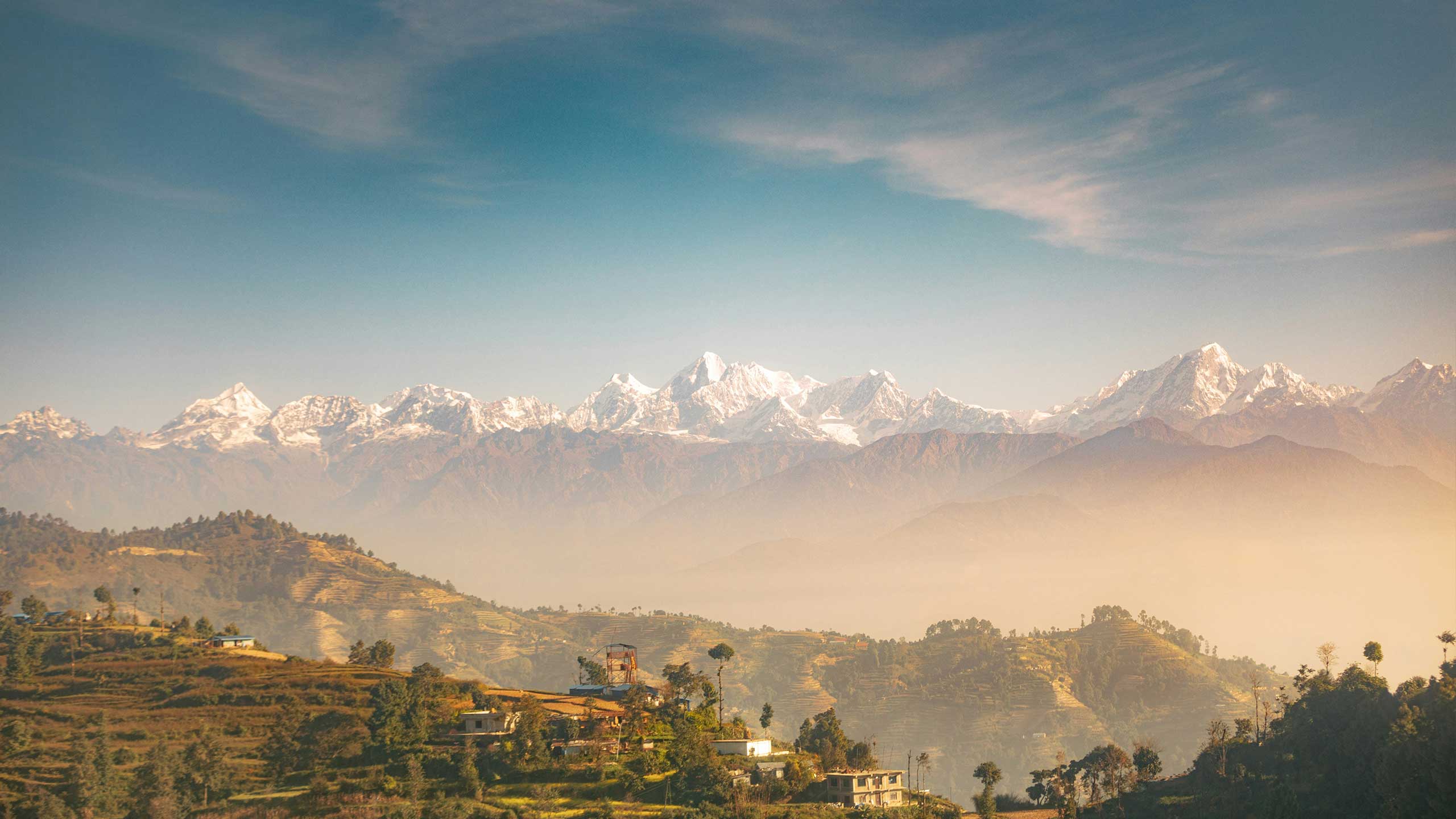
Nepal’s weather is governed by altitude and the monsoon. From the subtropical jungles of the Terai to Himalayan peaks above 8,000 metres, the country packs an extraordinary range of climates into a small geography, and each season carries its own appeal. Choosing the right month for what you want to do matters more here than in most places, but Nepal genuinely rewards travel at almost any time of year.
Best time to visit Nepal
There is no single best time to visit Nepal, only the right time for what you want from your trip. October and November bring the clearest mountain views and the famous festivals of Dasain and Tihar, which is why they tend to be the busiest months on the trails and at the lodges. Spring (March to May) is just as glorious, with rhododendrons in bloom along the foothill villages and longer days. The winter months from December to February are often clear and sunny in the cities, offer the best wildlife viewing of the year in the southern parks, and the country tends to feel quieter. Even the monsoon has its rewards, particularly in the rain-shadow kingdom of Mustang, which stays dry while the rest of the country greens up.
Nepal’s four seasons
Spring (March to May): A lovely time of year. The hillsides come alive with pink and red rhododendron blooms, days grow noticeably longer, and the higher trekking trails reopen. Skies can haze a little at the highest peaks toward the end of the season, but the trade-off is warmer days and considerably fewer trekkers than the autumn peak. Some travellers find they prefer spring to autumn for exactly this reason.
Summer / Monsoon (June to September): The wet season has a reputation, but it is more interesting than it sounds. Rain falls almost every day, usually overnight, with daytime temperatures often around 27°C and hillsides at their greenest. Roads and internal flights can be disrupted, and we generally steer clear of most trekking, but the cultural cities of the Kathmandu Valley have a particular calm at this time, and Mustang, sheltered in its rain shadow, remains dry and entirely trekkable.
Autumn (October and November): The country at its most postcard-perfect, and rightly the most popular time to travel. Dry, clear and pleasantly warm in the cities, with cool nights at altitude. Dasain and Tihar bring streets and temples alive with festivals, and the Himalayan views tend to be at their sharpest of the year. Trails and lodges can be busy, but the atmosphere makes up for it. Book well ahead if this is your window.
Winter (December to February): Quiet, clear and often underrated. Days in Kathmandu and the lowlands are typically pleasant and sunny; expect nights close to freezing in the cities, and well below in the mountains. The highest-altitude trekking is challenging at this time, but lower routes around Pokhara and the Kathmandu Valley rim remain very feasible with the right gear. The southern wildlife parks of Chitwan and Bardia tend to be at their best, with sparse vegetation, cool dry days and excellent sightings. Tourist numbers are low, which often means better availability and softer prices.
Three Nepals, three climates
The Himalayas: Above 3,000 metres the climate is properly mountainous. Days are bright and crisp in autumn and spring; in winter expect very cold nights, with temperatures often dropping to minus ten or lower even at the lower trekking elevations. The trekking lodges are well prepared for this, and a winter walk in the lower foothills can be one of the most rewarding things you do in Nepal.
The mid-hills and Kathmandu Valley: Roughly 1,400 to 2,000 metres. Pleasantly warm year-round, with a fleece for the evenings essential between November and February. This is the band that Kathmandu, Patan, Bhaktapur, Pokhara and most of the foothill villages sit within. The mid-hills are at their lushest in late summer, prettiest in spring and crispest in autumn.
The Terai lowlands: Hot subtropical jungle. In summer expect temperatures often above 35°C and a heavy monsoon, but from November to March it is pleasantly warm by day (often around 20°C) and mild at night. This is the ideal window for wildlife safaris in Chitwan and Bardia.
Is January a good time to visit Nepal?
January is mid-winter in Nepal, and often one of the most underrated months of the year to visit. Days are typically dry, bright and clear, the Himalayan views are at their crispest, and the southern wildlife parks are at their absolute best. Nights are cold across the country, but pack the right layers and you tend to have most of Nepal largely to yourself.
The Kathmandu Valley and Pokhara: Kathmandu, Patan, Bhaktapur and Pokhara enjoy clear sunny days; expect daytime temperatures often around 18°C, with overnight temperatures close to freezing. A proper coat is essential for the evenings. Mornings on the valley rim at Nagarkot or Dhulikhel tend to reward early risers with some of the cleanest mountain views of the year.
The Terai: Chitwan and Bardia tend to be at their peak: cool dry days, sparse vegetation that makes wildlife wonderfully easy to spot, and very few other visitors. A January safari has an unhurried, intimate feel that the high-season months simply can’t match. Pack warm layers for the early morning jeep drives.
The mountains and trekking trails: The highest passes are snow-bound, but lower trekking around the Annapurna foothills, including Ghandruk and Dhampus, remains very feasible with proper gear. You will share the trails with very few others, and the air is often at its clearest.
Is February a good time to visit Nepal?
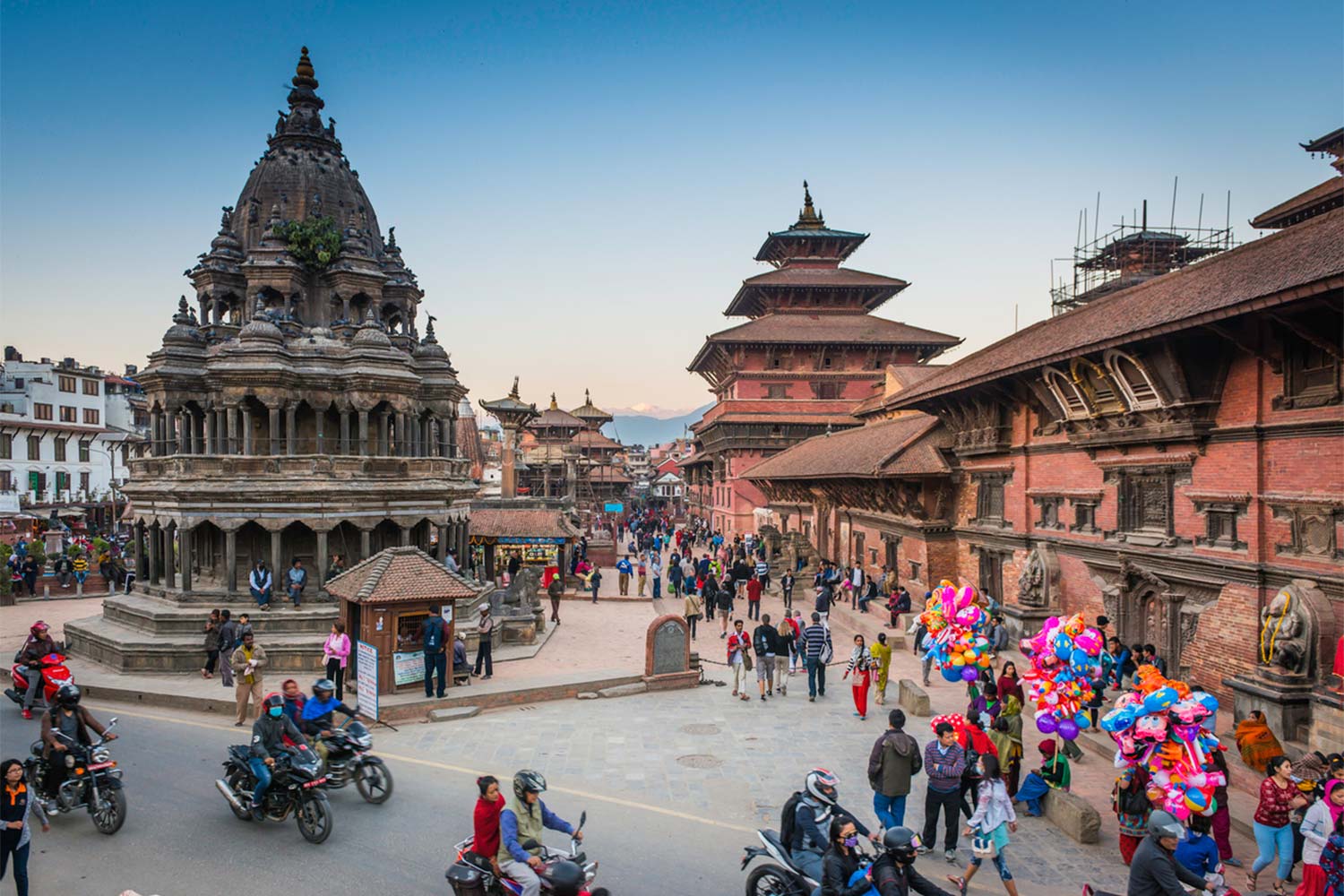
February is the gentle tail end of winter, with warming days, dry clear skies and the first hints of spring. By the end of the month the earliest rhododendrons are usually beginning to flower in the foothills, and the country feels poised for the year ahead. Visitor numbers remain low.
The Kathmandu Valley and Pokhara: Kathmandu and Pokhara are pleasant by day; expect temperatures often around 19 to 21°C, with cool but no longer bitter nights. The Kathmandu Valley cities are at their best for unhurried sightseeing, with clear air and very few other visitors.
The Terai: Chitwan and Bardia remain excellent for wildlife, with cool dry days, good visibility and an unhurried feel. Mornings tend to warm noticeably toward the end of the month. The mountains and trekking trails: Lower-elevation trekking in the Annapurna foothills picks up nicely. Higher routes remain challenging, but days are lengthening and conditions improve week by week.
Is March a good time to visit Nepal?
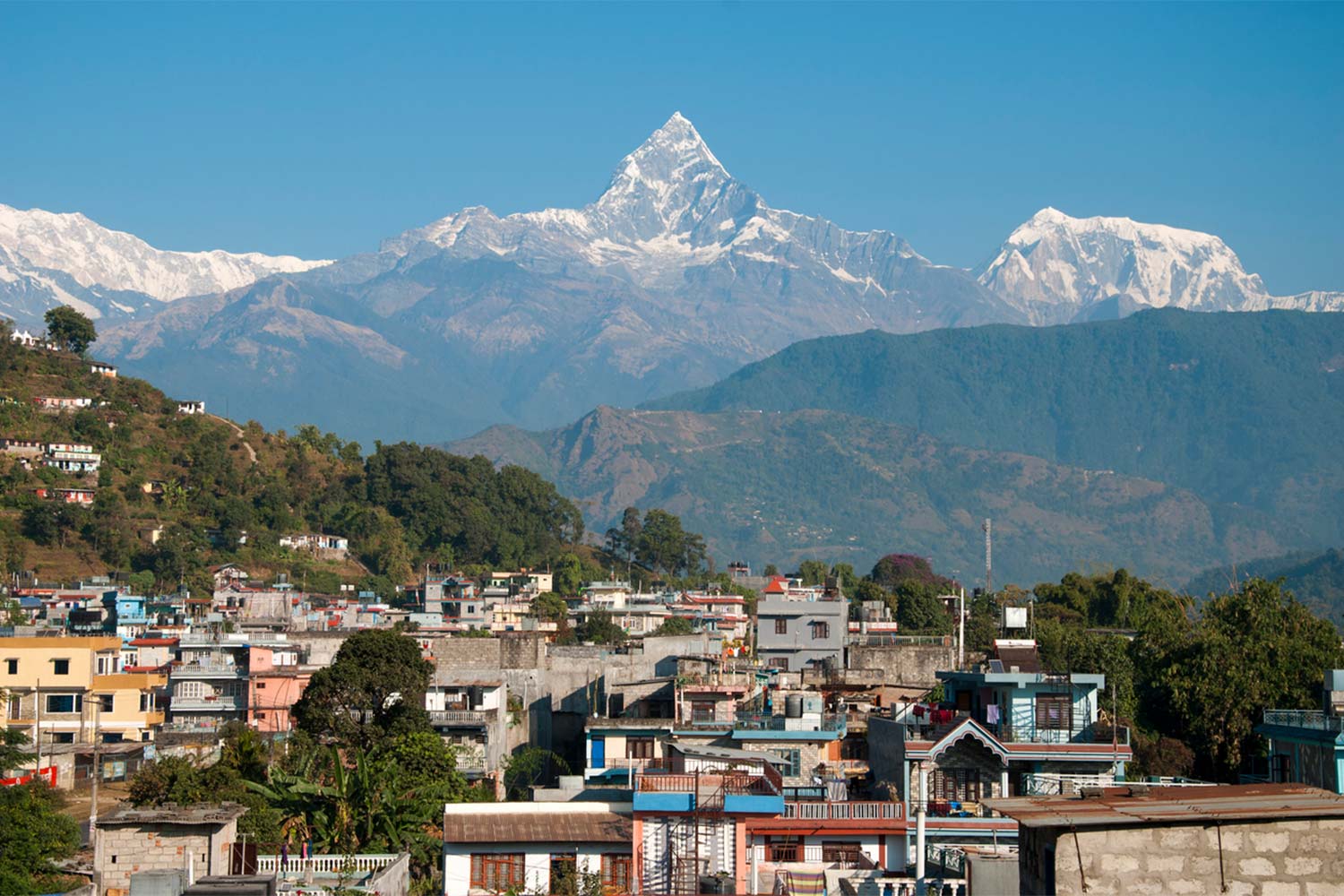
March marks the proper start of spring. Days warm noticeably, the hillsides come alive with pink and red rhododendrons, and trekking reopens in earnest. Skies remain mostly clear, though some haze can build by late afternoon. Holi, the Hindu festival of colours, typically falls in early March and is a joyful, slightly chaotic thing to be part of.
The mountains and trekking trails: One of the very best months of the year for trekking. The Annapurna region is often in full bloom through villages like Ghandruk, Landruk and Birethanti. Expect trail temperatures often around 18 to 20°C, dropping cooler at altitude. Trails are picking up but nothing like the autumn peak, so there is still real space.
The Kathmandu Valley and Pokhara: Kathmandu and Pokhara settle into a comfortable rhythm; expect daytime temperatures often around 22 to 25°C. Nights are cool but no longer cold, and the cities have a fresh, optimistic spring feel.
The Terai: Chitwan and Bardia are warming up nicely, with days often in the mid-20s°C and wildlife still very active. It is one of the better months for tiger sightings, since the grass remains short and visibility is excellent.
Is April a good time to visit Nepal?
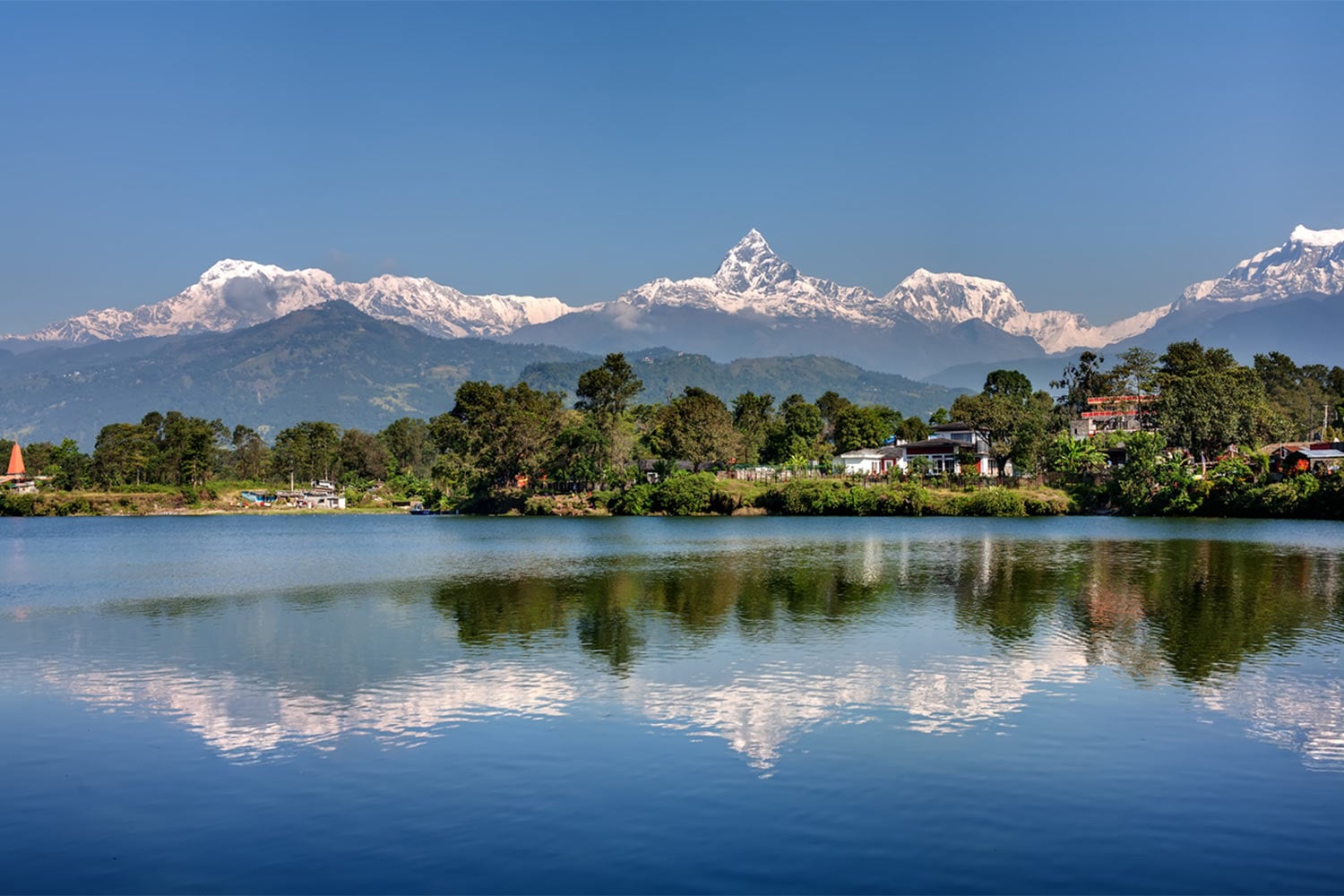
April is peak spring. Trekking is at its most colourful, the days are warm and long, and most of the higher trails have reopened (though some of the highest passes may not clear fully until May). The rhododendrons hold on at altitude even as those lower down begin to fade. Nepali New Year falls in mid-April, with public celebrations across the valley.
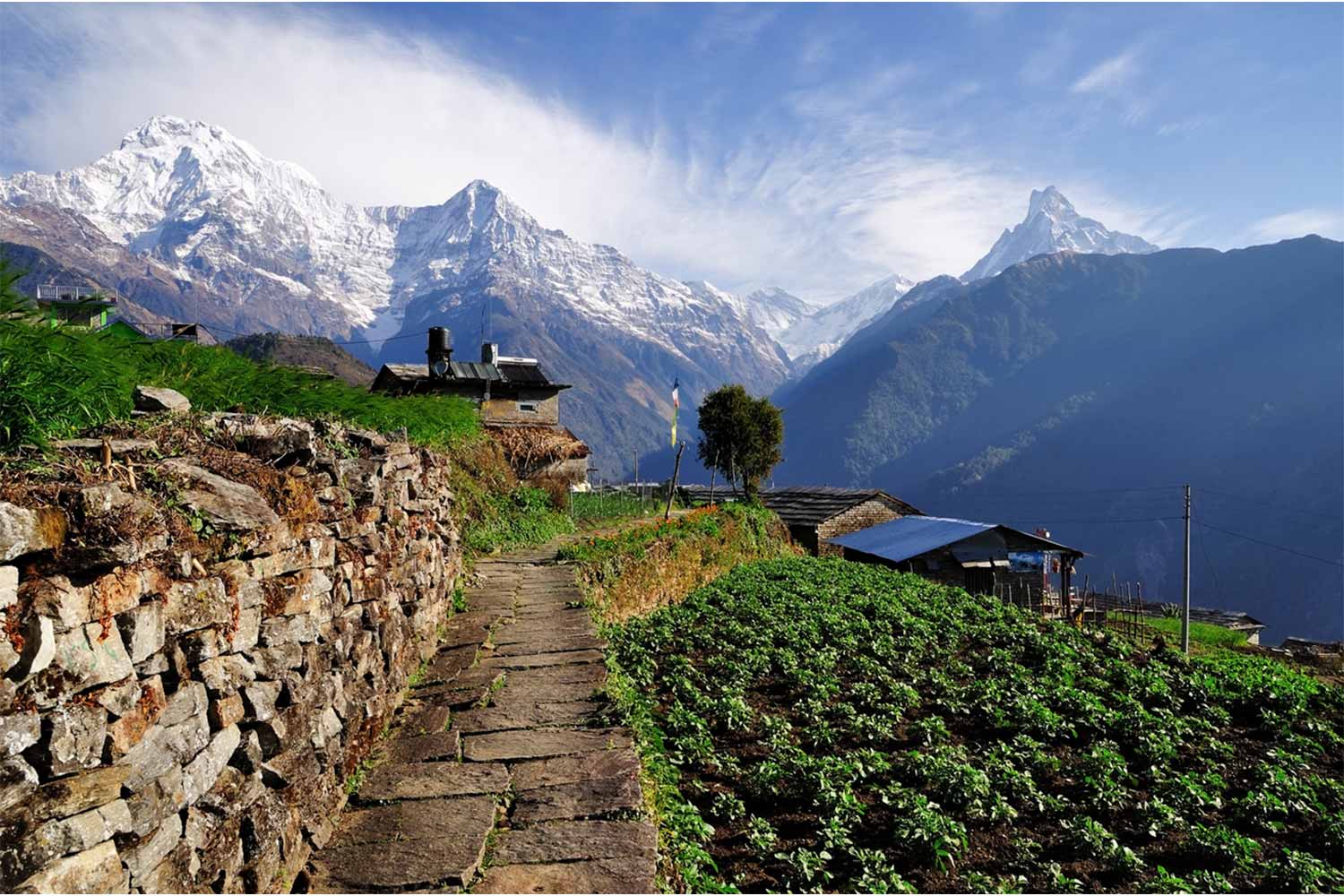
The mountains and trekking trails: Wonderful trekking weather throughout the Annapurna region, with mountain views at their best in the early morning before haze rises. Most higher trails open properly through April, and Mustang becomes accessible as the snow retreats. Spring is increasingly popular for trekking, but you will still find considerably more space on the trails than you would in October.
The Kathmandu Valley and Pokhara: Warm and bright. Expect Kathmandu often around 28°C by day, Pokhara a touch warmer. Both cities are at their most welcoming. The
Terai: Chitwan and Bardia are getting hot, often in the high 20s and low 30s°C. Wildlife stays close to water, which can actually make sightings easier. Bring sun protection and plenty of fluids.
Is May a good time to visit Nepal?
May is the last good window before the monsoon, and one of the most rewarding months for high-altitude trekking. The lowlands are hot, the mid-hills warm, and the highest peaks increasingly hazy, but the days are long and the trails are at their most flexible. Visitor numbers are lower than April.
The mountains and trekking trails: Higher-altitude trekking is now at its best. The snow has retreated, the days are long, and warmer temperatures make the higher elevations more comfortable. Mustang, in its rain shadow, is a strong choice from this point onwards and remains so right through the summer.
The Kathmandu Valley and Pokhara: Kathmandu and Pokhara are warm and humid; expect temperatures often around 28 to 30°C by day. Afternoon thundershowers begin to appear toward the end of the month, which makes for dramatic evening light.
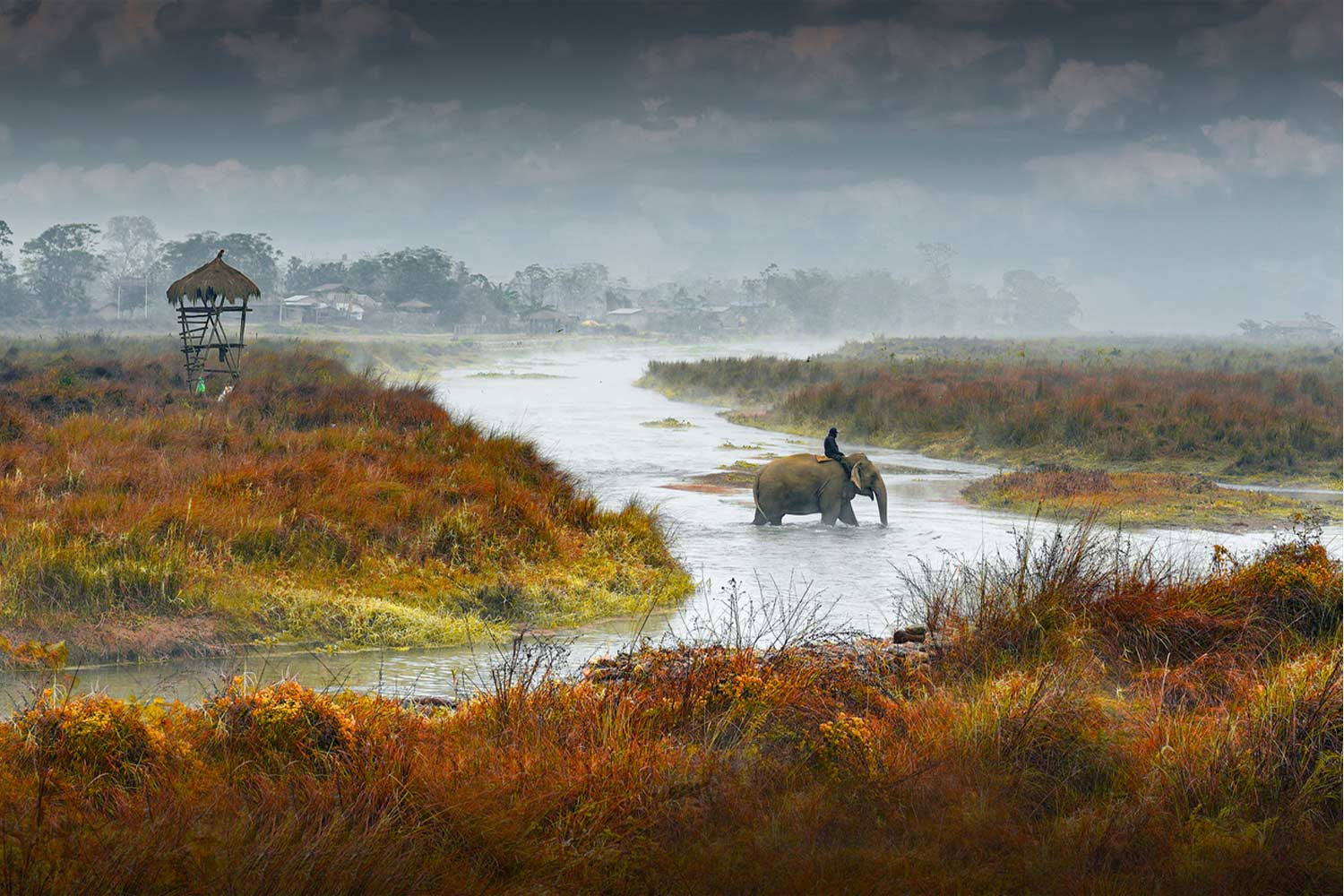
The Terai: Chitwan and Bardia are now hot, with daytime temperatures often above 35°C and high humidity. Wildlife sightings remain good, but early morning and late afternoon are by far the best times to be out.
Is June a good time to visit Nepal?
June marks the gentle start of the monsoon. The rain becomes regular from mid-month, the hills turn deep green and the Himalayan giants disappear into cloud. Many visitors choose another month, but for those happy with rainy afternoons and a much quieter Nepal there are real rewards: lush landscapes, peaceful cultural cities, and the rain-shadow kingdom of Mustang at its most magical.
Mustang: Mustang sits behind the Annapurna range and stays dry through the monsoon. June is one of the best months to trek here, with clear views, lush valleys at altitude and very few other visitors.
The Kathmandu Valley and Pokhara: Kathmandu and Pokhara are warm, humid and increasingly wet, with afternoon thunderstorms most days. Cultural sightseeing is still entirely feasible, and the temples and courtyards have a special quality at this time of year, when they tend to be pleasingly quiet.
The Terai: Chitwan and Bardia are very hot, humid and wet. Most camps reduce activity or close for parts of the season, and we generally steer clients toward the mountains rather than the southern parks at this time.
Is July a good time to visit Nepal?
July is full monsoon. The rain is daily, mainly overnight and in the afternoons, and the high mountain views are largely gone. For most travellers this is not the obvious month for Nepal, but for those drawn to Mustang it is a brilliant choice, and a monsoon visit to the cultural cities has its own quiet pleasure.
Mustang: Mustang continues to be the place to be. Skies tend to be clear, temperatures pleasant and trekking conditions excellent. July is a fine month for the upper Mustang trail, when very few visitors make it this far.
The Kathmandu Valley and Pokhara: Kathmandu is warm and very wet, with daily downpours, but travel within the city remains straightforward. The monsoon greenery in the Kathmandu Valley is a quietly beautiful thing, and the courtyards and temples are often at their most peaceful.
Other mountain areas: We don’t typically recommend trekking elsewhere in the mountains this month. Trails are slippery, leeches are active and the views are obscured.
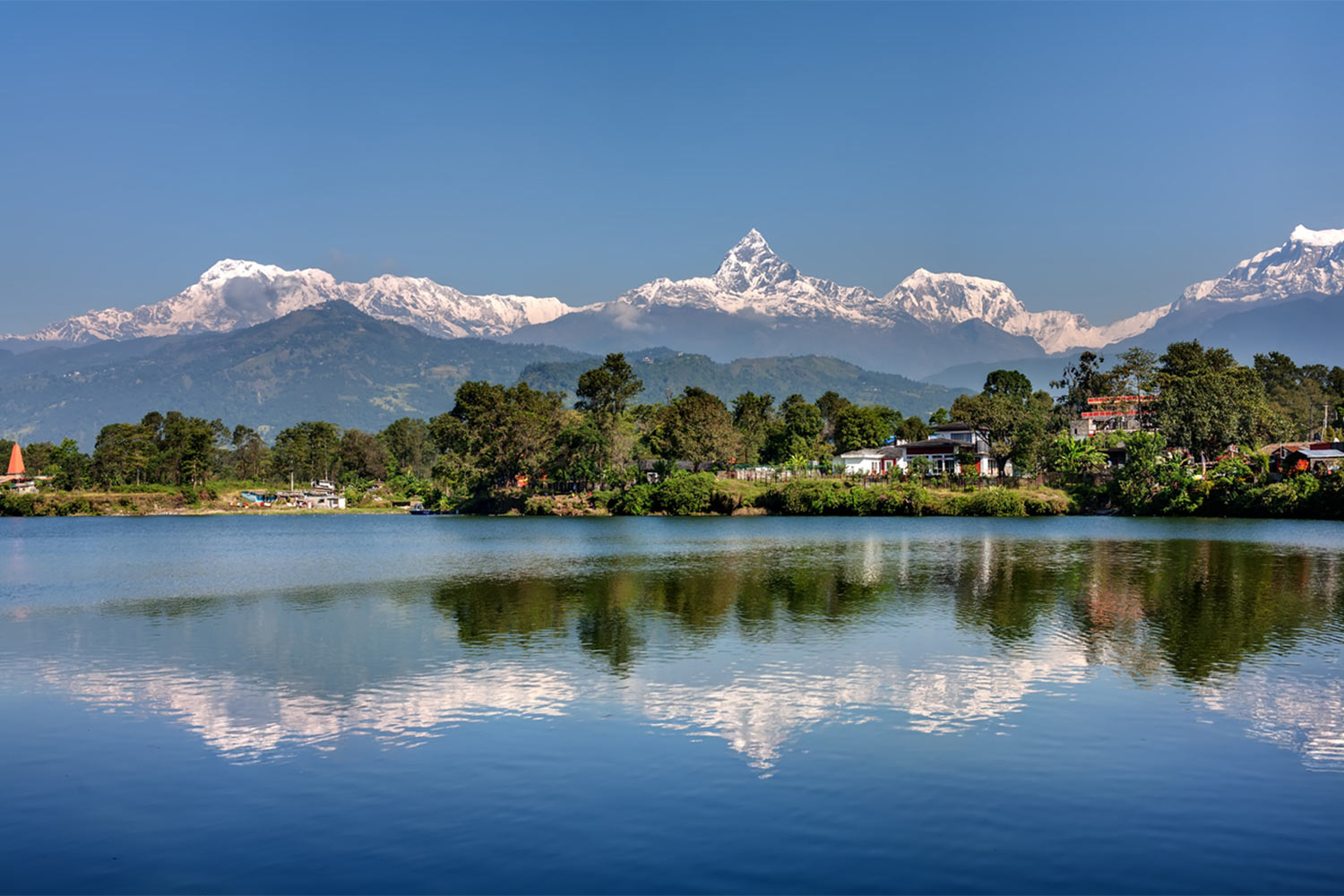
Is August a good time to visit Nepal?
August is peak monsoon, with the heaviest rains of the year. Roads and flights can be unreliable, and most trekking outside Mustang is difficult. For travellers heading to Mustang, however, this remains one of the more rewarding months of the year, and a monsoon stay in Kathmandu can be a quietly atmospheric experience.
Mustang: Mustang is often at its quietest and most rewarding in August. Dry, warm and trekkable, with very few visitors and the kingdom at its most spacious.
Elsewhere: Kathmandu and Pokhara continue with daily rain and humid heat. The southern wildlife parks of Chitwan and Bardia remain at their wettest, with most lodges operating reduced programmes.
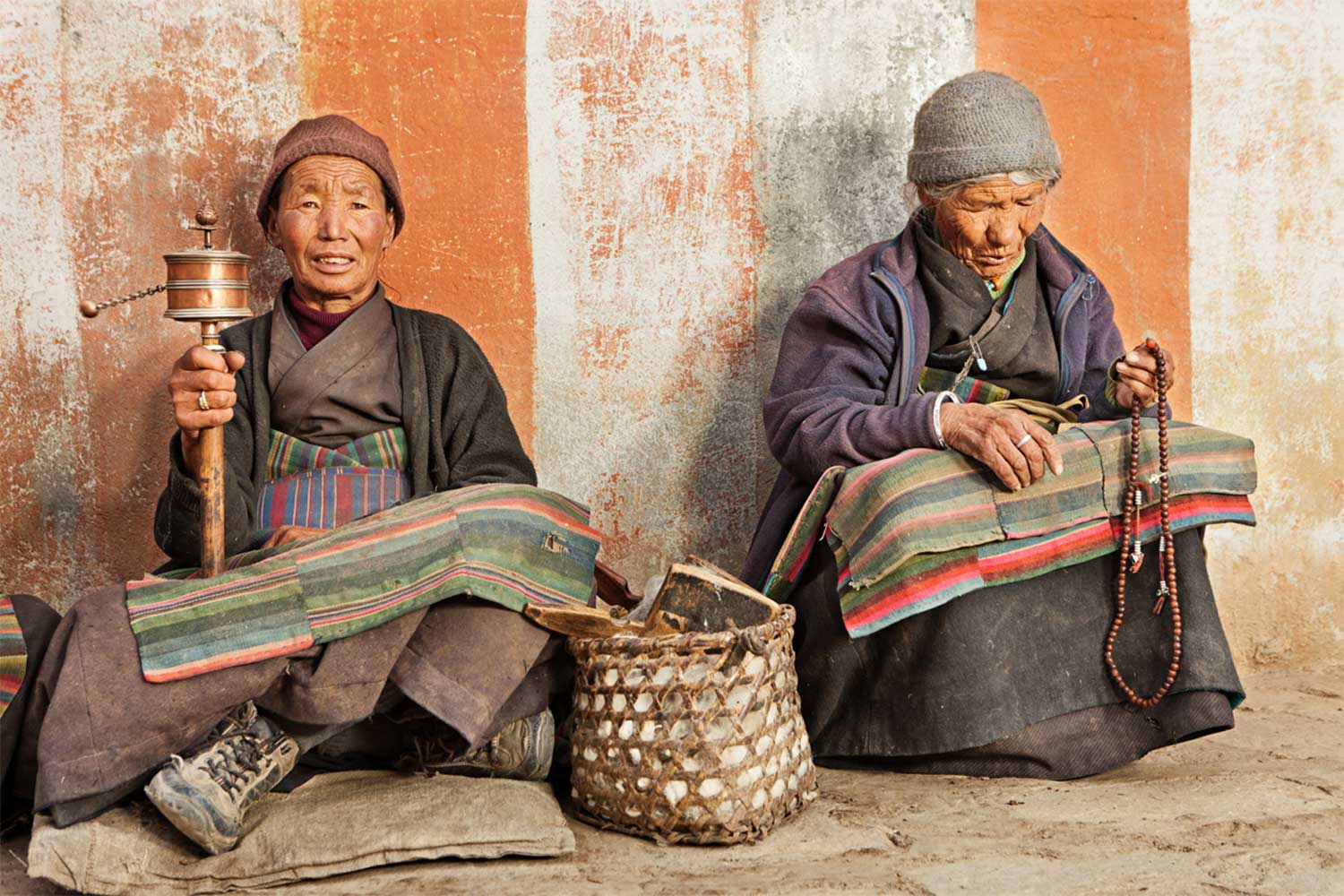
Is September a good time to visit Nepal?
September is a wonderful transition month. The monsoon tails off by mid-month, the skies clear and the hillsides remain lush and green from the rains. By the last week, autumn is well on its way and conditions are nearly at their best, but without the autumn crowds. It is often one of the most rewarding under-the-radar windows of the year.
The mountains and trekking trails: Trekking trails reopen properly from mid-month. The hillsides are very green, the air is crisp and visibility is exceptional. Annapurna trails are typically excellent from late September, and many regard this as one of the most rewarding moments of the trekking calendar.
The Kathmandu Valley and Pokhara: Kathmandu and Pokhara are warm and bright, with occasional showers in the first half of the month. By the end of September, the cities are typically at their post-monsoon best.
The Terai: Chitwan and Bardia reopen as the rains pass. Vegetation is still high, which makes wildlife harder to spot, but the parks are wonderfully green and feel genuinely wild at this time of year.
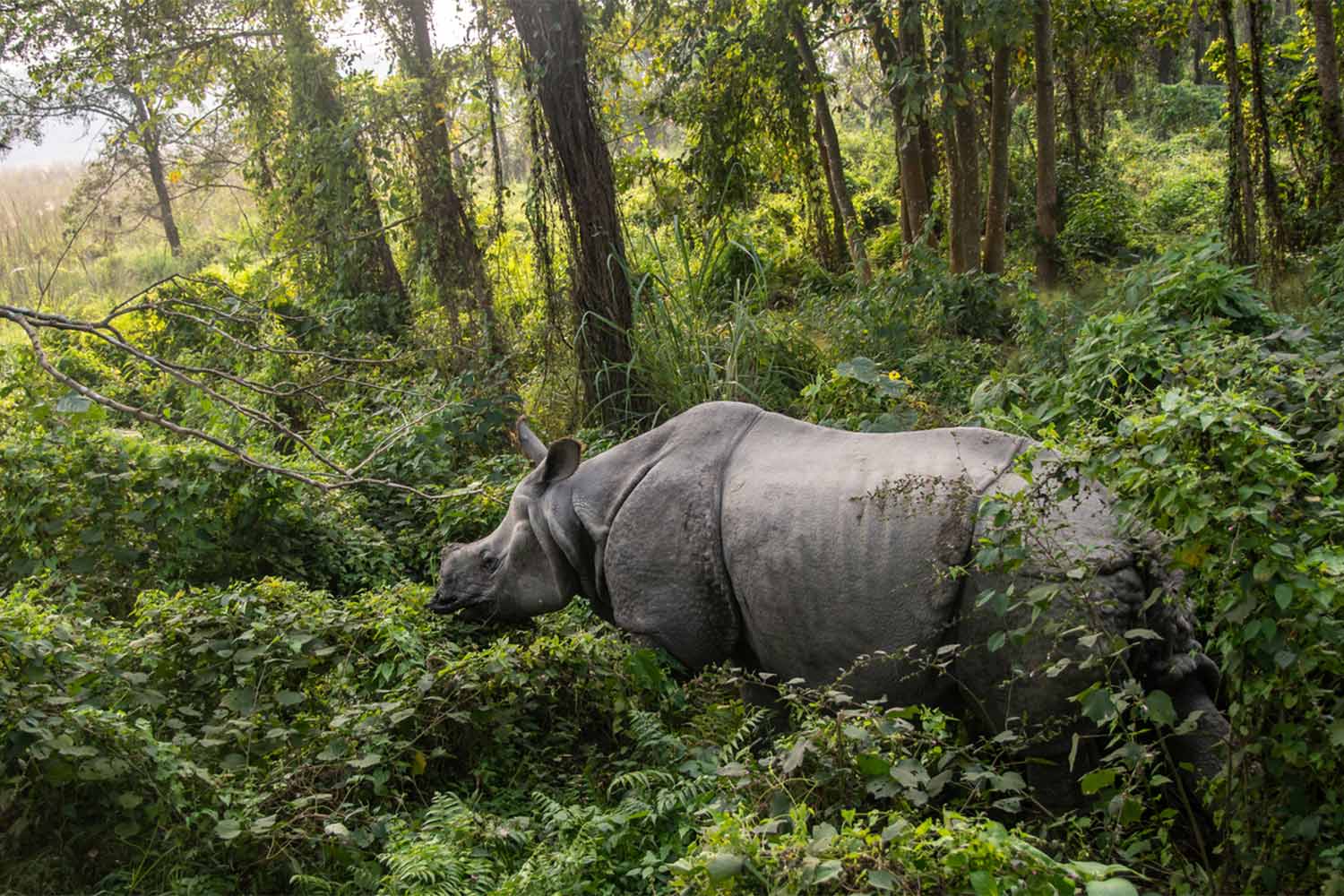
Is October a good time to visit Nepal?
October is the headline month for Nepal. Clear blue skies, sharp mountain views, warm days and cool nights, with the country at its most photogenic. It is peak season for trekking and the heart of the autumn festival period, so trails and lodges fill quickly. We recommend booking well ahead.
The mountains and trekking trails: The best-known month of the year for trekking, from the Annapurna foothills through villages like Ghandruk and Landruk to the higher passes and across into Mustang. Days are warm at lower altitudes and very cool higher up. Trails are busy but the atmosphere is wonderful.
The Kathmandu Valley and Pokhara: Kathmandu, Patan, Bhaktapur and Pokhara are all at their best: warm, clear and lively, with families gathering across the valley for Dasain.
The Terai: Chitwan and Bardia are reopening properly. Vegetation begins to thin, wildlife becomes easier to spot, and conditions improve through the month.
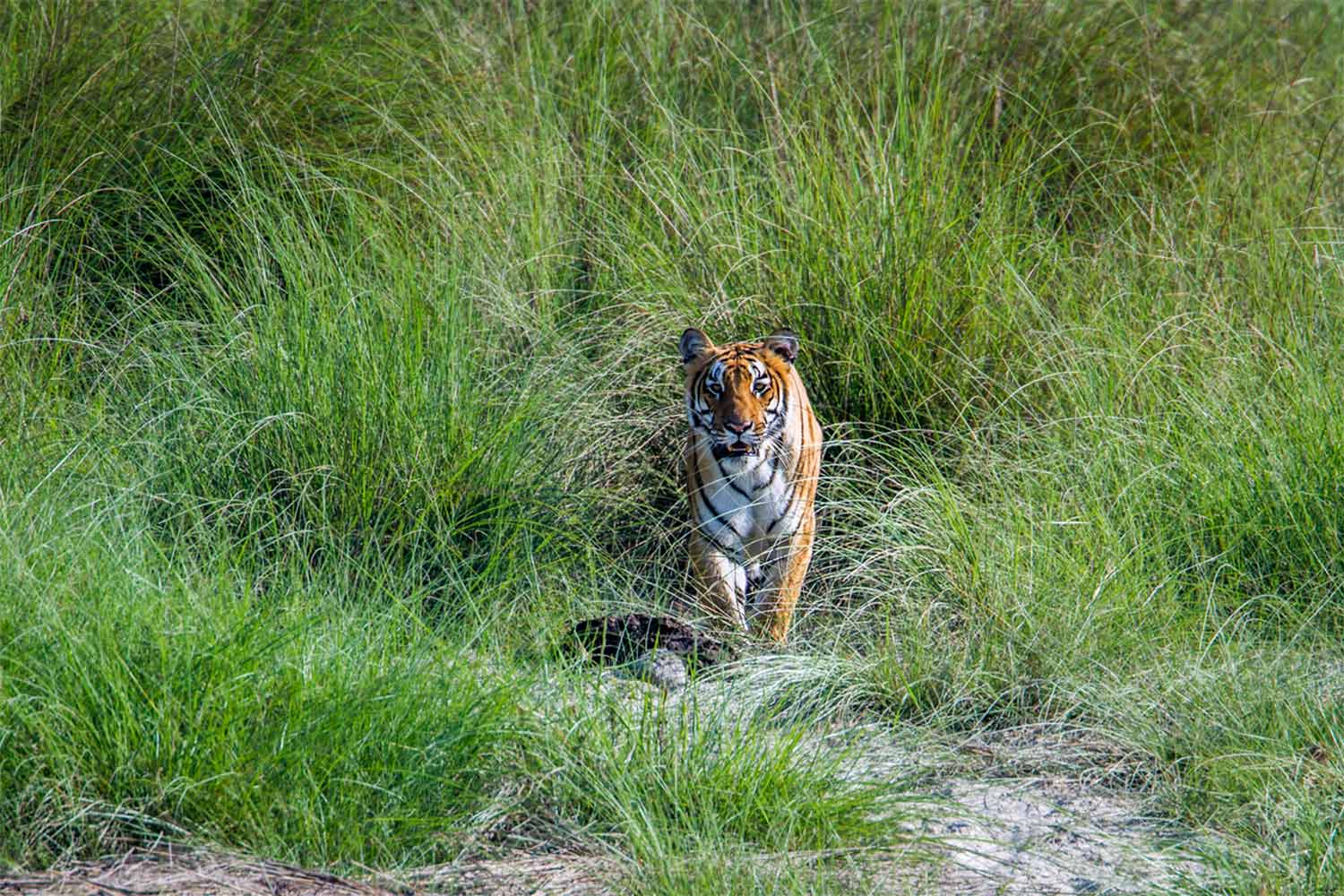
Is November a good time to visit Nepal?
November continues the autumn peak, with slightly cooler days and often even clearer skies than October. Tihar, the festival of lights, typically falls in late October or early November and fills courtyards and streets with butter lamps and marigold garlands. Some travellers find the second half of November the sweetest part of the autumn, when the crowds begin to ease.
The mountains and trekking trails: Trekking conditions remain excellent. The air is often at its clearest of the year and the mountain views in the Annapurna region and beyond are extraordinary. Expect cold nights at altitude, but very manageable with the right gear.
The Kathmandu Valley and Pokhara: Kathmandu and Pokhara are still warm by day with crisper, cooler evenings. The ridge settlements of Dhulikhel, Nagarkot and Lakhuri Bhanjyang on the valley rim are particularly fine for Himalayan sunrise.
The Terai: Chitwan and Bardia are at their best for wildlife, with long grasses cut, temperatures comfortable and excellent visibility.
Is December a good time to visit Nepal?
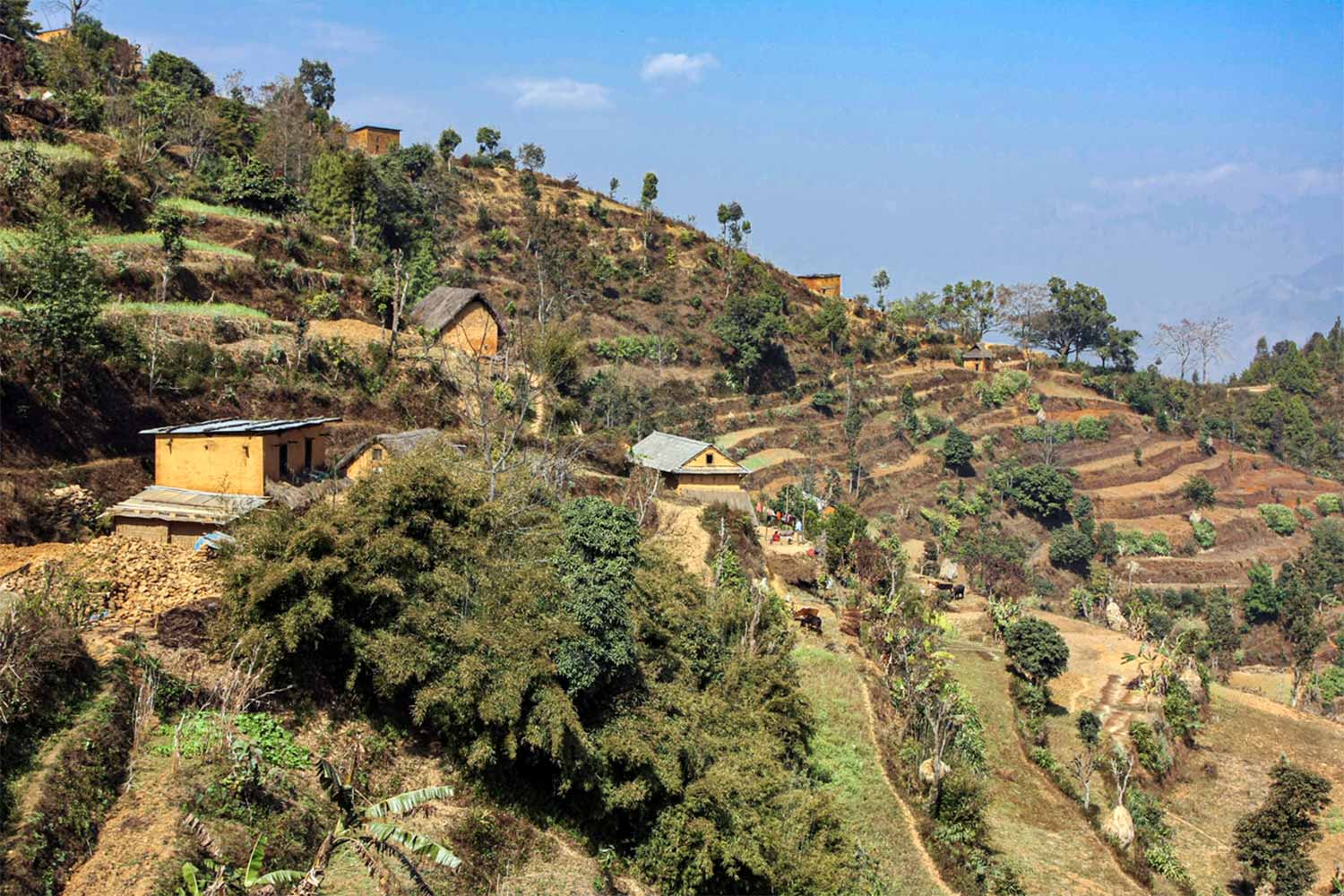
December is the start of winter, and often one of the quieter rewarding months of the year. Cool, dry and clear, with the wildlife parks at their peak, the Kathmandu Valley cities full of atmosphere, and lower-altitude trekking still very feasible. The high mountain routes get challenging from mid-month, but everything else is at its best and tourist numbers tend to be low.
The Terai: Chitwan and Bardia are at their finest. Cool dry days, sparse vegetation and very good wildlife conditions. A safari over Christmas is hard to beat, and you will share the parks with very few others.
The Kathmandu Valley and Pokhara: Kathmandu, Patan, Bhaktapur and Pokhara enjoy sunny clear days; expect daytime temperatures often around 18 to 20°C, with very cold nights. The cities take on a quiet, atmospheric charm at this time of year, with the early dusks giving them a particularly evocative feel.
The mountains and trekking trails: Higher trekking becomes challenging, with snow at altitude and overnight temperatures well below freezing. Lower trails around the Annapurna foothills remain rewarding for those happy with cooler conditions and very quiet paths.
Choose your adventure
Speak to one of our team to get started. After all, your travel journal won’t write itself.