Learn more
Weather
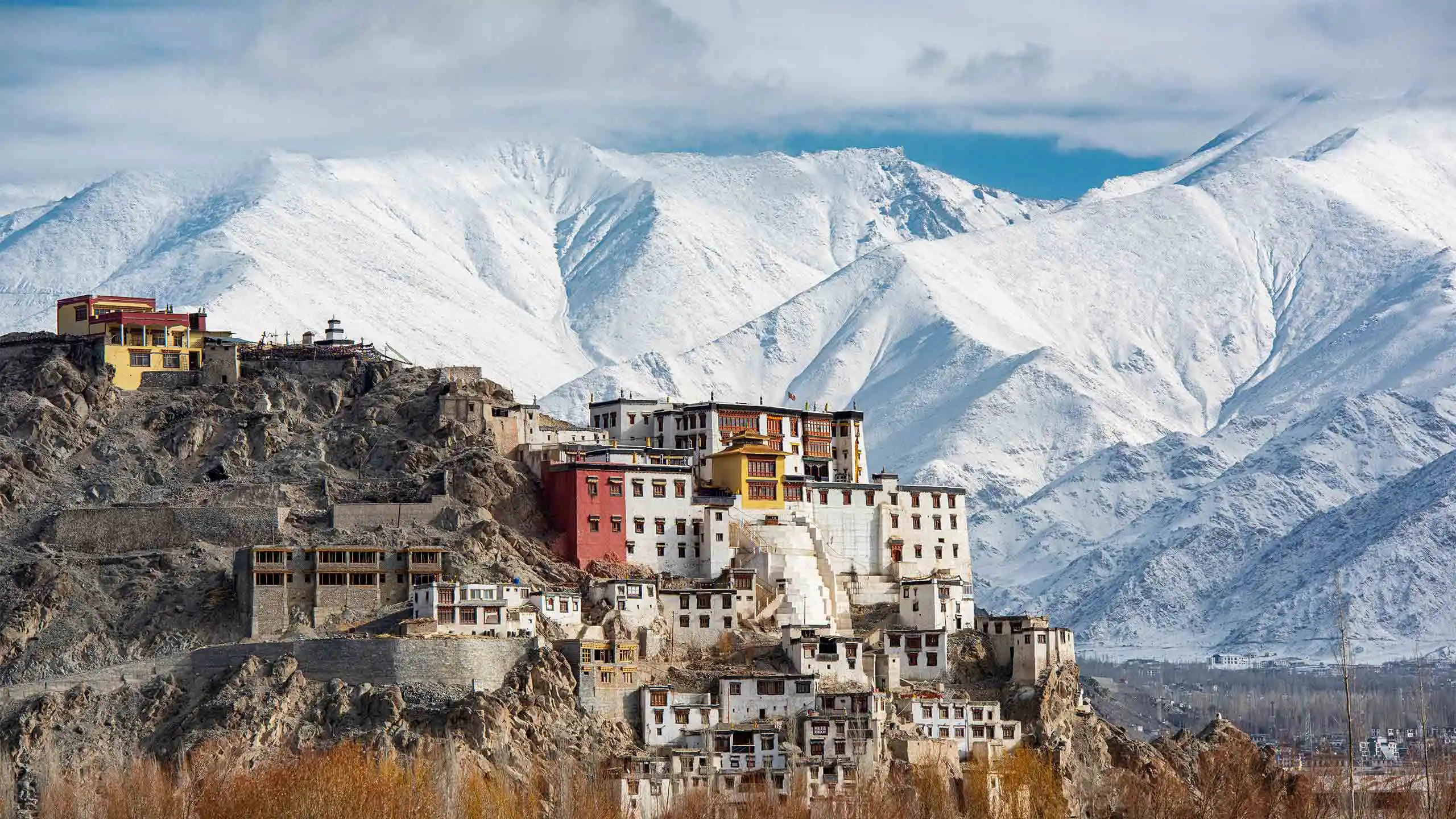
Broadly, the cooler, drier months from October to April suit most of India and are the classic time to travel, though it varies enormously across the country. The Himalaya and Ladakh are the exception, coming into their own in summer; the deserts are at their best in winter; and the south has its own pattern. We also rate the shoulder seasons either side of the monsoon, which often bring better value and far fewer people. For a full month-by-month picture, see our India Weather Guide, and your specialist will steer you to the right months for your chosen route.
The main monsoon generally runs from June to early September, though its timing and intensity vary across the regions. It brings dramatic, lush landscapes and good value, but also rain and humidity, and many wildlife parks close their core zones during this period. September is often drier and, while still warm, can be a lovely time to travel.
It can be, particularly from April through June, which is sweltering in the plains and the deserts. In Rajasthan, temperatures can climb above 45°C and desert camps close for safety. Winter is far more comfortable, and the hills and higher regions are cooler year round. Winter evenings, and early mornings on safari, can be genuinely cold, so do bring layers.
Not usually. Even in the wetter months you often get heavy bursts with bright spells in between rather than constant rain, though this varies by region and year.
The classic safari season runs from around October until the parks close for the monsoon. The hotter pre-monsoon months of April and May are often the best for sightings, as the foliage thins and animals gather at the remaining water, which is a wonderful time at parks such as Ranthambore. Park rules and dates change, so your specialist will plan around the season for the reserves you choose. Our India Weather Guide has a month-by-month breakdown.
Choose your adventure
Speak to one of our team to get started. After all, your travel journal won’t write itself.
