Learn more
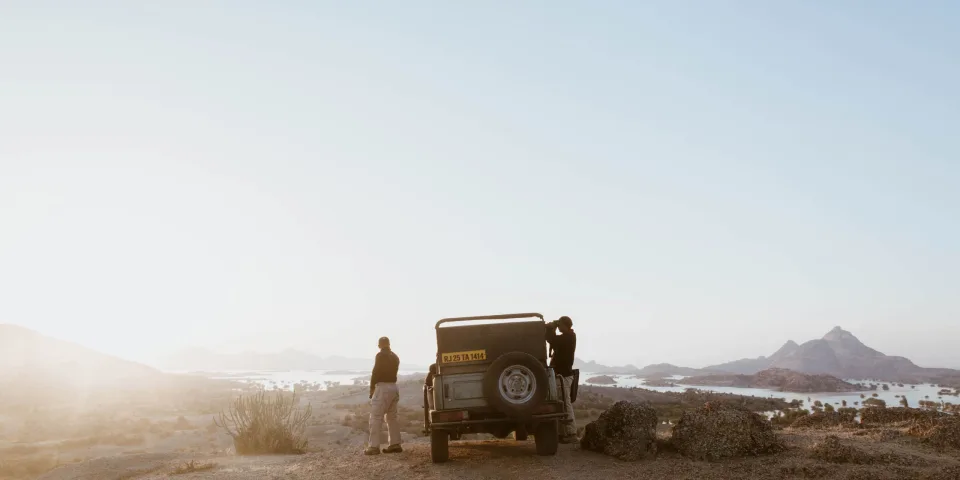
You'll take a boat along the Chambal, home to most of the world's remaining wild gharials, and watch fragrant perfume being distilled in Kannauj in almost medieval copper stills. In the wild Terai grasslands of Dudhwa, one of India's quieter tiger reserves, you can look for tigers and one-horned rhinos on the same safari. Then comes the world class food and graceful Nawabi architecture of Lucknow, the sacred meeting of the rivers at Prayagraj and, finally, a sunrise on the ghats of Varanasi. Along the way you'll stay in a restored 1929 palace, a former 1940s hunting lodge and an indigo planter's bungalow surrounded by orchards, each with only a handful of rooms.
This is a sample itinerary to give you a feel for what's possible. Tell us about you, and what you'd most like to see and do, and we'll design a private journey around you.
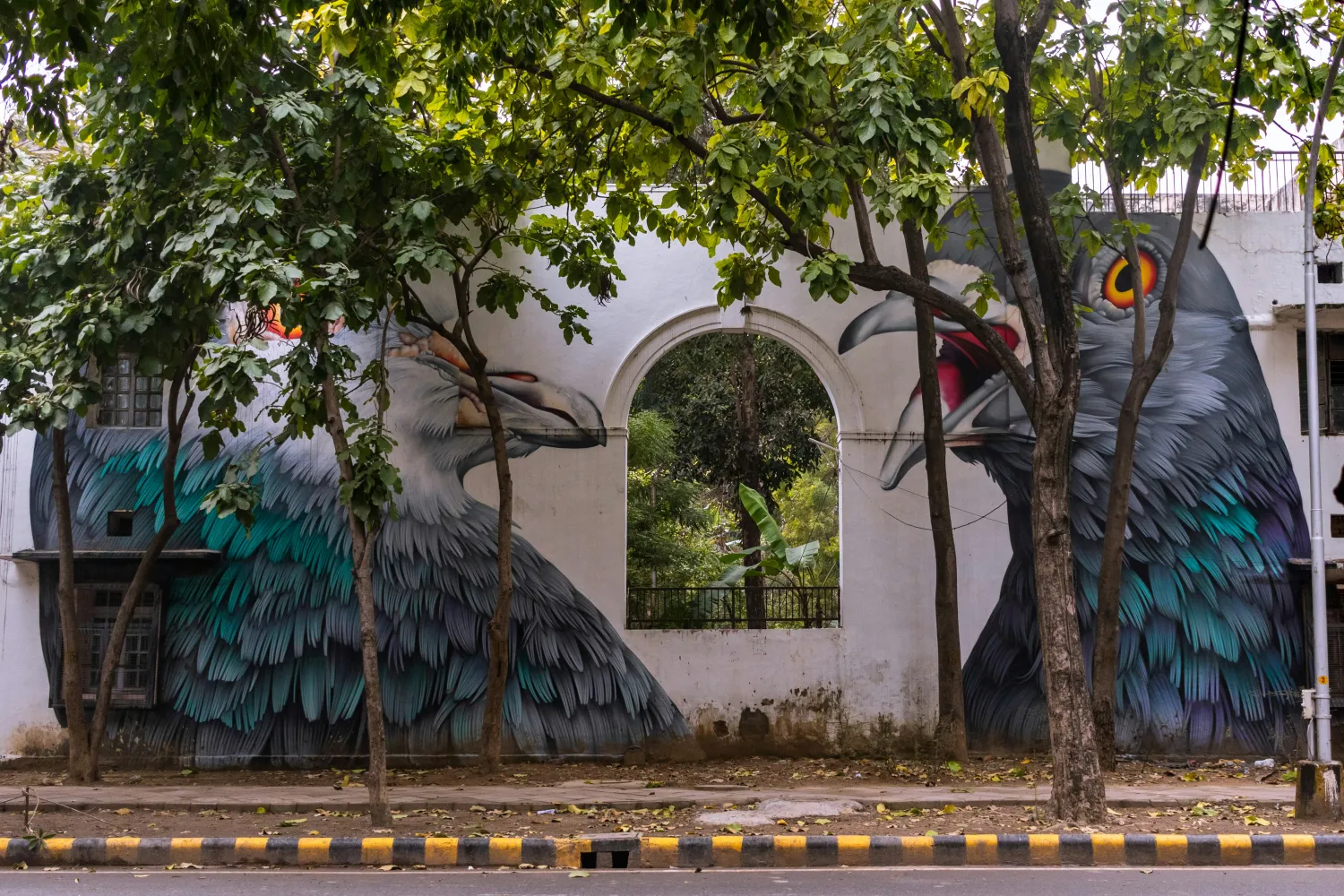
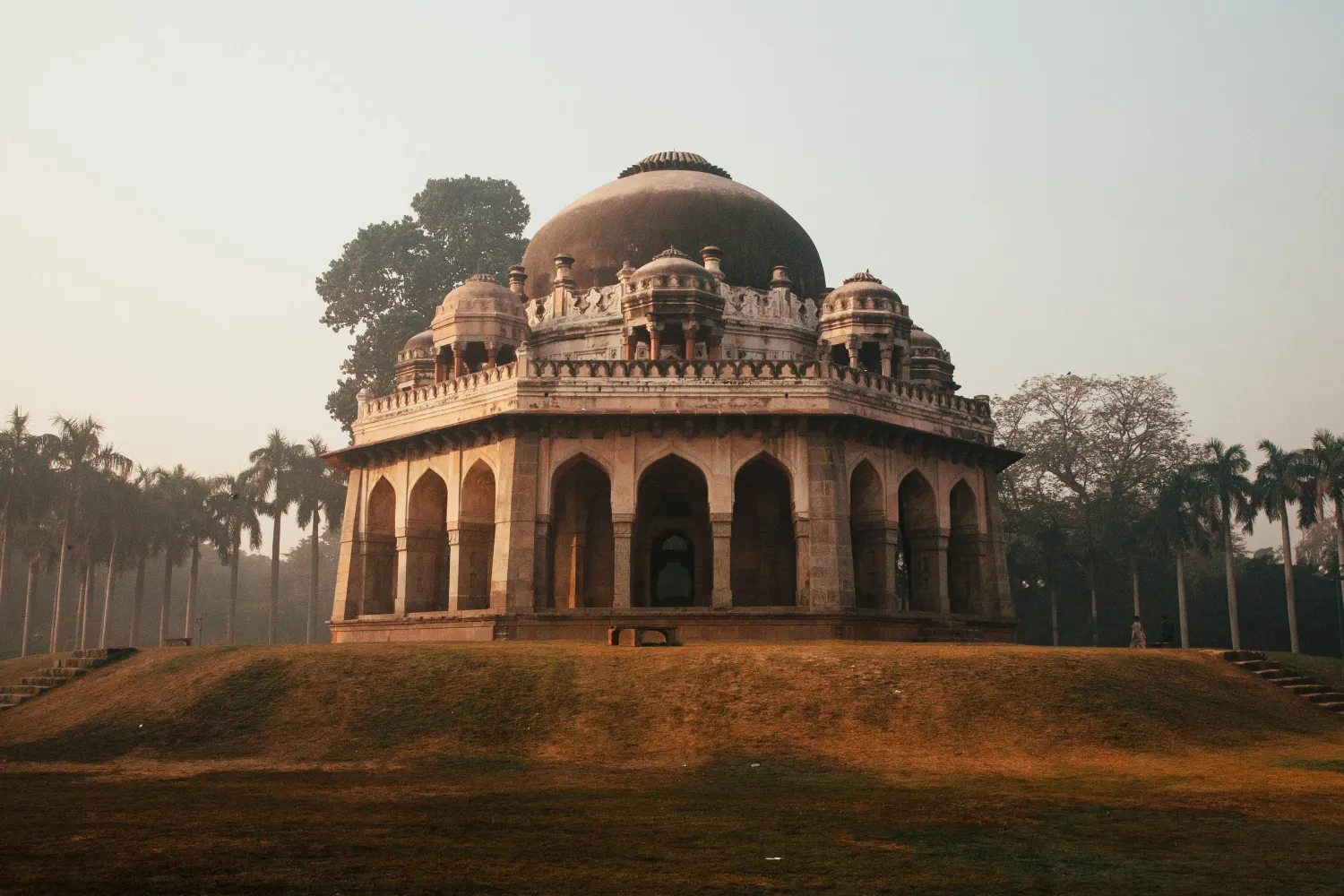
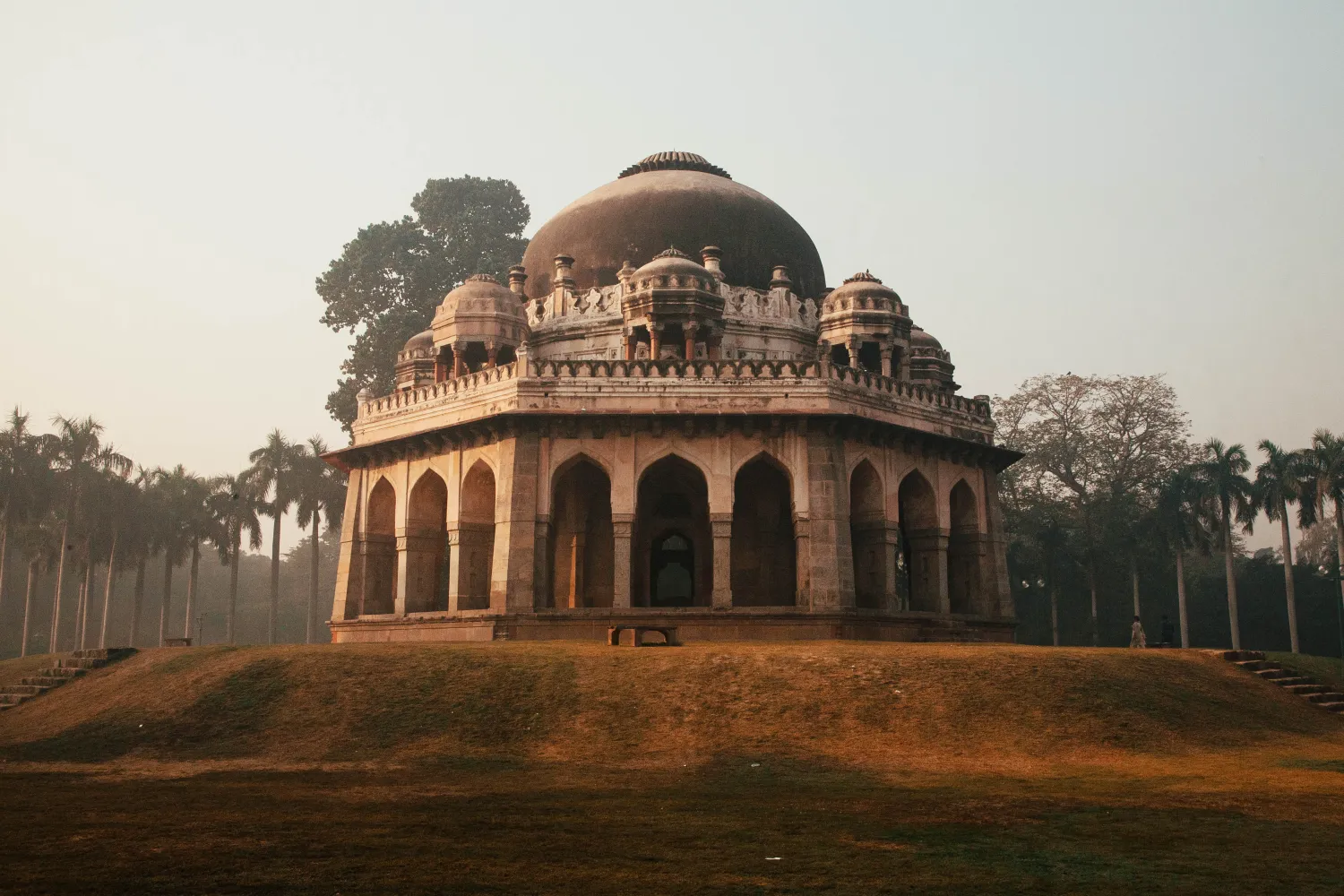
When you land in Delhi, our representative will meet you in arrivals and take you to your hotel to rest after the flight. In the late afternoon, your guide will collect you for a walk through a quieter side of the capital, well away from the traffic. Leafy Lodhi Gardens is where Delhi comes to walk and jog, and weathered 15th and 16th-century tombs stand among its lawns and old trees. Nearby, in the Lodhi Art District, huge, colourful murals by Indian and international artists cover whole walls of the neighbourhood's apartment blocks. Khan Market is close by, with some of Delhi's best independent shops and restaurants. Tell us what you're in the mood for and we'll recommend somewhere and reserve a table.

Delhi is really two cities in one: the crowded and chaotic Mughal lanes of Old Delhi and the wide, tree-lined avenues the British built in New Delhi. Your guide will spend the day with you exploring both and comparing the two. In Old Delhi, you'll visit Jama Masjid, the great red sandstone and marble mosque built by Shah Jahan, then hop on a cycle rickshaw to weave through the packed lanes of Chandni Chowk to the spice market, where the air is thick with chilli and cardamom. At a Sikh gurdwara, you'll see the community kitchen, one of our favourite things to do, where volunteers cook free meals for anyone who comes. In New Delhi, you'll visit the graceful Humayun's Tomb, which later inspired the Taj Mahal, before driving past the grand avenues and government buildings of Lutyens' Delhi.
If you've been to Delhi before, we can plan something different. A few ideas:
- Delhi at dawn - head out before the city wakes to visit a cow shelter and an akhara, one of the old wrestling schools where young men still train on earthen floors. You'll try your hand at calligraphy, then stop for chai and a proper Indian breakfast.
- Nizamuddin - Walk through the old quarter around the shrine of the Sufi saint Nizamuddin Auliya, join a craft workshop and meet the women who have built businesses reviving Mughal-era crafts. Afterwards, visit Humayun's Tomb and the restored gardens of Sunder Nursery next door.
- A day of Delhi food - Cook alongside a chef at a private studio, after shopping for what you need in a local market.
- Old Delhi, after dark - Rooftop kite flying and high tea at Haveli Dharampura, a beautifully restored haveli, or a guided street food walk through Chandni Chowk.

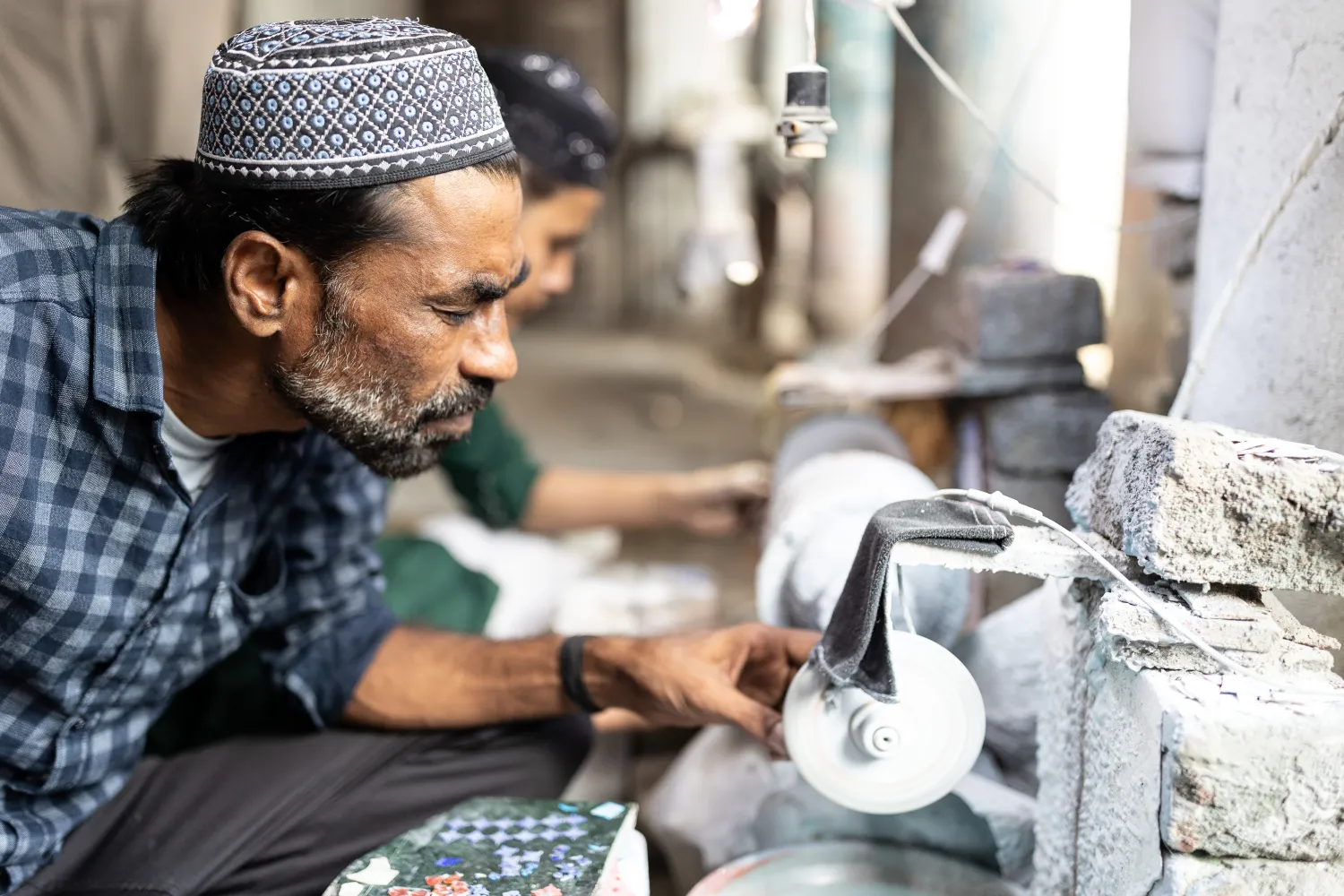
Your driver will take you to the station for the morning express train to Agra, where your guide will meet you off the train. Together you'll visit the Taj Mahal (closed on Fridays), where flowers of semi-precious stone are set into the white marble, and Agra Fort, the vast red sandstone fortress of the Mughal emperors. Your guide will then take you to a small local workshop where craftsmen still practise marble inlay by hand. It's a simple working workshop rather than a showroom, so you can take your time talking to them and watching tiny pieces of stone shaped and fitted into marble, just as they were for the Taj. If you've seen Agra before, we can plan something different for the day.
Later, drive for around two hours into the Chambal countryside, where the land breaks into deep, eroded ravines that were once the hideout of India's most notorious bandits. Chambal Safari Lodge sits among old trees on the edge of it, and there's an evening nature and birding walk on the estate if you'd like to stretch your legs.

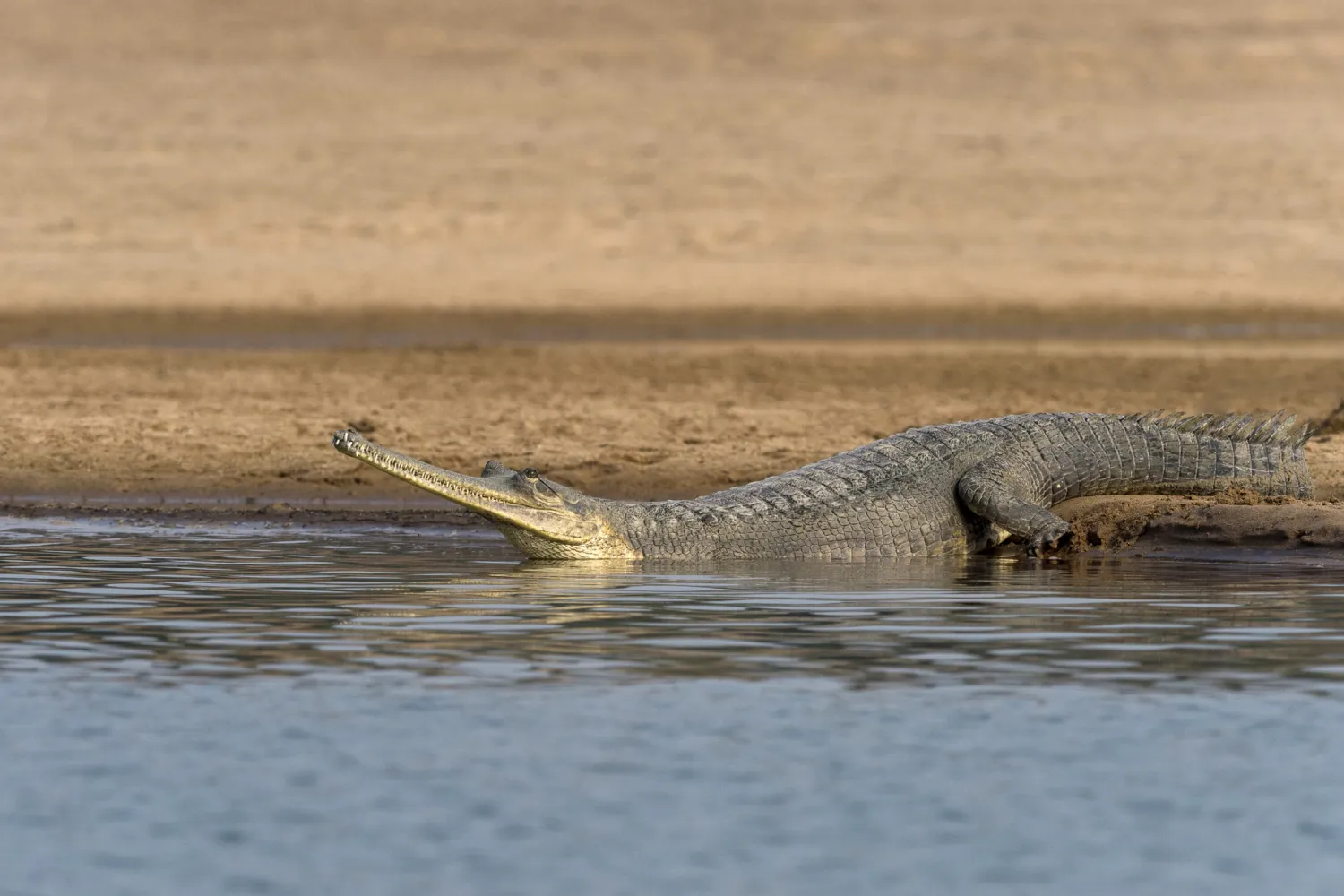
The Chambal is one of the least polluted rivers in India, and the stretch protected by the National Chambal Sanctuary is home to around 80% of the world's wild gharials. Few travellers know it exists, so you're likely to have the river almost to yourselves. Set out early with a naturalist for a river safari. The boat moves slowly, so you can get a proper look at the gharials basking on the sandbanks: critically endangered crocodiles with long, narrow snouts that look almost prehistoric. Keep an eye out too for turtles, Indian skimmers and many other resident and migratory birds, and, if you're lucky, a Gangetic river dolphin breaking the surface.
In the afternoon, visit Holipura, a sleepy village of grand old havelis with ornately carved facades, then the peaceful riverside temples of Bateshwar for a quiet look at rural life.
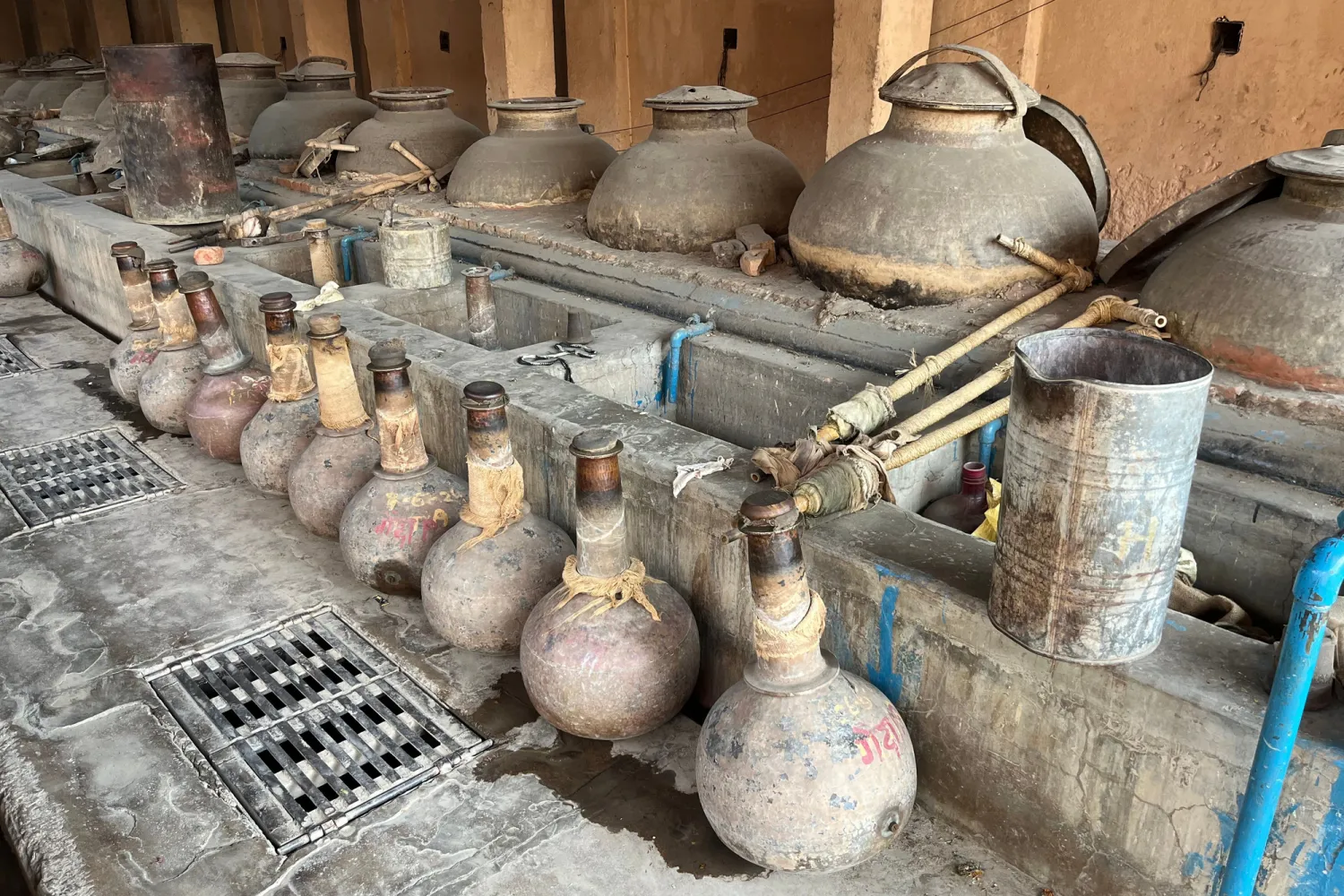
Kannauj has been making perfume for centuries, and it's one of the few places in the world where natural attar is still distilled entirely by hand. After breakfast, your driver will take you to Anand Bhawan Palace in Tirwa, arriving in time for lunch. The palace is an elegant 1929 Art Deco mansion, carefully restored, with six suites, each named after one of Kannauj's perfumes.
Later, your guide will take you into Kannauj to visit small, family-run distilleries, where the heat from wood fires fills the room and rose petals, vetiver roots and even baked clay are slowly heated in old copper stills to capture their scent. The clay produces mitti attar, which smells like earth after the first monsoon rain. Enjoy a relaxed evening back at the palace.
Today is a longer drive of around five to six hours north to Dudhwa. We'll send you off with a packed lunch, and your driver will stop whenever you need a break. We promise this journey is worth it.
Most of India's tiger reserves are dry forest, but Dudhwa is different. It lies in the Terai along the border with Nepal, an area of dense sal forest, marshland and grass tall enough to hide an elephant, and one of the few places in India where you can look for tigers and one-horned rhinos on the same safari. Rhinos had disappeared from here until they were brought back in the 1980s, and they're now one of India's conservation success stories. Wild elephants and swamp deer (barasingha) live here too, and because Dudhwa sees a fraction of the visitors of better-known parks, you'll rarely share a sighting. In the evening, take a jeep drive through the surrounding villages and farmland to look for birds, followed by sundowners.
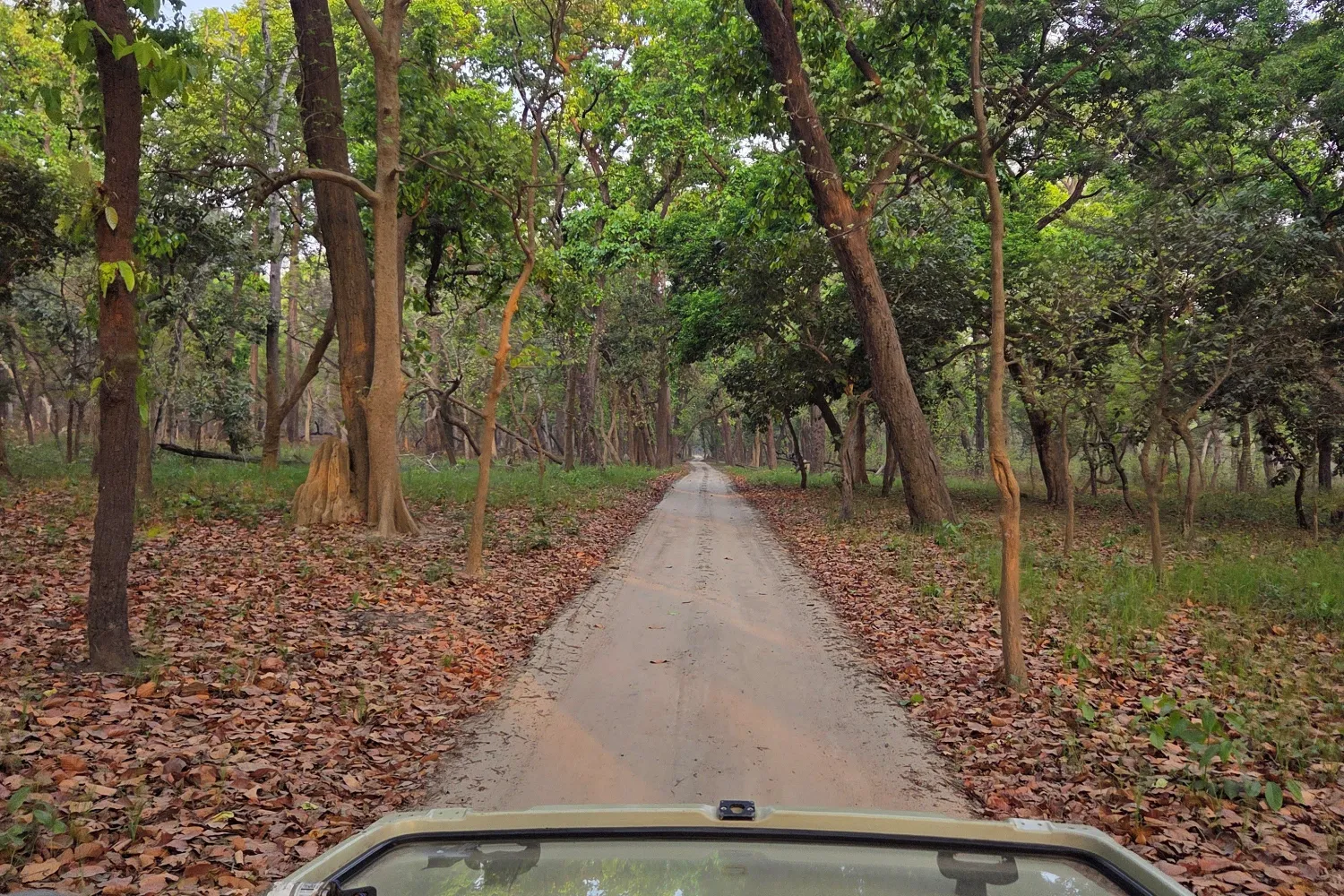
Head into the forest on two safaris in your own private jeep, one early in the morning and another in the golden afternoon light. Your naturalist will listen for the alarm calls of deer and monkeys, often the first sign that a tiger is close. With the jeep to yourselves, you can wait as long as you like at a sighting or move on when you're ready. Depending on the latest sightings, you'll explore Dudhwa National Park or the nearby Kishanpur Wildlife Sanctuary.

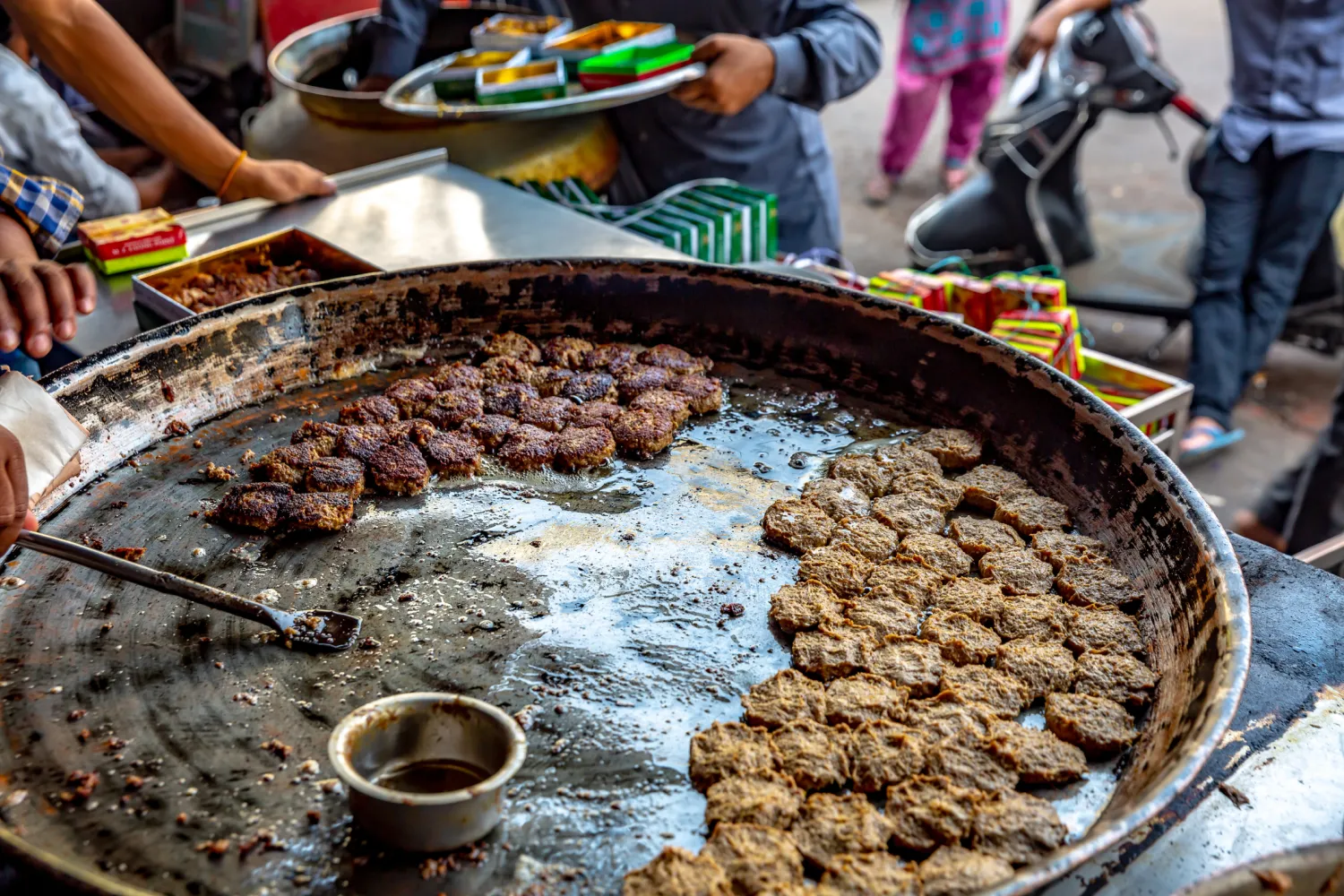
Lucknow was the capital of the Nawabs of Awadh, whose royal kitchens perfected slow-cooked dishes that are still famous across India and the world. In 2025, UNESCO named it a Creative City of Gastronomy, only the second in India.
Drive for around five hours to Lucknow and check in. In the evening, a local guide will take you on a street food walk through the lively lanes of the old city, trying kebabs so tender they melt in the mouth, fragrant biryani and sweets from the small kitchens that have been making them for generations. Your guide will know which places to try and can steer you to what suits your tastes.
Spend the morning with your guide exploring the Nawabi architecture that makes Lucknow unlike anywhere else in India. At the Bara Imambara, you can lose yourself in the Bhul Bhulaiya, a maze of narrow passages built into the upper floors. You'll also see the ornate Chhota Imambara, the grand facade of La Martiniere College and the State Museum (closed on Mondays and public holidays).
The day ends at the British Residency, besieged for months during the uprising of 1857, where the ruined walls are still scarred by cannon fire. It's one of the most moving reminders of British rule anywhere in India. The rest of the day is free, and your private driver is on hand if you'd like to go out again.
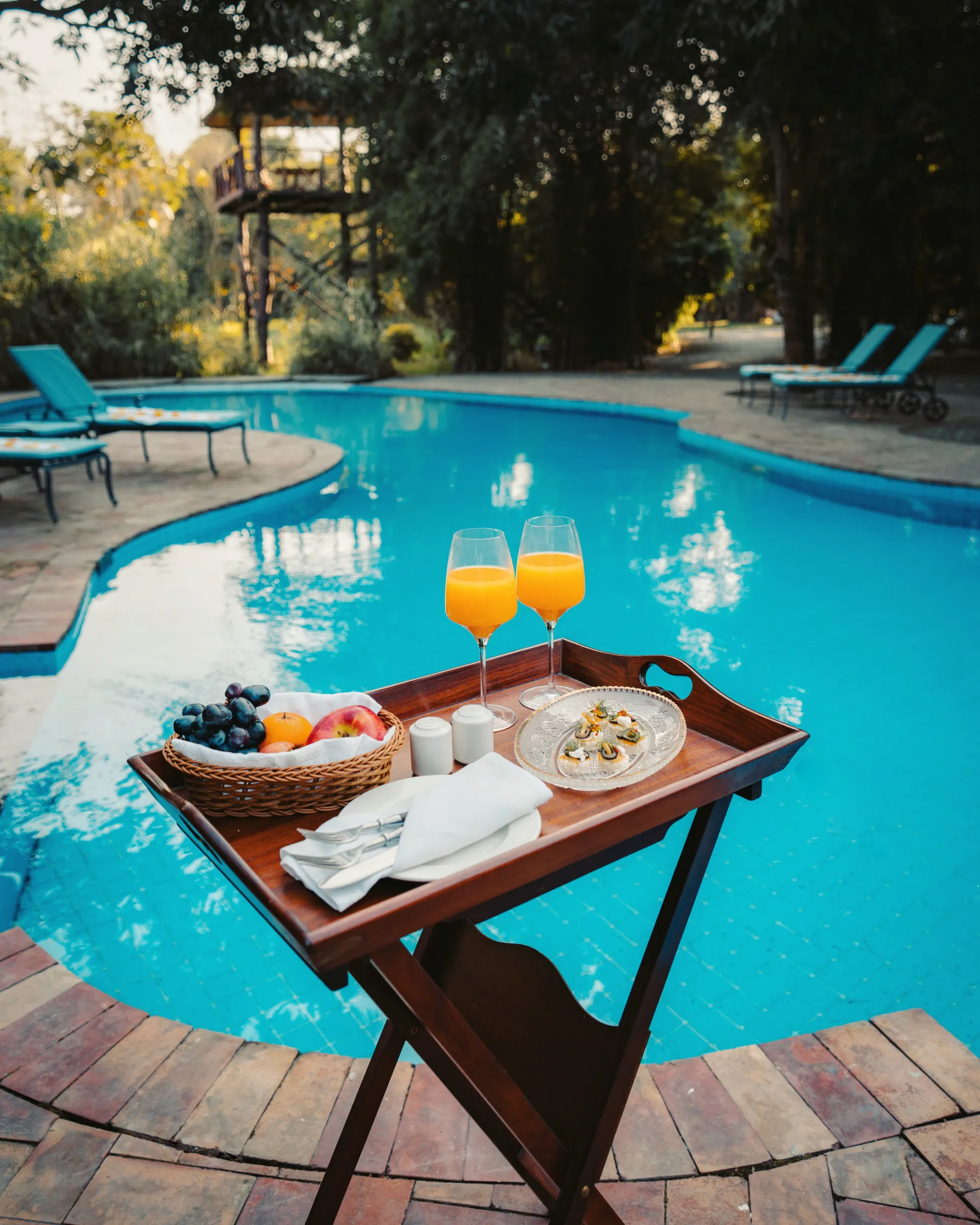
After breakfast, your driver will take you to Prayagraj, formerly Allahabad, around four hours away. Planters Bungalow is a short way outside the city: a gracious old indigo planter's house from around 1860, later a retreat of the Raja of Pratapgarh, surrounded by shady mango and guava orchards. With just a few rooms, it feels more like a private country house than a hotel. Take an evening walk around the estate.
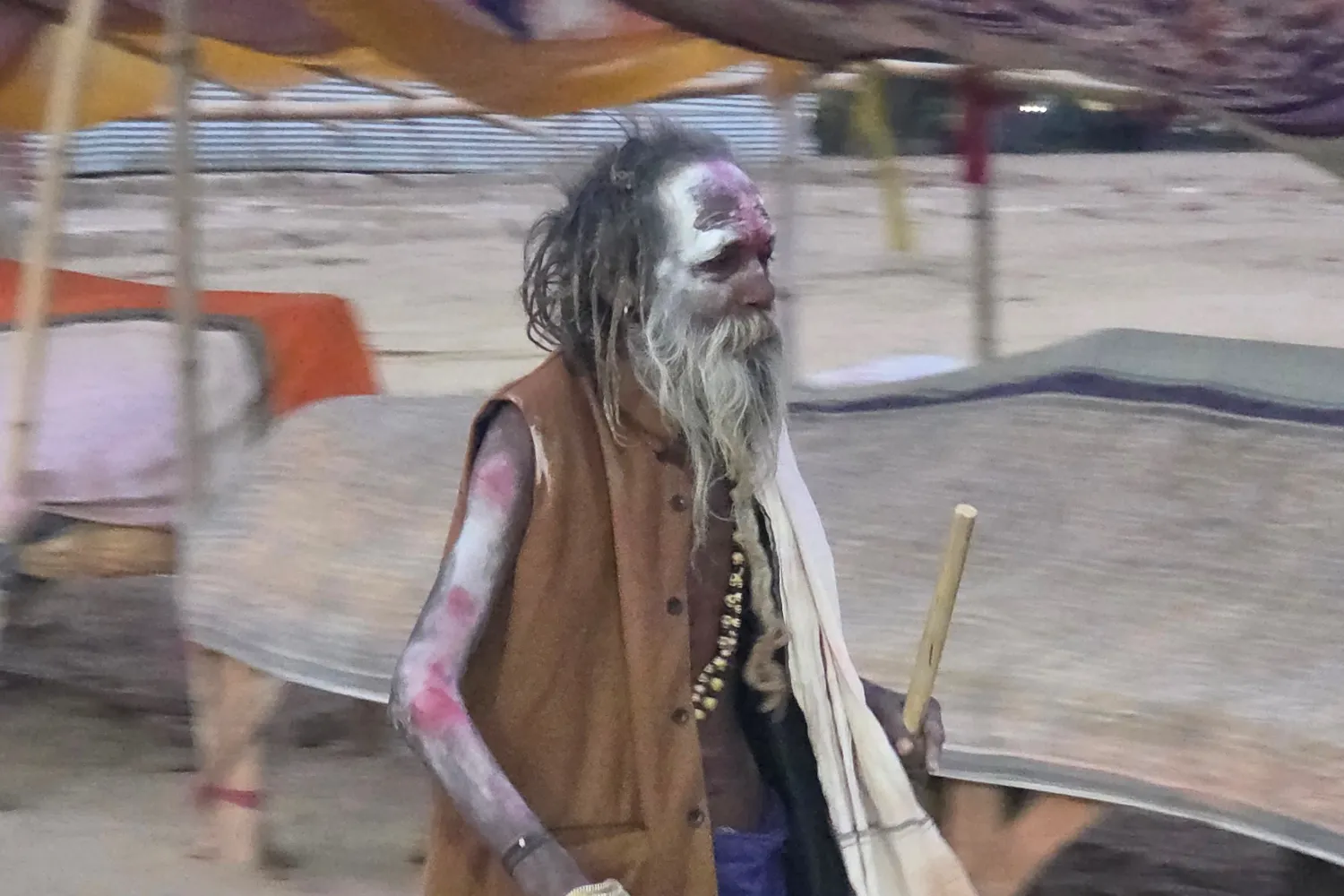
Prayagraj is one of the holiest places in Hinduism. Every twelve years it hosts the Maha Kumbh Mela, often described as the largest gathering of people on earth. Outside the festival, it's a calm, rewarding city that few foreign visitors see.
With your guide, explore the city's colonial buildings and see Akbar's fort from the outside, then visit Anand Bhawan, the Nehru family home, which played a central part in India's independence movement and is now a museum (closed on Mondays). Afterwards, take a boat out to the Sangam, the sacred meeting point of the Ganges, the Yamuna and the mythical Saraswati, where you can see the two real rivers meet in different colours. Your guide will explain what the confluence means to the millions of pilgrims who come here. Return to the bungalow for a peaceful afternoon.
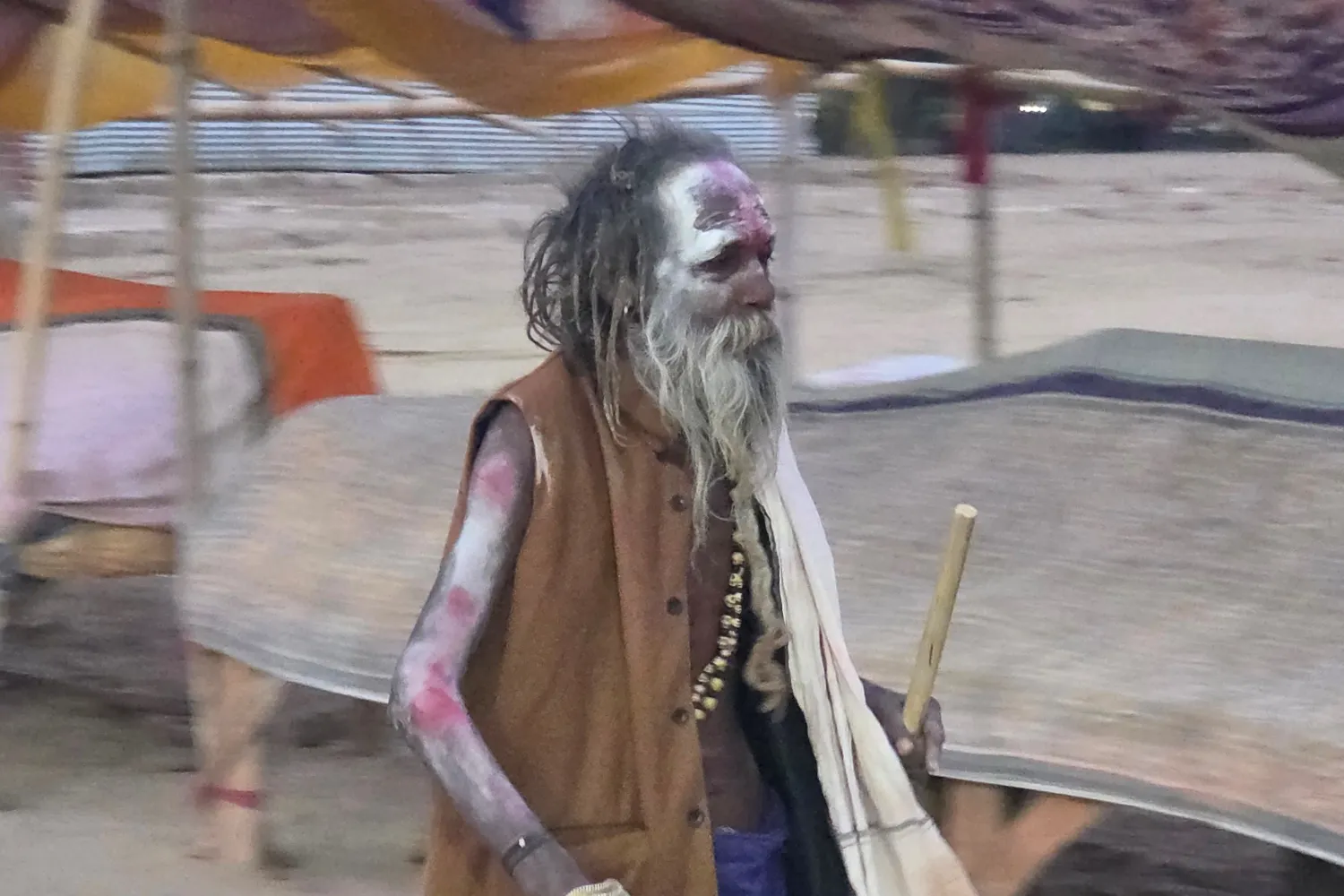
Varanasi is Hinduism's holiest city and one of the oldest continuously inhabited cities in the world. Life, death and prayer all happen openly along its riverbanks, and there is nowhere else quite like it.
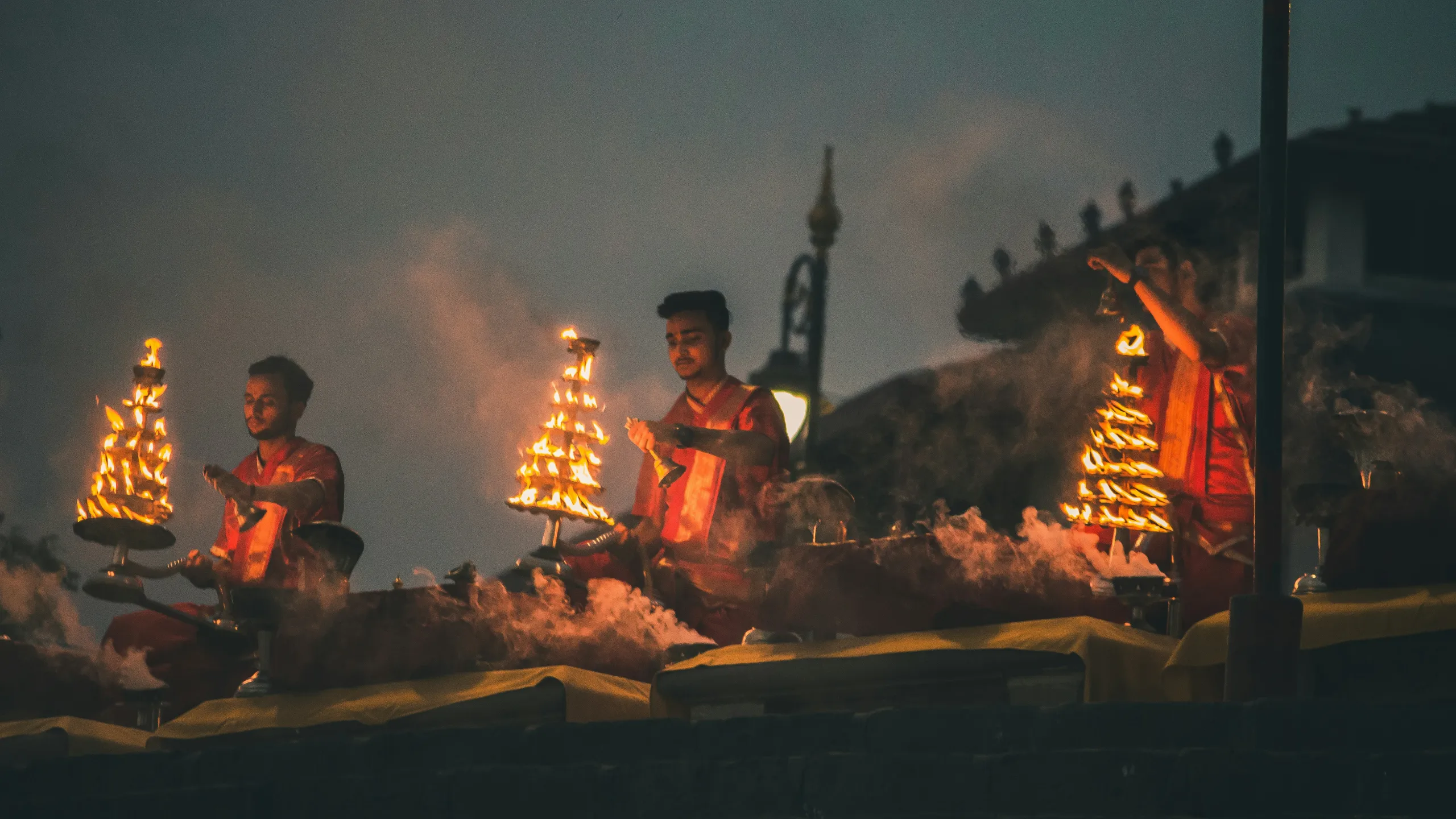
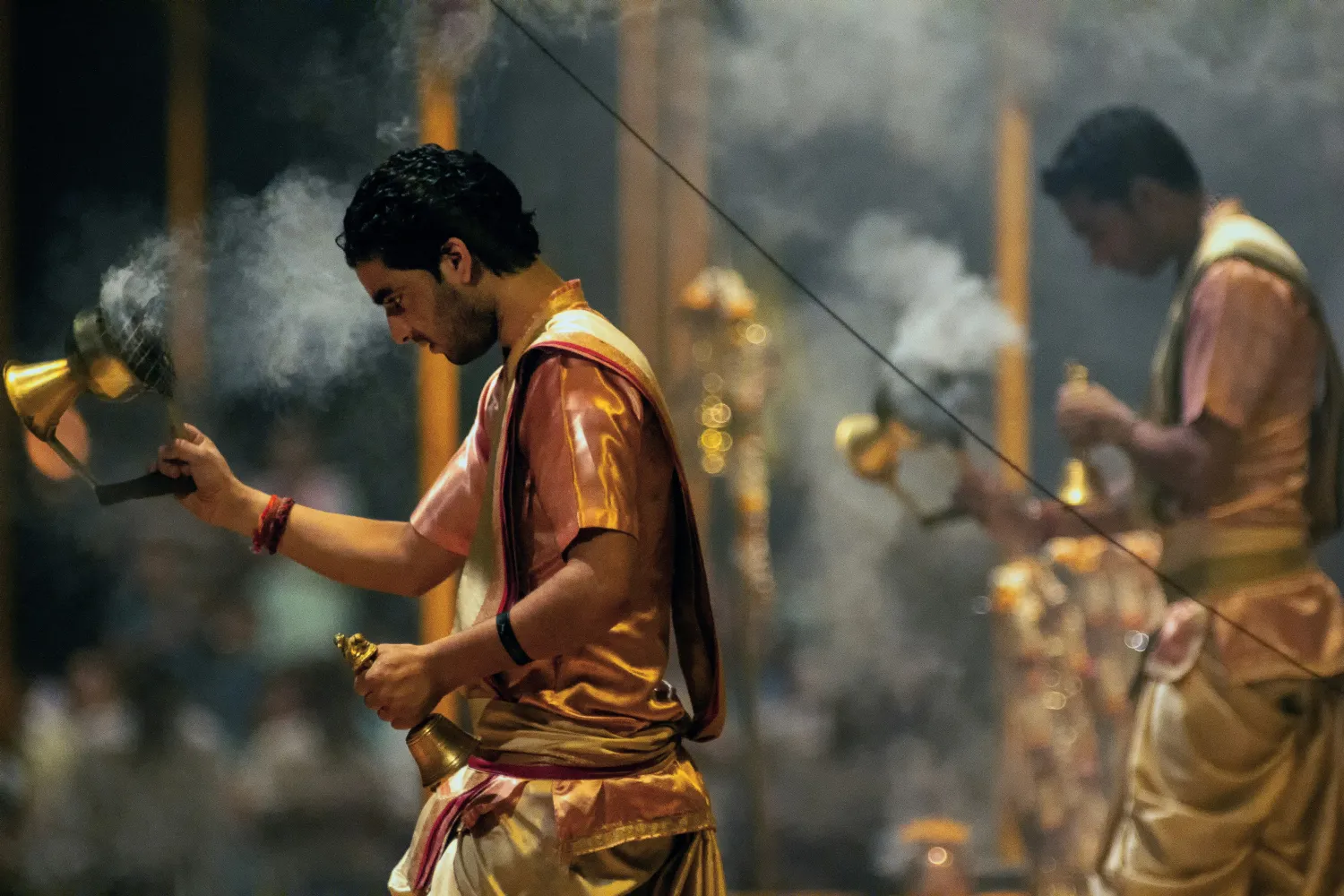
After an early breakfast, drive for four to five hours to Varanasi, stopping at the imposing Chunar Fort, high above a bend in the Ganges, for a relaxed picnic lunch. In the evening, your guide will take you out onto the river by boat at sunset to watch the Ganga Aarti. As the light fades, priests swing blazing brass lamps to the sound of bells, chanting and conch shells, while the river fills with floating candles. Watching from the boat means you avoid the busiest parts of the ghats.

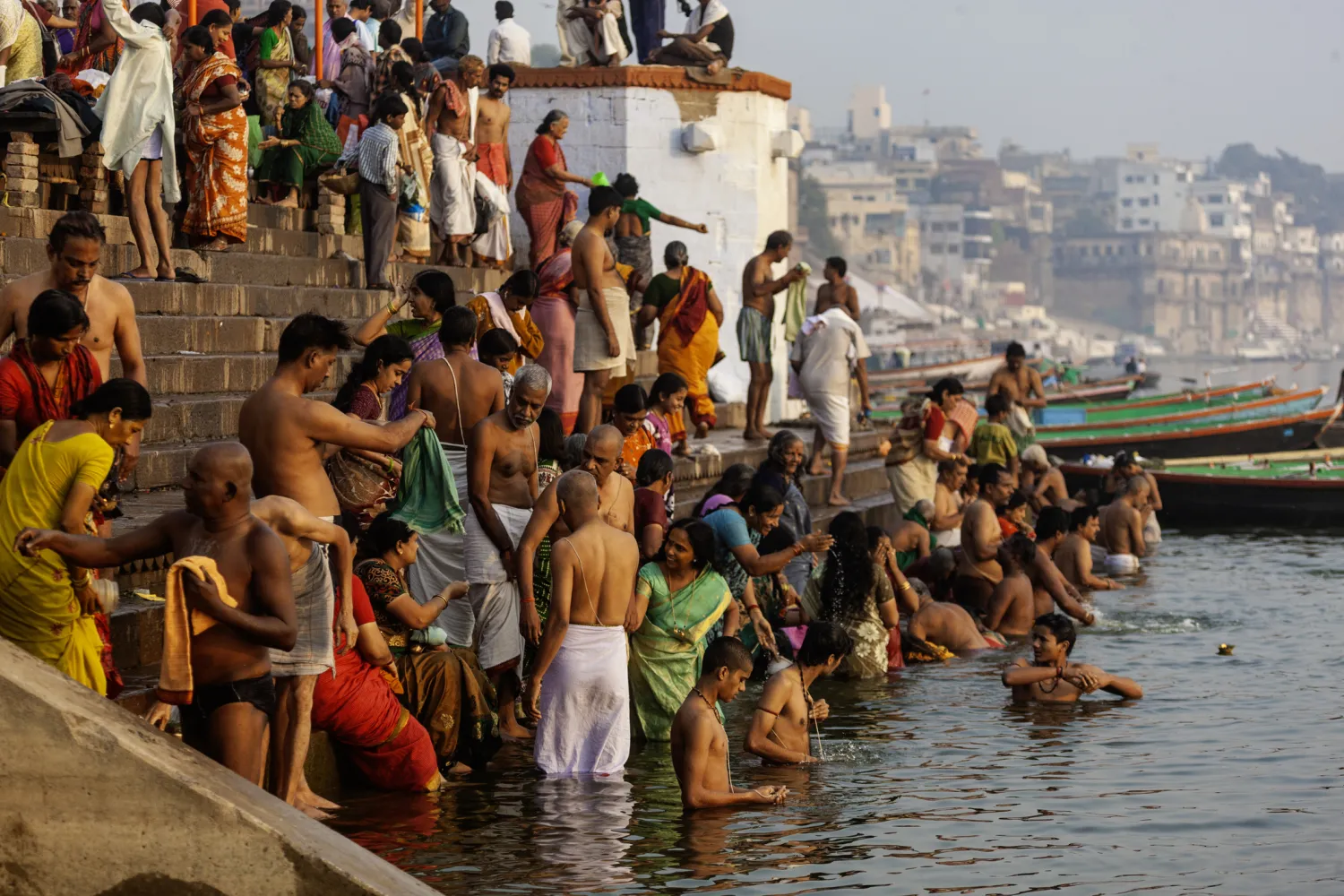
Your guide will meet you before dawn for a boat ride as the sun comes up over the ghats. This is when the city wakes in the soft early light, with pilgrims bathing and praying at the water's edge, and it's a moment most people never forget. Afterwards, your guide will walk you through the narrow, winding lanes of the old town. In the afternoon, visit Sarnath, one of the four most sacred sites in Buddhism, where the Buddha is believed to have given his first sermon after his enlightenment. The Sarnath Museum is closed on Fridays.
Your driver will take you to the airport for your flight to Delhi, where you'll connect to your flight home. Alternatively spend one final night in Delhi.
Does this sound like the ideal adventure for you?
Tailor-made holidays designed for adventure, relaxation, and memories that last


How it works
Booking with us is simple

Meet our experts
Speak to our India experts to help you plan your trip
Ready to experience the real India? Our specialists have travelled from the bustling streets of Jaipur to the backwaters of Kerala, uncovering experiences that go far beyond the typical tourist trail. They'll understand what draws you to India and craft something that's entirely your own. Ready to start planning? Get in touch and let's design your incredible Indian journey.
Choose your adventure
Speak to one of our team to get started. After all, your travel journal won’t write itself.