Learn more
Cherylle’s Journey through Bhutan: Thimphu, Punakha, Gangtey, Haa Valley and Paro
Some places stay with you long after you’ve left, and Bhutan is one of them. Anyone planning a Bhutan itinerary quickly realises that the country offers something quite different from anywhere else in Asia. It’s a destination that truly gets under your skin and opens your mind.
Before visiting Bhutan, I had heard people talk about how peaceful it is. What I remember most, though, is the feeling you get simply by being there. The air feels incredibly fresh, the mountains and forested hills are always around you, and life seems to move at a slower pace. It feels like stepping back into Asia many decades ago.
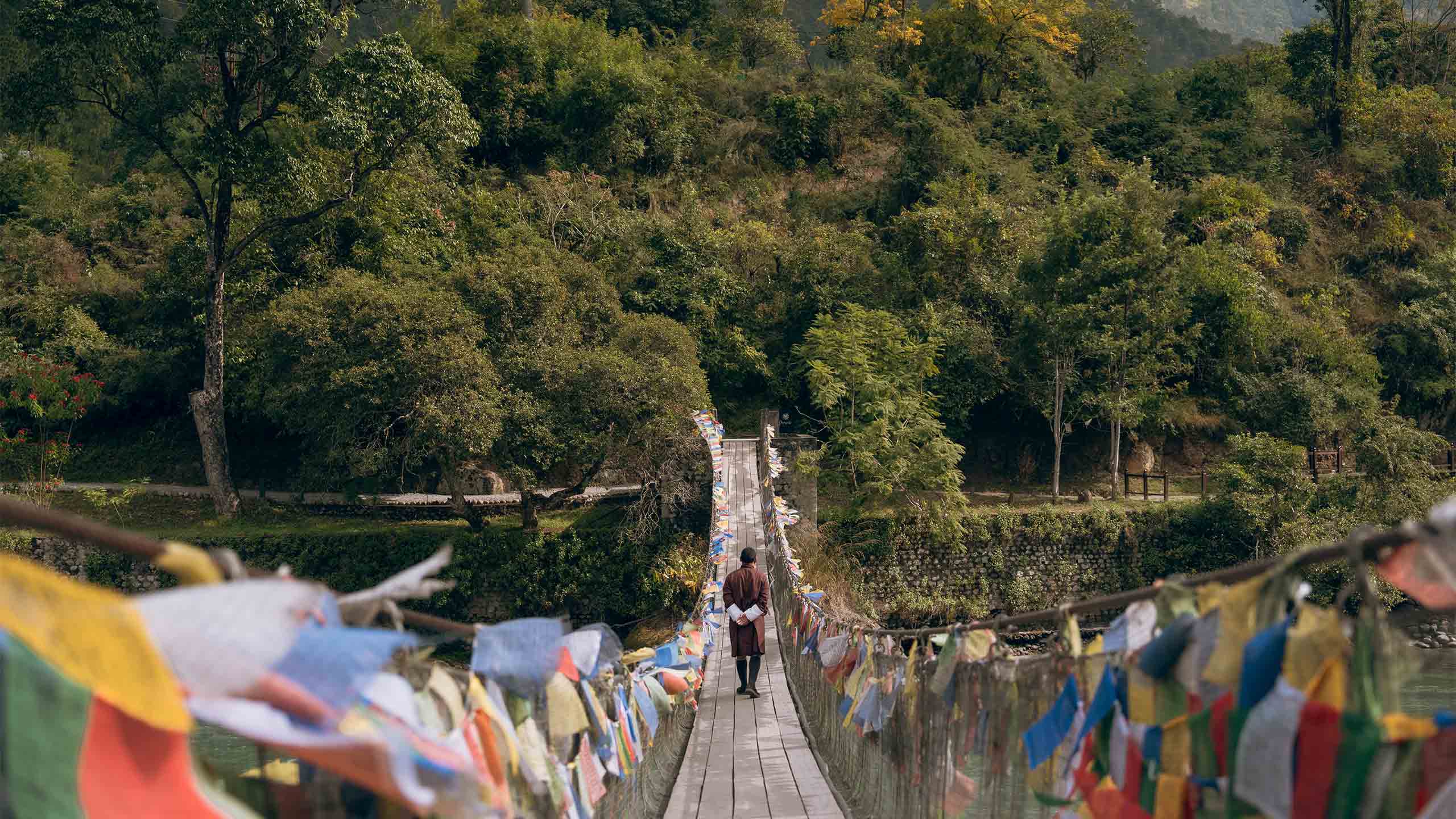
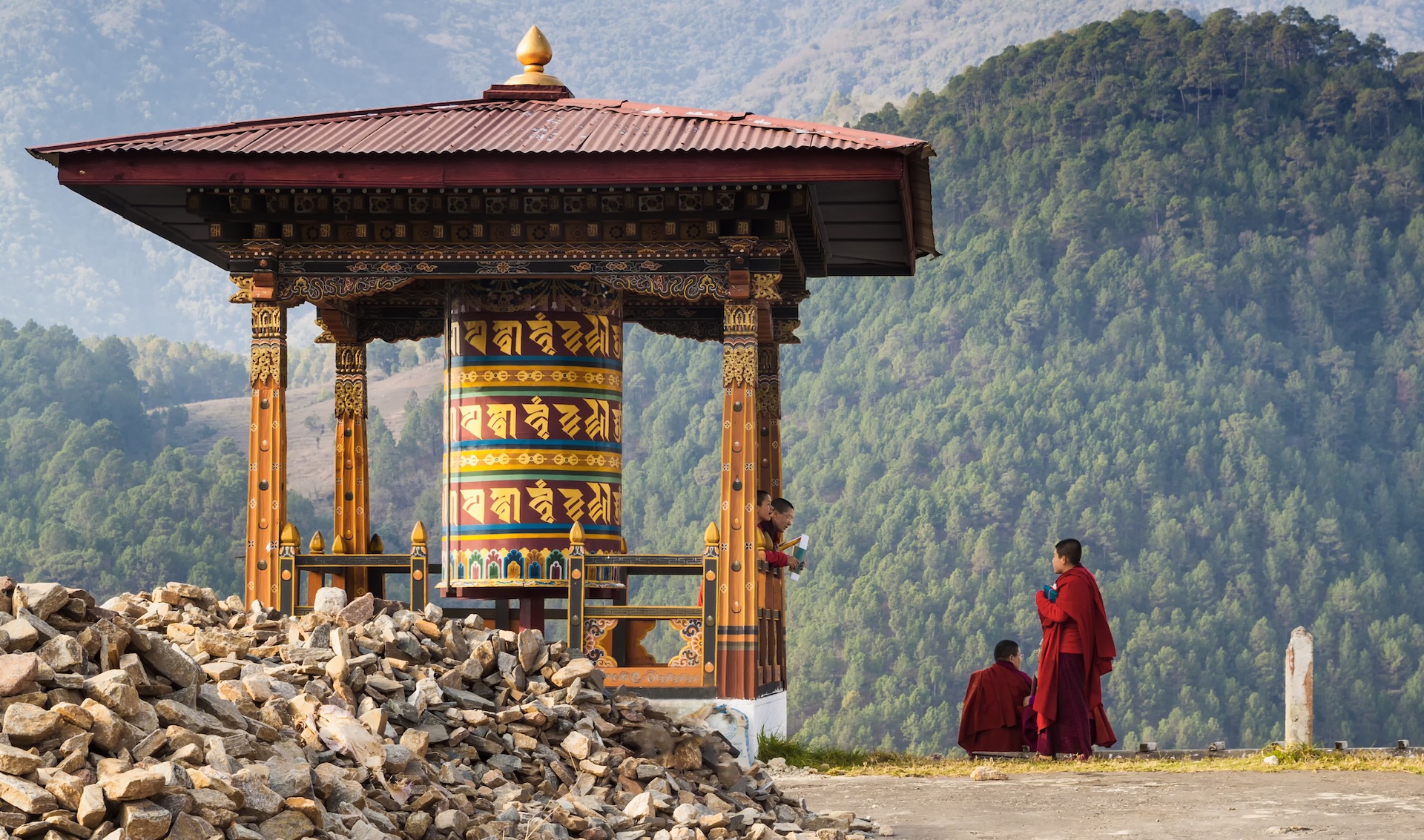
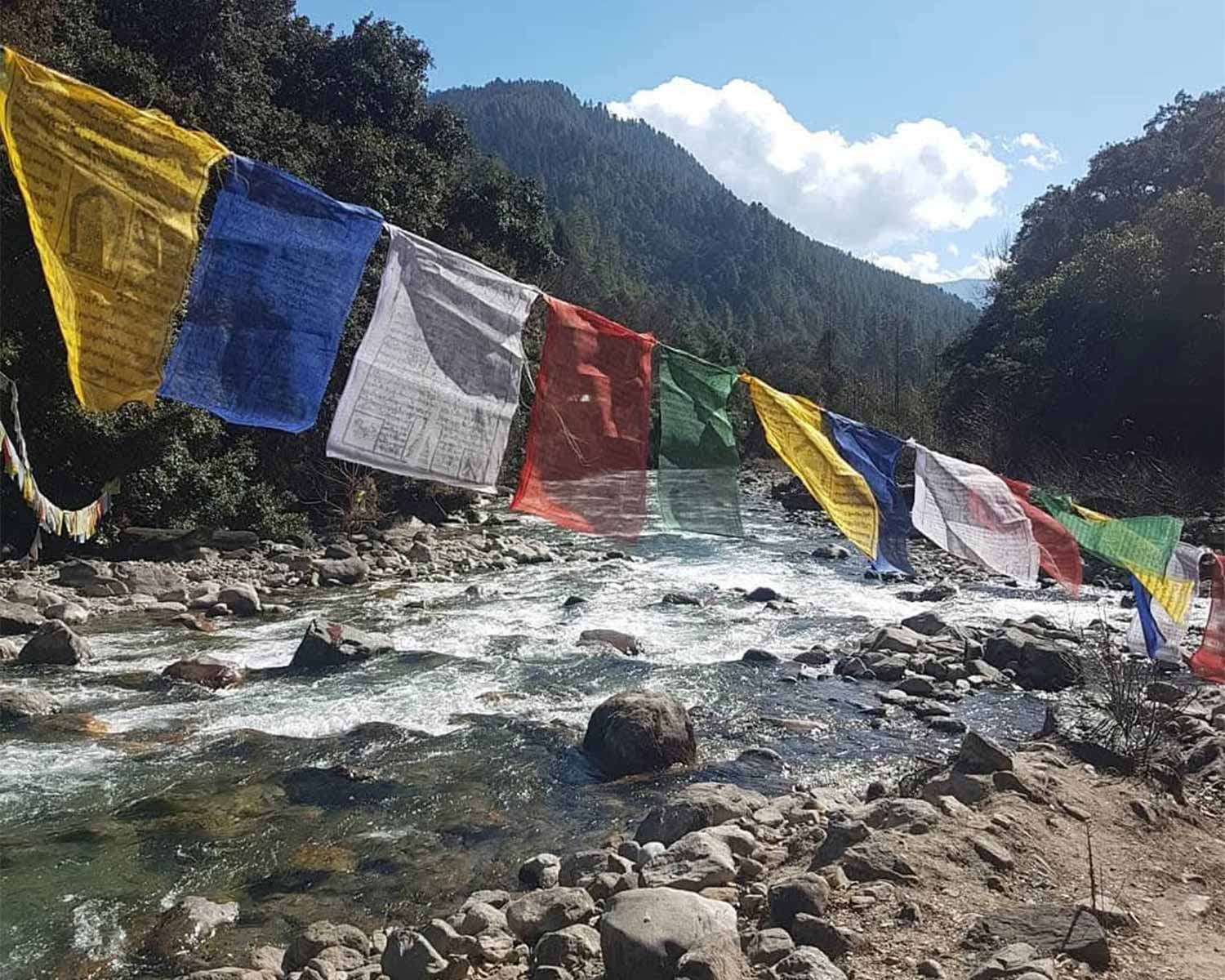
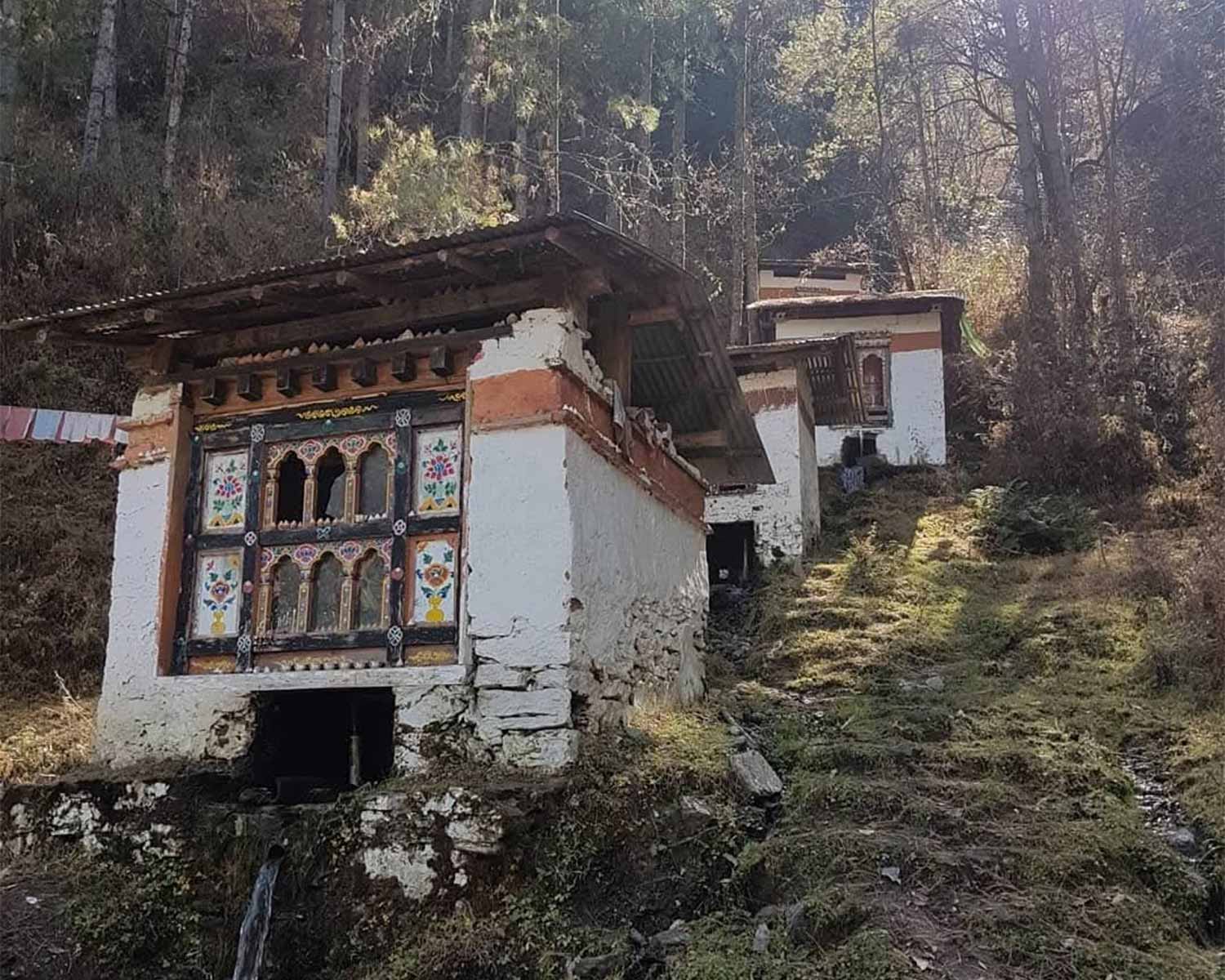
Nowadays, many places in Asia are busy, dynamic, and constantly changing, but Bhutan has chosen a quieter and more unique path. Traditions are still very much part of everyday life, and there is a strong sense of identity throughout the country. One thing that really stayed with me was how present Buddhism is. I have visited hundreds of temples and monasteries in other parts of Asia, particularly in India, but in Bhutan it feels more naturally woven into daily life. The country follows Vajrayana Buddhism, and this spiritual tradition shapes much of Bhutanese culture and identity. Prayer flags stretch across mountain passes, prayer wheels sit beside paths, and the most beautiful monasteries look out over valleys that remain unchanged. Nothing feels staged; it simply feels like part of life.
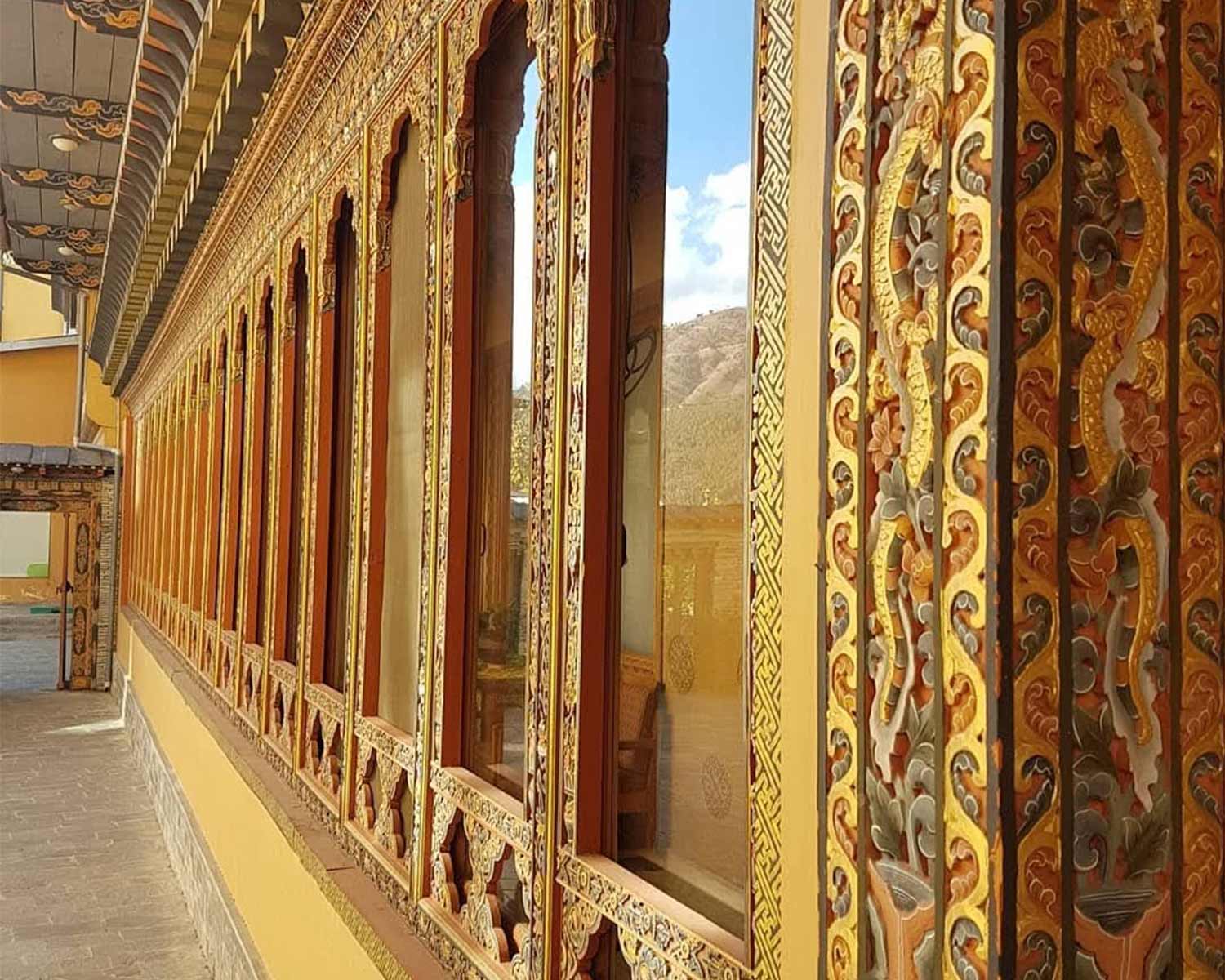
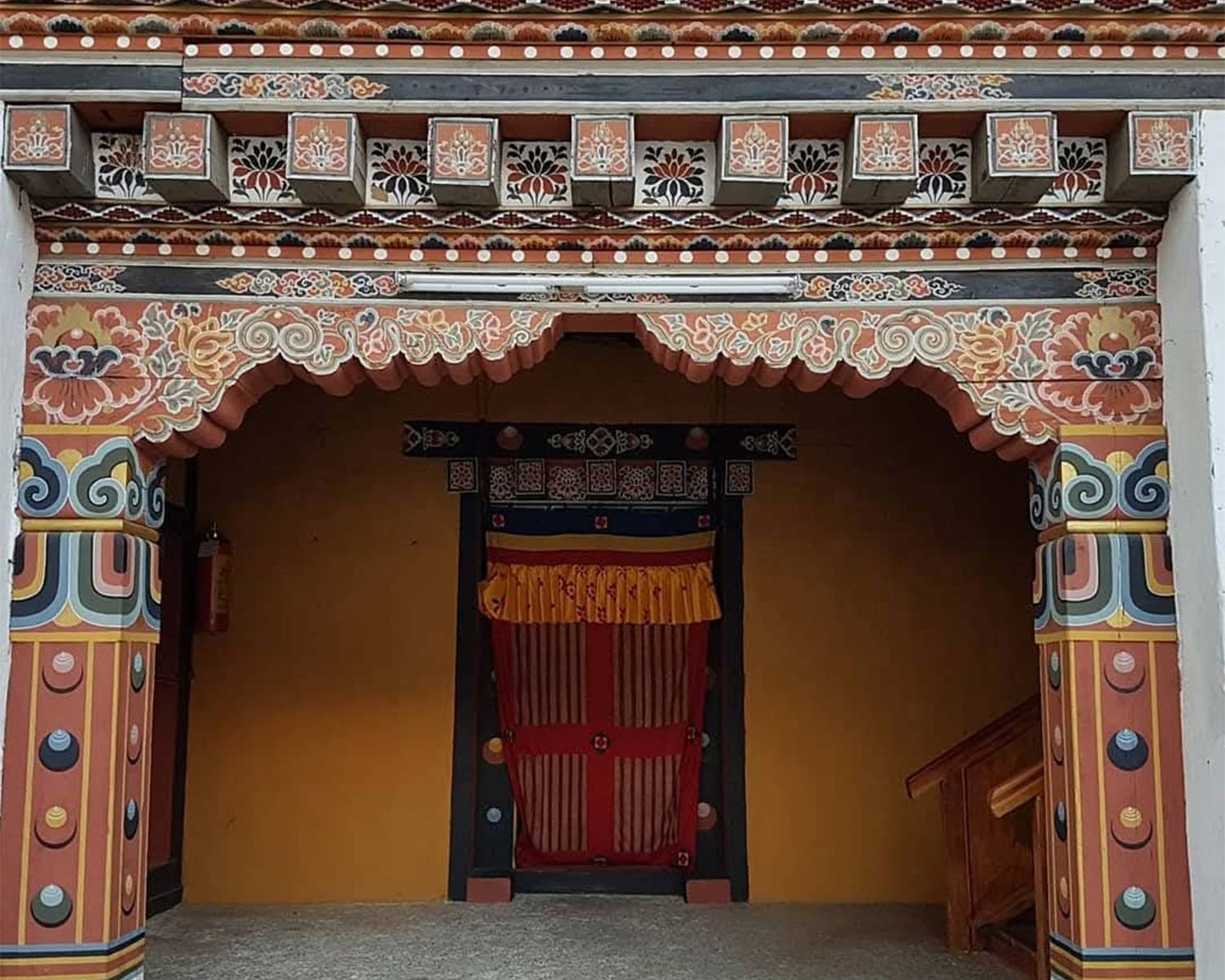
I also loved learning about Bhutan’s traditional crafts. The country has a rich heritage of artistic traditions, known collectively as the Zorig Chusum, or the thirteen traditional arts of Bhutan. You notice these skills everywhere, from intricate Kishuthara silk weaving used in traditional dress to the warm Yathra wool textiles of Bumthang. I was also fascinated by the beautiful Thangka paintings found in temples and monasteries, as well as the detailed Parzo wood carving seen on traditional buildings and monastery windows. Visiting small workshops and seeing people quietly working on these crafts is something I always advise my clients to do, and having a guide who can explain these traditions is essential, in my opinion.
Another tradition that visitors quickly notice is Bhutan’s deep connection to archery, the country’s national sport. Across the country you will often see archery ranges set up in villages and towns, with locals gathering for friendly but spirited competitions. These matches are lively social events, with music, laughter and traditional songs often accompanying the shooting. Even in Thimphu, modern archery grounds sit alongside temples and government buildings, reminding visitors how closely tradition and daily life remain connected in Bhutan.
Another thing that makes Bhutan special is how carefully tourism is managed. Visitor numbers are controlled; it is not the cheapest destination to visit, but that is very much part of the reason the country still feels so untouched and well-managed. The landscapes are protected, the culture feels authentic, and you never feel overwhelmed by crowds. It is clear that Bhutan has been thoughtful about how tourism fits into the country. For travellers thinking about a Bhutan tailor-made journey, this thoughtful approach to tourism also means the country offers some truly exceptional luxury travel experiences, from beautifully designed lodges to intimate encounters that few get to experience. Some of the photos shared here were simply taken on my phone while travelling, so they may not be as polished as professional imagery, but hopefully they still capture a sense of the landscapes and places that make Bhutan so special.
Getting to Bhutan
Part of Bhutan’s appeal is that it still feels quite remote. Most people fly in via Delhi, Bangkok or Kathmandu, often with Drukair, Bhutan’s national airline. Bhutan easily combines with these destinations, and it’s possible to enjoy time on a Thai beach before or after your trip. The flight into Paro is something you don’t forget. As the plane descends, the mountains feel very close and the aircraft follows the valleys through the Himalayas. Then, suddenly, the valley opens and the runway appears beside the river. Stepping off the plane, you immediately feel like you have arrived somewhere incredibly special. For those planning a luxury Bhutan itinerary, arriving in Paro often marks the beginning of a beautifully curated journey through some of the most remarkable landscapes in the Himalayas.
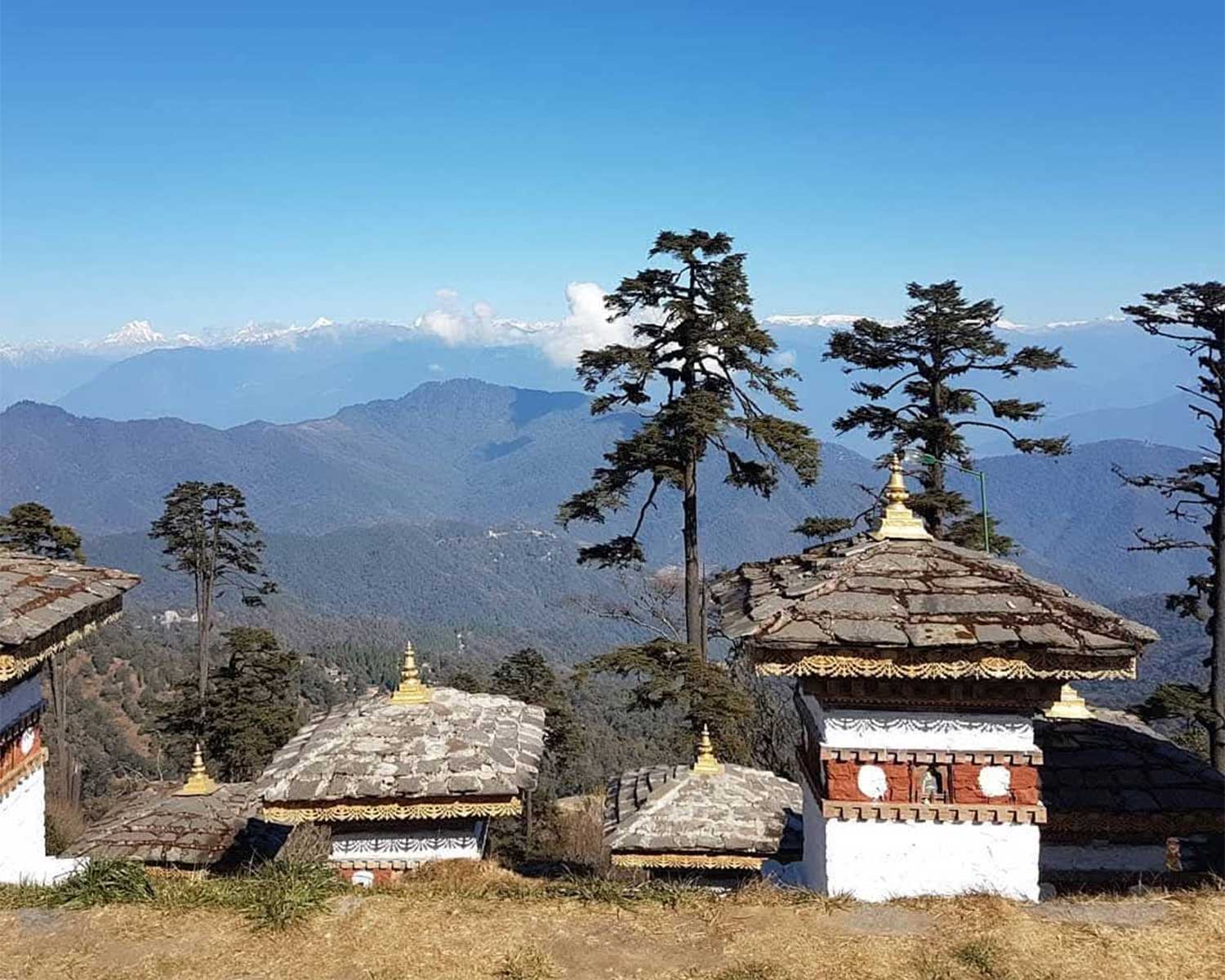
Thimphu: Bhutan’s Quiet Capital
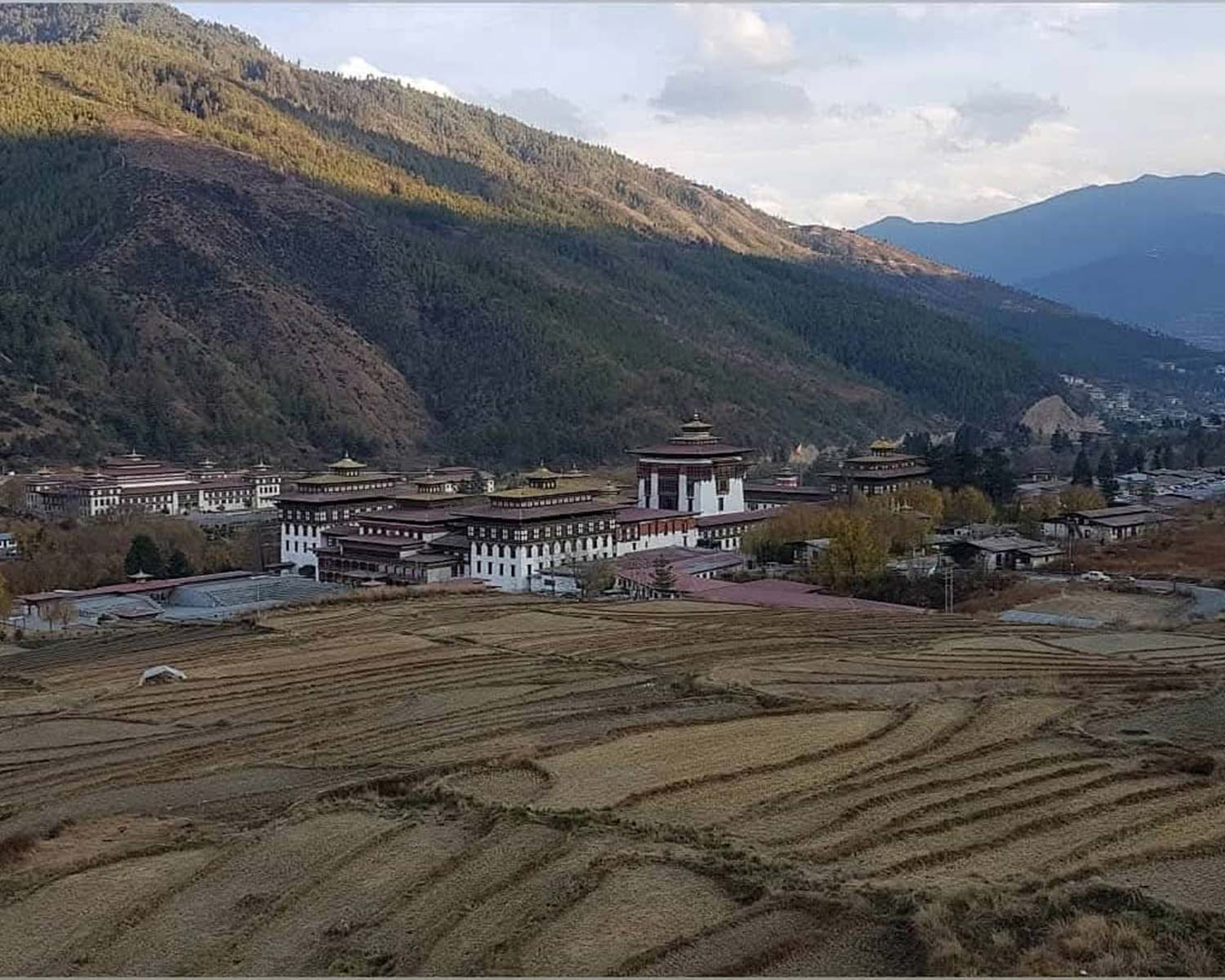
From Paro I travelled to Thimphu, Bhutan’s capital. This is a common stop on many Bhutan itineraries, as it provides a fascinating introduction to the country’s culture and daily life. It probably feels more like a large town than a capital city. There are very few traffic lights, and even newer buildings follow traditional designs. For those travelling on a Bhutan tailor-made journey, Thimphu offers some lovely luxury accommodation options. Many of our clients stay at COMO Uma Paro nearby or combine their stay with the peaceful lodges of Six Senses Bhutan, both of which offer beautiful views and a calm, understated sense of luxury that fits perfectly with Bhutan’s atmosphere. Six Senses is a more recent addition to Bhutan’s luxury hotel scene and introduced a unique lodge circuit across several valleys, allowing travellers to experience different regions of the country while staying within the same hotel group. Aman has long offered a similar concept through the Amankora lodges, often referred to as the Aman circuit, which connects a series of beautiful properties across Bhutan including Paro, Thimphu, Punakha, Gangtey and Bumthang.
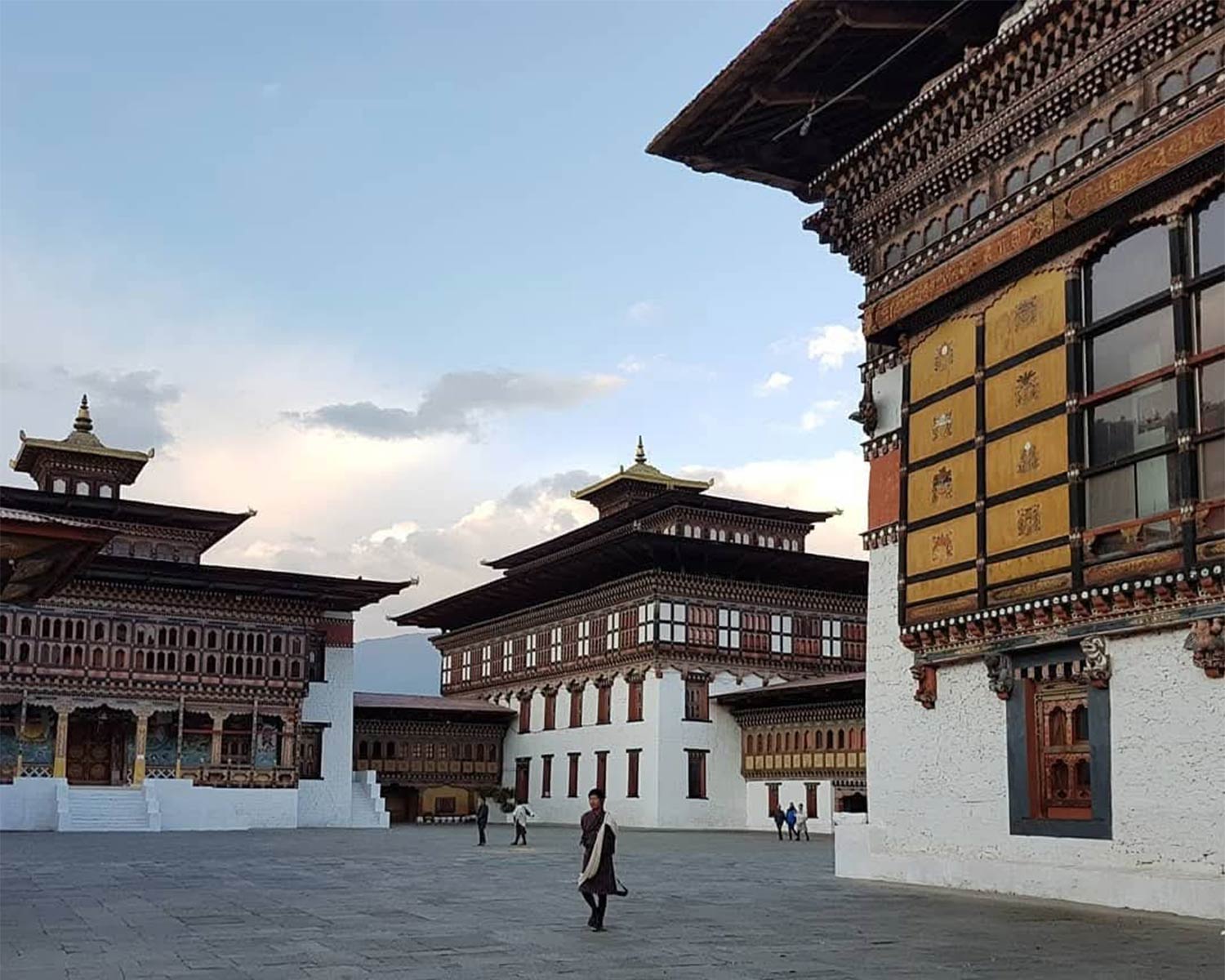
Punakha and the Beautiful Punakha Dzong
The drive to Punakha was one of the most memorable parts of the journey and my client often love this part of the trip. Crossing the Dochula Pass, you can see a line of Himalayan peaks stretching across the distance on a clear day. As you descend, the valley becomes warmer and greener, with rice fields and rivers winding through the landscape. Punakha Dzong, sitting where two rivers meet, is one of the most beautiful buildings I have seen anywhere. For travellers following a luxury Bhutan itinerary, the valley is also home to some wonderful places to stay, including COMO Uma Punakha, which sits peacefully overlooking the valley and provides a beautiful and relaxing base for exploring the region.
Exploring the Gangtey Valley in Bhutan
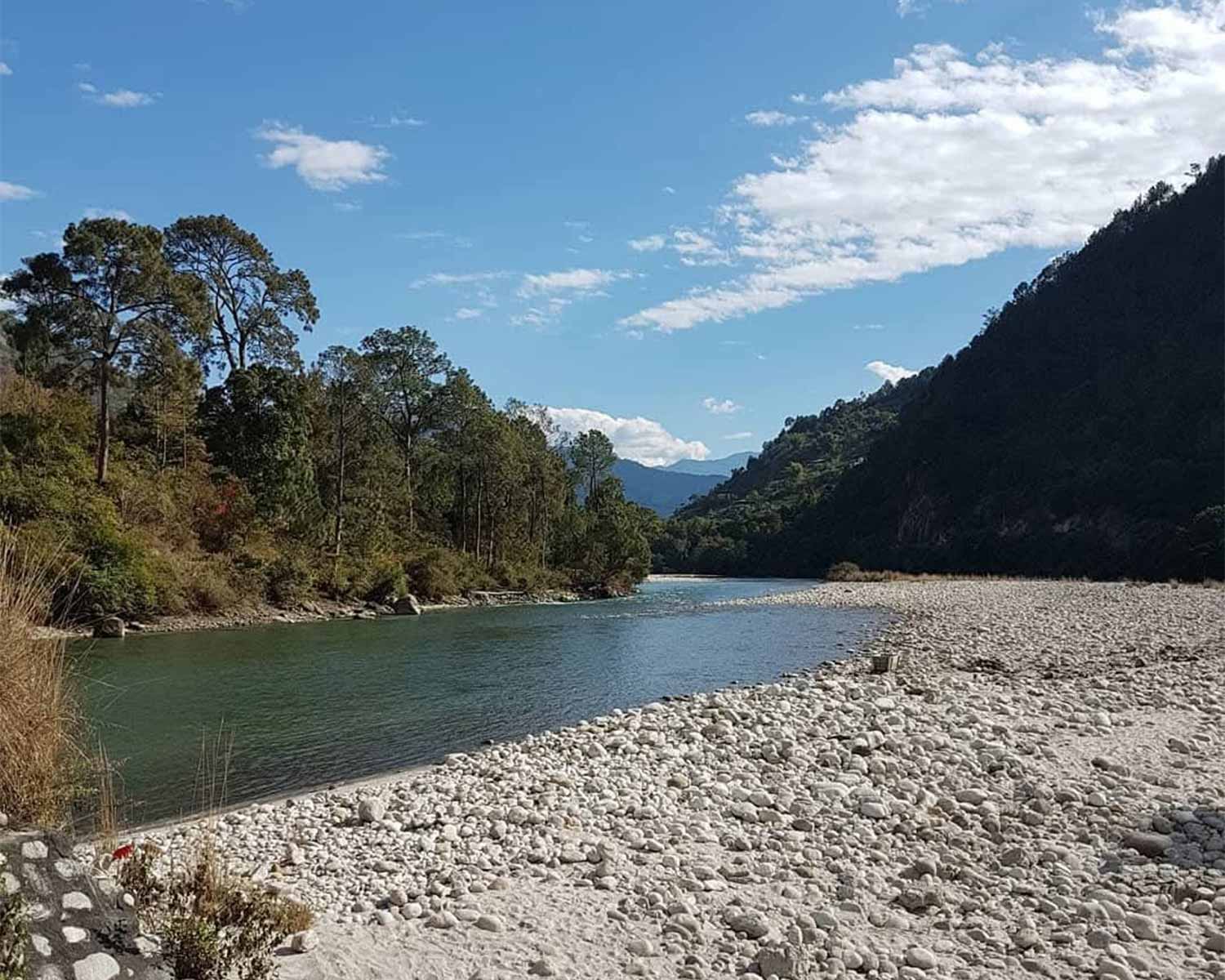
The Gangtey Valley was another highlight, and I would describe it as quintessential Bhutan. After winding through forests and mountain roads, the landscape suddenly opens into a wide, peaceful valley. Walking in this area is a lovely way to experience the region, passing small villages, farmland and prayer wheels along the way. If you visit between late October and mid-February, the valley is also home to the rare black-necked cranes, which migrate here from the Tibetan Plateau. Their arrival is an important seasonal event in the region and makes Gangtey particularly special for avid birders and wildlife enthusiasts. Including the Gangtey Valley in a Bhutan itinerary gives travellers a chance to experience a quieter and more rural side of the country. The valley is also known for its charming and intimate luxury lodges, which offer wonderful views across the landscape and a peaceful place to unwind after exploring.
Discovering the Remote Haa Valley
The Haa Valley, a more remote region, feels wonderfully quiet and much less visited. The drive crosses the Chele La Pass, where colourful prayer flags stretch across the ridges and the views are spectacular. The valley itself feels very traditional, with small villages, farms and quiet countryside walks. This region is often included in a Bhutan tailor-made journey for travellers who have a little more time and want to explore beyond the main routes, this region isn't for everyone so I only normally include it for my clients that are quite discerning.
Tiger’s Nest Monastery and the Return to Paro
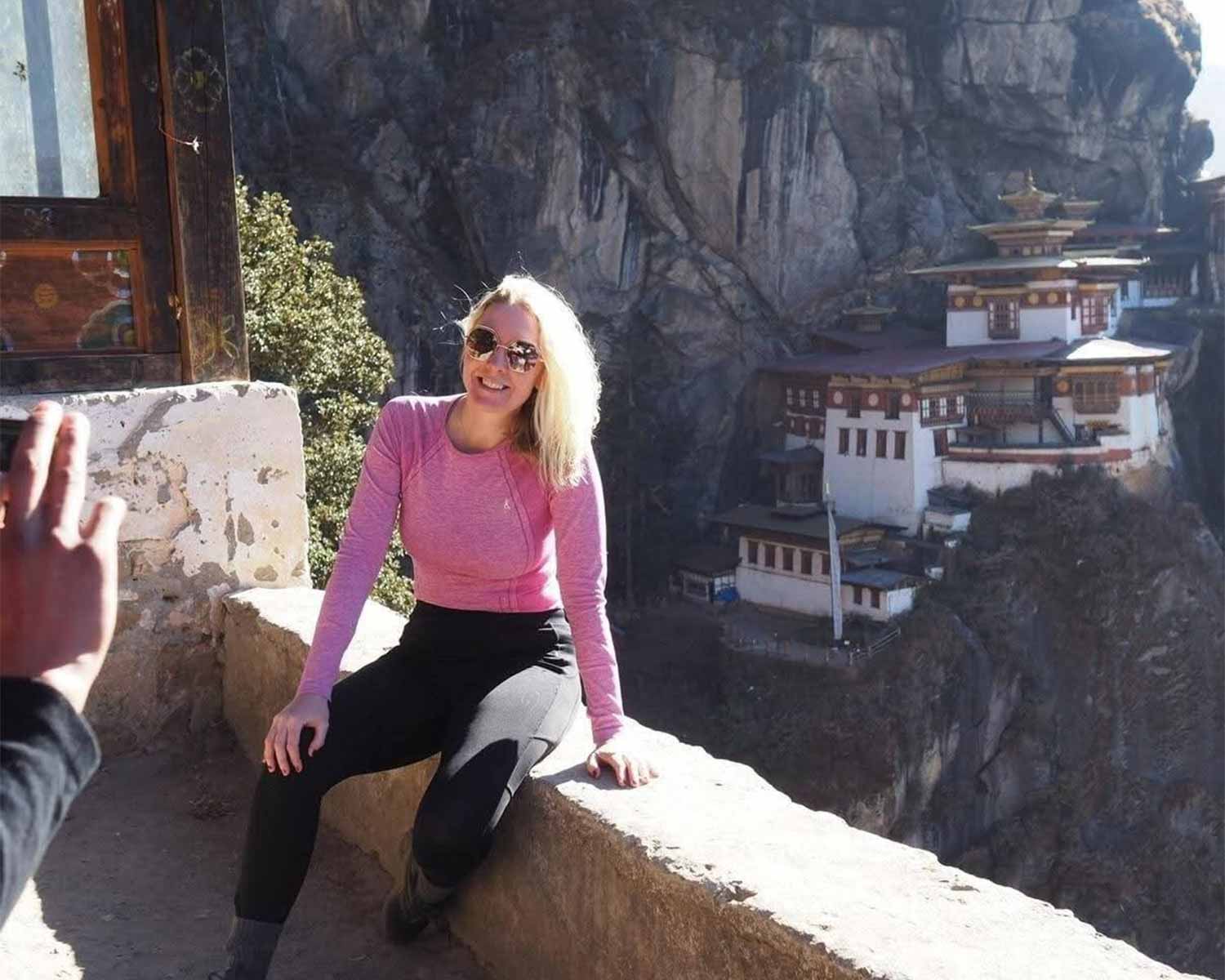
Most trips through Bhutan finish back in Paro. The final highlight is the walk to Tiger’s Nest Monastery, perched high on the cliffside above the valley.
The climb takes a few hours through pine forest, with prayer flags and views across the valley appearing along the way. When the monastery finally comes into view, clinging to the rock face, it is quite an extraordinary sight.
While in Paro I stayed at Amankora, tucked away in a peaceful pine forest just outside the town. It felt like the perfect place to relax and take everything in before leaving. Another beautiful option nearby is Zhiwaling Heritage, which blends traditional Bhutanese architecture with warm hospitality and understated luxury.
Bhutan is arguably one of the world’s last truly remote kingdoms, and the impact stayed with me long after the trip ended. It is not just the scenery, although that is beautiful. It is the atmosphere, the traditions and the feeling that this is a country quietly doing things in its own way.
Experiencing the country through a thoughtfully designed luxury Bhutan itinerary allows travellers to take in these moments at a slower pace, staying in remarkable lodges and enjoying a journey that balances culture, landscapes and a quiet sense of luxury. It is without a doubt a life-changing journey.
Bhutan is a destination that rewards those who take the time to explore it slowly, and a thoughtfully designed Bhutan itinerary allows you to experience the country at its very best
About Cherylle
Cherylle is one of our UK-based travel specialists and has been travelling to the Indian Subcontinent for over 15 years. She has spent more than a decade designing tailor-made itineraries to the region, and has visited India and Bhutan on numerous occasions, each time going deeper into the destination. Her focus is on small, intimate places to stay and nuanced and crafted experiences that truly showcase the destination.
Frequently Asked Questions About Visiting Bhutan
Most travellers spend between 7 and 10 days in Bhutan. This allows time to explore Paro, Thimphu, Punakha and the Gangtey Valley, while also enjoying the walk to Tiger’s Nest Monastery.
TThe best times to visit Bhutan are generally spring (March to May) and autumn (September to November), when the weather is clear and the mountain views are at their best. Please see our Bhutan weather guide for more information.
Most international visitors to Bhutan travel on a pre-arranged itinerary organised through a licensed tour operator. Bhutan carefully manages tourism through a daily sustainable development fee and visa system, and a tour operator typically arranges accommodation, guides, transport and activities as part of a tailor-made journey.
Once in Bhutan, travelling by road is the most common and enjoyable way to explore the country. Visitors travel with a private local driver and experienced guide, who accompany you throughout the journey and help bring Bhutan’s culture, history and traditions to life. Having the same driver and guide for your trip also makes travelling around Bhutan very comfortable and seamless. Independent self-drive travel is not recommended, as public transport options are limited and not well suited to international travellers.
The main international gateway to Bhutan is Paro International Airport. Most travellers reach Bhutan by flying from nearby Asian hubs such as Bangkok, Delhi or Kathmandu.
Flights are operated primarily by Bhutan’s national carriers, including Drukair and Bhutan Airlines. The flight into Paro is famous for its dramatic approach through the Himalayan valleys, and many travellers prefer flying with Drukair, Bhutan’s national airline.
Read next
.webp)
.webp)
Meet our experts
Speak to our experts to help you plan your trip
Dreaming of a journey that’s truly your own? Our specialists take the time to understand what excites and inspires you, then craft a holiday that goes far beyond the ordinary. Whether you’re seeking adventure, relaxation, or a perfect balance of both, we’ll design something that’s completely yours. Ready to start planning? Get in touch and let’s create your ideal escape.
Choose your adventure
Speak to one of our team to get started. After all, your travel journal won’t write itself.