Learn more
Why is The Pekoe Trail so special?
Discover the Pekoe Trail, Sri Lanka’s answer to the Camino de Santiago
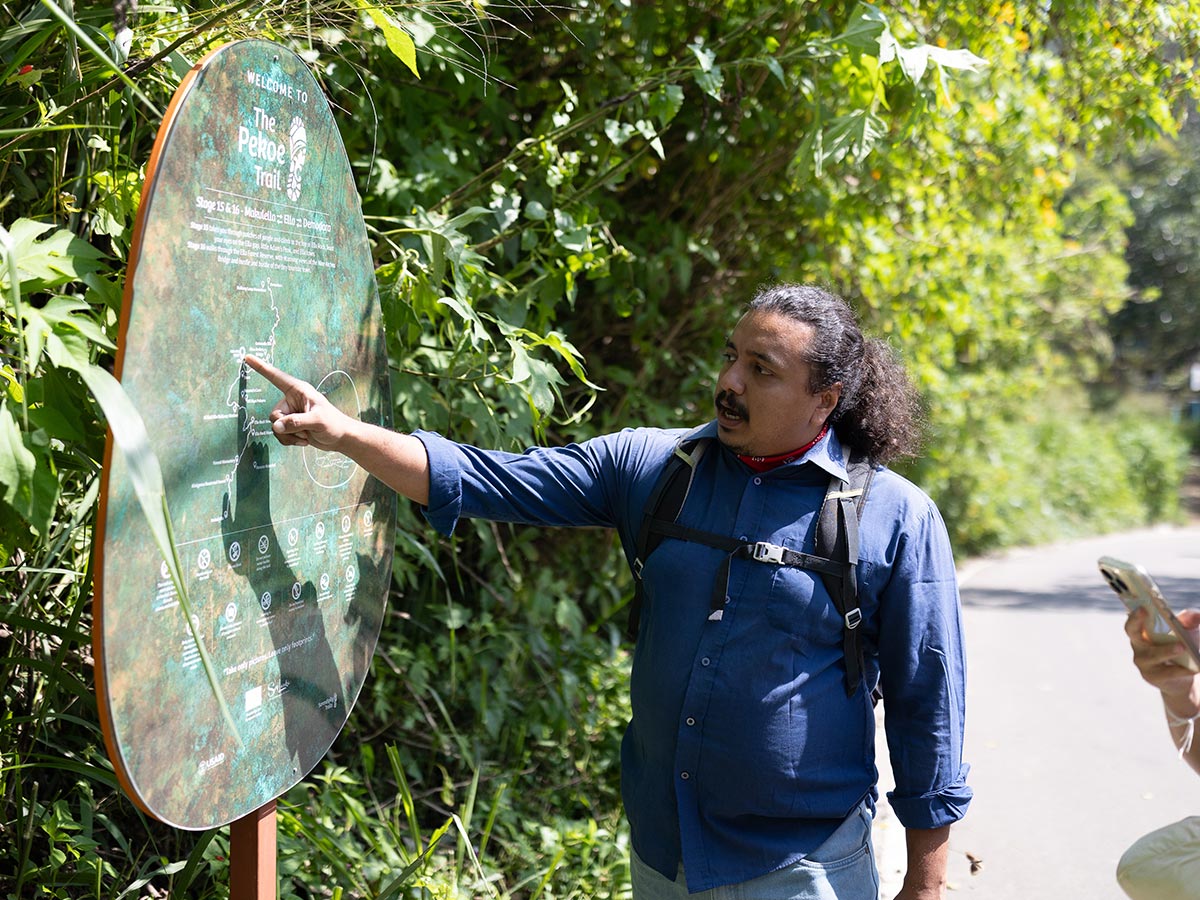
Want to know how savvy travellers are discovering Sri Lanka with fresh new eyes? They’re pulling on their hiking boots and tackling sections of the Pekoe Trail, a new 200 mile (323 km) route traversing the central highlands. The trail at last puts Sri Lanka on the map as a worldclass hiking destination.
Opened in 2024, the Pekoe Trail is the brainchild of Spaniard Miguel Cunat who moved to Sri Lanka two decades ago. Inspired by the Camino de Santiago pilgrimage trail of his homeland, Cunat spent ten years pouring over maps, exploring paths and tracks, collaborating with local villages and gathering funds to create the route. His mission? To draw tourists away from Sri Lanka’s popular beaches and the well-trodden Buddhist Cultural Triangle of Anuradhapura, Sigiriya and Dambulla, and lead them into the villages, valleys and tea plantations of the island’s hinterland.
Take it step by step
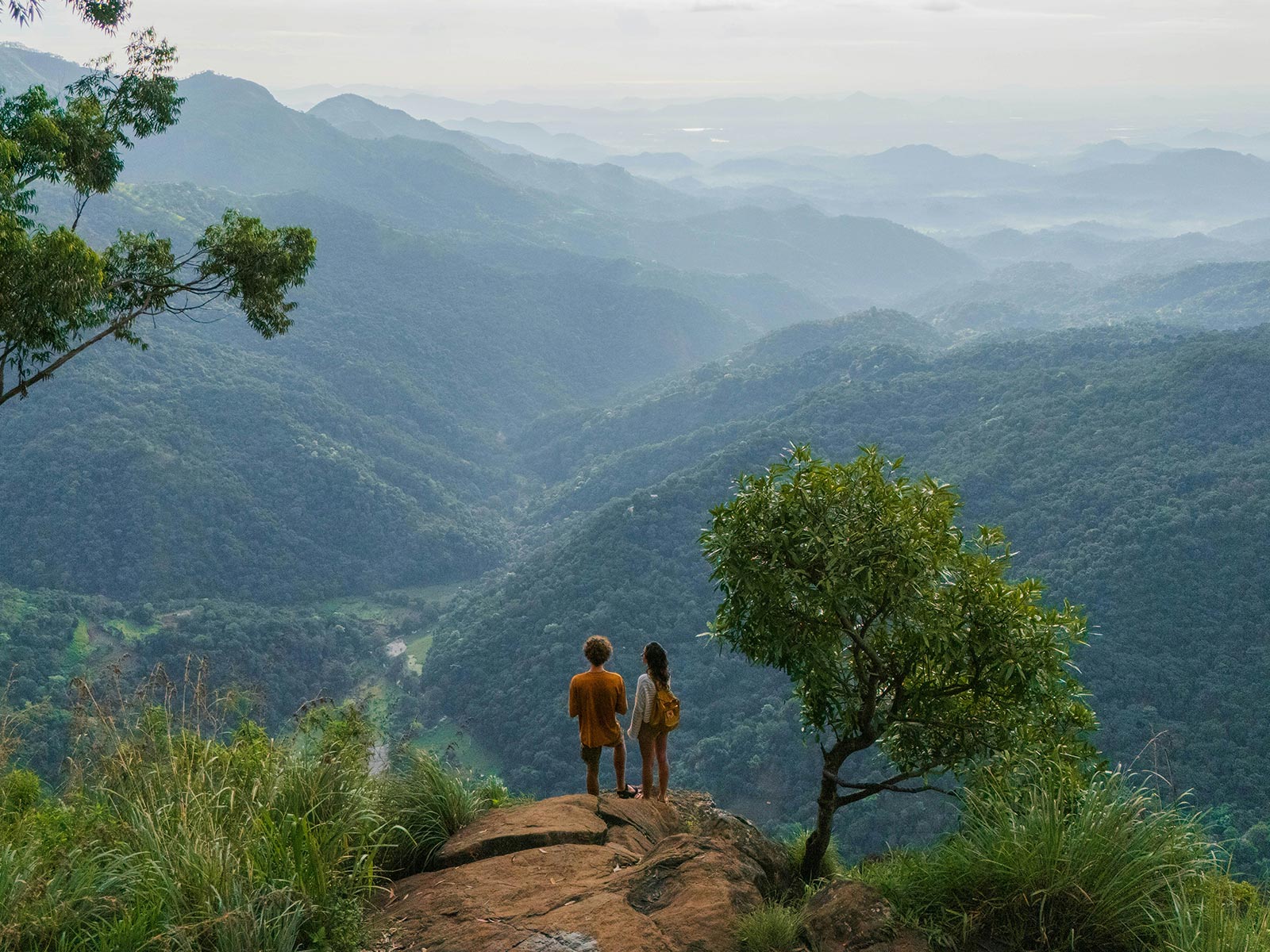
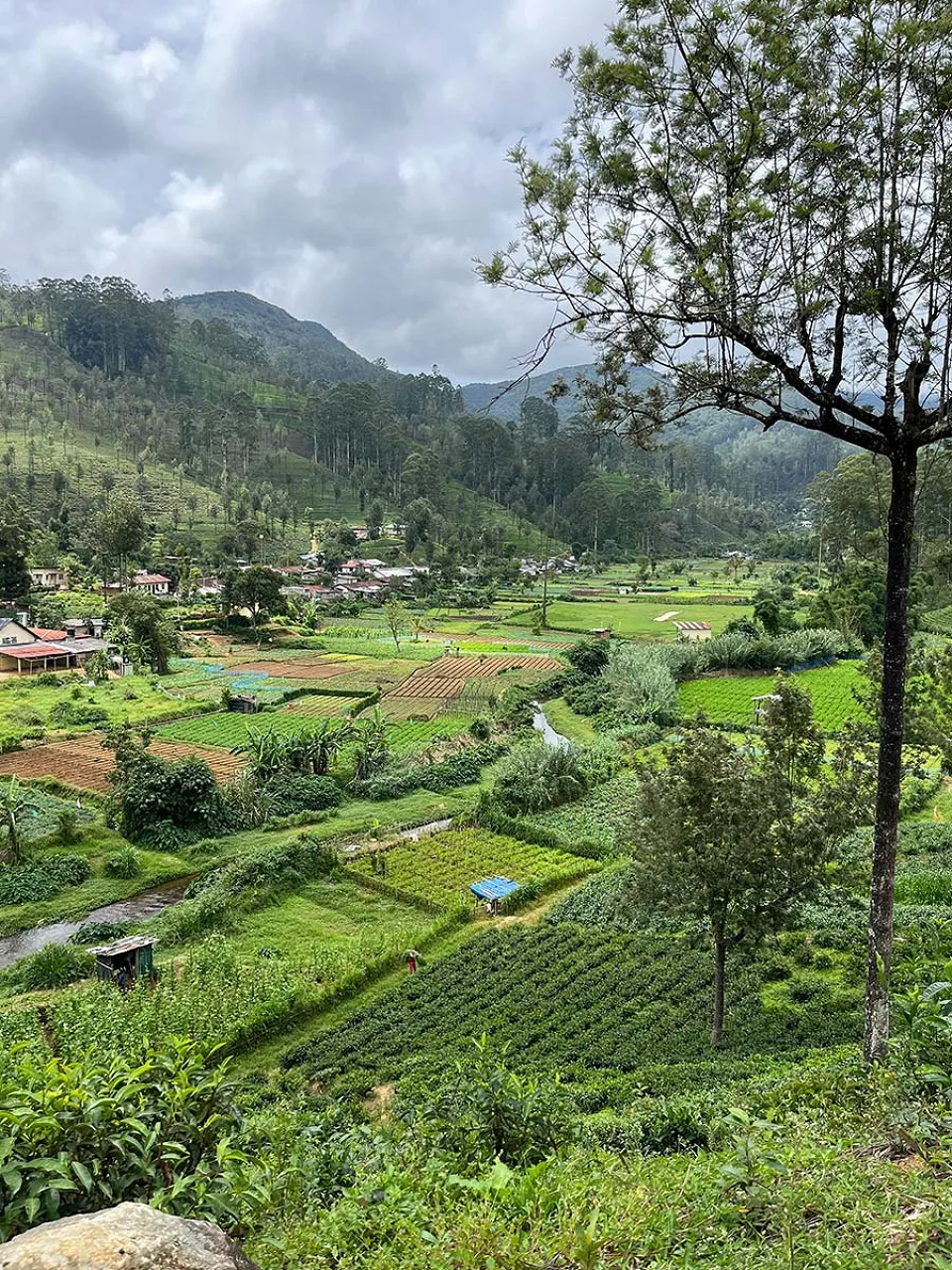
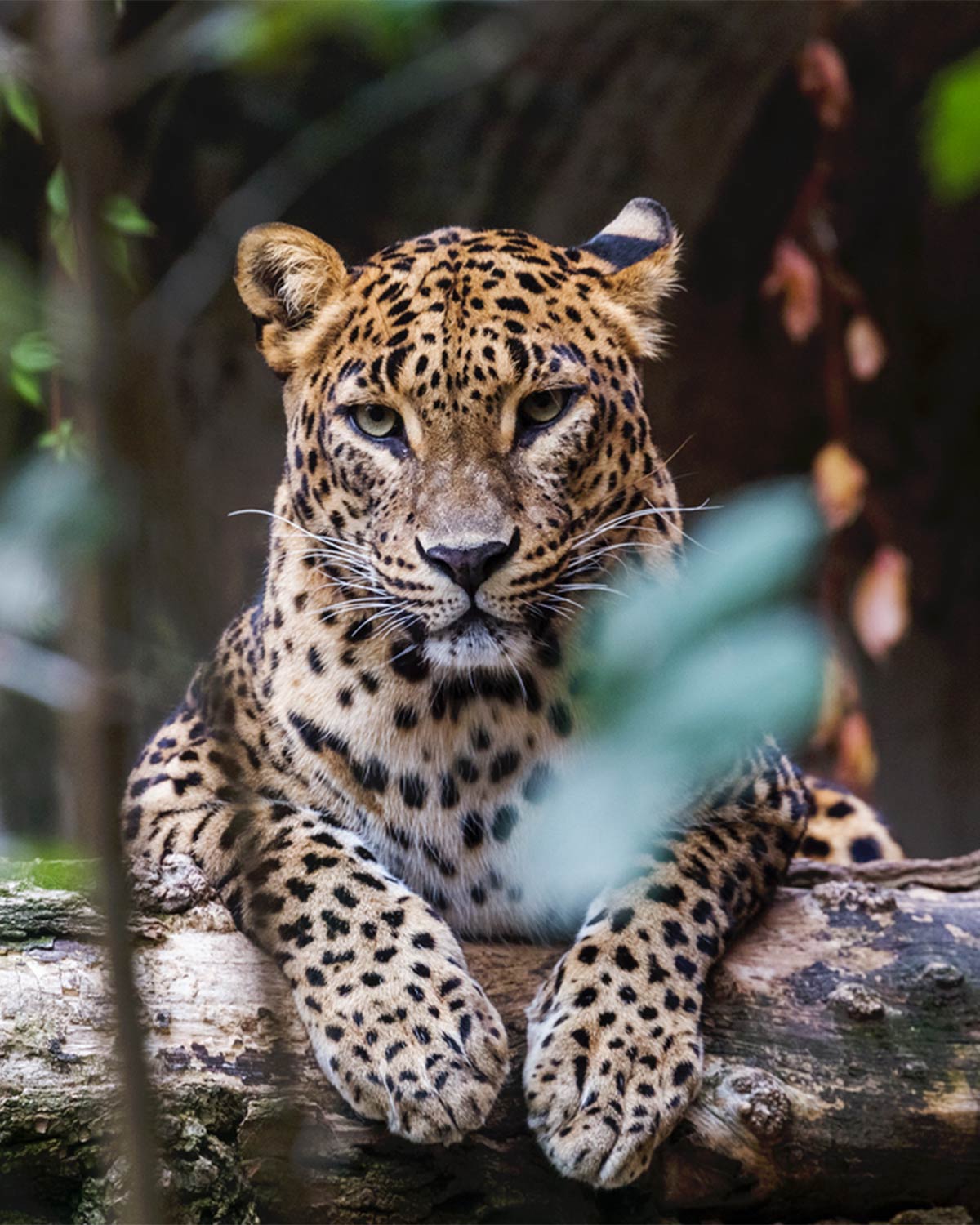
The route begins in Kandy, Sri Lanka’s second largest city - a stone throw from the island’s first tea plantation established by Scotsman James Taylor. From here the trail unfurls like the spiral of a snail shell all the way to Nuwara Eliya in the heart of hill country. En-route, hikers pass through two provinces, 25 towns, 80 villages, 24 tea plantations, eight railway stations, ten forested nature reserves and even a leopard corridor.
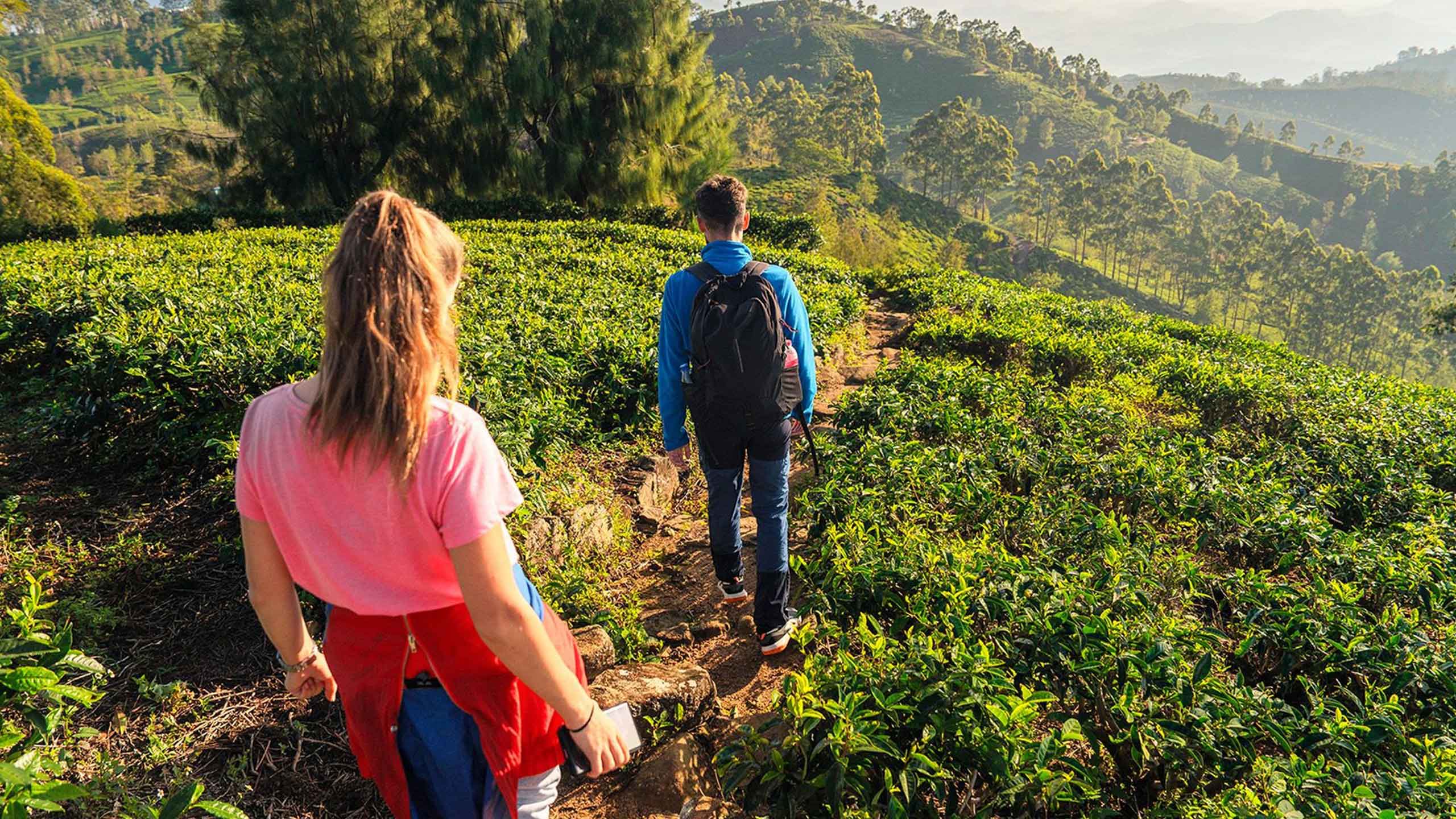
Handily, the route is divided into 22 stages making it easy to incorporate a bitesize chunk into any Sri Lanka itinerary. Each section is 10 to 20km, so easy to accomplish in the cool of the morning, leaving the afternoon free for you to relax by the pool. For the most part the terrain is flat and at a low elevation, making it accessible to almost all visitors.
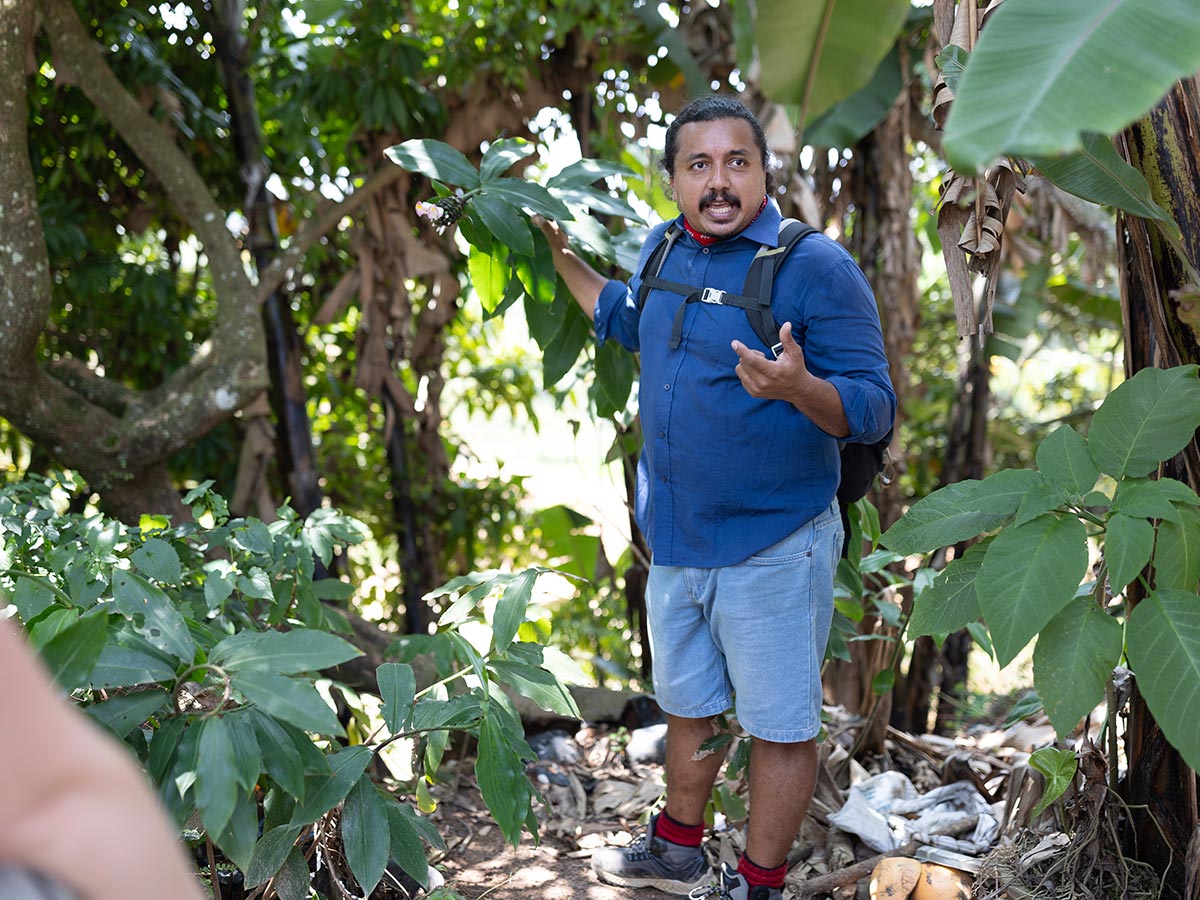
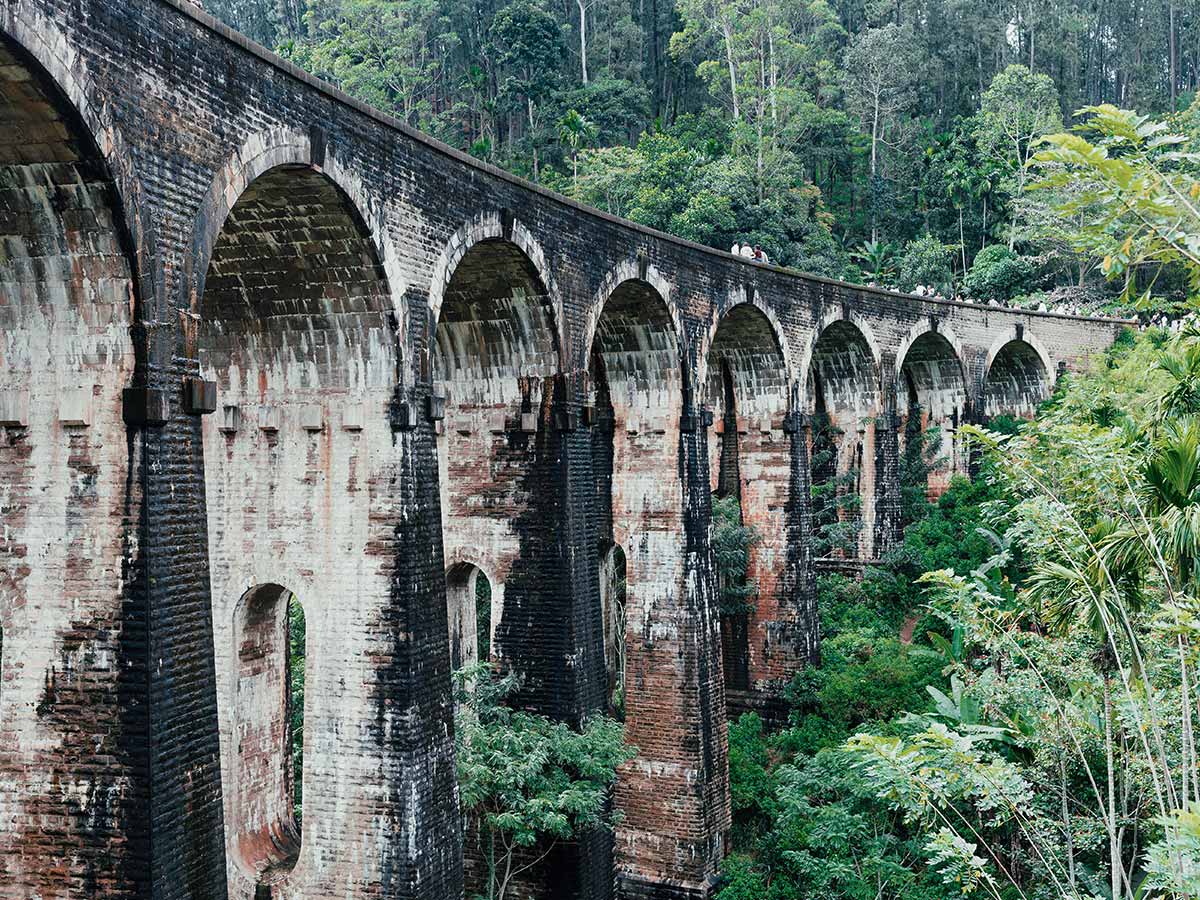
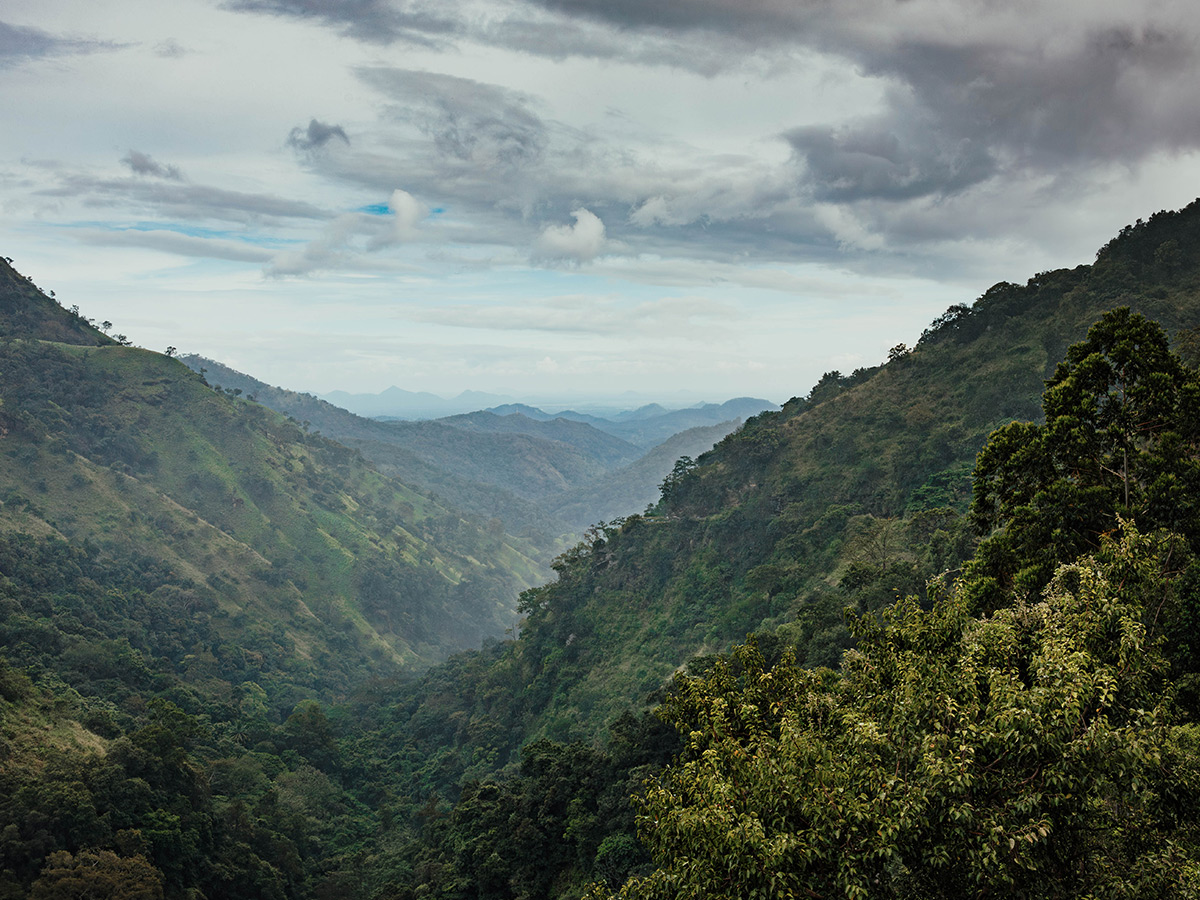
Accompanied by a local guide, at one moment you can be walking under tall eucalyptus trees, then the vista opens into a deep valley of tiered rice paddies. Pine forests give way to dense jungle. A colonial era cricket club here, a village shrine filled with colourful deities there.
Ceylon Tea
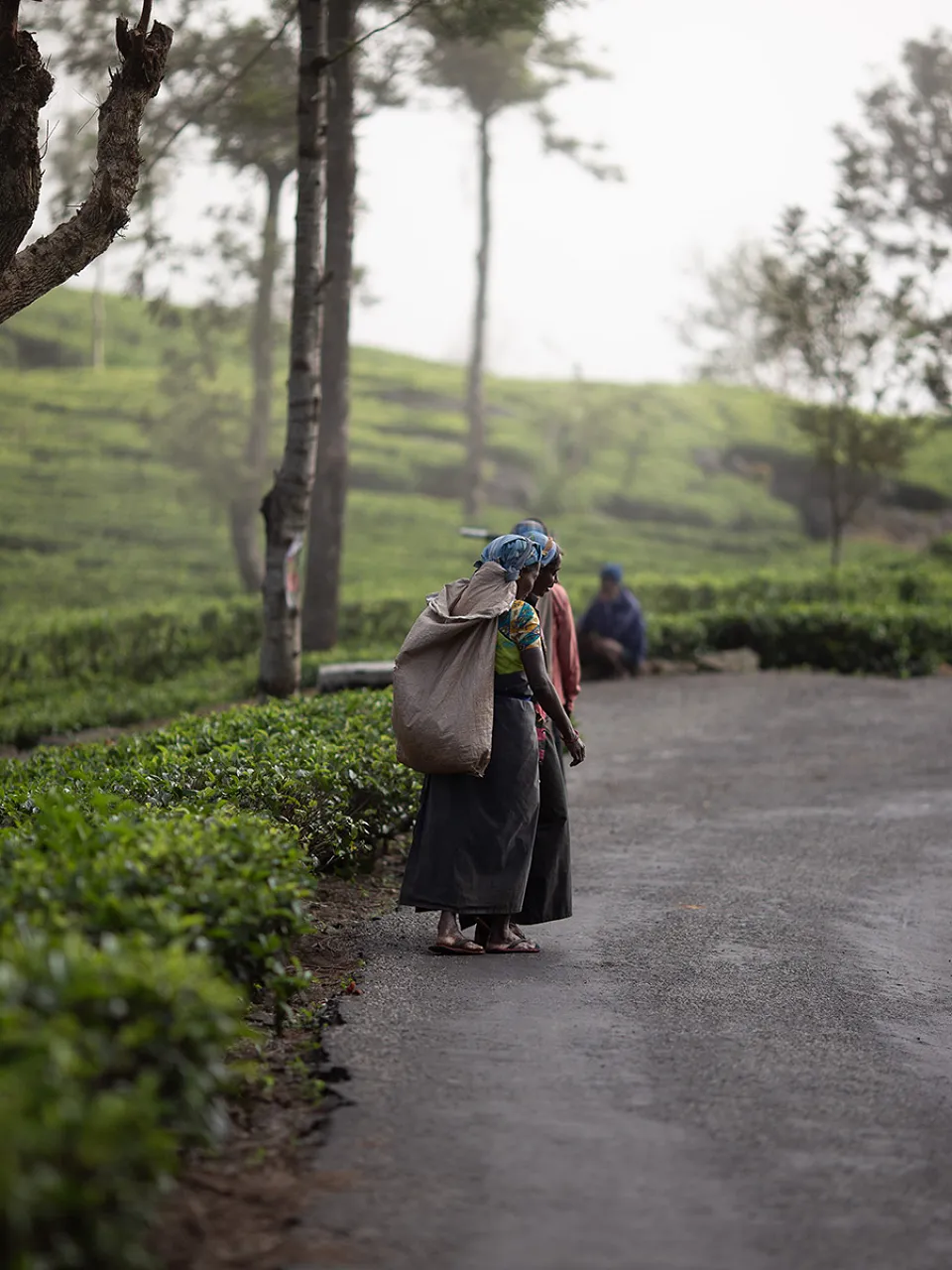
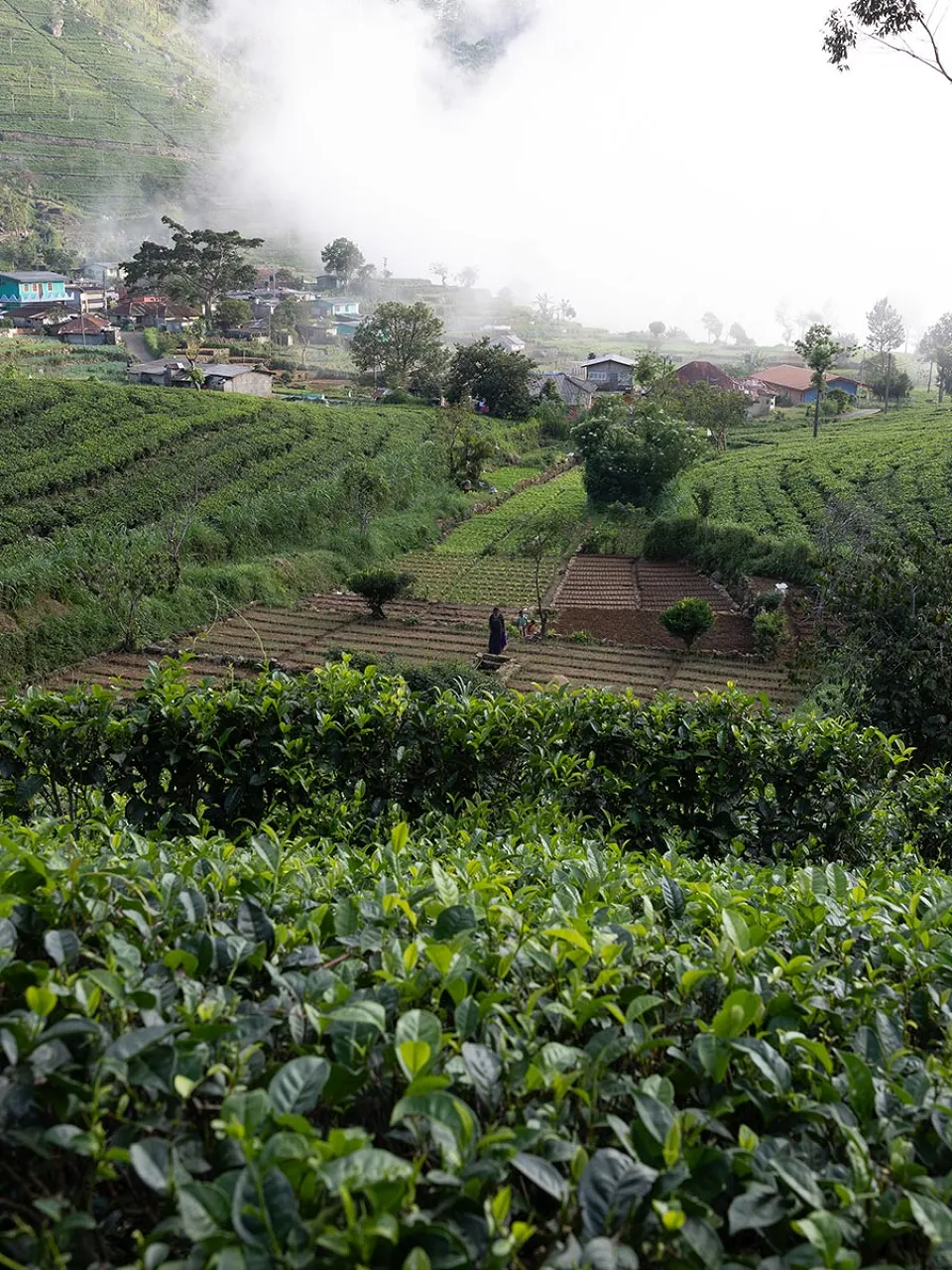
Tea is the throughline that connects each stage of the Pekoe Trail along ready-made paths and tracks through parakeet-green plantations. In fact, the word pekoe refers to a premium grade of black tea made from the young, small leaves and buds of the tea plant, a speciality of Sri Lanka and India.
The British established Sri Lanka’s tea-growing industry during colonial rule in the 19th century. Ceylon Tea came to define the island – Sri Lanka’s famous trains were built to haul tea from the fields to the coast, and tea is still one of Sri Lanka’s biggest exports. But the pandemic, economic challenges and shifting global markets have put the industry and the communities that depend on it under threat.
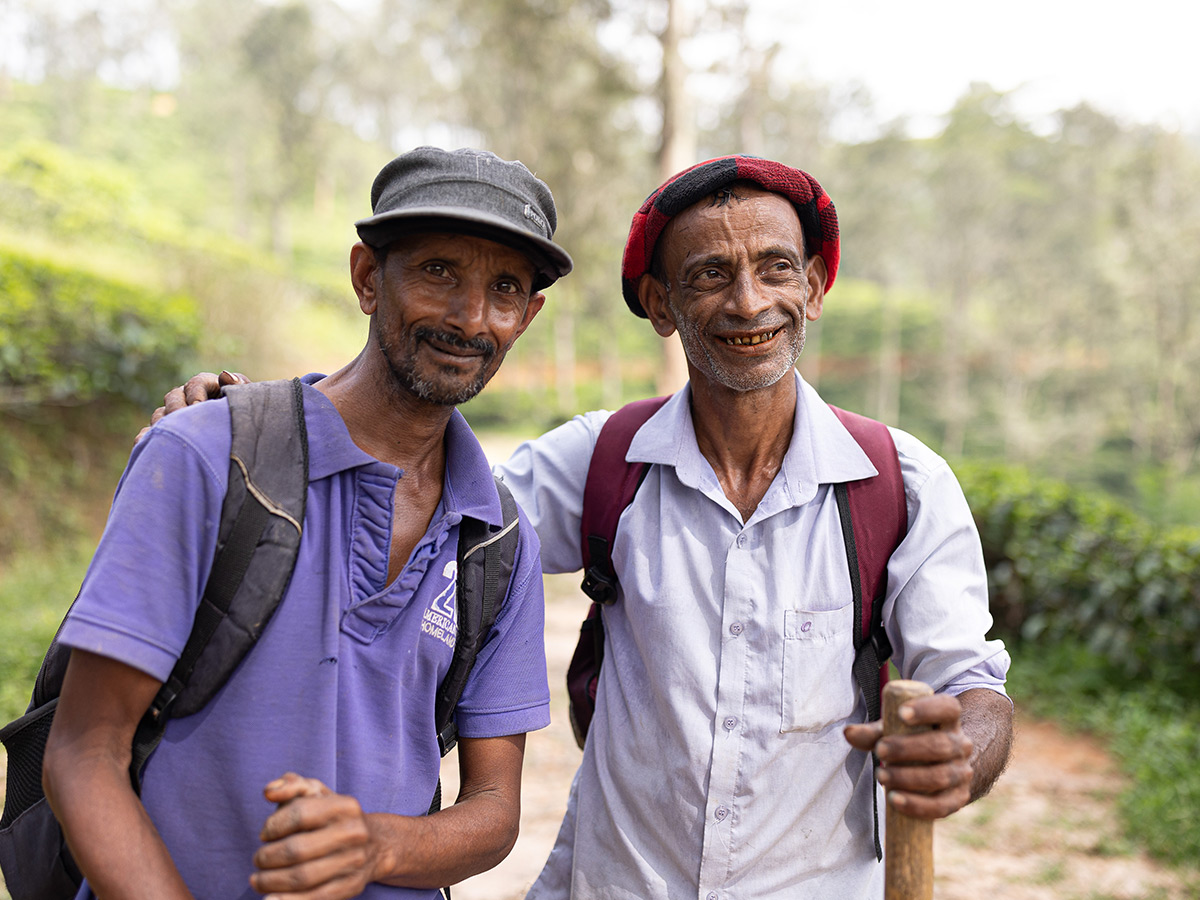
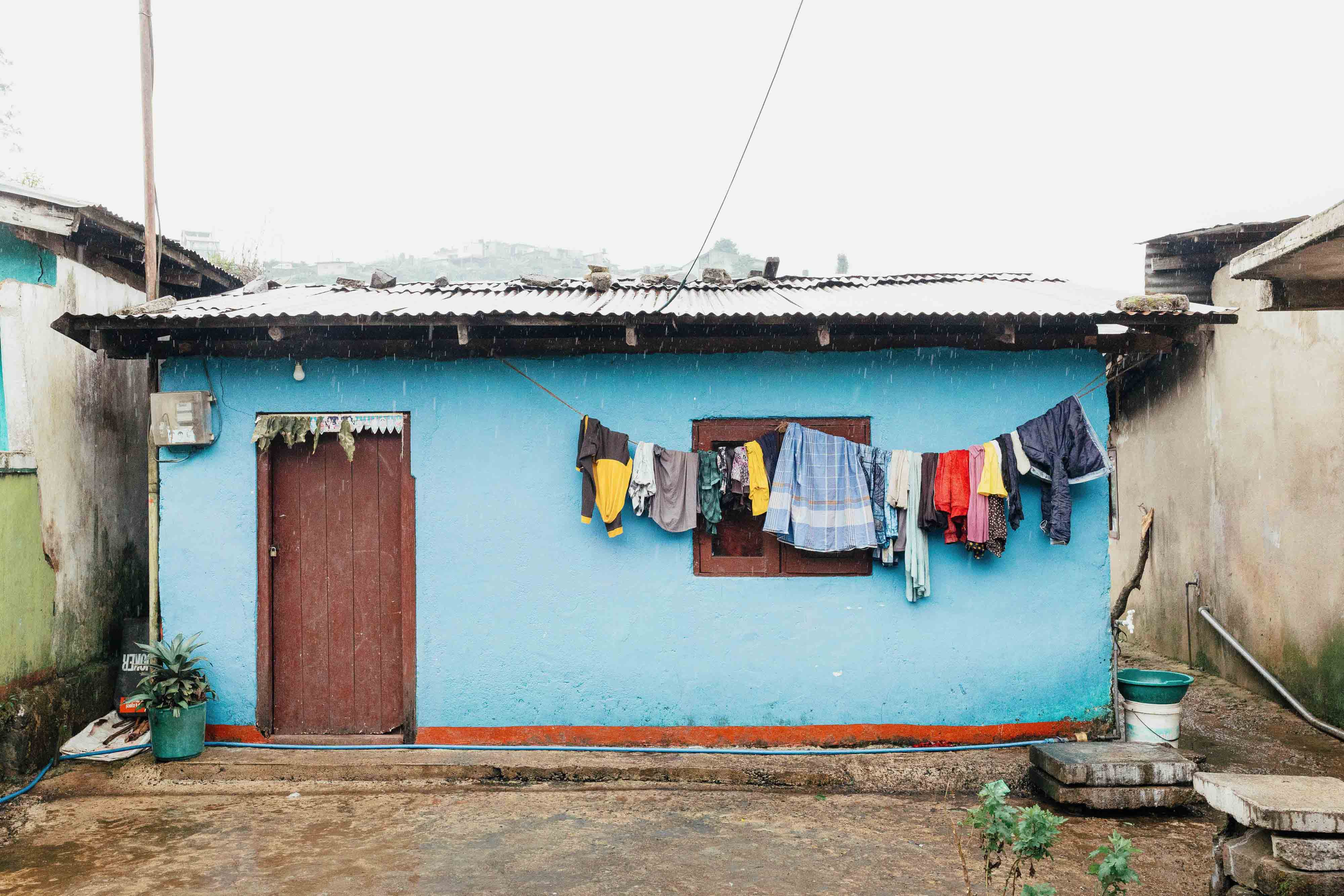
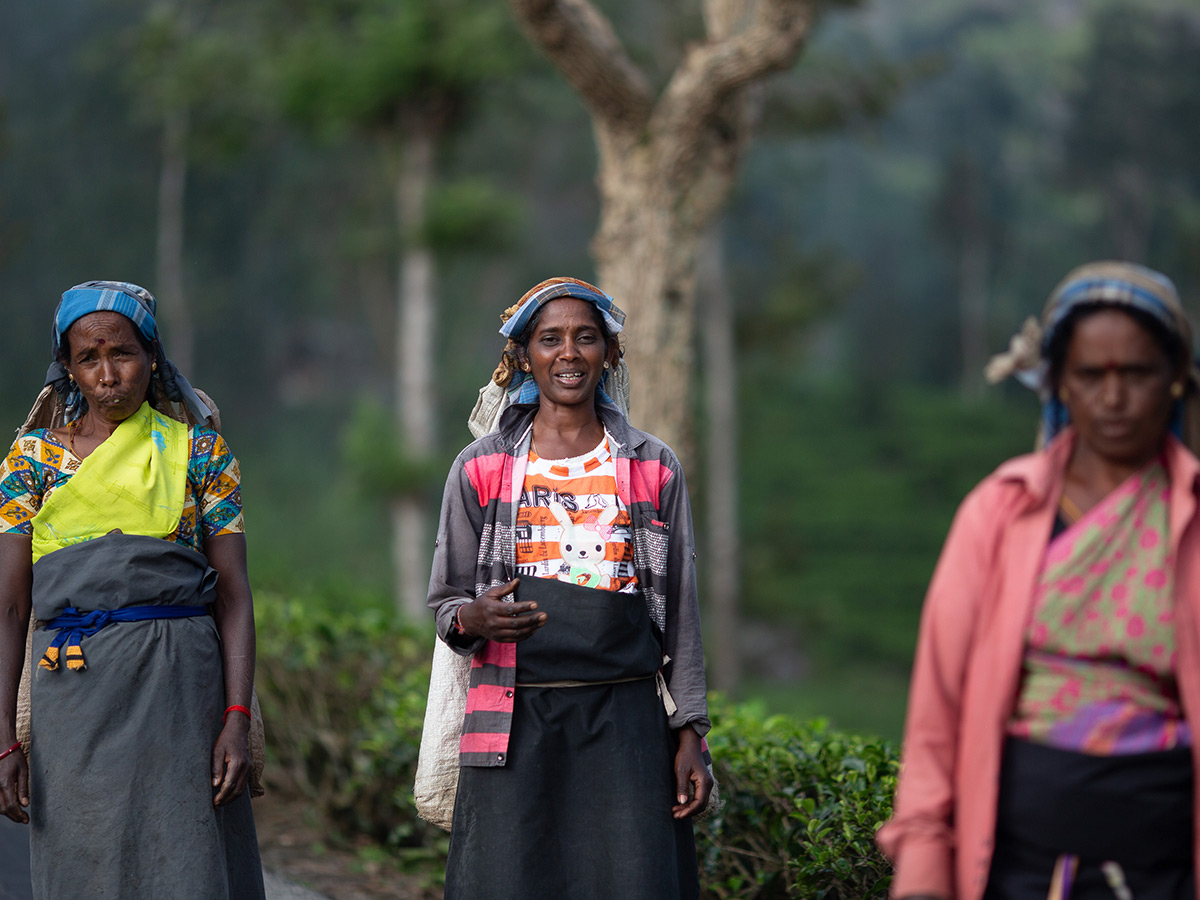
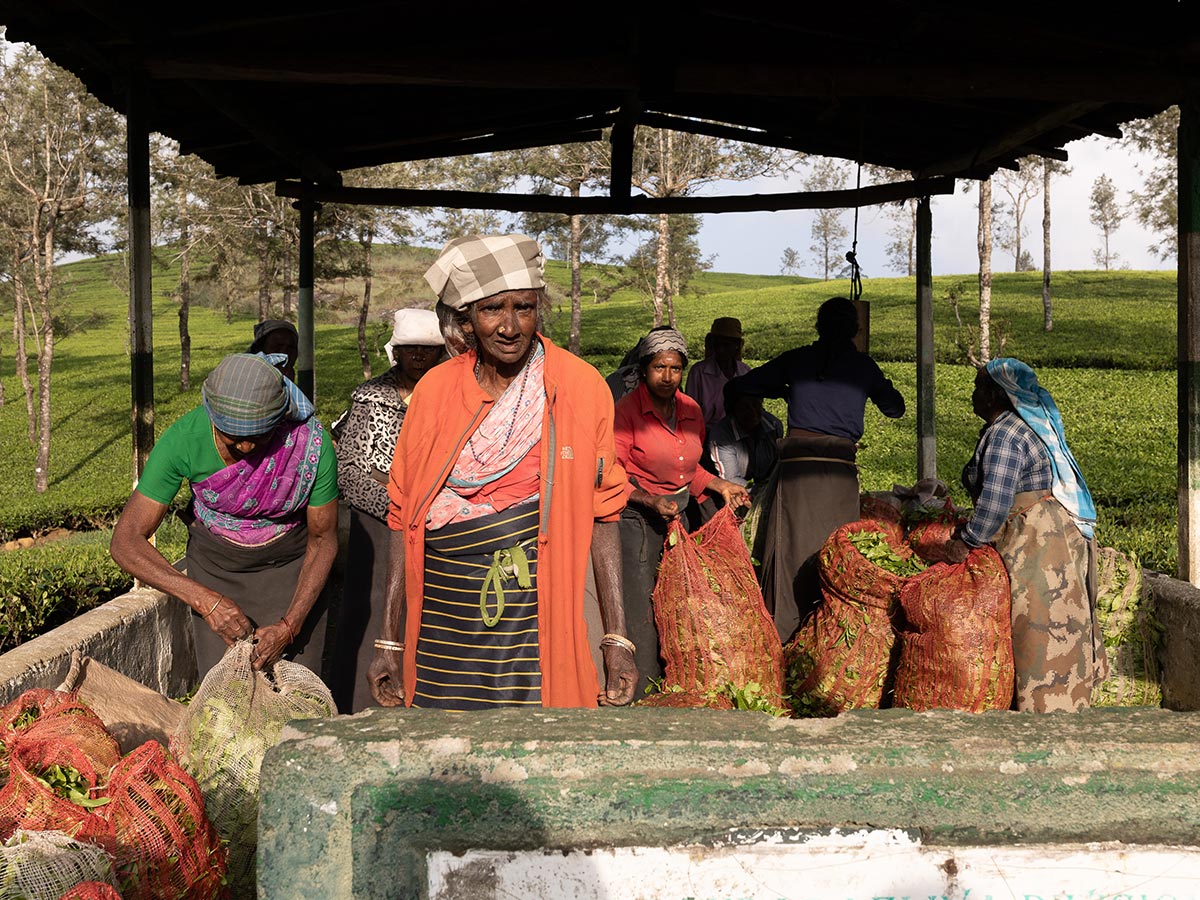
Miguel Cunat hopes that bringing low-impact tourism to this region will give tea-picking villages visibility and an alternative income. Already local people have been trained up as walking guides, sharing their knowledge of tea plantation history and the native flora and fauna with trail hikers. They’ll introduce you to a cast of characters from village elders to school children and of course, the tea pickers themselves.
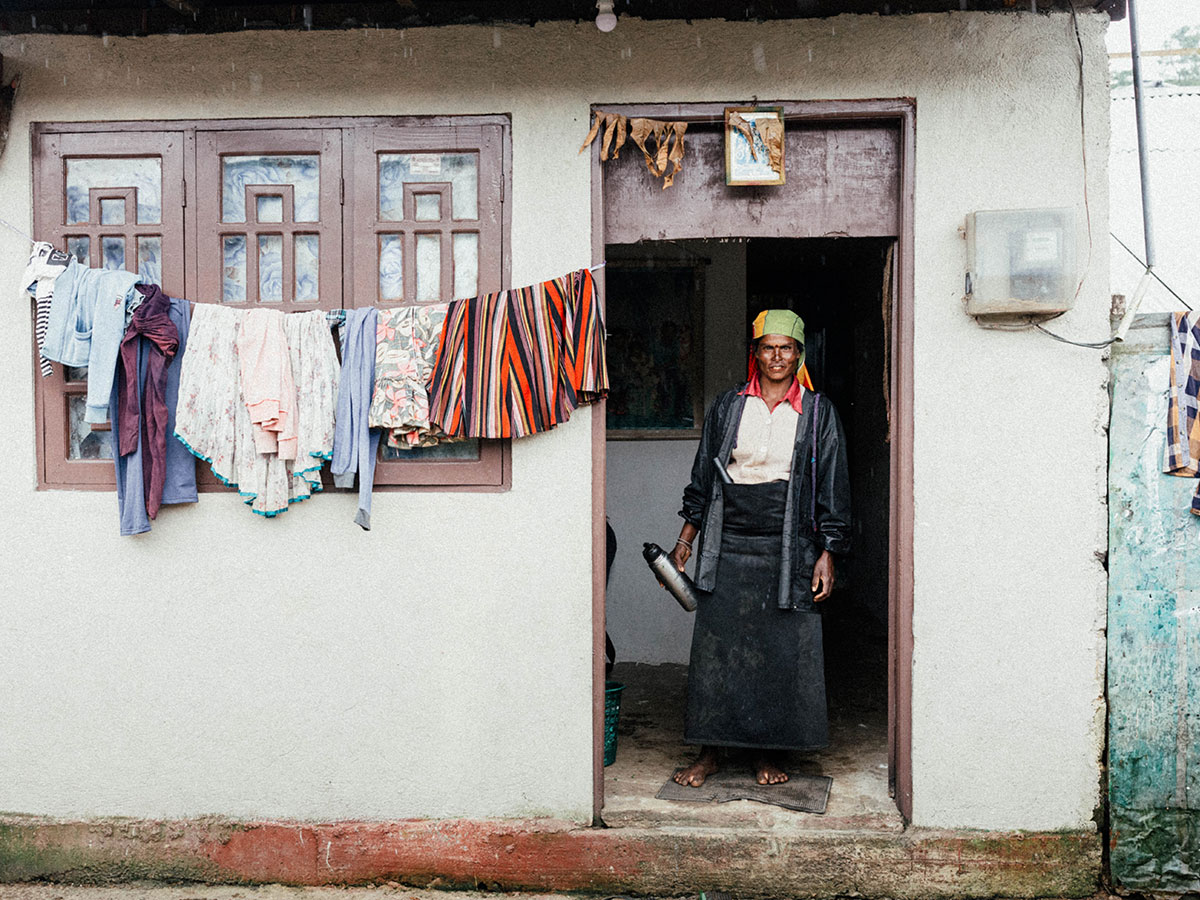
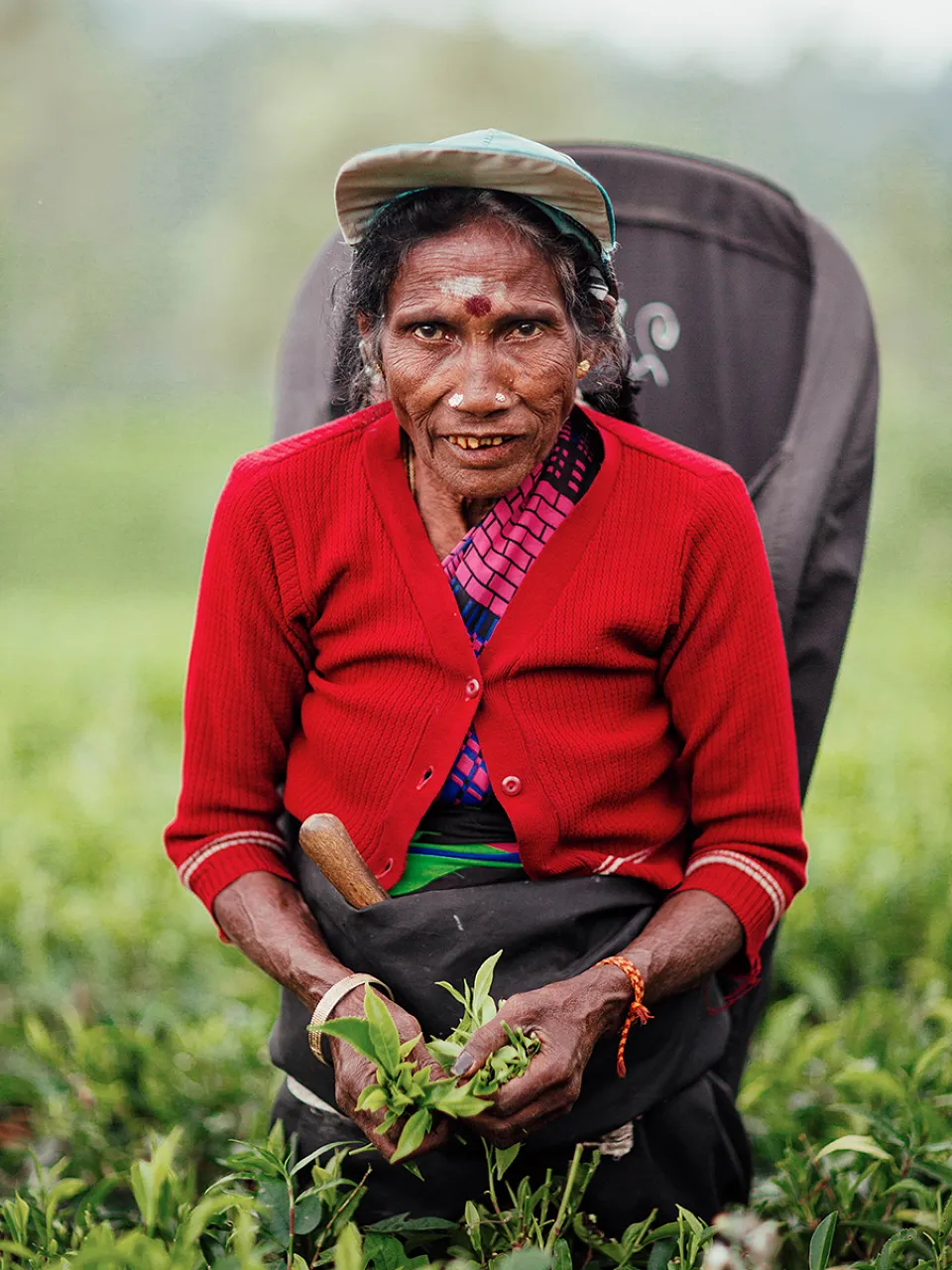
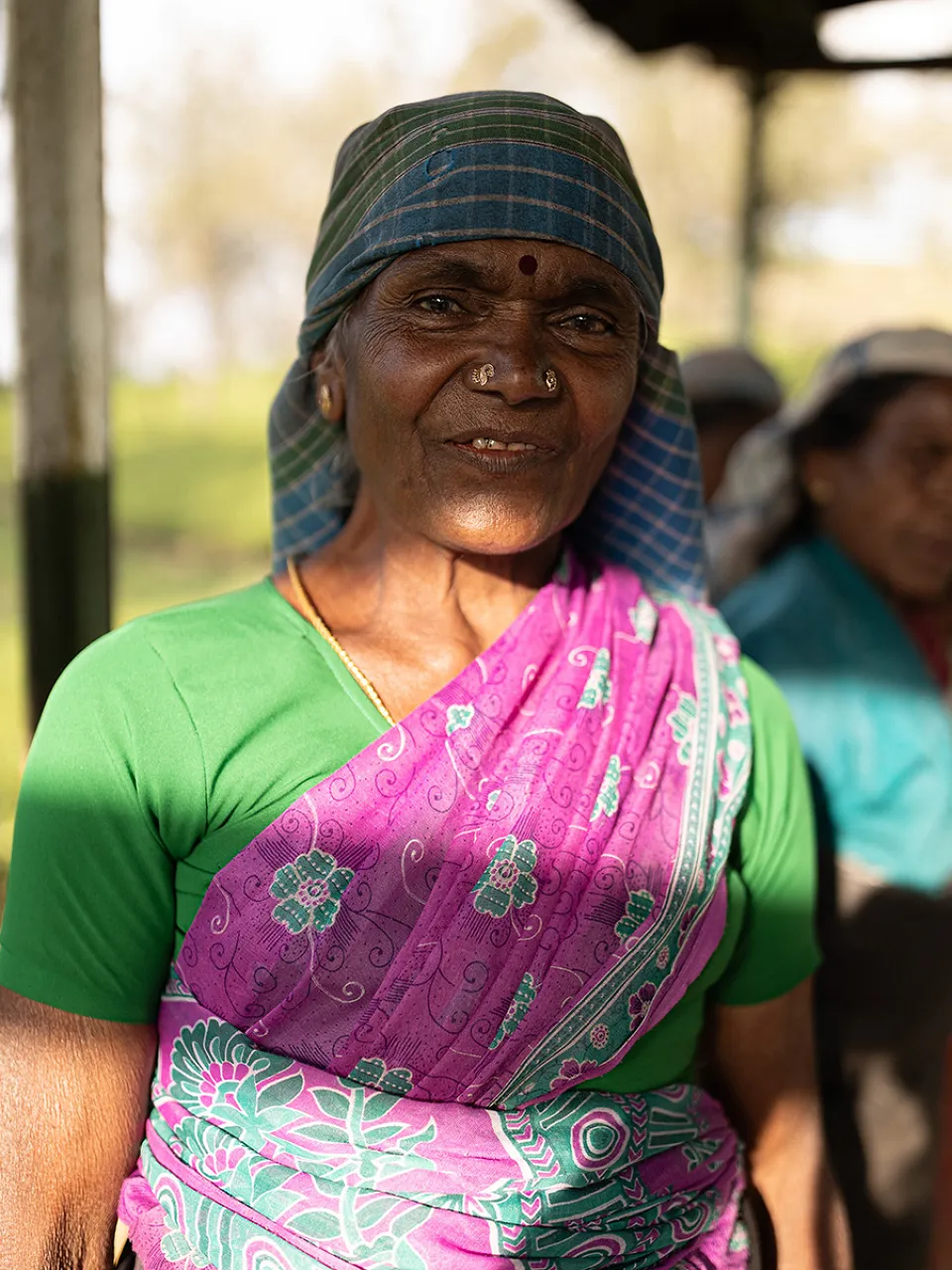
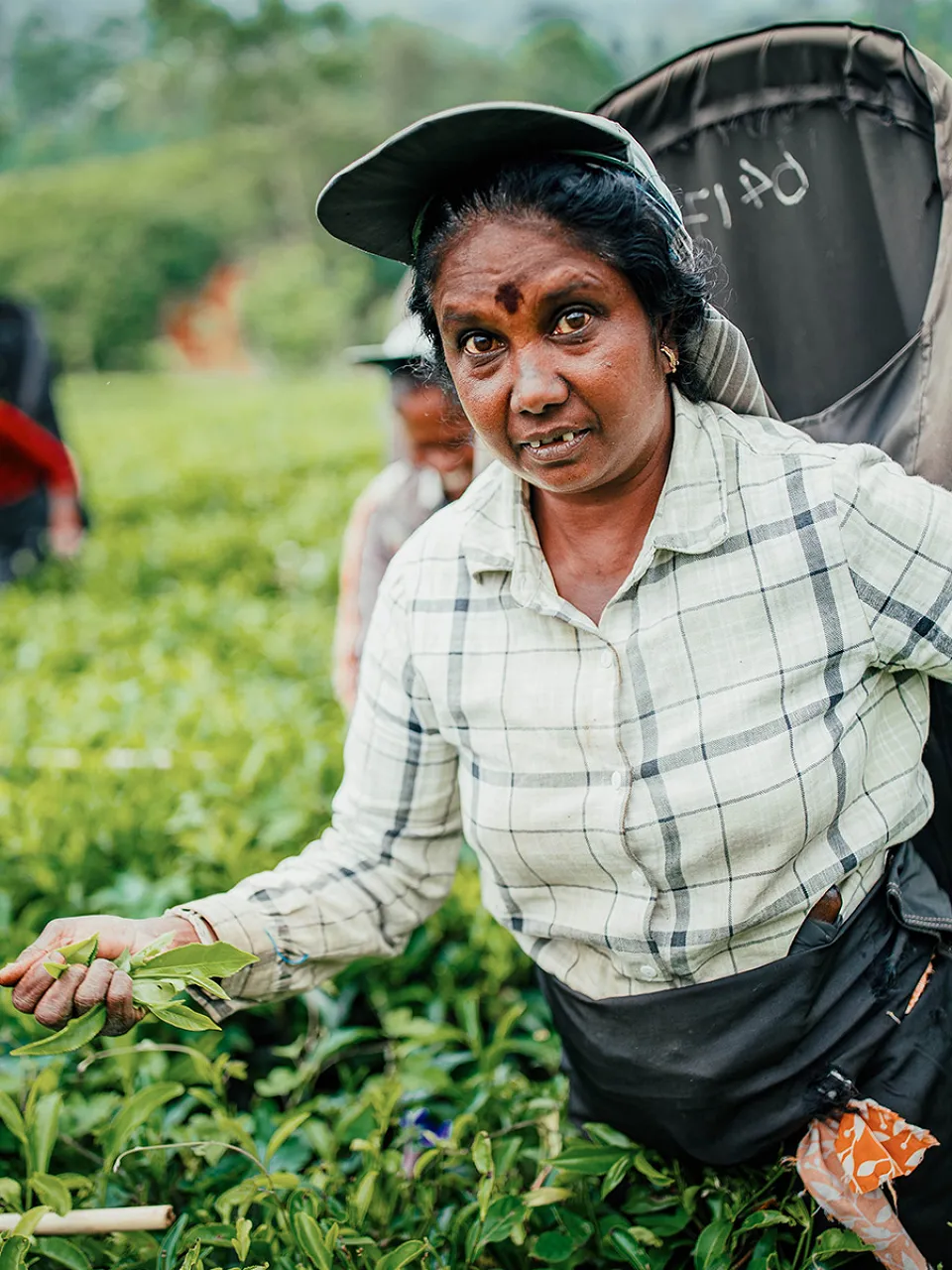
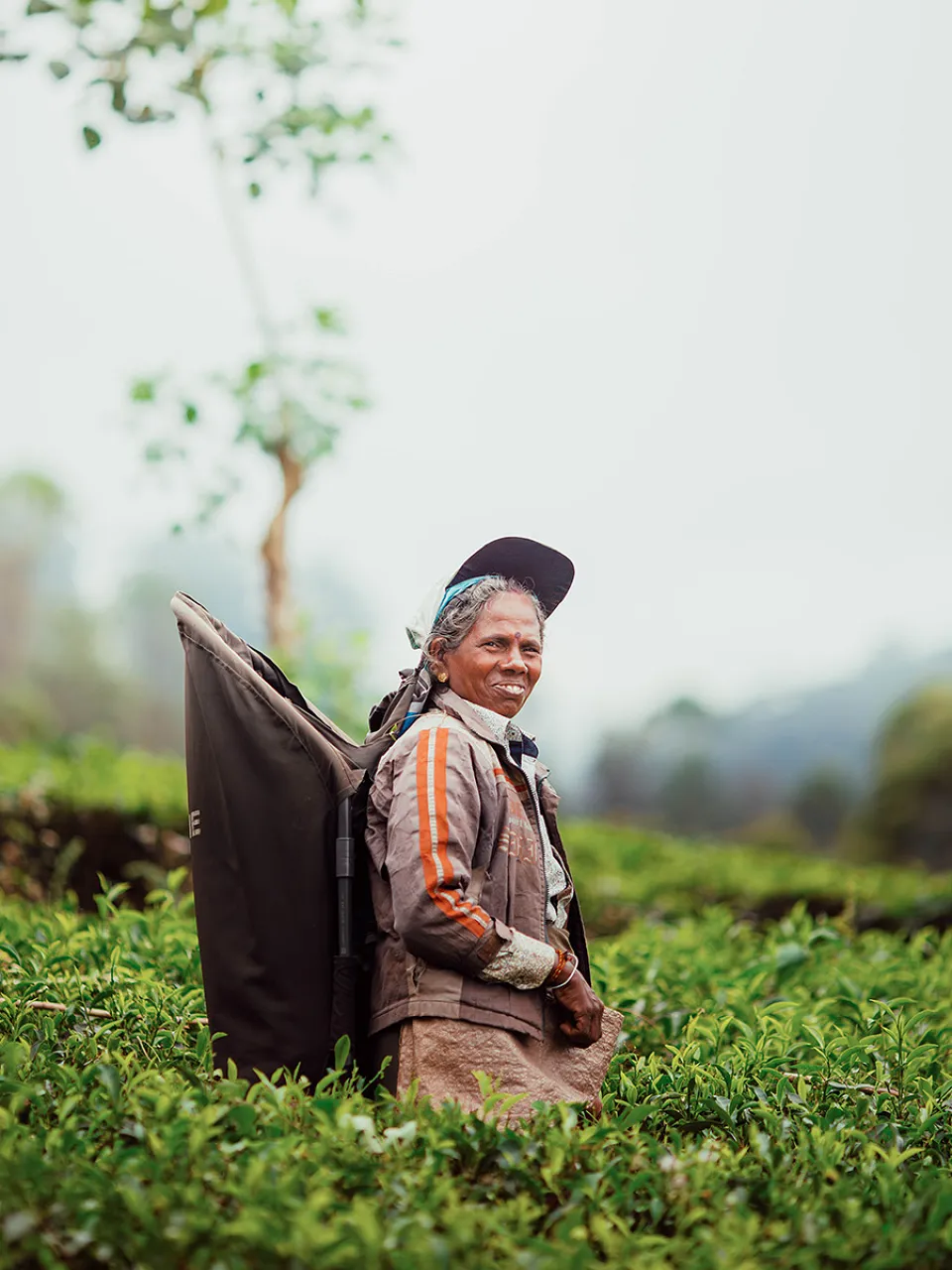
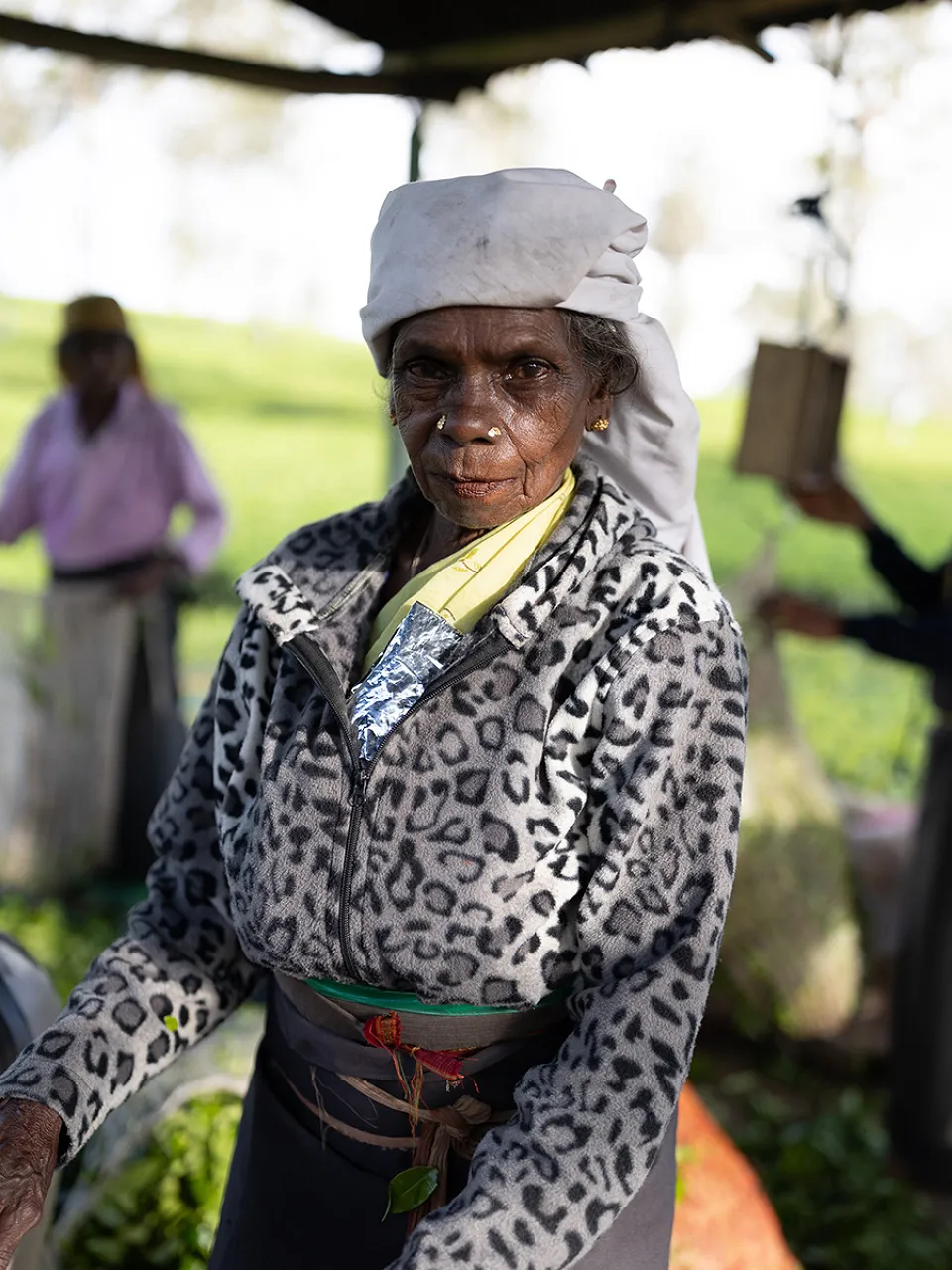
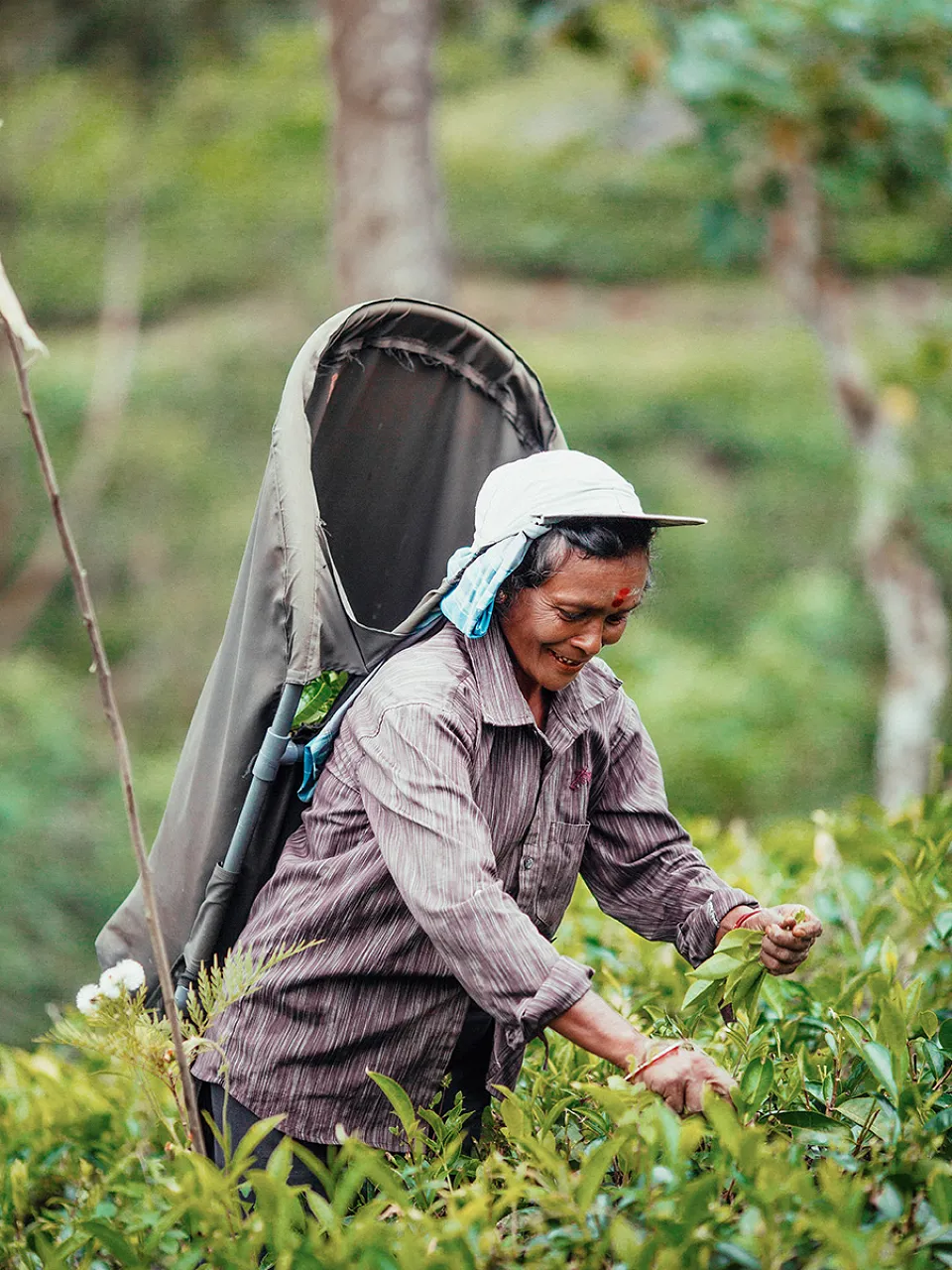
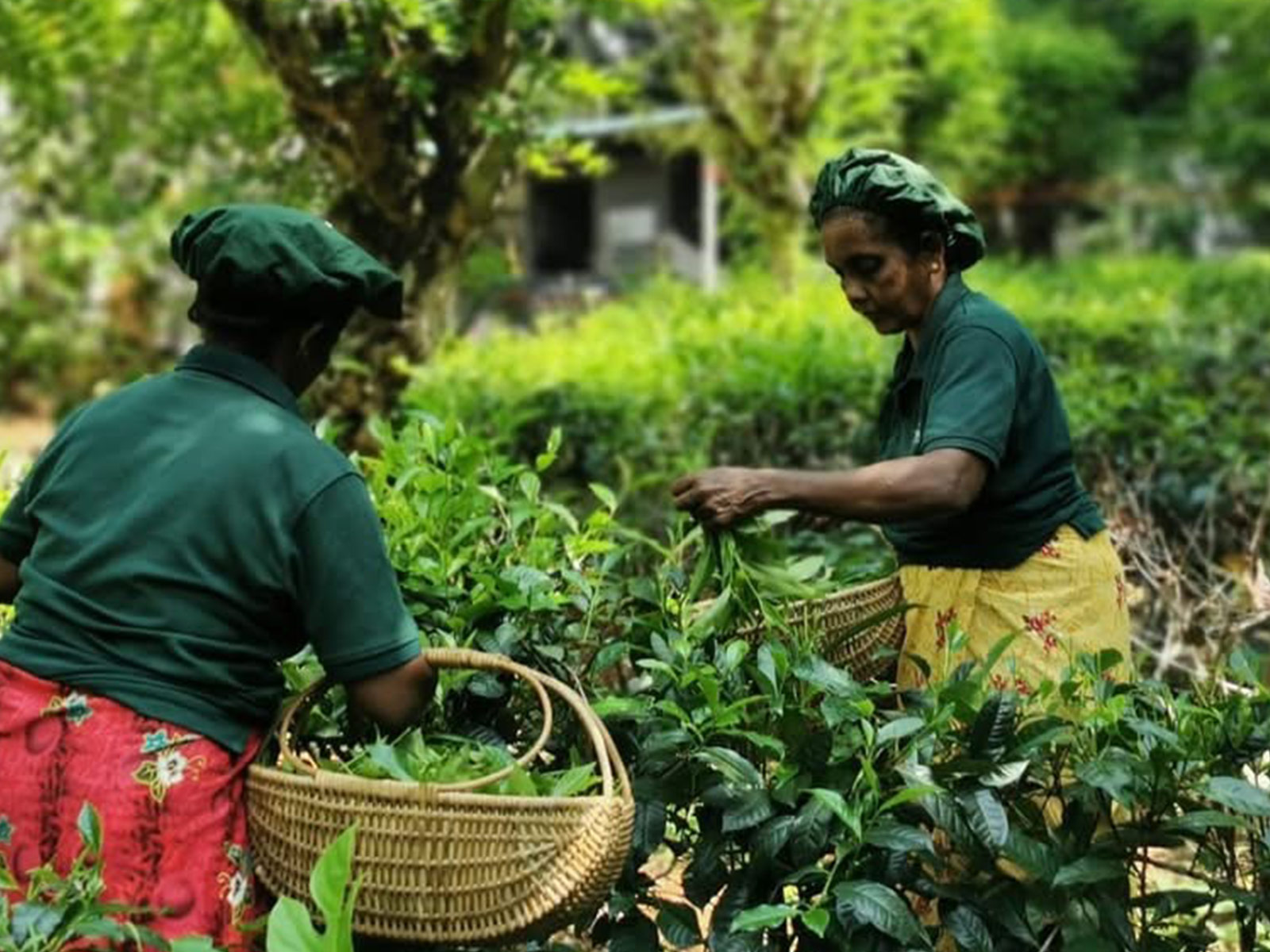
Traditionally, tea picking has been done by the lowest tier of Sri Lankan society. It’s back breaking, badly paid work, mostly done by women who collect 20kg of tea leaves a day in huge sacks attached to headbands. This too is slowly changing though, as new initiatives aim to upskill and involve tea pickers in all parts of the production process. From plant to cup, pickers are retraining as tea artisans who oversee drying and rolling, tasting and packaging. In this way, little by little, the Pekoe Trail hopes to restore pride in Sri Lankan tea production.
Accommodation
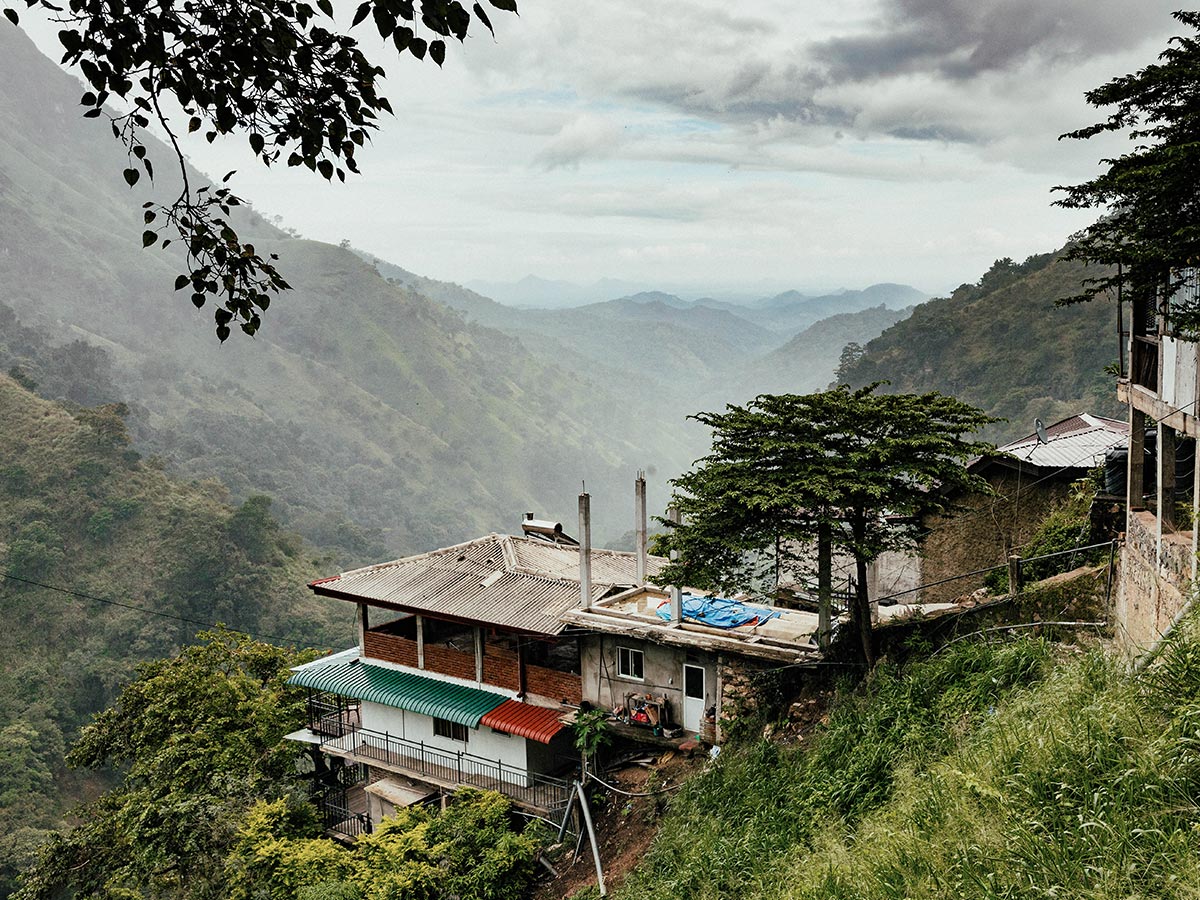
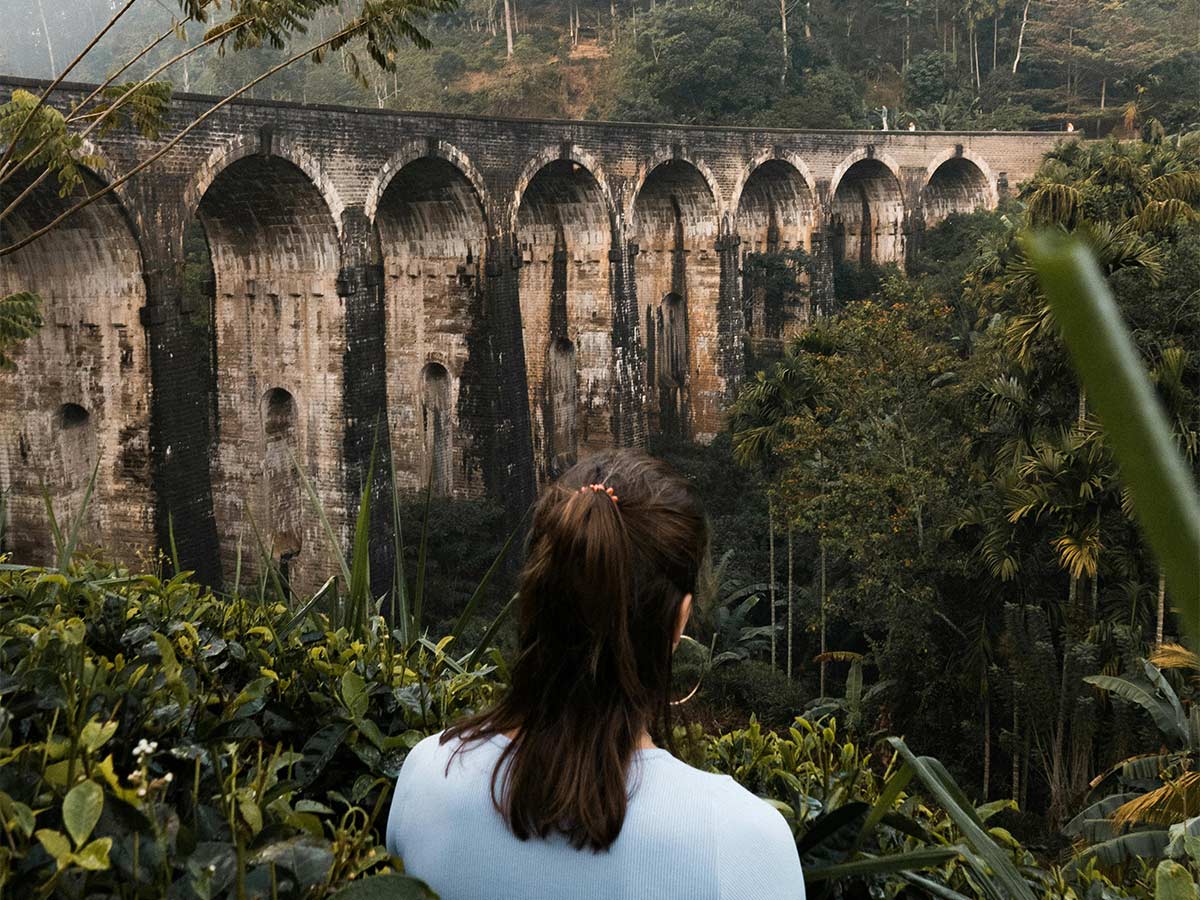
Some of our favourite Sri Lankan hotels make a great base for accessing the trail. Nine Skies is in reach of stages 16 & 17 and offers stylish bungalow accommodation in the hills around Ella. It’s just a short walk from Demodara Station which boasts a rare 360-degree loop at the eastern end of the Main Line Railway.
Also near Ella, 98 Acres is a resort and spa for fans of barefoot chic. Thatched-roof chalets cling to the hillside with to die for views of misty jungle peaks.
Ceylon Tea Trails sits on a tea estate above Castlereagh Lake that dates back to 1888. Five colonial era chalets feature four-poster beds, roll-top baths, teak furniture and verandas made for afternoon tea served by your very own butler. Nearby, our latest recommendation is Uga Halloowella which opened in 2024 in a colonial mansion in the former British hillfort of Hatton.
Read next
.webp)
.webp)









Meet our experts
Speak to our experts to help you plan your trip
Dreaming of a journey that’s truly your own? Our specialists take the time to understand what excites and inspires you, then craft a holiday that goes far beyond the ordinary. Whether you’re seeking adventure, relaxation, or a perfect balance of both, we’ll design something that’s completely yours. Ready to start planning? Get in touch and let’s create your ideal escape.
Choose your adventure
Speak to one of our team to get started. After all, your travel journal won’t write itself.