Learn more
Weather on Sri Lanka’s South Coast
Sri Lanka’s South Coast – Weather Guide
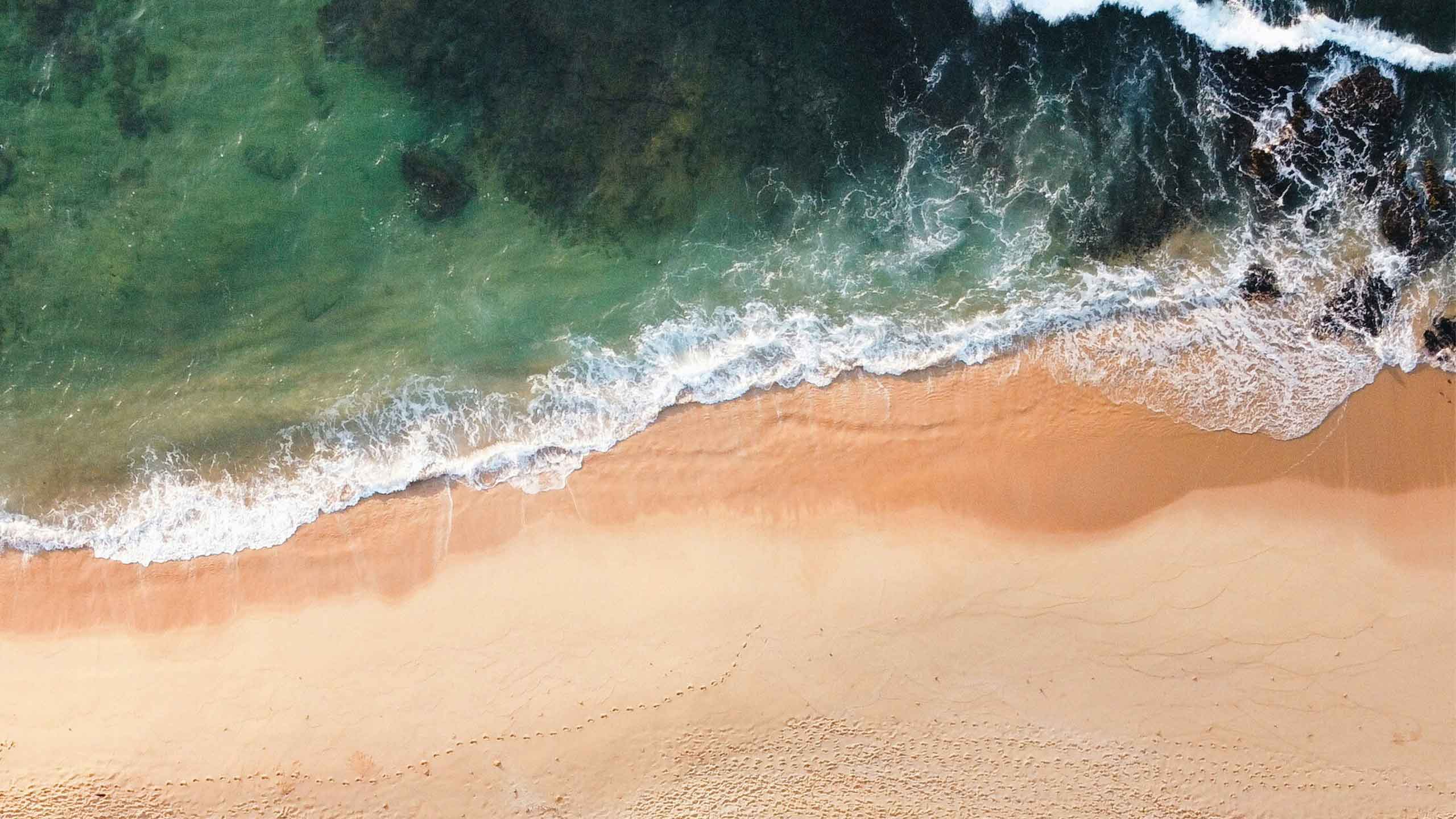
Stretching from Galle in the west to Yala National Park in the east, Sri Lanka’s south coast is a ribbon of golden sandy bays, dipping to form horseshoe-shaped coves, backed by dense jungle and hundreds of sky-skimming palms. Boasting some of Sri Lanka’s best-known beaches, including Mirissa and Ahangama, it’s prized for its consistent surf breaks, laid-back atmosphere and growing collection of boutique hotels.
Sri Lanka is very much a year-round destination and we believe that the south coast can be enjoyed in every season, each offering its own advantages. While the island experiences shifting dry and wetter periods depending on location, rainfall is often short-lived and sunshine remains a regular feature. Sea conditions and surf vary through the year too, creating different opportunities for swimming, surfing, snorkelling, sightseeing and simply unwinding by the pool.
In this guide, we reveal what the south coast is like across the seasons, helping you to decide when best suits your travel style, priorities and pace.
Understanding the South Coast Climate
Written by Lahiru (Sri Lanka Specialist)
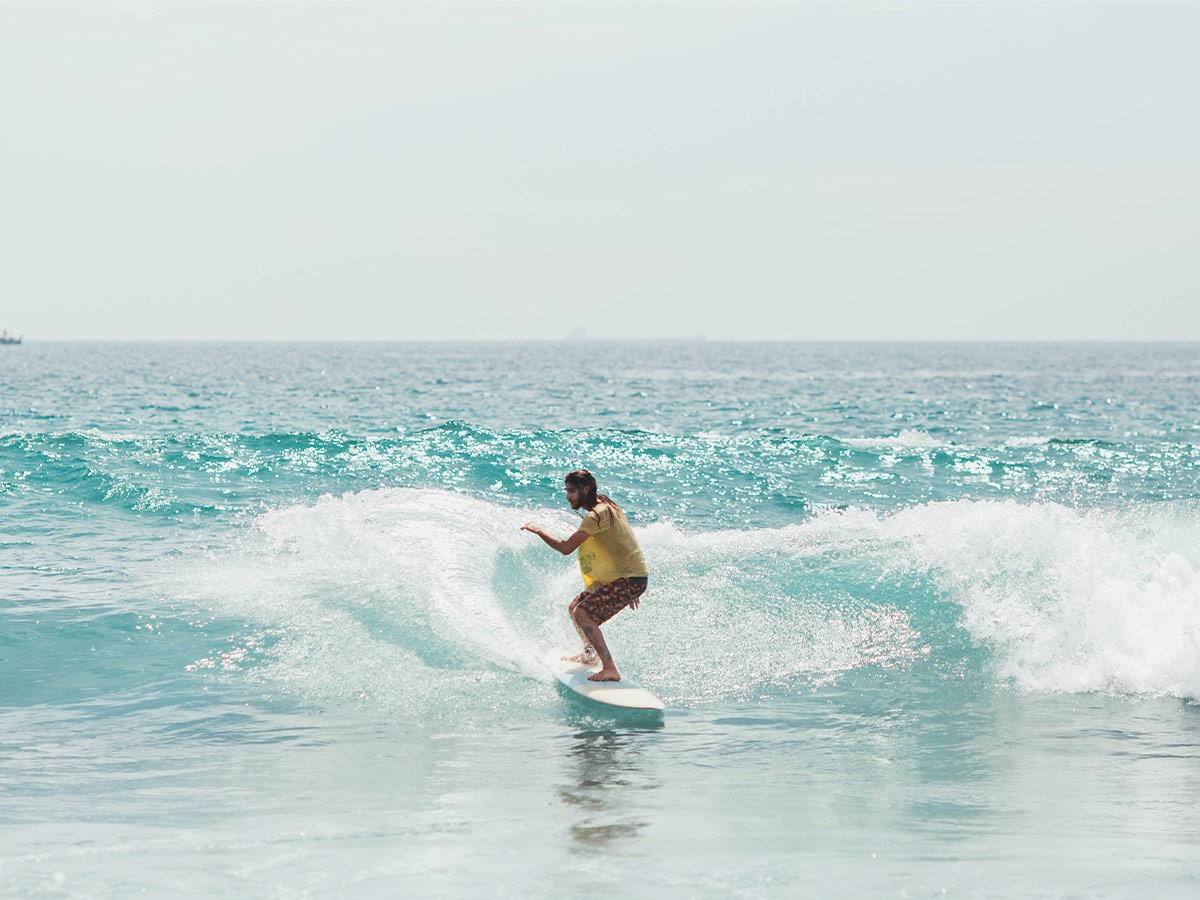
Despite being a relatively small island, Sri Lanka’s tropical climate is shaped around two main monsoon systems, which influence rainfall and sea conditions at different times of the year. The southwest monsoon, known as the Yala, affects the south and west coasts from May to July while the northeast monsoon, called the Maha, affects the north and east from October to January. Importantly, these monsoon periods rarely mean constant rain; instead, weather typically arrives in short tropical bursts with plenty of dry, bright periods in between.
Temperatures range from 20°C to 35°C (68°F to 95°F) across the year, with coastal and lowland areas remaining warm and tropical in every season. Even during drier months, the sunshine is occasionally interspersed with short, sharp but wonderfully warm, tropical showers that feed its verdant rainforests and dense vegetation, without impacting day-to-day plans.
December to April – Classic Dry Season (Peak Time)
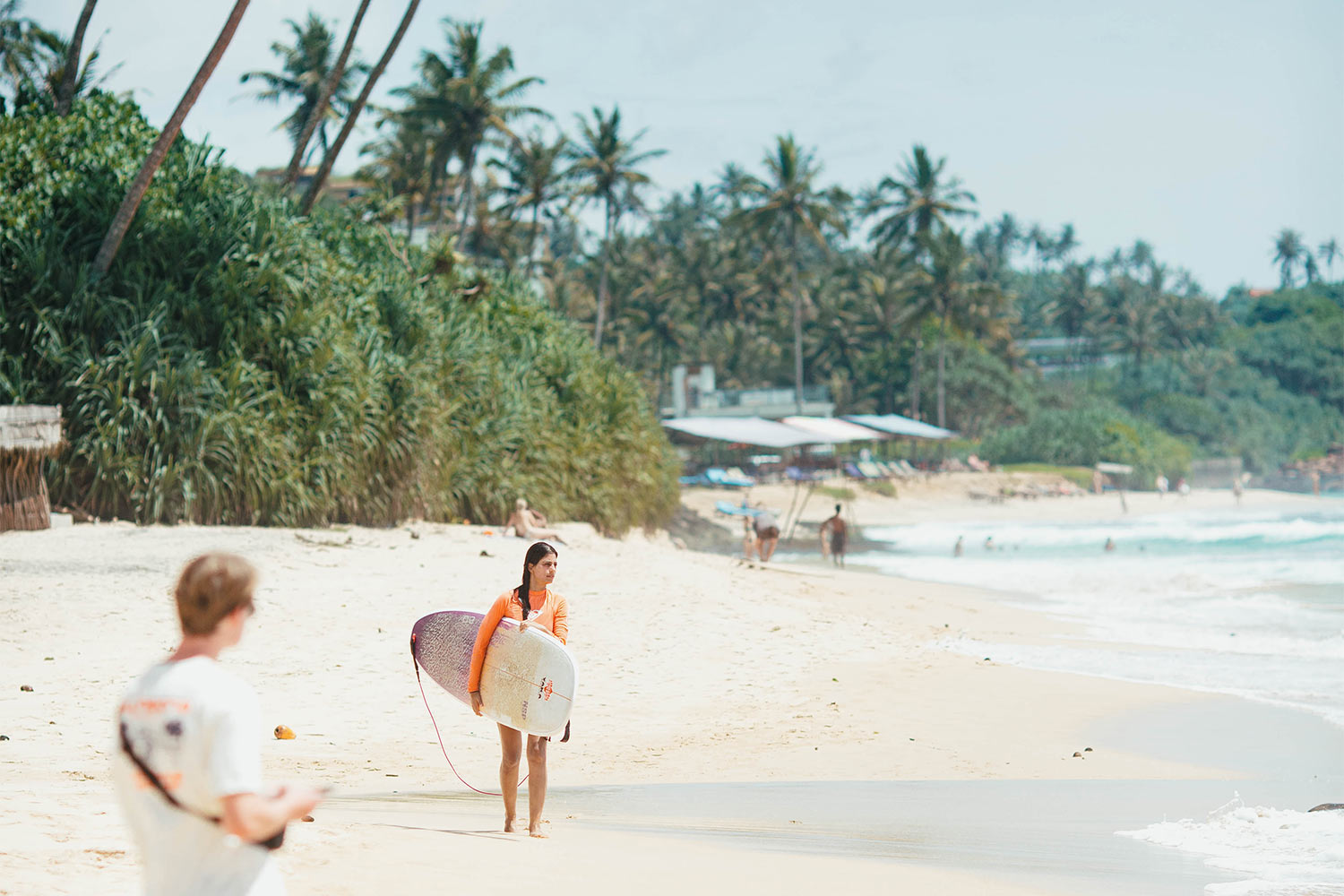
The dry season on the south coast of Sri Lanka is between December and April and is traditionally the most popular time to visit. Days are typically sunny, warm and dry with calm seas, perfect for swimming, snorkelling and whale watching boat trips.
Being the peak season, you can expect a lively atmosphere in the busier beach towns, higher prices across accommodation options and a wide choice of open restaurants, cafés and tours. Daytime temperature highs between December and March are generally between 28-31°C (82-88°F) with nighttime lows of 23-25°C (73-77°F). April can be hotter with coastal highs often nudging 30-32°C (86-90°F). Sea temperatures typically sit comfortably between 28-30°C (82-86°F) across this dry season.
While the seas are predominantly calm, wind and wave conditions will vary beach-by-beach and on a daily basis, so it’s always best to seek advice on sea conditions from locals, who can direct you to safe swimming spots, before entering the water. Brief showers can happen during the dry season, but they are usually short, sharp and warm so won’t ruin your day.
.jpg)
May to June – Early Green Season (Quieter & Lush)
The monsoon doesn’t start and end punctually but rolls in gradually with the conditions beginning to shift and change in late April and early May. This ‘in-between’ period is often referred to as the ‘shoulder season’ and can be a fantastic time to visit the south coast of Sri Lanka, particularly if you’re looking for fewer crowds and better value.
Daytime highs are between 29-32°C (84-90°F) with April often being one of the hottest months of the year. Nights see temperatures of between 24-25°C (75-77°F) while sea temperatures stay wonderfully warm at around 28-30°C (82-86°F).
You’ll find a mix of sunshine and showers, with mornings usually calmer and clearer. While thunderstorms or downpours are more likely later in the day, it’s unlikely you’ll experience rain for an entire day. The other notable difference is the increase in humidity. Sea conditions also begin to change but the more sheltered, west-facing bays remain swimmable and safe in early May.
July & August – A Hidden Sweet Spot on the South Coast
July and August fall within the broader southwest monsoon period yet, in reality, they can be surprisingly good months to visit the south coast. Rainfall often eases compared to earlier in the season, with short, sharp showers rather than prolonged wet spells, and many days still offer sunshine and warm temperatures.
Daytimes remain hot and humid, with highs between 28-30°C (82-86°F) and nights hovering around 25°C (77°F). The sea stays consistently warm at 28-30°C (82-86°F).
While sea conditions can be rough at exposed beaches, this is something that can occur at any time of year along this coast and can be easily overcome by making the most of hotel pools, sheltered coves and lagoon swimming. With cheaper accommodation rates, most restaurants and bars remaining open and a relaxed but lively atmosphere, July and August along the south coast of Sri Lanka are an excellent option for school summer holidays and a great value alternative to peak season.
September to November – Transition Months
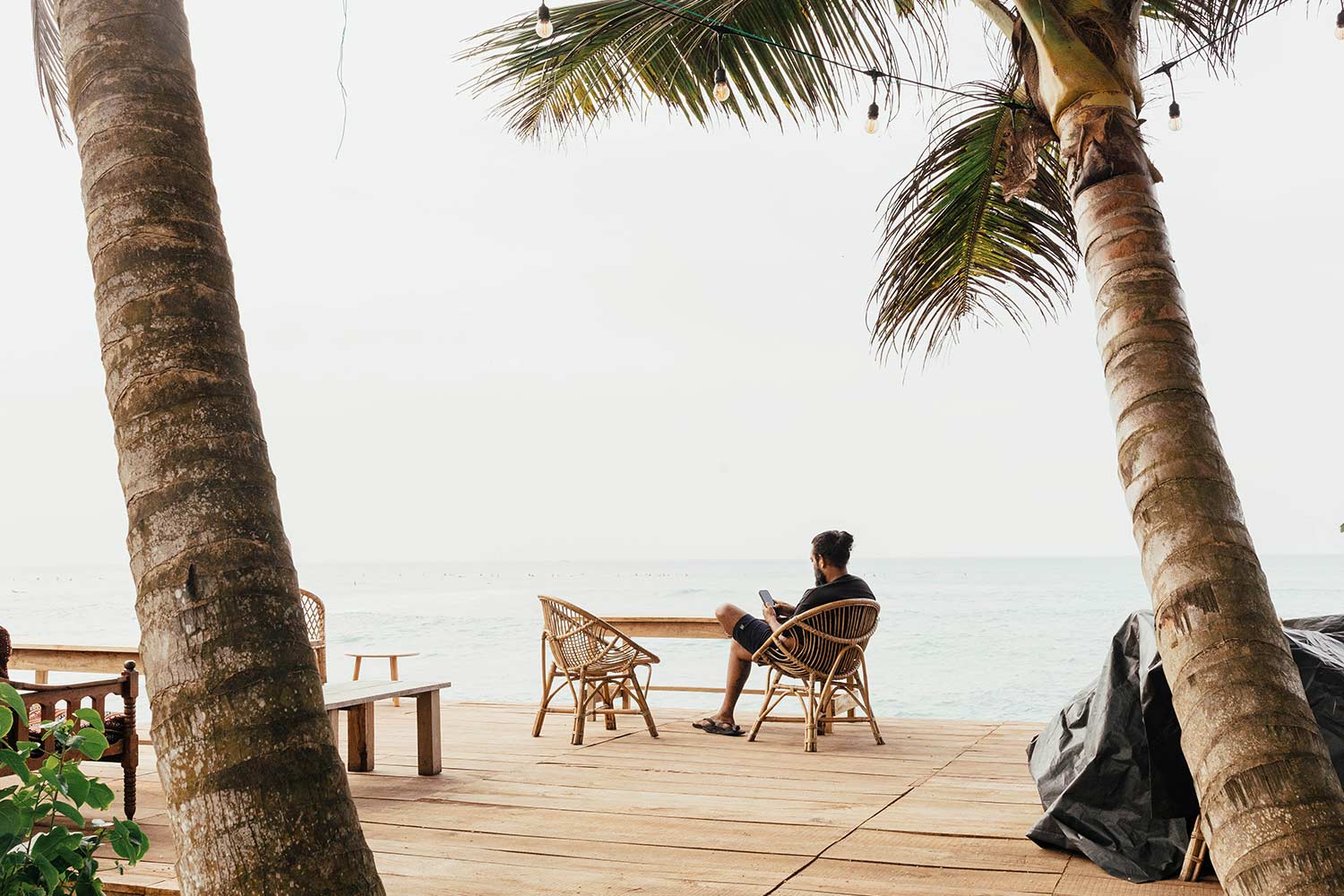
September, October and November mark a period of changing weather patterns as the southwest monsoon fades and conditions gradually move towards the drier peak season. These months typically bring a mix of sunshine and passing showers, alongside warm temperatures, improving sea conditions and quieter beaches.
Rainfall can be a little more frequent at times, particularly in October, but it’s rare for rain to last all day and you’ll often be rewarded with plenty of dry, bright spells in between. By November, conditions usually begin to settle and improve, with increasing sunshine and calmer seas, making it a gentle lead-in to the dry season.
Like the other shoulder periods, September to November can be an excellent time to visit and you’ll be rewarded with fewer crowds and good value accommodation. It’s one of our favourite times of the year, as the landscapes remain lush and green after the rains and the coast runs at slower pace with greater flexibility.
East vs West of the South Coast – Why Location Matters
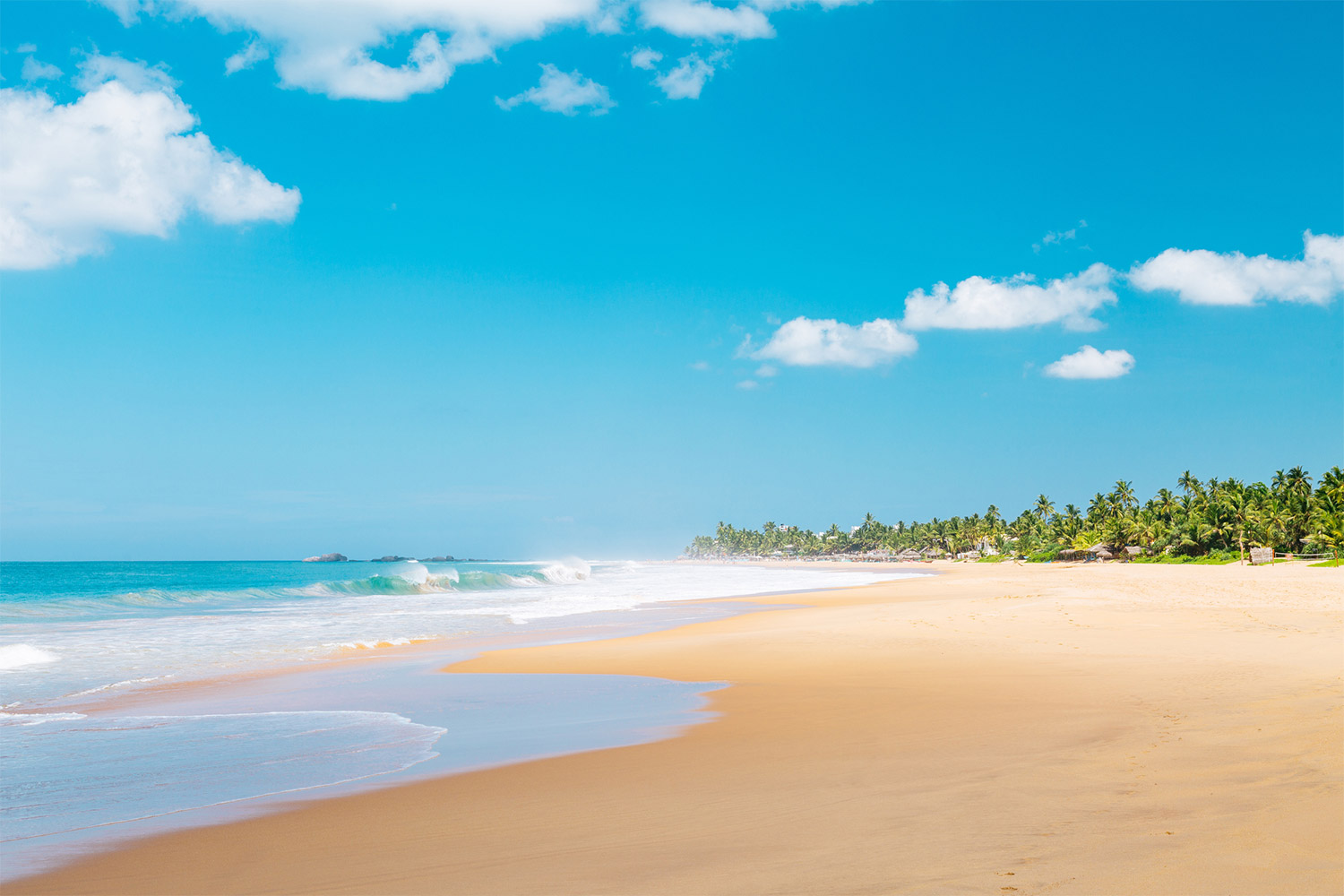
While Sri Lanka’s south coast is often discussed as a single region, we find that where you choose to stay can be just as important as when you travel. In our opinion, the further east you are along the south coast, the more you can get away with travelling outside of the traditional peak months, as the southwest monsoon tends not to hit this area quite as hard.
Areas around Tangalle such as Mawella, Rekawa and Goyambokka often experience slightly milder conditions during the greener months than the far western end of the coast near Galle, Habaraduwa, Ahangama and Weligama. This means that if you’re flexible with where you are along the coast, you can still enjoy excellent south coast stays for much more of the year than people realise.
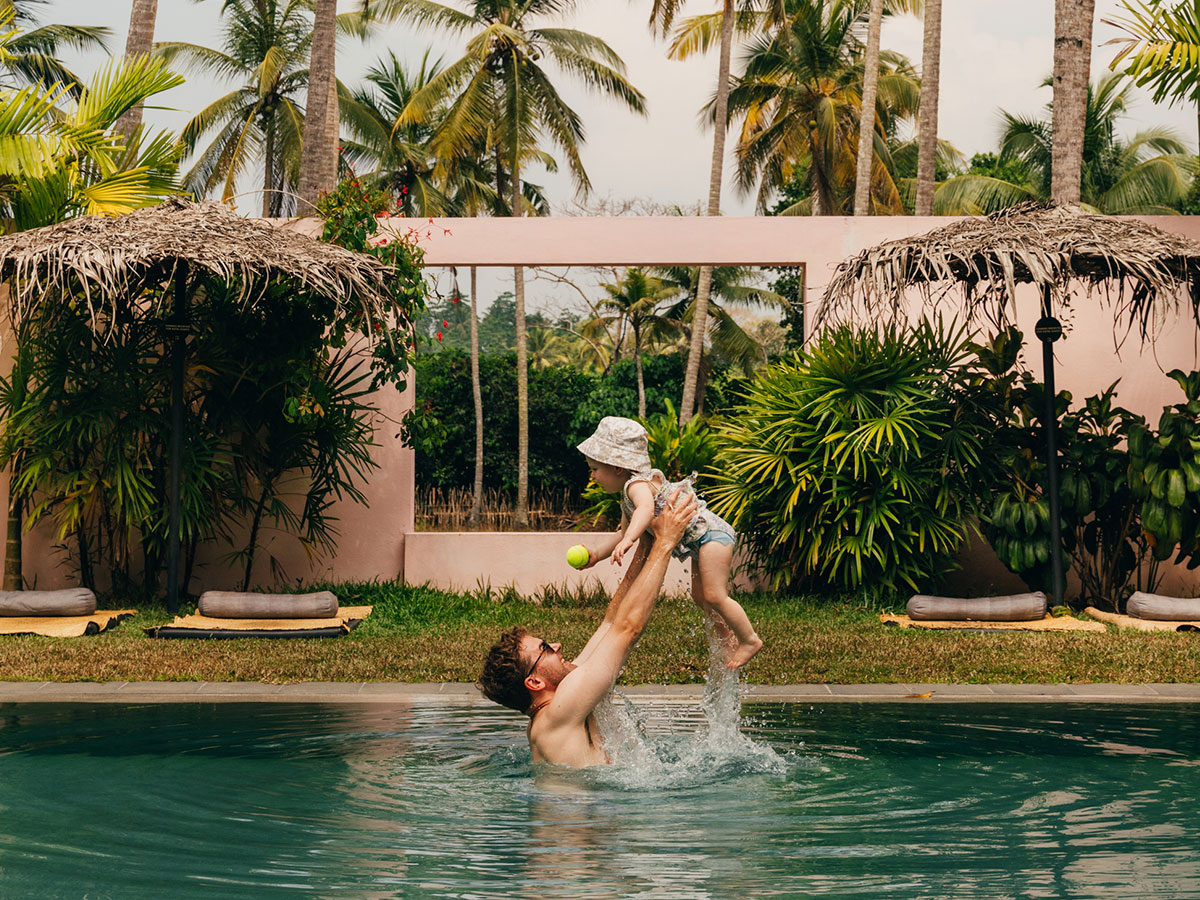
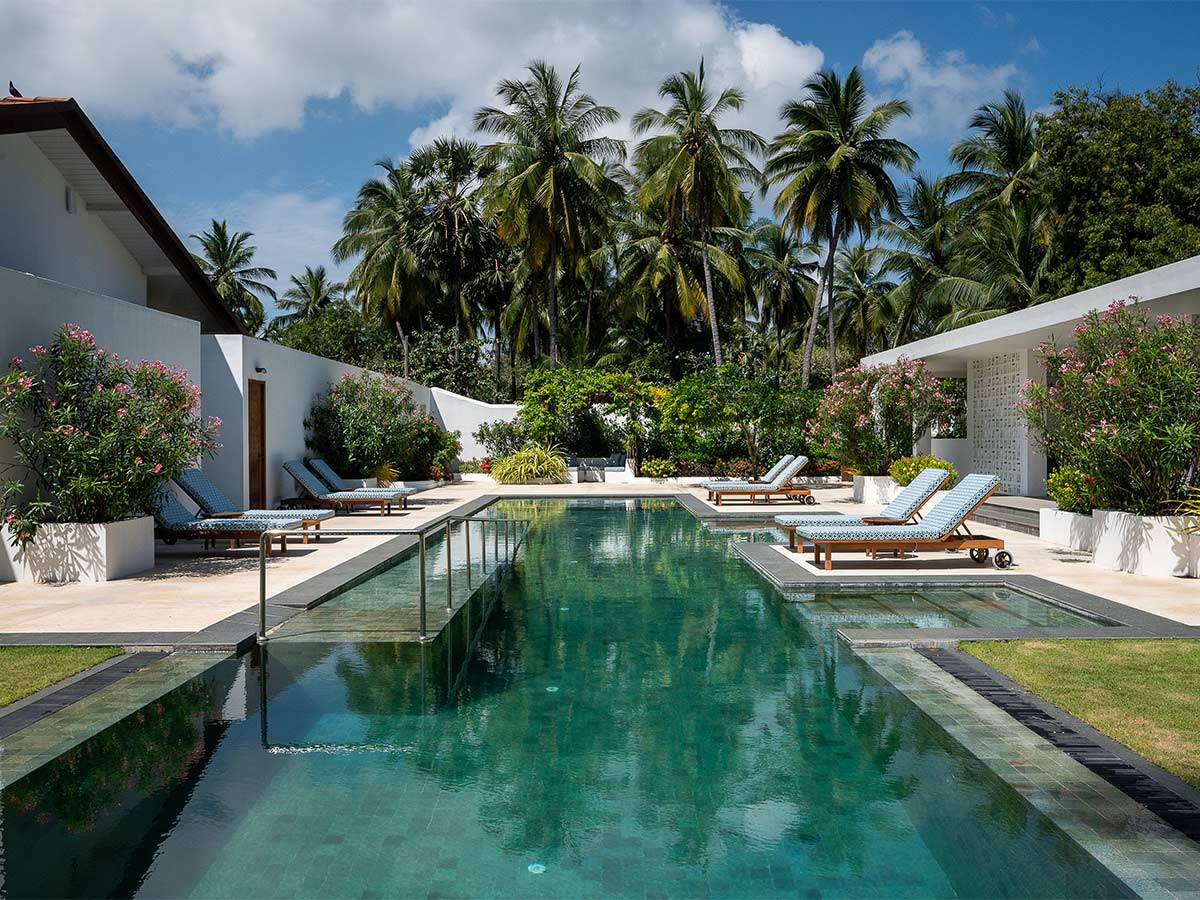
We particularly like recommending inland boutique hotels during shoulder and greener months as they combine beautiful views, peaceful settings and outstanding pools while still being within easy reach of the beach. Properties such as Tekanda Lodge (just inland from the south coast and around ten minutes from the beach) and Malabar Hills (set above Weligama) are good all through the year and wonderful during the occasional shower with their spectacular infinity pools mirroring the shifting colours of the skies.
During the classic dry season from December to April, we prefer beachfront hotels in lively areas where you can fully enjoy the beach, surf scene and coastal villages. Mosvold Villa in Ahangama is a great example, sitting right on the sand in one of the south coast’s hippest surf havens.
Further east, we also adore The Last House, located on the Tangalle side of the coast. This area is slightly drier than the Galle side and remains a strong choice not only in peak season but also during greener months. It’s wonderfully peaceful and ideal if you’re seeking sophisticated seclusion.
A final recommendation is Halcyon Mawella, set on a deep, wide bay with a fantastic beach and relaxed vibe. It’s generally excellent in peak season but, in our experience, it can also work well during the shoulder seasons thanks to its sheltered location.
Monthly Weather Snapshot (based on Tangalle)
| Average High °C | Average Low °C | Average Rain mm | Average Rain Days per month | Average Sun Hours per month | |
|---|---|---|---|---|---|
| Jan | 29 | 24 | 90 | 10 | 8 |
| Feb | 30 | 24 | 70 | 10 | 9 |
| Mar | 30 | 25 | 105 | 14 | 9 |
| Apr | 30 | 25 | 180 | 18 | 8 |
| May | 30 | 25 | 175 | 19 | 7 |
| June | 29 | 25 | 130 | 17 | 8 |
| July | 29 | 25 | 110 | 17 | 8 |
| Aug | 29 | 25 | 120 | 17 | 8 |
| Sept | 28 | 25 | 150 | 17 | 8 |
| Oct | 28 | 24 | 230 | 19 | 8 |
| Nov | 29 | 24 | 285 | 18 | 8 |
| Dec | 29 | 24 | 185 | 15 | 8 |
| Annual Average | 29 | 25 | 152 | 16 | 8 |
Read next
.webp)
.webp)

Meet our experts
Speak to our experts to help you plan your trip
Dreaming of a journey that’s truly your own? Our specialists take the time to understand what excites and inspires you, then craft a holiday that goes far beyond the ordinary. Whether you’re seeking adventure, relaxation, or a perfect balance of both, we’ll design something that’s completely yours. Ready to start planning? Get in touch and let’s create your ideal escape.
Choose your adventure
Speak to one of our team to get started. After all, your travel journal won’t write itself.