Learn more
The Best National Parks in Sri Lanka and When to Go
Yala National Park, Sri Lanka
Best Time to Visit Yala National Park in Sri Lanka
Yala works well for wildlife throughout much of the year, but crowd levels vary significantly depending on season.
February to July: Drier months and generally the easiest time for wildlife viewing. February can still fall within peak season and may be busy.
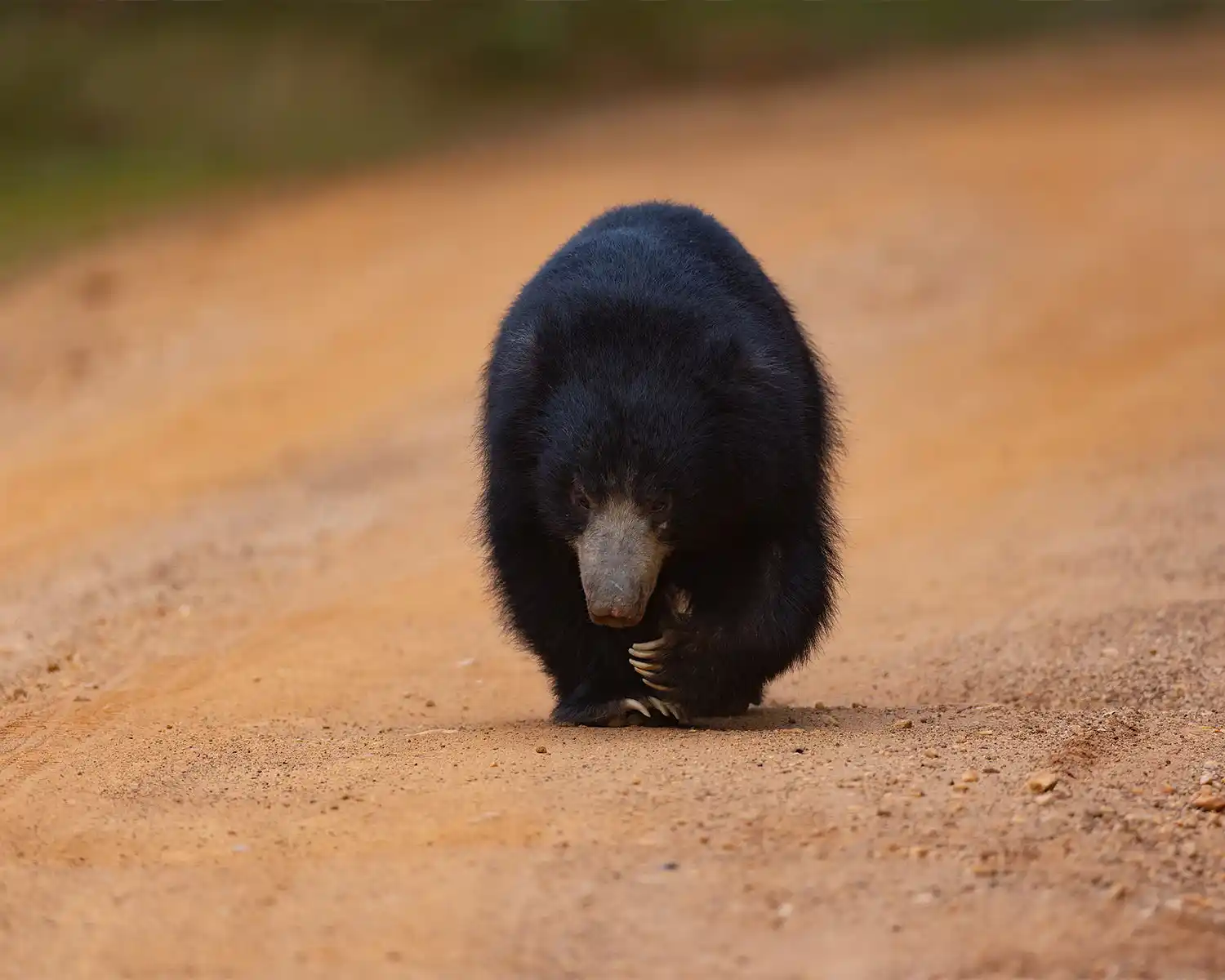
May to July: Best chance of seeing sloth bears during palu fruit season. This is also one of our favourite times to visit as it is typically quieter, which makes the experience far more enjoyable.
August: Very hot, and wildlife viewing can still be good, but it can be busy due to Sri Lankan school holidays.
September: The park often has a temporary closure period for maintenance, which can vary year to year.
October to January: Still a good time to visit, though it can be greener and occasionally wet. December and January are peak festive months and can be particularly busy.
Yala – our opinion
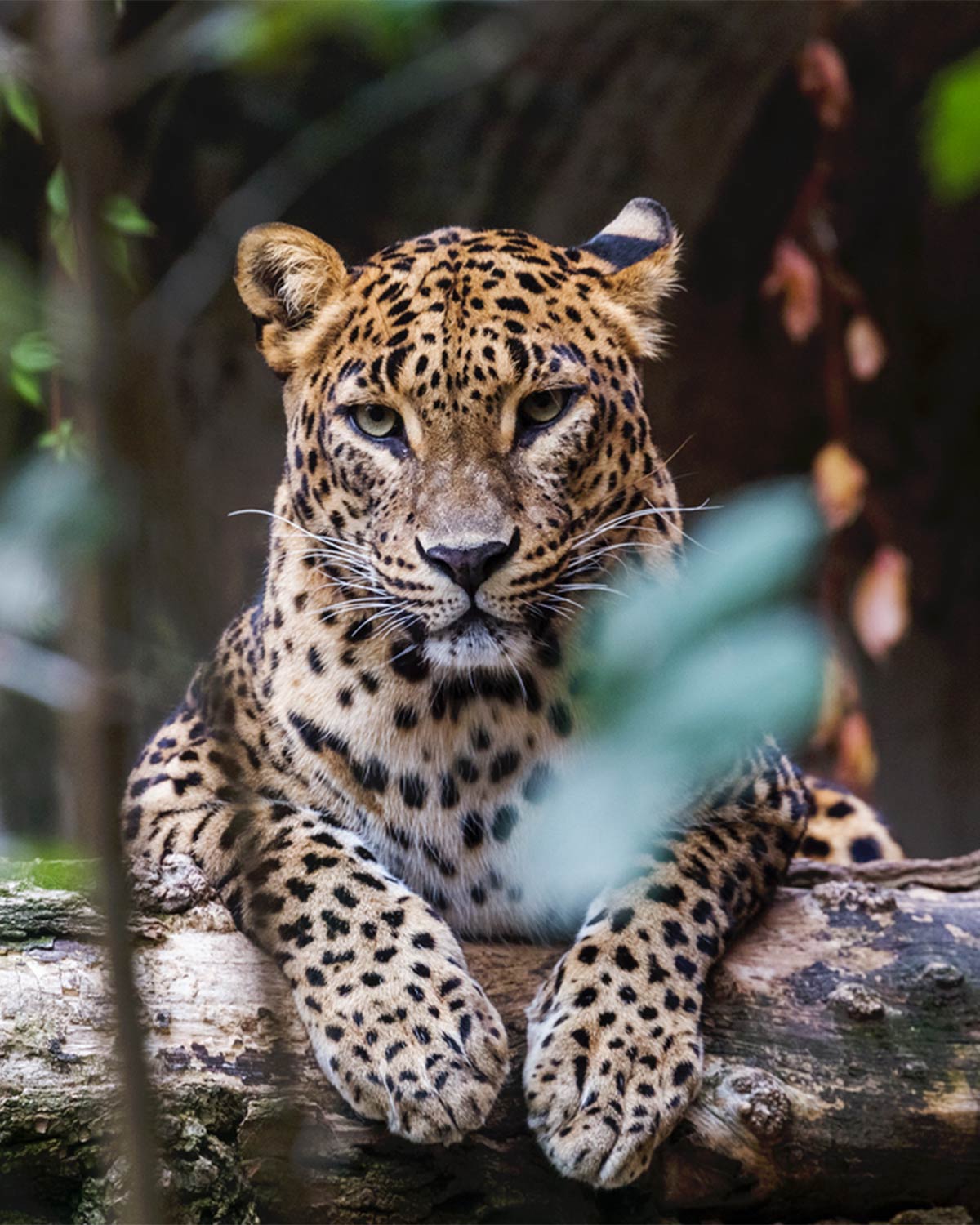
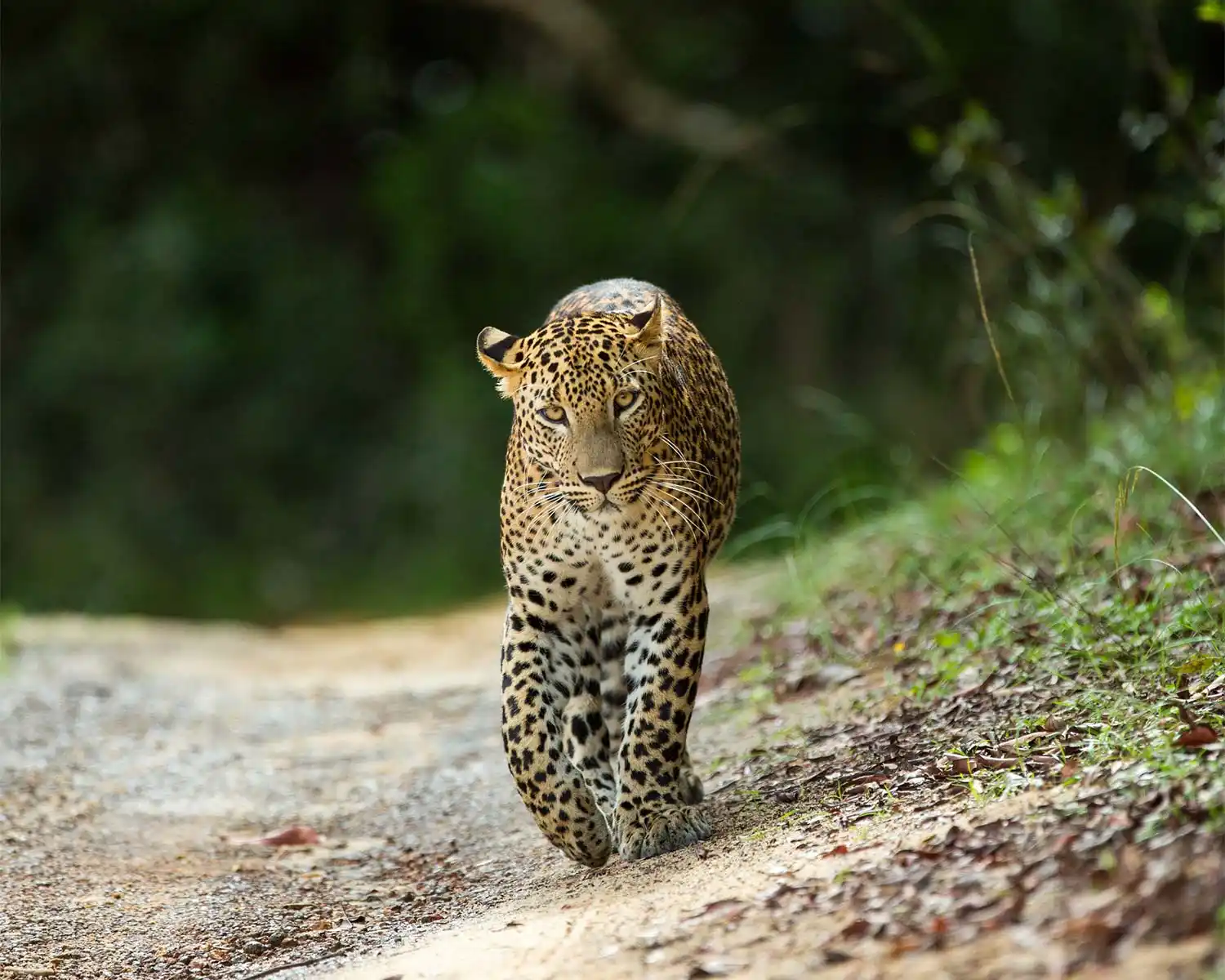
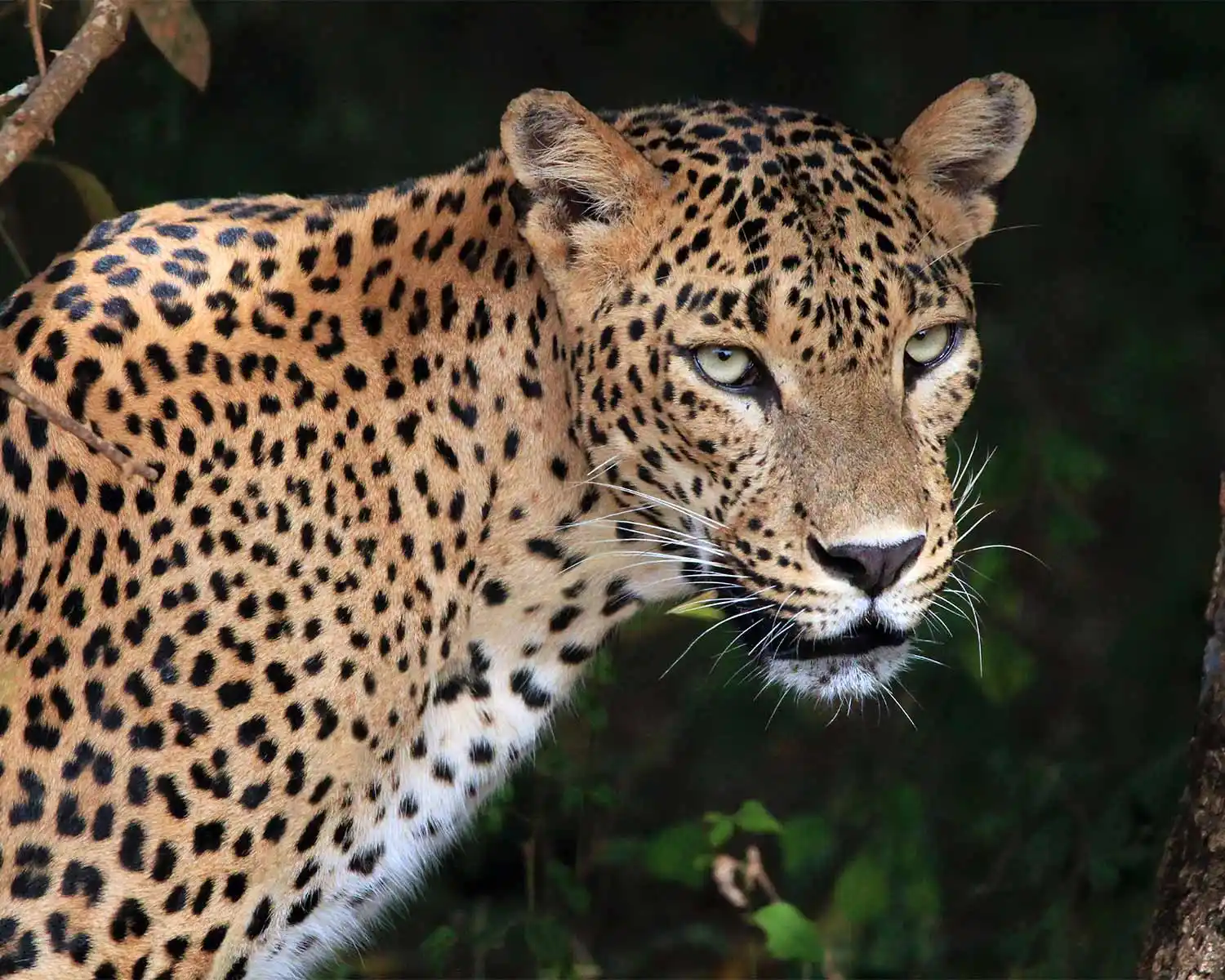
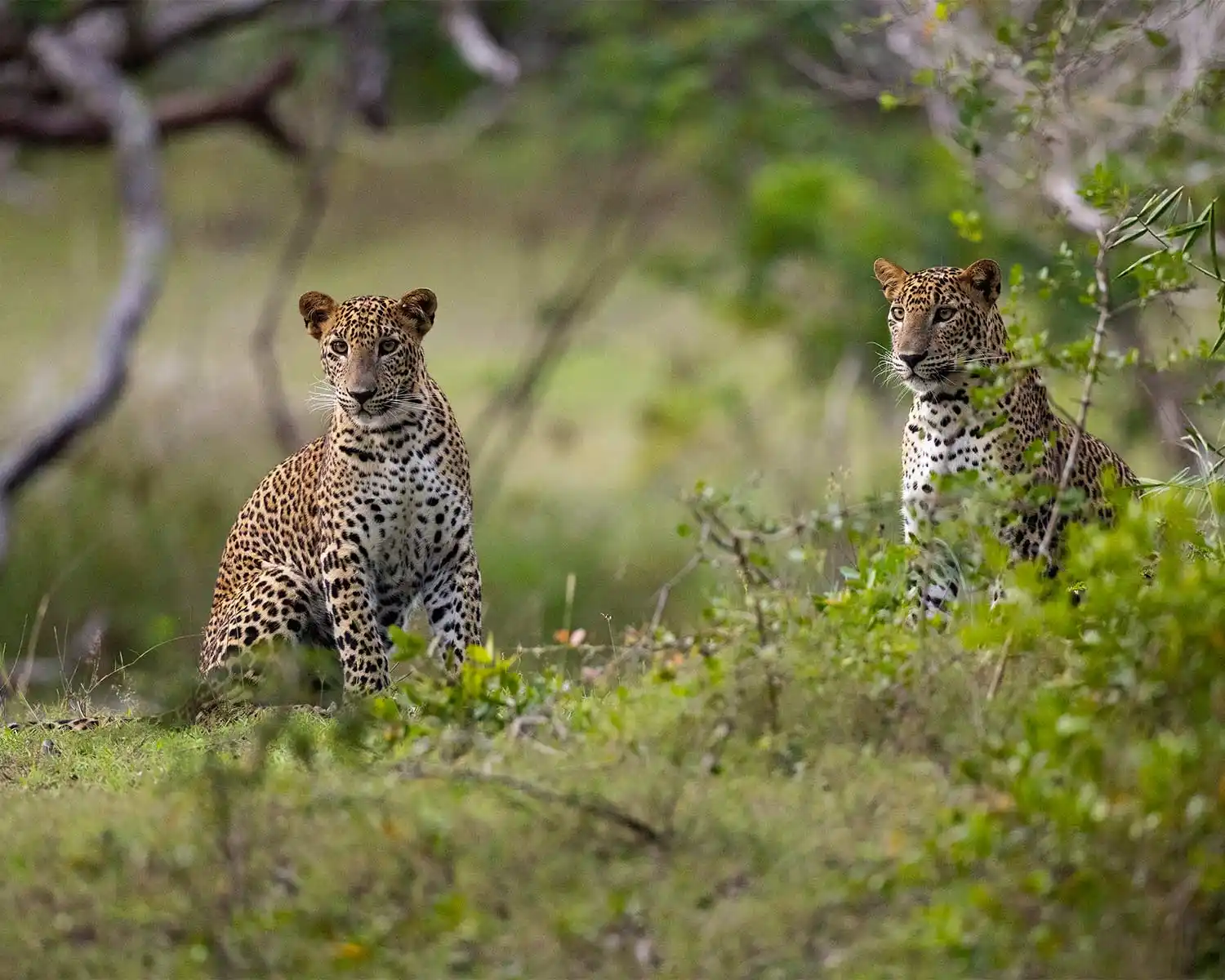
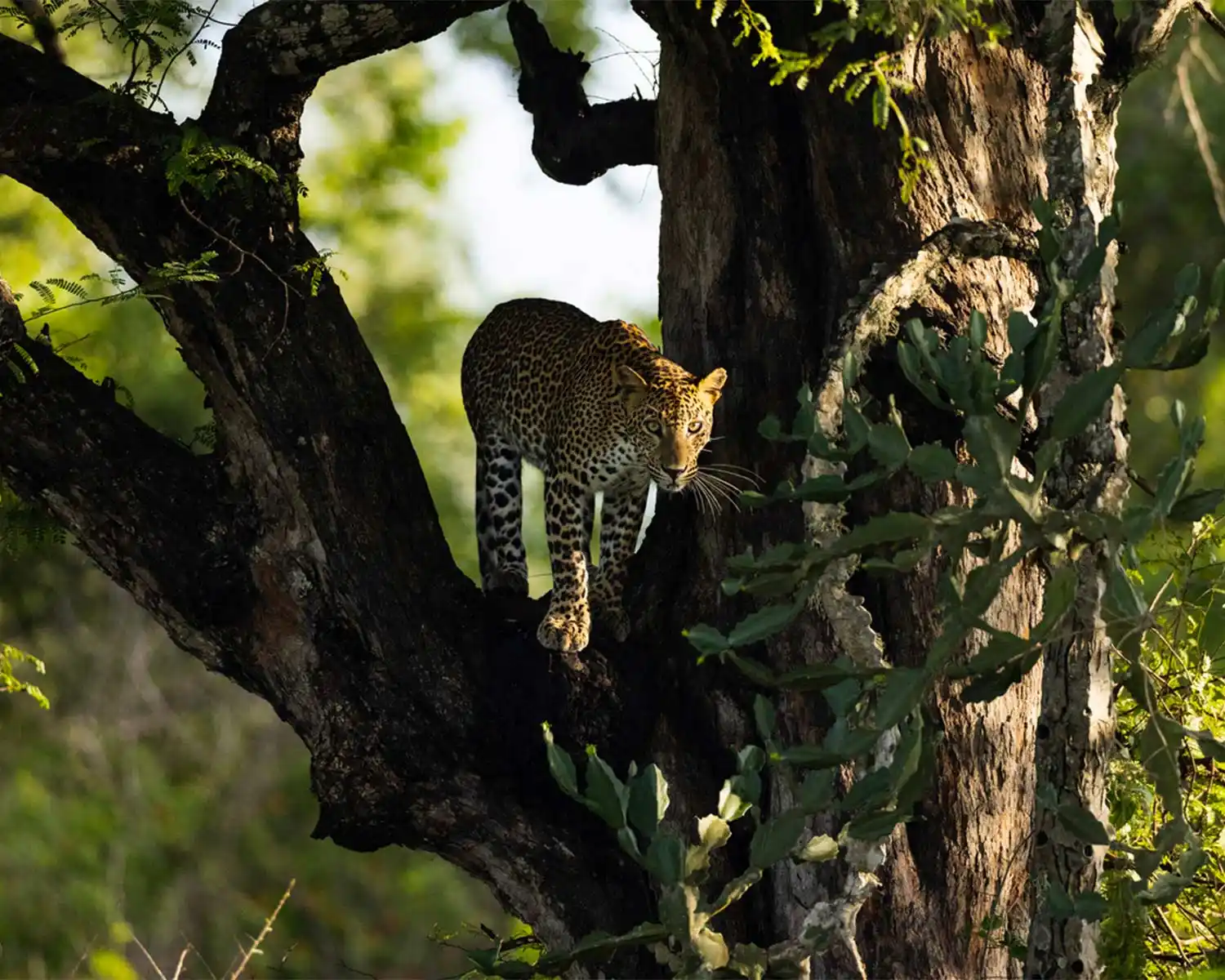
Yala is Sri Lanka’s most famous national park, located along the south-east coast beside the Indian Ocean. It is best known for its leopard population, but also offers striking scenery of scrub jungle, lagoons and coastline. During December, January, February and August, the park can feel crowded, particularly around holidays. In these peak periods we often favour Wilpattu for a more relaxed experience. We particularly enjoy Yala mid-week and during May, June and July, when it feels calmer and more natural. From an ethical perspective, we prefer exploring Block 5 where possible, as it is generally quieter and sees fewer vehicles.Blocks
Yala is divided into five blocks. Most visitors head to Block 1, which offers the most reliable leopard sightings but can also attract the highest concentration of vehicles. Block 5 feels more remote and less pressured, and for us often provides a more ethical and enjoyable safari experience. There are accommodation options nearby that make access easier. If staying at lodges such as Chena Huts or Wild Coast Tented Lodge, reaching Block 5 can mean a longer transfer compared to using the main Block 1 entrances
Entrance Gates for Block 1
The main gates for Block 1 are Palatupana, which is the most commonly used and often busy, and Katagamuwa, which is usually a little quieter.
What wildlife can you see in Yala?
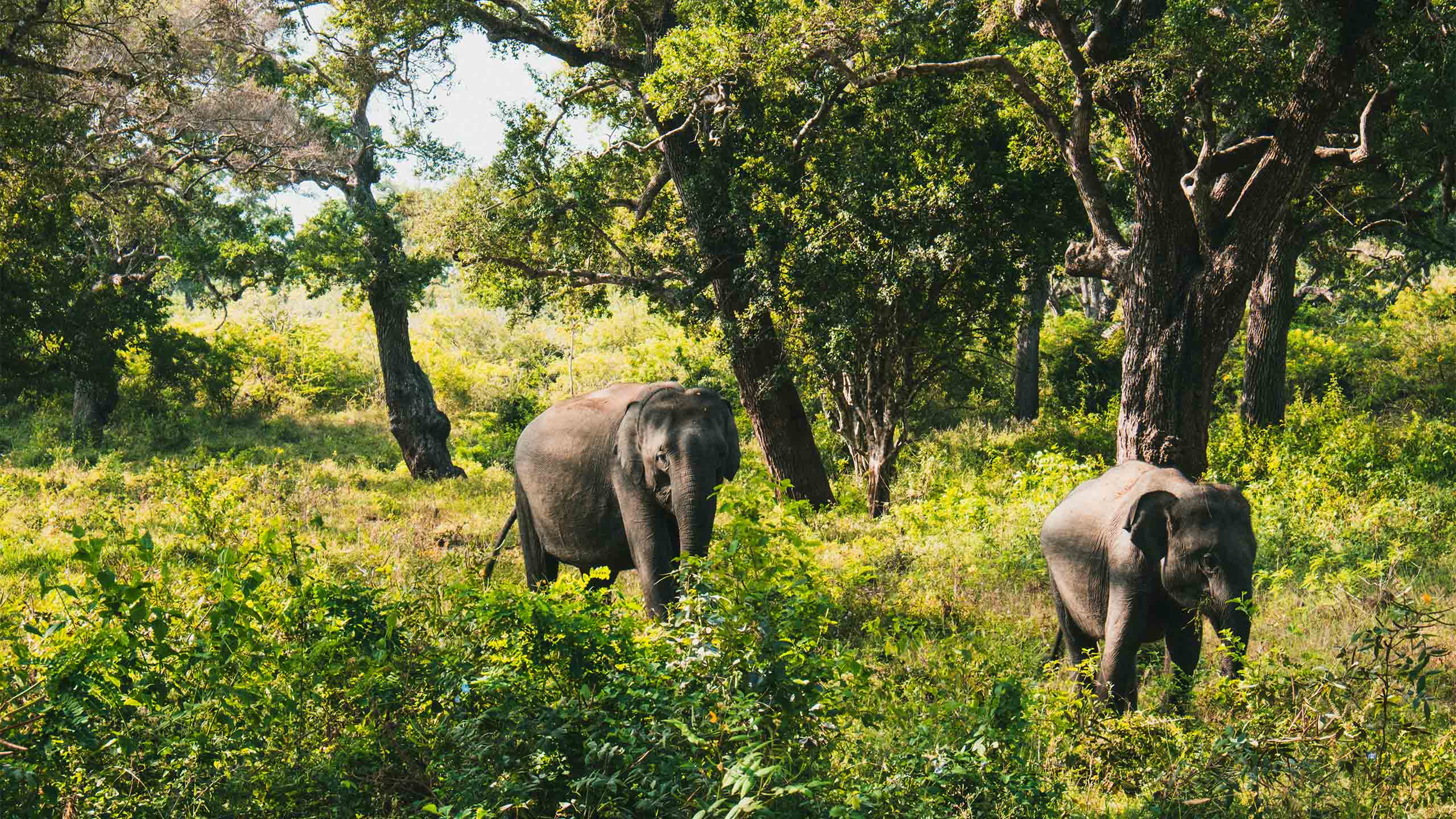
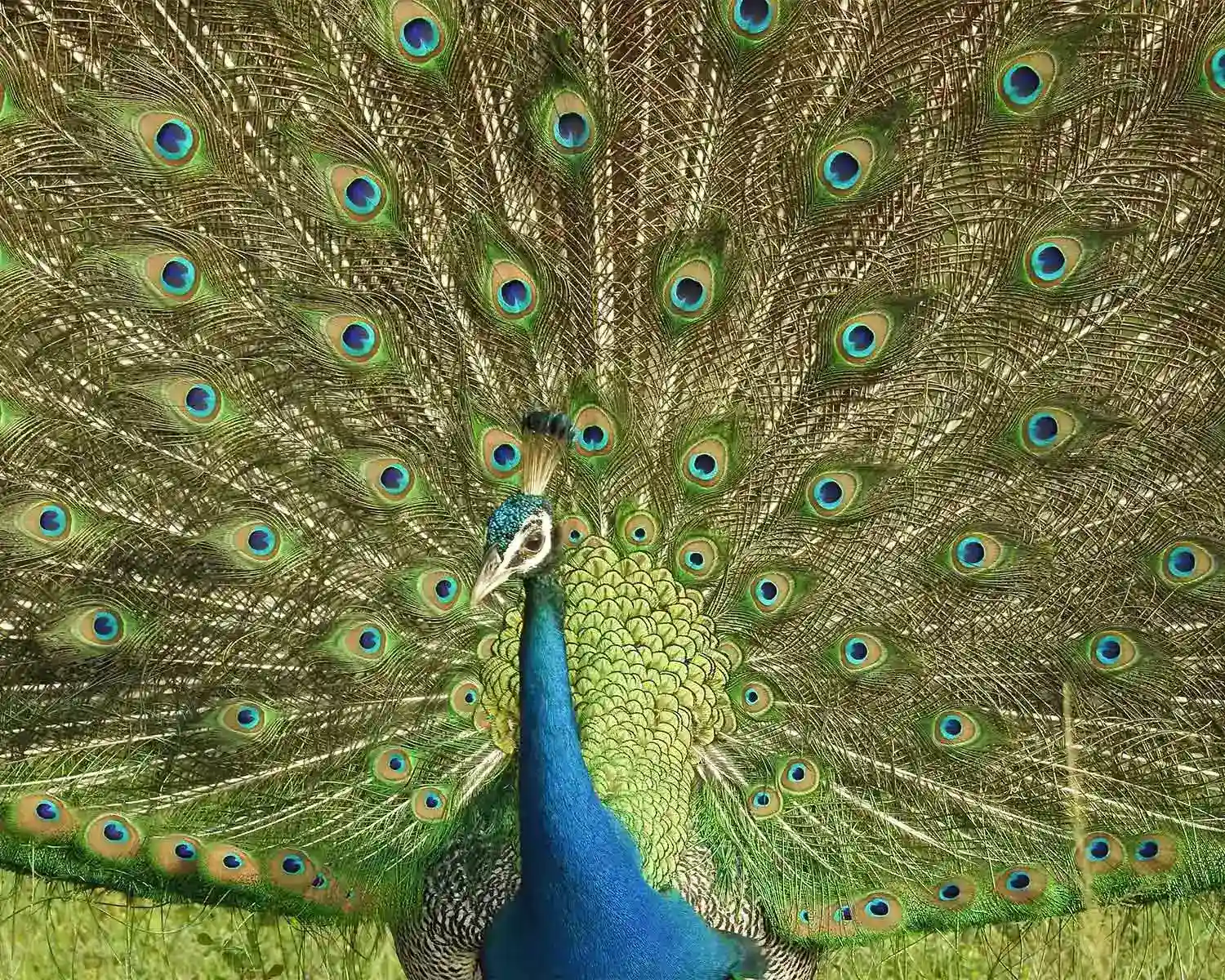
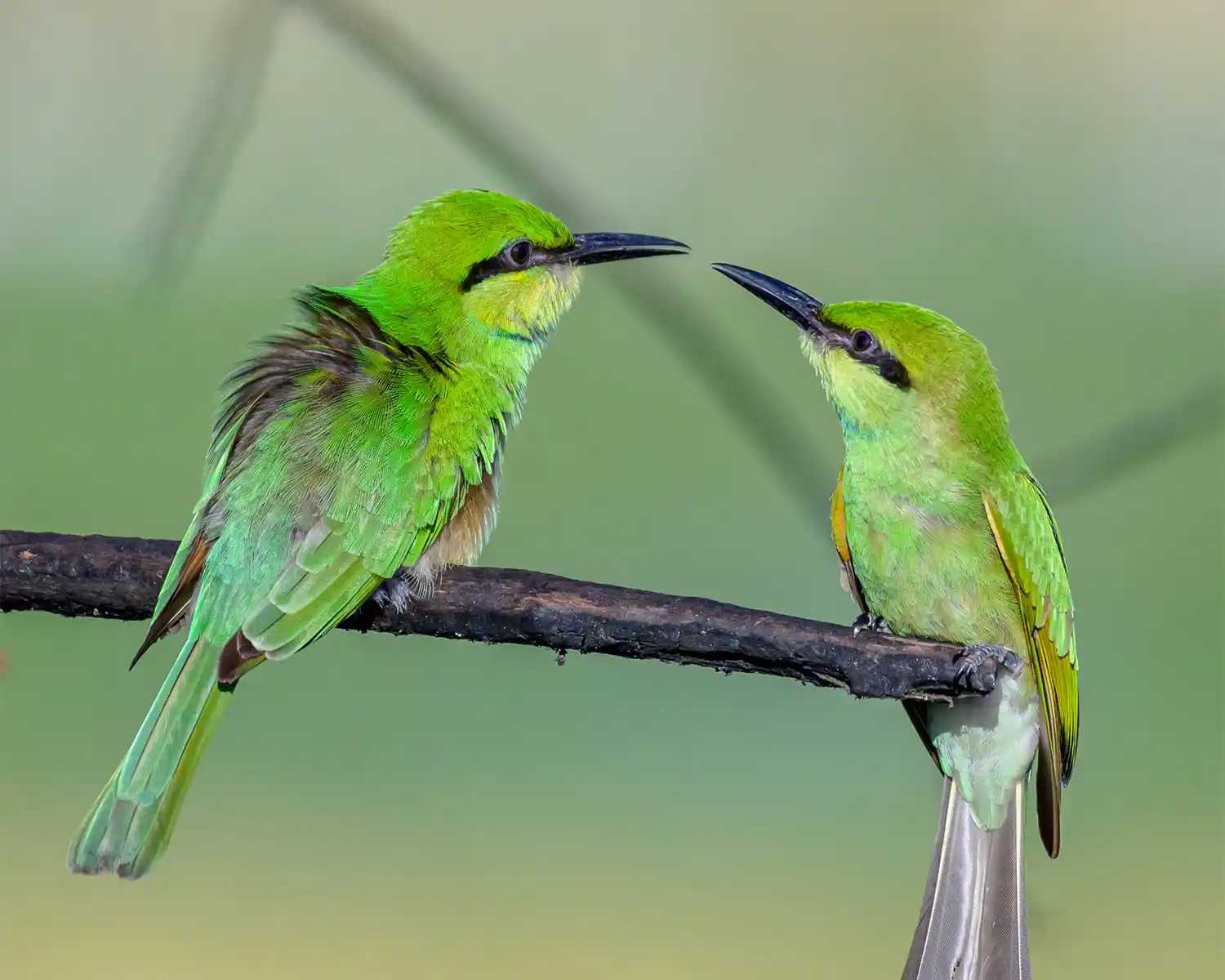
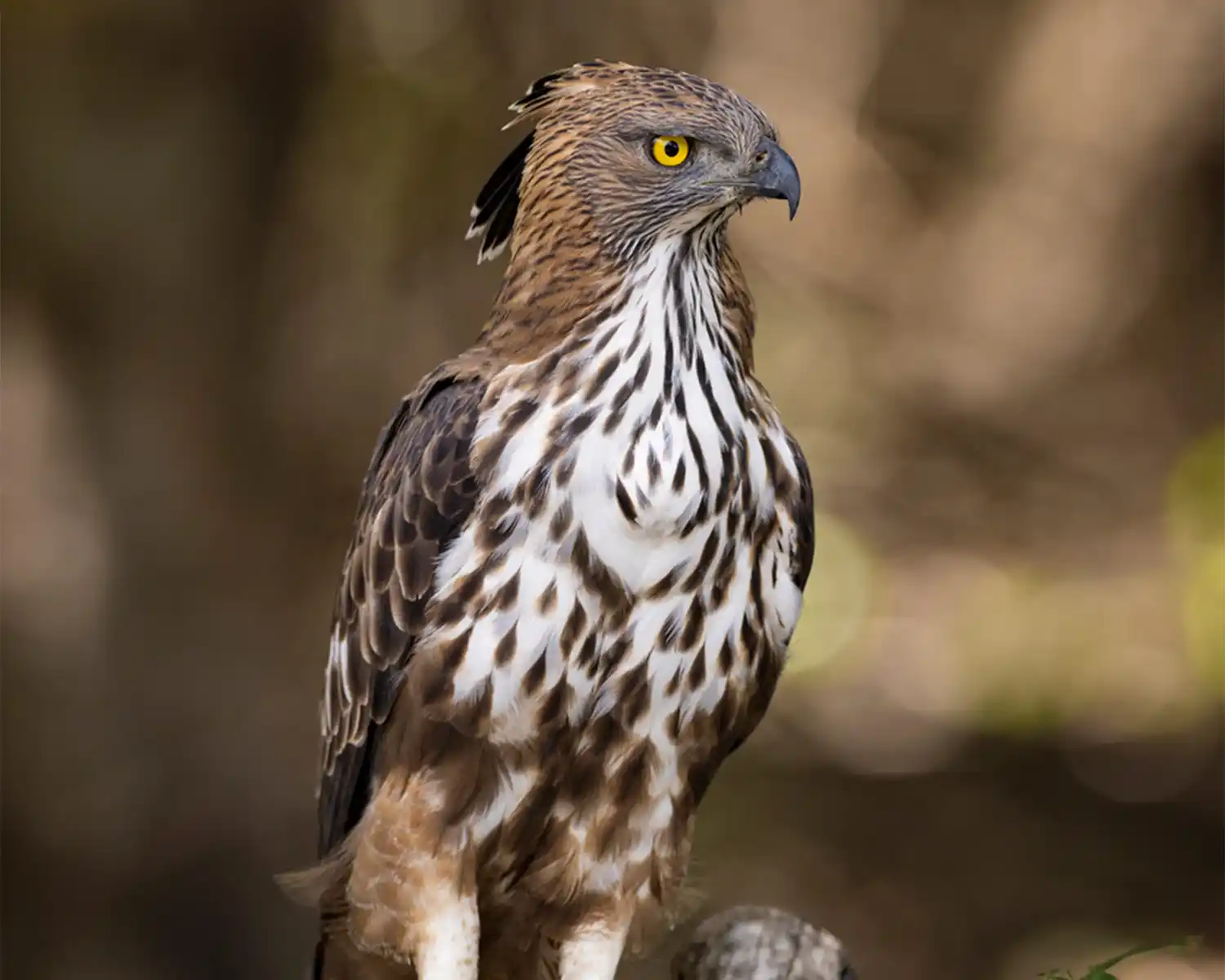
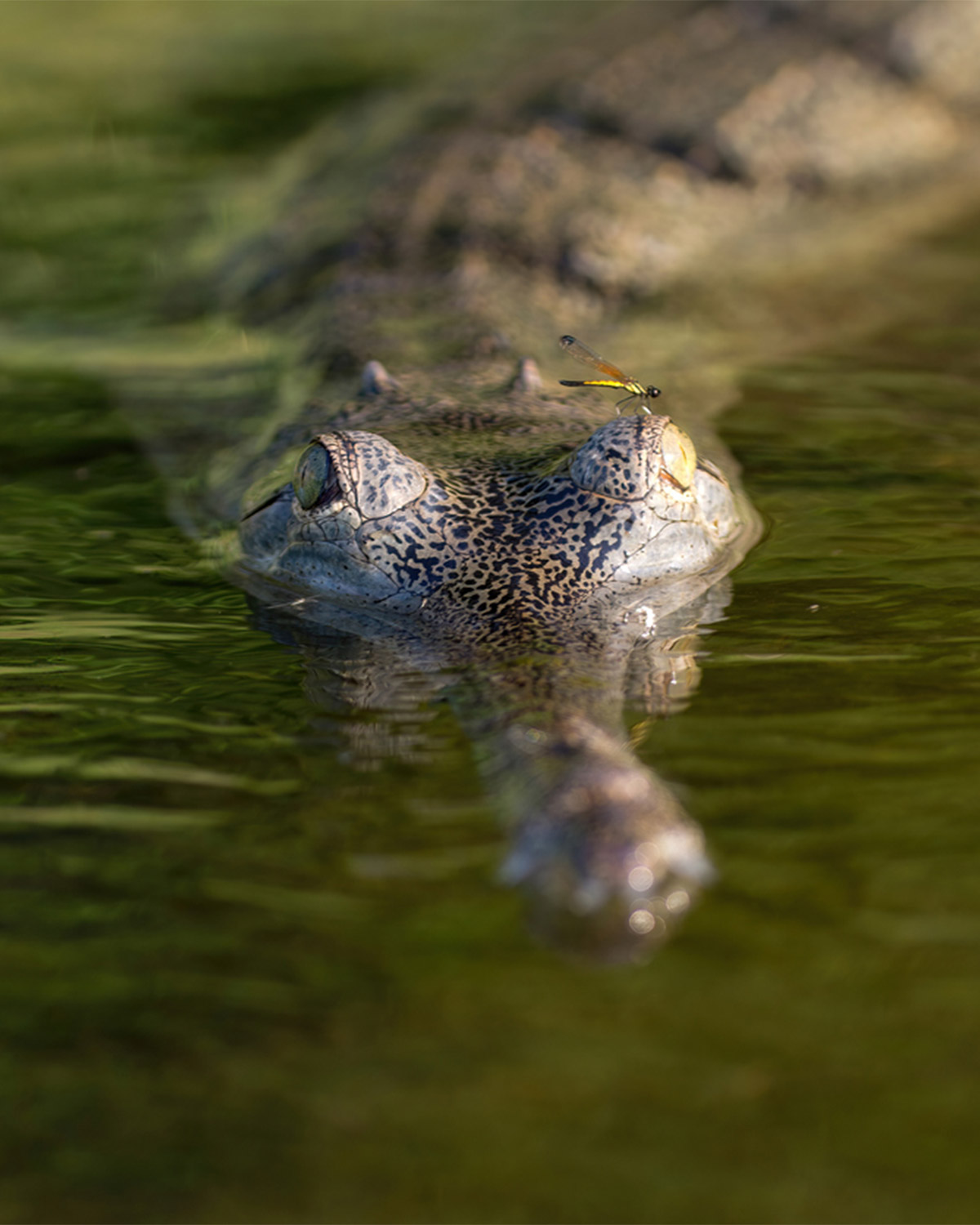
Yala is known for Sri Lankan leopards, Asian elephants, sloth bears, mugger crocodiles, spotted deer and wild boar. Birdlife is particularly strong, with Sri Lanka grey hornbill, Sri Lanka junglefowl, painted storks, spot-billed pelicans, black-headed ibis, Eurasian spoonbills, Asian openbills, peafowl, bee-eaters and raptors including crested serpent eagles and white-bellied sea eagles.
Sloth Bears
Sloth bears are most likely from May to July during palu fruit season, usually on early morning drives. Outside this period, they are much harder to find.Wilpattu National Park, Sri Lanka
Best Time to Visit Wilpattu National Park in Sri Lanka
Wilpattu is good throughout the year, though the dry months tend to make wildlife easier to see.
February to October: Best overall conditions.
May to September: Drier, with animals gathering around water.
October to January: Rain can affect access at times.
Wilpattu – our opinion
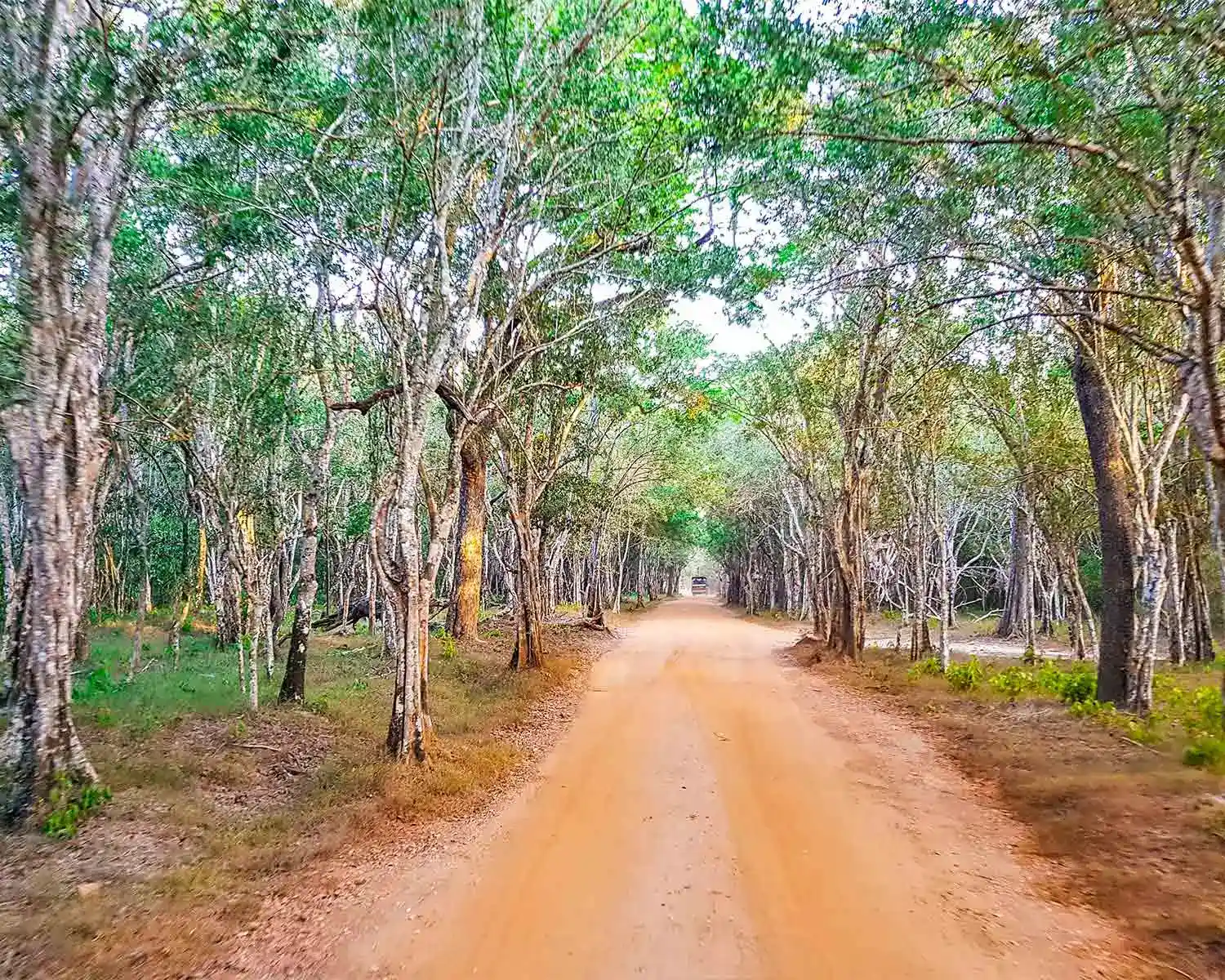
Wilpattu is Sri Lanka’s largest national park and, in our view, one of the best all-round wildlife experiences in the country. Known for its natural lakes or villus and thicker forest, it feels properly wild and far less pressured than Yala. In high season, when Yala can be busy, we would generally choose Wilpattu for the overall experience. The lower vehicle density and greater sense of space often make sightings feel more natural.
Entrance Gates
The main entrance is at Hunuwilagama, with Eluwankulama serving as a secondary entrance.
What wildlife can I see in Wilpattu?
Wilpattu is known for leopards, sloth bears, Asian elephants, sambar, spotted deer and mugger crocodiles. Around the villus you will often see painted storks, white ibis, openbills, grey herons, Sri Lanka junglefowl, brown fish owls and a strong variety of raptors.Gal Oya National Park, Sri Lanka
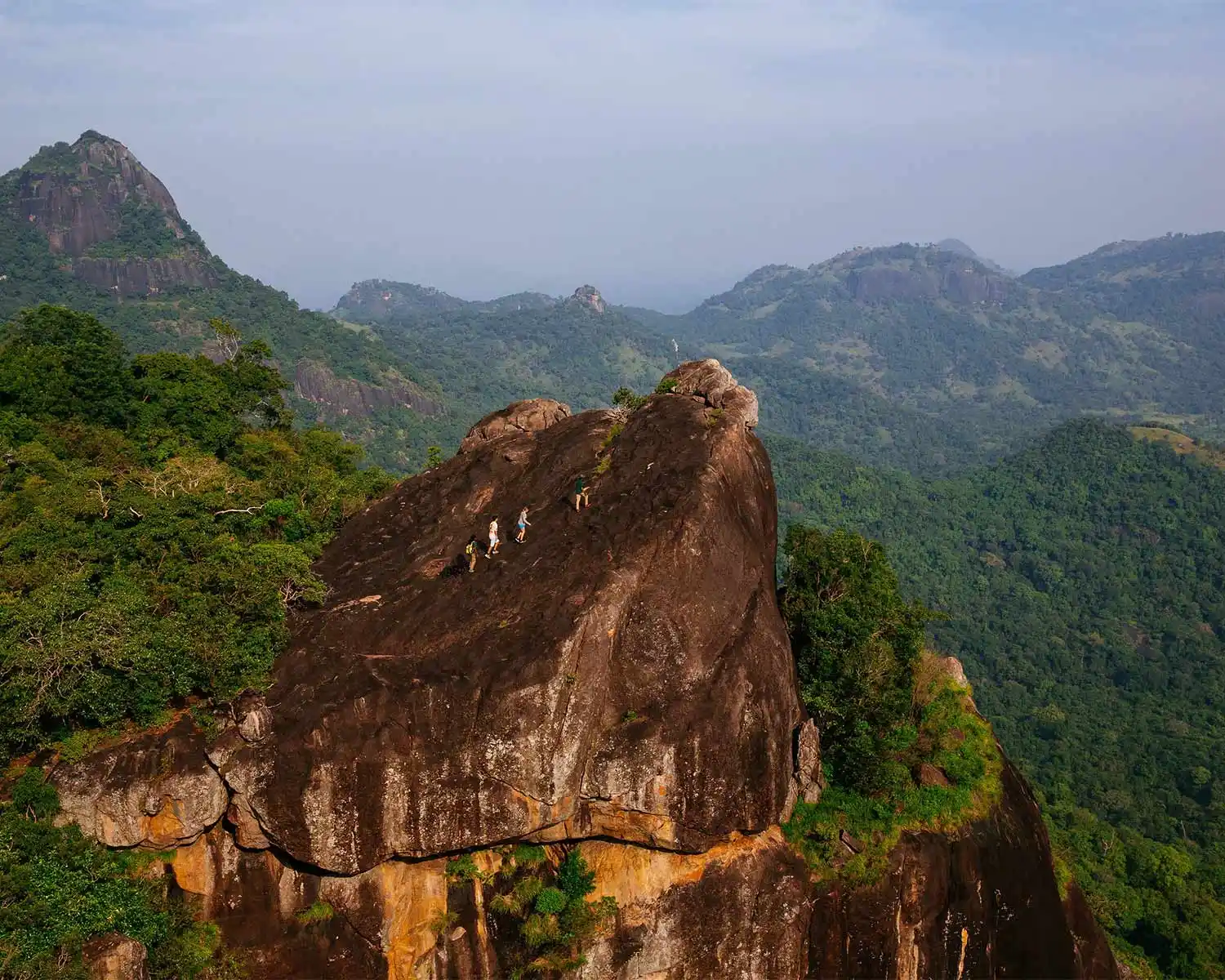
Best Time to Visit Gal Oya National Park in Sri Lanka
May to September: Best overall conditions.
October to January: Greener and sometimes wetter.
Visitor numbers are low compared to the southern parks.
Gal Oya – our opinion
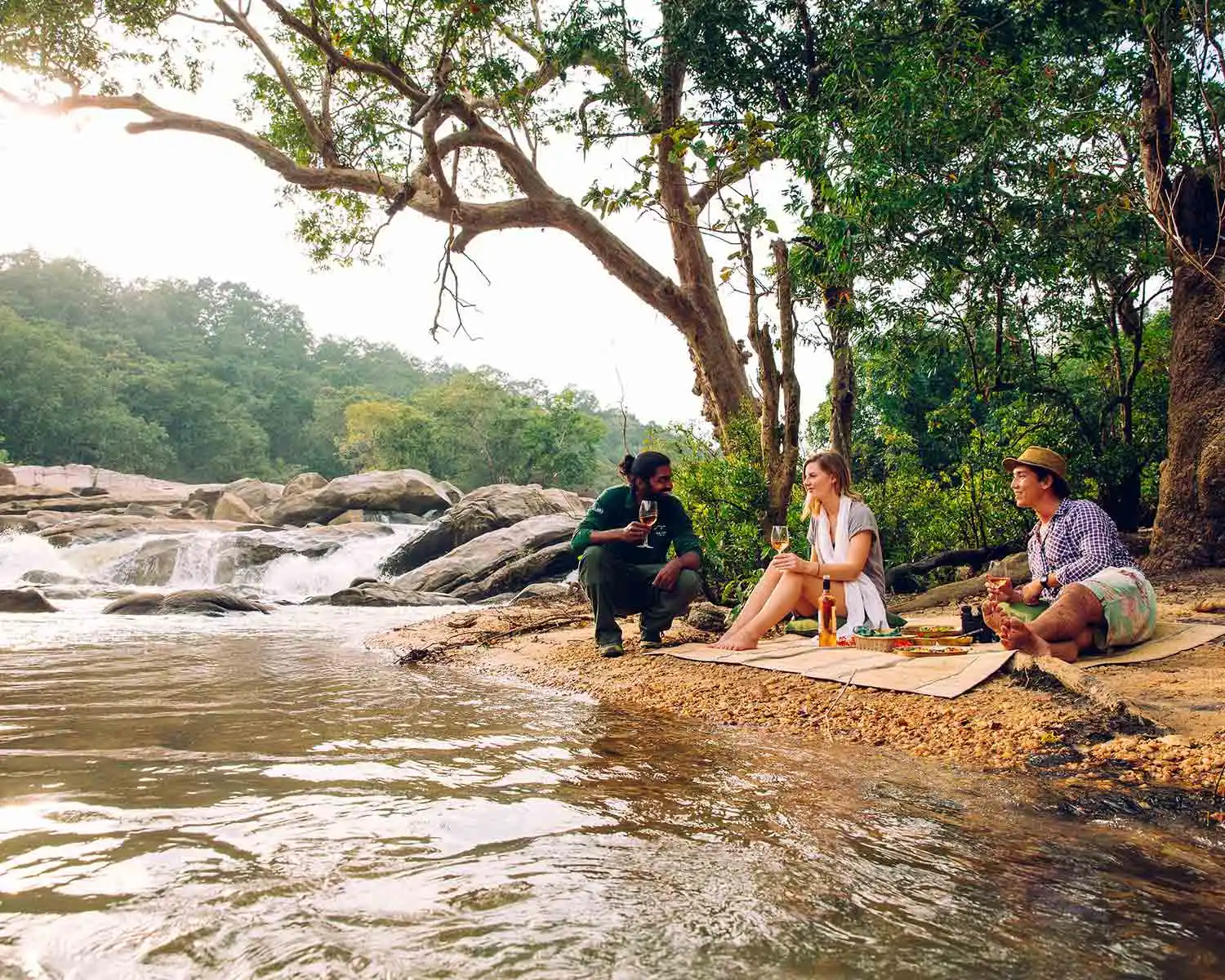
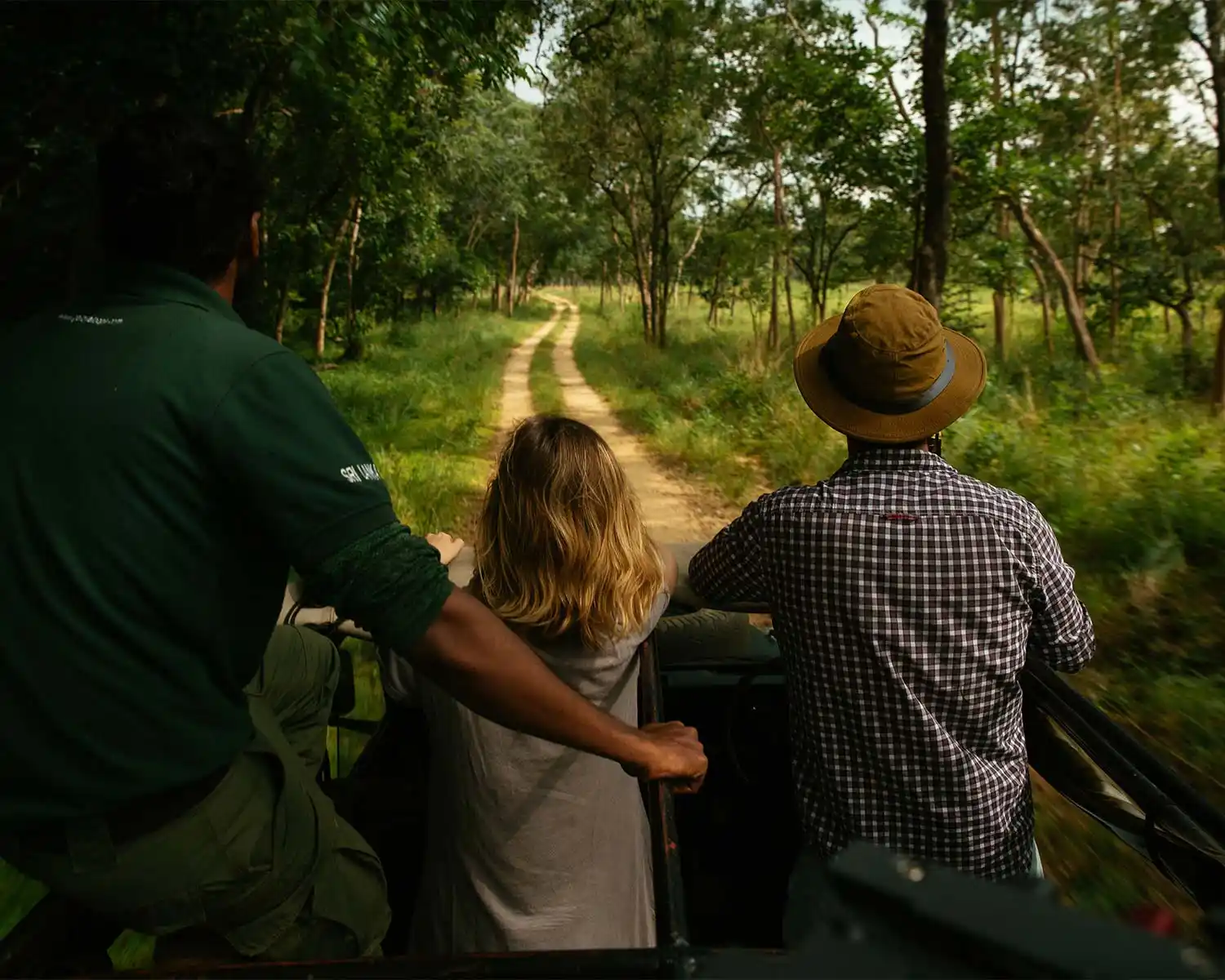
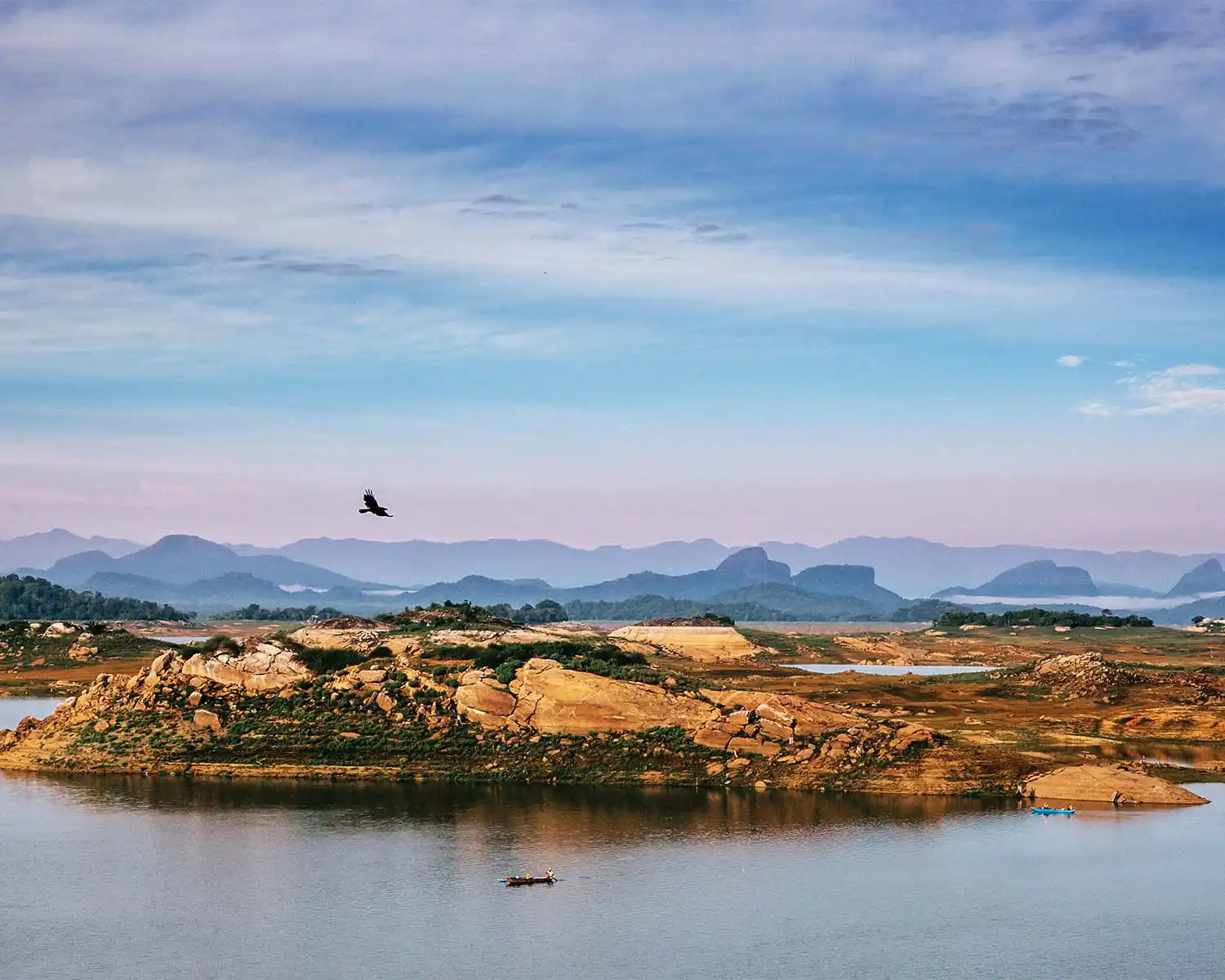
Gal Oya offers a very different safari experience centred around the vast Senanayake Samudraya reservoir. The scenery is beautiful and remote, and the atmosphere feels more wilderness-focused than sighting-driven. Wildlife encounters feel like a bonus rather than the sole objective. It is one of the quietest parks in the country and one of our favourites for a slower, more immersive experience. It’s a good option for teenagers too. When staying at Gal Oya Lodge, experiences can include boat safaris where elephants are sometimes seen swimming between islands, traditional jeep safaris, guided nature walks and visits to a local Veddha community.
What wildlife can I see in Gal Oya National Park?
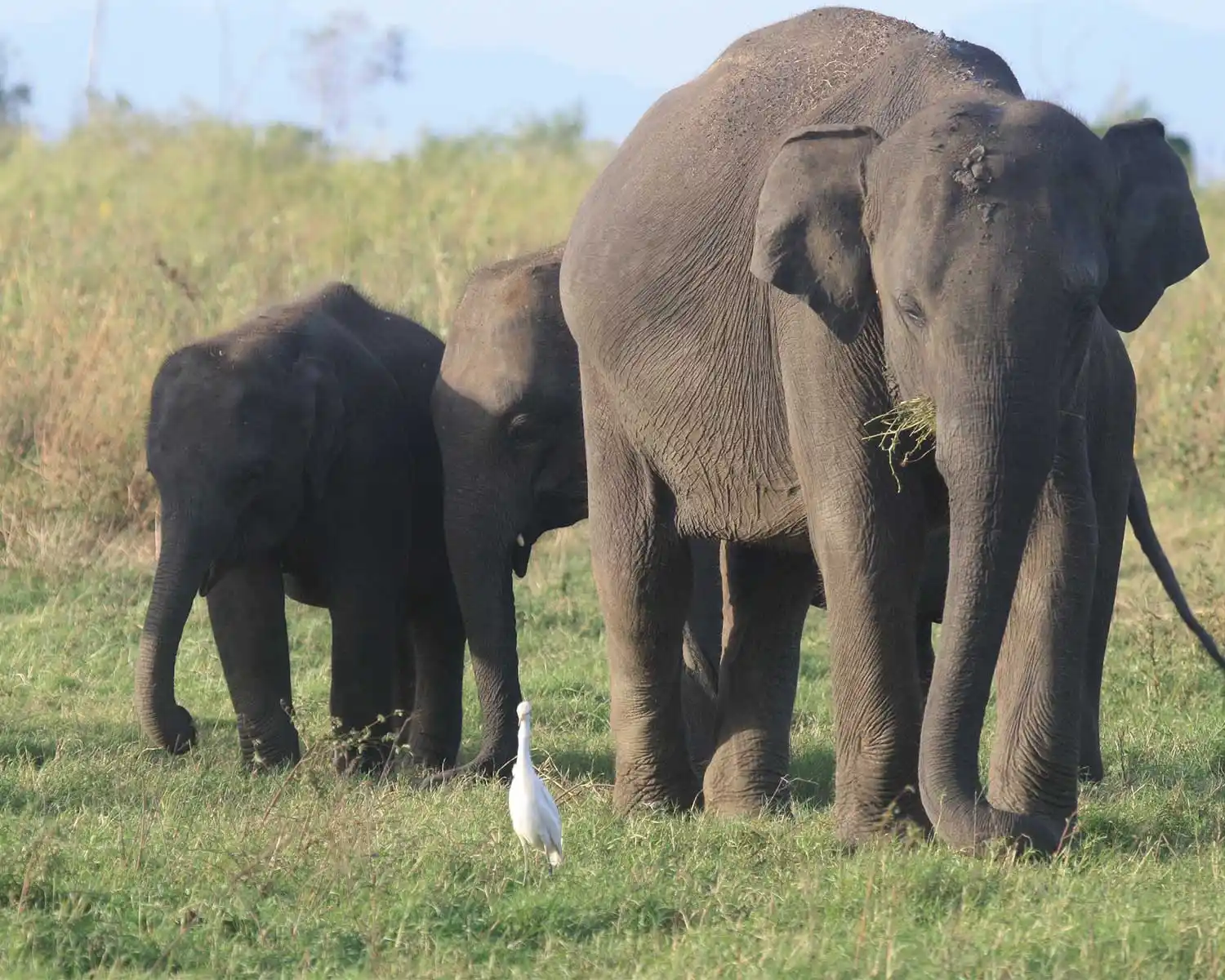
Gal Oya is known for elephants, crocodiles, buffalo and deer. Birdlife around the reservoir can be excellent, with white-bellied sea eagles, grey-headed fish eagles, darters, cormorants and kingfishers along the shoreline.
What Makes Gal Oya Special
It is one of the few places in Sri Lanka where elephants are regularly seen swimming between islands. The scenery, remoteness and lack of crowds are what really set it apart.
Uda Walawe National Park, Sri Lanka
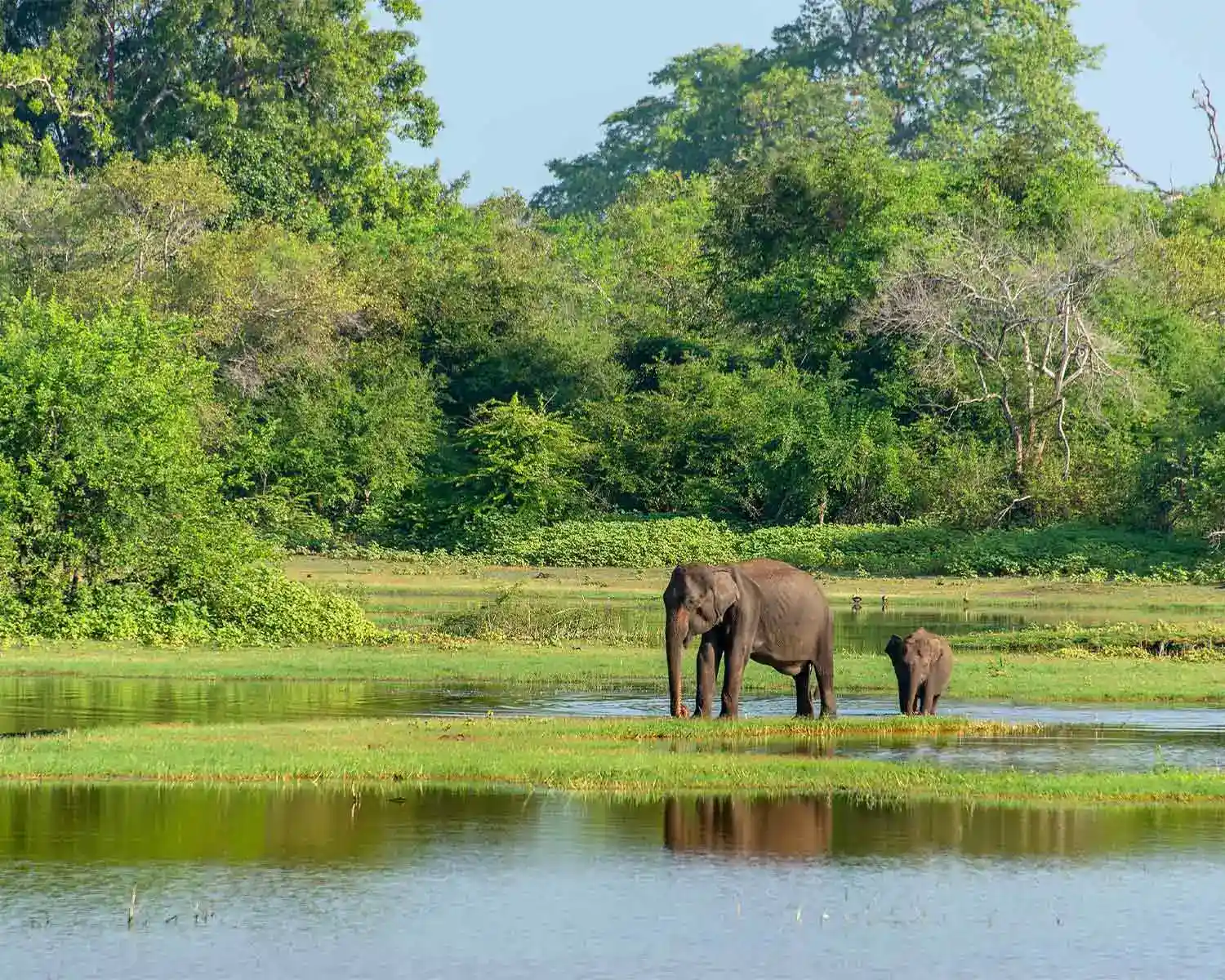
Best Time to Visit Uda Walawe National Park in Sri Lanka
Uda Walawe offers reliable wildlife viewing all year.
Year-round: Excellent for elephants.
May to September: Slightly easier viewing in drier months.
It can be busy, especially at weekends.
Uda Walawe National Park – our opinion
Uda Walawe is known for its open landscapes and large reservoir, which make wildlife easy to spot. It is one of the most reliable places in Sri Lanka to see elephants at close range and is easy to get to logistically. The terrain offers excellent visibility, making it particularly rewarding for first-time safari visitors. However, it can get extremely busy at times.
Wildlife in Uda Walawe National Park
Large herds of Asian elephants are the main draw, along with buffalo, spotted deer, crocodiles and jackals. Birdlife includes crested serpent eagles, changeable hawk-eagles, painted storks, black-headed ibis, bee-eaters, kingfishers and peafowl.
Kumana National Park, Sri Lanka
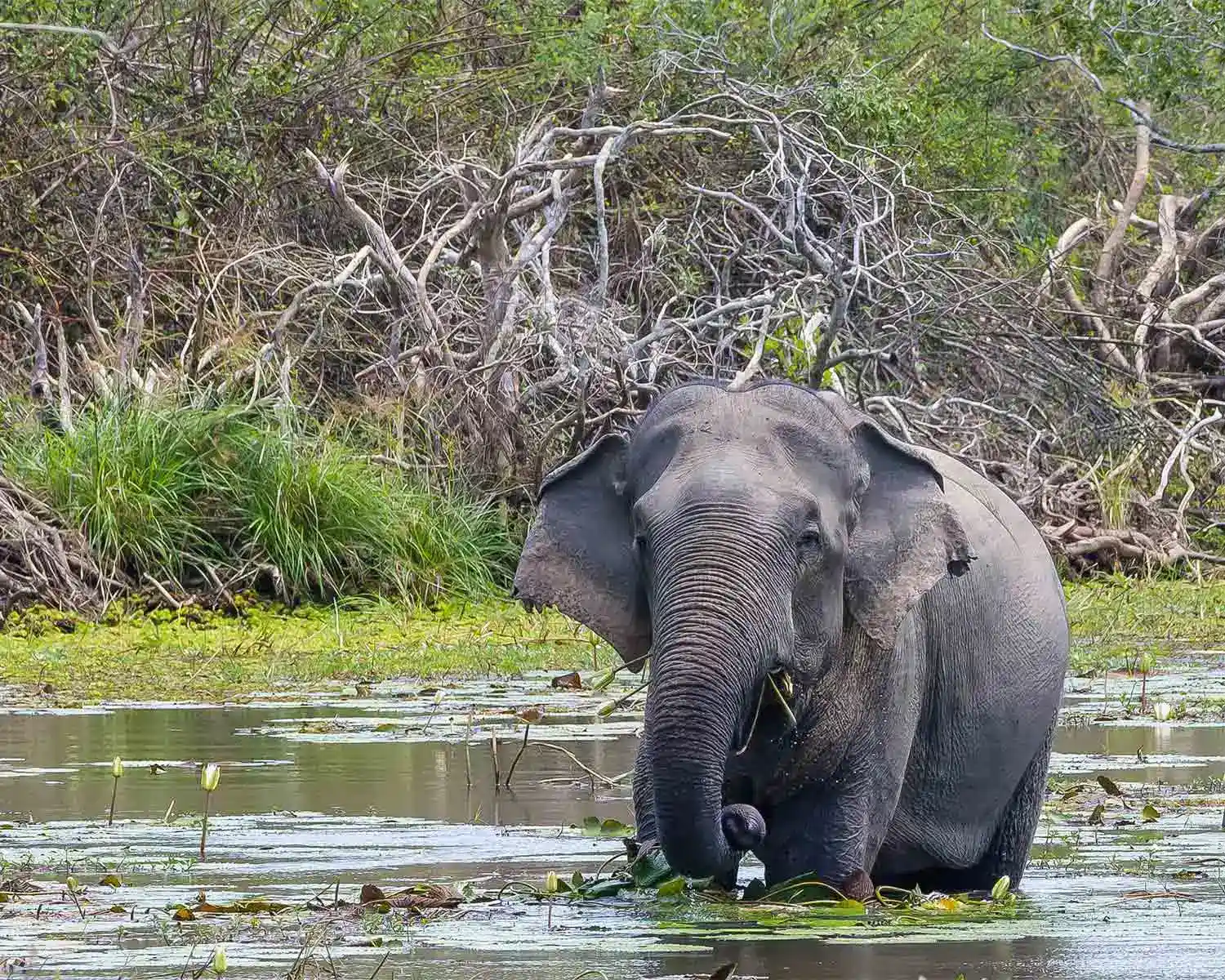
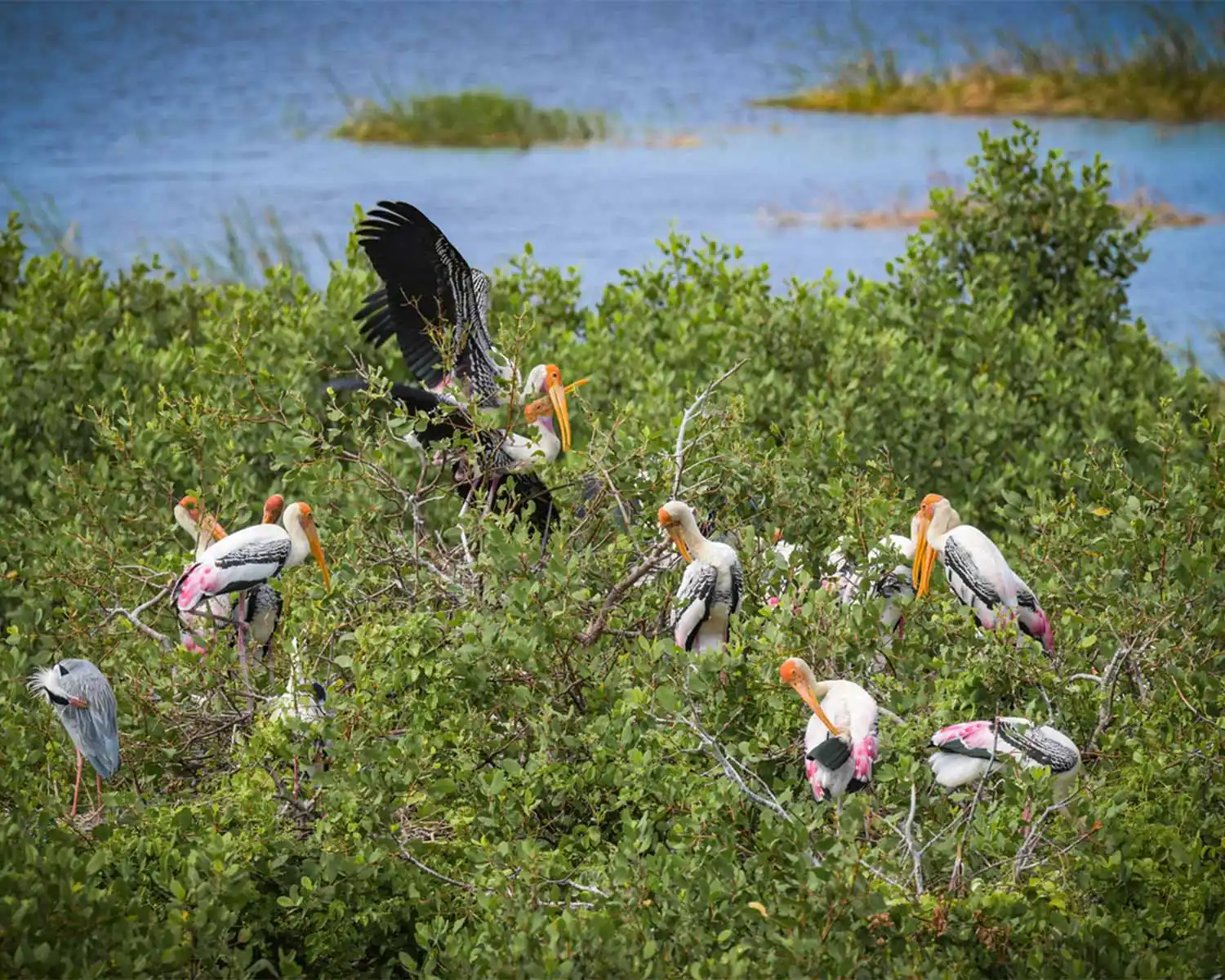
Best Time to Visit Kumana National Park in Sri Lanka
April to September: Generally the best period for bird activity.
May to August: Peak nesting season.
October to January: Wetter and quieter.
Kumana National Park – our opinion
Kumana is best known for birdlife, particularly large waterbird colonies during the dry season. Its wetlands attract seasonal breeding activity and migratory species. It offers a quieter alternative to nearby Yala, with a stronger focus on birdwatching than large mammal sightings.
What wildlife can I see in Kumana?
Kumana is particularly known for waterbird breeding colonies during the dry season, along with a variety of raptors and wetland species. Elephants, leopards and crocodiles are also present.
Minneriya National Park, Sri Lanka
Best Time to Visit Minneriya National Park in Sri Lanka
July to September: Peak of the elephant gathering (busy)
June to October: Broader gathering season.
November to January: Greener; elephants disperse
Minneriya – our opinion
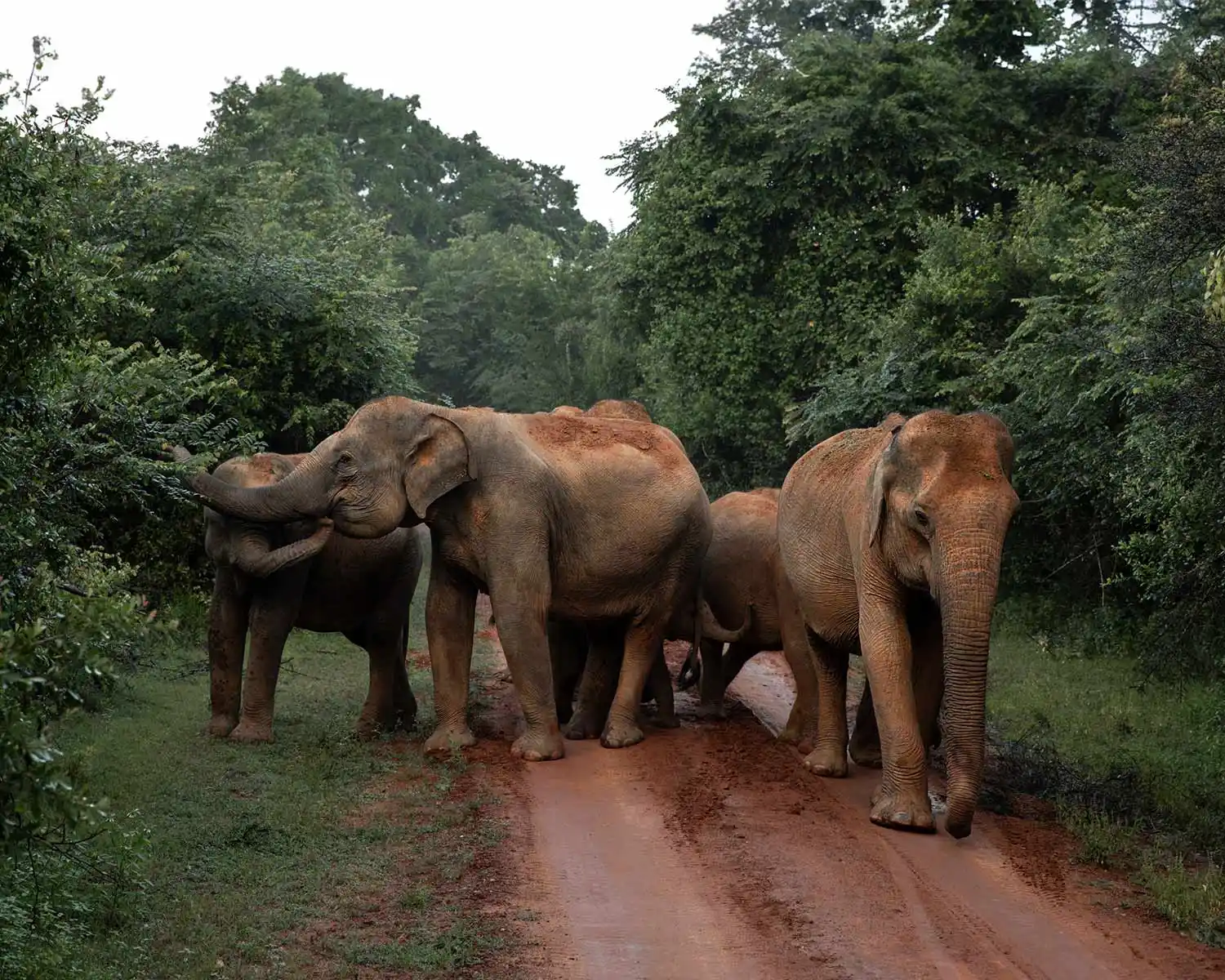
Minneriya is most famous for the seasonal elephant Gathering, when large numbers of elephants feed together around the reservoir. It is one of Sri Lanka’s most dramatic wildlife spectacles. However, during peak gathering weeks jeep numbers can become very high. At times vehicles cluster heavily around elephant herds, and ethically this is something we do not support. We prefer visiting outside the busiest periods and choosing operators who prioritise respectful wildlife viewing.
What wildlife can I see in Minneriya?
Elephants are the headline attraction, but the park also supports sambar, spotted deer, buffalo, crocodiles and a range of waterbirds around the tank.
Sinharaja Forest Reserve, Sri Lanka
Best Time to Visit Sinharaja Forest Reserve in Sri Lanka
December to April: Generally more comfortable for walking.
July to September: Often another relatively favourable window
May to July and October to December: Typically wetter.
Humidity is high throughout the year and there are leeches
Sinharaja – our opinion
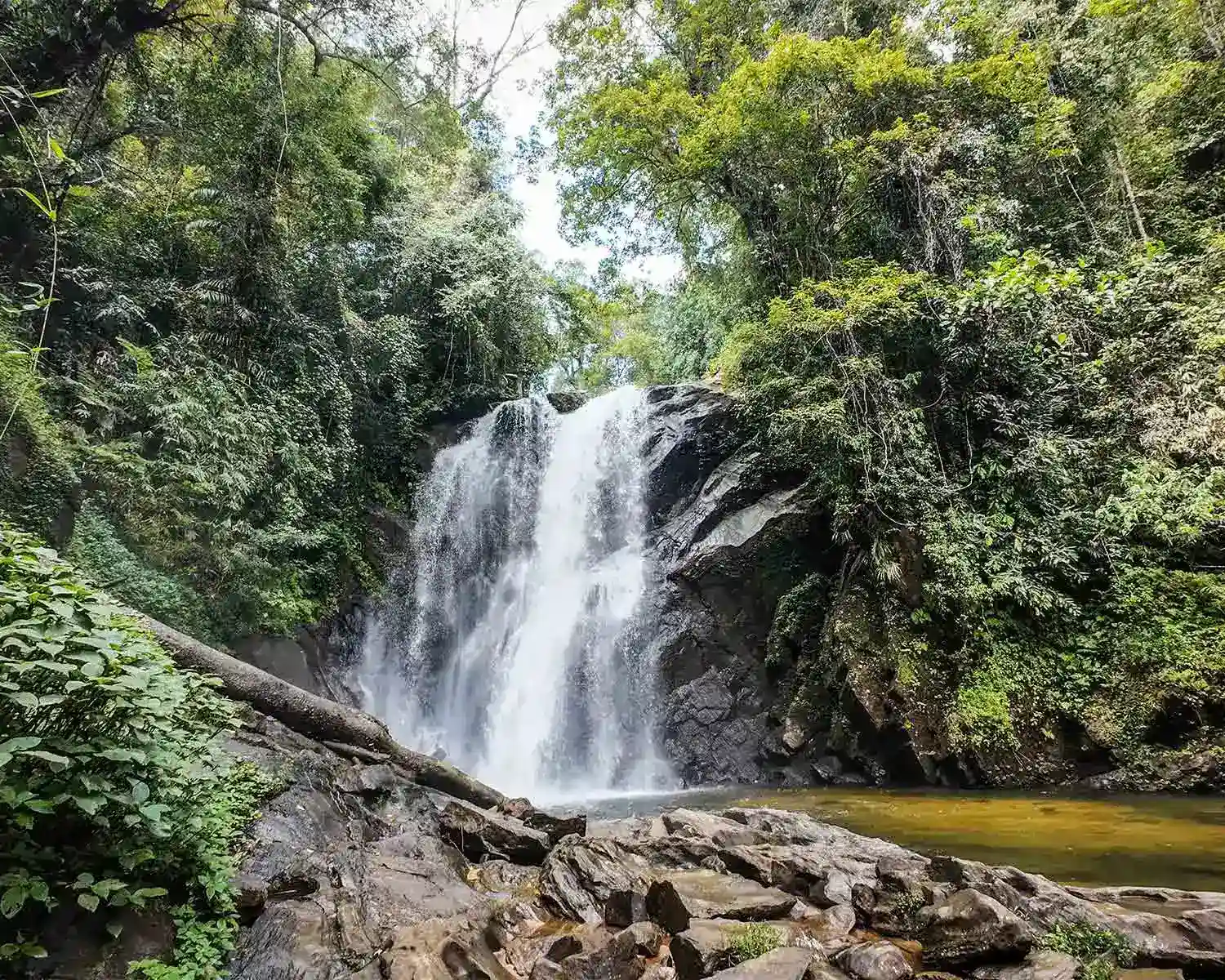
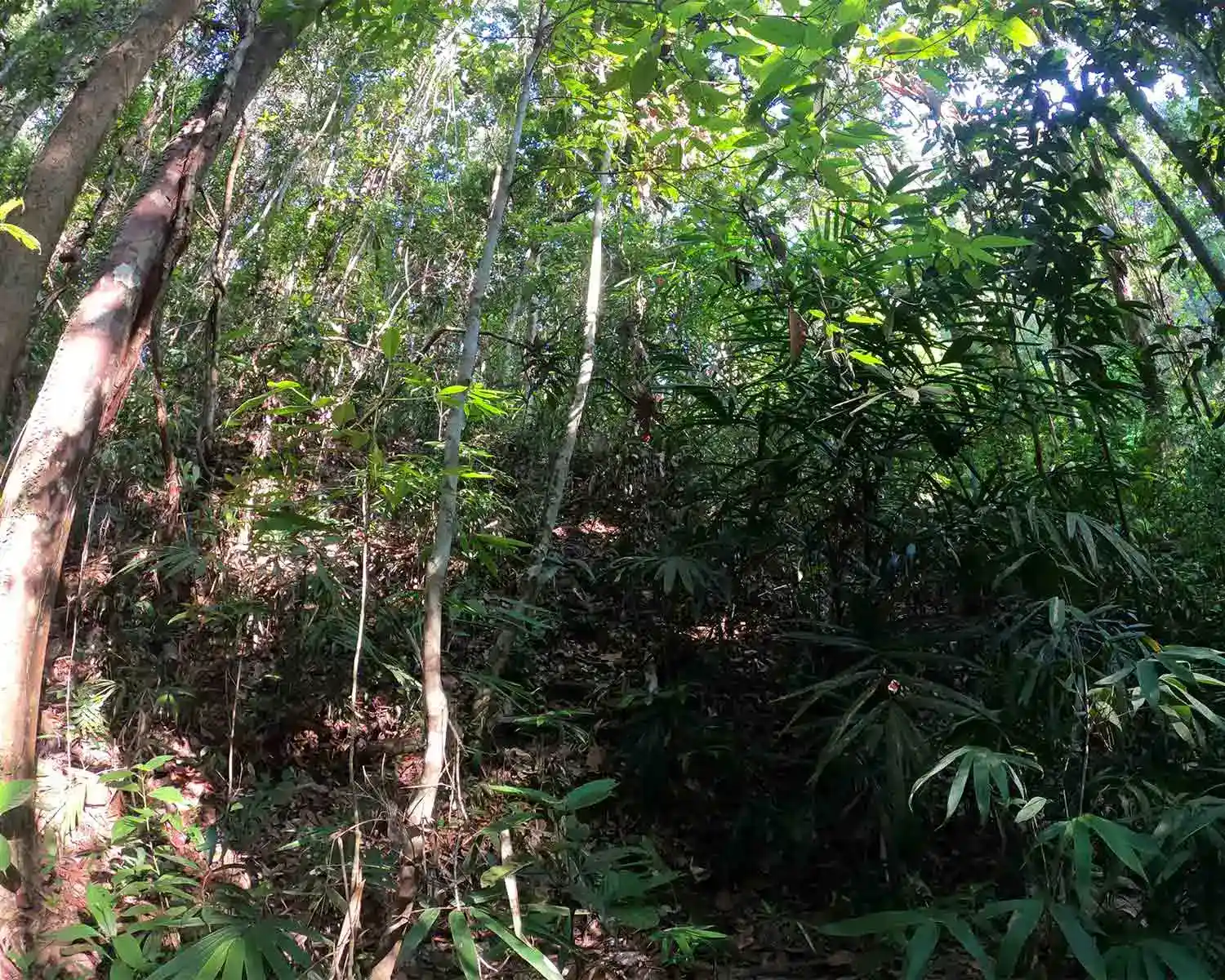
Sinharaja is Sri Lanka’s last major tract of primary rainforest and offers a completely different wildlife experience from the safari parks. This is about walking beneath dense canopy and searching for endemic bird species. It is immersive, humid and often wet, but for keen birdwatchers and nature lovers it is one of the most rewarding areas in the country.
What wildlife can I see in Sinharaja?
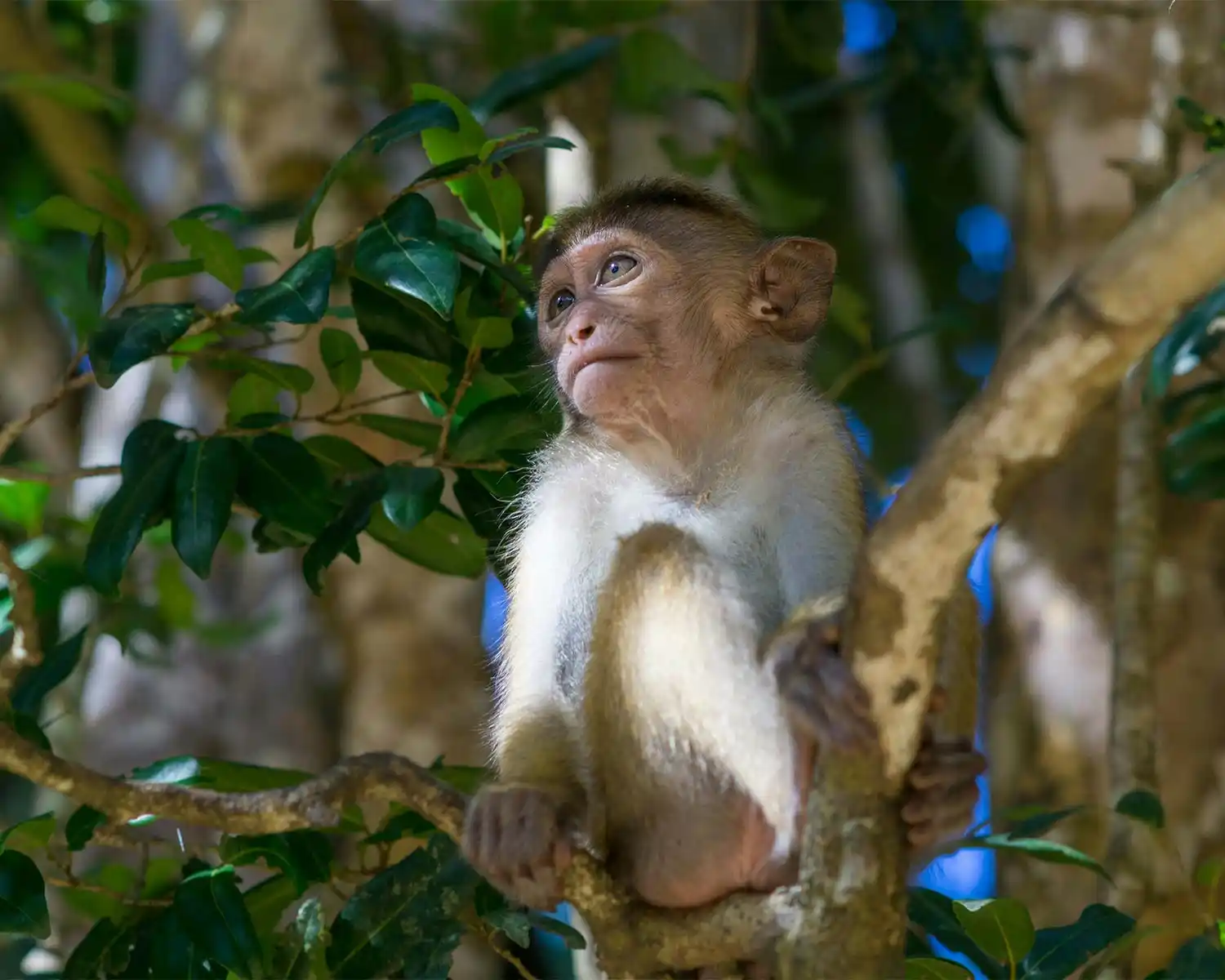
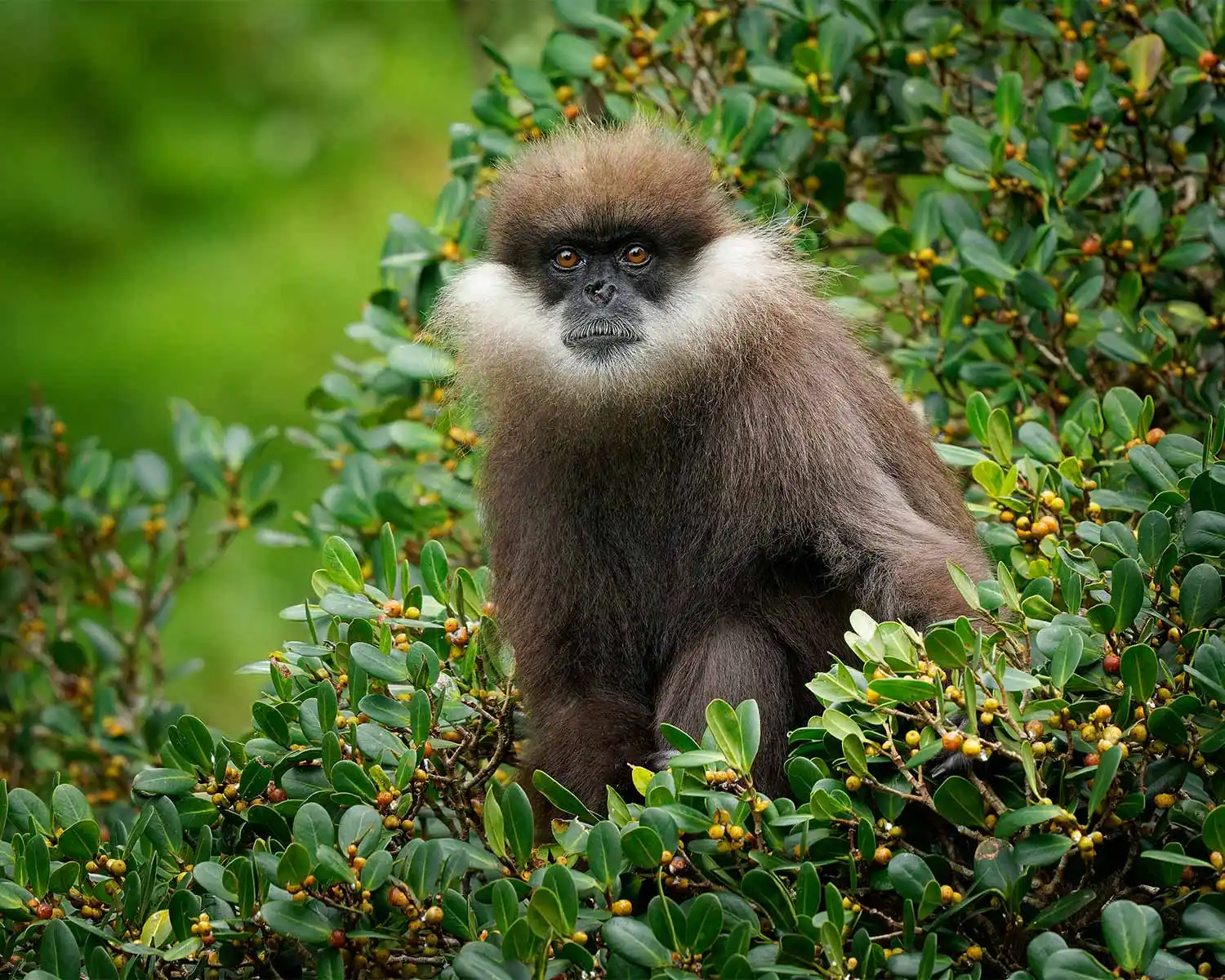
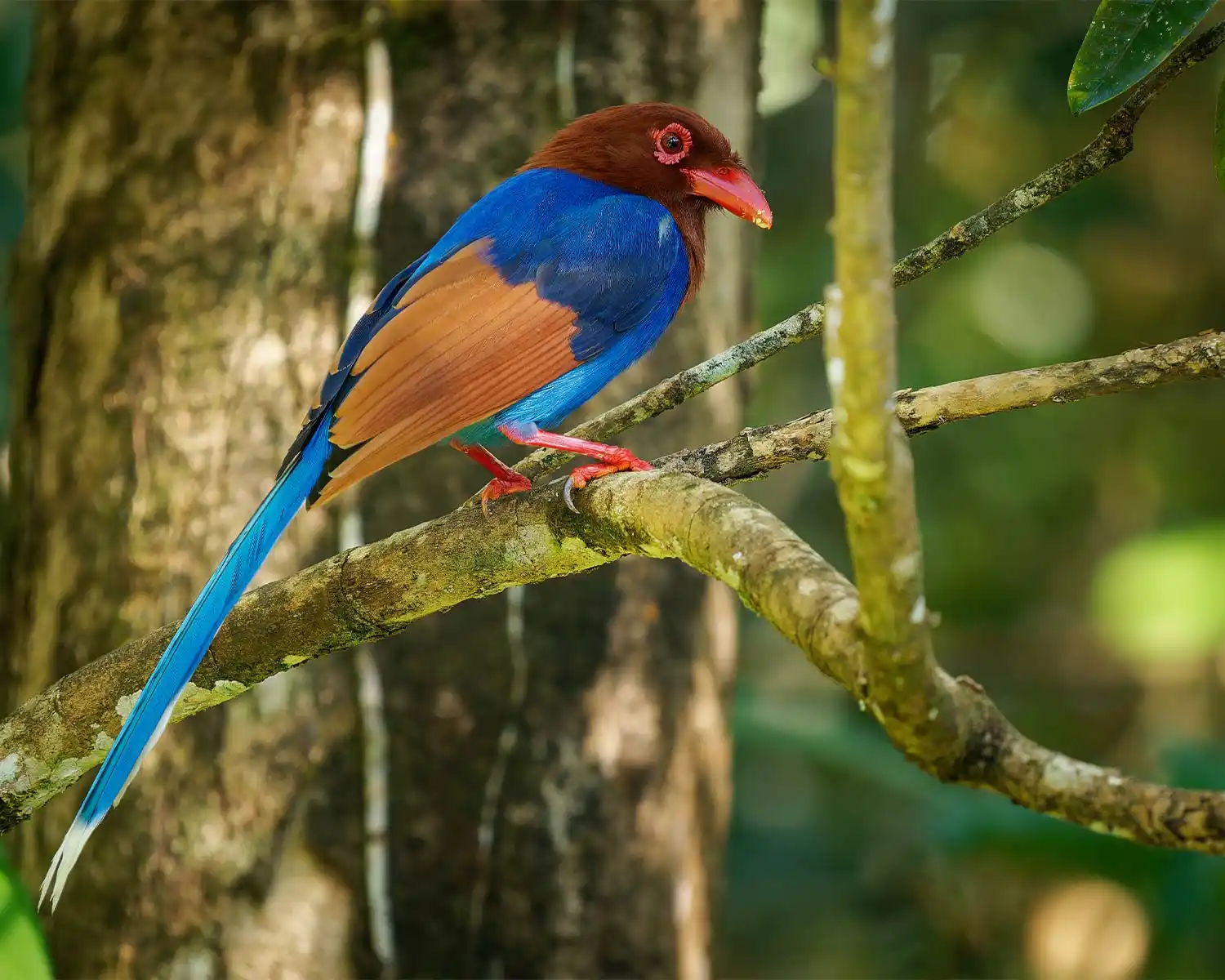
Sinharaja is particularly famous for endemic bird species such as Sri Lanka blue magpie, Sri Lanka red-faced malkoha, Sri Lanka scimitar babbler, Sri Lanka grey hornbill, Sri Lanka spurfowl and Sri Lanka junglefowl. Mixed feeding flocks are a highlight. Purple-faced langur, giant squirrel and a variety of reptiles, amphibians and butterflies can also be seen.
Read next
.webp)
.webp)


Meet our experts
Speak to our experts to help you plan your trip
Dreaming of a journey that’s truly your own? Our specialists take the time to understand what excites and inspires you, then craft a holiday that goes far beyond the ordinary. Whether you’re seeking adventure, relaxation, or a perfect balance of both, we’ll design something that’s completely yours. Ready to start planning? Get in touch and let’s create your ideal escape.
Choose your adventure
Speak to one of our team to get started. After all, your travel journal won’t write itself.