Learn more
Getting Ready for Your Trip to Sri Lanka
Getting ready for your trip to Sri Lanka
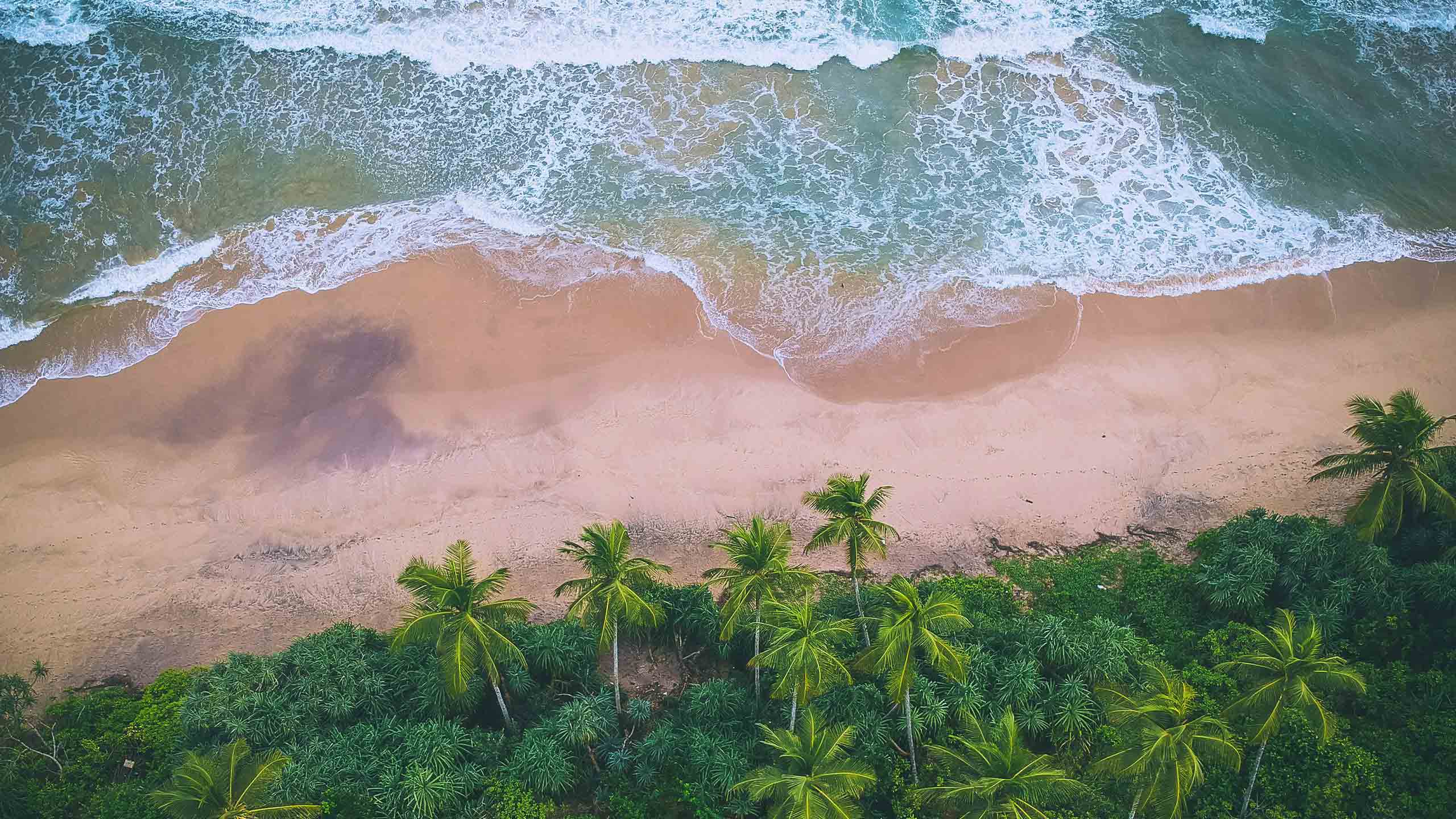
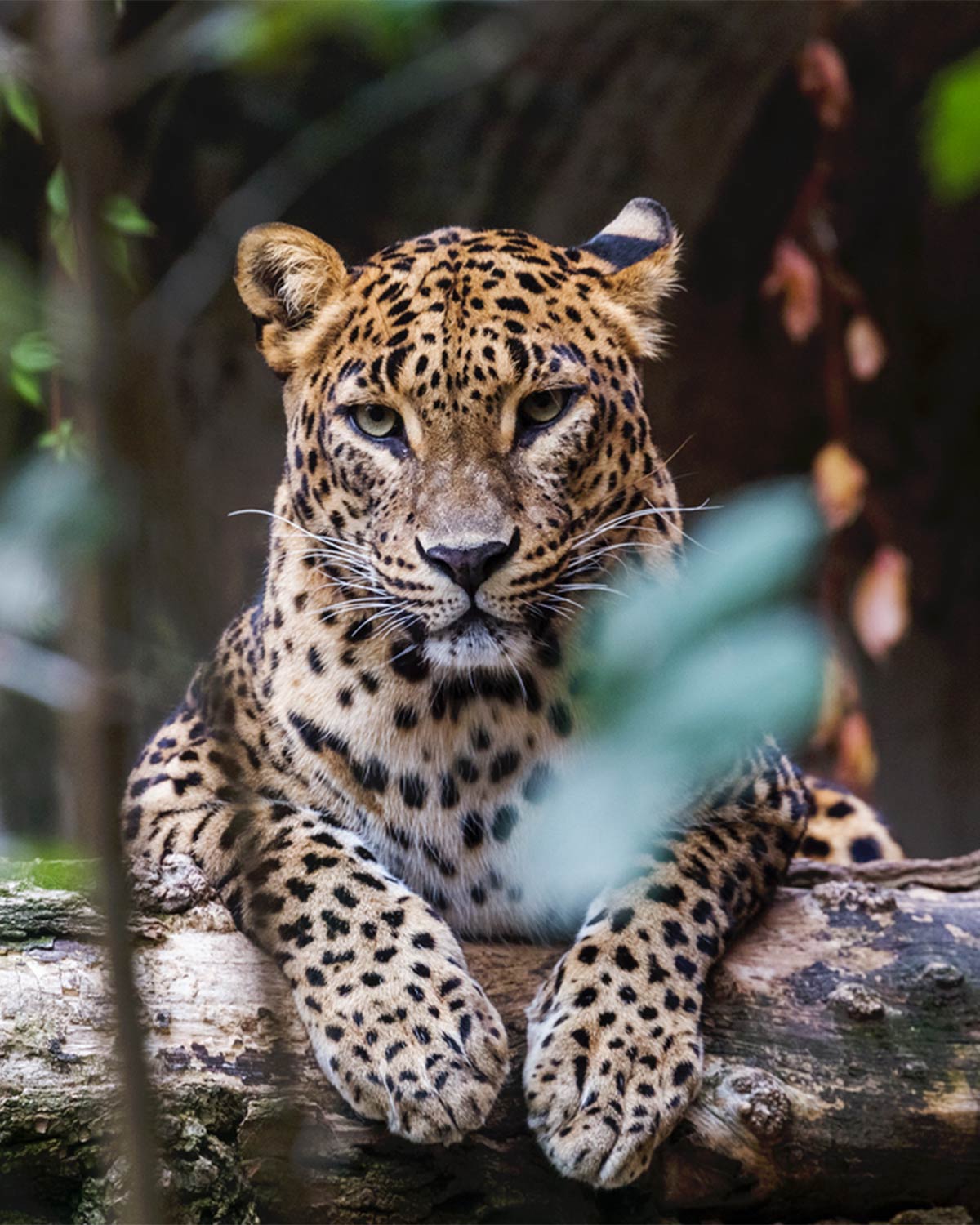
You're heading to Sri Lanka, a land of majestic ancient cities, elusive leopards and spiritual serenity. A visit here is both a soul-stirring journey and an experience that will leave an indelible mark. It is an island rich in natural splendour, adorned with archaeological treasures and infused with a cultural warmth that radiates everywhere, from its vibrant markets to its mist-shrouded mountains.
With Red Dot Tours, your journey may take countless forms but within each you'll gain an authentic glimpse into the essence of this remarkable island, connecting with local people who are intimately woven into its every landscape.
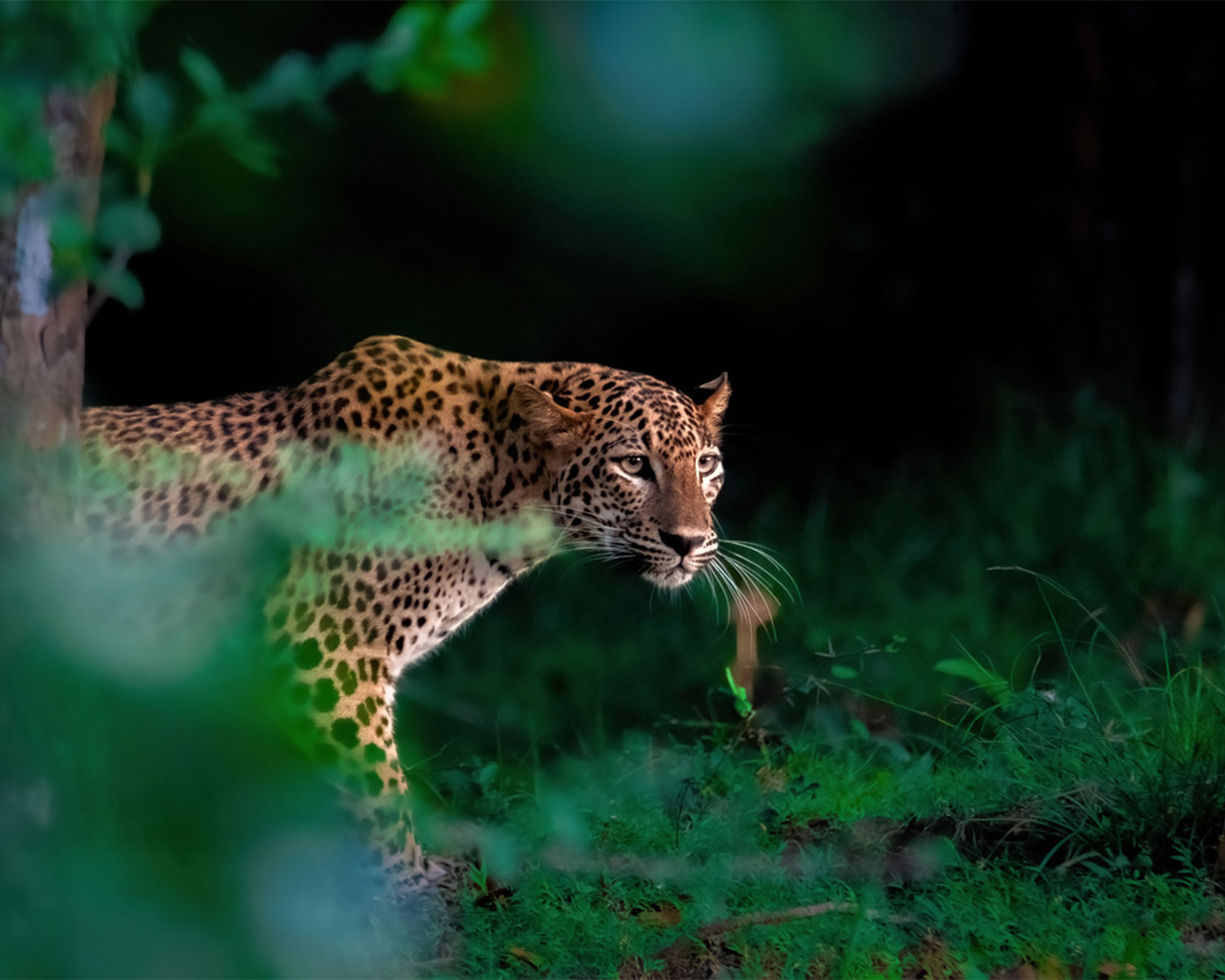
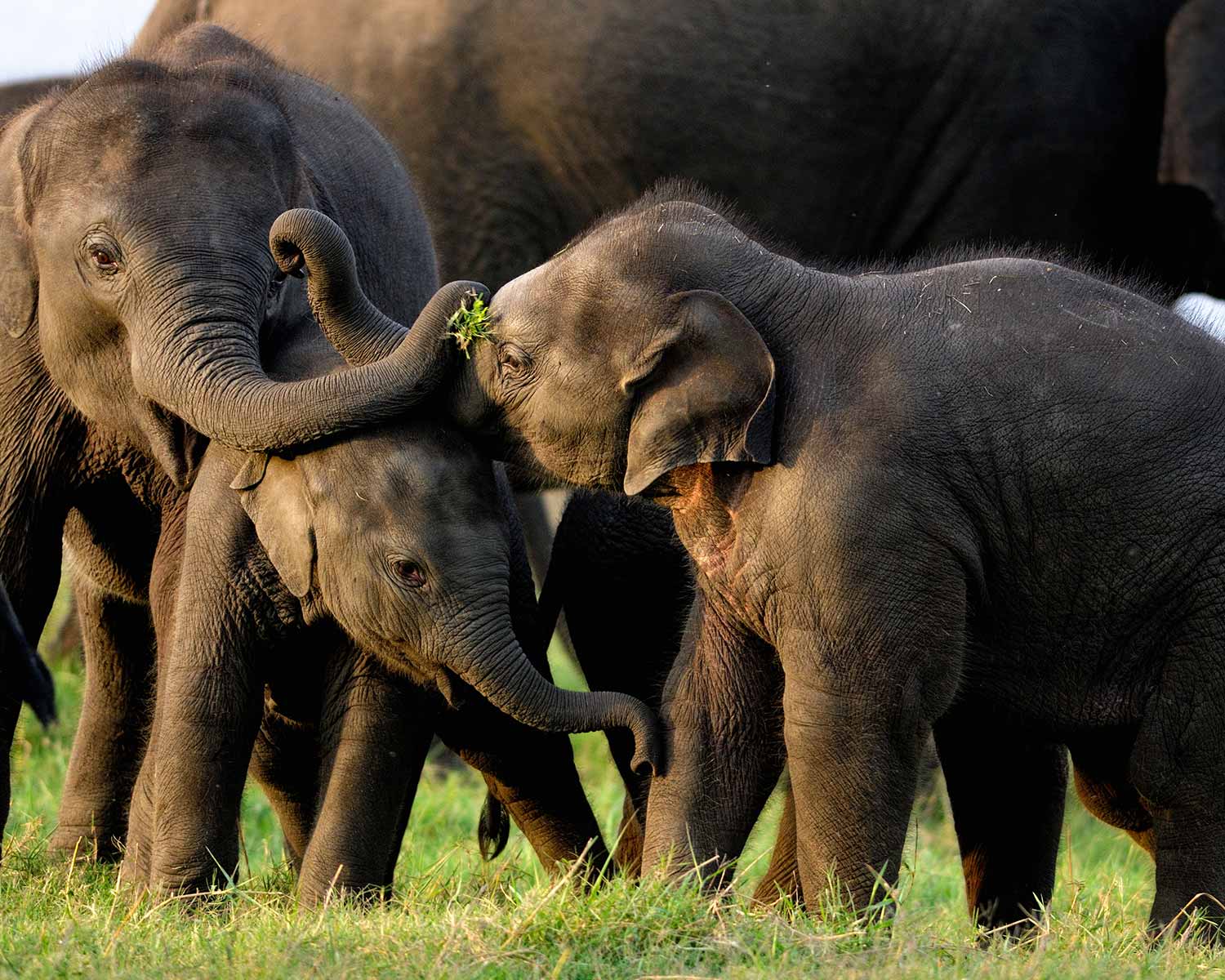
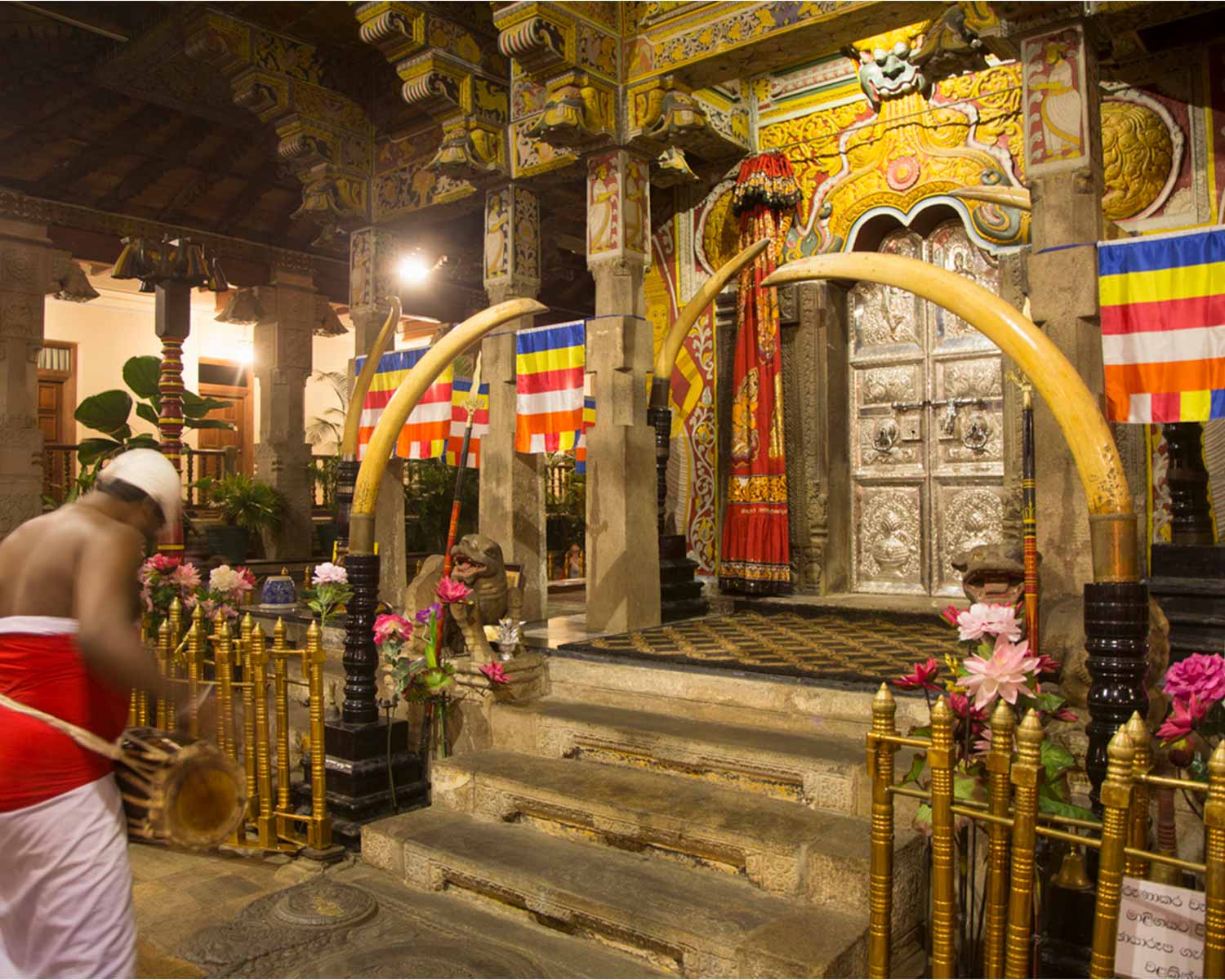
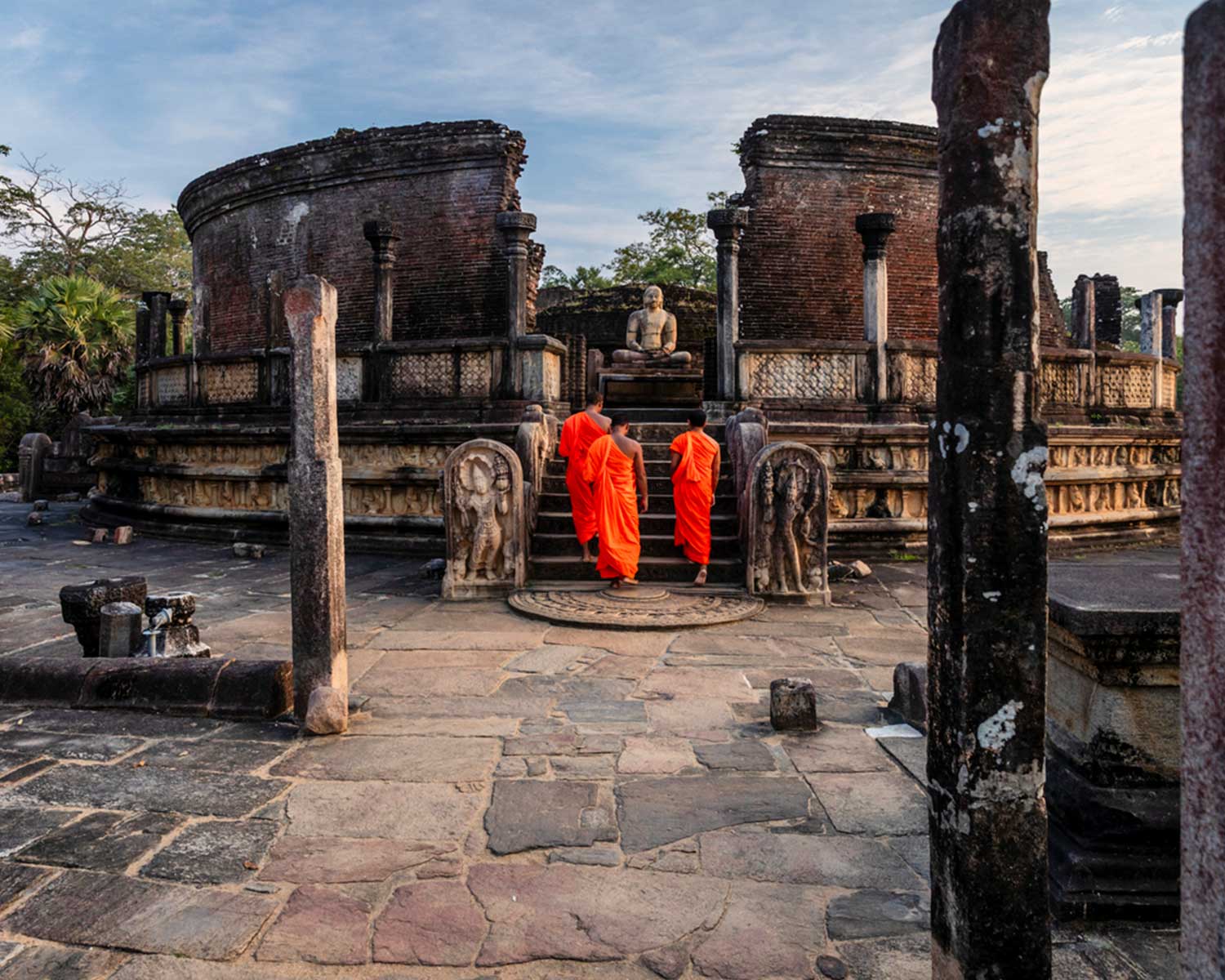
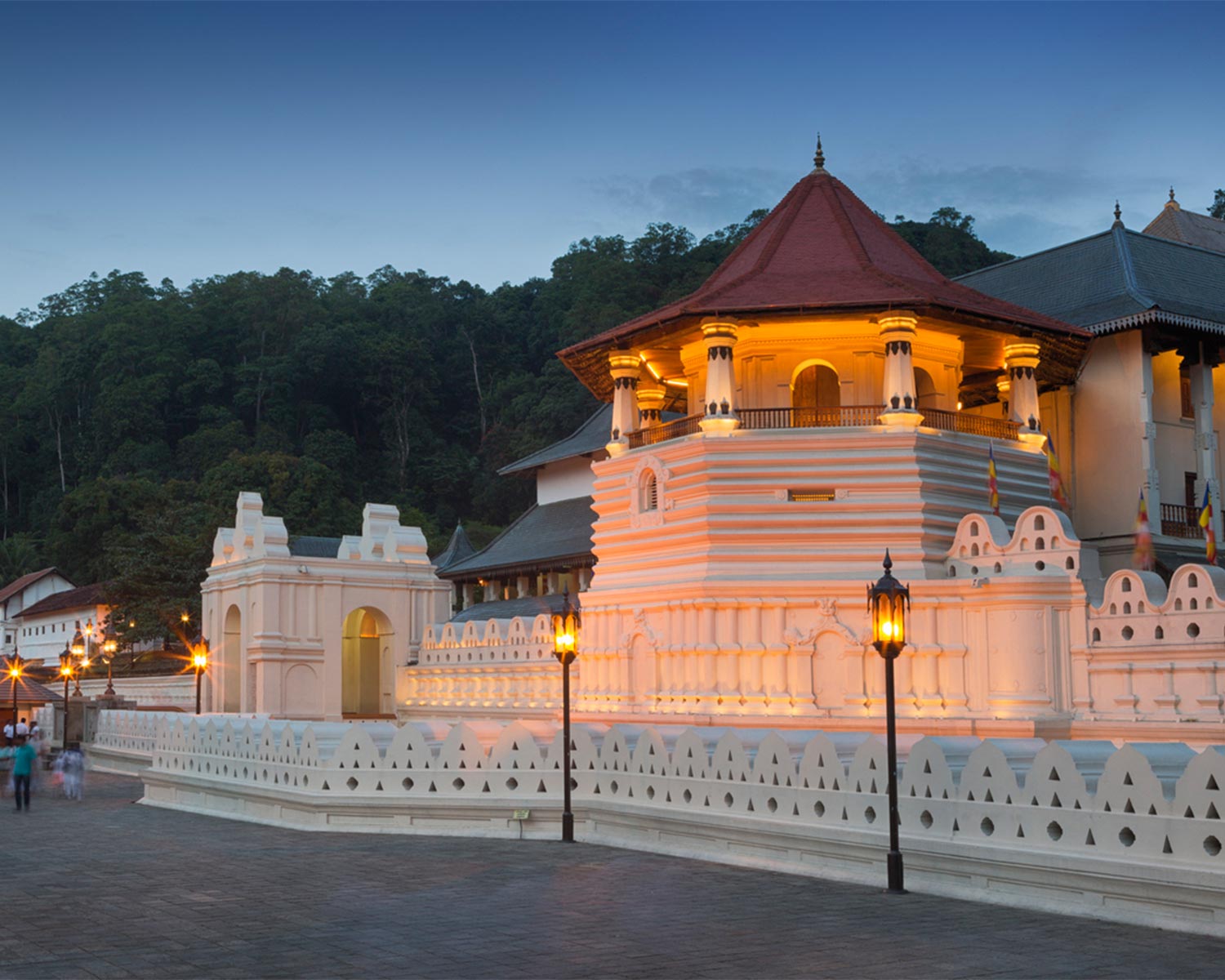
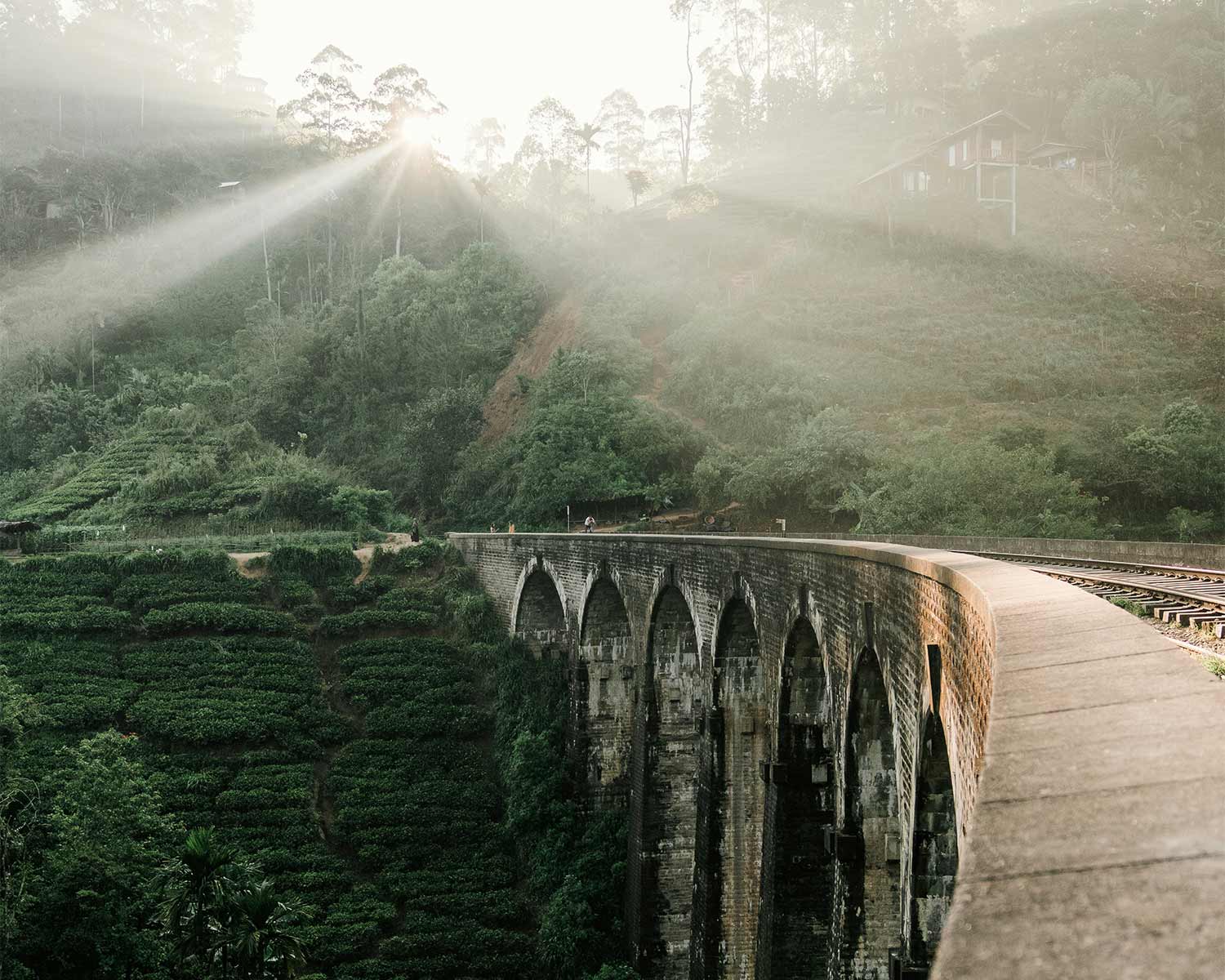
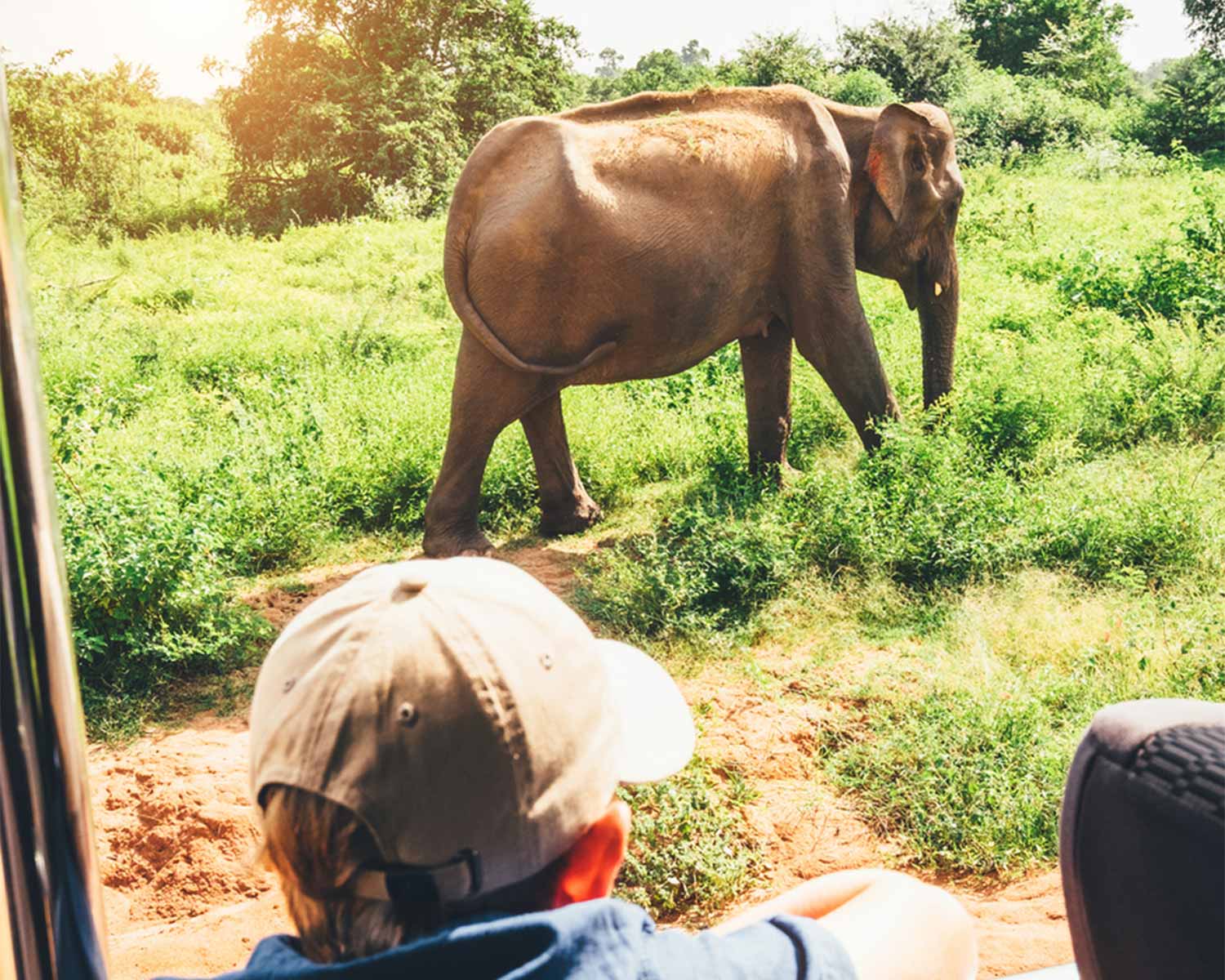
Whether your adventure involves climbing the sacred peak of Adam's Peak under starlight, gliding through tea plantations on mountain railways, wandering the ancient ruins of Polonnaruwa, witnessing centuries-old rituals at the Temple of the Tooth or tracking wild elephants through the grasslands of Kumana National Park, this guide will equip you with some important information.
Key Facts for Travel to Sri Lanka
Time Zone
Sri Lanka is 5.5 hours ahead of the UK (4.5 hours ahead during British Summer Time). The entire country operates on Sri Lanka Standard Time (UTC +5:30).
Currency
The Sri Lankan Rupee (LKR) is the official currency of Sri Lanka. Currency can only be exchanged in Sri Lanka, so it’s best to bring US Dollars, British Pounds or Euros. The bank booths in the airport arrivals hall generally offer the most competitive rates and quick service. Debit cards and credit cards can be used in most restaurants and shops. We advise against Traveller's cheques, which are rarely accepted.
See XE (www.xe.com) for current exchange rates and to view recent trends.
Payment Methods
Credit cards are widely accepted at:
- Hotels where you'll be staying
- Restaurants where you'll be dining
- Larger retail shops
When You'll Need Cash
Cash is required for:
- Small street-side purchases (must be in Sri Lankan Rupees)
- Tips for guides and drivers (they accept US Dollars, British Pounds, or Euros)
- Tuk-tuk rides and local transport
Getting Cash
You can obtain cash by:
- Bringing small denominations of US Dollars, British Pounds or Euros
- Withdrawing Sri Lankan Rupees from ATMs using your debit card (widely available in major cities)
Population
It's estimated that over 22 million people live in Sri Lanka. The cities will give you a sense of this population but there are many peaceful countryside spots and pristine beaches which feel a world away from urban areas.
Religion
Several religions are honoured in Sri Lanka. The largest is Buddhism (70%+). Other practicing religions include Hinduism, Islam and Christianity. Sri Lanka's genuine hospitality to tourists, whatever your religious beliefs, is renowned.
Climate
Sri Lanka generally offers warmth and sunshine throughout the year. Temperatures average between 27-30°C in Colombo and on the coasts while being about 10°C cooler in the hill country. The east coast comes into season between March and September, whilst the south coast is at its peak between November and March. Sri Lanka is affected by two monsoon seasons: the south-west monsoon (May/June) and the north-east monsoon (December-February).
Given Sri Lanka's diverse regions, there are significant climate differences so follow your sales consultant's advice for when to do your chosen trip. Please check out our Sri Lanka weather guide.
Getting Around Sri Lanka
Visas
All travellers arriving in Sri Lanka must have a visa. At the time of writing, visitors must apply for the official Electronic Travel Authorization via www.eta.gov.lk. There is a small fee for the visa, and you must have at least six months left on your passport at the time of travel.
It is also possible for tourists to complete their Arrival Cards online up to three days before their flight at: https://eservices.immigration.gov.lk/emb/eEmbarkation
Please note we cannot be held responsible for your visa application as we are neither a visa expert nor a visa agency.
Arrival
If you’re travelling with Red Dot Tours, you will be met by your chauffeur guide at Bandaranaike International Airport at the arrivals area, just past the banks and currency exchange desks. They will be holding a name card just outside the arrivals hall and we will provide a mobile phone number for your driver a few days before your holiday.
During this first meeting, our representative will provide your itinerary details and give you a brief trip overview. You'll also receive contact information for our Customer Care team to maintain communication throughout your journey.
Driver and Guides
For the duration of your trip, you'll have a private chauffeur-guide or separate chauffeur and guide. We believe that our pool of chauffeur-guides is among the finest in the country, possessing a wealth of experience, knowledge and enthusiasm. All chauffeur-guides and guides in Sri Lanka are licensed by the Sri Lanka Tourism Development Authority.
How much do you tip in Sri Lanka?
Unlike the UK where a 'service charge' is often included, tipping is common practice in Sri Lanka. Below is a guide to how much to tip if you feel you've received excellent service. We encourage our customers to give drivers or chauffeur-guides tips for satisfactory services: a basic guideline is anywhere upwards of $15 per day.
- Your driver(s): $15+ per day (total, not per person)
- Local transfers: $5-10
- Guides: $10-15 full day, $5-10 half day
- Porters: $2-3 per bag
- Restaurant staff: 10% of the total cost of your meal (often service charge is included)
- Hotel staff: $2-5 per day for housekeeping
Luggage Allowance and Flights to Sri Lanka
Read your airline's guidelines for the luggage allowance for your international flight to Sri Lanka. Typically, economy flyers are limited to 1 x 23kg bag and hand baggage while premium and business flyers can take a 1 x 30kg bag, but this varies.
Note that domestic flights in Sri Lanka (helicopter and seaplane transfers) may have weight restrictions. If you have domestic air transfers in your itinerary, speak to your sales consultant for details.
Communication
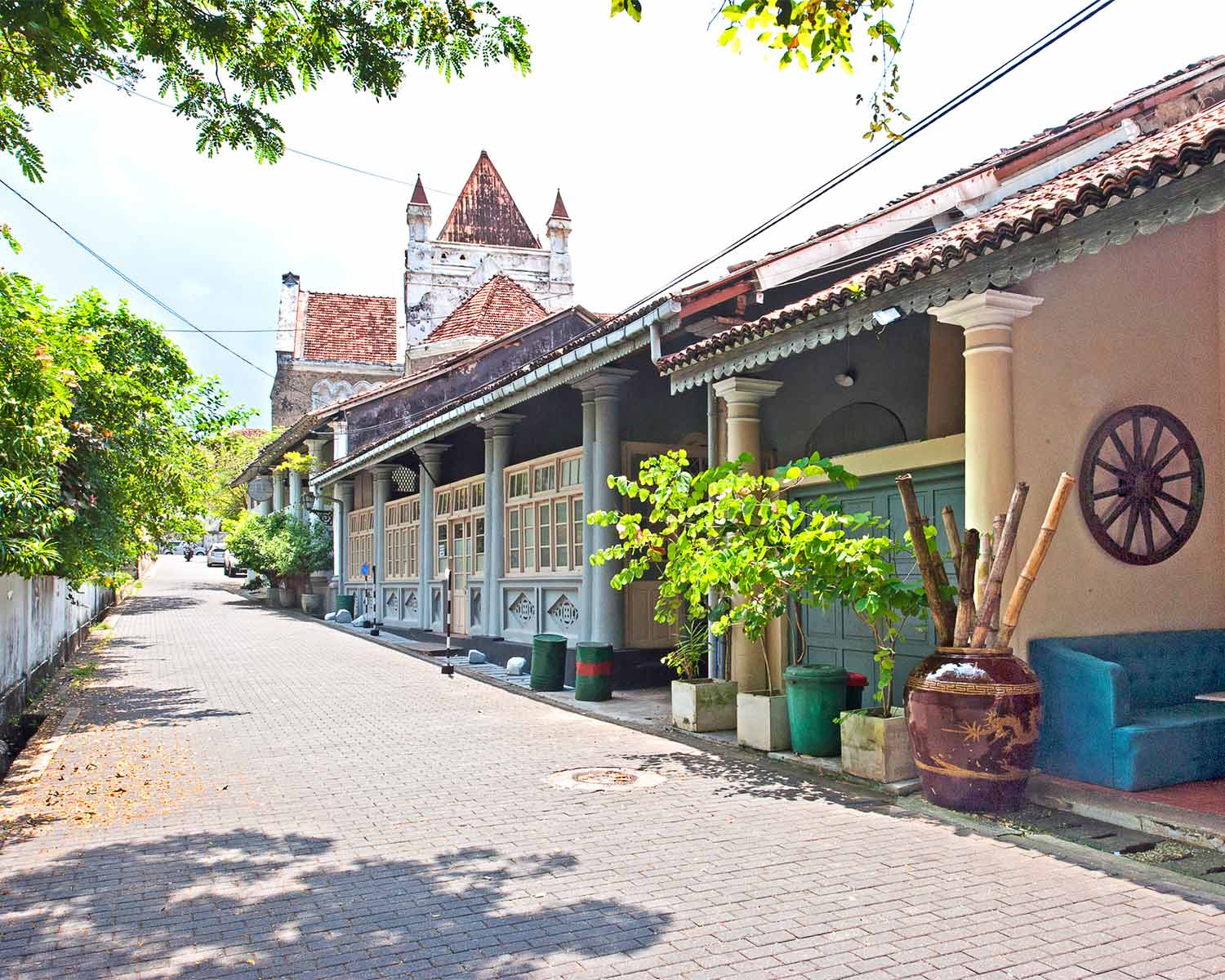
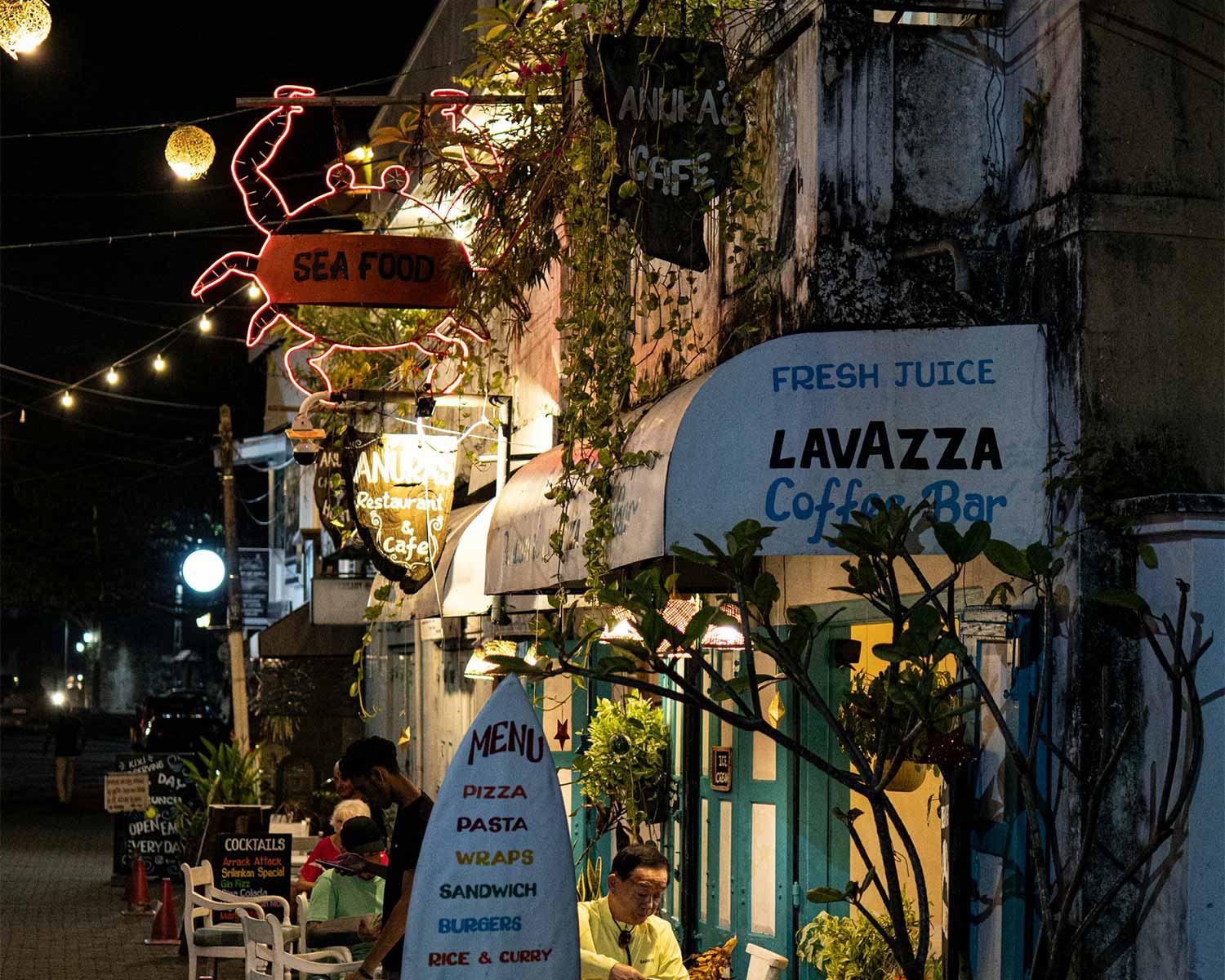
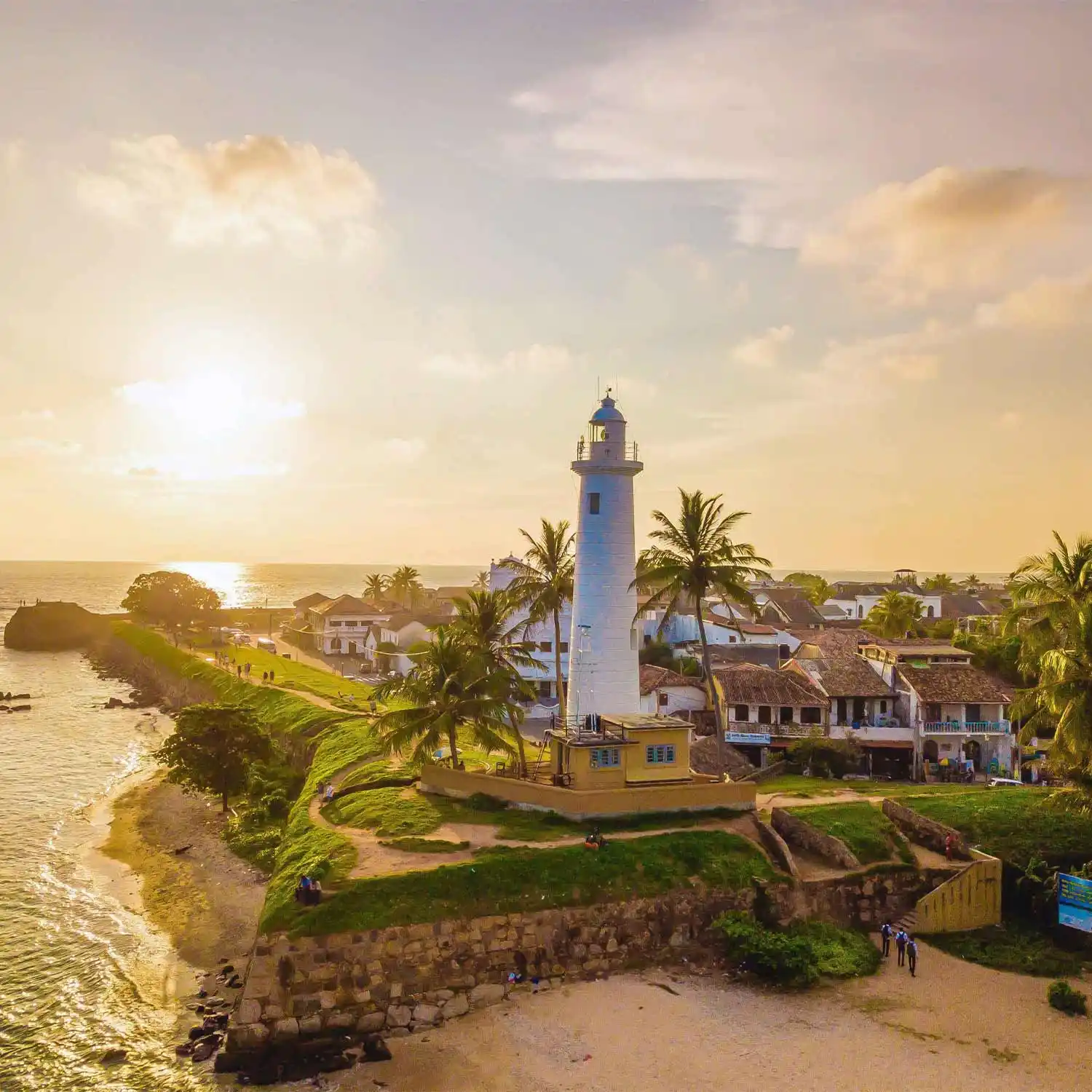
Most hotels offer free internet access, as do some cafes, particularly in areas such as Galle Fort. Wi-Fi is widespread in tourist areas but can be slow in remote locations. Some upmarket hotels charge for Wi-Fi use.
For receiving calls in Sri Lanka, the dialing code is +94. To make UK calls, add +44 in place of the initial 0. Consider buying a Sri Lankan SIM card for your mobile phone - Sri Lankan mobile phone call rates are relatively cheap. There is a Dialog GSM shop outside airport arrivals.
Cultural Considerations in Sri Lanka
What to wear in Sri Lanka?
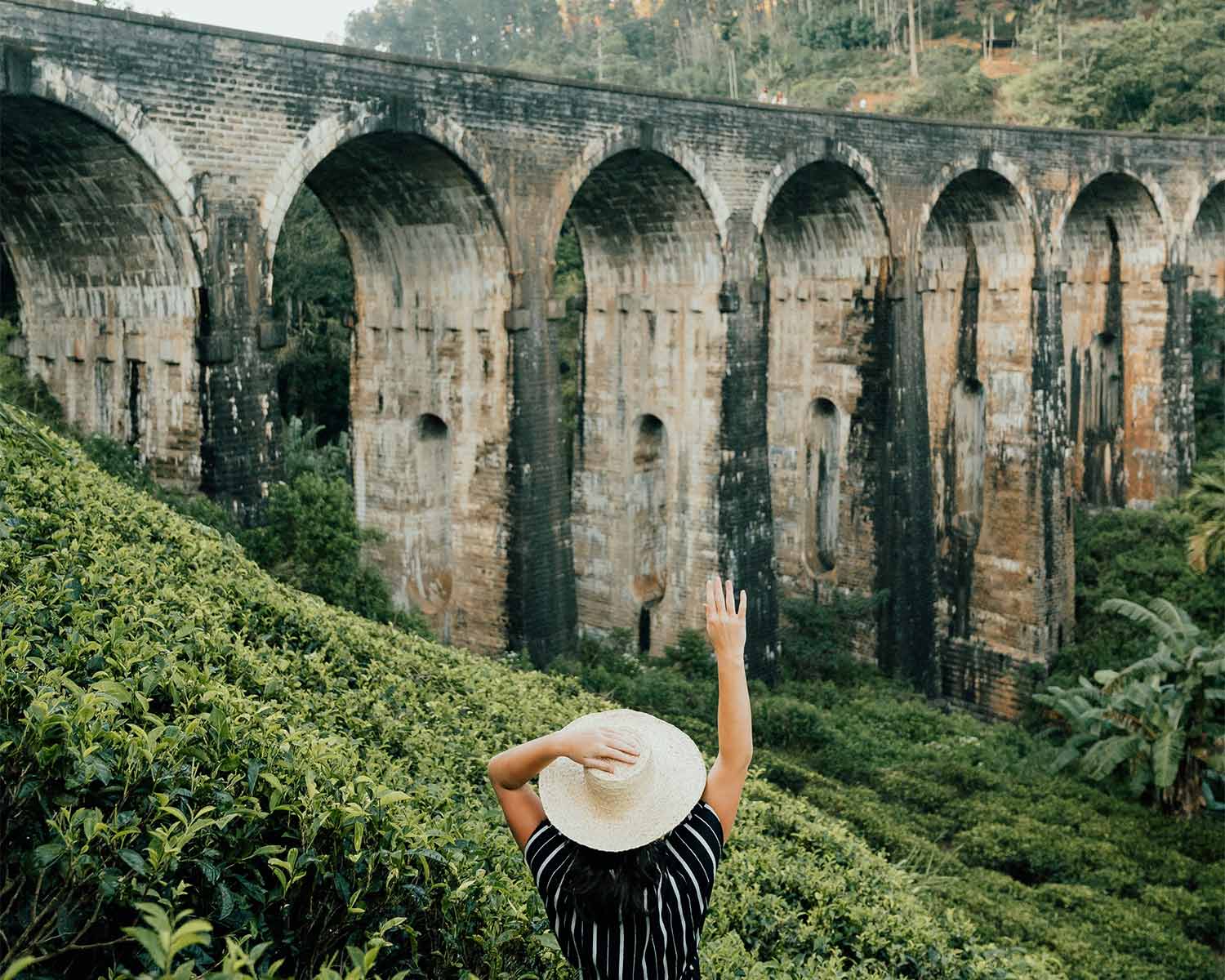
Fairly conservative dress is respectful in all areas of Sri Lanka and will set the tone of your local interactions. Light cotton or linen clothing is most comfortable in the warm, humid climate. In the hill country, where it is cooler, a light sweater is frequently required at night.
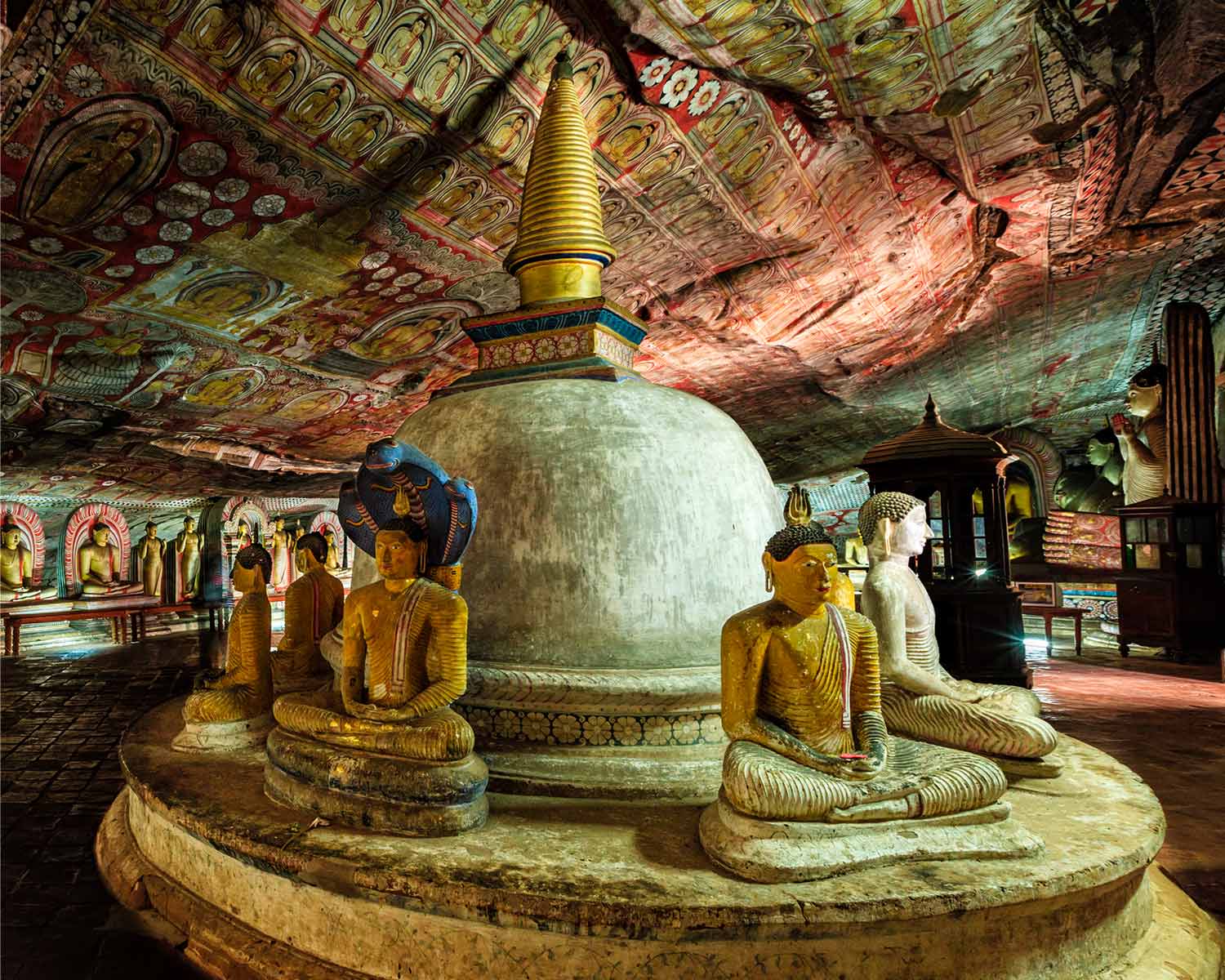
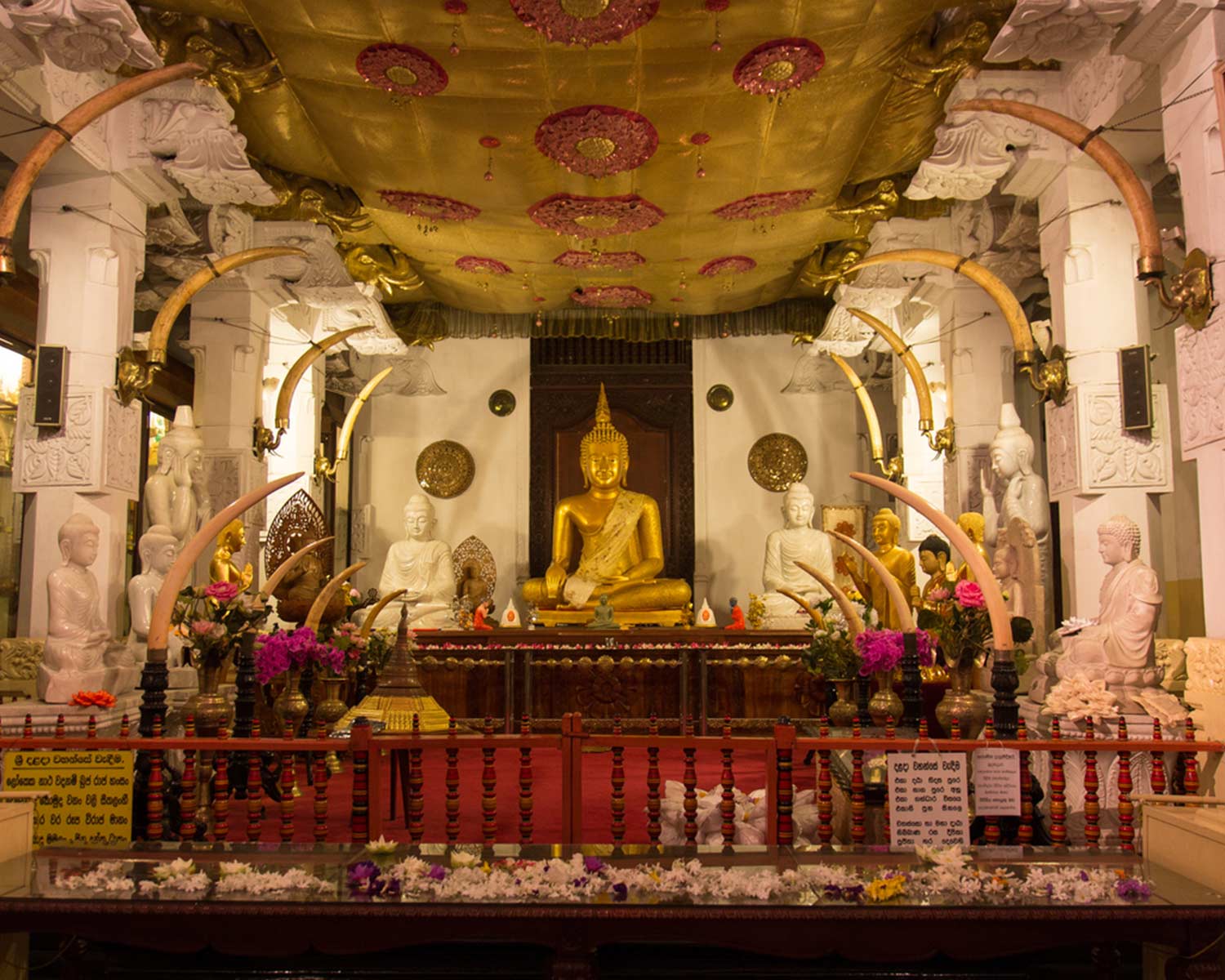
When visiting religious sites, you must cover your knees and shoulders. You will be required to remove shoes and socks when entering temples, and women may be required to cover their heads. We recommend taking a scarf or shawl and a pair of socks you don't mind getting dirty.
Away from the beach/pool, be aware that dress standards are comparatively conservative. Topless sunbathing is officially illegal, though bikinis are generally acceptable while on the beach.
Food & Drink
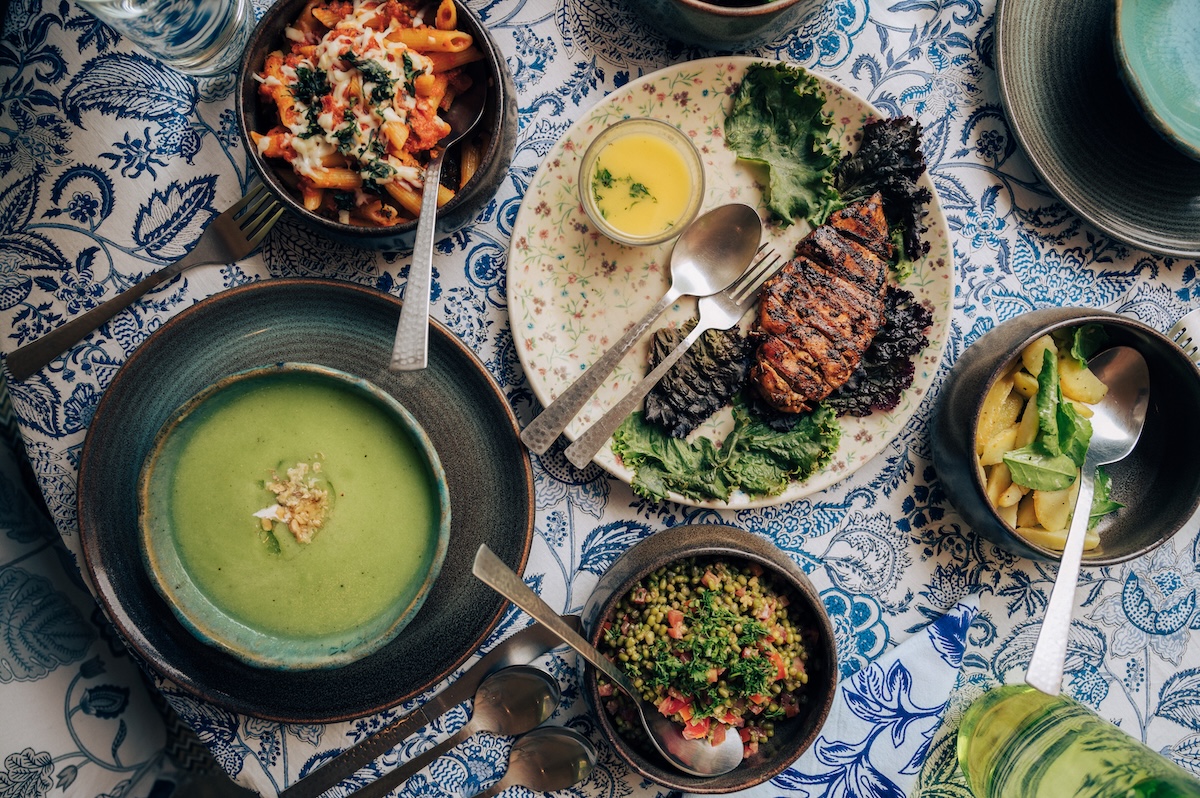
Rice and curry is the Sri Lankan staple, but a wide range of international dishes are available throughout the island. Sri Lankan cuisine varies by region but is generally spicier than Indian food, with coconut milk featuring prominently. When eating, consider the advice: 'boil it, bake it, peel it or ignore it'.
Most importantly, drink and clean your teeth in bottled water only. This can be bought more cheaply from local shops than top hotels but check that the seal is unbroken. Coconut water is renowned as a settler of a queasy stomach.
Sri Lanka celebrates several Poya (full moon day) holidays each year when the sale of alcoholic beverages at shops, hotels and restaurants is prohibited. Your travel consultant will advise if your holiday dates include a dry day.
Language
Sinhala (spoken by more than 80% of the public) and Tamil are the national languages. English is widely spoken and understood in all but the most remote areas, making communication easy for visitors.
Shopping
Bartering over the price of goods is widely expected for tuk-tuks and handicrafts purchases. Try to ascertain guide prices before purchasing and remember that a small saving for you could be extremely important to the seller. Bargaining is best carried out in a light-hearted, courteous manner.
Health & Safety in Sri Lanka
Vaccinations
Organising your vaccinations for Sri Lanka is your responsibility and should be done well in advance of your holiday. Check current advice with your GP and via reliable websites like NHS inform.
Commonly recommended vaccinations for short term visits include Hepatitis A, Hepatitis B, Tetanus and Typhoid but please seek advice.
Hygiene
Sri Lanka has a long-established tourist industry and has a sound hygiene record. For maximum safety, eat freshly cooked, piping hot food and wash your hands before meals. Only drink bottled, boiled or treated water and use this for brushing your teeth. Avoid ice and salad if not confident of hygiene standards.
Safety
Travelling in Sri Lanka is extremely safe, but caution should always be exercised. Your personal safety is your own responsibility. If you’re a woman travelling alone, you might like to read our blog about safety for solo female travellers in Sri Lanka but this is more designed for independent travellers. Travelling with Red Dot with a private chauffeur guide is by far the best way to travel.
Please take extra care when in an area where there may be wild animals and keep a safe distance. Be mindful of any signs stating that an area is restricted due to wildlife presence.
Take care when swimming - there are dangerous currents in some coastal areas. Always take note of red-flag warnings and local advice about sea conditions.
Mosquito Protection
Sri Lanka was officially declared malaria free in 2016 so anti-malarial drugs are no longer required. However, Dengue fever and Chikungunya are present, particularly after heavy rains. Wear long tops and pants during dawn and dusk hours and apply repellent containing DEET. You can also get bracelets and additional plug in repellents before you travel as extra deterrent. Please check out our guide, but always talk to your GP as we are not medically trained.
Packing Checklist for Sri Lanka
The good news is that Sri Lanka is wonderfully casual - even in luxury hotels formal attire is not required... smart casual is perfectly fine. Think linen, summer dresses and cotton t-shirts.
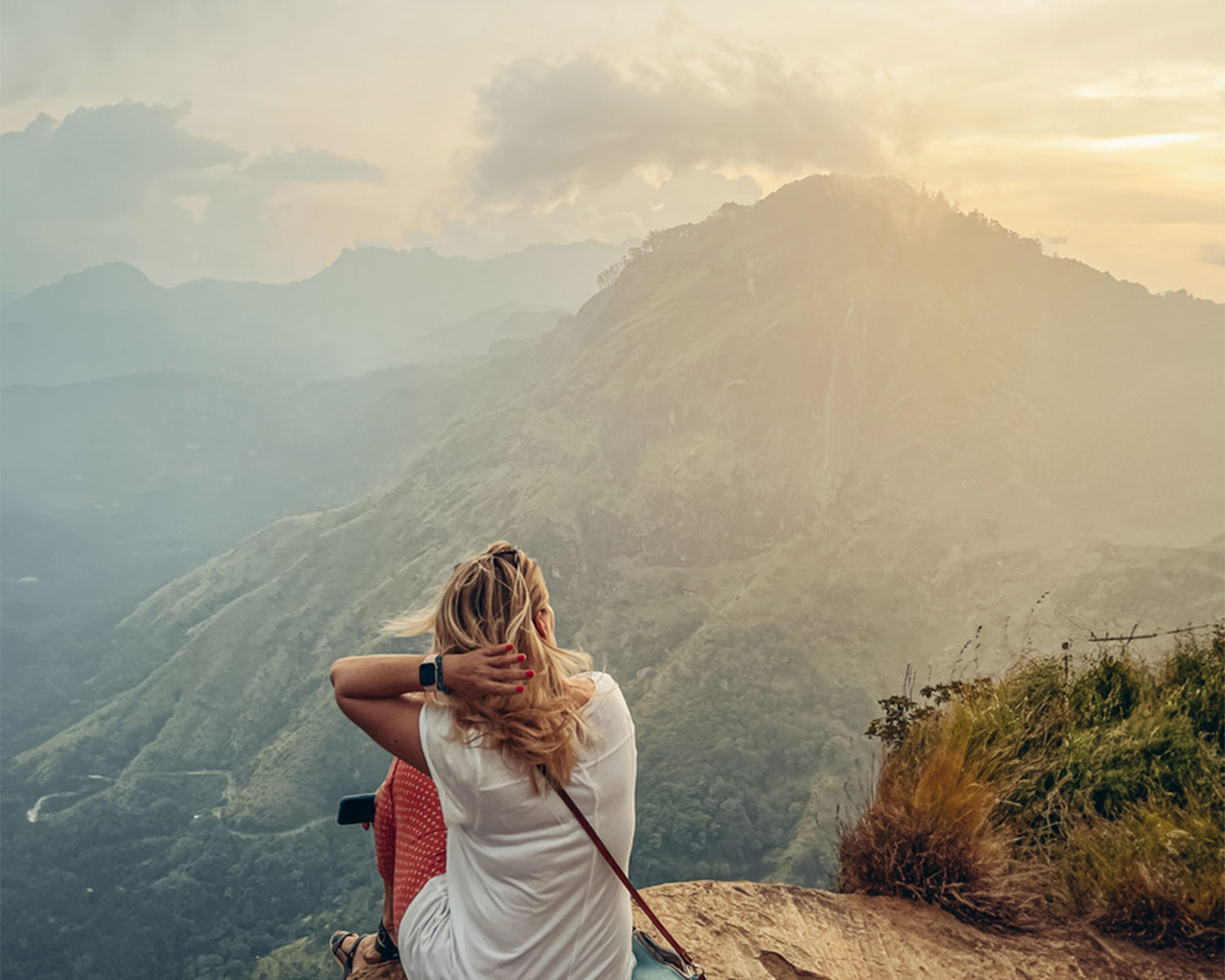
Since temperatures and humidity are fairly consistent year-round, packing is straightforward. However, if visiting the hill country, pack layers as temperatures can drop significantly, especially at night.
Standard / Cultural Itinerary
- Essential documents including travel insurance, itinerary, visa and passport
- Money and debit/credit cards
- Travel adapter - for UK plugs and European/Sri Lankan sockets (multi-purpose adapter recommended)
- Sun protection including a hat, sunglasses and suncream (factor 15+ minimum)
- Waterproof jacket and umbrella (for monsoon seasons)
- Comfortable shoes - including walking shoes and sandal
- Lightweight, breathable clothing that covers shoulders and knees for religious sites - cotton and linen are ideal
- A shawl or scarf and socks for visiting religious sites (you'll remove shoes)
- Light sweater or cardigan for hill country evenings and air-conditioned transport
- Swimwear
- Essential toiletries including mosquito repellent and personal medicine
- A basic first-aid kit including anti-diarrheal medication
- Camera
- Personal entertainment such as books, tablets and music players
Bear in mind that most hotels offer speedy laundry services so you don't have to bring fresh clothes for every occasion. We advise packing light.
Wildlife Oriented Itinerary
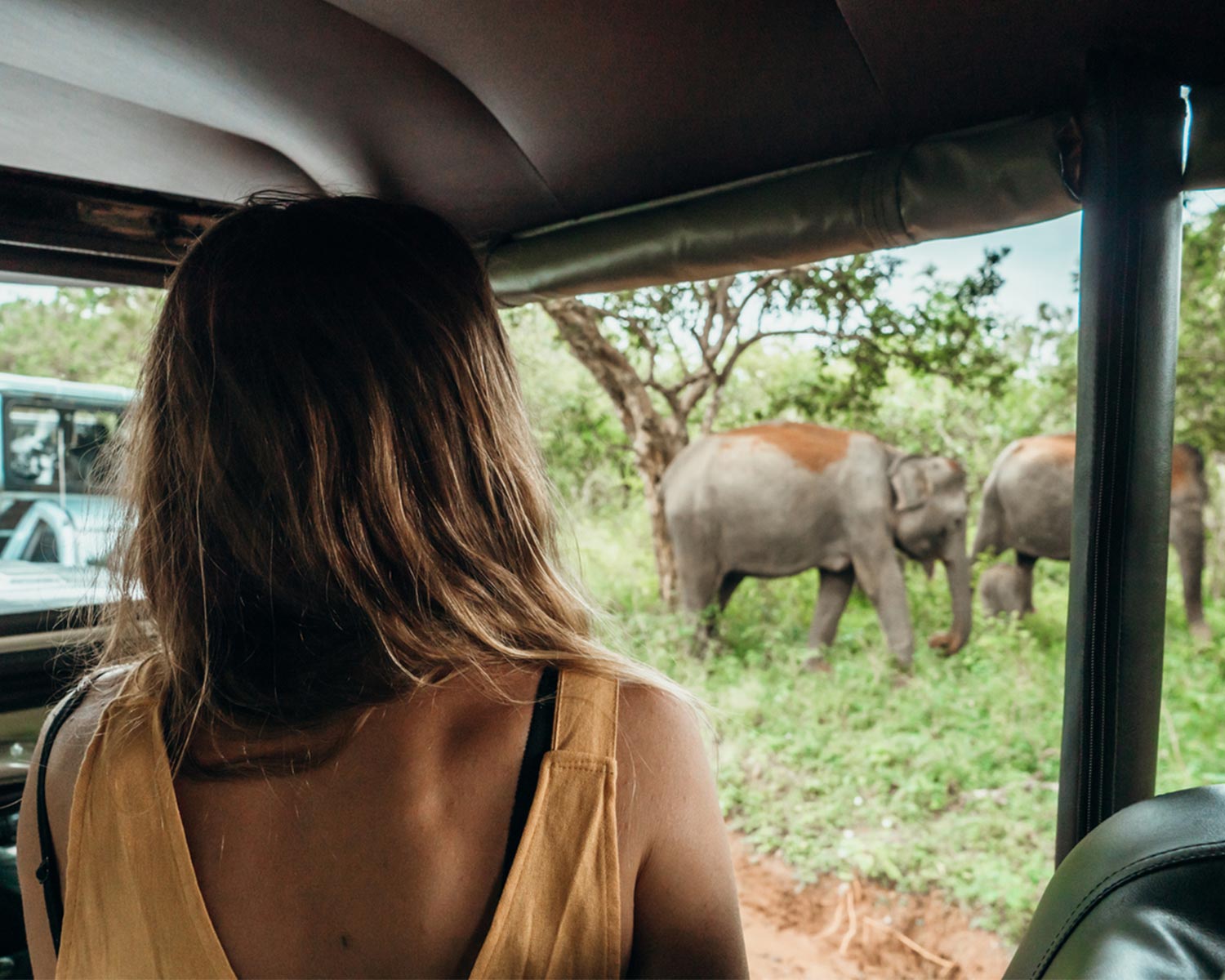
We recommend bringing some additional items for wildlife tours, including:
- Clothes in muted colours (avoid bright colours and white)
- A fleece or light jacket for early morning safari drives
- A small backpack for walks that will easily fit in jeeps
- Tissues or wet wipes (game drives can be dusty)
- Binoculars
- Camera with telephoto lens
- Extra batteries/power bank (charging opportunities may be limited)
Experiences – setting some expectations
Sri Lanka has a wide range of diverse and unique attractions, including awe-inspiring cultural heritage sites and several national parks. However, not all the experiences are suitable for everyone: some, for example, require a certain level of physical fitness.
Your chauffeur-guide will provide briefings before you attempt any activities which require certain safety precautions, but to help avoid disappointment during your holiday, we have outlined the details of some of our most popular excursions below, which will enable you to better assess which are suited to your abilities and needs.
Sigiriya Rock
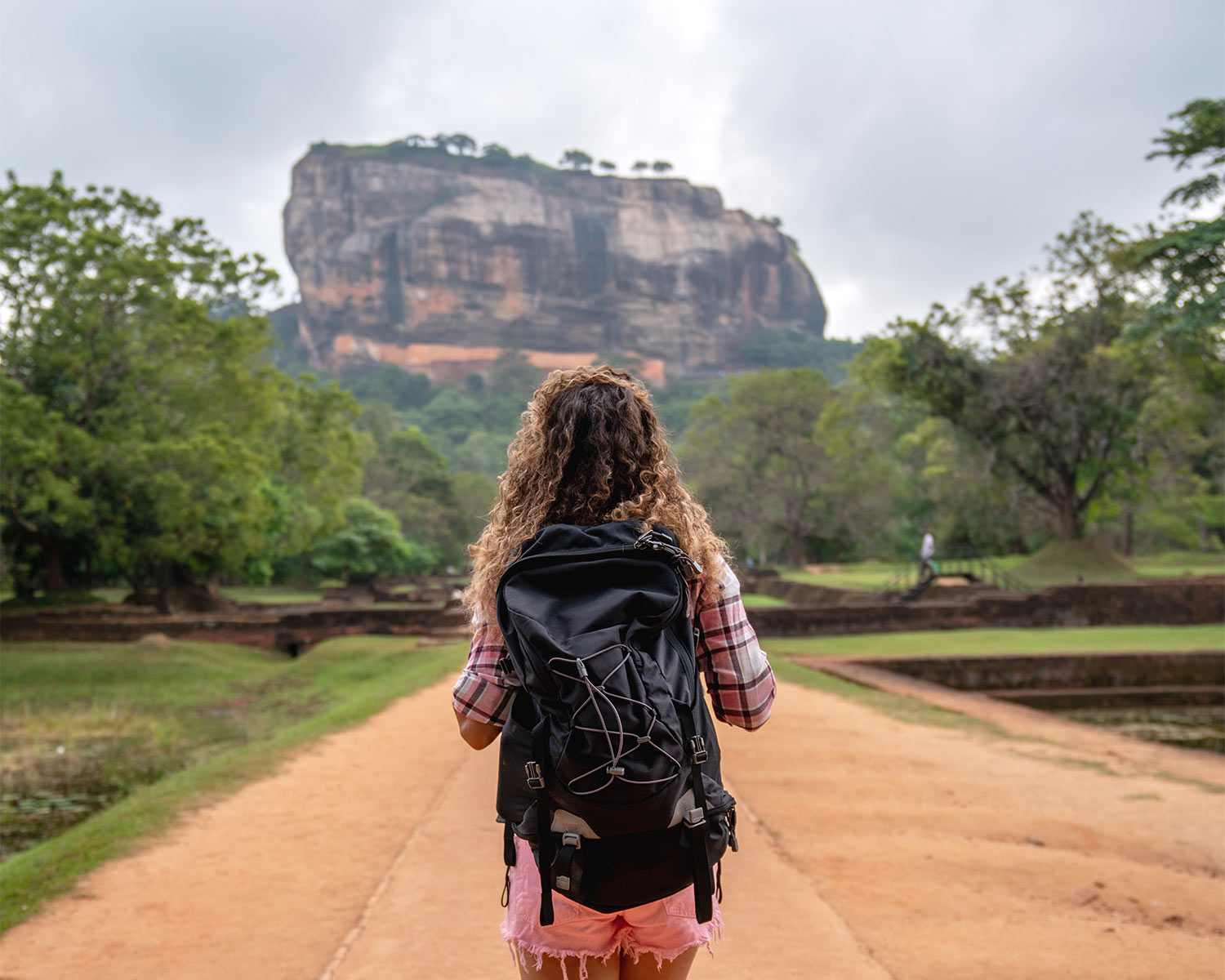
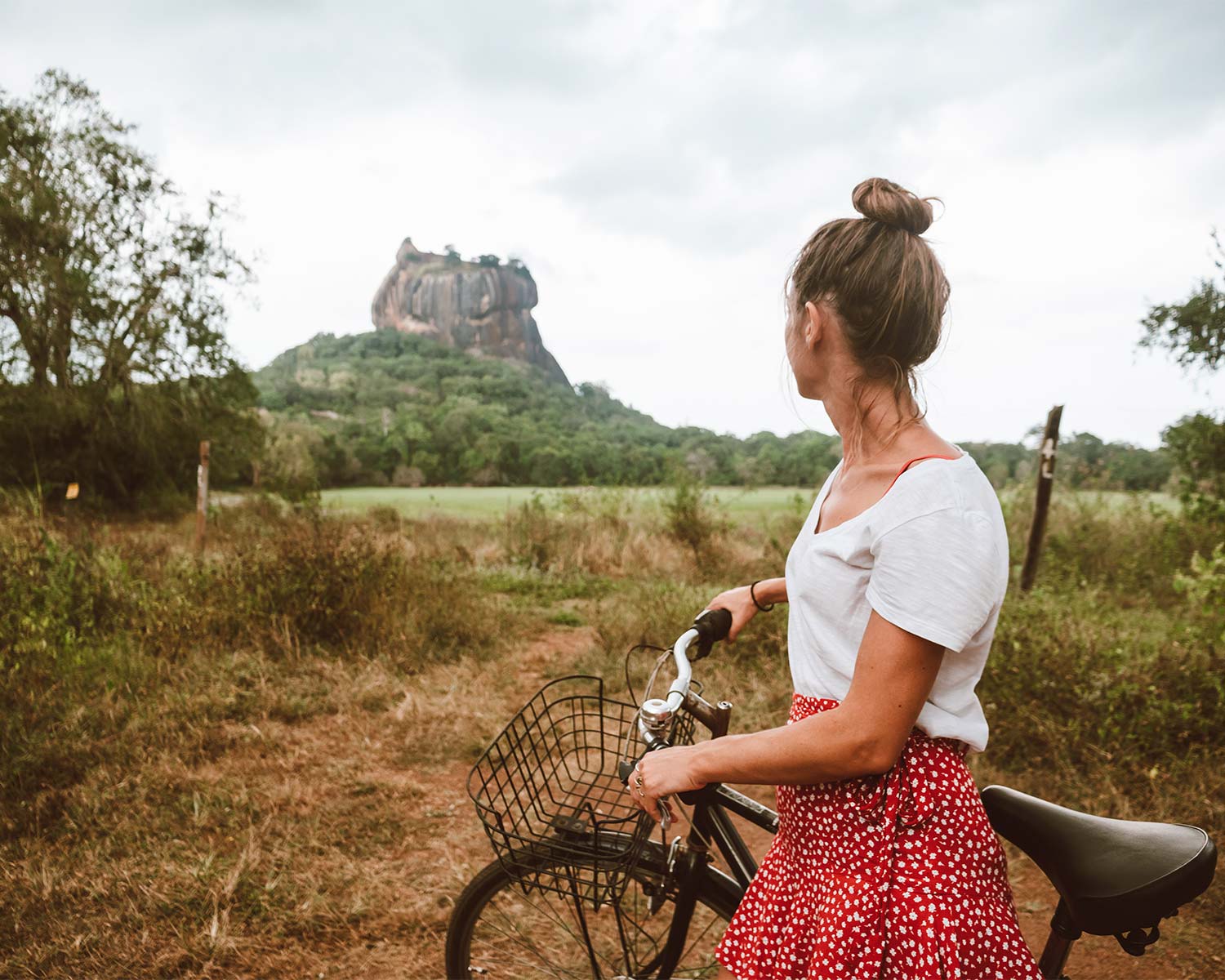
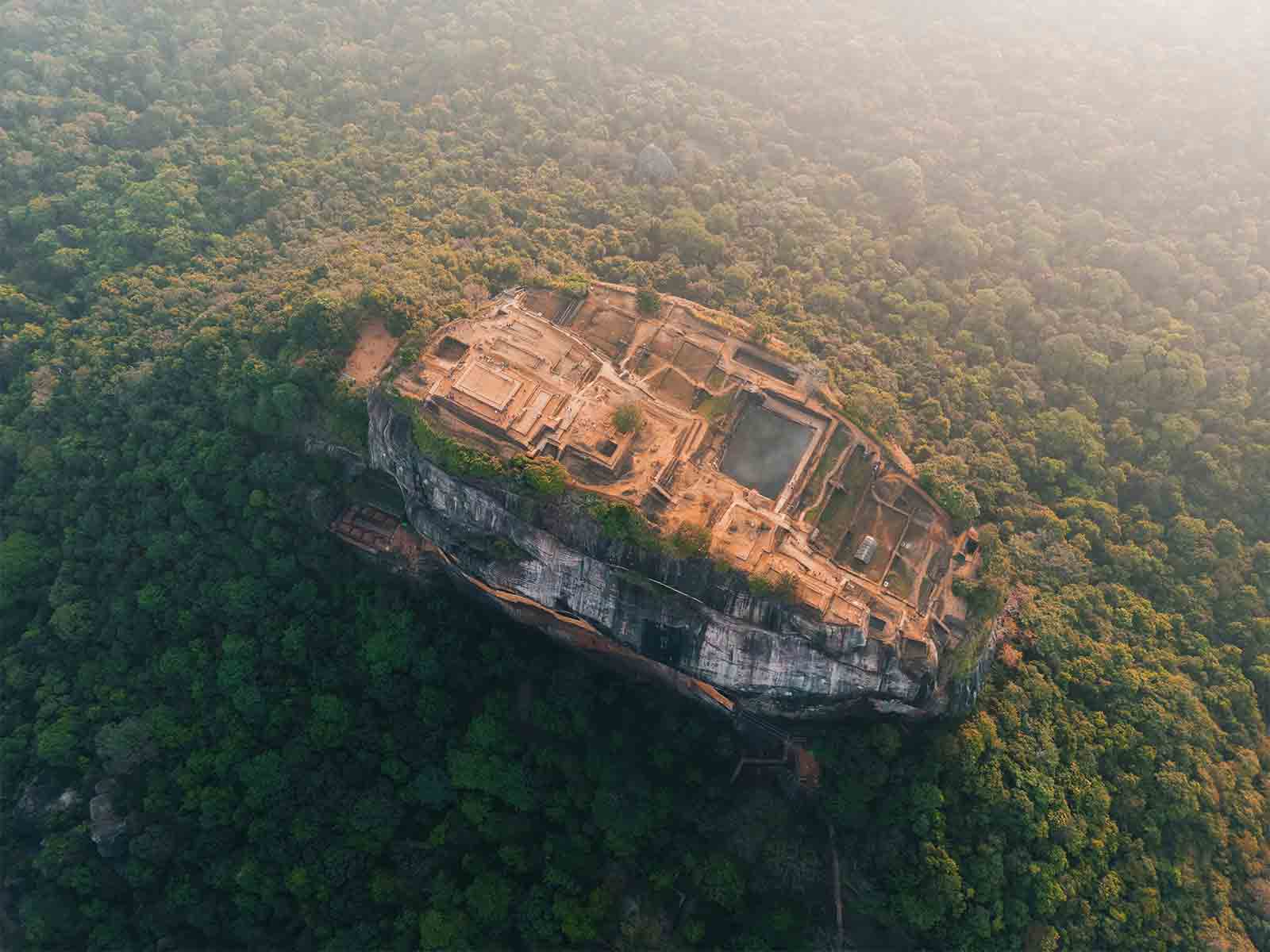
We strongly advise against anyone with any sort of heart condition or any physiological issue, e.g. hip replacements etc., from climbing the rock. If our guide deems the climb unsuitable for you, we will make alternative arrangements, such as visiting the surrounding gardens. There are 'minders' on site who help carry people up the rock and we reserve the right to decide if we bring them along to help (at our cost).
Appropriate footwear should be worn, such as trainers, with socks to prevent blisters.
It is advisable to carry water with you, particularly if climbing during the heat of the day. Wasps and hornets are found at this site, particularly near the top. If you are allergic to the sting it might be best for you not to climb. Please inform us or your guide and we will advise
Dambulla Cave Temple
There is an ascent of approximately 364 steps spread across 18 terraces which, particularly in heat of the day, can be a tiring climb.
Adam's Peak
The Adam's Peak climb (via the Hatton route) is usually a three-hour climb. To reach the summit in time for sunrise, it would be advisable to start climbing by 2.00am at the latest. We advise taking a jacket or sweater and a woolly hat, as it gets cold at the summit.
Kandy Esala Perahera
The Kandy Esala Perahera is generally 3 hours long and is a fairly crowded affair. You will not be able to move about for its duration, so keep in mind that being at your seats by 7.00pm is sufficient.
Whale Watching and Safaris
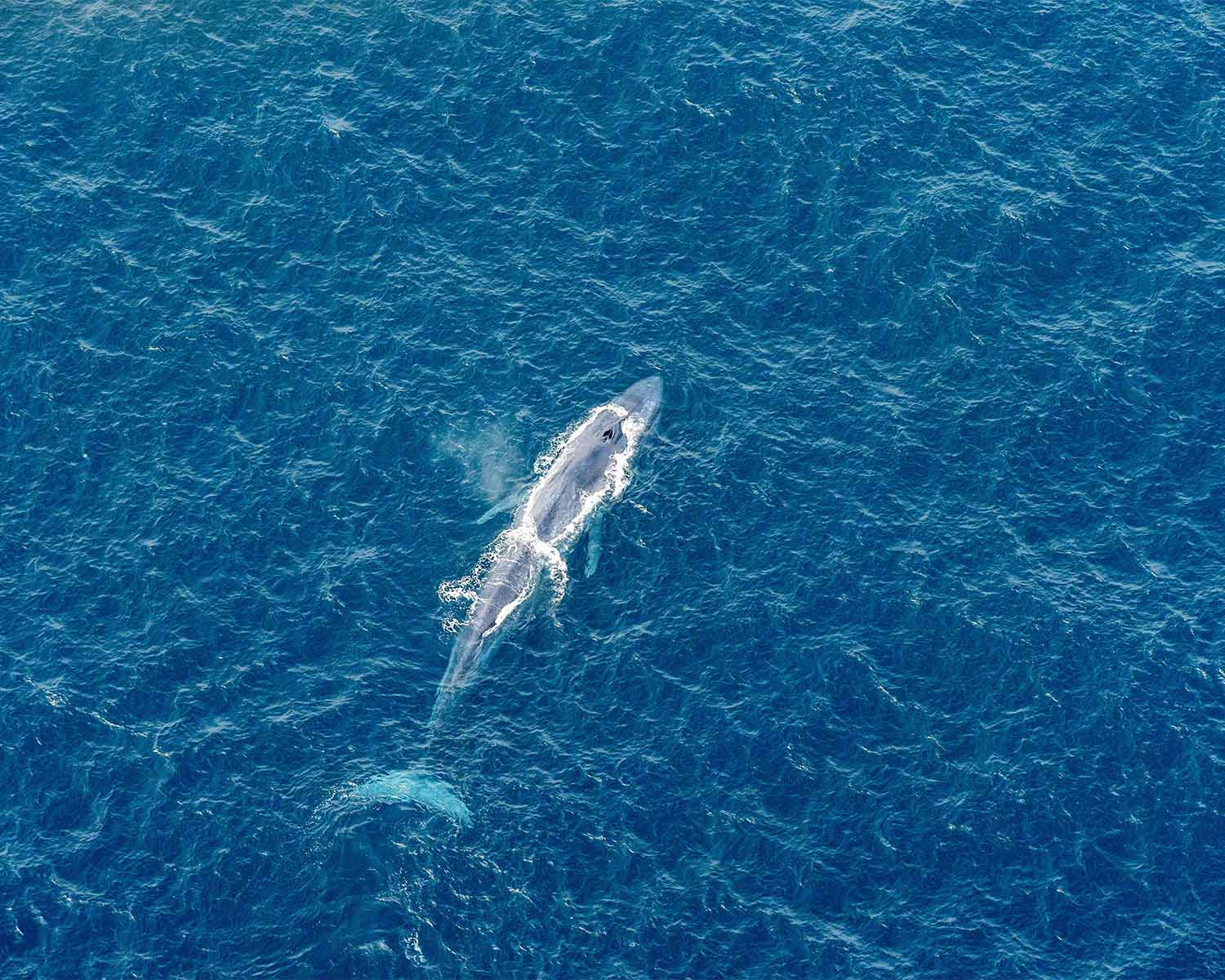
We feel certain experiences like whale watching and safaris have become a little busy over the past few years as demand has increased considerably. As these experiences are still not regulated, there could be occasions where there are large crowds at National Parks or many boats out at sea in search of a whale, especially in the peak season (December to April). We include these experiences mostly in wildlife focused itineraries and strive to use experienced operators who are known to conduct themselves in a responsible manner.
Travel Advice for Sri Lanka
Adaptors
Sri Lanka uses a range of sockets, including European and UK plug styles, so an international travel adapter may come in useful. Specialised Sri Lankan adaptors can be bought in major hotels and many shops.
Airport Tax
An airport tax is built into the price of your flight tickets; Sri Lankan departure tax is no longer paid on departure.
Allow Enough Time
We believe that you will discover Sri Lankans to be the most courteous and friendly people in the world. However, Sri Lanka will not be rushed, and a genial, relaxed service is not always a rapid one. Allow a little more time for checking out of hotels, ordering food, paying bills, travelling etc.
Cameras
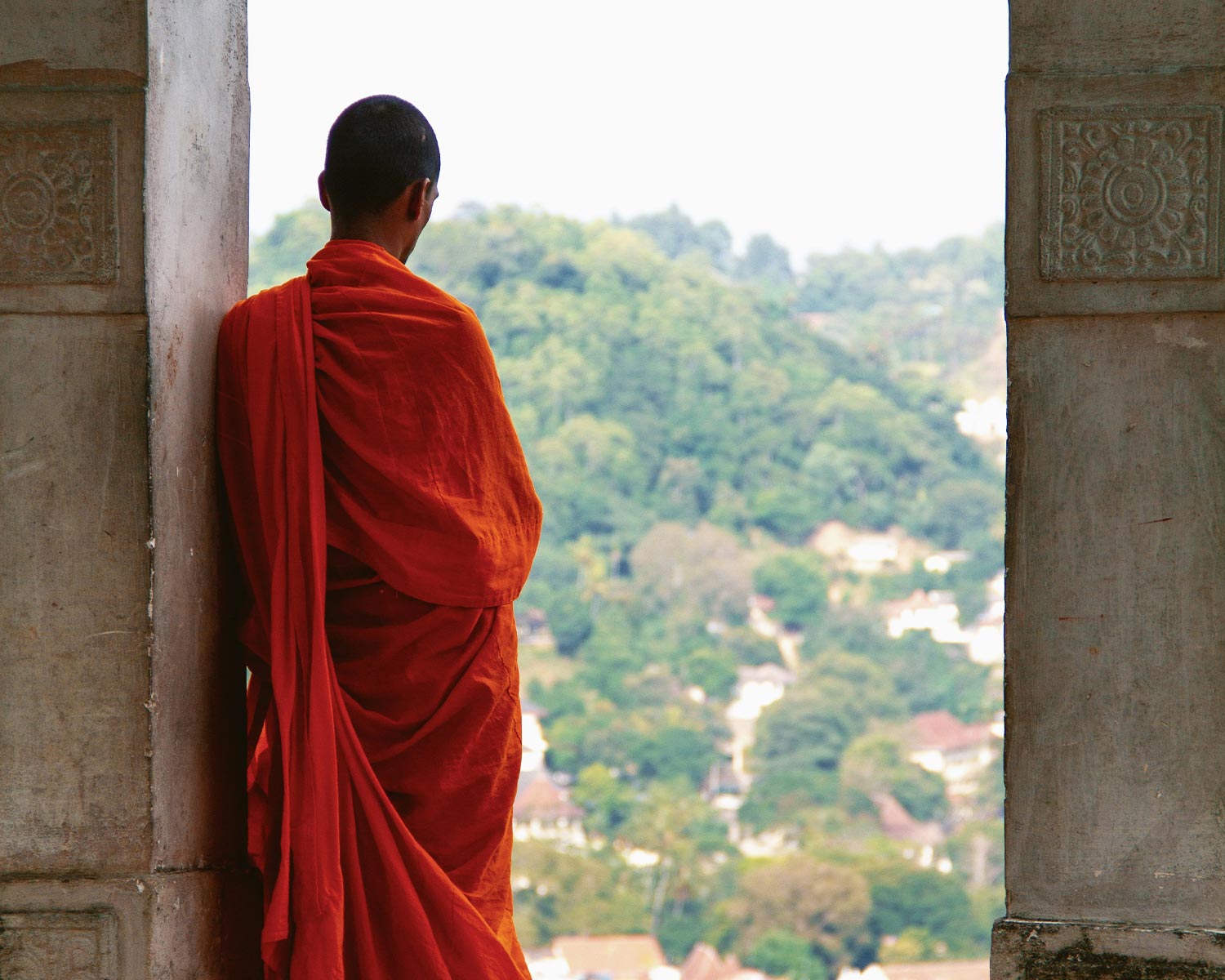
Please ask permission before taking photographs of people and respect their wishes if they refuse. Minority groups in particular are often unhappy to have their photo taken. Photographing Buddhist Monks is not taboo but can create awkwardness, so assess the situation and if in doubt ask. We do not recommend paying for the right to take a photo.
Customs and Cultural Difference
Sri Lanka's genuine hospitality to tourists is renowned. Take care to avoid religious offence, however. In particular, respect the Buddhist faith: do not touch a monk, do not pose for photographs on religious statues and remove shoes and socks when entering temples. We recommend that you are as informed as possible about the island before you arrive: read about the religion and culture and learn about local rules and values. Be sensitive to cultural difference. Patience, friendliness and courtesy are highly valued virtues that will win you the respect of many.
Documentation
Before you go, email yourself a copy of all the important information: airline numbers, phone numbers and passport and driving licence numbers. If travelling with Red Dot Tours, all of your documents will be on your own private app as well. If your documents and/or wallet is lost or stolen, you can still access all your details.
Dry Days
Sri Lanka celebrates several religious holidays each year, including a Poya (full moon day) each month which is categorised as a Public, Bank and Mercantile Holiday. These holidays are referred to as 'dry days', as the sale of alcoholic beverages at shops, hotels and restaurants is prohibited. Wine stores, taverns and bars are also closed on these days. Your travel consultant will be able to advise if your holiday dates include a dry day, and your chauffeur-guide can assist you with purchasing alcohol in advance if you wish to consume alcohol on a dry day
Insurance
Always take out comprehensive travel insurance before travelling – please obtrain insurance at the time of booking.
Emergency Numbers in Sri Lanka
- Police: 011 2433333
- Fire: 011 2422222
- Hospital: 011 2691111
- Colombo Tourist Information: 011 2252411
- Kandy Tourist Information: 081 2222661
- Department of Motor Traffic: 011 2694331
- Automobile Association: 011 2421528-9
- Department of Immigration: 011 2503629
Excess Baggage
Beware of breaking baggage limits; your flight tickets should clearly state the maximum baggage weight. Additional charges may be levied or equipment left behind of you fail to comply with these guidelines. Requests for a higher limit can be made on your behalf, but success is not guaranteed. You can ship excess baggage to your final destination through the excess baggage counter, which offers better rates than similar airline-run services. Expect any unaccompanied excess baggage to reach your final destination 3-5 days after the day of departure.
Festivals
Sri Lanka has more public holidays than anywhere else in the world, the most common being Poya Day, which occurs every full moon and is important to Buddhists for religious observances. Generally shops and businesses are closed on Poya days, the sale of alcohol and fresh meat is forbidden and entertainment can be restricted.
April is a festive month in Sri Lanka, when Buddhists and Tamils celebrate the New Year or 'Avurudhu', in line with the Sun's astrological movements from the house of Pisces to the house of Aries. The whole island joins in these festivities which include religious ceremonies, games, family get-togethers, traditional food and fireworks. During the 13th and 14th of April, all wine stores, taverns and bars will often be closed.
Laundry
All the top hotels offer a one-day laundry service, although prices vary widely. Cheaper launderettes are available in most towns, although quality is inconsistent.
Money and Security
ATM machines are widely available in major cities. Beware credit-card frauds whenever you pay direct. We offer a strict anti-fraud policy for your maximum protection. Store your passports, cash and other valuables safely at all times. Make use of hotel safes and only carry the cash you need for each day.
Personal Safety
Please take extra care when in an area where there may be wild animals and keep a safe distance away should one cross your path. Be mindful of any signs stating that an area is restricted or dangerous due to the presence of wild animals but be aware that not all unsafe areas are marked as such — if in doubt, always check.
Our chauffeur-guides will provide you with safety briefings before you do any activities which carry potential risks such as trekking, safari drives and watersports. These briefings include a step-by-step outline of the activity and any advisable precautionary measures.
Smoking
Smoking in public areas in Sri Lanka is not allowed, but there are designated smoking areas for restaurants/pubs/cafes etc. Some establishments have a designated smoking area inside.
Trip Difficulty
Whilst the recently built highway has helped to quicken many of the journeys, in particular airport transfers, travel around Sri Lanka often entails several long drives, sometimes on rough roads if you are travelling remotely. Bathroom facilities during the drives can at times be very basic; give your chauffeur-guide plenty of warning if you would like to stop at a bathroom en-route and they will take you to the most suitable facilities available.
An itinerary may call for a significant amount of walking on uneven paths, and you may encounter long and steep stairs at many of the sites you visit. Some of the historic sites have challenging climbs, which you should assess with your guide before attempting. Please let us know when we are the designing the trip if you have any mobility challenges, so we can plan accordingly.
Swimming
There are some fantastic beaches to enjoy but beware of strong currents in some areas and take local advice. The seas along the West and South Coast are suitable for swimming only between December and April. Even during the season, some of the coastal areas are not suitable for swimming due to reefs and strong currents. Much of the East Coast is generally more placid for swimming, especially in peak season from June to September. Always take note of red-flag warnings.
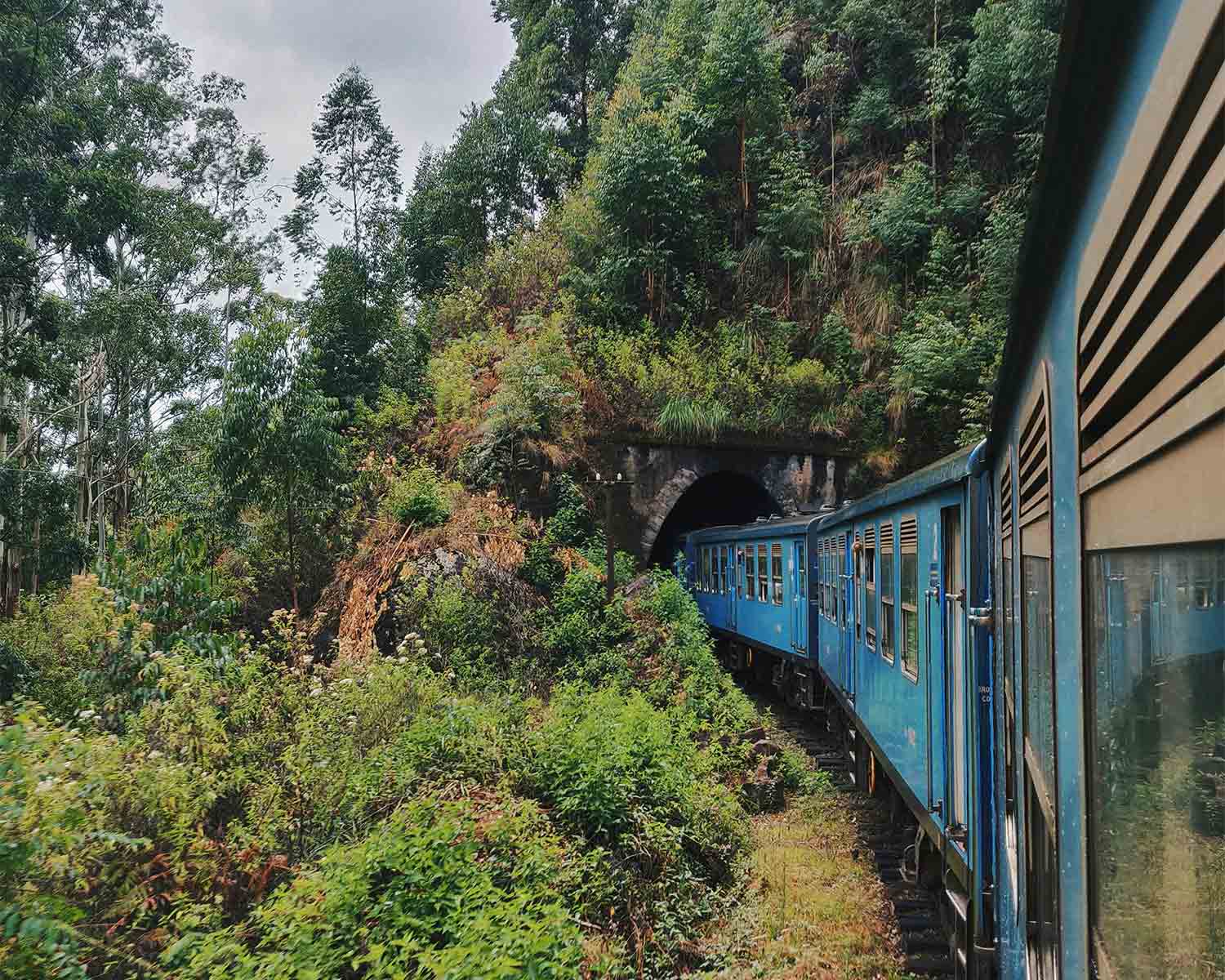
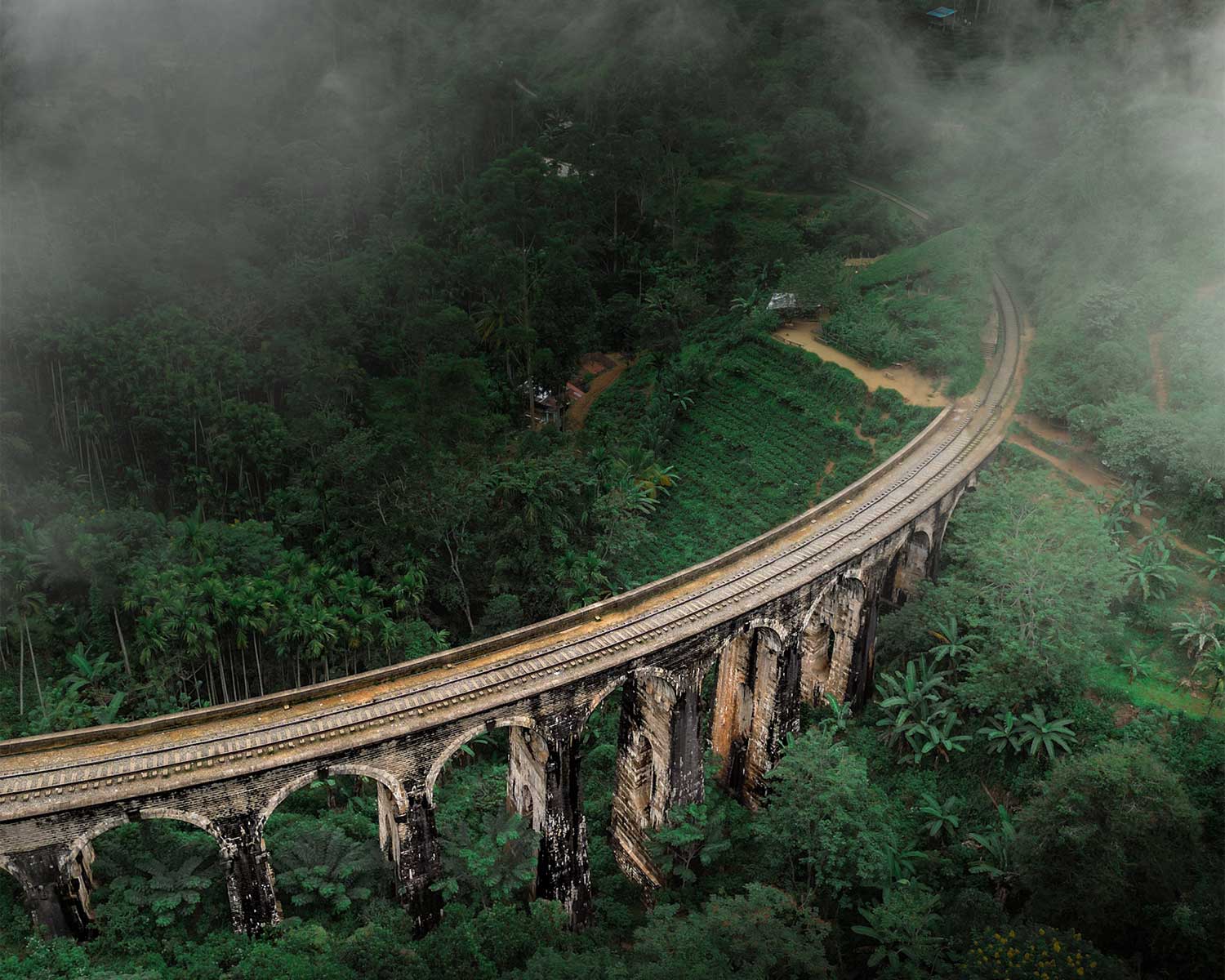
Sri Lankan Train Travel
Train Classes
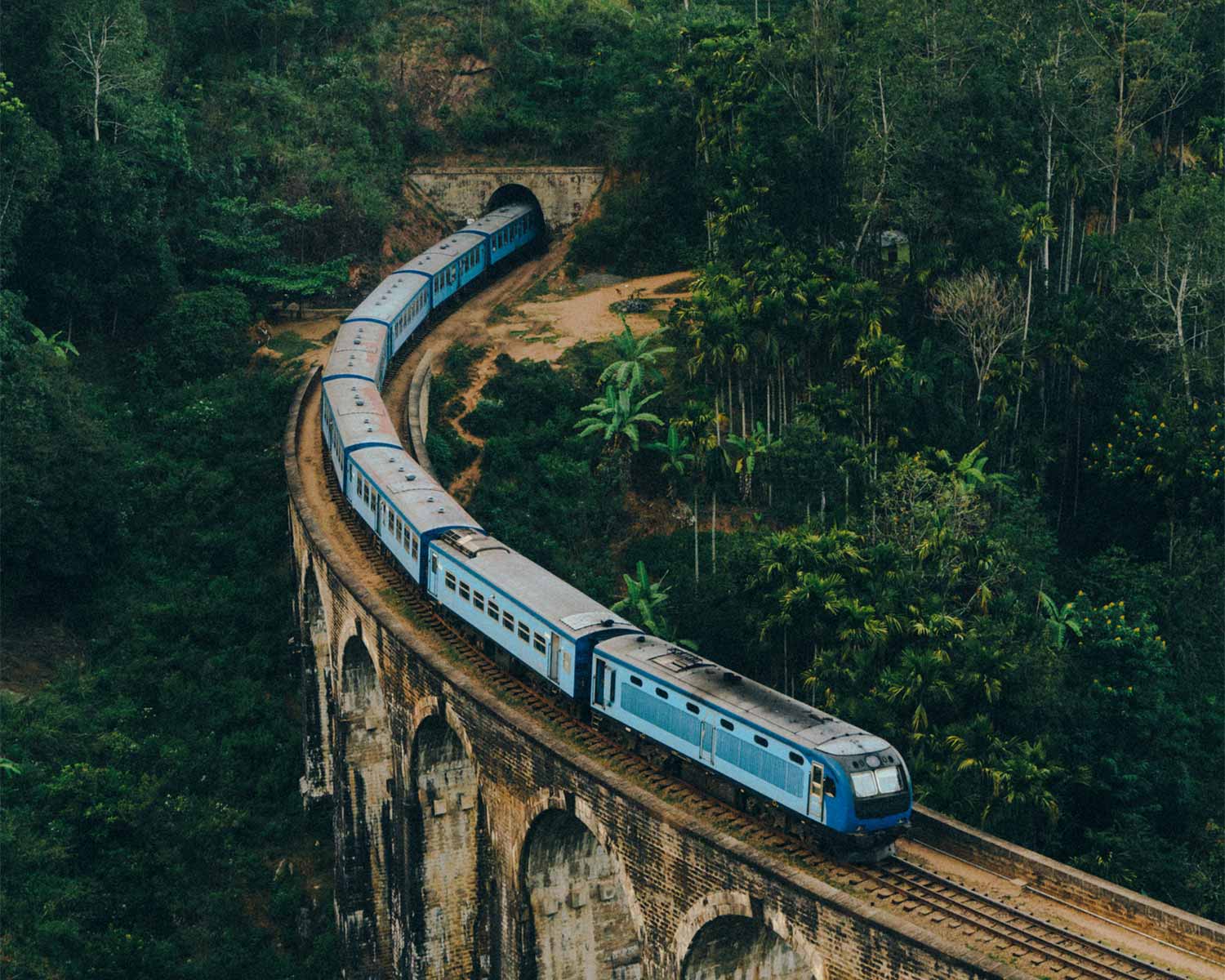
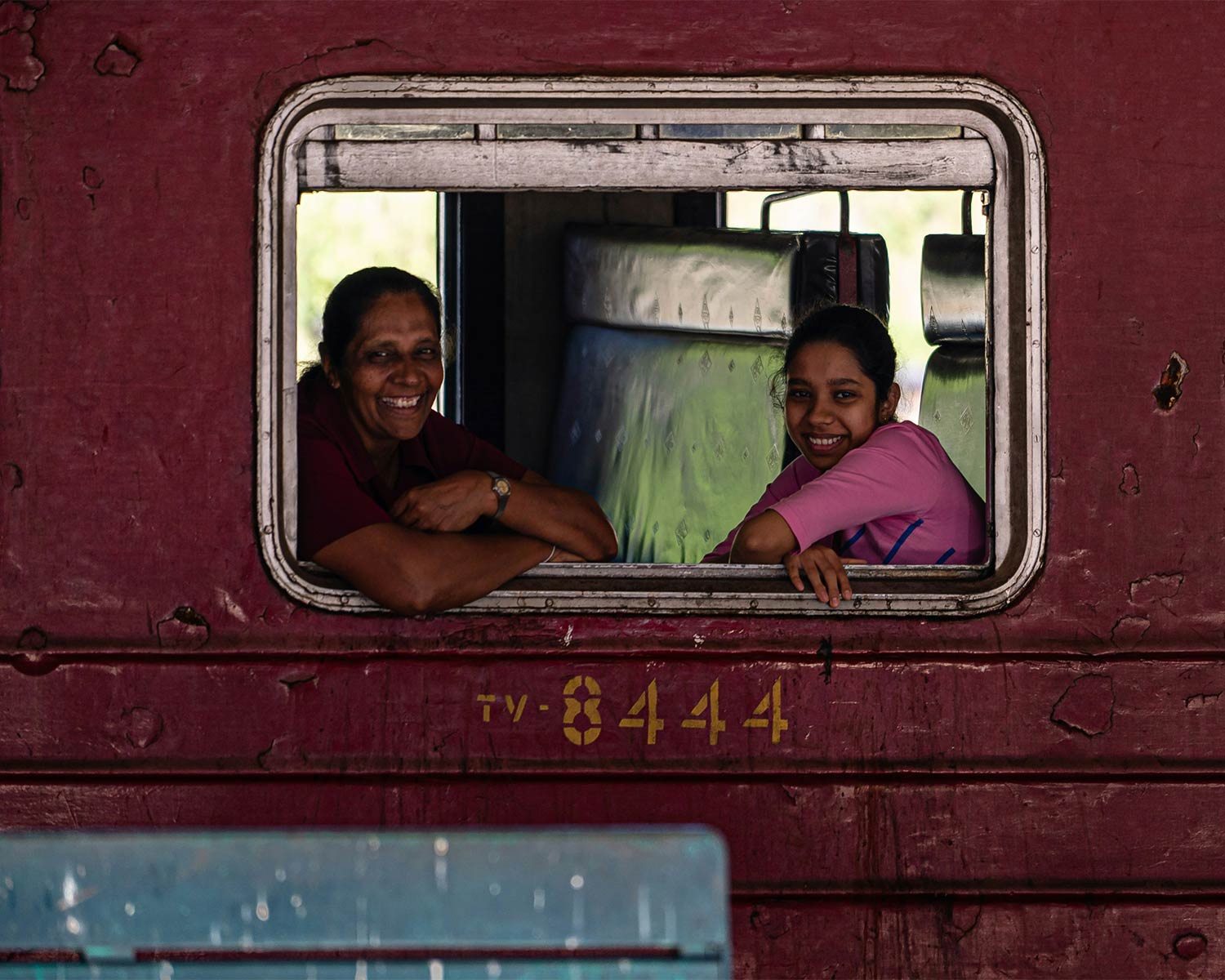
There are three categories of class on Sri Lankan trains: first, second and third class.
First Class: Some trains feature first class with an observation deck, air conditioning, small television monitors and flushable toilets, whilst other trains have standard first class carriages.
Second Class: Features fairly spacious seating and toilet facilities. Both first and second class have four seats per row (two on either side of the aisle), with all seats separated by armrests.
Third Class: The most economical option with seating similar to second class. However, tickets cannot be reserved in advance, so having a seat is not guaranteed.
Important Travel Information
Tickets: Retain your tickets for the entire journey, they are checked both when you board and before you exit at your destination station.
Food and Refreshments: Whilst some trains have a small canteen in third class selling drinks and snacks, refreshments are not always available onboard. Some stations have restaurants offering water and local food, and vendors board the train selling traditional snacks such as vadé. For long journeys, we recommend bringing a packed meal and bottled drinks from your hotel and we can arrange this for you.
Luggage: Bags can be stored in overhead racks, but space is limited. We recommend packing only essentials for the journey. Your guide will help you with this.
Seating Direction: Seats can face either forward or backward relative to the direction of travel. Unfortunately, we cannot determine seat orientation at booking time, particularly for second and third class reservations. You can book tickets without reserving seats for flexibility regarding this issue, but this means a seat is not guaranteed.
Toilet Facilities: Toilets do not have amenities such as soap, so feel free to bring hand sanitiser and tissues or wet wipes.
Pre-booking Train Tickets
Red Dot Tours is a bespoke tour operator for Sri Lankan holidays, offering all aspects of holiday planning, including train tickets. We don’t book train tickets on their own.
Booking Conditions
Due to the challenging nature of advance booking, train tickets are strictly subject to availability and can sometimes only be confirmed 10 days prior to travel. If we encounter difficulty securing your tickets, we will continue trying until your travel date and notify you of the outcome as soon as possible.
Holiday Inspiration
Recommended Reading
Fiction
- Running in the Family - Michael Ondaatje (Governor General's Award winner)
- Anil's Ghost - Michael Ondaatje (Booker Prize winner)
- Reef - Romesh Gunasekera (Booker Prize shortlisted)
- Funny Boy - Shyam Selvadurai (Lambda Literary Award winner)
- The Village in the Jungle - Leonard Woolf (Classic colonial literature)
- The Hamilton Case - Michelle de Kretser (Commonwealth Writers' Prize winner)
- Chinaman: The Legend of Pradeep Mathew - Shehan Karunathilake (Commonwealth Book Prize winner)
History & Culture
- A History of Sri Lanka - K.M. de Silva (Definitive academic history)
- A Historical Relation of the Island Ceylon - Robert Knox (17th-century classic, first detailed English account)
Architecture
- Geoffrey Bawa - Brian Brace Taylor (Definitive work on Sri Lanka's most celebrated architect)
Recommended Films and Documentaries:
- The Bridge on the River Kwai (1957) - David Lean's Academy Award-winning classic, partly filmed in Ceylon
- BBC's Sri Lanka: Paradise Island - David Attenborough-narrated nature documentary
- Anthony Bourdain: No Reservations - Sri Lanka episode (critically acclaimed travel series)
Read next
.webp)
.webp)
Meet our experts
Speak to our experts to help you plan your trip
Dreaming of a journey that’s truly your own? Our specialists take the time to understand what excites and inspires you, then craft a holiday that goes far beyond the ordinary. Whether you’re seeking adventure, relaxation, or a perfect balance of both, we’ll design something that’s completely yours. Ready to start planning? Get in touch and let’s create your ideal escape.
Choose your adventure
Speak to one of our team to get started. After all, your travel journal won’t write itself.