Learn more
Birds in Sri Lanka: when to go and where to find the island's best
For a country you can drive across in a long day, Sri Lanka holds a remarkable amount of birdlife. More than 400 species have been recorded here, and 33 of them are endemic, found nowhere else on earth.
The exact endemic count shifts a little as taxonomists split and reclassify species, but the point stands: this is one of the richest islands for birds anywhere in Asia, and the variety is packed into a very small space. That density is what makes it such a rewarding place to come with binoculars. In the course of a single trip you can move from lowland rainforest to misty highland cloud forest to dry-zone scrub and coastal lagoons, and the birds change completely as you go. You do not have to travel far to find a different cast of characters. Over the years we have designed many trips for birders and it’s something we at Red Dot take seriously as we know, for many, it’s a very special trip. It’s also something not only reserved for serious enthusiasts – many of our clients and their children return home far more interested in birds than they ever thought possible.
Why Sri Lanka rewards birders
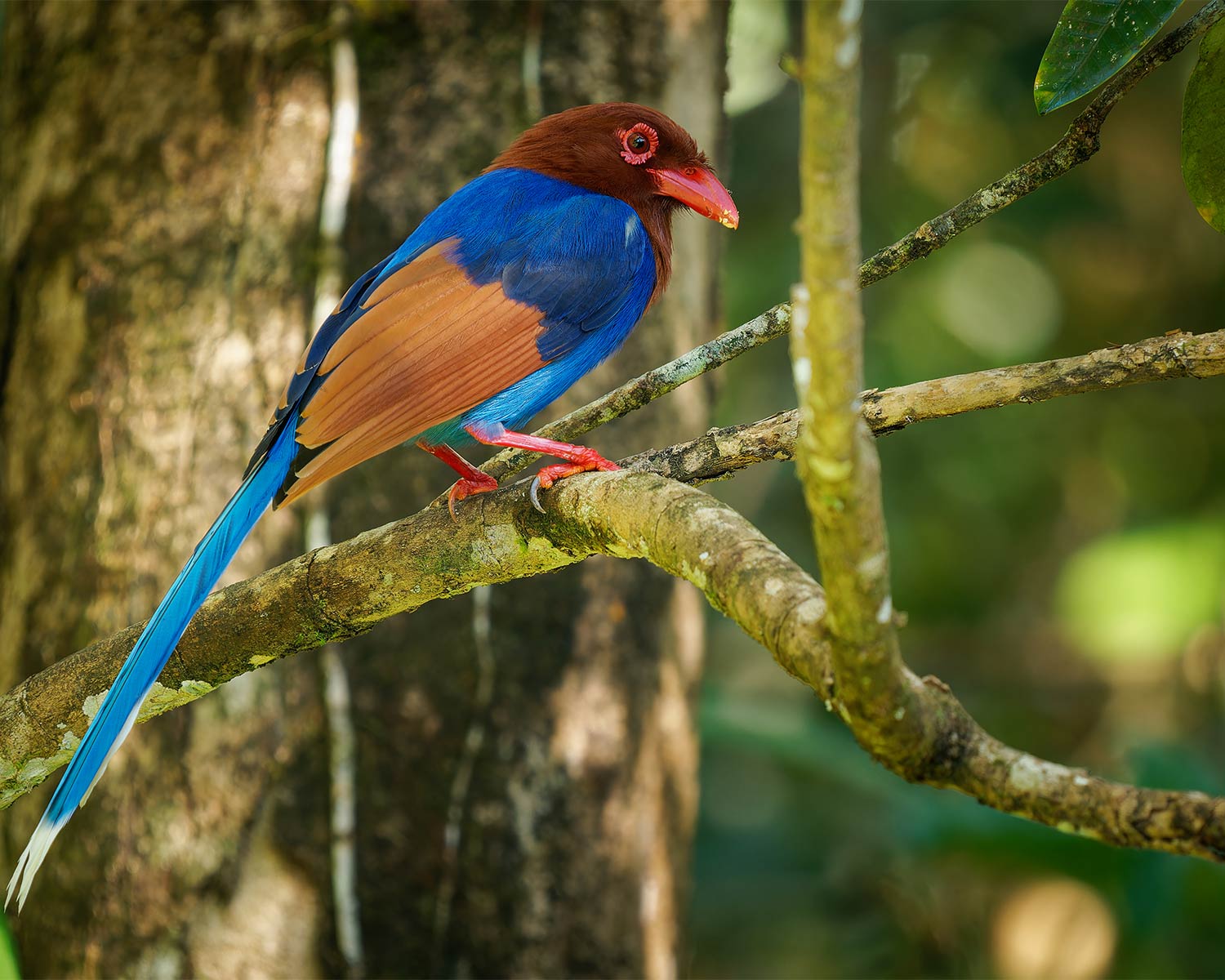
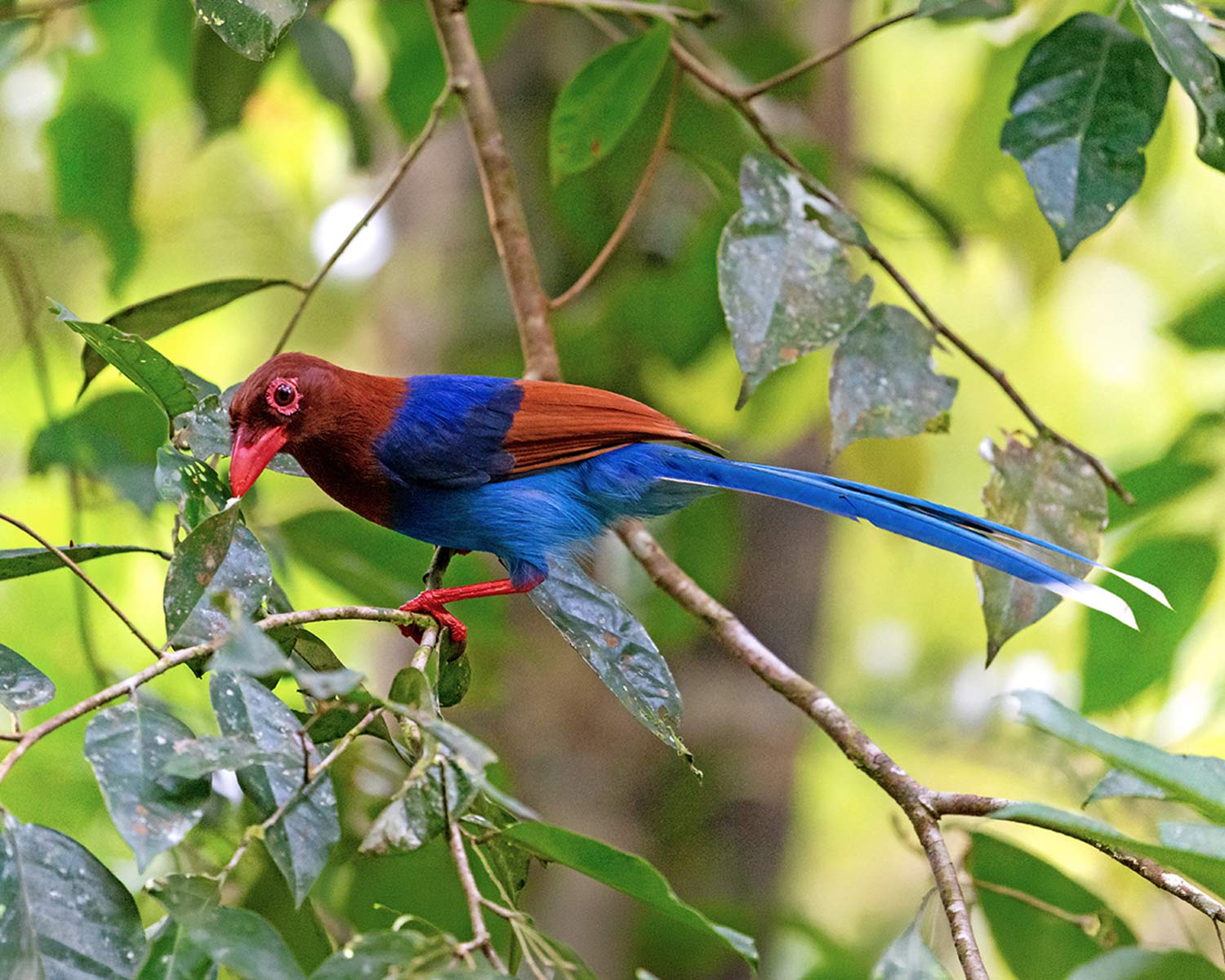
While many birds can be found across the island on any type of holiday to Sri Lanka, for birders the endemics are a very obvious draw. Most of them live in the wet zone in the southwest and in the central hills, so a good birding trip tends to include that band of forest. Names like the Sri Lanka blue magpie, the red-faced malkoha, the green-billed coucal and the serendib scops owl are the sort of thing that brings people halfway around the world, and they are all here. A focused ten to fourteen days gives you a strong chance of most of them, and often all of them, but a few are genuinely shy. The Sri Lanka spurfowl, the serendib scops owl and the Sri Lanka whistling-thrush can take patience and a little luck, and no honest guide will promise the lot.
There is also the spectacle of the mixed feeding flocks. In Sinharaja in particular, dozens of birds of many different species travel and forage together in a single moving party. It is one of the longest-studied flocks of its kind in the world, and watching one pass through the canopy is one of those experiences that stays with you.
On top of the residents, Sri Lanka sits on a migratory flyway. From around October the island fills with visitors escaping the northern winter, which is why the wetlands and lagoons come alive later in the year.
The best time to go
The short answer is November to April. That window suits most birders well, and there are good reasons for it.
Sri Lanka has two monsoons that affect different parts of the island at different times. The forests and hills of the southwest, where the endemics concentrate, are at their driest and most walkable from roughly December to April. The migrants are present from around October through to April. Put those together and the early months of the year give you the endemics in comfortable conditions and the winter visitors at the same time. That said, the monsoon windows are a guide rather than a guarantee. The wet zone earns its name, and a wet morning can keep the birds quiet, so we build a little flexibility into the days.
A few practical notes that hold true in any season; early mornings are by far the most productive, with the first few hours after dawn doing most of the work before the heat builds. The light is softer then too, which matters if you are photographing. Our private expert guides make an enormous difference, since so much of the forest birding comes down to knowing the calls and the quiet spots where the shy species sit.
There is one important exception to the November to April rule. If your heart is set on the great nesting colonies of the east, the breeding season runs from around May to July, so the ideal timing depends on what you most want to see. We are always happy to talk through the trade-offs and shape a tailor-made tour of Sri Lanka around the birds at the top of your list.
The parks worth building a trip around
Sinharaja
If you only have time for one place and endemics are you thing, this is it. Sinharaja is Sri Lanka's last major stretch of primary lowland rainforest and a UNESCO World Heritage Site, and it is the beating centre of endemic birding on the island. This is where you go for the blue magpie, the red-faced malkoha, the green-billed coucal and the Sri Lanka spurfowl, and where the famous feeding flocks form. The serendib scops owl, only discovered in 2001, lives here too. The walking is gentle to moderate, the forest is very humid, and patience is everything. Rainforest birding definitely asks something of you, with the birds often high in the canopy, views that can be brief, and feeding flocks that move on their own schedule rather than yours, so a quiet hour is part of the bargain. After rain the wet-zone forests also have leeches, which are harmless but persistent, so a pair of leech socks is well worth packing.
Where to stay: Accommodation in this area is very simple. Rainforest Eco Lodge sits on the southwestern fringe of the forest near Deniyaya, its chalets built from recycled shipping containers and raised on stilts among the tea bushes, with naturalists on hand for early treks. Towards the northern entrance, Rainforest Edge at Waddagala is a smaller, simpler choice with restful views over the hills. Both keep you close enough for a dawn start at the forest gate but this is not for those wanting luxury in the true sense.
Kitulgala
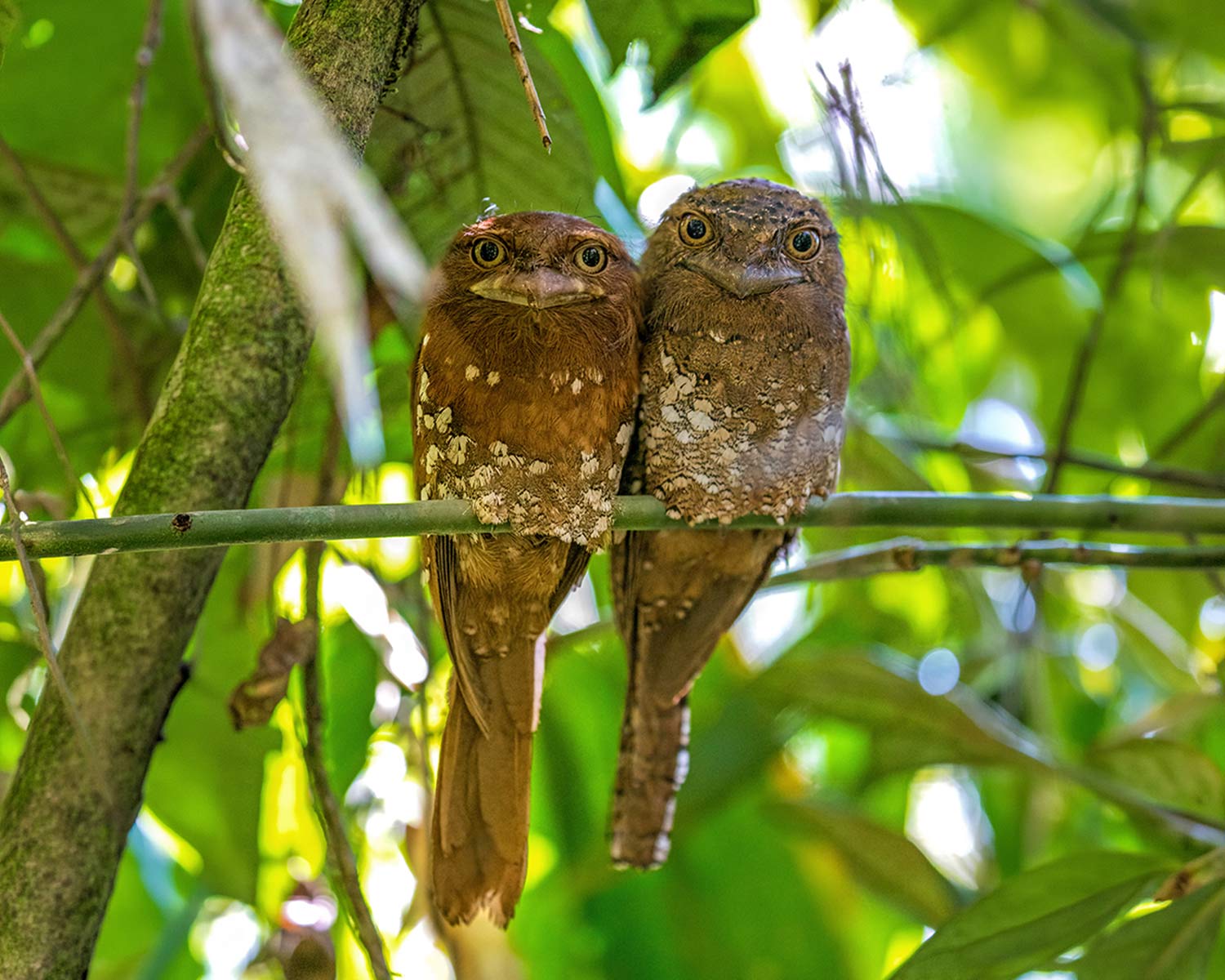
A little easier to reach and a little easier underfoot, Kitulgala is another patch of lowland rainforest with a strong endemic list. It works beautifully as a complement to Sinharaja, or on its own for travellers who are shorter on time. It is also one of the better places to look for the Sri Lanka frogmouth, an oddly endearing bird that sits motionless on a branch through the day.
Where to stay: Borderlands sits right on the Kelani River, a cluster of tents and stilted cabins that also makes a base for rafting and walks if the family fancies a change of pace. Forest Edge, a four-bedroom retreat on a tea plantation about half an hour away, suits anyone who would rather have a place to themselves.
Horton Plains and the central highlands
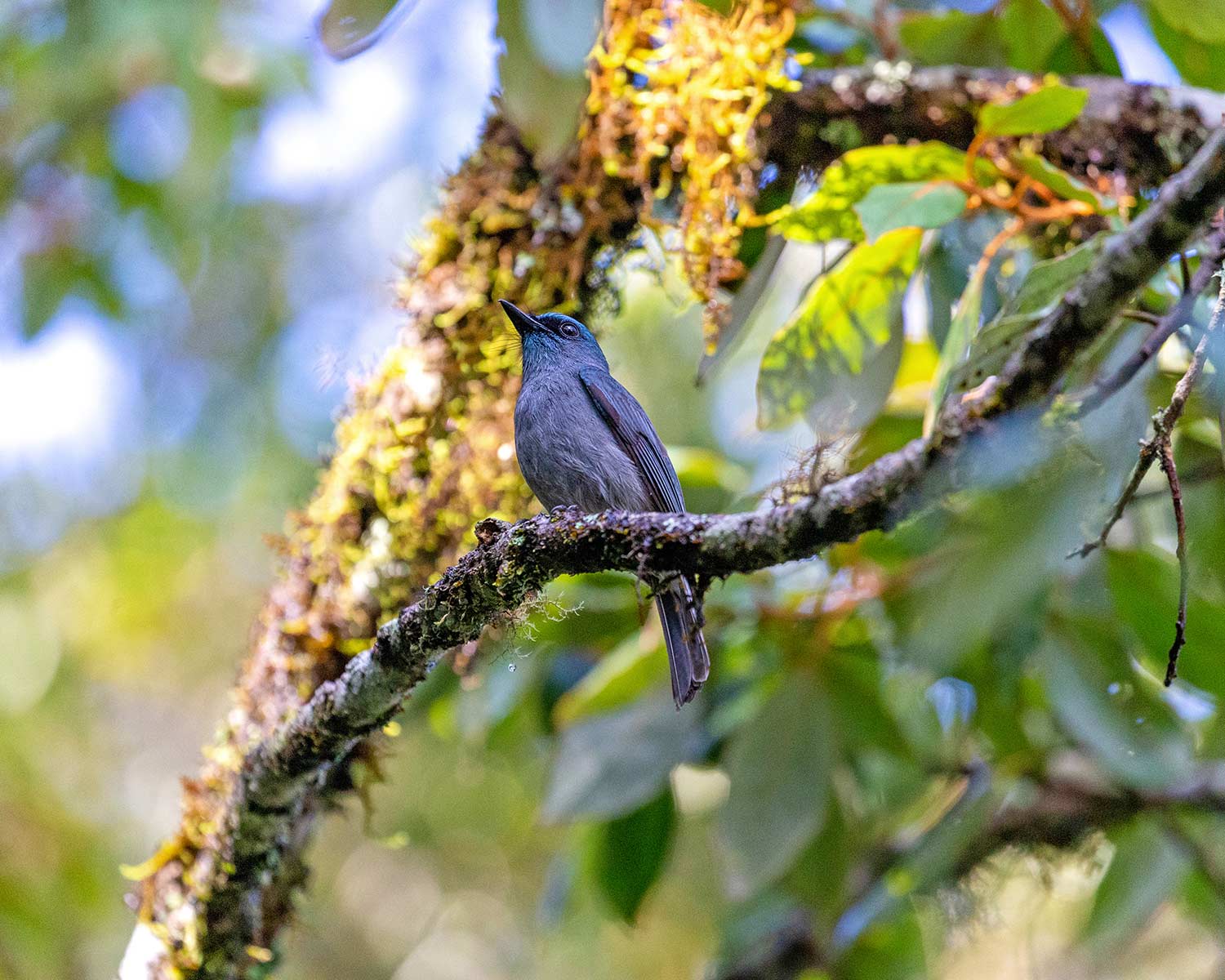
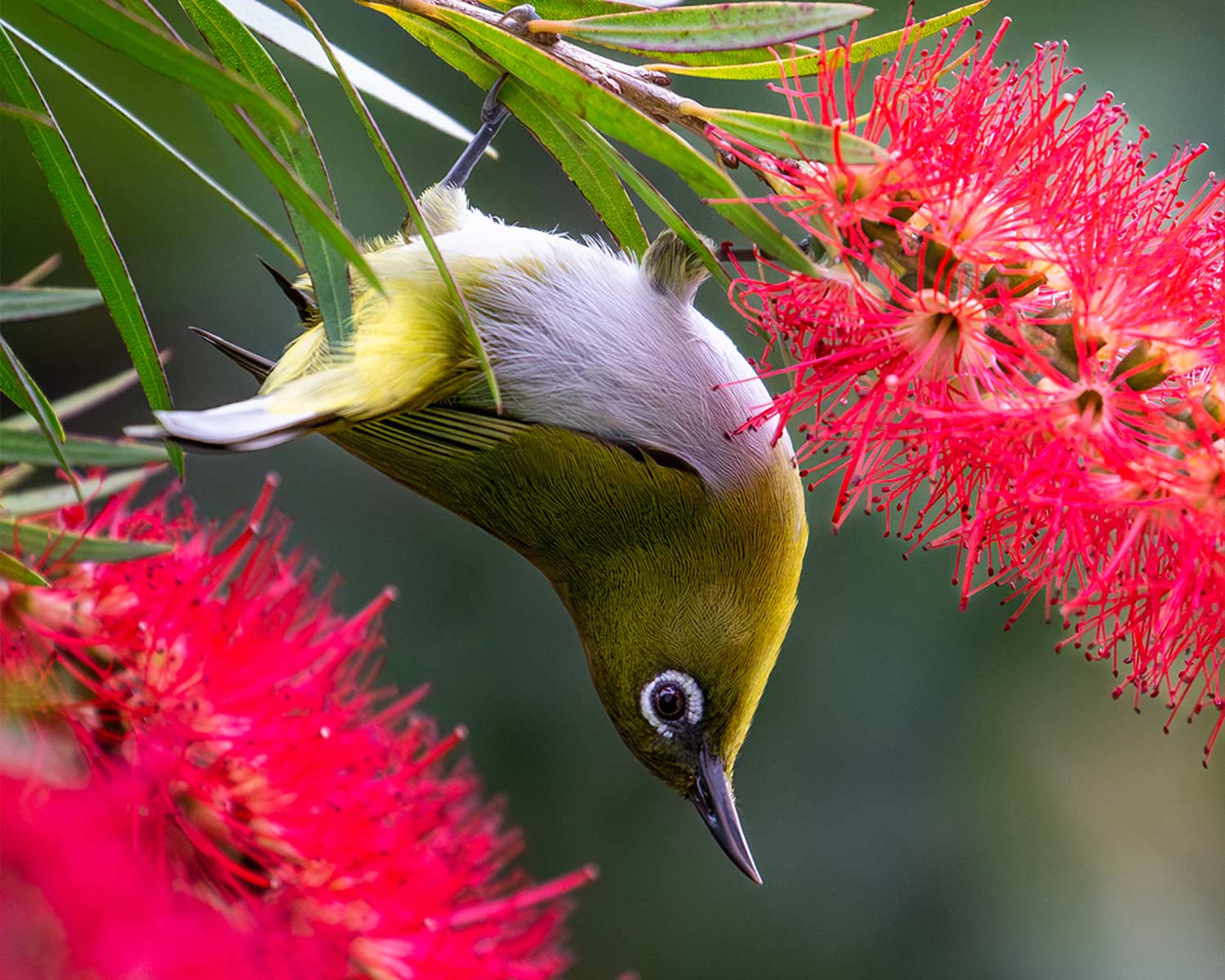
For a different set of birds entirely, head up into the hills. The cool cloud forest around Horton Plains, more than 2,000 metres above sea level, is the place for the highland endemics: the Sri Lanka whistling-thrush, the Sri Lanka bush warbler, the Sri Lanka white-eye and the dull-blue flycatcher among them. Mornings are cold and often misty, which is part of the appeal. The change in temperature and scenery after the lowland forest is striking.
Where to stay: an old tea planter's bungalow up in the hills is hard to beat for this stretch. Somewhere like Stafford Bungalow at Ragala, with its log fires and clear highland air, sets you up nicely for a cold, early start on the plains. It’s a drive to get there but well worth it.
Bundala
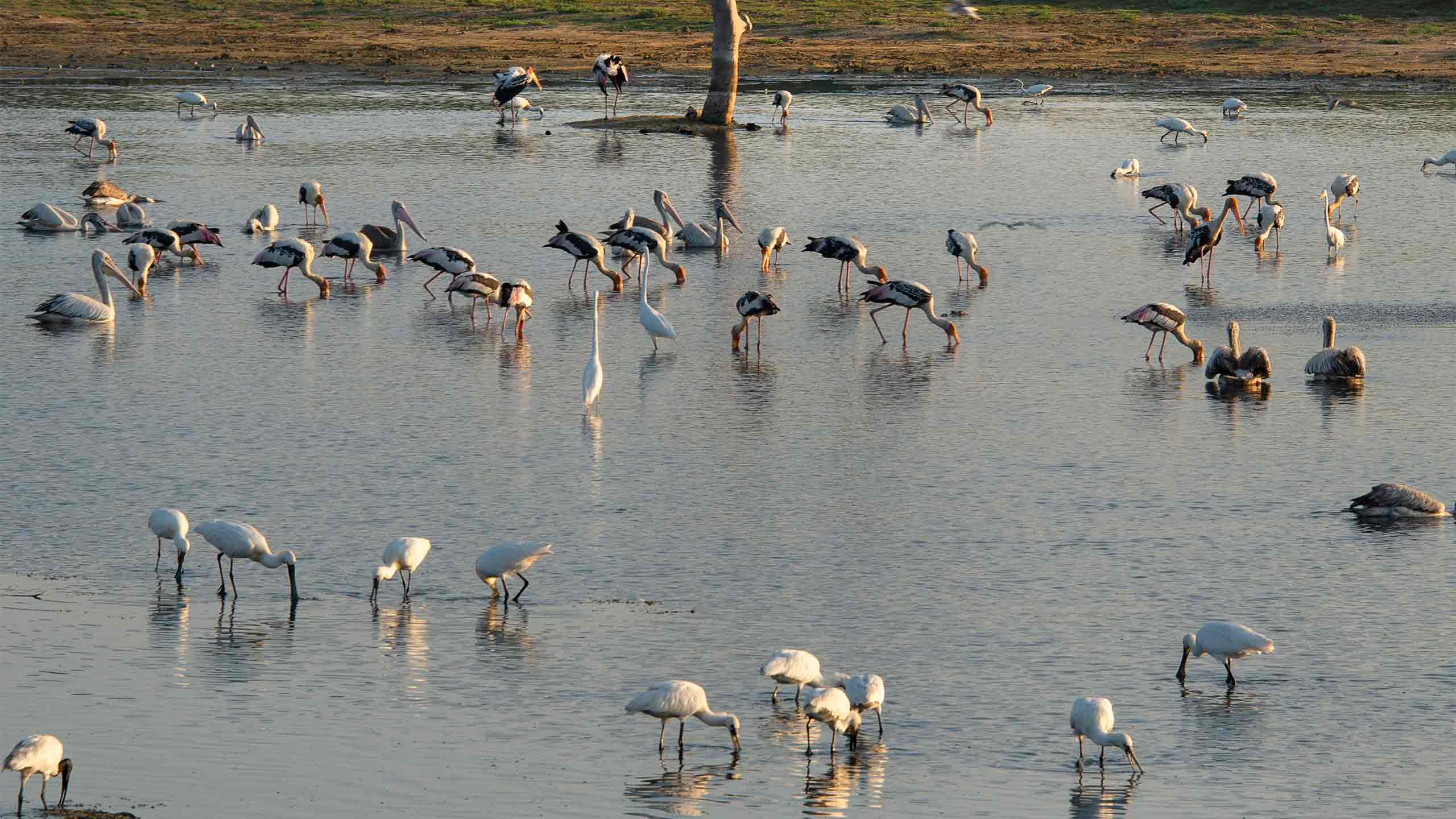
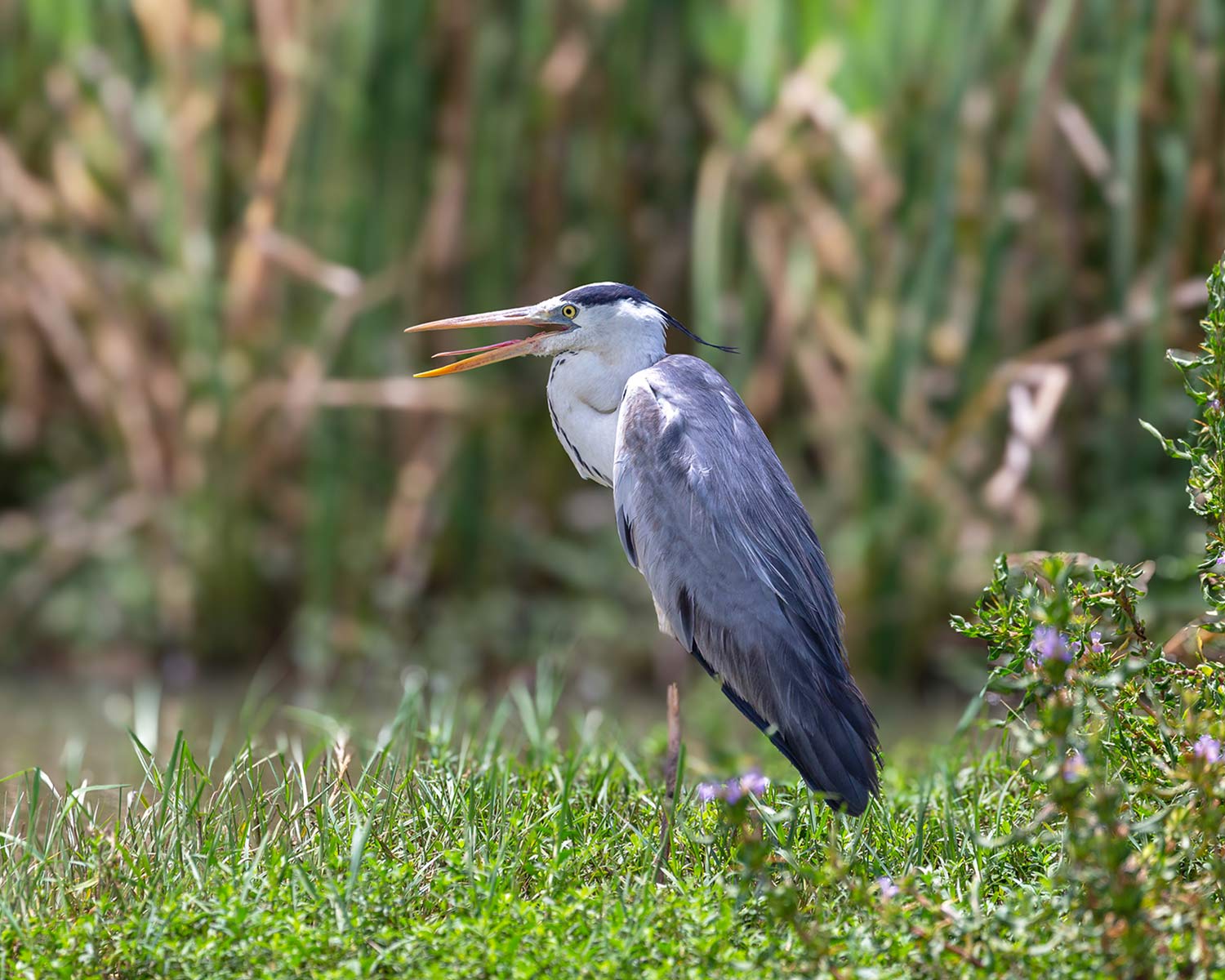
Down on the south coast, Bundala is a Ramsar-listed wetland and the island's standout site for waterbirds. Its lagoons, salt pans and scrub draw large numbers of migratory waders and waterfowl through the northern winter, and greater flamingos gather here in good numbers. The terrain is open and flat, which makes it forgiving for photography and a gentle introduction to the country's birdlife.
Where to stay: Flameback Eco Lodge is our pick, a cluster of lakeside tents set within the Weerawila bird sanctuary a little inland. The dawn chorus over the lake is reason enough to stay, and Bundala is an easy drive from the door.
Kumana
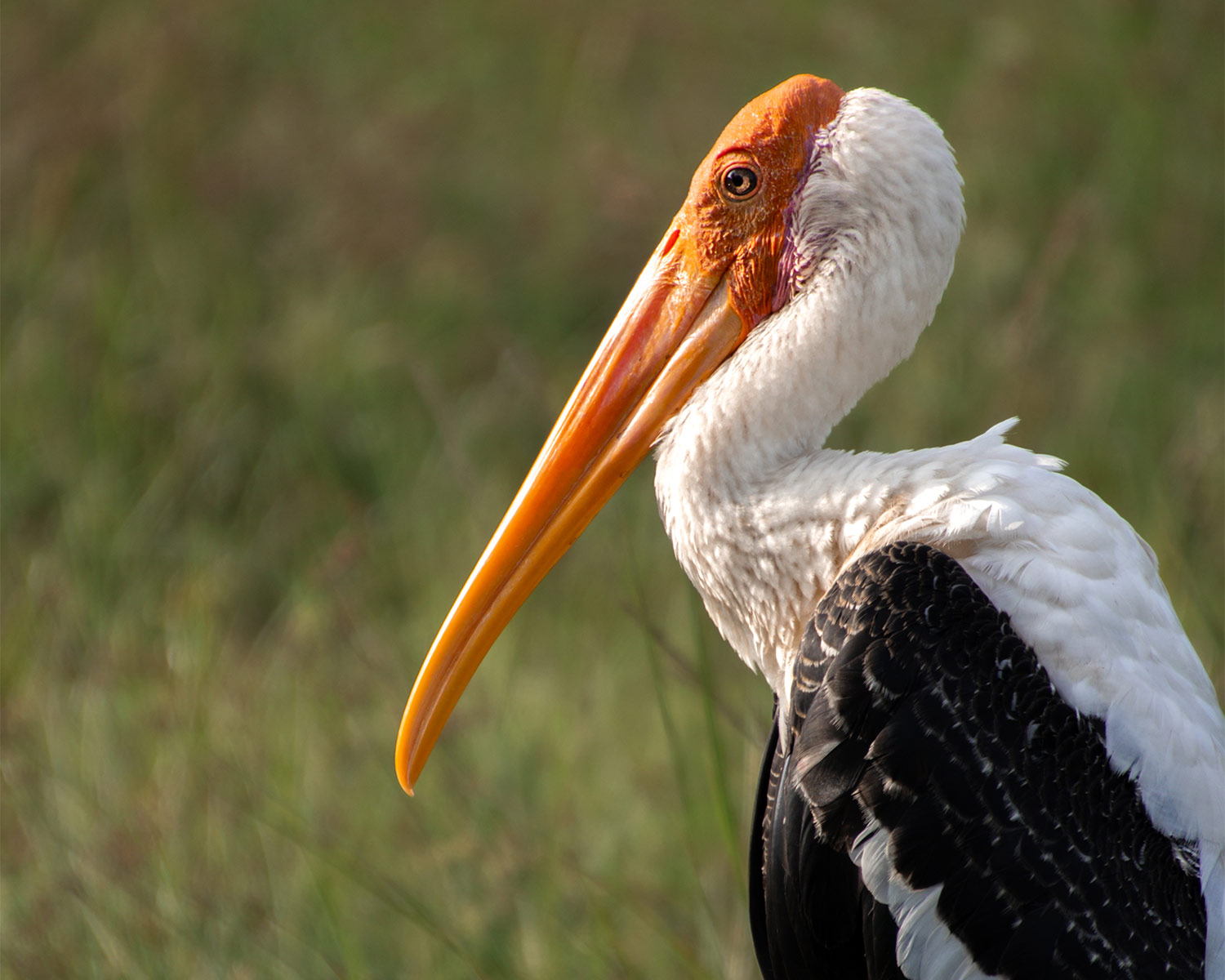
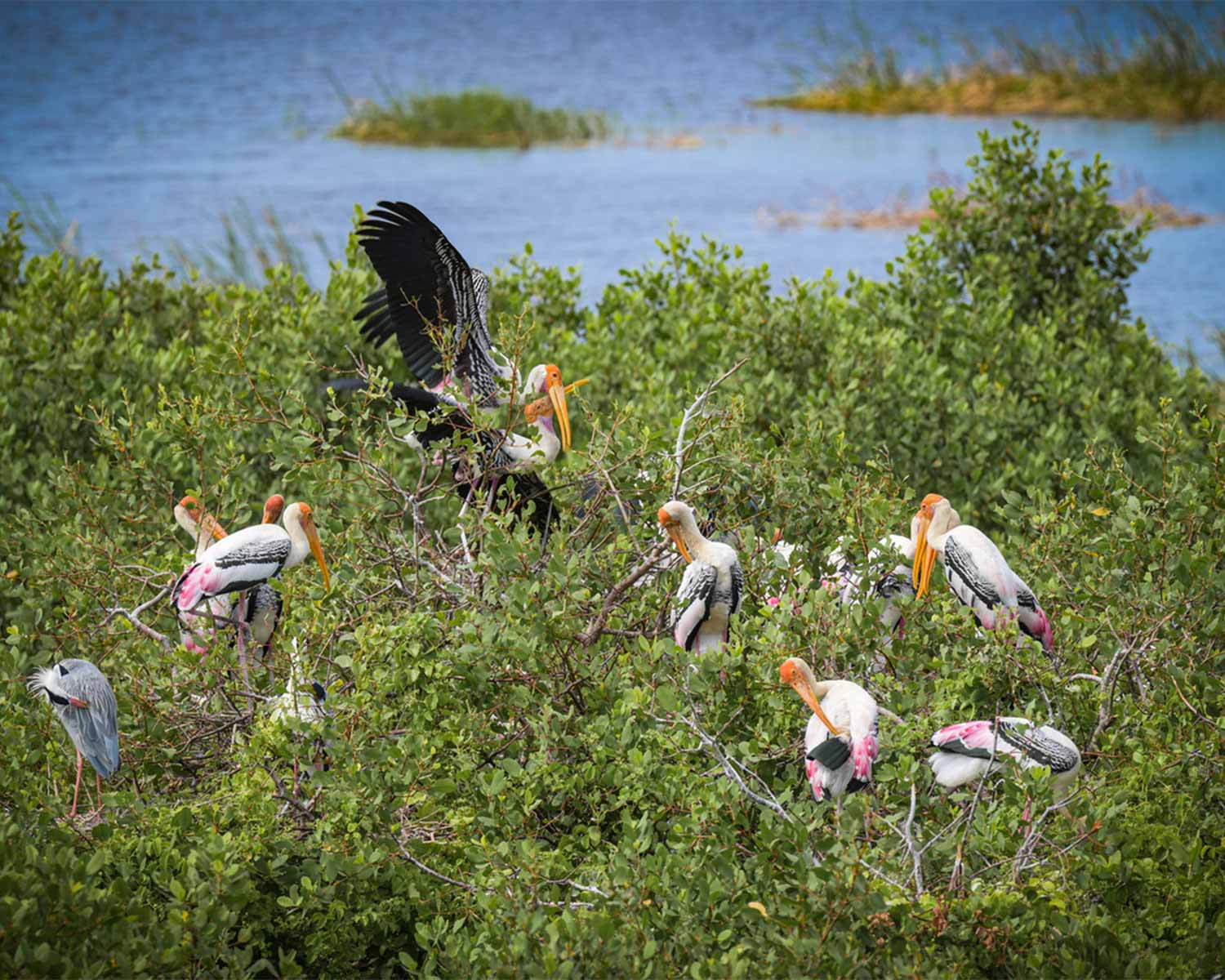
On the southeast coast, Kumana is quieter than its busy neighbour Yala and is best known for its nesting colonies. Around the Kumana Villu lagoon, thousands of waterbirds gather to breed between May and July, which is precisely the season when much of the rest of the island is past its best for birding. For anyone whose main interest is the nesting spectacle, this is the reason to travel later in the year.
Where to stay: Kumana Under Canvas, the mobile camp run by Leopard Trails, pitches inside the park itself, so there is no time lost at the gates and game drives can begin and end on your own schedule. It is usually reached from the laid-back coast at Arugam Bay and could be combined with Gal Oya or Passikudah.
Yala
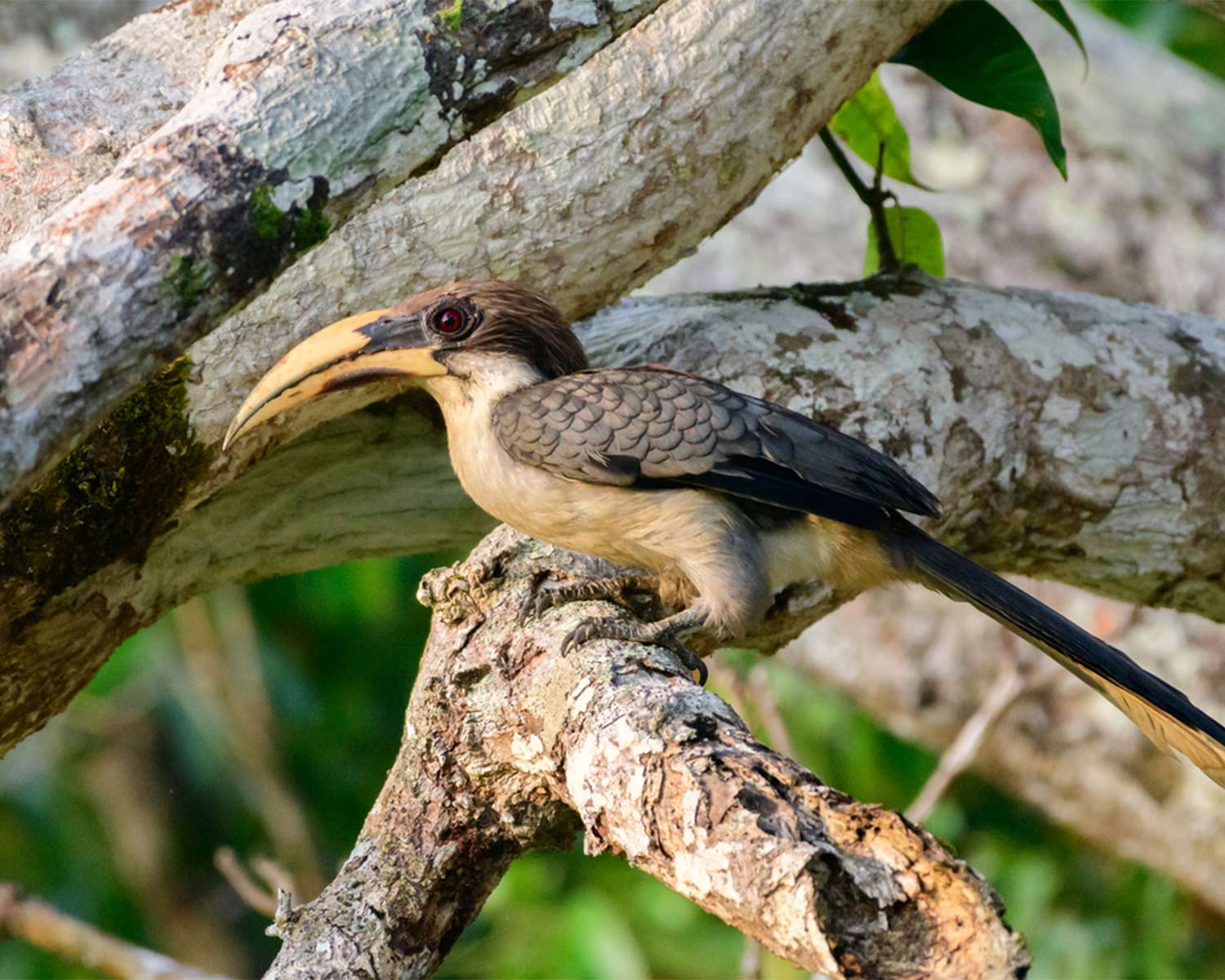
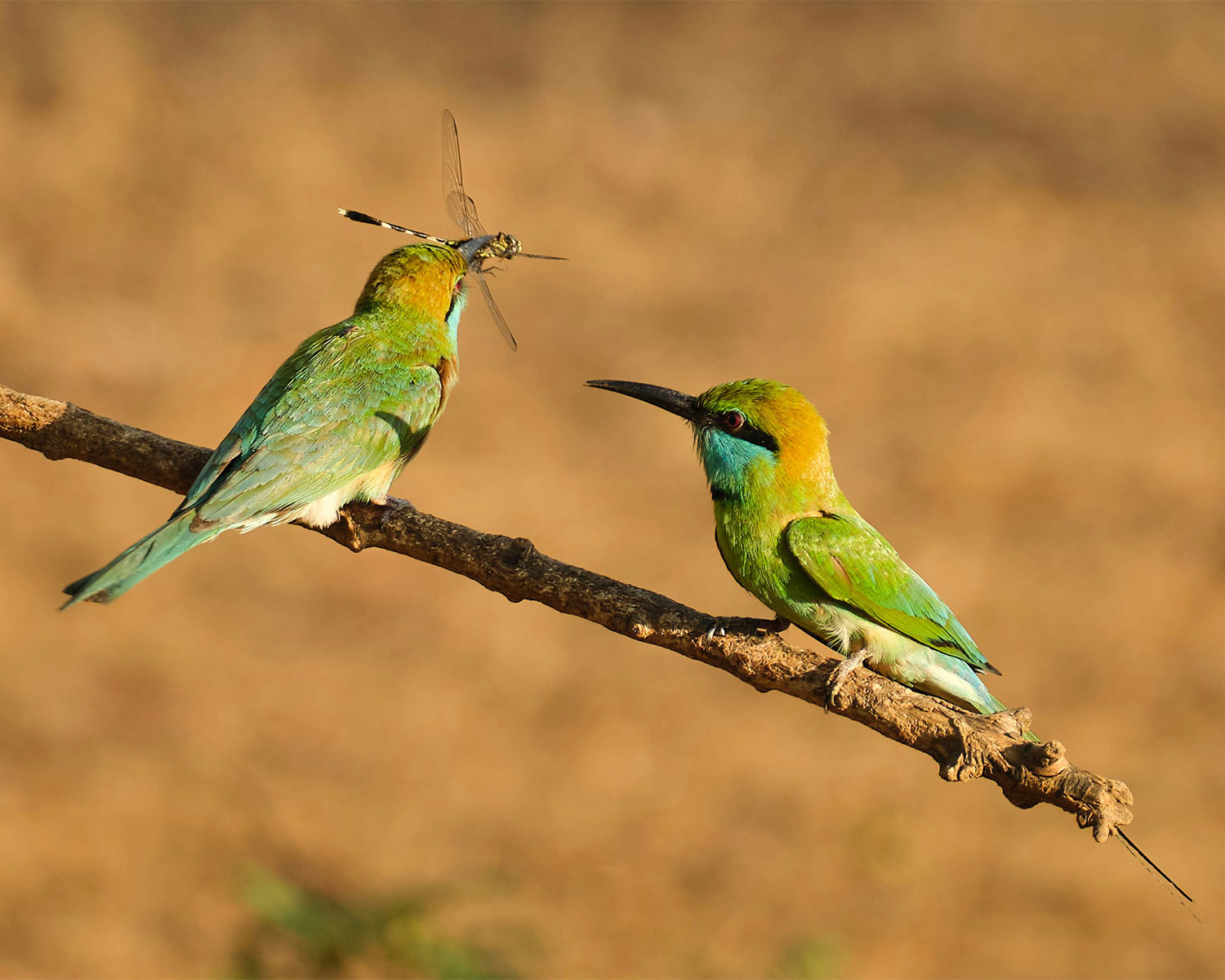
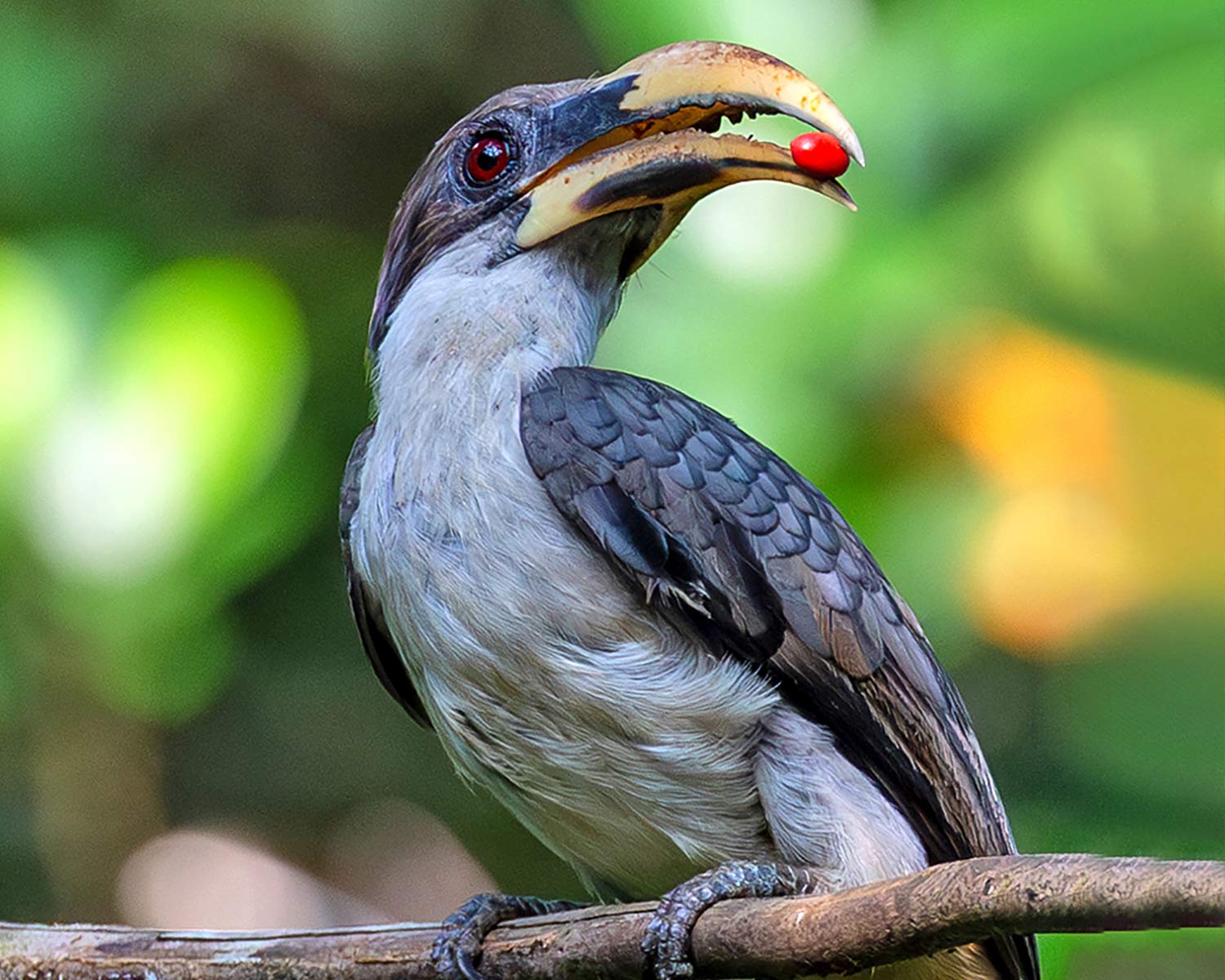
Yala is best known the world over for its leopards, but its mix of dry-zone forest, grassland, lagoons and open coast makes it a strong birding park in its own right, with more than 200 species recorded. The coastal wetlands are the highlight, drawing painted storks, pelicans, waders and migrants through the winter months, and the lagoons are a fine place for photography. Overhead you can expect raptors such as the white-bellied sea eagle and the crested serpent eagle, while the scrub holds peafowl, the Sri Lanka grey hornbill and a handful of dry-zone endemics. It is the obvious choice if you are travelling with people whose interests run to leopards as much as to birds. It can get busy, though, so it is worth avoiding weekends and school holidays in particular, when the jeeps arrive in numbers.
Where to stay: there is plenty of choice here. Uga Chena Huts is the smart option, fourteen cabins with private plunge pools spread over a stretch of coastal scrub a few minutes from the park entrance. For something closer to a classic safari, Leopard Trails runs an intimate mobile tented camp in the buffer zone near the Katagamuwa entrance, while Leopard Safaris pitches over towards Block 5, the quieter side of the park where the jeeps thin out. Flameback Eco Lodge at Weerawila is the pick for birders, with a resident naturalist and a lake full of birds on the doorstep.
Wilpattu
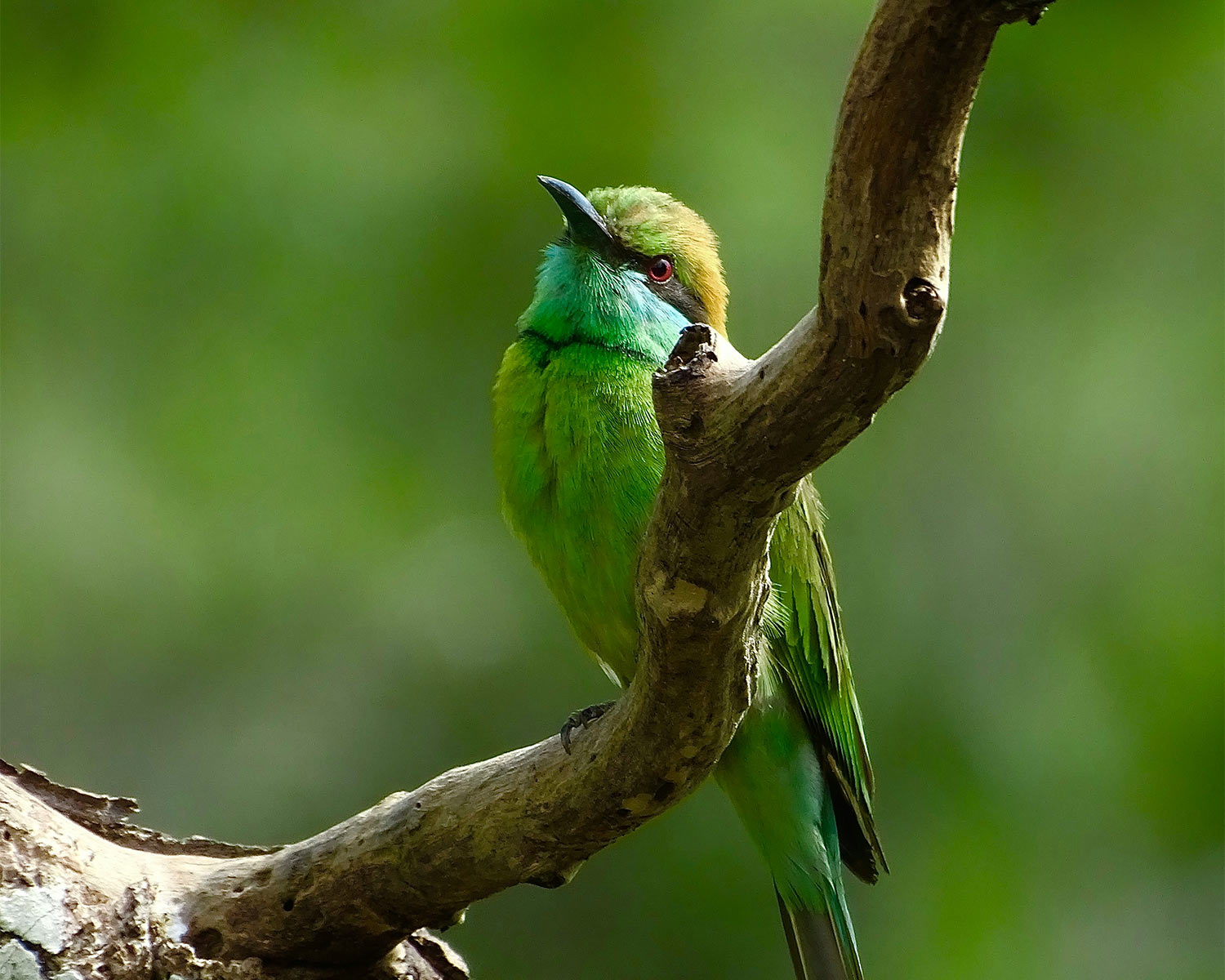
The largest of the national parks and one of the oldest, Wilpattu sits in the northwest and has a very different feel to Yala. Its defining feature is the villus, the natural lakes scattered through the old dry forest, and they are what make it such a rewarding place for waterbirds. Around their edges you can find waders, spot-billed pelicans, lesser adjutants and a good range of migrants, with raptors working the air above. It is quieter and wilder than Yala, with far fewer vehicles, which suits anyone who wants to watch at an unhurried pace. Leopards and sloth bears are here too, for those who want them.
Where to stay: Leopard Trails Wilpattu, an intimate six-tent camp in the buffer zone around twenty minutes from the entrance, is the natural choice for the early game drives. For something wilder and more off-grid in the same northwestern dry zone, the Mudhouse near Anamaduwa is a back-to-nature retreat with plenty of birdlife of its own.
Udawalawe
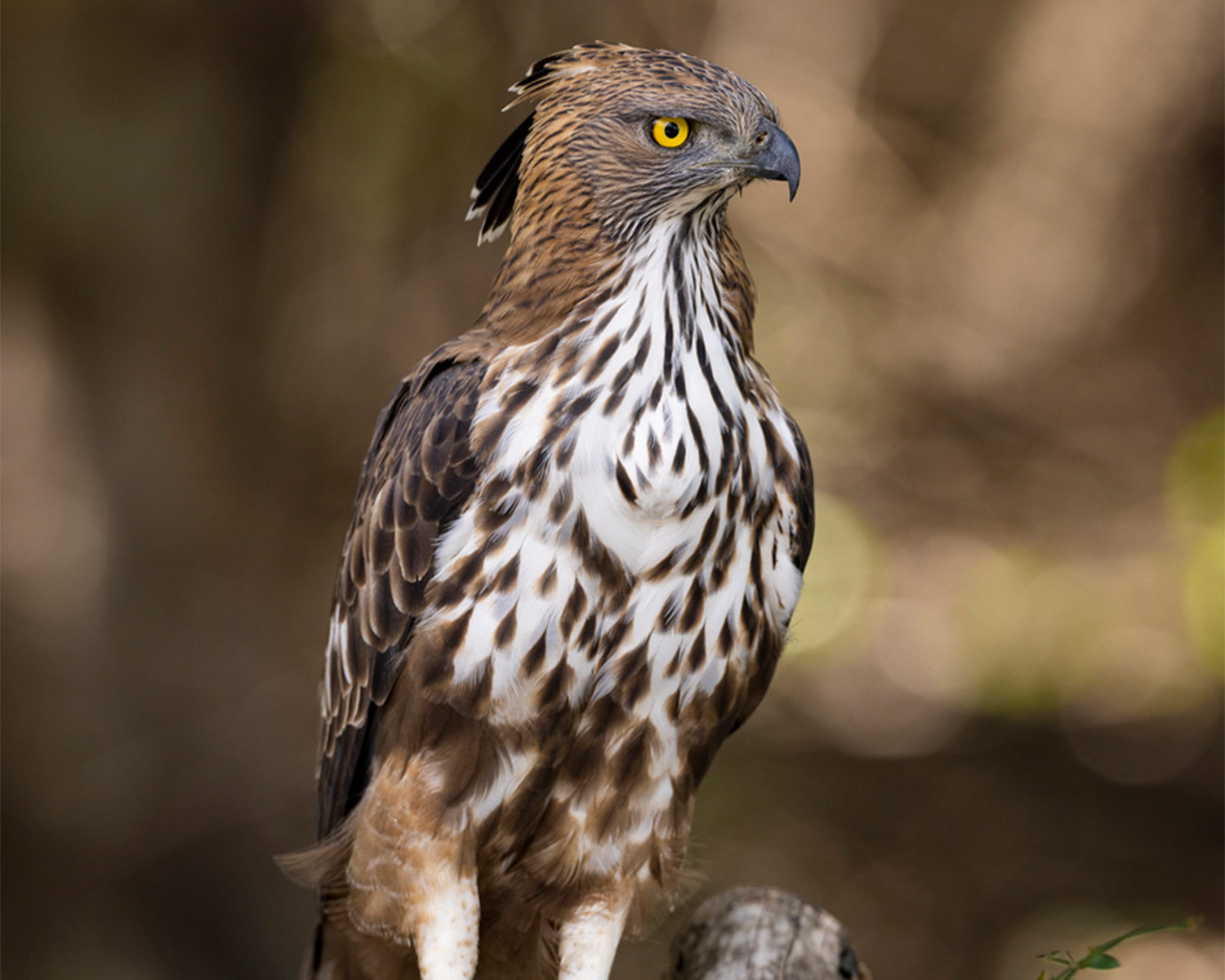
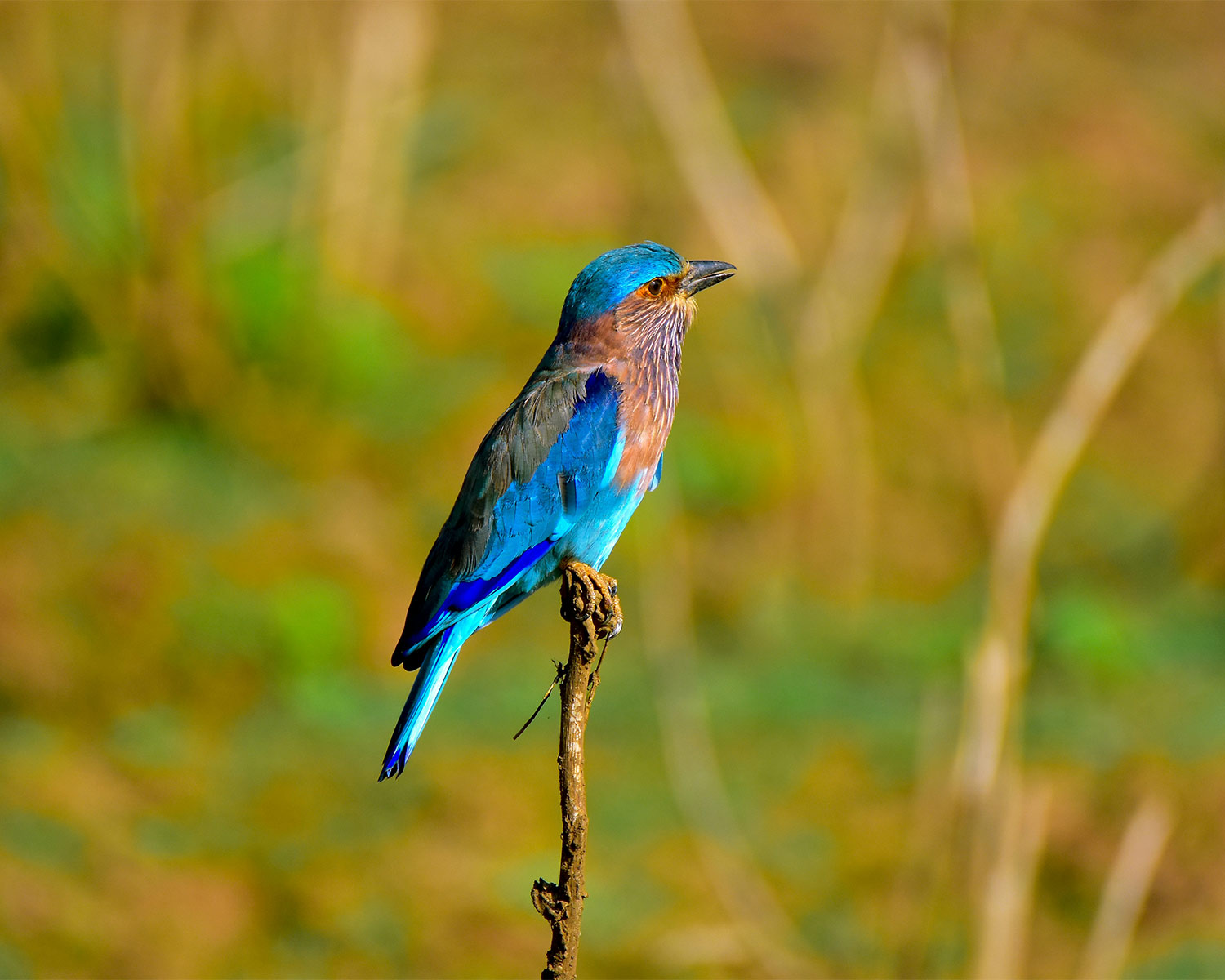
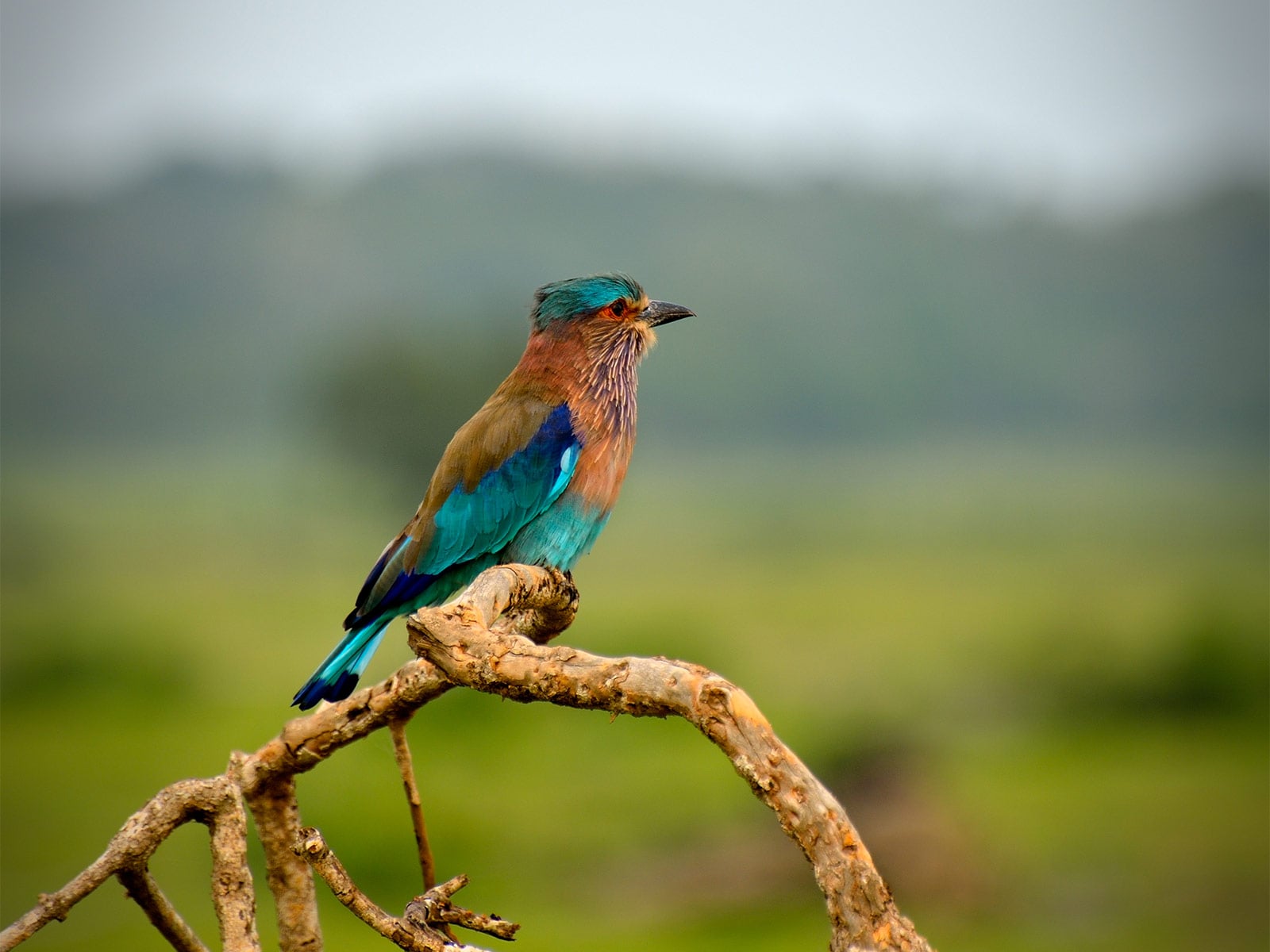
Udawalawe is famous first and foremost for its elephants, which gather in large numbers around the reservoir, but it is a genuinely good birding park and a particular favourite for raptors. The open grassland and the water make spotting easy, and the list of birds of prey is a strong one, with the changeable hawk-eagle, the grey-headed fish eagle and the white-bellied sea eagle all regular. Add Indian rollers, bee-eaters, the Malabar pied hornbill and the waterbirds and migratory ducks that the reservoir pulls in, and it earns its place on any wider itinerary. The open setting also makes it one of the more relaxed parks to watch in.
Where to stay: Flameback Eco Lodge at Weerawila covers Udawalawe comfortably alongside Yala and Bundala, which makes it a sensible single base if you want to bird more than one of the southern parks without moving hotels. It’s simple, with comfortable tents, but it has a nice quality and a great location.
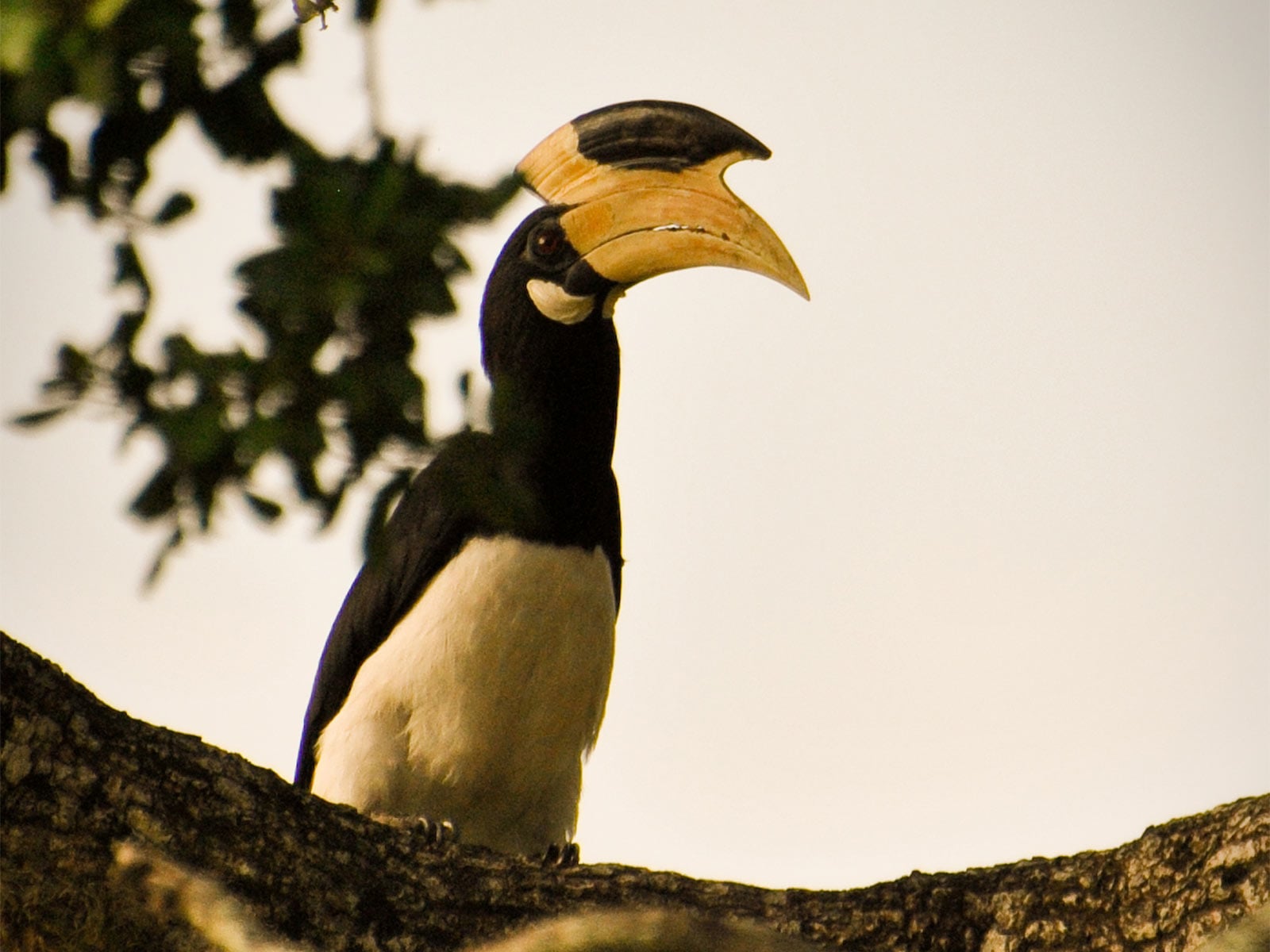
Mannar in the northwest
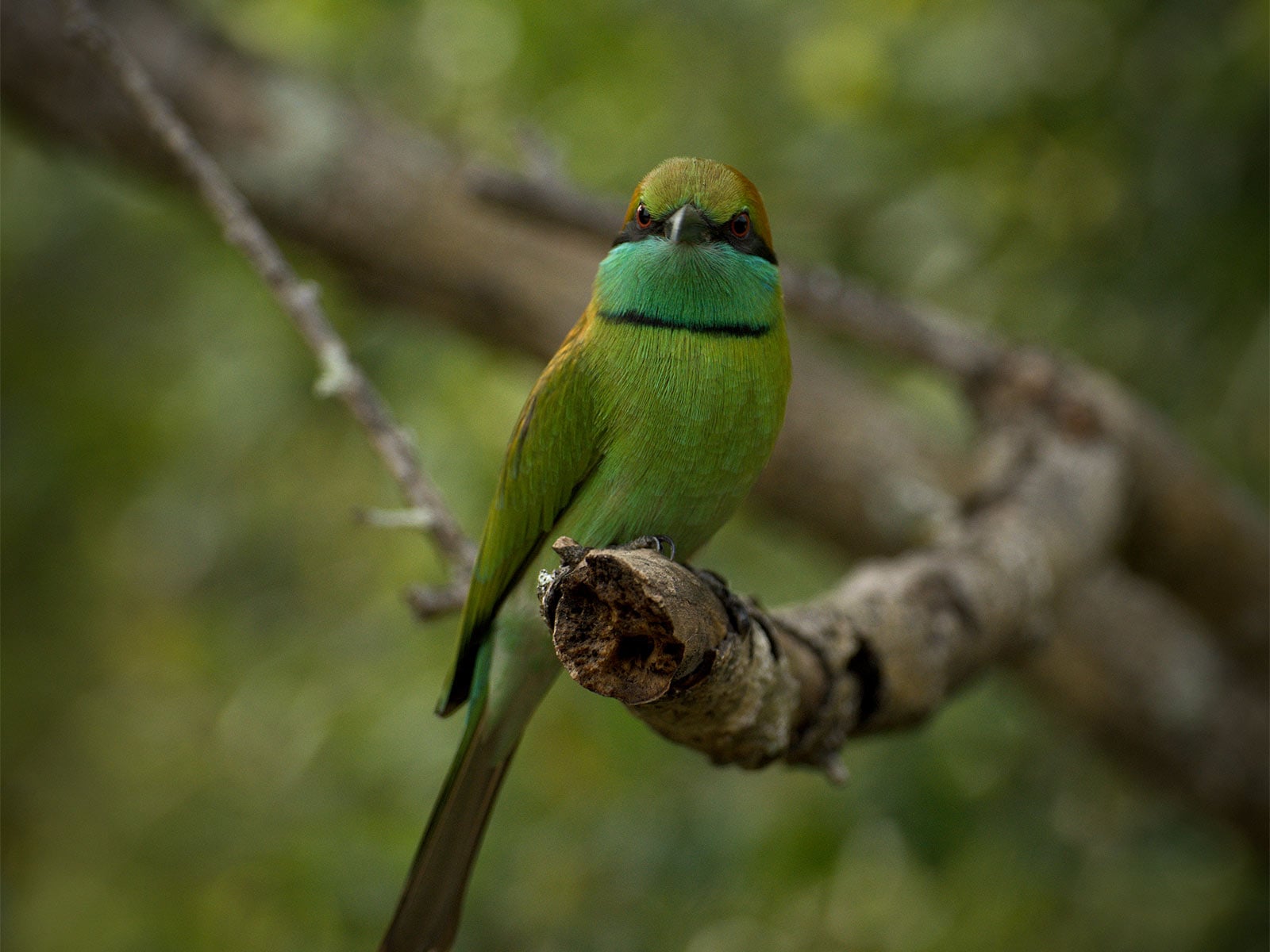
Worth a mention for the more committed. The Mannar area in the northwest is a fine spot for flamingos and northern migrants, and it rounds out a longer, more thorough itinerary for travellers who want to cover as much of the island's range of habitats as possible./p>
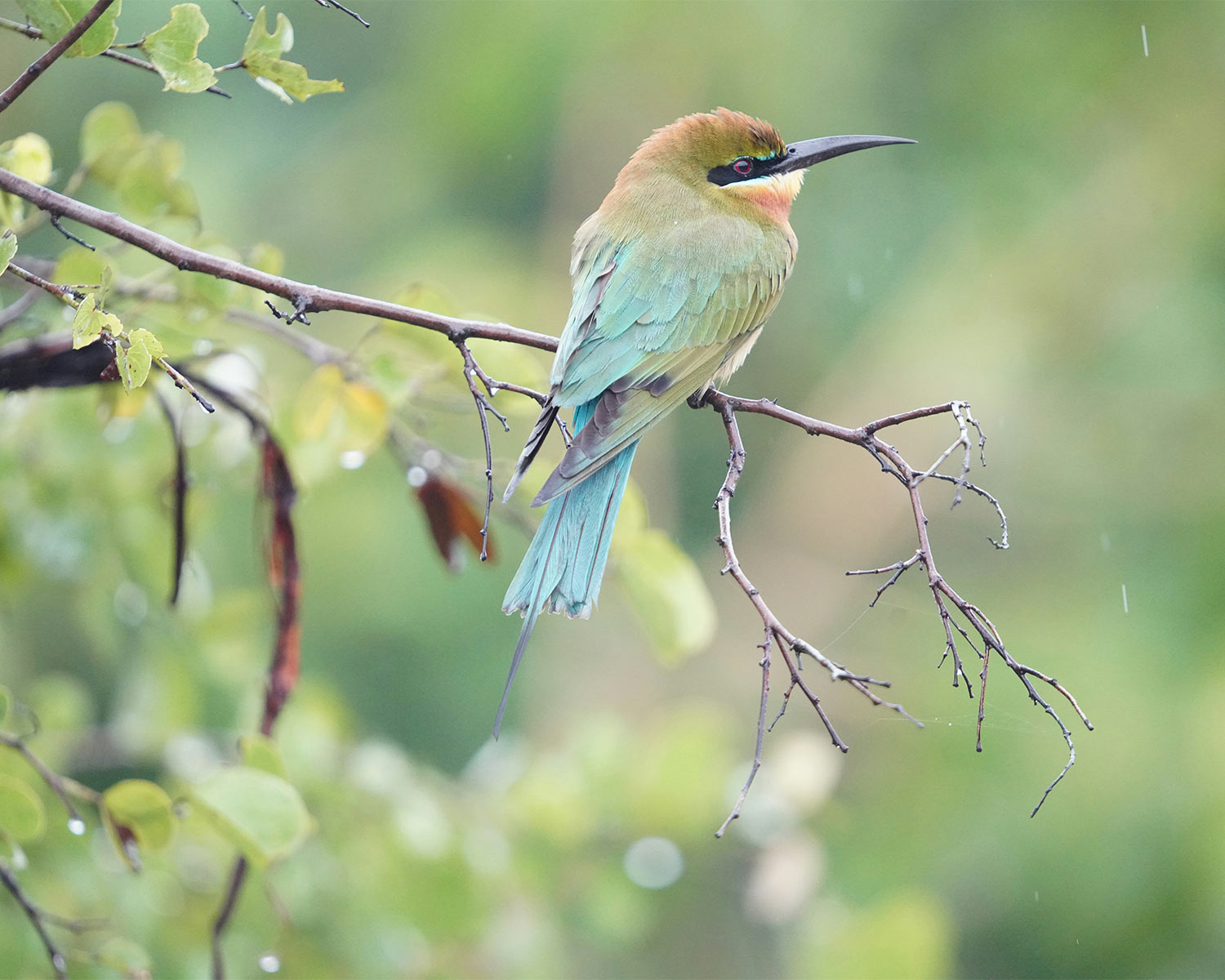
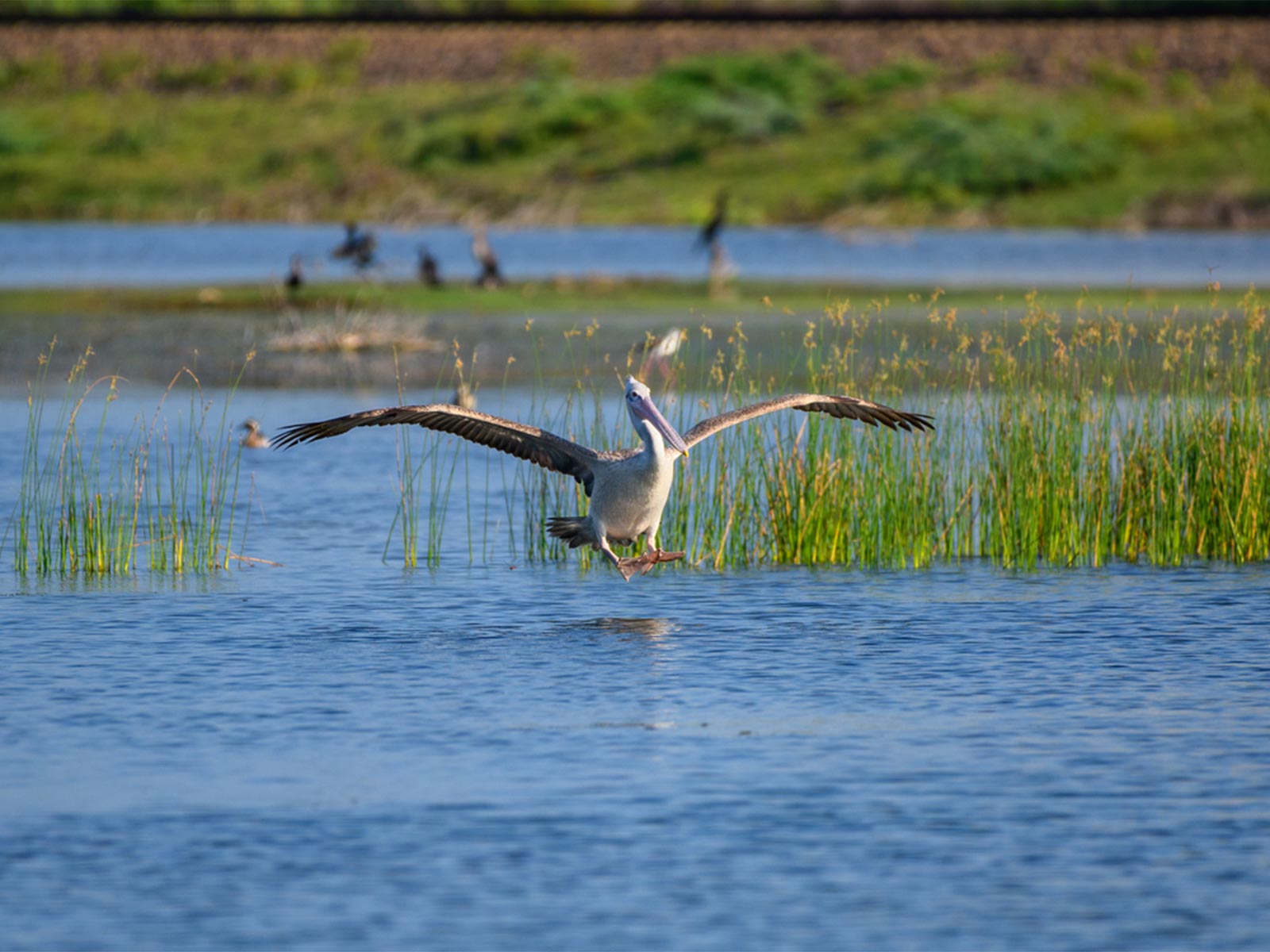
The south coast, for birding and unwinding
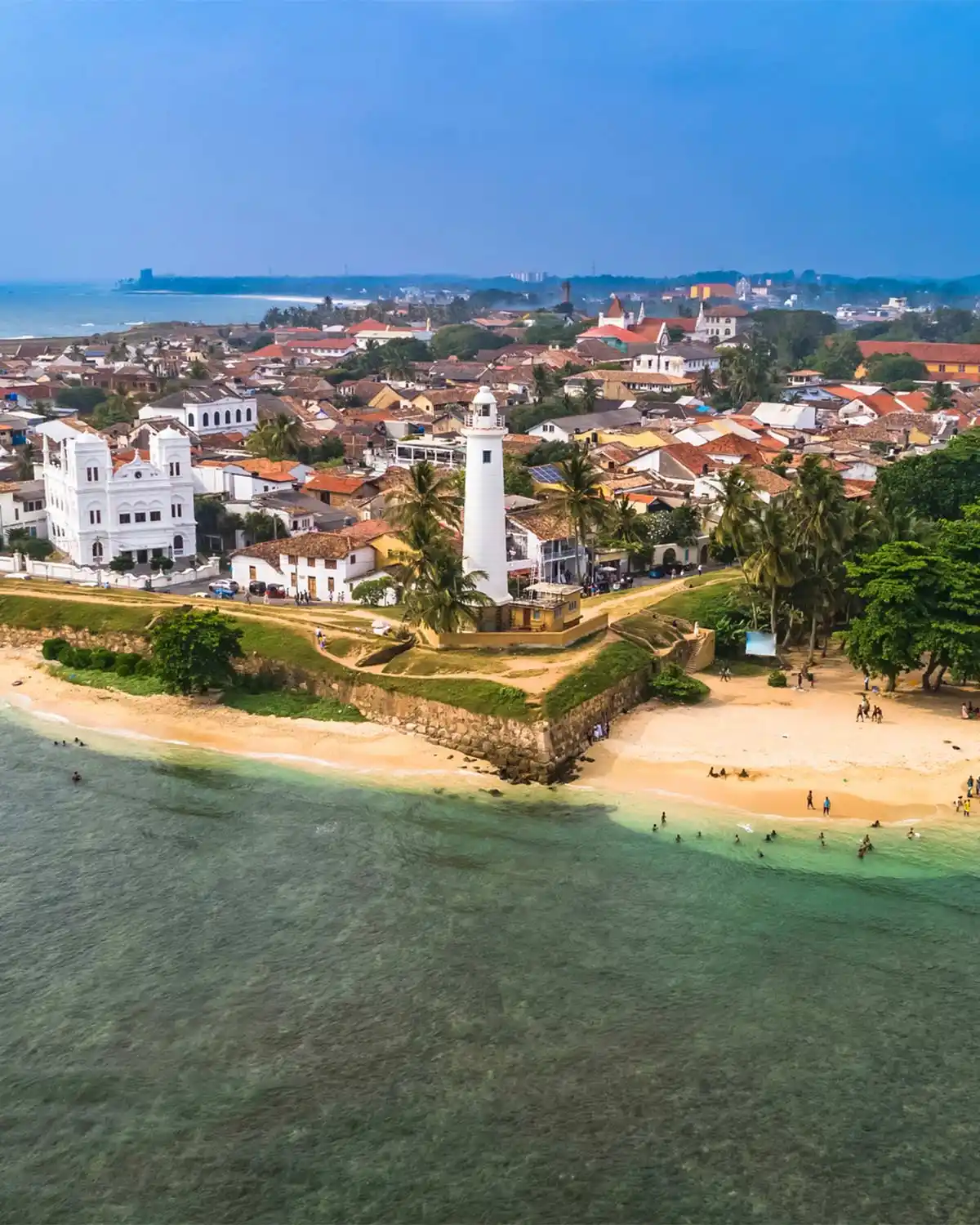
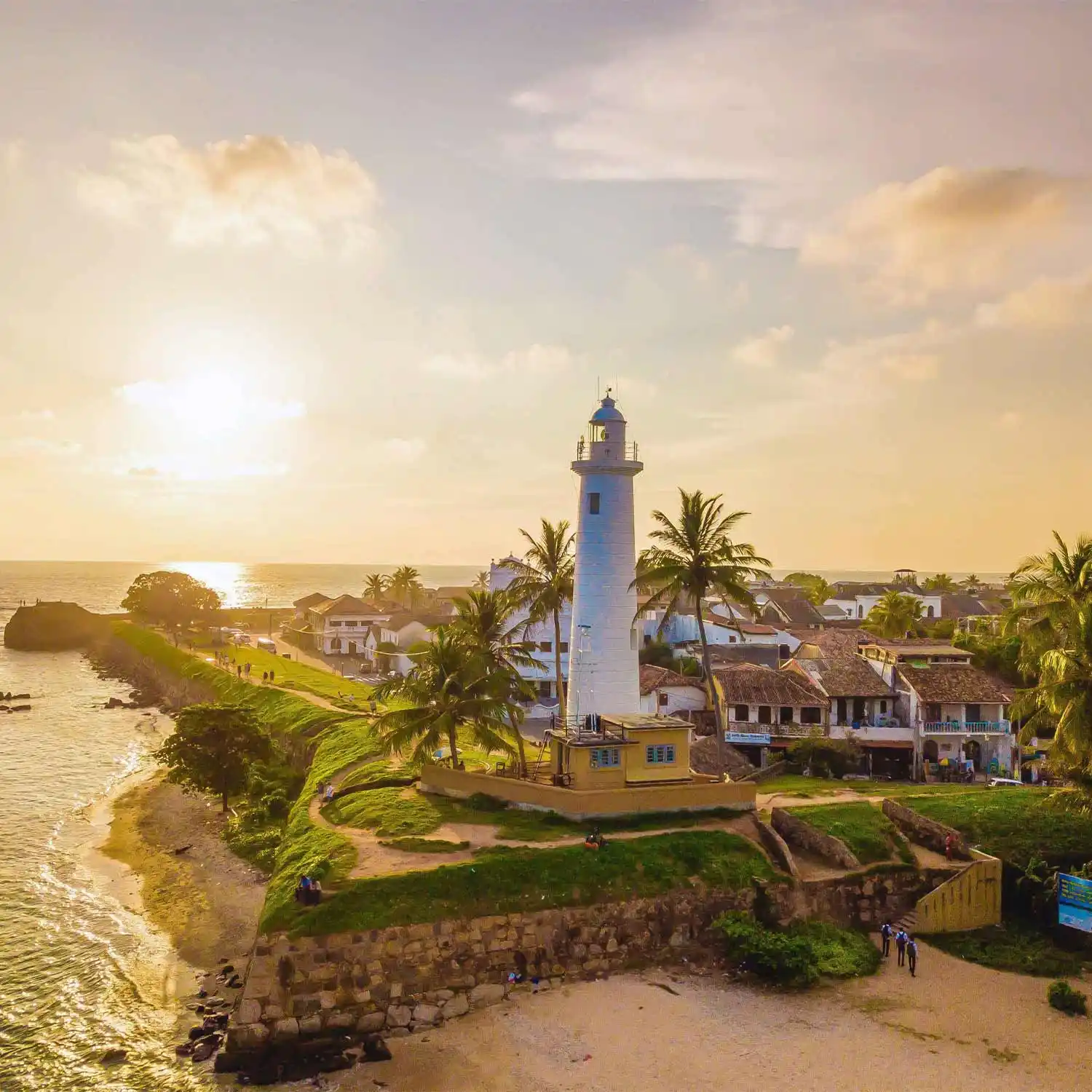
A trip through the southern parks ends naturally on the south coast, and it is a lovely place to slow down for the last few days. The stretch around Galle and Ahangama mixes beaches and old towns with pockets of jungle, paddy and lake, so there is plenty to keep a birder happy without straying far from a sun lounger. The gardens, forest patches and the edges of Koggala Lake are full of resident birds, which means you can keep the binoculars within reach while the pace drops.
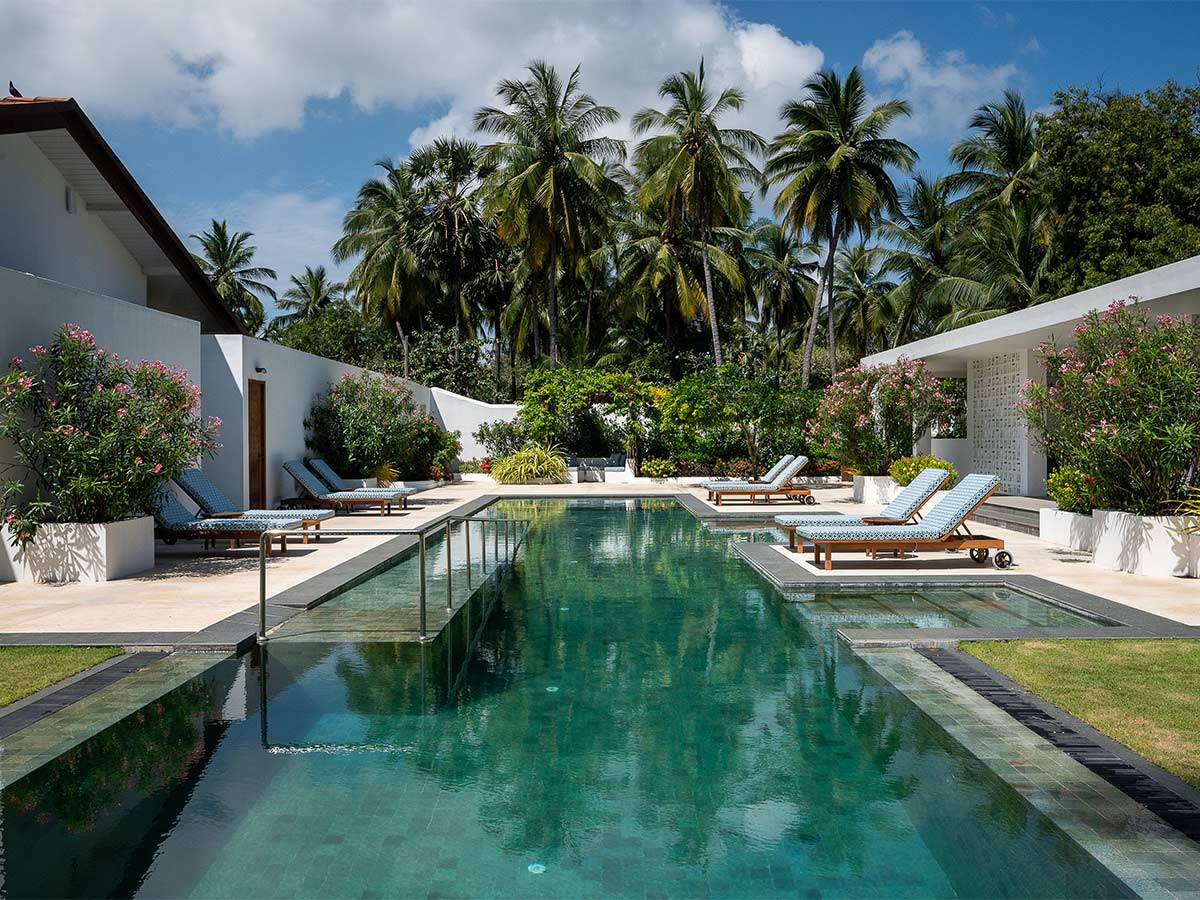
Where to stay: Tekanda Lodge is our favourite way to round things off. It is a small six-room place on a restored plantation in the hills just inland from the coast, about thirty minutes from Galle and less than ten from the beach at Ahangama. The jungle around it is alive with birdsong, there is an infinity pool looking out over the treetops, and the kitchen does proper farm-to-table cooking. It is the sort of spot where you can spend the morning watching birds from the veranda and the afternoon doing very little at all, which is just what you want at the end of a busy trip.
Planning your trip
Birding in Sri Lanka rewards a route that combines the right habitats together in the right order, timed to the season and to the species you most want to see. The classic line, from the southwestern rainforests up into the highlands and then down to the southern wetlands and dry-zone parks, with a few easy days on the south coast to finish, can be shaped in any number of ways depending on how much time you have and how serious your list is.
This is exactly the sort of trip we love to put together. Whether you want a dedicated private birding trip or a fully bespoke holiday to Sri Lanka that mixes birds with leopards, cultural sights, local people, trekking, beaches, tea country and more, we design every itinerary from scratch and pair you with private expert guides who know the forests and the calls. We handle all the stress and the logistics so that your days are free for the birds.
If you would like to talk through where and when to go, we would be glad to help.
Read next
.webp)
.webp)

Meet our experts
Speak to our experts to help you plan your trip
Dreaming of a journey that’s truly your own? Our specialists take the time to understand what excites and inspires you, then craft a holiday that goes far beyond the ordinary. Whether you’re seeking adventure, relaxation, or a perfect balance of both, we’ll design something that’s completely yours. Ready to start planning? Get in touch and let’s create your ideal escape.
Choose your adventure
Speak to one of our team to get started. After all, your travel journal won’t write itself.