Learn more
Where to see the best night skies in India

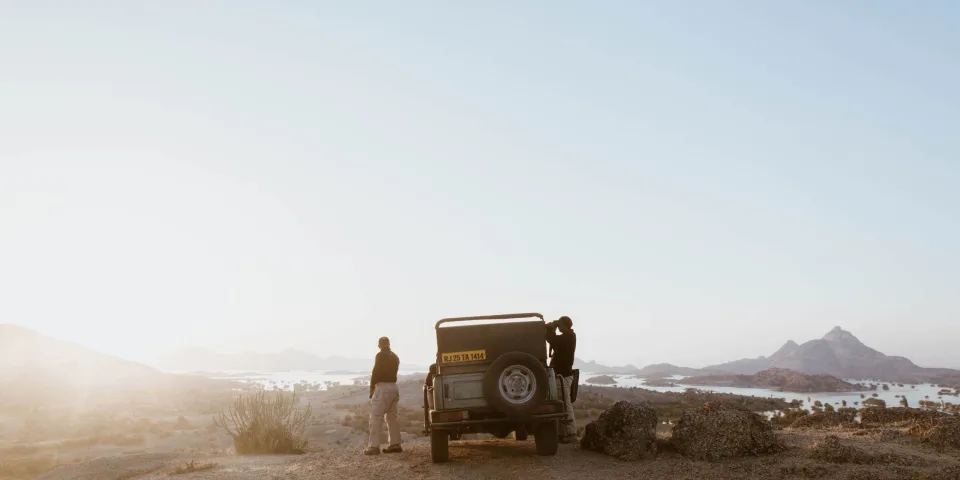
India may not be your first thought when you’re looking for the best places to see the stars. And while you’d be right that the cities are too busy and light-polluted for pristine skies, head to Ladakh's cold desert or the grassy meadows of Pench and you’ll discover the lights thin out and the darkness settles.
India's high-altitude deserts and vast national parks unveil the night sky in showstopping detail. Get lucky, and you’ll see the Milky Way in a form most of us never will; a dense, dust-white river arcing clean across the sky, close enough to touch.
Stargazing in India isn't a niche pursuit anymore. It's fast becoming one of the country's most compelling reasons to travel, and the best places for stargazing in India happen to be some of its most beautiful too. Here's where we send our travellers to see it for themselves.
.webp)
Discover India’s first dark sky reserve in Hanle
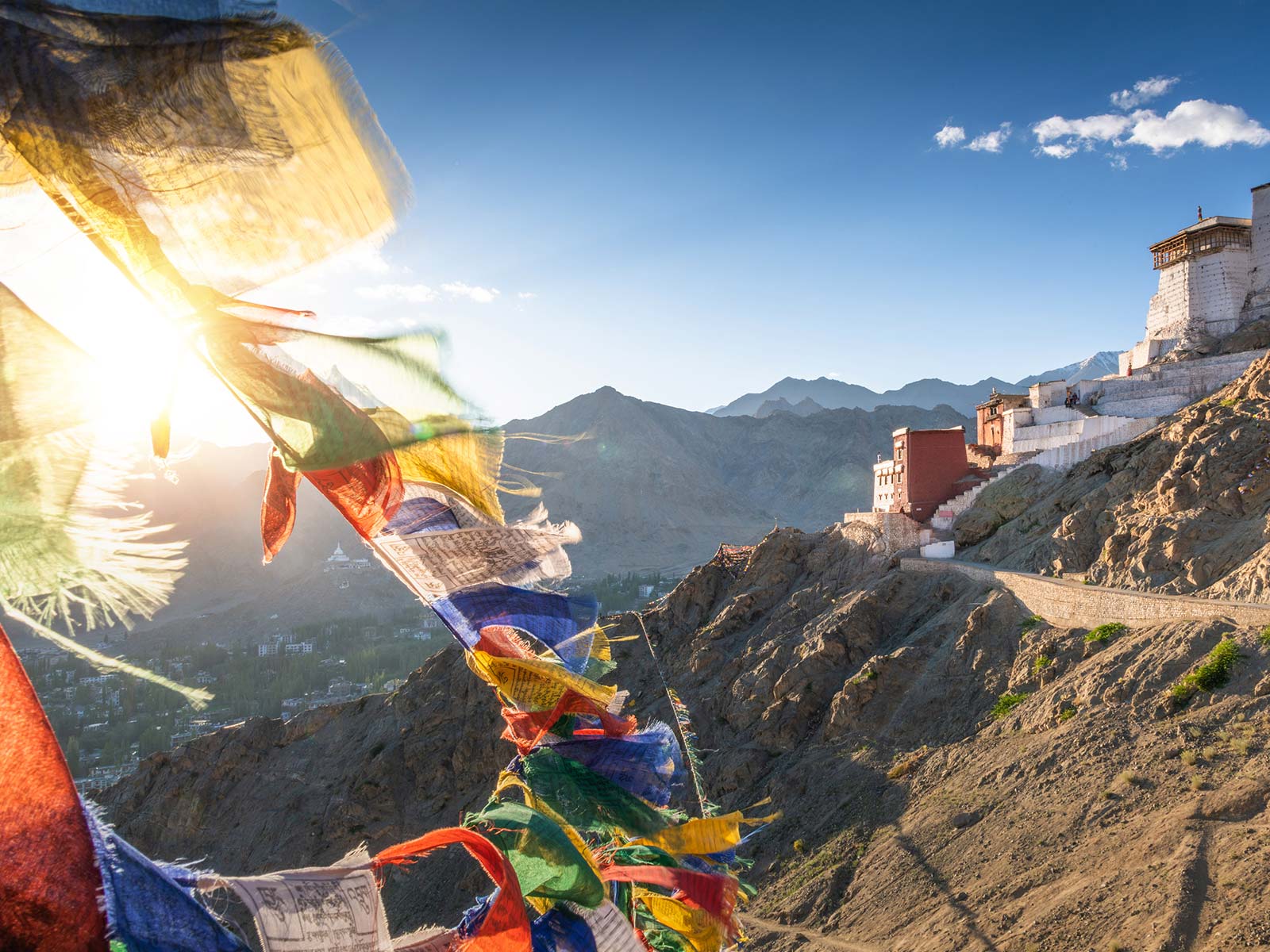
At 4,500 metres in eastern Ladakh, Hanle is home to the Indian Astronomical Observatory and, since 2022, India's first official dark sky reserve. This is Bortle-1 territory - the darkest classification there is - where local Astronomy Ambassadors, trained villagers with their own telescopes, will talk you through the Andromeda Galaxy over butter tea.
It's not just the altitude (though that helps thin out the atmosphere between you and the sky). It's the dryness - Ladakh sits in a rain shadow, so there's almost no atmospheric moisture to scatter starlight. Combine that with near-zero light pollution and you get some of the most transparent night skies on Earth.
On a clear night there, you're not just seeing more stars. You can see the Milky Way's core cast a faint shadow, pick out the Andromeda galaxy with the naked eye, and watch satellites and meteors slice through skies with almost zero interference. Pair a night in Hanle with days spent at Pangong Tso, where the lake doubles the sky in still water - ideal if you want the photograph as much as the experience.
.webp)
See the stars from Nubra Valley
While Hanle rewards the most enthusiastic stargazers, you don’t have to travel quite as far for star-studded skies - Ladakh’s Nubra Valley is slightly more accessible while offering the dry air and high altitude that make for dazzling displays.
The difference between an average night out and a genuinely unforgettable one usually comes down to three things: timing around the lunar calendar, knowing which valleys avoid cloud buildup, and altitude acclimatisation so you're actually comfortable enough to stay out for hours - all aspects our specialists can account for when planning your personalised itinerary to India.
Chase meteors over the Thar Desert
If you’re following the stars from Rajasthan, the dunes of the Thar are hard to beat. Bed down in a private desert camp in the middle of the desert wilderness as the temperature drops and the sky fills in overhead, undisturbed by a single streetlight for miles. Rajasthan's dry climate keeps the air clear for most of the year, and a camel-back ride at dusk to your camp is about as good a warm-up act as stargazing gets.
Find dark skies closer to the jungle in Pench
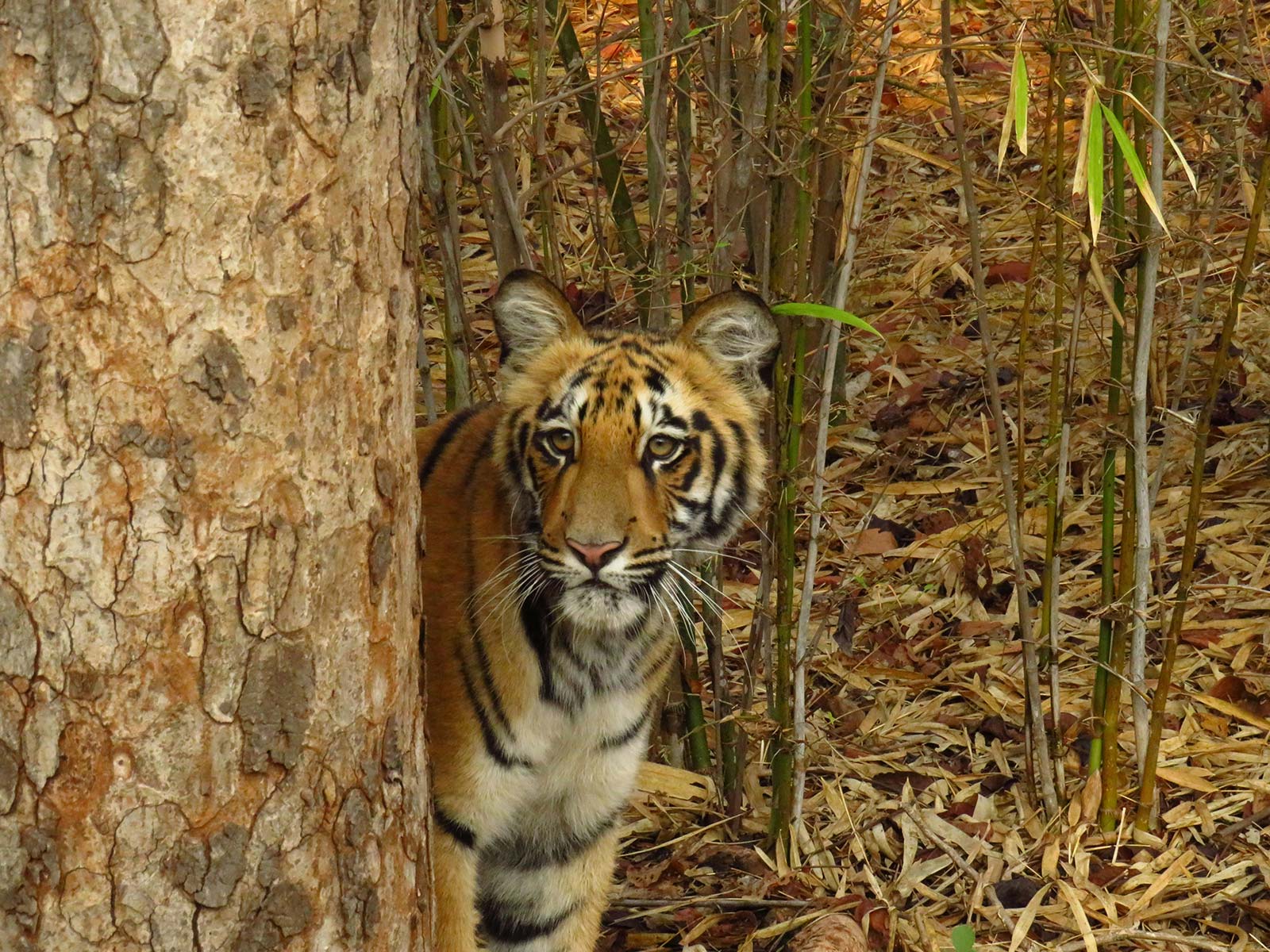
Not every stargazing trip means a mountain pass. Pench National Park, the Central India tiger reserve that inspired Kipling's The Jungle Book, was declared India's first dark sky park in 2024, proof that you don't need to leave the forest to find the stars. Spend your days tracking pug marks and your evenings watching Orion rise over the sal trees - a rare pairing of wildlife safari and astro-tourism in one trip.
.webp)
.webp)
.webp)
Go off-grid in Spiti Valley
Spiti sits in the rain shadow of the Himalayas, which means clouds rarely trouble it and the skies stay reliably clear. Villages like Kaza and Langza, ringed by jagged peaks and Buddhist monasteries centuries old, have almost no ambient light to speak of. Trek by day, and by night watch the sky reveal itself in a way that makes the altitude headache worth it.
.webp)
Watch the Milky Way from the beach in the Andamans
For something altogether different, Shaheed Dweep in the Andaman archipelago offers stargazing with your toes in the sand. Far from mainland light pollution, the night sky here comes with the sound of the tide and the promise of bioluminescent plankton lighting up the shallows - two kinds of stars in one night.
When to go
When it comes to the weather in India, the best time to go depends on your destination. October to March is prime stargazing season across most of India: skies are driest, clearest and coldest. For Ladakh, plan for May to September when the high mountain passes open up. Time your trip around a new moon for the darkest skies and the best chance of spotting the Milky Way's core.
.webp)
Let us point you in the right direction
Knowing where to look is one thing. Knowing which ridge above Hanle catches the sky best, or which Astronomy Ambassador tells the best stories about the stars, is another, and it's exactly the kind of local knowledge our guides on the ground in India are built for. Wherever your journey takes you, we'll make sure you're looking up at the right moment.
Read next
.webp)





















Meet our experts
Speak to our experts to help you plan your trip
Dreaming of a journey that’s truly your own? Our specialists take the time to understand what excites and inspires you, then craft a holiday that goes far beyond the ordinary. Whether you’re seeking adventure, relaxation, or a perfect balance of both, we’ll design something that’s completely yours. Ready to start planning? Get in touch and let’s create your ideal escape.
Choose your adventure
Speak to one of our team to get started. After all, your travel journal won’t write itself.